40 Best Companion Plants for Beans (With Details)
The first year I grew beans, I planted them alone in a tidy row. They did fine, but “fine” is not the word I would use for what happened once I started mixing in the right neighbors. The pods came thicker, the pest damage dropped, and the whole bed just looked healthier.
That is the promise of companion planting for beans, and unlike a lot of garden folklore, this one has real science behind it. Beans are legumes, which means they pull nitrogen from the air and store it in root nodules.
According to New Mexico State University Extension, however, common beans are actually poor fixers, adding less than 50 pounds of nitrogen per acre on their own. That single fact changes how you should plan a bean bed, and it is exactly why the right companions matter so much.
This guide covers 40 companion plants for beans, organized by type, with a closer look at how each one earns its place in the bed.
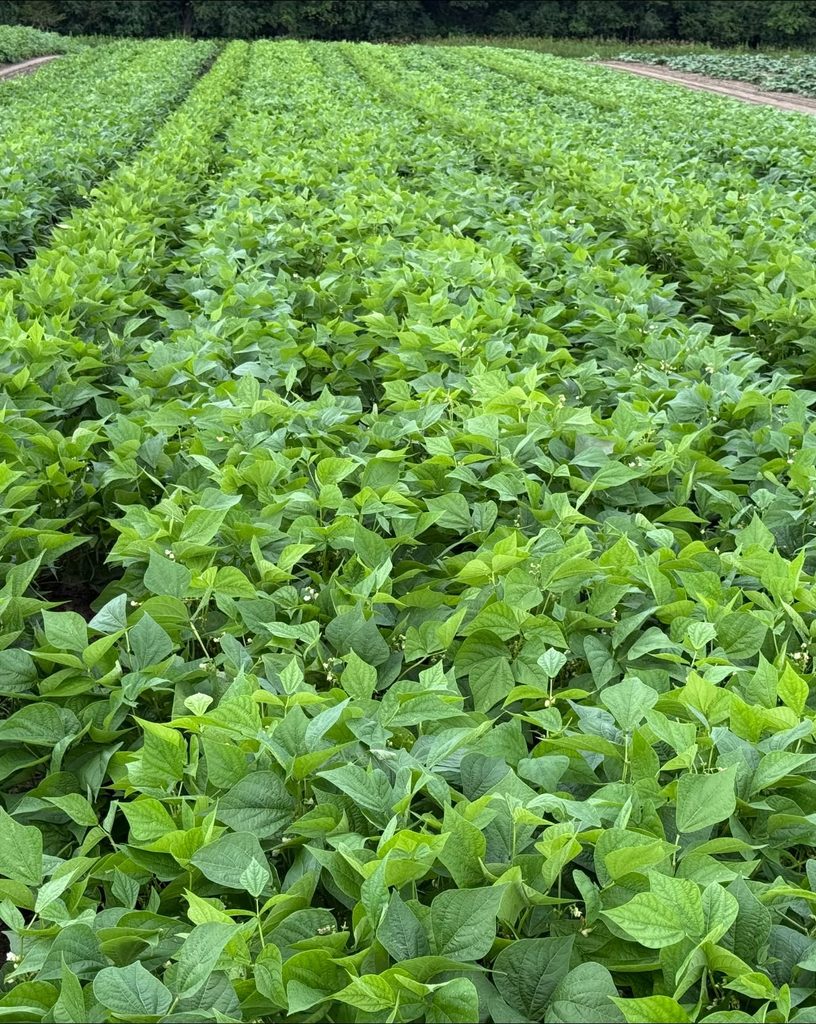
Why Companion Planting Works for Beans
Beans interact with their neighbors in three main ways. Understanding these helps you choose plants with real purpose, not just guesswork.
Nitrogen sharing is the most talked-about benefit, though it is smaller than most people assume. Most of the nitrogen a bean plant fixes stays locked in its own root system until the plant dies and decomposes, so neighboring plants benefit more in the following season than the same one.
Pest deterrence is the second major benefit. Certain herbs and flowers confuse the Mexican bean beetle and aphids with strong scents, while others draw in predatory insects that hunt these pests for you.
Structural support rounds out the list, especially for pole beans. Tall plants like corn give climbing beans something to grip, which is exactly the logic behind the traditional Three Sisters planting of corn, beans, and squash grown together, as described by West Virginia University Extension.
I want to be upfront about something too. Not every companion plant claim you read online holds up under research. University of Arizona Extension notes that many companion planting principles make intuitive sense but are not always backed by controlled science. The plants below are chosen because they have documented, practical value.
Soil texture benefits also deserve a mention. Deep-rooted vegetables like carrots and parsnips break up compacted soil layers as they grow, which makes it easier for shallow bean roots to spread and take up water. This physical loosening effect happens quietly below the surface, long before you notice any change above ground.
Timing and spacing matter just as much as which plants you choose. A companion planted too close will compete for the same light and water, while one planted too far away offers little practical benefit. Most extension guides recommend leaving at least six to twelve inches between beans and their companions, depending on the mature size of each plant.
40 Companion Plants for Beans
Vegetables That Grow Well With Beans
1. Corn
Corn is the backbone of the Three Sisters system, and for good reason. Its tall, sturdy stalks give pole beans something real to climb, which means you can skip the trellis or stake entirely in a mixed bed.
The relationship runs both ways once the season gets going. Beans return a small nitrogen benefit to the soil around corn’s hungry roots, while corn’s height creates a slightly cooler, shadier microclimate that beans seem to appreciate during hot afternoons.
Plant your corn a week or two ahead of the beans so the stalks have a head start. Once the corn reaches about six inches tall, sow bean seeds directly at its base and let them find their way up.
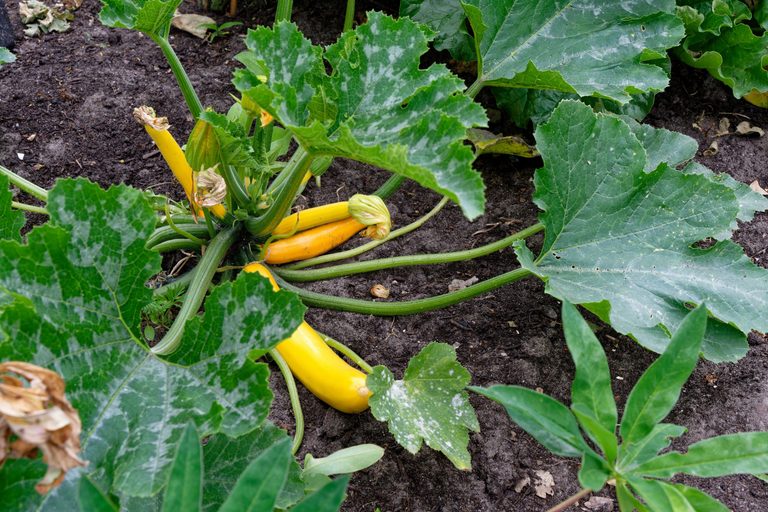
2. Squash
Squash brings a completely different growth habit to the bed, and that is exactly its value. Its broad, low leaves spread out along the ground, shading the soil surface and keeping weed seeds from ever getting the light they need to germinate.
Those same prickly leaves and vines make life difficult for certain crawling pests trying to reach your beans. Squash bugs and cucumber beetles tend to find the sprawling foliage less inviting than a bare, open bed.
Give squash plenty of room to spread, since a single vine can easily cover several feet by midsummer. Plant it at the outer edge of a bean and corn combination so it has space to sprawl without smothering either neighbor.
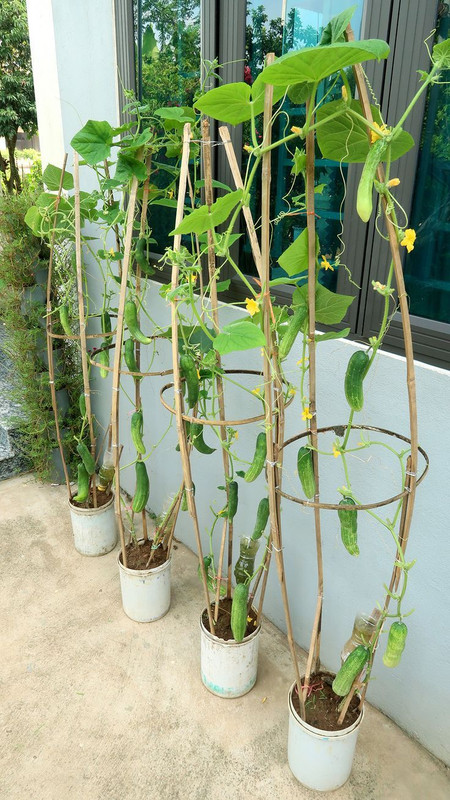
3. Cucumber
Cucumbers and beans tend to get along quietly, without much drama in either direction. Both plants have moderate water needs, so a shared watering schedule works well for the two of them.
The pairing also brings in a similar crowd of pollinators. Bees drawn to cucumber flowers often stick around long enough to visit nearby bean blossoms too, which can help with pod formation.
Cucumbers do climb, so if you are growing pole beans, give the two crops separate trellises rather than letting their vines tangle. Bush bean varieties handle the pairing with even less fuss.
4. Carrots
Carrots and beans occupy two completely different layers of the same bed, which is precisely why they coexist so easily. Carrots push down into the soil while beans stay almost entirely above it.
That underground activity does more than just avoid competition. As carrot roots grow and expand, they gently loosen compacted soil, creating small channels that make it easier for shallow bean roots to spread and access water.
Sow carrots a few weeks before your beans so they have time to establish first. Keep rows close but distinct, since carrots need their own thinning space to size up properly.
5. Beets
Beets pull magnesium from the soil and, according to several extension sources, seem to pass some benefit along to nearby bush beans. It is a small, quiet exchange, but gardeners have noted it for generations.
This pairing works best with bush beans specifically. Pole beans grow tall enough to cast real shade over beet greens, which can slow down root development in the beet itself.
Keep a modest gap between the two rows, roughly eight to ten inches, so neither plant crowds the other’s root zone. Beets also tolerate the slightly acidic soil that beans tend to prefer.
6. Radish
Radishes are one of the fastest vegetables you can grow, often ready to harvest in under a month. That speed makes them useful as a soil-loosening crop planted right alongside young bean seedlings.
As radish roots swell and are eventually pulled from the ground, they leave behind small pockets of looser soil. Beans growing nearby benefit from that improved drainage and aeration without any extra work on your part.
Sow radish seeds directly next to your bean rows at planting time. By the time your beans need the extra room, the radishes will already be harvested and out of the way.
7. Potatoes
Potatoes and beans have shared garden space in traditional plots for a very long time, and the pairing still holds up. Beans are believed to add a modest nitrogen boost that benefits the potato crop planted nearby or in rotation.
Potatoes, in turn, offer beans a bit of ground-level shade from their bushy foliage during the hottest part of summer. That shade can reduce moisture loss from the soil surrounding young bean plants.
Keep enough distance between the rows to allow for potato hilling, since you will need to mound soil around potato stems as they grow. About twelve inches of separation usually works well.
8. Celery
Celery grows slowly and deliberately, which makes it a patient, low-drama neighbor for beans. It rarely competes hard for light or nutrients during the early weeks when both crops are still establishing.
One of celery’s quieter contributions is soil structure. Its dense root system helps the surrounding earth hold moisture more evenly, which benefits beans during dry stretches when consistent watering matters most.
Give celery consistent moisture of its own, since it dries out faster than beans do. A shared watering basin between the two rows can help keep both crops comfortable without extra effort.
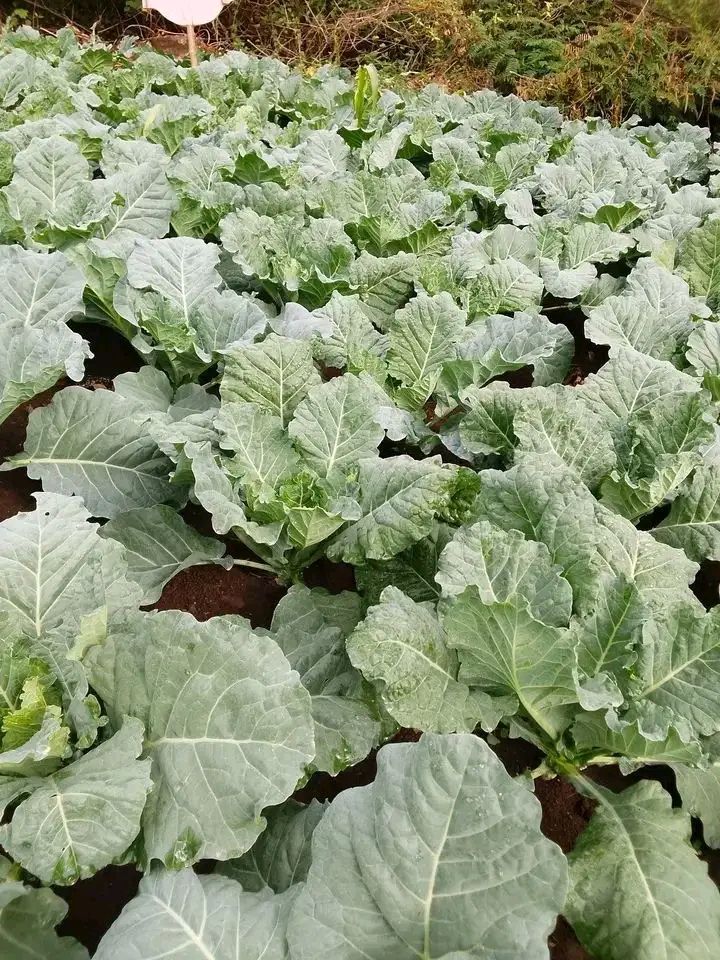
9. Cabbage
Cabbage and beans draw on noticeably different nutrients from the soil, which keeps direct competition to a minimum. That difference is part of why extension guides so often list them as compatible partners.
Interplanting cabbage among beans also disrupts the visual and scent cues that pest insects use to locate their preferred host plants. A garden broken into smaller mixed patches is simply harder for a pest to navigate than one large block of a single crop.
Space cabbage generously, since its outer leaves spread wide as the head matures. Beans planted at the edge of a cabbage patch usually fare better than those planted directly underneath its canopy.
10. Kohlrabi
Kohlrabi behaves much like its cabbage-family relatives once it is in the ground. It draws on similar nutrients to cabbage, which means it shares that same low-competition relationship with nearby beans.
Its unusual swollen stem grows mostly above the soil line, so it does not interfere much with bean root systems below. The two crops can sit fairly close together without either one crowding the other’s growing space.
Kohlrabi matures quickly, often within two months, so it works well as an early crop planted alongside beans that will take longer to reach full size.
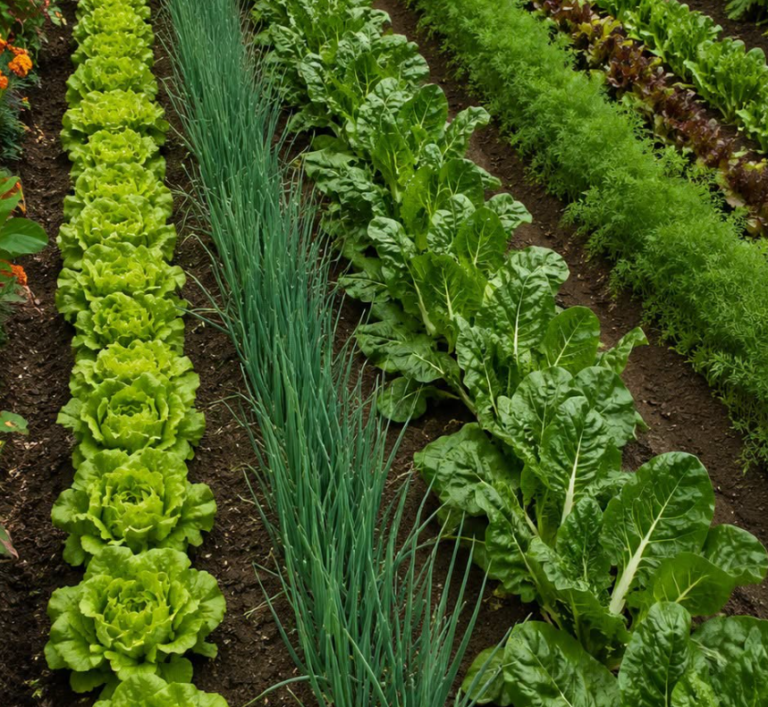
11. Lettuce
Lettuce stays shallow-rooted and close to the soil surface, which makes it an easy, low-maintenance filler between bean rows. It rarely reaches deep enough to compete with bean roots for water.
As beans grow taller through the season, they cast a light, dappled shade that lettuce actually welcomes. Many lettuce varieties bolt and turn bitter in full, unbroken sun, so this partial cover can extend your harvest window.
Sow lettuce seed in the gaps between young bean plants early in the season. By the time beans fill in and shade the bed more fully, your lettuce should already be ready to pick.
12. Swiss Chard
Chard shares bed space comfortably with beans thanks to its different nutrient demands and growth pattern. The two rarely pull hard on the same resources at the same time.
Chard’s broad, colorful leaves also do quiet work at ground level. They help shade out weed seedlings trying to establish around the base of nearby bean plants, cutting down on the weeding you would otherwise need to do.
Plant chard along the edges of a bean bed where it can catch a bit more open light. It tolerates light shade well but grows fuller with a few hours of direct sun each day.
13. Spinach
Spinach is a cool-season crop that moves fast, often bolting and finishing its cycle before beans even need the extra space. That timing difference is what makes the pairing so practical.
Because both plants can occupy the same bed at different points in the season, spinach essentially lets you get two harvests out of one patch of ground. It is one of the simplest ways to double up your growing space early in the year.
Sow spinach in early spring, well before your beans go in. As the spinach finishes and is harvested, simply follow it with a row of bean seeds in the same spot.
14. Eggplant
Eggplant is a heavier feeder than many vegetables, and it benefits from the light nitrogen contribution that beans leave behind in the soil over time. That modest boost can support stronger eggplant growth without extra fertilizer.
The two plants also tend to draw in overlapping pollinators, particularly bees. More pollinator traffic in the bed generally means better fruit set for eggplant and better pod formation for beans.
Give eggplant its own generous space, since it grows into a substantial bush by midsummer. Plant beans at a respectful distance so neither crop shades out the other during peak growth.
15. Strawberry
Strawberries spread low and wide, forming a dense mat that suppresses weeds around anything planted nearby, beans included. That ground-level coverage is one of their most practical garden contributions.
In return, beans may offer strawberries a small nitrogen benefit as their root nodules break down over time. It is not a dramatic exchange, but it adds up in a bed that stays productive year after year.
Plant beans at the outer edge of a strawberry patch rather than directly among the runners. This keeps both plants accessible for harvest without your feet crushing strawberry runners as you pick beans.
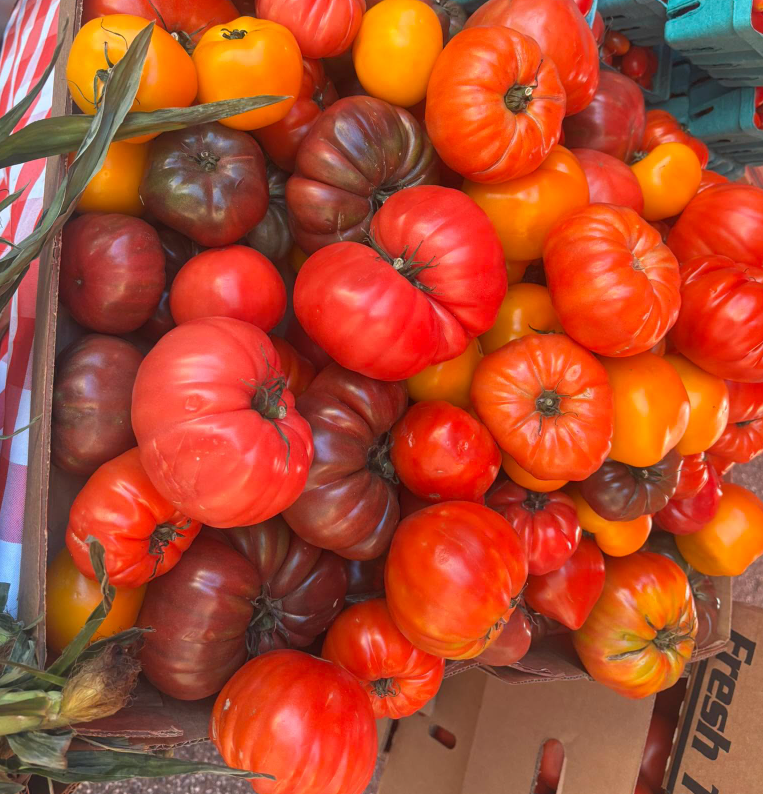
16. Tomato
Tomatoes and bush beans have a long-standing reputation as protective neighbors. Some gardeners believe the pairing helps shield both plants from certain pests, though the mechanism is not fully settled in research.
What does seem consistent is those two crops’ shared preference for warm, well-drained soil and steady watering. Growing them together simplifies your care routine, since neither needs dramatically different conditions from the other.
Keep tomatoes and pole beans separated if both are climbing, since their vines can tangle and compete for the same trellis space. Bush beans handle the pairing more gracefully.
17. Parsnip
Parsnips grow much like carrots, sending a long taproot deep into the soil while beans stay entirely above ground. That vertical separation means the two rarely compete for the same resources.
Parsnip roots also take their time, often needing a full growing season to mature fully. That slow, steady underground development happens quietly beneath whatever beans are growing on the surface nearby.
Sow parsnip seed early, since germination can be slow and unpredictable. Once established, the crop needs little attention and coexists easily with beans planted in the same bed.
18. Pumpkin
Pumpkin functions much like squash in a bean bed, offering broad ground cover and steady weed suppression as its vines spread. The combination of beans, pumpkin, and corn together forms a well-documented version of the Three Sisters planting.
Research from universities in Iran actually put this exact trio to the test. Pinto beans, pumpkins, and corn grown together produced a higher combined yield, in both quantity and quality, than any of the three crops grown alone.
Give pumpkin significant room to sprawl, since a single healthy vine can stretch ten feet or more. Plant it at the outer edge of your bean and corn planting so it has space to spread freely.
19. Cauliflower
Cauliflower shares the same low-competition relationship with beans that other brassicas do, drawing on a different mix of soil nutrients. That difference keeps the two crops from working against each other underground.
It also benefits from the light, dappled shade that climbing pole beans can cast during the hottest weeks of summer. Cauliflower heads are sensitive to heat stress, so a bit of afternoon cover can help.
Space cauliflower generously, since its outer leaves need room to spread as the head forms. Plant it where it will receive morning sun and afternoon shade from taller bean vines.
20. Broccoli
Broccoli rounds out the brassica family as a reliable bean companion, following the same general pattern as cabbage and cauliflower. Its nutrient needs differ enough from beans to avoid direct competition.
Interplanting broccoli among your beans also adds another layer of scent and visual disruption for pest insects hunting by smell. A garden with several crop families mixed together is simply a harder target to navigate than a single uniform block.
Harvest the central broccoli head promptly once it forms, since delayed picking can cause it to bolt. Side shoots will often continue producing for weeks afterward, right alongside your beans.
Herbs That Support Bean Growth
21. Summer Savory
Summer savory is one of the most consistently recommended herbs for any bean bed, and extension sources back this up repeatedly. Its strong, peppery scent seems to genuinely confuse the Mexican bean beetle as it searches for host plants.
Beyond pest deterrence, gardeners have long claimed that summer savory improves the flavor and overall growth of nearby beans. While that particular claim leans more on tradition than controlled research, the pest benefit alone justifies a spot in the bed.
Plant summer savory directly among your bean rows rather than off to the side. Its low, bushy habit means it will not compete for light or crowd out the beans as both mature.
22. Rosemary
Rosemary carries a strong, resinous scent that seems to interfere with how bean beetles locate their target plants. That aromatic confusion is one of the more reliable pest-deterrent effects among common garden herbs.
The plant also produces small blue flowers that draw in a steady stream of pollinators throughout the growing season. More pollinator activity near your beans generally supports better pod formation.
Rosemary prefers drier soil than beans typically need, so plant it at the edge of the bed rather than directly among the rows. A slightly raised spot with good drainage suits it best.
23. Basil
Basil has a well-earned reputation for repelling aphids, one of the more common pests that target young, tender bean growth. Its strong scent seems to make nearby plants less appealing to these soft-bodied insects.
The pairing works especially well in beds that also include tomatoes, since basil is already a classic companion for that crop. Growing all three together lets you concentrate pest-deterrent coverage across multiple vegetables at once.
Pinch basil regularly to keep it bushy and productive, which also encourages it to release more of its protective aroma. Avoid letting it flower too early if pest pressure is a concern that season.
24. Oregano
Oregano grows into a dense, low mat that offers general pest deterrence simply through its strong, persistent aroma. Many common garden pests seem to avoid areas where oregano grows thickly.
Left to flower, oregano also becomes a genuine pollinator magnet, drawing in bees and other beneficial insects in noticeable numbers. That extra pollinator traffic can benefit any nearby flowering bean plants.
Plant oregano along pathways or bed borders where its spreading habit will not overwhelm your bean rows. It tolerates poor soil well, so it rarely competes hard for the richer conditions beans prefer.
25. Dill
Dill’s feathery, umbrella-shaped flower heads are a magnet for parasitic wasps, tiny insects that lay their eggs inside caterpillars and other soft-bodied bean pests. This makes dill one of the more scientifically grounded pest-control companions on this list.
The benefit is strongest once dill is allowed to flower fully, since the open umbels are what attract these beneficial wasps in the first place. Cutting dill back too early for kitchen use can reduce this effect.
Let a few dill plants go to full bloom near your beans each season. Harvest the rest for cooking, but leave enough flowering stems standing to keep the beneficial insects coming.
26. Catnip
Catnip has a solid reputation among gardeners for repelling flea beetles and aphids, two pests that can trouble young bean plants. Its strong minty scent appears to be the main deterrent at work.
The plant does come with one obvious complication: cats. If there are any cats around your garden, they may flatten or dig at catnip plants, which can disturb whatever is growing nearby, including your beans.
Plant catnip at the far edge of the bed, away from foot traffic and delicate seedlings. This keeps its pest-repelling benefits close enough to matter without risking damage from curious cats.
27. Mint
Mint’s intensely strong scent can help mask the smell of beans from pests that hunt by scent alone. In a mixed bed, that olfactory confusion may reduce how easily certain insects locate their target plants.
The tradeoff is mint’s notoriously aggressive spreading habit. Left unchecked, its runners will happily invade every inch of open soil nearby, including space you meant for your beans.
Always grow mint in a buried, bottomless pot sunk into the bed rather than planting it directly in open soil. This contains the roots while still letting the scent do its work above ground.
28. Chamomile
Chamomile has long been called the garden’s physician, thanks to its reputation for improving the health and vigor of whatever grows near it. Its daisy-like flowers carry a faint scent of apple and straw.
That scent draws in hoverflies, small insects whose larvae feed heavily on aphids. A patch of chamomile near your beans can quietly recruit these predators without you needing to do anything else.
Scatter chamomile seed loosely around the outer edges of your bean rows. It self-seeds easily, so a single planting often returns on its own the following year.
29. Yarrow
Yarrow’s flat, feathery flower clusters act almost like a landing pad for beneficial insects. Ladybugs and hoverflies in particular seem drawn to its wide, easily accessible blooms.
Once established, those insects tend to stick around the area, patrolling nearby bean plants for aphids and other soft-bodied pests. It is a quiet, ongoing form of pest control that requires no intervention from you.
Yarrow tolerates poor, dry soil well, making it a low-maintenance border plant along the edge of a bean bed. Give it full sun for the strongest, longest bloom period.
30. Cilantro
Cilantro earns its spot on this list mostly after it flowers, a stage often called coriander in reference to the seeds that follow. Those small white blooms attract tiny parasitic wasps that target caterpillars and other bean pests.
Many gardeners harvest cilantro leaves early for the kitchen, which means the plant never gets the chance to flower and deliver this particular benefit. Leaving a few plants to bolt intentionally solves that problem.
Sow a portion of your cilantro specifically for flowering rather than eating. Plant it near beans that have struggled with caterpillar damage in previous seasons for the clearest benefit.
Flowers That Pair Well With Beans
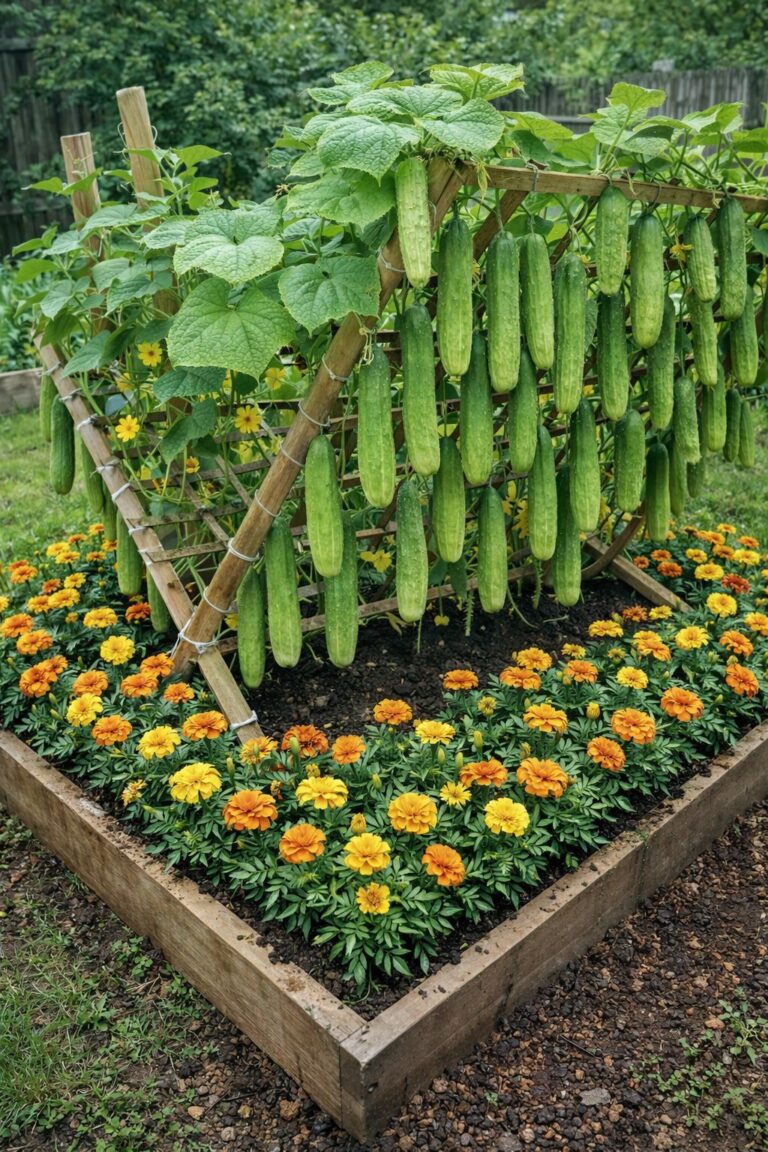
31. Marigold
Marigold is one of the most trusted companion flowers in any vegetable garden, and beans are no exception. Its roots release a compound called thiophene, which is known to suppress harmful nematodes living in the soil.
Beyond the soil-level benefit, marigold’s strong scent also seems to deter several species of bean beetle from settling into the bed. That combination of underground and aboveground protection is fairly rare among companion flowers.
Choose French marigolds specifically, since they tend to show the strongest nematode-suppressing effect in field observations. Plant them in a loose border around the perimeter of your bean rows.
32. Nasturtium
Nasturtium works primarily as a trap crop, meaning pests often prefer its soft, round leaves over the tougher foliage of nearby beans. Aphids in particular tend to gather on nasturtium instead of moving on to your crop.
This makes nasturtium a genuinely useful sacrifice plant. When you notice aphids collecting on its leaves, you can simply remove and dispose of the affected growth rather than treating your entire bean bed.
Plant nasturtium a short distance from your beans rather than directly among them, so it can intercept pests before they reach the main crop. Its edible flowers are a pleasant bonus at harvest time.
33. Petunia
Petunias bring more than just color to a bean bed. Several extension resources note that certain beetle species tend to avoid areas where petunias are planted densely, likely due to their scent.
Their nonstop blooming habit also means petunias are rarely without flowers for long stretches of the season. That steady bloom keeps pollinators visiting the bed regularly, which indirectly supports better bean pod formation.
Plant petunias along the sunny edges of your bean rows, where they will get enough light to bloom fully. Deadhead spent flowers occasionally to keep new blooms coming.
34. Zinnia
Zinnias are workhorse flowers when it comes to drawing pollinators into a vegetable garden. Their large, bright blooms are easy for bees and butterflies to spot from a distance.
More pollinator traffic near your beans generally translates into better pod set, particularly for varieties that rely heavily on insect pollination rather than self-pollinating easily. Zinnias help keep that traffic steady all season.
Plant a row of zinnias along one side of your bean bed rather than scattering them throughout, since this makes it easier to manage watering and spacing for both crops.
35. Cosmos
Cosmos flowers are particularly effective at attracting ladybugs, lacewings, and hoverflies, three of the most useful predatory insects in any vegetable garden. All three feed on common bean pests at some point in their life cycle.
The plant’s airy, delicate structure also makes it easy to tuck into small gaps around a bean bed without shading out much of the surrounding soil. It rarely competes hard for light or nutrients.
Cosmos tolerates poor soil and light neglect well, making it a forgiving choice for gardeners who want pollinator benefits without much extra maintenance.
36. Calendula
Calendula, often called pot marigold, deters certain beetle species much like true marigolds do, though through a slightly different set of compounds. It shares that same reputation as a reliable garden protector.
One of its more convenient traits is how readily it self-seeds. A single planting near your beans often returns on its own for several years running, without any replanting effort on your part.
Scatter calendula seed loosely around the edges of your bean bed in early spring. Once established, it requires very little attention beyond occasional deadheading.
37. Borage
Borage brings bees into the garden almost as soon as its star-shaped blue flowers open, and it tends to keep them coming back throughout the season. Few flowering plants match its steady nectar output.
Some gardeners also believe borage improves the growth and vigor of nearby bean plants, though this effect is more anecdotal than formally studied. What is clear is the reliable boost in pollinator activity it brings.
Let borage self-seed if you want it to return each year, since it does so readily once established. Plant it a few feet from your beans to give both room to spread.
Other Useful Companions
38. Buckwheat
Buckwheat grows and flowers faster than almost anything else you can plant in a vegetable bed, often blooming within a few weeks of sowing. That speed makes it useful for drawing in beneficial insects quickly.
Its dense, fast growth also functions as a short-term living mulch, shading out weed seedlings before they have a chance to establish between bean rows. Once it has served its purpose, buckwheat is easy to cut back and incorporate into the soil.
Sow buckwheat in the gaps of a bean bed early in the season, then trim it once your beans need the extra space. Its residue breaks down quickly and adds organic matter to the soil.
39. Rhubarb
Rhubarb’s enormous leaves cast a wide patch of shade that helps the surrounding soil retain moisture, a benefit that beans planted nearby can take advantage of during dry spells.
Because rhubarb is a long-lived perennial, it also brings a bit of permanent structure to a garden bed that otherwise changes from season to season. Beans can be rotated around it as an annual crop each year.
Give rhubarb plenty of space from the start, since a mature plant can spread several feet wide. Plant beans at a respectful distance rather than directly beneath its canopy.
40. Peas
Peas are legumes just like beans, which means the two share a very similar growth habit and root structure. Both can use the same style of trellis, which simplifies garden planning if space is tight.
That similarity comes with a caution, though. Growing peas and beans too close together in the same season can allow certain shared pests and diseases to move easily between the two crops.
If you want to grow both, stagger their placement rather than mixing them directly in the same row. Planting peas earlier in a cool season and beans later, once the weather warms, also helps keep the two crops naturally separated in time.
Companion Planting Chart: Quick Reference
| Plant | Main Benefit | Category |
| Corn | Trellis support | Vegetable |
| Squash | Weed suppression | Vegetable |
| Marigold | Nematode control | Flower |
| Summer savory | Beetle deterrent | Herb |
| Nasturtium | Aphid trap crop | Flower |
| Basil | Aphid repellent | Herb |
| Dill | Draws parasitic wasps | Herb |
| Carrots | Space efficiency | Vegetable |
| Buckwheat | Beneficial insect draw | Cover plant |
| Rosemary | Beetle deterrent | Herb |
Plants to Avoid Near Beans
Not every plant belongs in a bean bed. Onions, garlic, leeks, and shallots can stunt bean growth and share certain soil diseases, so keep real distance between them.
Fennel releases compounds that slow the growth of many nearby plants, beans included. It is best grown well away from any vegetable bed.
Sunflowers compete hard for water and nutrients due to their large root systems, which can leave nearby beans undersized. Give them their own space if you want to grow both.
Gladiolus is sometimes flagged in older gardening guides as another poor match. Its bulbs draw heavily on soil nutrients during the same window that young beans need those resources most.
Chives, while a fine companion for many crops, fall into the same allium family as onions and garlic. The same nutrient competition and shared pest risk applies, so it is best to keep chives in a separate bed.
A simple rule I have come to rely on: if a plant is a heavy feeder with an aggressive root system, or if it belongs to the onion family, plant it somewhere else in the garden. Beans do best with light-footed neighbors that ask for little and give something back.
How I Would Plan a Bean Bed
Start with the Three Sisters as your base if you have the space. Corn, beans, and squash together cover trellis support, ground cover, and nitrogen sharing in one classic combination.
Add summer savory or basil along the edges for pest control, then tuck in a few marigolds or nasturtiums for color and beetle deterrence. That handful of plants alone covers most of what a bean bed needs.
From there, layer in quick crops like radishes or lettuce to use the space efficiently while your beans establish themselves.
I also think it helps to plan in layers rather than trying to fit everything into one planting session. Sow your structural plants first, corn or another trellis crop for pole beans, then add your beans once the support is a few inches tall. Herbs and flowers can go in around the edges once the main crops are settled, since they tend to be more forgiving about timing.
Rotate your bean bed each year if you can. Beans and other legumes generally do best when they are not grown in the exact same spot two seasons in a row, since this helps prevent the buildup of soil-borne diseases and keeps pest populations from settling in permanently.
Frequently Asked Questions
What is the best companion plant for beans? Summer savory is one of the most consistently recommended options, since it deters bean beetles and is widely credited with improving bean flavor and growth.
Can pole beans and bush beans use the same companion plants? Mostly yes, though pole beans need sturdier support plants like corn, while bush beans pair more easily with low-growing crops like beets and lettuce.
Do beans really add nitrogen for other plants? Yes, but modestly. Most of the nitrogen stays in the bean plant’s tissue until it breaks down, so neighboring plants benefit more the following season than during the same growing cycle.
Why should I avoid planting onions near beans? Onions and other alliums are known to stunt bean growth and can share certain soil-borne diseases, so most extension guides recommend keeping real distance between them.
Is the Three Sisters method just folklore, or does it actually work? It holds up under research. A controlled study comparing pinto beans, pumpkins, and corn grown alone versus together found the trio produced the highest combined yield, which matches centuries of practical use by Indigenous farmers.
How close should companion plants be to my beans? Most extension sources suggest six to twelve inches of separation, depending on how large the companion grows at maturity. Crowding two heavy-canopy plants too close together usually does more harm than good.
Final Thoughts
Forty plants is a long list, but you do not need all of them at once. Start with three or four proven combinations, the Three Sisters trio, a pest-deterring herb, and one companion flower, and build from there as you learn what your garden responds to.
I still think back to that first lonely row of beans I planted years ago. Once I started treating the bed as a small community instead of a single crop, everything about the harvest improved, and I think yours will too.
References
- West Virginia University Extension — Companion Planting: https://extension.wvu.edu/lawn-gardening-pests/gardening/garden-management/companion-planting
- University of Wisconsin-Madison Extension (Kenosha County) — Companion Plants Article: https://kenosha.extension.wisc.edu/files/2020/05/Companion-plants-article.pdf
- University of Arizona Cooperative Extension — Companion Planting: https://www.extension.arizona.edu/sites/default/files/2024-10/CompanionPlanting.pdf
- New Mexico State University Extension — Nitrogen Fixation by Legumes: https://pubs.nmsu.edu/_a/A129/
- USDA Agricultural Research Service — Nitrogen from Legume Cover Crops: https://www.ars.usda.gov/ARSUserFiles/60100500/FactSheets/FS08.pdf
- USDA Natural Resources Conservation Service — Mung Bean Cover Crop Fact Sheet: https://www.nrcs.usda.gov/sites/default/files/2024-07/Mung%20Bean%20Cover%20Crop%20Fact%20Sheet.pdf
- University of Georgia Extension — Quantity of Nitrogen Fixed by Legume Species: https://openscholar.uga.edu/record/22815/files/QuantityofNitrogenFixed.pdf

Tim M Dave is a gardening expert with a passion for houseplants, particularly cacti and succulents. With a degree in plant biology from the University of California, Berkeley, he has vast experience in gardening. Over the years, he has cultivated a vast collection of desert plants and learned a great deal about how to grow and care for these unique companions.