30 Best Companion Plants for Broccoli (And 4 to Avoid)
Broccoli is a picky neighbor. I learned this the hard way after losing an entire spring bed to cabbage worms because I planted it too close to tomatoes and never bothered with a single herb border.
That mistake taught me something useful: broccoli grows best when it has the right company. The correct companion plants can cut pest damage, improve soil fertility, and even make the heads grow bigger and more tender.
This guide covers all 30 companion plants for broccoli, and what they actually do for your crop. I have also included the plants to avoid.
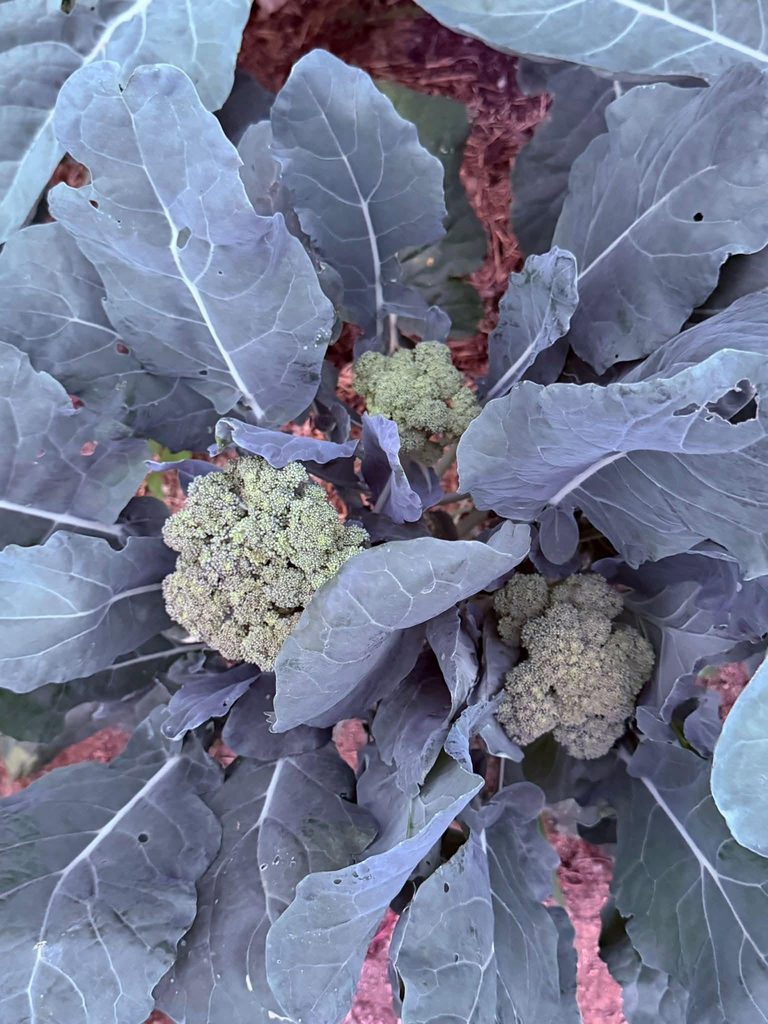
Why Companion Planting Matters for Broccoli
Broccoli is a heavy feeder. It pulls large amounts of nitrogen, potassium, and calcium from the soil, especially once the plant is 30 to 50 days past transplanting, according to University of Georgia Extension growing guides.
It is also a magnet for cabbage worms, aphids, and flea beetles. Anyone who has grown broccoli for more than one season has probably found a caterpillar hiding inside a head at harvest time. I certainly have, more than once.
Pairing broccoli with the right plants solves several problems at once. Some companions fix nitrogen or loosen the soil. Others repel pests outright. A third group lures beneficial insects that hunt the pests for you, which is really the smartest form of pest control there is.
Herbs That Protect Broccoli From Pests
Aromatic herbs work by confusing pests with strong scent. Many pests hunt by smell, and a strong herb border throws them off the trail.
1. Dill
Dill attracts parasitic wasps and hoverflies that prey on cabbage worms and aphids. Let a few plants flower instead of harvesting everything, since the blooms do more pest-control work than the leaves ever will.
One small caution: keep dill away from fennel. The two cross-pollinate easily, and that lowers the quality of both herbs over time.
2. Thyme
Thyme is one of the best-documented broccoli companions available. In the Iowa State trial mentioned earlier, thyme was singled out as broccoli’s “best protector” against cabbage loopers and imported cabbageworms, ranking ahead of marigold, onion, and nasturtium in that specific study.
It is also low-maintenance, drought-tolerant, and works well as a permanent border plant around a vegetable bed.
3. Rosemary
Rosemary’s strong, resinous scent deters cabbage moths searching for a place to lay eggs. It also tolerates dry soil well, so it will not compete with broccoli for water during hot spells.
Because rosemary is a woody perennial, plant it at the edge of the bed rather than between broccoli rows, where it could eventually crowd young transplants.
4. Sage
Sage has shown promise in reducing diamondback moth populations near brassica crops, according to University of Minnesota Extension research summaries drawn from greenhouse trials on Brussels sprouts.
Its silvery leaves also help gardeners spot pest damage on nearby plants more easily, simply by contrast.
5. Mint
Mint repels cabbage moths, ants, and even some small rodents that might otherwise nibble on young broccoli stems. I always grow mint in a pot, though, because it spreads aggressively and will take over an entire bed within a season if left unchecked.
6. Chamomile
Chamomile draws in hoverflies and is often credited with improving the flavor and vigor of nearby brassicas. Gardeners have long called it a “plant doctor” for exactly this reason, even though the scientific evidence here is more anecdotal than the alyssum or thyme research.
7. Oregano
Oregano acts as a living ground cover that suppresses weeds while its scent confuses cabbage-loving pests searching for a host plant by smell. It spreads low and wide, so it works especially well tucked beneath taller broccoli leaves where sunlight is limited anyway.
Flowers That Lure Beneficial Insects
Flowers are the unsung heroes of a broccoli bed. They do not compete for nutrients much, but they pull in the insects that hunt your pests for free.
8. Nasturtium
Nasturtium is a classic trap crop. Aphids and cabbage moths genuinely prefer it over broccoli, so planting a row nearby pulls the worst of the damage away from your main crop.
Utah State University Extension specifically lists nasturtium as a trap crop for brassicas including broccoli, cabbage, cauliflower, kale, and Brussels sprouts. Position it a foot or two outside the main bed rather than directly among your broccoli plants for the best trap-crop effect.
9. French Marigold
French marigolds attract hoverflies whose larvae feed on aphid eggs and young nymphs. Choose the French type (Tagetes patula) over African marigolds, since they stay smaller, flower more continuously, and won’t shade your broccoli leaves.
Worth knowing: marigolds are often marketed as a flea beetle repellent, but University of Minnesota Extension notes there is little research support for that specific claim. Treat the hoverfly benefit as the reliable one.
10. Sweet Alyssum
This is the standout performer from the Oregon State study cited above. Its tiny white flowers keep parasitic wasps and hoverflies fed and active throughout the growing season, which is exactly what nearly doubled aphid parasitism rates in that trial.
Sweet alyssum also works as a low, spreading border that keeps soil moisture in and weeds down, so it pulls double duty in a broccoli bed.
11. Calendula
Calendula, also called pot marigold, attracts ladybugs and lacewings, both of which are aggressive aphid predators. It also brightens up an otherwise green vegetable bed and reseeds itself readily for next season.
12. Borage
Borage draws in pollinators and predatory wasps in large numbers. Its blue, star-shaped flowers are edible and taste faintly of cucumber, which is a nice bonus if you enjoy adding flowers to salads.
University of Minnesota Extension photography and guides commonly pair borage with strawberries for flavor enhancement, but its beneficial-insect draw makes it equally useful near broccoli.
13. Cosmos
Cosmos flowers are easy to grow from seed and provide season-long nectar for hoverflies and parasitic wasps, which extends the biological pest control window well past the alyssum’s peak bloom.
14. Zinnia
Zinnias attract a wide range of pollinators and beneficial predatory insects, adding strong color to the bed while quietly supporting your broccoli’s pest defense in the background.
15. Dwarf Sunflowers
Dwarf varieties act as a mild windbreak and attract pollinators without shading broccoli the way full-size sunflowers would. Keep them on the north side of the bed so their shadow falls away from your broccoli during the day.
16. Yarrow
Yarrow attracts ladybugs, lacewings, and parasitic wasps, three of the most effective natural predators against aphids and small caterpillars. It is also drought-tolerant, so it will not steal water from your broccoli’s shallow root system.
Root Vegetables and Alliums That Share the Soil Well
Root crops and alliums are ideal broccoli neighbors because they use different soil layers and rarely compete for the same nutrients.
17. Beets
Beets grow underground while broccoli grows above, so the two share space efficiently without fighting for light or root room. University of Georgia Extension lists beets among the recommended companions for broccoli in its standard growing chart.
18. Onions
Onions were specifically named in the Iowa State trial as reducing cabbage worm and cabbage looper damage on nearby broccoli plants. Their sulfur-based scent is thought to mask the smell broccoli gives off, which pests use to locate host plants.
19. Garlic
Garlic’s sulfur compounds repel aphids and cabbage worms in the same way onions do, and often more strongly. Many gardeners tuck individual garlic cloves directly into brassica beds each fall for exactly this reason, letting them mature alongside spring broccoli.
20. Potatoes
Potatoes and broccoli are commonly recommended companions by university extension guides, largely because their growth habits don’t clash and their pest pressures rarely overlap. Just avoid planting them too close together late in the season, since both eventually need more root space than a tight spacing allows.
21. Radishes
Radishes grow fast, often maturing in under a month, and can act as a trap crop for flea beetles, pulling their attention away from young, tender broccoli seedlings during the most vulnerable early weeks.
22. Carrots
Carrots use deep, narrow root space that does not interfere with broccoli’s shallow root system, making the pairing efficient and genuinely low-conflict in a raised bed or row garden.
23. Leeks
Like onions and garlic, leeks give off a scent that many brassica pests find unappealing, offering broccoli some background protection while taking up relatively little horizontal space.
24. Chives
Chives deter aphids, and their purple flowers attract pollinators and hoverflies at the same time. A small chive border is one of the easiest, lowest-maintenance additions to any broccoli bed I have grown.
Leafy Greens and Vegetables That Pair Well
25. Spinach
Spinach tolerates the light shade cast by taller broccoli plants and matures quickly, letting you harvest a full second crop from the same footprint before broccoli even fills in. University of Georgia Extension lists spinach as a compatible companion for broccoli in its official growing chart.
26. Swiss Chard
Chard shares broccoli’s cool-season preferences and has similar watering needs, which makes garden planning noticeably simpler when the two are grown in the same bed or rotation.
27. Lettuce
Lettuce grows well in the light shade broccoli provides during the warmer weeks of the season, and its shallow root system avoids competing for the deeper soil moisture broccoli relies on.
University of Maryland Extension recommends exactly this kind of pairing in succession planting plans, where lettuce grows in the partial shade of a taller companion until it is harvested.
28. Cucumbers
Cucumbers can follow broccoli in a succession planting plan once the cool season ends, making efficient use of the same garden bed across a full year rather than leaving soil empty after the broccoli harvest.
29. Celery
Celery’s strong scent is believed to help mask broccoli from cabbage moths searching for a host plant by smell, similar to the mechanism behind onion and garlic companion planting.
30. Peas
Plant peas early, before broccoli goes in, rather than growing the two side by side long-term. Early legumes fix nitrogen into the soil that broccoli benefits from once it is transplanted later in the same bed, giving it a nutrient head start without the drawbacks of interplanting them simultaneously.
A Quick Note on Peas and Beans
I want to be honest about something. Peas and beans are a mixed case.
Early-season peas that finish and get pulled before broccoli matures can leave behind nitrogen-enriched soil, which genuinely helps broccoli.
But growing beans directly alongside actively growing broccoli is different. Some Extension sources and grower reports note that heavy nitrogen release from beans can push broccoli toward excessive leafy growth instead of tight, well-formed heads.
If you want to use legumes, grow them first, then follow with broccoli — not side by side long-term.
Plants to Avoid Near Broccoli
Not every plant plays nicely with broccoli. According to University of California Cooperative Extension Master Gardener guidance and Georgia Extension companion charts, avoid planting these too close:
- Tomatoes – compete for nutrients and can stunt broccoli growth
- Strawberries – both are heavy feeders and will compete aggressively
- Other brassicas (cabbage, cauliflower, kale) – share the same pests and diseases, which concentrates risk
- Pole beans and bush beans grown long-term alongside broccoli – can trigger excess leaf growth at the cost of head formation
Rotating brassicas out of the same bed for two to three years also helps prevent soil-borne disease buildup, based on standard university crop rotation guidance.
How I Lay Out a Broccoli Companion Bed
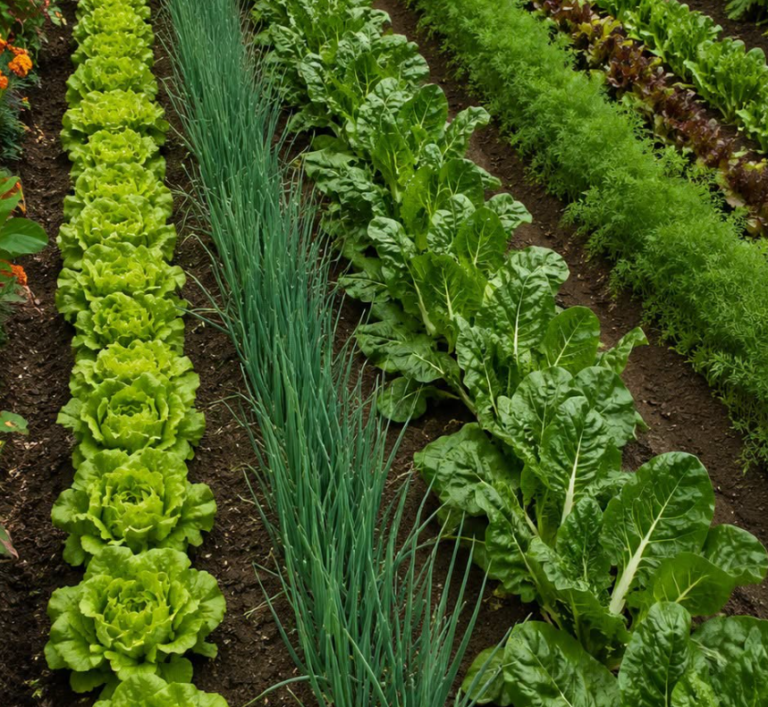
Here is the simple layout I use, and it has worked well for several seasons now:
- Border: thyme or rosemary along the bed edge
- Interplanted rows: sweet alyssum and marigold every few feet between broccoli plants
- Trap crop: nasturtium planted about 18 inches outside the main bed
- Undercover: radishes or beets tucked between young broccoli transplants
- Companions nearby, not touching: onions, garlic, and lettuce in adjoining rows
This layout follows the same logic used in the Oregon State field trial — flowers close enough to matter, but not so close that they shade or crowd the broccoli heads.
Soil, Spacing, and Timing Tips That Make Companions Work Better
Companion planting only works if the basic growing conditions are right first. A stressed broccoli plant will struggle no matter how many marigolds surround it.
Soil pH: Broccoli prefers a soil pH between 6.0 and 7.0, according to Texas A&M AgriLife Extension guidance. Most of the herbs and flowers on this list tolerate that same range comfortably, so you rarely need to adjust soil separately for companions.
Spacing: Give broccoli 18 to 24 inches between plants, with rows spaced 18 to 36 inches apart. Leave companions like thyme or sweet alyssum in the outer few inches of that space rather than crowding them directly against the stem.
Watering: Broccoli does best with deep, consistent watering at soil level rather than overhead sprinkling. Drought-tolerant companions like rosemary, thyme, and yarrow will not mind sharing a bed with a crop that needs more frequent watering, since their roots draw from different soil depths.
Fertilizing: Because broccoli is a heavy feeder, a light side dressing of nitrogen every four weeks helps, tapering off once heads begin forming. Nitrogen-fixing companions like early peas reduce how much supplemental feeding you need later.
Rotation: Avoid planting broccoli, or any companion from the brassica family, in the same soil where brassicas grew during the previous one to two seasons. This single step does more to prevent disease buildup than almost any companion pairing can.
A Simple Seasonal Planting Calendar
- 6 to 8 weeks before your last frost: Start broccoli seeds indoors, along with dill, thyme, and sweet alyssum.
- 2 to 3 weeks before transplanting broccoli outdoors: Direct-sow radishes and beets in the bed where broccoli will go.
- At transplant time: Set out broccoli seedlings with a marigold or alyssum every few feet, and a nasturtium row a short distance outside the bed.
- 2 weeks after transplanting: Tuck in onion sets, garlic, or chives between rows.
- Mid-season: Let a portion of your dill and cilantro flower rather than harvesting it all, to keep beneficial insects fed.
- After broccoli harvest: Follow with a warm-season crop like cucumbers, or a cover crop, to keep the bed productive.
Frequently Asked Questions
What is the best companion plant for broccoli? Thyme and sweet alyssum have the strongest research support. Thyme reduces cabbage worm damage, and sweet alyssum nearly doubles parasitic wasp activity against aphids.
Can I plant broccoli next to tomatoes? No. Tomatoes and broccoli compete heavily for nutrients, and most extension guides recommend keeping them apart.
Do marigolds actually protect broccoli? Marigolds mainly help by attracting hoverflies that eat aphids. University of Minnesota Extension notes there is limited research supporting marigold as a flea beetle repellent specifically, so keep expectations realistic.
Is it okay to plant broccoli near beans? Only if the beans are grown and cleared before broccoli is planted. Growing them side by side for a full season can reduce head formation.
How many companion plants should I use in one bed? You do not need all 30. Three or four — one herb, one flower, one root vegetable, and one allium — already cover pest control, soil health, and space efficiency well.
Does companion planting really increase broccoli yield? It mainly works by reducing losses rather than boosting raw yield. Fewer pests and healthier soil mean more of your broccoli reaches full size instead of being damaged or stunted, which is what actually improves your harvest.
Can I companion plant broccoli in containers? Yes, on a smaller scale. Pair one broccoli plant with a pot of thyme or a few marigolds nearby. Container gardening limits how much a trap crop like nasturtium can help, since spacing is tighter.
How far apart should trap crops like nasturtium be planted? Roughly 12 to 18 inches outside the main broccoli bed works well. Close enough to intercept pests, far enough that it does not compete directly with broccoli for nutrients or light.
Is companion planting a substitute for pesticides? No, and university researchers are careful about this point. Illinois Extension notes there has not been extensive garden-scale research on companion planting overall, so treat it as one layer of pest management, not a complete replacement for monitoring and intervention when pest pressure gets severe.
Final Thoughts
Companion planting will not eliminate every pest or guarantee a perfect harvest. But it stacks the odds in your favor, and the research backs that up.
I think of it as building a small ecosystem around broccoli, rather than growing it in isolation. Every herb, flower, and root vegetable in this list plays a small role in keeping that ecosystem balanced.
Start with two or three companions from this list. Watch how your broccoli responds. Then expand from there.
References
- University of Minnesota Extension – Companion Planting in Home Gardens https://extension.umn.edu/planting-and-growing-guides/companion-planting-home-gardens
- Utah State University Extension – Creating Sustainable School and Home Gardens: Companion Planting https://extension.usu.edu/utah4h/research/creating-sustainable-school-and-home-gardens-companion-planting
- University of Maryland Extension – Vegetable Succession and Companion Planting https://extension.umd.edu/resource/vegetable-succession-and-companion-planting
- University of Missouri Extension – Companion Planting: Positive Partnerships That Produce More https://extension.missouri.edu/news/companion-planting-positive-partnerships-that-produce-more
- University of Georgia Extension – Companion Planting Guide (Newton County Extension) https://site.extension.uga.edu/newtonextanr/?p=812
- Texas A&M AgriLife Extension – Broccoli Production Guide https://aggie-horticulture.tamu.edu/vegetable/files/2011/10/broccoli.pdf
- Oregon State University Newsroom – Alyssum Attracts Predator Insects Into Broccoli Fields https://news.oregonstate.edu/news/alyssum-attracts-predator-insects-broccoli-fields

Tim M Dave is a gardening expert with a passion for houseplants, particularly cacti and succulents. With a degree in plant biology from the University of California, Berkeley, he has vast experience in gardening. Over the years, he has cultivated a vast collection of desert plants and learned a great deal about how to grow and care for these unique companions.