25 Shrubs With Red Leaves (Details, With Pictures)
Red foliage does something green leaves simply cannot. It stops people mid-walk. It pulls a garden bed together without a single flower blooming.
I have spent years walking nurseries and testing shrubs in different soil types, and red-leaved varieties are consistently the ones visitors ask about first. They are not a trend. They are a design tool.
According to the U.S. National Arboretum, foliage color in shrubs comes from anthocyanin pigments, the same compounds responsible for red apples and purple grapes. Cooler nights and bright sun intensify this pigment, which is why many of these shrubs deepen in color come autumn.
This guide covers 25 shrubs with red leaves, from compact border plants to statement specimens. Each one includes size, hardiness zone, and honest care notes so you can pick the right fit the first time.
Let’s get into the list.
Best Shrubs With Red Leaves for Every Garden
1. Crimson Pygmy Barberry (Berberis thunbergii)
This is the shrub most landscapers reach for first. Crimson Pygmy stays under 2 feet tall, making it perfect for low borders and edging.
Its deep burgundy leaves hold color from spring through fall without fading in heat. It thrives in USDA Zones 4 through 8.
I have planted this along walkways and it rarely disappoints. It tolerates poor soil, drought, and neglect better than most flowering shrubs.
One caution: barberry is considered invasive in several northeastern states, so check local guidance before planting.
2. Rose Glow Barberry (Berberis thunbergii ‘Rose Glow’)
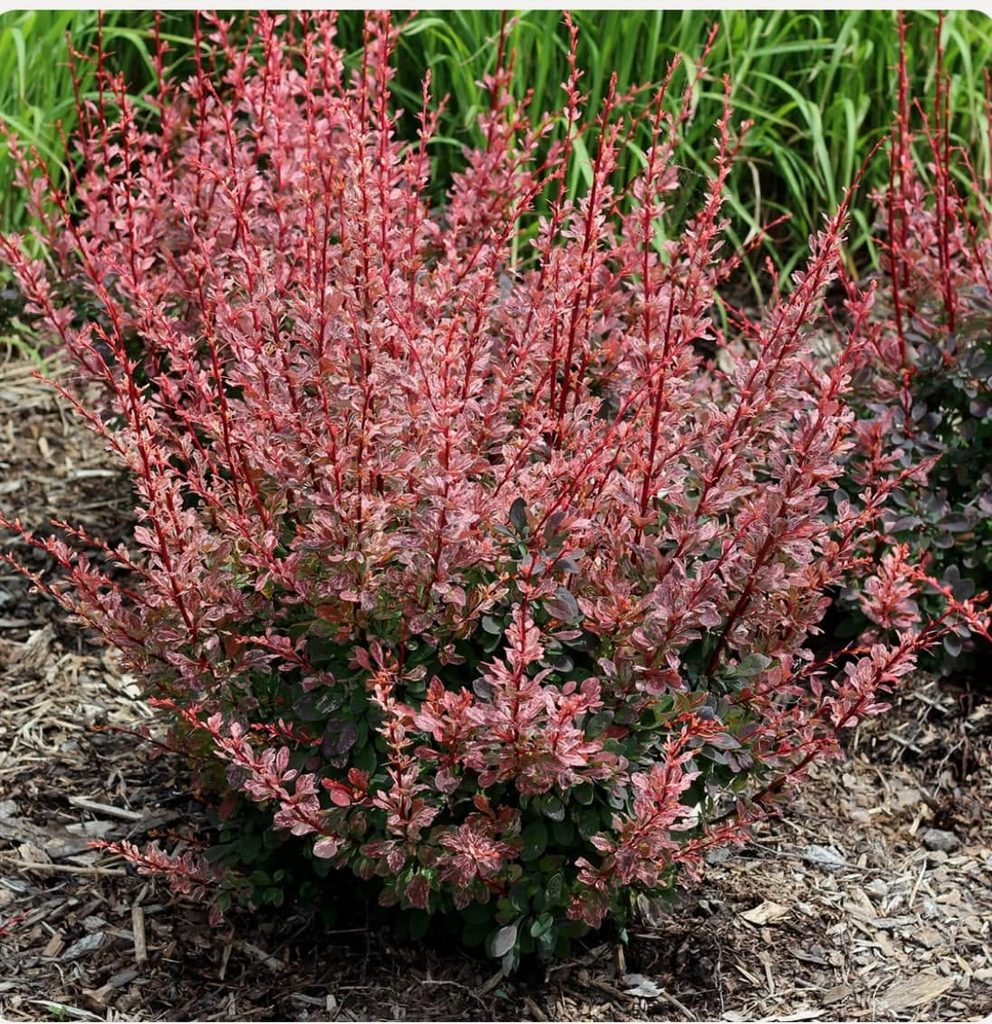
Rose Glow takes the barberry family further with mottled pink and burgundy variegation on every leaf. No two leaves look quite the same.
It grows 3 to 6 feet tall, taller than its Crimson Pygmy cousin, and works well as an informal hedge.
Full sun brings out the strongest color. In shade, the pink tones fade toward plain green, which honestly defeats the purpose of growing it.
It is hardy in Zones 4 to 8 and needs almost no fertilizer once established.
3. Red Tip Photinia (Photinia x fraseri)
Red Tip Photinia is famous for its bright coral-red new growth that emerges several times a year. Established leaves mature to glossy green, but the new flushes keep the shrub looking fresh.
It can reach 10 to 15 feet, so give it room. Gardeners often use it as a privacy screen or clipped hedge.
It grows in Zones 7 through 9 and prefers well-drained soil. Good airflow matters here, since crowded plantings are prone to leaf spot disease.
I have seen entire hedge rows fail from fungal issues, so prune for spacing rather than density.
ALSO READ: 25 Stunning Shrubs With Red Flowers: Identification and Pictures
4. Chinese Fringe Flower (Loropetalum chinense)
Loropetalum brings wine-red to purple foliage paired with spidery pink or red flowers in spring. It is one of the few shrubs on this list that blooms and holds colorful leaves at once.
Varieties range from 3-foot dwarf forms to 10-foot specimens, so check the label carefully before buying.
Hardy in Zones 7 to 10, it prefers acidic soil similar to azaleas. Alkaline soil can cause the color to wash out over a season or two.
It is a favorite in southern landscaping for good reason.
5. Heavenly Bamboo (Nandina domestica)
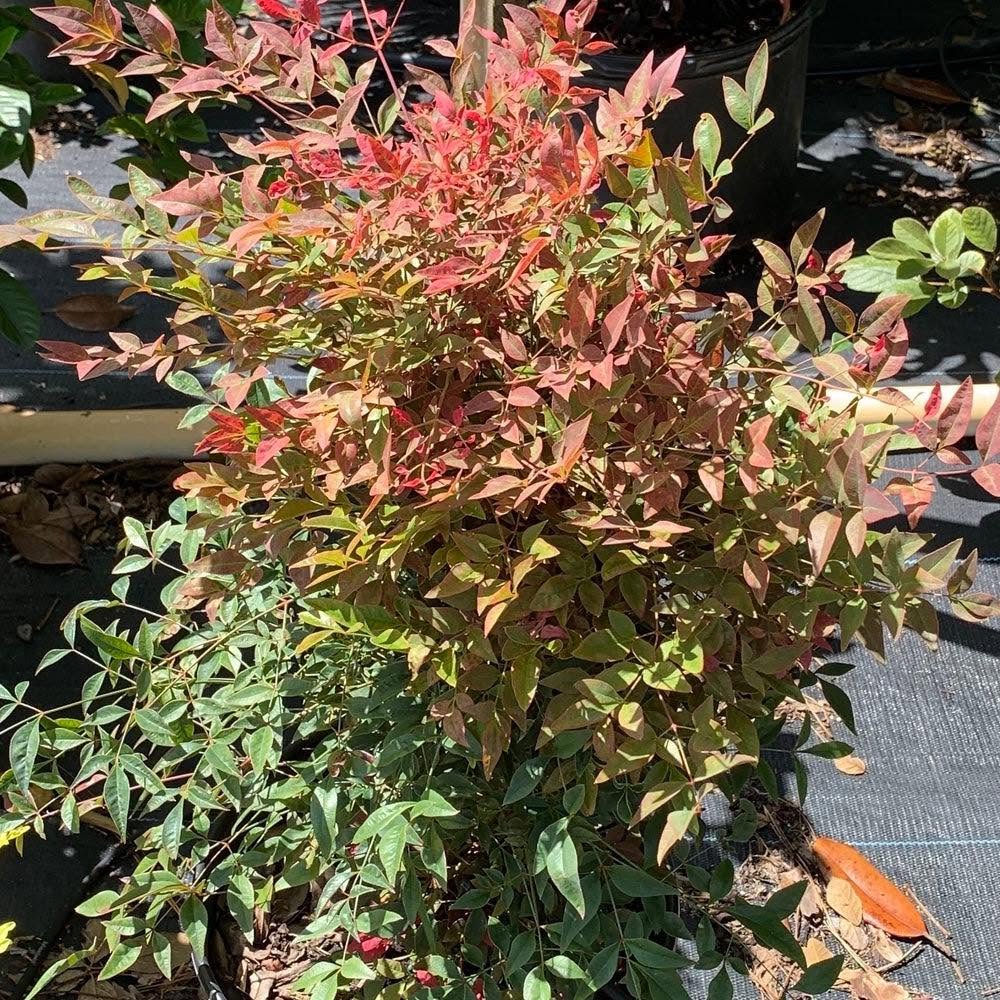
Nandina’s fine, bamboo-like leaves turn fiery red to burgundy once cool weather arrives, especially in full sun. Many gardeners grow it purely for this seasonal show.
It reaches 4 to 8 feet and tolerates drought, deer, and poor soil with ease. Few shrubs ask for so little.
Hardy in Zones 6 to 9, it is evergreen in warmer climates. Note that its berries are toxic to cats and to some bird species, including cedar waxwings, according to wildlife rehabilitation reports.
Choose non-fruiting cultivars if pets or birds frequent your yard.
6. Wine and Roses Weigela (Weigela florida)
This shrub earns its name. Deep burgundy-purple leaves stay rich all season and contrast beautifully with its pink trumpet flowers in late spring.
It grows 4 to 5 feet tall and wide, forming a rounded, low-maintenance shape without heavy pruning.
Hardy in Zones 4 to 8, it handles both full sun and light shade, though sun brings out the darkest color. It is also fairly resistant to deer browsing.
I planted one near a patio, and the color held strong through a hot, dry August with barely any watering.
7. Diabolo Ninebark (Physocarpus opulifolius)
Diabolo Ninebark is a native North American shrub with dark maroon, almost black-red leaves and peeling bark that adds winter interest too.
It can grow 8 to 10 feet tall, so it works best as a backdrop plant rather than a foreground accent.
Hardy in Zones 3 to 7, it is remarkably cold-tolerant and tough against poor soil. It also attracts pollinators when its small white flower clusters open in early summer.
This is a shrub that rewards patience; the color deepens as the plant matures.
ALSO READ: 10 Shrubs with Red Berries: Identification and Pictures
8. Royal Purple Smoke Bush (Cotinus coggygria)
Smoke Bush produces rounded, plum-red leaves and airy, smoke-like flower plumes that give the plant its name. It is a genuine conversation starter in any yard.
Left unpruned, it reaches 10 to 15 feet. Hard pruning each spring keeps it compact and encourages the boldest foliage color, though at the cost of flowering.
Hardy in Zones 5 to 8, it tolerates poor, rocky soil better than richer garden beds. Overly fertile soil actually weakens its color intensity.
Give it full sun and minimal fuss.
9. Burning Bush (Euonymus alatus)
Burning Bush is famous for one thing: explosive, fluorescent red fall foliage that looks almost unreal against a green backdrop. It is one of the most photographed shrubs in American gardens each October.
It grows 6 to 10 feet tall with a dense, rounded habit that needs little shaping.
Hardy in Zones 4 to 8, it is unfortunately classified as invasive in parts of the Northeast and Midwest, per several state agriculture departments. Ask your local extension office before planting.
If restricted in your area, Virginia Sweetspire (entry 15) offers a similar autumn effect without the invasive risk.
10. Black Lace Elderberry (Sambucus nigra)

Black Lace has deeply cut, near-black burgundy leaves that resemble Japanese maple foliage, paired with fragrant pink flower clusters in summer.
It grows 6 to 8 feet tall and wide, with a graceful, slightly weeping form that looks striking as a specimen plant.
Hardy in Zones 4 to 7, it prefers full sun for the darkest leaf color and moist, well-drained soil. It also produces edible dark berries, though raw elderberries should never be eaten.
This one consistently draws the most compliments in mixed borders I have designed.
11. Double Play Red Spirea (Spiraea japonica)
This compact spirea offers red new growth that matures to green, then returns to red and orange in fall, giving it three seasons of color shift.
Standing just 18 to 24 inches tall, it fits neatly into small gardens, containers, or foundation plantings.
Hardy in Zones 4 to 8, it blooms with small pink flower clusters in summer and tolerates both heat and light frost well.
It is one of the easiest shrubs on this list for beginner gardeners.
12. Red Shield Hibiscus (Hibiscus acetosella)
Red Shield Hibiscus brings maple-shaped, deep burgundy leaves on a fast-growing, almost tropical-looking plant. It is technically a tender perennial, grown as an annual in cooler climates.
It can reach 3 to 6 feet in a single growing season, making it a dramatic filler for garden beds.
Hardy only in Zones 9 to 11 as a perennial, elsewhere it is planted fresh each spring. Full sun keeps the color deepest and most consistent.
Gardeners in colder regions often grow it in pots and bring it indoors before frost.
13. Staghorn Sumac (Rhus typhina)
Staghorn Sumac turns brilliant orange-red each autumn, with fern-like compound leaves that create a soft, feathery texture all summer.
It grows 15 to 25 feet tall and spreads by suckers, so it needs space or containment barriers in smaller yards.
Hardy in Zones 3 to 8, it is highly drought-tolerant and thrives in poor soil where other shrubs struggle. Its fuzzy red fruit clusters also persist into winter, feeding birds when little else is available.
This is a native option worth considering if you want fall color with wildlife value.
14. Copperleaf / Fire Dragon (Acalypha wilkesiana)
Fire Dragon Copperleaf produces wildly patterned red, orange, and bronze leaves that look almost painted. It is a bold, tropical accent shrub.
It grows 3 to 6 feet tall and thrives in heat and humidity, making it a top pick for Florida and Gulf Coast gardens.
Hardy in Zones 9 to 11, it is grown as a houseplant or seasonal annual elsewhere. Bright light intensifies the color pattern significantly.
I have rarely seen a shrub with this much visual chaos work so well in a single planting.
15. Virginia Sweetspire (Itea virginica)
Virginia Sweetspire is a native shrub with wine-red to burgundy fall foliage and drooping white flower spikes in early summer that smell faintly sweet.
It reaches 3 to 4 feet tall, with an arching, graceful form suited to woodland edges and rain gardens.
Hardy in Zones 5 to 9, it tolerates wet soil better than almost any shrub on this list, making it ideal near downspouts or low-lying beds.
It is also non-invasive, unlike Burning Bush, which makes it a responsible alternative.
ALSO READ: 25 Stunning Shrubs With Pink Flowers: Identification and Pictures
16. Black Chokeberry (Aronia melanocarpa)
Black Chokeberry offers vivid red fall color alongside white spring flowers and dark, antioxidant-rich berries that some studies link to high anthocyanin content.
It grows 3 to 6 feet tall and spreads slowly by suckers, forming a naturalized thicket over time.
Hardy in Zones 3 to 8, it handles both wet and dry soil and needs almost no pest management. Birds and pollinators both use it heavily.
This is a genuinely low-maintenance native worth more attention than it usually gets.
17. Oakleaf Hydrangea (Hydrangea quercifolia)
Oakleaf Hydrangea delivers deep red to burgundy fall foliage on distinctive oak-shaped leaves, plus cone-shaped white flower clusters that age to pink.
It grows 4 to 8 feet tall and wide, working well as a specimen or informal hedge in part shade.
Hardy in Zones 5 to 9, it is one of the few hydrangeas that tolerates dry shade reasonably well once established.
The peeling cinnamon bark adds a second layer of interest after the leaves drop.
18. Fothergilla (Fothergilla gardenii)
Fothergilla is a lesser-known native shrub with red, orange, and yellow fall foliage that often appears all on the same plant simultaneously, like a natural gradient.
It stays compact at 2 to 3 feet tall, ideal for small gardens or foundation plantings.
Hardy in Zones 5 to 8, it also produces fragrant white bottlebrush flowers in spring before the leaves emerge.
Few shrubs pack this much seasonal variety into such a small footprint.
19. Enkianthus (Enkianthus campanulatus)
Enkianthus produces scarlet red fall foliage and delicate, bell-shaped cream and pink flowers in spring, giving it a quiet elegance most red shrubs lack.
It grows 6 to 8 feet tall with a naturally layered, tiered branching habit that needs little pruning to look intentional.
Hardy in Zones 4 to 7, it prefers acidic, well-drained soil similar to rhododendrons and azaleas.
This is a shrub for gardeners who want sophistication over drama.
20. Bloodgood Japanese Maple (Acer palmatum ‘Bloodgood’)
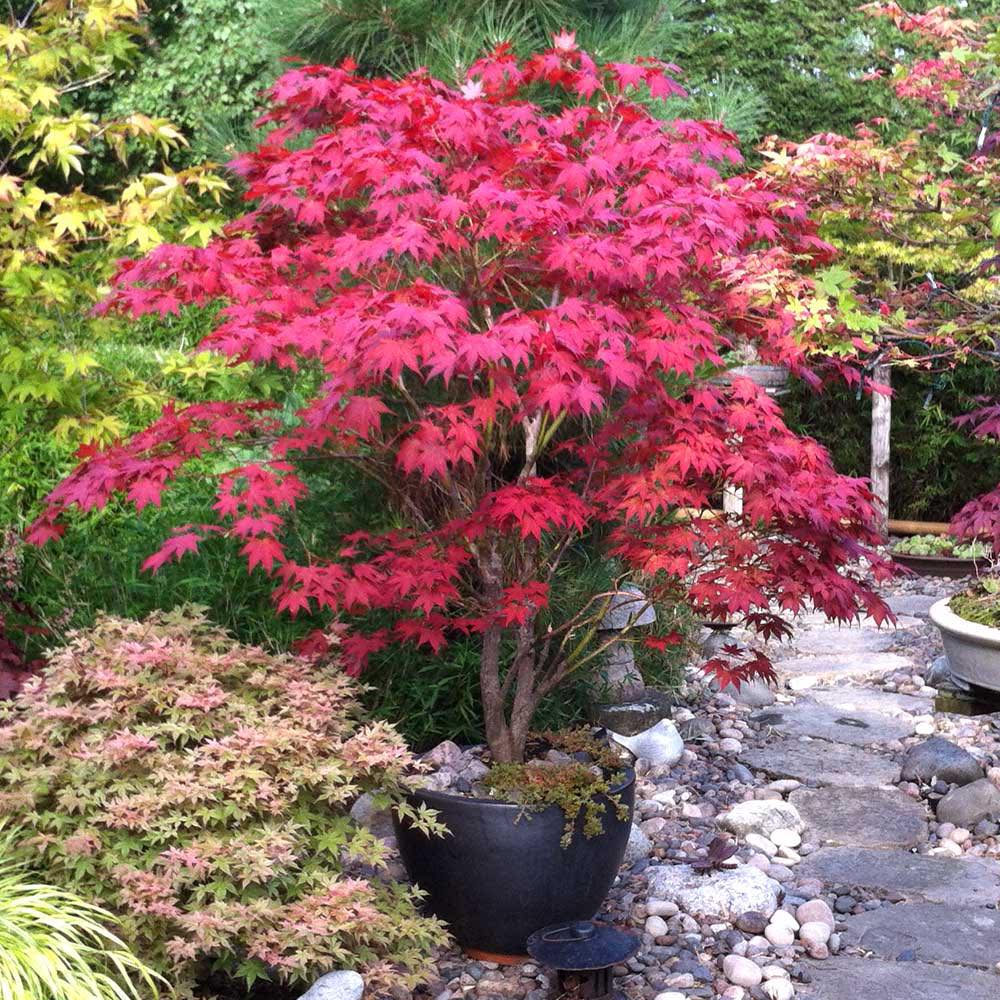
Grown as a large shrub or small tree, Bloodgood offers deep red-purple leaves that hold their color from spring through fall better than almost any other maple cultivar.
It typically reaches 15 to 20 feet, though slow growth means it stays manageable for years in smaller gardens.
Hardy in Zones 5 to 8, it prefers dappled sun and protection from harsh afternoon heat, which can scorch leaf edges.
It is a premium choice, and the price tag reflects it, but the visual payoff is hard to match.
21. Red-leaf Rose (Rosa glauca)
Red-leaf Rose is grown less for its simple pink flowers and more for its smoky blue-red foliage, a color combination rarely seen elsewhere in the plant world.
It grows 6 to 8 feet tall with an arching, informal shape and produces bright red rose hips in fall that persist into winter.
Hardy in Zones 2 to 8, it is remarkably cold-hardy and needs minimal care once established.
I find it one of the most underrated shrubs for northern gardens.
22. Ti Plant (Cordyline fruticosa)
In tropical climates, Ti Plant grows as a true shrub with glossy, strap-like leaves in shades of red, pink, and burgundy. Elsewhere, it is grown in containers.
It reaches 3 to 10 feet outdoors, depending on variety, and stays much smaller when potted.
Hardy only in Zones 10 to 12, it needs to come indoors before any frost in cooler regions. Bright, indirect light keeps the coloring vivid.
It is a staple in Hawaiian and Southeast Asian landscaping for good reason.
23. Purpleleaf Sand Cherry (Prunus x cistena)
This shrub delivers reddish-purple leaves all season, paired with small pink-white spring flowers that appear briefly before the foliage fully emerges.
It grows 7 to 10 feet tall and works well as an informal hedge or single accent plant.
Hardy in Zones 2 to 8, it is one of the most cold-tolerant shrubs on this list. Full sun is essential; shade quickly turns the leaves dull green.
It is fast-growing, so expect to prune it back within two to three years of planting.
24. Andromeda (Pieris japonica)
Pieris is grown mainly for its glossy evergreen leaves, but many cultivars produce bright red new growth each spring that looks almost like small flames at branch tips.
It grows 3 to 12 feet depending on variety, with drooping clusters of white or pink bell flowers in early spring.
Hardy in Zones 5 to 8, it prefers acidic, well-drained soil and some afternoon shade, especially in warmer zones.
The contrast between old dark green leaves and new red growth is genuinely striking up close.
25. Sargent Viburnum ‘Onondaga’ (Viburnum sargentii)
Onondaga Viburnum opens with deep maroon-red new leaves in spring, paired with dark red flower buds that open to white lace-cap blooms with a maroon center.
It grows 8 to 12 feet tall, making it suited to larger borders or as a specimen shrub.
Hardy in Zones 4 to 7, it is a reliable, low-fuss native option that also produces red berries favored by birds in fall.
It closes out this list as one of the most versatile picks for four-season interest.
How to Choose the Right Red-Leaved Shrub
Not every shrub on this list suits every garden. A few quick questions narrow things down fast.
Check your hardiness zone first. Planting outside your zone range is the single biggest reason red-leaved shrubs fail or lose their color intensity.
Consider mature size before falling for photos. Several entries here, like Smoke Bush and Burning Bush, grow far larger than nursery tags suggest.
Match sun exposure to the plant’s needs. Most red foliage, including barberry and ninebark, deepens in full sun and fades toward green in shade.
Frequently Asked Questions
Why do some shrub leaves turn red naturally?
Red coloring comes from anthocyanin pigments that mask green chlorophyll, often triggered by cooler temperatures, bright sunlight, or the plant’s natural pigmentation year-round.
Do red-leaved shrubs need more care than green ones?
Generally no. Most, including Nandina and Barberry, are actually lower maintenance and more drought-tolerant than many flowering shrubs.
Which red shrub is best for a small yard?
Crimson Pygmy Barberry, Fothergilla, and Double Play Red Spirea all stay under 3 feet, making them ideal for compact spaces.
Are any of these shrubs invasive?
Yes. Burning Bush and Japanese Barberry are restricted or discouraged in several U.S. states. Always check local extension office guidance before planting.
Final Thoughts
Red-leaved shrubs turn an ordinary garden into something people remember. I have watched simple front yards transform completely with just two or three of these plants placed well.
Start with one or two that match your zone and light conditions. Once you see how they hold color through the season, it is hard not to want more.

Tim M Dave is a gardening expert with a passion for houseplants, particularly cacti and succulents. With a degree in plant biology from the University of California, Berkeley, he has vast experience in gardening. Over the years, he has cultivated a vast collection of desert plants and learned a great deal about how to grow and care for these unique companions.