10 Best Fertilizers for Bushes and Shrubs (With Application Details)
A good shrub can last for decades. A weak one can look tired within a single season. In my experience, the difference often comes down to how well the plant is fed.
The right fertilizer helps bushes grow strong roots, thick leaves, and better blooms. The wrong one can burn roots, waste money, and even harm local water. So the choice matters.
In this guide, I explain the 10 best fertilizers for bushes and shrubs. I also show you when to use each one, which plants benefit most, and how to avoid common mistakes.
Do Bushes and Shrubs Really Need Fertilizer?
Here is a fact many gardeners do not expect. Extension experts say that healthy, established shrubs often need little or no extra fertilizer. The University of Maryland Extension notes that healthy trees and shrubs generally do not require fertilizer, especially once they reach mature size.
The Iowa State University Extension gives similar advice. Most landscape soils there already hold enough nutrients, and shrubs near a fertilized lawn are already getting some feed.
So when should you feed? Fertilizer helps most in these cases:
- Newly planted shrubs that are still building roots.
- Stressed plants hurt by drought, pests, disease, or construction.
- Poorly growing shrubs with pale leaves or very short new growth.
Virginia Cooperative Extension also lists young, stressed, and actively growing spring plants as the best candidates for feeding. That is a useful rule to remember.
How to Tell If Your Shrub Needs Feeding
You do not need special tools for a first check. Just look at the plant. The University of Nebraska–Lincoln Extension says new twigs should grow 6 to 12 inches a year on young, established trees, 4 to 9 inches on middle-aged trees, and less than 4 inches on mature trees.
Shrubs follow a similar pattern, though growth varies by species. If your shrub grows far less than expected, it may need help. Other warning signs include:
- Yellow or pale green leaves
- Thin, sparse foliage
- Fewer flowers than last year
Still, I always suggest a soil test before you buy anything. Virginia Cooperative Extension calls a soil test the best way to learn which nutrients are needed and how much. It costs little and saves a lot of guessing.
How to Choose the Right Fertilizer
Every fertilizer bag shows three numbers, such as 10-10-10. They stand for nitrogen (N), phosphorus (P), and potassium (K). Nitrogen drives leafy growth. Phosphorus supports roots and flowers. Potassium builds overall plant health.
University of Nebraska–Lincoln Extension also points out that most soils in North America already contain enough phosphorus and potassium for trees and shrubs. That is why nitrogen is usually the main nutrient to supply.
The University of Maryland Extension adds that commonly used complete fertilizers for trees and shrubs have a 3:1:1 ratio. A product labeled 12-4-8 is close to that pattern. Keep this in mind when you read labels.
Also check your soil pH. Most trees and shrubs prefer a pH between 5.5 and 7.0, according to the same Maryland source. Outside that range, plants cannot absorb nutrients well, even if you feed them.
The 10 Best Fertilizers for Bushes and Shrubs
Below are my top picks. I have mixed organic and synthetic options so you can match the choice to your garden, your plants, and your budget.
1. Slow-Release Balanced Granular Fertilizer (Best All-Rounder)
If you want one dependable product, start here. A slow-release granular fertilizer, such as a 10-10-10 or a 12-6-6 blend, feeds shrubs gradually over several weeks. That steady supply suits most garden bushes.
The main benefit is safety. Slow release lowers the risk of root burn. It also means you feed less often, which saves time. I find this type very forgiving for beginners.
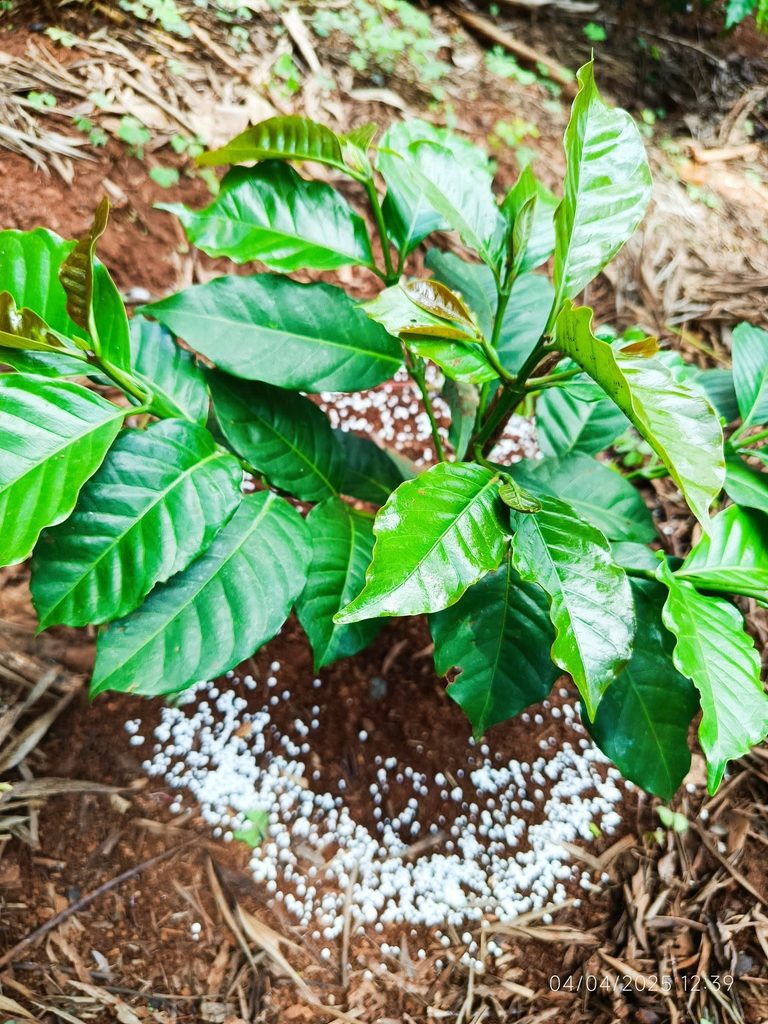
For best results, scatter the granules on the soil surface around the plant. Virginia Cooperative Extension advises spreading fertilizer over an area about twice as wide as the crown spread of the plant. This reaches the feeder roots, which sit beyond the trunk.
Water well after applying. Always follow the rate on the label, and never apply extra “to be safe.” More is not better.
2. Controlled-Release Coated Fertilizer (Best for Newly Planted Shrubs)
Controlled-release fertilizer comes in small coated pellets. Water slowly passes through the coating, and nutrients escape over months. Many gardeners know these as resin-coated products.
This type is excellent for new plantings. Young roots are tender, and a quick-release product can damage them. A controlled-release option gives a gentle start without that danger.
Mix a small amount into the planting area or scatter it on top, depending on the label. The coating protects against fast washout during heavy rain. That is a real plus in areas with strong storms.
The price is higher than basic granules. However, one application can last a full season. For a few valuable shrubs, I think the cost is worth it.
3. Organic Acid-Loving Plant Food (Best for Azaleas, Rhododendrons, and Hollies)
Some shrubs want acidic soil. Azaleas, rhododendrons, camellias, hollies, and blueberries are well-known examples. A fertilizer made for acid-loving plants suits them better than a general blend.
These products are often organic and based on natural meals. Many carry an analysis near 4-3-4, though the exact numbers vary by brand. They feed gently and support soil life.
I like them because they match what these plants need without extra fuss. Acid-loving shrubs often show yellow leaves in alkaline soil. A proper formula helps correct that over time.
Check your soil pH first. If it is far too high, fertilizer alone will not solve the problem. You may need to adjust the soil as well.
4. Compost (Best Natural Soil Builder)
Compost is not a classic fertilizer, but it deserves a top spot. It feeds plants slowly and improves the soil at the same time. Better soil means better water holding and healthier roots.
University of Missouri Extension notes that compost used as mulch around trees and shrubs, or applied to turf as a top-dressing, can supply the nutrients needed to keep them growing well. That makes it a smart low-cost choice.
Spread a layer of about 1 to 2 inches over the root zone each spring. Keep it a few inches away from the stems to prevent rot. Water it in lightly.
Compost is very hard to overdo. It will not burn roots when it is well finished. For gardeners who prefer a gentle, natural routine, it is hard to beat.
5. Well-Aged Manure (Best Budget Organic Option)
Aged manure from cattle, horses, or poultry adds nutrients and organic matter. It is often cheap, and many farms sell it by the bag or load. That makes it a favorite for large garden areas.
The key word is aged. Fresh manure is strong and can burn roots. It may also carry weed seeds or harmful microbes. Look for manure that is dark, crumbly, and has little smell.
Apply a thin layer around the shrub in late fall or early spring. Then cover it with mulch. This keeps nutrients in place and reduces odor.
Do not pile it against the trunk. Leave a gap, as you would with compost. Poultry manure is stronger than cattle manure, so use less of it.
6. Fish Emulsion (Best Liquid Organic Feed)
Fish emulsion is a liquid fertilizer made from fish by-products. It is rich in nitrogen and acts fast. When shrubs look pale or weak, it can give a quick lift.
You dilute it in water and pour it around the base. The plant takes it up within days. It also suits container shrubs, which run out of nutrients sooner than those in the ground.
I will be honest about one downside: the smell. It fades in a day or two, but it can bother you and your neighbors. Apply it in the morning and water it in well.
Use it as a boost rather than a main feed. A light application every few weeks in the growing season is enough. Stop well before the end of the season.
7. Alfalfa Meal (Best for Rose Bushes and Flowering Shrubs)
Alfalfa meal is a ground plant product, often sold as pellets or powder. It supplies nitrogen along with trace elements and natural plant compounds. Many rose growers swear by it.
It works slowly as soil microbes break it down. That means steady feeding and little risk of burn. It also adds organic matter, which improves soil structure.
Sprinkle it around the drip line and scratch it lightly into the surface. Water well afterward. In wet soil, it may smell a little as it breaks down.
Pets and wildlife sometimes dig at it. If that is a concern, cover the area with mulch after applying. Store the bag dry to avoid mold.
8. Bone Meal (Best for Root Development and Blooms, Only When Needed)
Bone meal is made from ground animal bones. It is rich in phosphorus and calcium, which support roots and flowers. Gardeners often add it at planting time.
Here is where I urge caution. As noted earlier, many soils already hold enough phosphorus. Adding more without a need gives no benefit and can contribute to water pollution.
The U.S. Environmental Protection Agency states that residential areas can be a significant source of excess nitrogen and phosphorus pollution from fertilizers. That is a good reason to test your soil first.
If your test shows low phosphorus, bone meal is a natural fix. Mix a small amount into the planting hole and cover it with soil. Otherwise, skip it.
9. Water-Soluble Liquid Fertilizer (Best for Container Shrubs and Quick Results)
Water-soluble fertilizers come as powder or concentrate. You mix them into a watering can. A balanced formula such as 20-20-20 is common, though lower-strength blends are gentler.
The main advantage is speed. Plants absorb the nutrients quickly, so you see a response sooner. This is helpful for potted shrubs, which need regular feeding because water washes nutrients out.
The drawback is that the effect does not last. You must repeat applications through the growing season. It is also easy to mix too strongly, so measure carefully.
I use this type mostly for pots and patio plants. For in-ground shrubs, a slow-release product usually makes more sense and takes less effort.
10. Chelated Iron and Micronutrient Supplements (Best for Yellow Leaves)
Sometimes yellow leaves are not about nitrogen at all. In many shrubs, the cause is iron deficiency, often linked to high soil pH. The leaves turn yellow while the veins stay green.
A chelated iron product can correct this. “Chelated” means the iron is in a form that plants can absorb more easily, even in tougher soils. You apply it to the soil or as a foliar spray, based on the label.
This is a targeted fix, not a general fertilizer. Use it only when the symptoms match. A soil test or a quick check with your local extension office can confirm the problem.
Pair it with long-term soil care. If the pH stays too high, the problem will come back. Treating the cause is better than treating the symptom.
When to Fertilize Bushes and Shrubs
Timing matters as much as the product. Iowa State University Extension says spring and fall are the best times when feeding is needed. Spring applications should go on in late March or early April, before leaves open. Fall applications should follow leaf drop.
Avoid late summer. The University of Maryland Extension warns against fertilizing in late summer or early fall, because nutrients can stimulate new growth just as plants prepare for dormancy.
The University of Missouri Extension similarly notes that feeding after mid-July may cause late growth that early frost can damage.
These dates fit temperate climates. In tropical or equatorial regions, such as much of East Africa, I would apply fertilizer at the start of the rainy season, when plants grow actively. Your local extension service can give exact timing for your area.
ALSO READ: 15 Shrubs That Look Like Christmas Trees (With Growing Details)
How to Apply Fertilizer the Right Way
Good technique protects your plants. Follow these simple steps:
- Test the soil first, if possible.
- Read the label and measure the correct amount.
- Spread evenly over the root zone, about twice the crown width.
- Keep fertilizer off stems and leaves, unless it is a foliar product.
- Water deeply after applying.
- Add mulch to keep moisture and reduce weeds.
Oklahoma State University Extension also notes that fertilizer spikes, tablets, and hose-end applicators are less preferable than broadcasting or proper soil methods for trees. The same logic applies to most shrubs. Even spreading beats concentrated spots.
ALSO READ: 25 Shrubs With Red Leaves (Details, With Pictures)
Common Fertilizer Mistakes to Avoid
Over-feeding is the most common error. Too much nitrogen gives soft, weak growth that attracts pests. It can also burn roots, especially with fast-release products.
Another mistake is fertilizing evergreen shrubs too heavily. Their feeder roots are shallow, and strong quick-release fertilizer can damage them. Use gentle, slow-release options instead.
Finally, do not ignore the environment. EPA guidance advises gardeners not to apply fertilizer before windy or rainy days and to avoid applying it close to waterways. Runoff carries nutrients into streams and lakes, where it harms water quality.
ALSO READ: 25 Shrubs With Yellow Leaves (With Pictures)
Frequently Asked Questions
Which is better for shrubs: organic or synthetic fertilizer?
Both can work well. Organic products improve soil and release nutrients slowly. Synthetic products give precise nutrient levels and faster results. I often combine them: compost for soil health, and slow-release granules when a plant needs extra help.
How often should I fertilize my shrubs?
For most healthy shrubs, once a year in spring is enough. Some need nothing at all. Young or stressed plants may benefit from a second light feeding. Always base the decision on plant growth and a soil test.
Can I use lawn fertilizer on my shrubs?
Often, yes, in small amounts. Virginia Cooperative Extension notes that trees and shrubs take up nutrients applied to nearby turf, so extra feeding may not be needed. Still, avoid weed-and-feed products near shrubs, as the herbicide can harm them.
What is the best NPK ratio for shrubs?
A ratio near 3:1:1, such as 12-4-8, suits many shrubs. Nitrogen is usually the key nutrient. However, your soil test results should guide the final choice.
Final Thoughts
Feeding shrubs does not have to be complicated. Start by checking whether your plants really need fertilizer. Then pick the product that fits their needs and your soil.
For most gardens, a slow-release granular fertilizer and a yearly layer of compost make a strong, simple routine. Add specialty products only when a clear problem appears. Healthy shrubs reward patient care.
I hope this guide helps you choose with confidence. A little attention in spring can bring years of beauty to your garden.
References
- Virginia Cooperative Extension, Virginia Tech. Fertilizing Landscape Trees and Shrubs. https://www.pubs.ext.vt.edu/430/430-018/430-018.html
- University of Maryland Extension. Fertilizing Trees and Shrubs and Nutrient Deficiency Symptoms. https://www.extension.umd.edu/resource/fertilizing-trees-and-shrubs-and-nutrient-deficiency-symptoms
- University of Nebraska–Lincoln Extension. Determining the Need to Fertilize Landscape Trees and Shrubs. https://extensionpubs.unl.edu/publication/g2042/2011/html/view
- University of Missouri Extension. Fertilizing Shade Trees. https://extension.missouri.edu/publications/g6865
- Iowa State University Extension. Should I fertilize established trees and shrubs? https://yardandgarden.extension.iastate.edu/faq/should-i-fertilize-established-trees-and-shrubs
- Oklahoma State University Extension. Fertilizing Shade and Ornamental Trees and Shrubs. https://extension.okstate.edu/fact-sheets/fertilizing-shade-and-ornamental-trees-and-shrubs
- U.S. Environmental Protection Agency. Nutrient Pollution: Sources and Solutions, In and Around the Home. https://www.epa.gov/node/18735

Tim M Dave is a gardening expert with a passion for houseplants, particularly cacti and succulents. With a degree in plant biology from the University of California, Berkeley, he has vast experience in gardening. Over the years, he has cultivated a vast collection of desert plants and learned a great deal about how to grow and care for these unique companions.