35 Different Types of Coffee Drinks (Flavors, and How They are Brewed)
Coffee runs the world in a way most other drinks simply don’t. Walk into any coffee shop and the menu alone can feel like a small exam.
I remember standing in line once, completely unsure what separated a cortado from a macchiato. That confusion is exactly why this guide exists.
According to the National Coffee Association’s 2025 data, 66 percent of American adults drink coffee daily, the highest rate in twenty years. That’s a genuinely massive share of the population reaching for a cup each morning.
This guide covers 35 popular types of coffee, from classic espresso drinks to regional specialties brewed across continents. By the end, you’ll know exactly what to order, and why each one tastes the way it does.
Why Coffee Types Vary So Much
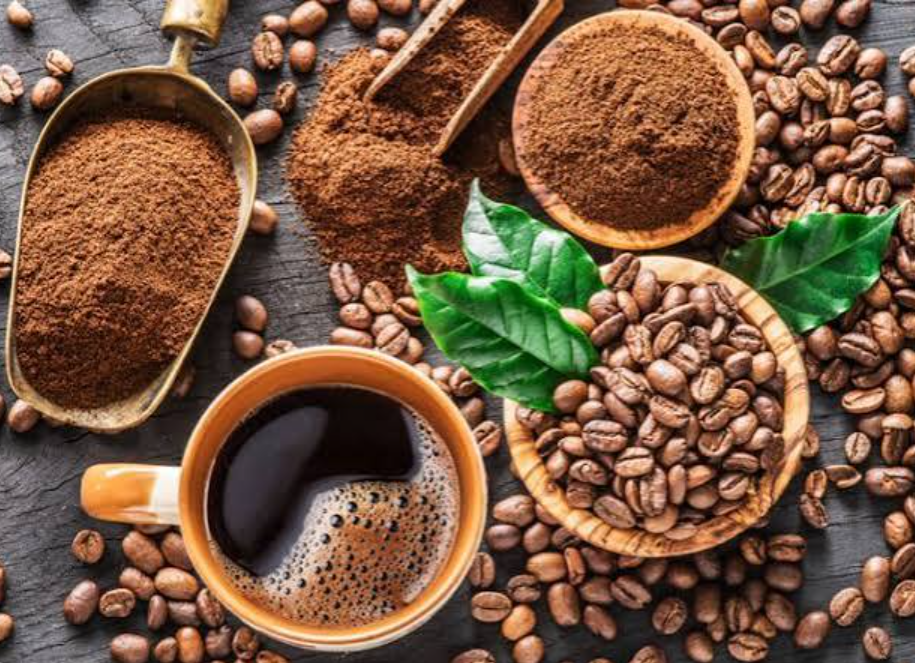
Every coffee drink starts from the same basic ingredient, roasted coffee beans. What changes everything is brewing method, ratio, and what gets added afterward.
Pressure, steeping, filtration, and boiling represent the four broad brewing categories, according to Ohio State University’s coffee research materials. Each method pulls different compounds from the grounds, producing wildly different results from the same beans.
Milk, water, sugar, and even eggs get layered on top of that base in different cultures. That’s really the whole story behind why 35 distinct coffee drinks can exist from one plant.
Let’s work through them, starting with the espresso family before moving into brewed, iced, and regional specialties.
ALSO READ: 35 Different Types of Tea: (Green, Black, Oolong, White, Herbal, and More)
Espresso-Based Coffee Drinks
1. Espresso
Espresso is the foundation of most coffee shop menus, made by forcing hot water through finely ground, tightly packed coffee under high pressure. That pressure, typically around nine bars, extracts a small, concentrated shot topped with a layer of golden crema.
A single shot usually runs about one ounce, though the exact volume varies by machine and barista preference. Its flavor is intense, slightly bitter, and syrupy, nothing like the thinner texture of drip coffee.
Research cited by the FDA notes that a shot of espresso typically contains less caffeine per serving than a full cup of brewed coffee, simply because the serving size is so much smaller. Per ounce, though, espresso is far more concentrated.
I still remember my first proper espresso in a small Italian café, gone in three sips and somehow more satisfying than an entire mug of drip coffee. There’s a reason it anchors so many other drinks on this list.
2. Ristretto
Ristretto means “restricted” in Italian, referring to a shorter, more concentrated pull than standard espresso. The same amount of coffee is used, but less water passes through the grounds.
This produces a sweeter, less bitter shot, since the extraction stops before the more bitter compounds fully develop. It’s smaller in volume but arguably more intense in flavor concentration.
Baristas who love ristretto often describe it as espresso’s more refined sibling. It requires precise timing, since even a few extra seconds changes the balance considerably.
It’s a favorite among purists who want maximum flavor without excess volume. I find it a genuinely different experience from standard espresso, not just a smaller version of the same thing.
3. Lungo
Lungo, meaning “long” in Italian, is essentially the opposite of ristretto. More water passes through the same amount of grounds, extracting for a longer period.
The result is a larger, more diluted shot with a slightly more bitter edge, since extraction continues into territory ristretto avoids entirely. It’s still more concentrated than drip coffee, just less intense than standard espresso.
Some drinkers prefer lungo specifically because it stretches the espresso experience into a longer sip. It sits comfortably between a quick shot and a full cup.
It’s worth trying if you love espresso’s flavor but want a bit more volume in the cup. The extra extraction time does shift the taste noticeably, so don’t expect it to taste identical to regular espresso, just bigger.
4. Doppio
Doppio simply means “double” in Italian, referring to a double shot of espresso pulled together rather than two single shots. It’s the standard serving size at many coffee shops today, even when a “single” is requested by habit.
The flavor profile matches standard espresso, just with double the volume and caffeine. It’s often the base for larger milk-based drinks that need more coffee flavor to stand up to the added milk.
Ordering a doppio is a simple way to get more coffee intensity without diluting it with water or milk. It’s popular among people who find a single shot too fleeting.
Many espresso machines are actually calibrated for doppio extraction by default, since pulling two portafilter baskets together is more consistent than isolating a single shot. That’s part of why “doppio” has become something of an unspoken default.
5. Americano
Americano is espresso diluted with hot water, mimicking the strength and volume of drip coffee without actually brewing it that way. The ratio of water to espresso can be adjusted depending on how strong you want the final cup.
Its flavor is milder than straight espresso but bolder than typical drip coffee, since it retains some of espresso’s syrupy character even after dilution. It’s a popular choice for people who want espresso’s depth without the small serving size.
The name reportedly traces back to American soldiers in Europe during World War II, who diluted local espresso to match the coffee strength they were used to back home. Whether or not that story is entirely accurate, it’s stuck as the drink’s name.
I reach for an Americano whenever I want something closer to drip coffee but I’m already standing at an espresso machine. It’s a genuinely practical hybrid between two coffee worlds.
6. Latte
A latte combines espresso with a generous amount of steamed milk, topped with a thin layer of milk foam. The ratio typically runs close to one part espresso to three or four parts steamed milk.
The flavor is smooth, creamy, and mild, since the large volume of milk softens espresso’s natural intensity considerably. It’s one of the most customizable coffee drinks, easily flavored with vanilla, caramel, or seasonal syrups.
Latte art, the decorative patterns poured into the foam, has become its own small craft within coffee culture. Skilled baristas can pour hearts, rosettas, and even more elaborate designs directly into the cup.
It remains one of the most ordered coffee drinks worldwide, largely because its mildness appeals to people who find straight espresso too intense. I consider it the gateway drink for anyone easing into espresso-based coffee.
7. Cappuccino
Cappuccino is built from equal parts espresso, steamed milk, and milk foam, giving it a noticeably airier texture than a latte. That equal-thirds ratio is what technically distinguishes it from other milk drinks on this list.
The flavor is bold yet balanced, since the smaller amount of milk compared to a latte lets espresso’s character shine through more clearly. The thick foam on top also changes the mouthfeel dramatically from sip to sip.
Traditionally, Italians drink cappuccino only in the morning, rarely ordering one after a meal. That cultural rule has loosened considerably outside Italy, where it’s ordered any time of day.
Its name comes from the resemblance between its color and the robes worn by Capuchin friars. It’s a small historical detail that adds some charm to an otherwise everyday order.
8. Flat White
Flat white originated in Australia and New Zealand, built from espresso and steamed milk with a much thinner layer of microfoam than a cappuccino or latte. The milk is steamed to a silkier, denser texture rather than a thick, airy foam.
The flavor is stronger and more espresso-forward than a typical latte, since less milk is used relative to the coffee. It occupies a genuine middle ground between a straight shot and a fully milk-diluted drink.
Baristas often use a smaller cup for a flat white than for a latte, which naturally concentrates the espresso flavor further. That smaller serving size is part of the drink’s defining character.
It’s become genuinely popular worldwide over the past decade, showing up on menus well beyond its Australian and New Zealand origins. I find it the best option when I want a latte’s smoothness without losing espresso’s punch.
9. Macchiato
Macchiato means “stained” or “marked” in Italian, referring to espresso “marked” with just a small dollop of milk foam. Traditional macchiato uses far less milk than a latte or cappuccino, sometimes just a spoonful.
The flavor stays close to straight espresso, with only a subtle creaminess added by the small amount of foam. It’s a favorite among people who enjoy espresso’s intensity but want a slight softening touch.
Modern coffee shop menus sometimes confuse things by offering a “caramel macchiato,” which is actually closer to a flavored latte with caramel drizzle. That version bears little resemblance to the traditional Italian drink.
Traditional macchiato remains a purist’s choice, small in size but big in flavor. I always specify “traditional” when ordering one, just to avoid an unexpectedly sweet surprise.
10. Cortado
Cortado originated in Spain, combining equal parts espresso and steamed milk with virtually no foam. The word “cortado” means “cut,” referring to how the milk cuts espresso’s acidity and intensity.
The flavor is balanced and smooth, sitting between a macchiato’s intensity and a latte’s mildness. Its small serving size, usually four to five ounces, keeps the flavor concentrated without excessive volume.
It’s grown quite popular in specialty coffee shops outside Spain, particularly among drinkers who find lattes too milky but straight espresso too intense. That middle-ground appeal has helped it spread widely.
I find cortado a genuinely satisfying compromise, especially in the afternoon when I want something a bit gentler than a full espresso shot. It’s become one of my regular orders.
11. Mocha
Mocha combines espresso, steamed milk, and chocolate syrup or cocoa powder, essentially merging coffee and hot chocolate into a single drink. Whipped cream often tops it off for extra richness.
The flavor is sweet, chocolatey, and rich, appealing especially to people who enjoy dessert-like coffee drinks. It’s one of the more indulgent options on any coffee shop menu.
The name traces back to Mocha, a port city in Yemen historically important to the early coffee trade. Despite the name’s origin, the actual chocolate-coffee combination developed much later.
It’s a popular choice year-round, though sales tend to spike during colder months when people crave something warmer and sweeter. I treat it more as an occasional treat than an everyday order.
12. Breve
Breve is essentially a latte made with steamed half-and-half instead of regular milk, producing a noticeably richer, creamier texture. The higher fat content changes the mouthfeel considerably compared to a standard latte.
The flavor is luxuriously creamy and slightly sweet, even without any added flavoring or sugar. It’s a heavier drink than most other espresso-based options on this list.
It’s primarily an American coffee shop invention, less common outside the United States compared to drinks like the flat white or cortado. Its indulgent texture has kept it a loyal niche following.
I find breve genuinely feels more like a dessert than a morning coffee. It’s worth trying once, though probably not something to order daily given its richness.
13. Con Panna
Espresso con panna is a straight shot of espresso topped with a dollop of whipped cream instead of milk. The name translates directly from Italian as “espresso with cream.”
The flavor combines espresso’s bold bitterness with the whipped cream’s light sweetness, creating a pleasant contrast in every sip. It’s a smaller, more concentrated drink than most milk-based espresso options.
It’s less commonly ordered than lattes or cappuccinos, though it remains a beloved choice among people who want a touch of sweetness without diluting the coffee itself. The whipped cream slowly melts into the shot as you drink.
I like ordering it as an after-dinner coffee, since it feels a bit more like a dessert than a caffeine boost. It’s simple, but genuinely satisfying.
14. Red Eye
A red eye is drip coffee with a shot of espresso added directly into the cup, essentially doubling down on caffeine content. Some coffee shops call a version with two shots a “black eye,” pushing the caffeine even higher.
The flavor stays close to regular drip coffee, just noticeably stronger and more intense. It’s less about nuanced flavor and more about maximizing alertness.
It’s a popular choice among people pulling long shifts or facing an especially rough morning. The name itself hints at its purpose, aimed squarely at fighting off exhaustion.
I’ve ordered a red eye exactly the number of times I’ve needed to survive an early flight or an all-nighter. It’s not a drink for casual sipping, more a functional tool than a treat.
ALSO READ: 35 Types of Mint Plants (Varieties Worth Growing, With Pictures)
Coffee With a Twist
15. Affogato
Affogato is a scoop of vanilla ice cream “drowned” in a hot shot of espresso, straddling the line between dessert and coffee drink. The name literally means “drowned” in Italian.
The flavor combines hot, bitter espresso with cold, sweet cream, creating a genuinely striking contrast in both temperature and taste. As the ice cream melts, the drink transforms with every spoonful.
It’s traditionally served after dinner in Italy, functioning more as a dessert course than a caffeine pick-me-up. Its simplicity, just two ingredients, belies how satisfying the final result actually is.
I consider it one of the most delightful ways to end a meal, especially in warmer weather when a hot coffee alone feels like too much. It’s proof that coffee doesn’t always need to be complicated to be memorable.
16. Café au Lait
Café au lait is a French coffee drink made from strong brewed coffee combined with scalded milk, typically in equal parts. Unlike a latte, it uses drip or French press coffee rather than espresso as its base.
The flavor is milder and less concentrated than an espresso-based latte, since drip coffee itself is naturally less intense than espresso. It’s traditionally served in a wide, shallow bowl in French households.
It’s a staple of French breakfast culture, often enjoyed alongside a croissant or other pastry. Dipping bread directly into the bowl is a genuinely common practice there.
I find café au lait a gentler morning option than an espresso drink, especially when I want something warm and milky without much intensity. It’s comfort in a cup, plain and simple.
17. Vienna Coffee
Vienna coffee, or Viennese coffee, is a strong coffee topped generously with whipped cream, sometimes dusted with cocoa or cinnamon. It reflects Austria’s long-standing café culture, where elaborate coffee presentations remain a point of pride.
The flavor is rich and slightly sweet, with the whipped cream slowly melting into the strong coffee beneath it. Some versions include chocolate shavings or a sprinkle of sugar on top for extra decadence.
Vienna’s coffeehouse tradition dates back centuries and has even earned recognition as part of the city’s cultural heritage. Ordering coffee there is often treated as a leisurely, sit-down experience rather than a quick grab-and-go.
It’s a lovely occasional treat, somewhere between a strong coffee and a light dessert. I think of it as coffee dressed up for a special occasion.
Brewed and Filtered Coffee
18. Drip Coffee
Drip coffee, also called filter coffee, is made by pouring hot water over ground coffee held in a paper or metal filter, letting gravity pull the liquid through into a pot below. It remains the most common brewing method across the United States and much of Europe.
The flavor is milder and cleaner than espresso, since the filter removes much of the oil and fine sediment that espresso retains. It’s straightforward to brew in bulk, which explains its popularity in offices and diners alike.
A 2020 study cited in nutrition research found the average 8-ounce cup of brewed coffee contains roughly 150 milligrams of caffeine, though the range varies considerably by strength and bean type. That variability makes it hard to pin down an exact number for any given cup.
It’s the coffee most people grew up drinking, myself included, and there’s a certain nostalgia baked into that familiarity. Simple, reliable, and endlessly consistent once you find a method you like.
19. French Press Coffee
French press coffee uses a full-immersion method, where coarsely ground coffee steeps directly in hot water for several minutes before a mesh plunger separates the grounds from the liquid. That prolonged contact time changes the final flavor significantly.
The flavor is fuller-bodied and richer than drip coffee, since the metal mesh filter allows more oils and fine particles through into the final cup. Some people find the slightly gritty texture part of its charm, while others find it a drawback.
UC Davis’s Coffee Center notes that immersion methods like French press typically produce a stronger cup than percolation methods like drip, precisely because the grounds stay in continuous contact with the water. That extended contact is the defining mechanical difference.
I enjoy French press on slower mornings when I have time to appreciate its heavier, more textured cup. It’s not a rushed drink, and honestly, it works better that way.
20. Pour-Over Coffee
Pour-over coffee involves manually pouring hot water over grounds held in a cone-shaped filter, allowing gravity to draw the liquid through slowly and evenly. Devices like the Hario V60 and Chemex have become closely associated with this method.
The flavor is clean, bright, and nuanced, often highlighting subtle notes in high-quality beans that get lost in other brewing methods. The slower, controlled pour gives the brewer far more influence over the final result than automatic drip machines allow.
Specialty coffee shops often favor pour-over specifically because it showcases a bean’s unique character more clearly than other methods. The process itself has become something of a ritual among dedicated home brewers.
It takes a bit more patience and technique than a standard drip machine, but the payoff in flavor clarity is genuinely noticeable. I find it worth the extra few minutes on weekends.
21. Moka Pot Coffee
Moka pot coffee, sometimes called stovetop espresso, is brewed using a small stovetop device that forces steam-pressurized water up through ground coffee. It’s an Italian household staple, invented in the 1930s and still widely used today.
The flavor sits between drip coffee and true espresso, stronger than filter coffee but not quite matching the pressure and crema of a proper espresso machine. It has a distinctly bold, slightly bitter character all its own.
The device itself is simple: water in the bottom chamber, grounds in a middle basket, and the brewed coffee collects in the top chamber as pressure builds. No electricity is required, just a stovetop burner.
It’s an affordable, durable way to get espresso-like coffee without investing in a full espresso machine. Many Italian households still rely on one daily rather than owning a proper espresso setup at all.
22. Instant Coffee
Instant coffee is made from brewed coffee that’s been dehydrated into soluble granules or powder, designed to dissolve instantly in hot water. It skips the entire brewing process at home, trading some flavor complexity for pure convenience.
The flavor is generally flatter and less nuanced than freshly brewed coffee, though quality has improved significantly with modern freeze-drying techniques. Premium instant coffee brands have narrowed that gap considerably in recent years.
It remains enormously popular worldwide, particularly in regions where brewing equipment isn’t practical or where speed matters more than nuance. Its shelf stability also makes it a reliable pantry staple.
I keep a jar around purely for convenience during travel or camping, where a full brewing setup simply isn’t realistic. It’s not my daily choice, but it has its place.
23. Decaf Coffee
Decaf coffee undergoes a process that removes most of its natural caffeine before roasting, typically using water, solvent, or carbon dioxide extraction methods. It’s brewed the same way as regular coffee afterward, using any method on this list.
According to the FDA, decaf coffee still contains 2 to 15 milligrams of caffeine per 8-ounce cup, meaning it’s not entirely caffeine-free despite the name. That small residual amount rarely affects most people noticeably.
The flavor can differ slightly from regular coffee, sometimes described as marginally flatter, though high-quality decaf beans have closed much of that gap. Roast level and bean origin still matter just as much as with regular coffee.
It’s a practical option for people sensitive to caffeine or drinking coffee later in the day without wanting to disrupt sleep. I keep decaf on hand specifically for evening coffee cravings.
Iced and Cold Coffee Drinks
24. Cold Brew
Cold brew is made by steeping coarsely ground coffee in room-temperature or cold water for twelve to twenty-four hours, rather than using heat at all. The lack of heat fundamentally changes which compounds get extracted from the grounds.
The flavor is smooth, naturally sweet, and notably less acidic than hot-brewed coffee, since heat is largely responsible for extracting some of coffee’s harsher, more acidic notes. That smoothness has driven much of its popularity.
Caffeine content can actually run higher than hot brewed coffee, since cold brew concentrate is often diluted before serving but starts from a stronger base. The long steeping time compensates for the lack of heat-driven extraction speed.
It’s become one of the fastest-growing coffee categories in recent years, especially among younger drinkers who prefer its mellow profile. I find it a genuinely refreshing alternative on hot afternoons when a hot cup feels like the wrong choice entirely.
25. Nitro Cold Brew
Nitro cold brew takes standard cold brew and infuses it with nitrogen gas, creating a creamy, cascading texture similar to draft beer. It’s typically served straight from a tap, without ice, since the nitrogen already gives it a naturally cold, smooth mouthfeel.
The flavor is velvety and slightly sweet, even without any added sugar or cream, thanks to the tiny nitrogen bubbles softening the coffee’s texture on the tongue. Visually, it also produces an appealing cascading effect as it settles in the glass.
It requires specialized equipment to prepare properly, which is why it’s more commonly found in coffee shops than brewed at home. The infusion process itself takes specific tools most home kitchens don’t have.
I find the texture almost as compelling as the flavor itself, something closer to a stout beer than typical coffee. It’s a genuinely unique experience worth trying at least once.
26. Iced Coffee
Iced coffee is simply hot-brewed coffee cooled down and served over ice, distinct from cold brew’s entirely different steeping process. Some methods brew it extra strong to account for dilution as the ice melts.
The flavor tends to be brighter and slightly more acidic than cold brew, since it retains the characteristics of hot extraction even after cooling. That acidity is part of what distinguishes it clearly from cold brew’s smoother profile.
It’s an easy way to repurpose an existing pot of hot coffee rather than requiring a separate overnight brewing process. Many people simply pour leftover morning coffee over ice later in the day.
I appreciate iced coffee for its convenience, though I do notice the flavor difference compared to properly made cold brew. Both have their place depending on how much planning ahead I’ve done.
27. Frappé
Frappé is a Greek iced coffee made by vigorously shaking or blending instant coffee, water, sugar, and ice until a thick foam forms on top. It was reportedly invented somewhat by accident in the 1950s at a trade fair in Thessaloniki.
The flavor is sweet, frothy, and refreshing, closer to a light iced coffee drink than a dense dessert. Its foam layer is a defining visual and textural feature that sets it apart from typical iced coffee.
It’s become something of a national symbol in Greece, especially during hot summer months when it’s practically the default coffee order. Cafés across the country serve countless variations on the basic recipe.
I find frappé’s playful, foamy texture genuinely fun to drink, more casual than most other coffee styles on this list. It’s proof that a happy accident can become a beloved tradition.
28. Frappuccino
Frappuccino is a trademarked, blended iced coffee drink popularized by Starbucks, combining coffee, ice, milk, and flavored syrups blended into a smooth, semi-frozen texture. It’s distinct from the Greek frappé despite the similar name.
The flavor varies enormously depending on the specific syrups and toppings chosen, ranging from classic coffee flavor to dessert-like combinations involving caramel, chocolate, or seasonal flavors. Whipped cream and drizzle toppings are common additions.
It helped popularize blended iced coffee drinks throughout the 1990s and 2000s, expanding well beyond traditional coffee shop offerings into something closer to a milkshake. Its commercial success reshaped how many coffee chains approached cold drinks.
It’s less about showcasing coffee’s nuanced flavor and more about indulgence and customization. I treat it as an occasional dessert-style drink rather than a genuine coffee experience.
Regional and Specialty Coffee Traditions
29. Turkish Coffee
Turkish coffee is made by simmering very finely ground coffee with water and sugar directly in a small pot called a cezve, without any filtering afterward. The grounds settle at the bottom of the cup rather than being strained out.
The flavor is thick, strong, and intensely concentrated, served in small cups meant for slow sipping rather than gulping. Traditionally, the foam that forms on top during brewing is considered an essential part of a properly made cup.
It carries deep cultural significance across Turkey, the Balkans, and the Middle East, often served during social visits and traditional fortune-telling practices involving the leftover grounds. The preparation itself is considered an art passed down through generations.
I find the ritual around Turkish coffee just as compelling as the drink itself, slow and deliberate in a way most modern coffee culture has moved away from. It rewards patience in every sense.
30. Irish Coffee
Irish coffee combines hot coffee, Irish whiskey, and sugar, topped with a layer of lightly whipped cream that floats rather than mixes in. It was reportedly created at a airport restaurant in Ireland to warm up cold, weary travelers.
The flavor is warm, boozy, and slightly sweet, with the cold cream layer providing a pleasant contrast against the hot coffee beneath it. Properly made, the cream should sit distinctly on top rather than blending throughout.
It’s traditionally served in a specific glass mug, partly for presentation and partly to showcase the layered effect between coffee and cream. Getting that visual layering right takes a bit of practice.
It’s more of an evening or after-dinner drink than a morning coffee, given the alcohol content. I enjoy it occasionally on a cold night, more for the ritual than for the caffeine.
31. Cuban Coffee (Café Cubano)
Café Cubano is a strong, sweetened espresso shot, distinguished by whipping sugar directly into the first few drops of espresso to create a thick, caramel-colored foam called “espuma.” That foam then gets folded back into the rest of the shot.
The flavor is intensely sweet and bold, since the sugar is worked directly into the coffee rather than simply stirred in afterward. It’s a small but mighty drink, often shared among friends in tiny cups.
It’s deeply woven into Cuban and Cuban-American culture, frequently served as a quick social ritual throughout the day rather than just at breakfast. Many Cuban households and cafés treat the mid-afternoon cortadito break as a genuine social occasion.
I find the sweetness surprising the first time, since it’s far more concentrated than simply adding sugar to a regular espresso. It’s a distinct technique, not just a flavor variation.
32. Vietnamese Egg Coffee
Vietnamese egg coffee, or cà phê trứng, combines strong Vietnamese coffee with a whipped mixture of egg yolk, condensed milk, and sugar, creating a custard-like foam on top. It originated in Hanoi during a period of milk scarcity, when egg yolks served as a creative substitute.
The flavor is rich, custardy, and sweet, closer to a dessert than a typical coffee drink. The whipped topping holds its structure remarkably well, almost like a light meringue floating over the coffee below.
It’s traditionally served warm, allowing the coffee underneath to stay hot while the egg topping remains cool and thick. Specific cafés in Hanoi are still famous specifically for this one drink.
I was skeptical the first time I heard “egg” and “coffee” in the same sentence, but the result is genuinely delicious rather than strange. It’s one of the more surprising entries on this entire list.
33. Vietnamese Iced Coffee
Vietnamese iced coffee, or cà phê sữa đá, combines strong drip coffee brewed through a small metal filter called a phin, sweetened with condensed milk, and poured over ice. The slow drip process is part of the ritual, often taking several minutes per cup.
The flavor is bold, sweet, and creamy, with the condensed milk providing both sweetness and a distinctive thickness that regular milk can’t replicate. Traditional Vietnamese coffee beans, often dark-roasted robusta, contribute to the drink’s intensity.
It’s a staple across Vietnam, served everywhere from street vendors to upscale cafés. The phin filter itself has become an iconic symbol of Vietnamese coffee culture, recognizable even to people who’ve never visited the country.
I find the combination of strong coffee and sweet condensed milk oddly perfect together, richer than an iced latte but distinctly different in character. It’s become one of my favorite iced coffee styles overall.
34. Café Bombón
Café Bombón originated in Spain, made by pouring a shot of espresso over sweetened condensed milk in a clear glass, allowing the two layers to remain visually distinct before stirring. The name comes from the Spanish word for a small candy or sweet.
The flavor is sweet, creamy, and intensely rich, since condensed milk is considerably thicker and sweeter than regular milk or cream. The layered presentation makes it as visually striking as it is delicious.
It’s a relatively simple drink to prepare at home, requiring just two ingredients layered carefully rather than any special equipment. That simplicity has helped it spread in popularity well beyond Spain.
I like watching the two layers before stirring, almost a small ritual before the first sip. It’s proof that a good coffee drink doesn’t need a long ingredient list to feel special.
35. Kopi Luwak
Kopi Luwak is one of the world’s most unusual and expensive coffees, made from beans that have passed through the digestive tract of the Asian palm civet before being collected, cleaned, and roasted. The civet’s digestive enzymes are said to alter the bean’s flavor during that process.
The flavor is often described as smooth, low in bitterness, and slightly earthy, though opinions vary widely on whether the unusual process genuinely improves taste or simply adds novelty value. It remains one of the more debated specialty coffees among enthusiasts.
Ethical concerns have grown significantly around commercial civet farming practices in recent years, with some producers caging animals specifically to force this production method. Wild-sourced kopi luwak, gathered from naturally foraging civets, is considered a more ethical alternative when available.
It’s more a curiosity than a daily drink for most people, given both its steep price and the ethical questions surrounding it. I’d try it once out of curiosity, but I wouldn’t make it a habit given the concerns involved.
Caffeine Content: A Quick Comparison
Caffeine levels vary considerably depending on brewing method, serving size, and bean type. It’s not always intuitive which drinks pack the biggest punch.
Drip coffee averages around 95 to 150 mg of caffeine per 8-ounce cup, according to figures widely cited in nutrition research. Espresso contains roughly 63 to 126 mg per shot, concentrated into a much smaller serving.
Cold brew concentrate can deliver 150 to 240 mg per 8 ounces before dilution, making it one of the stronger options despite its smooth, mellow taste. Decaf coffee, meanwhile, still contains 2 to 15 mg per cup, according to the FDA.
The FDA considers 400 mg of caffeine per day a safe amount for most healthy adults, roughly equivalent to four 8-ounce cups of average brewed coffee. Individual tolerance, however, varies considerably from person to person.
Health Research Worth Knowing
Coffee’s reputation has shifted considerably over the decades, from a guilty pleasure to a beverage backed by a growing body of research. That shift is worth taking seriously.
Research published in PubMed Central notes that coffee consumption has been associated with reduced cardiovascular disease risk and a protective effect against type 2 diabetes, based largely on observational studies. Chlorogenic acids, a compound found in coffee, are thought to play a role in these effects.
Other research highlights coffee’s potential to improve biomarkers of oxidative stress and inflammation, both in healthy individuals and those at increased cardiovascular risk. These findings remain an active area of ongoing study rather than settled science.
I find it reassuring that something so many of us drink daily out of habit also carries genuine, research-backed potential benefits. That said, moderation still matters, especially for anyone sensitive to caffeine.
Coffee by the Numbers
The scale of global coffee production and consumption is genuinely staggering. USDA forecasts put world coffee production for 2025/26 at a record 178.8 million 60-kilogram bags, with global consumption reaching 173.9 million bags.
The United States alone consumes an estimated 26.1 million 60-kilogram bags annually, accounting for roughly 15 percent of total global consumption. That’s an enormous national appetite for a single beverage.
According to Ohio State University’s agricultural economics research, 66 percent of U.S. adults report drinking coffee, even as rising prices have pushed ground coffee costs up considerably in recent years. Demand has remained resilient despite those price increases.
That combination of scale and resilience says a lot about coffee’s place in daily life. Few other beverages command that kind of consistent, worldwide loyalty.
How to Brew Coffee at Home
Getting a good cup at home comes down to a few consistent variables, regardless of which method you choose. Ratio, grind size, and water temperature matter more than expensive equipment.
Immersion methods like French press keep grounds in constant contact with water, producing a fuller-bodied cup. Percolation methods like drip and pour-over let water pass through the grounds once, producing a cleaner, lighter result.
Water temperature between 195°F and 205°F is considered ideal for most brewing methods, hot enough to extract properly without scorching the grounds. A consistent coffee-to-water ratio, often around 1:16, helps keep results predictable from batch to batch.
Grind size should match your brewing method specifically, coarse for French press, medium for drip, and fine for espresso. Mismatched grind size is one of the most common reasons home-brewed coffee tastes off.
Frequently Asked Questions
What’s the strongest type of coffee? Espresso and ristretto are the most concentrated by volume, though cold brew concentrate can deliver more total caffeine per serving depending on steeping time.
What’s the difference between a latte and a cappuccino? A latte uses more steamed milk and less foam, producing a smoother, milder drink, while a cappuccino uses equal parts espresso, milk, and foam for a bolder, airier cup.
Is cold brew stronger than iced coffee? Cold brew concentrate often contains more caffeine than iced coffee, though iced coffee typically tastes brighter and more acidic due to its hot-brewing origin.
What’s the healthiest way to drink coffee? Black coffee, brewed without added sugar or cream, retains the beneficial compounds researchers associate with coffee without the extra calories that come from sweeteners and dairy.
Final Thoughts
Thirty-five coffee types might feel like a lot to keep straight. But once you understand the espresso family, the brewing methods, and the regional traditions layered on top, the whole menu becomes far less intimidating.
I’ve genuinely changed how I order coffee since digging into all this. What used to be a rushed, slightly anxious decision at the counter now feels like picking exactly the right cup for the moment.
Whether you want a quick espresso shot or a slow, ritualistic cup of Turkish coffee, there’s a type built exactly for that mood. That variety is really what makes coffee such an enduring, endlessly interesting drink.
References
- USDA Foreign Agricultural Service. Coffee: World Markets and Trade. https://fas.usda.gov/data/commodities/coffee
- U.S. Food and Drug Administration (FDA). Spilling the Beans: How Much Caffeine is Too Much? https://www.fda.gov/consumers/consumer-updates/spilling-beans-how-much-caffeine-too-much
- Ohio State University, Department of Agricultural, Environmental, and Development Economics (AEDE). Structural Trends in the U.S. Coffee Market. https://aede.osu.edu/sites/aede/files/AEDE%20Bulletin_Coffee2025_Q42025.pdf
- UC Davis College of Engineering. An Engineer’s Guide to Coffee from Bean to Brew. https://engineering.ucdavis.edu/news/engineers-guide-coffee-bean-brew
- Oregon State University Extension Service. Facts About Drip Coffee Makers. https://ir.library.oregonstate.edu/downloads/jq085k153
- National Institutes of Health, National Library of Medicine (PubMed Central). The Emerging Health Benefits of Coffee with an Emphasis on Type 2 Diabetes and Cardiovascular Disease. https://pmc.ncbi.nlm.nih.gov/articles/PMC6003581/
- National Institutes of Health, National Library of Medicine (PubMed Central). Potential Benefits of Coffee Consumption on Improving Biomarkers of Oxidative Stress and Inflammation. https://pmc.ncbi.nlm.nih.gov/articles/PMC10536804/

Tim M Dave is a gardening expert with a passion for houseplants, particularly cacti and succulents. With a degree in plant biology from the University of California, Berkeley, he has vast experience in gardening. Over the years, he has cultivated a vast collection of desert plants and learned a great deal about how to grow and care for these unique companions.