25 Shrubs With Orange Berries (Details Explained)
There’s something about orange berries that flowers simply can’t match. They arrive when the rest of the garden is winding down, and honestly, that timing makes them feel like a small reward.
I’ve always found late-season color more satisfying than spring blooms. It lasts longer, it feeds birds through hard months, and it holds its own against bare branches and grey skies.
The National Audubon Society notes that berry-producing shrubs can support dozens of bird species through winter, when insect food is scarce.
Below, I’ve put together 25 shrubs with orange berries, chosen for their reliability, ornamental value, and usefulness to wildlife.
Let’s walk through them.
1. Firethorn (Pyracantha coccinea)
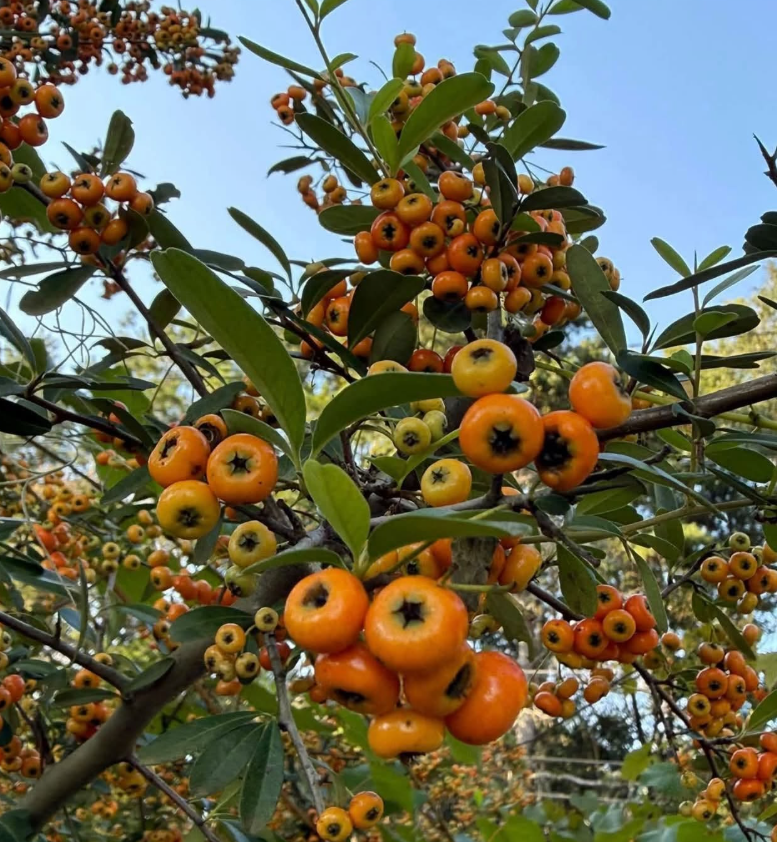
Firethorn is the plant most gardeners picture first when orange berries come up in conversation. Dense clusters practically smother the branches from autumn into winter.
This evergreen shrub is hardy in zones 6 to 9 and tolerates poor soil, drought, and hard pruning. Its thorny stems also make it an excellent security hedge.
Birds like robins and waxwings strip the berries fast once they soften after frost. I’ve watched a single shrub cleared out in under a week during a cold snap.
2. Sea Buckthorn (Hippophae rhamnoides)
Sea buckthorn produces tightly packed, translucent orange berries along bare, silvery branches — a striking contrast that’s hard to miss from a distance.
Native to Europe and Asia, it’s hardy down to zone 3, tolerating salt spray, poor sandy soil, and coastal wind exceptionally well. It needs both male and female plants to fruit.
The berries are unusually high in vitamin C — studies have recorded levels several times higher than oranges — which explains their growing popularity in health food markets.
3. American Bittersweet (Celastrus scandens)
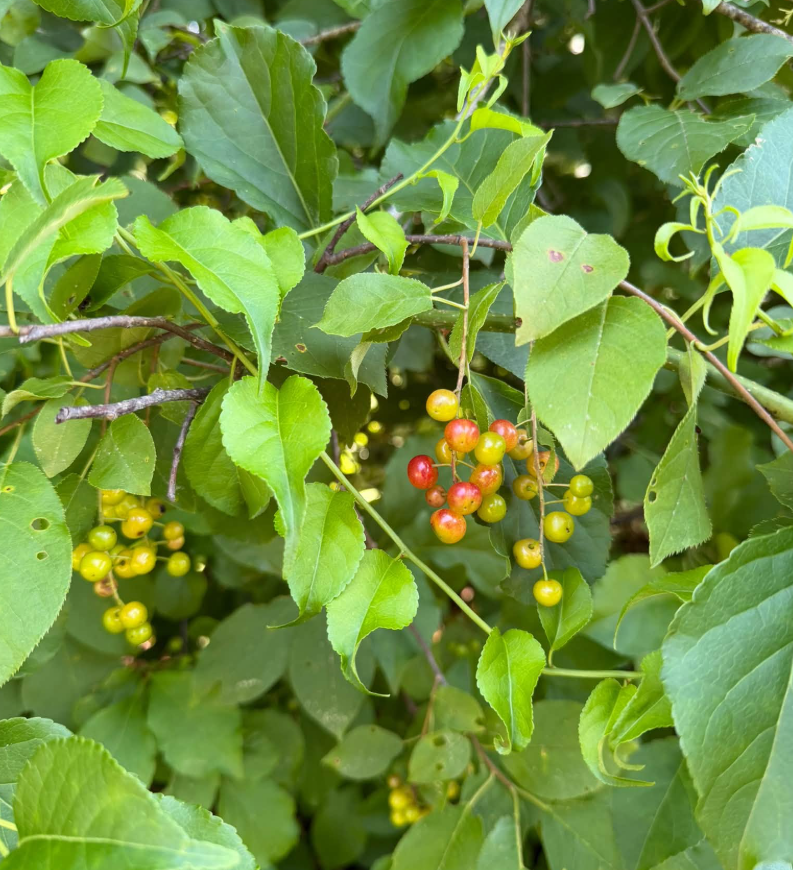
This native woody vine is often trained as a shrub against a fence or trellis. Its orange-yellow capsules split open to reveal bright red seeds inside.
Hardy in zones 3 to 8, it needs both male and female plants for fruiting, similar to sea buckthorn. Full sun produces the heaviest berry display.
It’s a favourite for autumn wreaths and dried arrangements. I’d just caution against confusing it with its invasive cousin, which we’ll cover next.
4. Oriental Bittersweet (Celastrus orbiculatus)
Oriental bittersweet looks almost identical to the American species, with the same orange capsules and red seeds, but it spreads far more aggressively.
It’s listed as invasive across much of the eastern United States, hardy in zones 4 to 8, and can quickly overwhelm native trees and shrubs if left unmanaged.
I mention it here mainly as a warning. If you want bittersweet berries, choose the American species, and check local regulations before planting either.
ALSO READ: 10 Shrubs with Red Berries: Identification and Pictures
5. Winterberry Holly (‘Aurantiaca’)
Most winterberry cultivars produce red fruit, but ‘Aurantiaca’ is a genuine standout, covering bare branches in warm orange berries through winter.
This deciduous holly is hardy in zones 3 to 9 and needs a male pollinator nearby to fruit well. It tolerates wet soil better than most shrubs on this list.
Its bare, berry-covered stems are a classic choice for winter floral arrangements, and songbirds rely on the fruit heavily once other food sources disappear.
6. Cotoneaster franchetii
This semi-evergreen shrub produces small, round orange-red berries in dense clusters, set against arching branches of grey-green foliage.
Hardy in zones 6 to 8, it tolerates poor soil and light shade, though full sun produces the best berry set. It’s commonly used for informal hedging.
Bees swarm its small white flowers in spring, and by autumn, birds take over, making this a two-season wildlife plant that earns its space in any garden.
7. Cotoneaster horizontalis
Known for its distinctive herringbone branch pattern, this low, spreading cotoneaster produces bright orange-red berries that persist well into winter.
It grows in zones 5 to 7 and works beautifully against walls, where its flat branching habit creates a natural espalier effect without any training required.
Autumn foliage turns a rich red before dropping, leaving the berries fully exposed. It’s one of the more architecturally interesting shrubs on this list.
8. European Spindle Tree (Euonymus europaeus)
Spindle produces unusual four-lobed pink capsules that split open to reveal bright orange seeds — a genuinely eye-catching combination unlike anything else here.
Hardy in zones 4 to 7, this deciduous shrub tolerates chalky, alkaline soil that many other berrying shrubs struggle with, making it useful in tricky gardens.
Fall foliage turns brilliant red and orange before dropping, and the capsules often remain on bare branches well into the colder months.
ALSO READ: 25 Stunning Shrubs With Pink Flowers: Identification and Pictures
9. Rowan or Mountain Ash (Sorbus aucuparia)
Rowan produces heavy clusters of orange-red berries in late summer, often so abundant that entire branches bend under the weight.
This small tree or large shrub is hardy in zones 3 to 7 and tolerates cold, wind, and poor soil, which explains its long history in exposed mountain landscapes.
Folklore across Europe once held rowan to ward off evil spirits. Whether or not you believe that, the berries genuinely do attract an impressive range of birds.
10. Linden Viburnum (Viburnum dilatatum)
This deciduous shrub produces heavy clusters of bright red-orange berries in fall, often persisting on bare branches long after leaf drop.
Hardy in zones 5 to 8, it grows 8 to 10 feet tall and prefers full sun for the heaviest fruit set. White spring flowers precede the berries.
Cardinals and mockingbirds are particularly fond of this shrub in North American gardens, often visiting daily once the berries begin to soften.
11. American Cranberrybush (Viburnum trilobum)
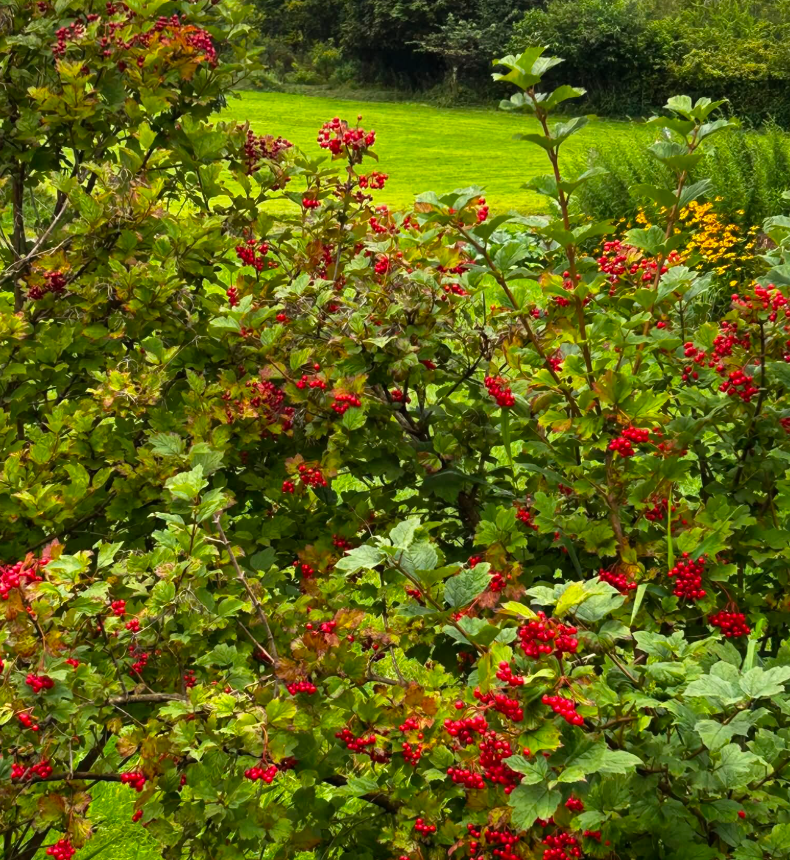
Despite the name, this isn’t a true cranberry, but its tart, translucent orange-red berries do resemble them closely, both in colour and appearance.
Native to North America, it’s hardy in zones 2 to 7, making it one of the coldest-tolerant shrubs on this entire list. It thrives in moist, well-drained soil.
The berries persist through winter and are edible, often used in jellies. Birds tend to leave them until late winter, when other food sources run out.
12. Guelder Rose (Viburnum opulus)
Guelder rose produces translucent, glossy orange-red berries in drooping clusters, following lace-cap white flowers earlier in the season.
Native across Europe and parts of Asia, it’s hardy in zones 3 to 8 and tolerates damp soil better than most viburnums, making it useful near ponds or low areas.
Its berries are technically edible when cooked but mildly toxic raw, so I’d treat this one as primarily ornamental rather than a foraging plant.
13. Goji Berry (Lycium barbarum)
Goji berry shrubs produce elongated, bright orange-red fruits along arching, thorny branches, and they’ve become genuinely popular for their nutritional reputation.
Hardy in zones 5 to 9, this shrub tolerates poor soil and drought well once established, though it can spread aggressively if roots aren’t contained.
Nutritional studies have highlighted goji berries for their antioxidant content, which partly explains their jump from traditional Chinese medicine to Western health food shelves.
14. Jerusalem Cherry (Solanum pseudocapsicum)
This compact shrub produces round, glossy orange berries that look remarkably like miniature tomatoes, which is exactly why caution matters here.
Often grown as a winter houseplant, it suits zones 9 to 11 outdoors. The berries are attractive but toxic if eaten, so keep it away from children and pets.
Its tidy, rounded shape and bright fruit make it a popular holiday season plant, especially in colder climates where it’s grown indoors during winter.
ALSO READ: Stunning Shrubs With Red Flowers: Identification and Pictures
15. Rosa moyesii
This species rose produces some of the most striking hips in the plant world — elongated, flask-shaped, and a deep, glowing orange-red.
Hardy in zones 5 to 8, it grows tall and somewhat sprawling, best suited to informal gardens or mixed borders where its size won’t overwhelm neighbours.
The hips appear in late summer and persist through much of autumn, giving this rose a strong second season well after its early summer flowers fade.
16. Rugosa Rose (Rosa rugosa)
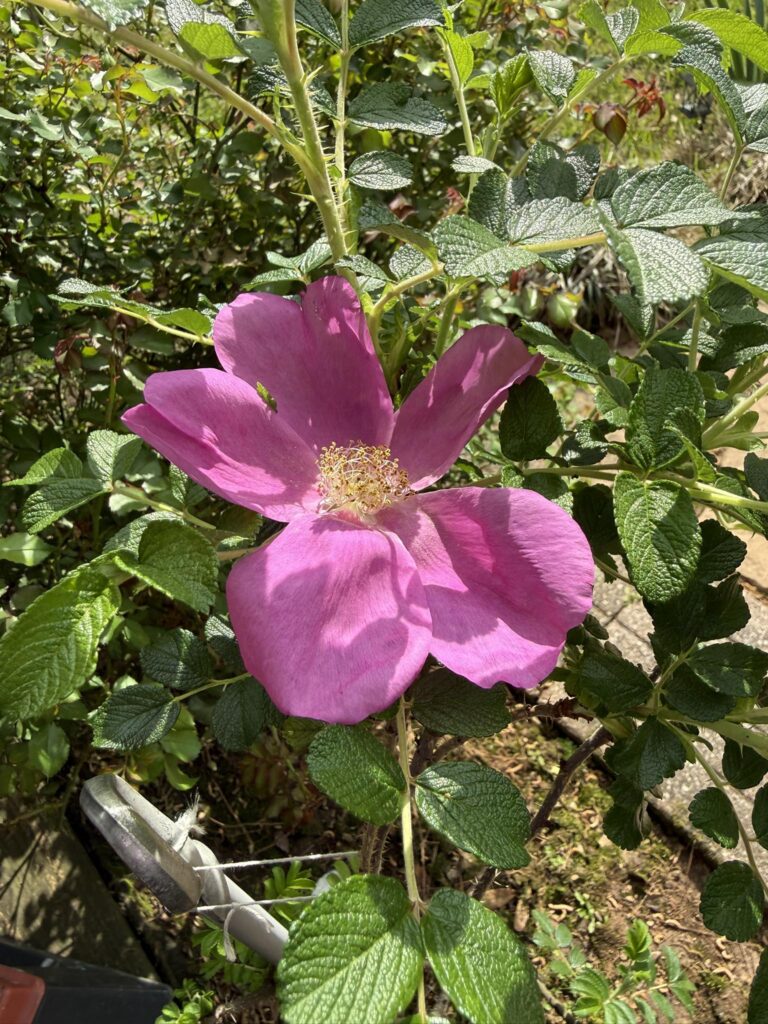
Rugosa rose hips are large, round, and a warm orange-red, appearing alongside continued flowering, which is fairly unusual among berry-producing shrubs.
This tough, salt-tolerant shrub thrives in zones 2 to 7 and handles coastal exposure, poor soil, and neglect better than almost any other rose species.
The hips are notably high in vitamin C, historically used in teas and syrups, particularly during wartime shortages when citrus fruit was hard to source.
17. Dog Rose (Rosa canina)
Dog rose produces small, oval, bright orange-red hips in autumn, following simple pink flowers earlier in the season. It’s a common hedgerow plant across Europe.
Hardy in zones 4 to 8, this vigorous, thorny shrub tolerates poor soil and neglect, often naturalising in hedgerows and woodland edges without any cultivation.
Its hips remain an important winter food source for thrushes and other birds, and historically, they were harvested commercially for rosehip syrup production.
18. Common Hawthorn (Crataegus monogyna)
Hawthorn produces dense clusters of small, deep orange-red berries called haws, following clouds of white spring blossom that draw pollinators heavily.
This hardy shrub or small tree suits zones 4 to 8 and tolerates poor soil, pollution, and exposure, which is why it’s so common in hedgerows and urban plantings.
A mature hawthorn hedge can support dozens of bird and insect species, and conservation groups regularly cite it as one of the most wildlife-valuable native shrubs in the UK.
19. Orange Jasmine (Murraya paniculata)
Orange jasmine is better known for its fragrant white flowers, but it also produces small, oval orange-red berries that follow each bloom cycle.
This evergreen shrub suits zones 9b to 11 and is widely used for hedging in warm climates, thanks to its dense, glossy foliage and tidy growth habit.
Birds readily eat the berries, and in some regions, this has contributed to the plant naturalising beyond cultivated gardens, so check local guidance before planting.
20. Golden Dewdrop (Duranta erecta)
Golden dewdrop produces clusters of small, glossy golden-orange berries following its lavender-blue flowers, creating a striking two-tone display on the same shrub.
Hardy in zones 9 to 11, it grows quickly into a rounded shrub or small tree, often used as an informal hedge in tropical and subtropical landscaping.
Note that the berries are toxic to humans and pets if ingested, despite being attractive to certain bird species that have developed a tolerance for them.
21. Bittersweet Nightshade (Solanum dulcamara)
This sprawling, semi-woody shrub produces berries that shift dramatically through green, yellow, and finally bright orange-red as they ripen.
Found across zones 4 to 8, it often scrambles through hedgerows and fences rather than standing alone, and tolerates damp, partially shaded conditions well.
All parts of this plant are toxic, particularly the unripe green berries. It’s more often noted for identification purposes than deliberately planted in gardens.
22. Orange Rocket Barberry (Berberis thunbergii)
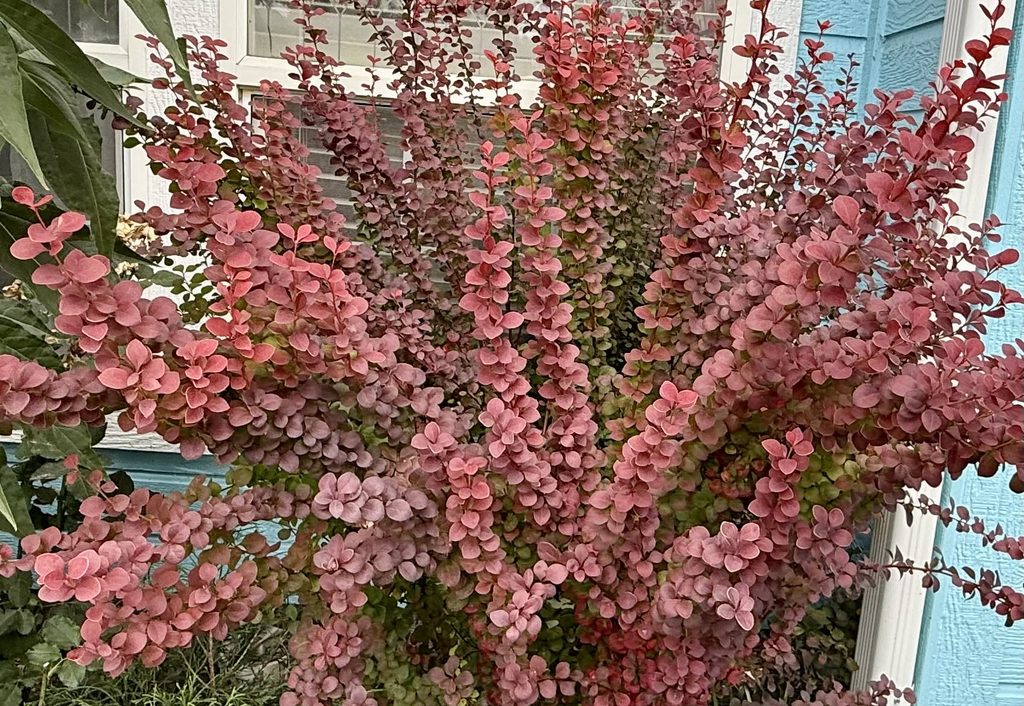
This upright barberry cultivar produces small red-orange berries in fall, following tiny yellow spring flowers, with strikingly narrow, columnar growth.
Hardy in zones 4 to 8, it’s popular for narrow spaces and modern landscaping, reaching height without spreading wide, unlike older barberry varieties.
Its dense, thorny growth also makes it a practical barrier planting, discouraging foot traffic while still offering strong seasonal colour through fall.
23. Silverthorn (Elaeagnus pungens)
Silverthorn produces small, speckled orange-red berries in spring, a distinctive trait since most shrubs on this list fruit in fall instead.
This evergreen shrub thrives in zones 7 to 9 and tolerates salt spray, poor soil, and drought, making it a dependable choice for coastal and difficult sites.
The berries are edible and slightly tart, often overlooked by gardeners despite their appeal to both birds and adventurous home foragers.
24. Toyon (Heteromeles arbutifolia)
Also called Christmas berry, toyon produces heavy clusters of bright red-orange berries in winter, a California native long associated with the holiday season.
Hardy in zones 8 to 10, this evergreen shrub is drought-tolerant once established and forms an important part of chaparral ecosystems across the state.
Historically, its winter berry display is said to have influenced the naming of Hollywood, and it remains a popular choice for native, low-water gardens today.
25. Strawberry Tree (Arbutus unedo)
Strawberry tree produces round, warty, orange-red fruits with a texture genuinely resembling strawberries, ripening alongside the shrub’s white bell-shaped flowers.
Hardy in zones 7 to 9, this evergreen Mediterranean native tolerates poor, rocky soil and drought, making it a striking specimen shrub for dry gardens.
The fruit is edible, though mild and slightly gritty, and it’s traditionally used across Portugal and Spain to make a fermented spirit called medronho.
Final Thoughts
These 25 shrubs with orange berries prove that a garden’s best colour doesn’t always come from flowers. Sometimes it arrives later, and it lasts longer too.
If you’re gardening for wildlife, prioritise natives like hawthorn, viburnum, or toyon. If drama is the goal, firethorn and rowan rarely disappoint anyone who plants them.
Either way, orange berries carry a garden through its quietest months. That, honestly, is a kind of value flowers alone can’t offer.

Tim M Dave is a gardening expert with a passion for houseplants, particularly cacti and succulents. With a degree in plant biology from the University of California, Berkeley, he has vast experience in gardening. Over the years, he has cultivated a vast collection of desert plants and learned a great deal about how to grow and care for these unique companions.