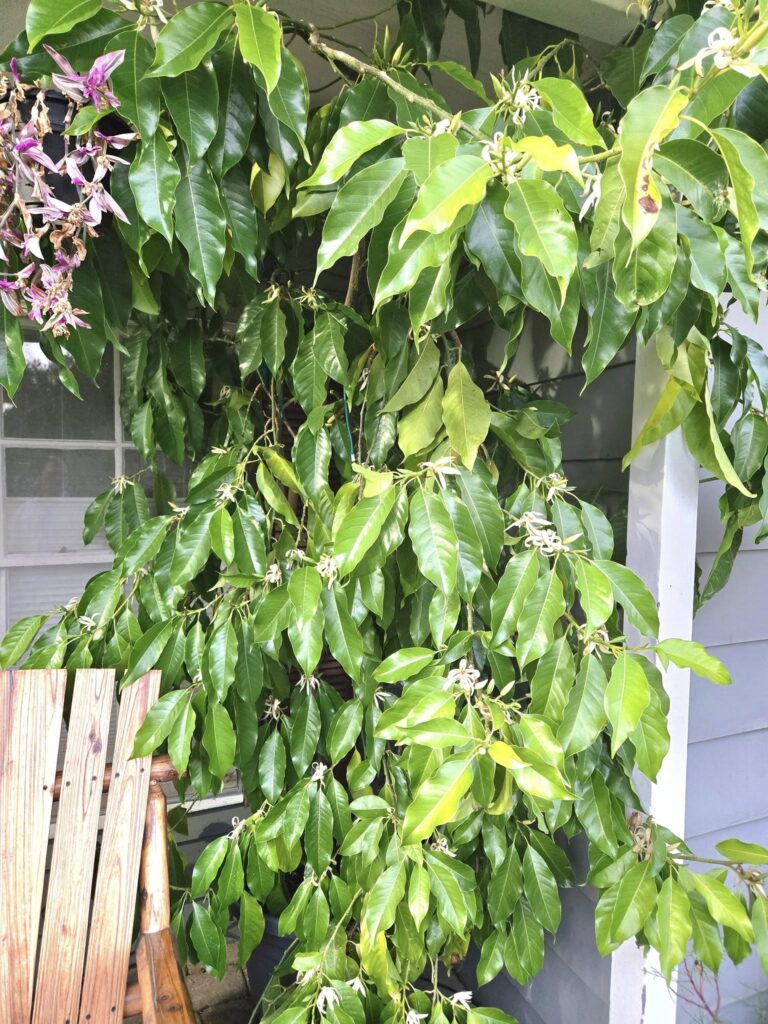
Cold Hardy Banana Tree (Varieties, With Growing Details)
I still remember the first time I saw a banana plant standing tall in a snowy garden. The leaves were gone, and the trunk was wrapped in straw. I was sure it was dead. By midsummer it was taller than me, with huge green leaves swaying in the breeze.
That plant was a cold hardy banana. It looks like a tropical tree, yet it can return after winters that would kill most bananas. It is one of the most surprising plants a northern gardener can grow.
This guide explains which bananas tolerate cold, how far their hardiness really goes, and how to care for them. Let’s start with the basics.
What Is a Cold Hardy Banana Tree?
First, a small correction. A banana “tree” is not a tree. The trunk is a pseudostem, made of tightly packed leaf bases. The plant is a giant herb that grows from an underground rhizome.
This matters for cold climates. When frost kills the leaves and stem, the rhizome can stay alive underground. In spring, new shoots rise from it. Gardeners rely on this habit to grow bananas in cold places.
A cold hardy banana is simply a type whose rhizome survives freezing winters. In most cases, it is grown for its bold leaves, not for fruit. Keep that in mind, and you will enjoy the plant more.
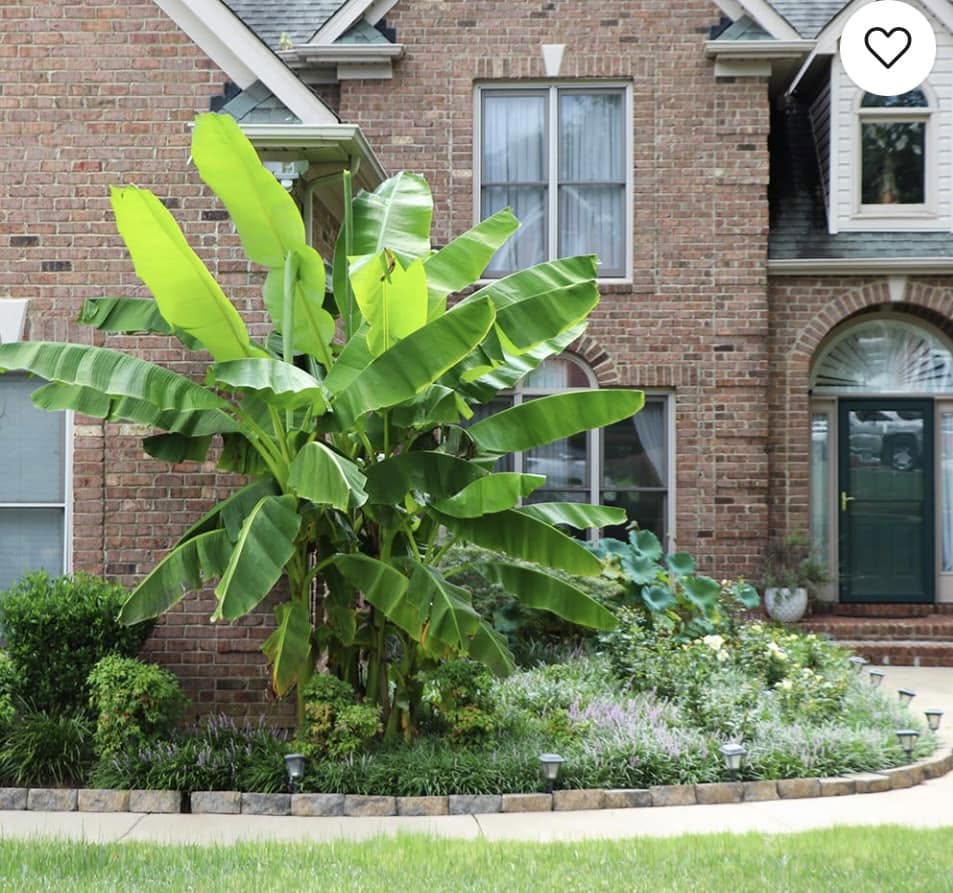
Quick Facts About Cold Hardy Bananas
- Hardiest species: Musa basjoo, the Japanese fiber banana. University of Arkansas Extension calls it the most cold-hardy banana.
- Zone range: NC State Extension lists it for USDA zones 5a to 10b. Plants die back to the ground in zones 5 to 8.
- Rhizome hardiness: about -10°F if pruned and mulched, according to NC State.
- Size: 6 to 14 feet tall and wide.
- Fruit: inedible, and unlikely in cold regions.
- Best use: a dramatic, tropical-looking foliage plant.
15 Things to Know About Growing a Cold Hardy Banana Tree
1. Japanese Fiber Banana (Musa basjoo): The Hardiest Choice
If you want one cold hardy banana, choose Musa basjoo. University of Arkansas Extension describes it as the most cold-hardy banana, native to China. Illinois Extension says it grows in plant hardiness zones 5 through 11.
The plant is a showpiece. Leaves can reach about 6 feet long, and mature plants can grow as tall as 15 feet, according to Illinois Extension. A clump spreads by sending up new shoots, called pups. Over time, it fills a space with lush tropical growth.
Do not expect it to ignore winter. In zones 5 to 8, the leaves and stem die back after frost. The rhizome survives and regrows in spring. With good mulch, it returns stronger each year.
2. The ‘Sakhalin’ Selection
Some nurseries sell a selection called ‘Sakhalin.’ University of Arkansas Extension says it is reportedly more cold hardy than the normal form. The name points to a Russian island north of Japan.
I would treat this claim with care. Hardiness reports from gardeners vary, and the word “reportedly” is a hint. Still, in a very cold zone, a more cold-tolerant selection is worth trying. The cost of a test plant is small.
If you buy one, still mulch it well. No banana is truly “plant and forget” in zone 5. The extra hardiness may help in a bad winter. It is not a replacement for protection.
3. Black Thai Banana (Musa balbisiana)
Black Thai is another cold-tolerant banana. University of Florida IFAS Extension says it is also cold hardy, though it is mainly ornamental. It adds a darker, more upright look to a garden of bananas.
The same source notes that all of these cold-tolerant plants turn brown below freezing. They typically return in spring. So brown leaves in winter do not mean failure. They are part of the plan.
Check the hardiness of your specific plant before buying. A species name does not tell the whole story. Seedlings and nursery selections can differ in cold tolerance. Ask the grower about local winter results.
4. Pink Banana (Musa velutina): Small and Colorful
The pink banana is a compact plant with a fun twist. NC State Extension lists it as hardy in zones 7b to 11. It grows 4 to 6 feet tall and 3 to 4 feet wide, which suits smaller gardens.
Its fruit is the main attraction. The small, velvety pink fruits are about 3 inches long and appear in clusters. NC State says the fruit splits open when ripe and contains many hard black seeds. It also states that eating them is not worth the trouble.
This plant needs more shelter than Musa basjoo. It is a good choice in zone 7b or warmer, or in a pot you can bring inside. Water it often, since NC State says it does not tolerate drought.
5. Cold-Tolerant Look-Alikes: Abyssinian and Golden Lotus
Some plants look like bananas but belong to related groups. UF/IFAS Extension names the Abyssinian banana (Ensete ventricosum) and the golden lotus banana (Musella lasiocarpa). Both tolerate cold, but they are not true bananas.
Illinois Extension mentions the Red Abyssinian banana, which grows 8 to 10 feet tall. Its broad green leaves have a burgundy underside. It is a popular summer feature in northern gardens, often treated as an annual.
These plants can add variety. They are useful if you want a tropical look in a bed. Just do not expect them to behave like Musa basjoo. Read the plant tag, and match the plant to your zone.
ALSO READ: 35 Different Types of Banana Plants: Identification, With Pictures
6. Know Your Hardiness Zone First
Everything starts with your zone. The USDA Plant Hardiness Zone Map is based on the average annual extreme minimum winter temperature. You can find your zone by entering your zip code on the USDA website. It takes less than a minute.
Zone numbers are a guide, not a promise. A zone 7 garden may still have a bitter winter. Wind, wet soil and sudden temperature drops can harm a banana even in a “safe” zone.
I suggest planting one banana as a test. If it survives, add more. This approach protects your budget and your confidence. Gardening in cold zones rewards patient experiments.
7. Understand How Cold Really Affects Bananas
Banana plants dislike cold more than many gardeners expect. UF/IFAS Extension says chilling and freeze damage can occur at or below 32°F. Growth slows below 60°F and stops at 50°F. Temperatures below 28°F may kill plants to the ground.
That is why cold hardy bananas always lose their tops in cold climates. The pseudostem is full of water, and it freezes easily. The rhizome sits below the surface, where the soil protects it. This is the part you must protect.
The University of Arkansas report adds a helpful figure. It says Musa basjoo can survive about -5°F without protection, and -20°F with heavy mulch. Treat these numbers as best-case reports. Real results depend on soil, drainage and snow cover.
8. Choose a Sunny, Sheltered Planting Site
Bananas want sun. University of Arkansas Extension says Musa basjoo grows in full sun or part shade. Illinois Extension prefers full sun to light shade. More light usually means faster, fuller growth.
Shelter is just as important. Wind shreds banana leaves into ribbons. The Arkansas source notes that leaves stay whole and oar-shaped in protected sites. A spot near a wall or fence helps both the leaves and the winter survival of the plant.
Avoid low areas where cold air settles. Choose well-drained soil rich in organic matter. NC State recommends moist, well-drained, humus-rich soil. Waterlogged soil in winter can rot the rhizome, so drainage matters.
9. Plant in Spring and Water Generously
Plant after the last frost, once the soil warms. Illinois Extension suggests replanting outdoors in early May for plants stored indoors. Early planting gives the clump a full season to build strength.
Bananas are thirsty plants. UF/IFAS Extension recommends about 1 to 1.5 inches of water per week. Illinois Extension also stresses plenty of water in summer. Check the soil often during hot, dry spells.
Do not overdo it. UF/IFAS warns that bananas are sensitive to both drought and overwatering. Continuously wet soil can harm them. Water deeply, then let the top layer dry slightly. A thick layer of mulch keeps moisture steady.
10. Feed the Plant Well
Bananas are heavy feeders. Illinois Extension says to fertilize regularly during the growing season. University of Arkansas Extension suggests feeding each spring before new growth begins. Both approaches support rapid growth.
UF/IFAS Extension gives some guidance for fruiting bananas in Florida. It suggests fertilizing 4 to 6 times a year, using a high-potash fertilizer. Cold-climate ornamental plants need less than that. Still, regular feeding keeps leaves large and green.
Stop heavy feeding in late summer. Soft, new growth in fall is more likely to suffer cold damage. A light compost layer in spring works well for many gardeners. Always follow the label of any fertilizer you use.
11. Prepare Outdoor Plants for Winter
This is the heart of the guide. NC State Extension gives clear steps for plants in the ground. After frost kills the leaves, cut the stems back to about 2 feet. Then wrap the remaining stems with burlap or another breathable cover.
Next, apply a thick layer of mulch around the base to protect the roots. University of Arkansas Extension notes that thick leaf mulch may help in colder areas. Illinois Extension also recommends a heavy mulch cover in zone 5.
Choose breathable wraps when possible. Trapped moisture can cause rot. Straw, leaves and burlap allow some air movement. Remove the wrap in spring when the danger of hard frost passes. Do it gradually if the weather is unsettled.
ALSO READ: 10 Flowers That Look Like Banana Plants: Identification and Care Details
12. Overwinter a Banana Indoors
Some gardeners dig up their bananas. Illinois Extension describes the steps. After the first frost, cut off the leaves but keep the main trunk and any suckers. Then dig up as much root ball as will fit in a five-gallon bucket.
Store the plant indoors in a basement or heated garage. It goes dormant and needs very little water or light. Missouri Extension says bananas are the hardest tropical plants to overwinter, since a summer plant may reach 6 to 8 feet. It suggests cutting back to a stump and storing at 45 to 50°F.
In early spring, move the plant to a sunny window and water well. Replant outside in early May. For potted bananas, bring the pot in before nights stay below 45°F, as Missouri Extension advises for tropical plants. Check for mites before moving them indoors.
13. Spring Care and Division
When spring arrives, watch the soil. New shoots appear late in cold areas, so be patient. Remove old mulch gradually, and cut away any soft, brown growth. University of Arkansas Extension advises dividing offsets as plants begin to break dormancy.
Dividing keeps clumps healthy and gives you free plants. NC State suggests dividing about every 5 years. Use a sharp spade and keep some roots on each piece. Plant the division at the same depth as before.
Share extra pups with friends. A banana plant makes a memorable gift. Just warn them about the winter care. A happy neighbor with a banana clump is a small joy.
14. Set Realistic Expectations for Flowers and Fruit
Here is the honest part. Most cold hardy bananas will not fruit in cold regions. University of Arkansas Extension says Musa basjoo needs 10 to 12 months of frost-free conditions to flower and set fruit. Plants that freeze each winter rarely bloom.
Even when fruit appears, it is not tasty. The same source says the fruit is inedible and filled with black seeds. NC State also lists it as inedible. Illinois Extension notes that fruit usually does not ripen in Illinois because the season is too short.
So grow these plants for the leaves. A banana in a northern yard is about tropical atmosphere, not breakfast. If you want edible bananas, you need a frost-free climate. UF/IFAS lists cultivars like ‘Dwarf Cavendish’ and ‘Lady Finger’ for Florida.
15. Watch for Pests, Diseases and Common Mistakes
Cold hardy bananas have few serious problems outdoors. NC State lists grasshoppers, borers and root nematodes outdoors, plus anthracnose, wilt and mosaic virus. Indoors, watch for aphids, spider mites, mealybugs and scale.
Most failures come from simple mistakes. The first is poor drainage in winter. The second is skipping mulch. The third is planting in a windy, open spot. A fourth is cutting the plant back too early in fall.
Wait until frost has killed the leaves. Then cut and mulch. If a plant seems dead in spring, wait. Bananas can emerge late in cold areas. Dig only when you are sure the rhizome has rotted.
Cold Hardy Banana Comparison at a Glance
| Plant | Reported zones | Size | Best for |
| Musa basjoo | 5a to 10b (NC State) | 6 to 14 ft | Cold gardens, bold foliage |
| Musa velutina (pink banana) | 7b to 11b (NC State) | 4 to 6 ft | Small gardens, pink fruit |
| Musa balbisiana (Black Thai) | Cold hardy (UF/IFAS) | Varies | Ornamental, upright look |
| Red Abyssinian banana | Often treated as annual | 8 to 10 ft | Summer color |
A Simple Year-Round Care Calendar
A calendar makes banana care feel easy. Here is the rhythm I would follow in a cold climate.
Early spring: Remove winter wrap slowly, once hard frost danger has passed. Look for green shoots at the base. Cut away any mushy, brown growth, and be patient with late starters.
Late spring: Feed the plant before new growth takes off, as University of Arkansas Extension suggests. Plant new bananas after the last frost, once the soil is warm. Divide crowded clumps while the plant is breaking dormancy.
Summer: Water about 1 to 1.5 inches a week, and more in heat. Keep mulch in place to hold moisture. Watch leaves for pests and wind damage. Enjoy the fast growth, since some plants can add several feet in one season.
Early fall: Stop heavy feeding. Check the weather forecast, and gather your mulch, burlap and straw before the first frost. Potted plants should come indoors before nights fall below 45°F.
Late fall: After frost kills the leaves, cut stems back to about 2 feet. Wrap them in a breathable cover and pile on thick mulch. Or dig the plant and store it in a cool, dark place.
Winter: Leave the plant alone. Check the wrap after storms. Water stored plants only lightly, just enough to keep roots from drying out.
Why a Cold Hardy Banana Is Worth the Work
Some people ask whether the effort is worth it. I think it is. Few plants change a garden so quickly. A small pup in spring can become a giant, leafy clump by August.
The plant also costs little to keep once established. It needs no spraying, little pruning and only basic feeding. Its main job is to look tropical, and it does that very well. A single plant can turn a plain corner into a lush retreat.
It also teaches patience. You protect it in fall, wait through winter and watch for the first shoot in spring. That moment is a small thrill every year. For me, it is the best part of growing a banana in a cold place.
Frequently Asked Questions
What is the most cold hardy banana tree? Musa basjoo is the most cold-hardy banana, according to University of Arkansas Extension and UF/IFAS Extension.
Can a banana tree survive zone 5? Yes, with heavy mulch. Illinois Extension says basjoo can overwinter outdoors in zone 5 with a heavy mulch cover.
Will my cold hardy banana give edible fruit? Probably not. The fruit is inedible, and the plant needs 10 to 12 months without frost to bloom.
When should I cut it back? After frost kills the leaves. NC State suggests cutting stems to about 2 feet, then wrapping and mulching.
Final Thoughts
A cold hardy banana tree gives northern gardeners a rare gift: a piece of the tropics that survives winter. It is not magic. It needs sun, water, shelter and a thick blanket of mulch before the first deep freeze.
Start with Musa basjoo if you live in zone 5 or 6. Try the pink banana if you are in zone 7b or warmer. Plant in spring, feed well and protect the roots in fall. Treat the first winter as a test.
When that first huge leaf unrolls in early summer, you will understand why gardeners love these plants. I still smile every time I see one. It reminds me that cold places can grow surprising things.
References
- University of Arkansas Cooperative Extension Service. Hardy Banana (Plant of the Week). https://uaex.uada.edu/yard-garden/resource-library/plant-week/hardy-banana-9-7-07.aspx
- University of Illinois Extension. Go Tropical: Ornamental Bananas. https://extension.illinois.edu/blogs/ilriverhort/2018-09-04-go-tropical-ornamental-bananas
- NC State Extension. Musa basjoo (Japanese Banana), NC Extension Gardener Plant Toolbox. https://plants.ces.ncsu.edu/plants/musa-basjoo/
- University of Florida IFAS Extension. Bananas (MG040). https://ask.ifas.ufl.edu/publication/MG040
- University of Florida IFAS Gardening Solutions. Bananas. https://gardeningsolutions.ifas.ufl.edu/plants/edibles/fruits/bananas/
- University of Missouri Extension. Send Your Plants on a Tropical Vacation. https://extension.missouri.edu/news/send-your-plants-on-a-tropical-vacation
- USDA Agricultural Research Service. 2023 USDA Plant Hardiness Zone Map. https://planthardiness.ars.usda.gov/

Tim M Dave is a gardening expert with a passion for houseplants, particularly cacti and succulents. With a degree in plant biology from the University of California, Berkeley, he has vast experience in gardening. Over the years, he has cultivated a vast collection of desert plants and learned a great deal about how to grow and care for these unique companions.