Bald Cypress Tree Pros and Cons: What to Know Before You Plant
The first time I stood next to a mature bald cypress, I was genuinely struck. Towering, ancient-looking, and draped with Spanish moss along a Louisiana bayou — it was one of those trees that makes you feel small in the best possible way.
But should you actually plant one in your yard? That is where the conversation gets more nuanced.
The bald cypress (Taxodium distichum) is a deeply fascinating tree. It is native to the southeastern United States, celebrated for its resilience, ecological value, and striking beauty. Yet it comes with real trade-offs — especially in residential or urban landscapes.
This guide covers the full picture: the pros, the cons, care tips, and the things no one tells you until after you have already planted one.
What Is the Bald Cypress Tree?
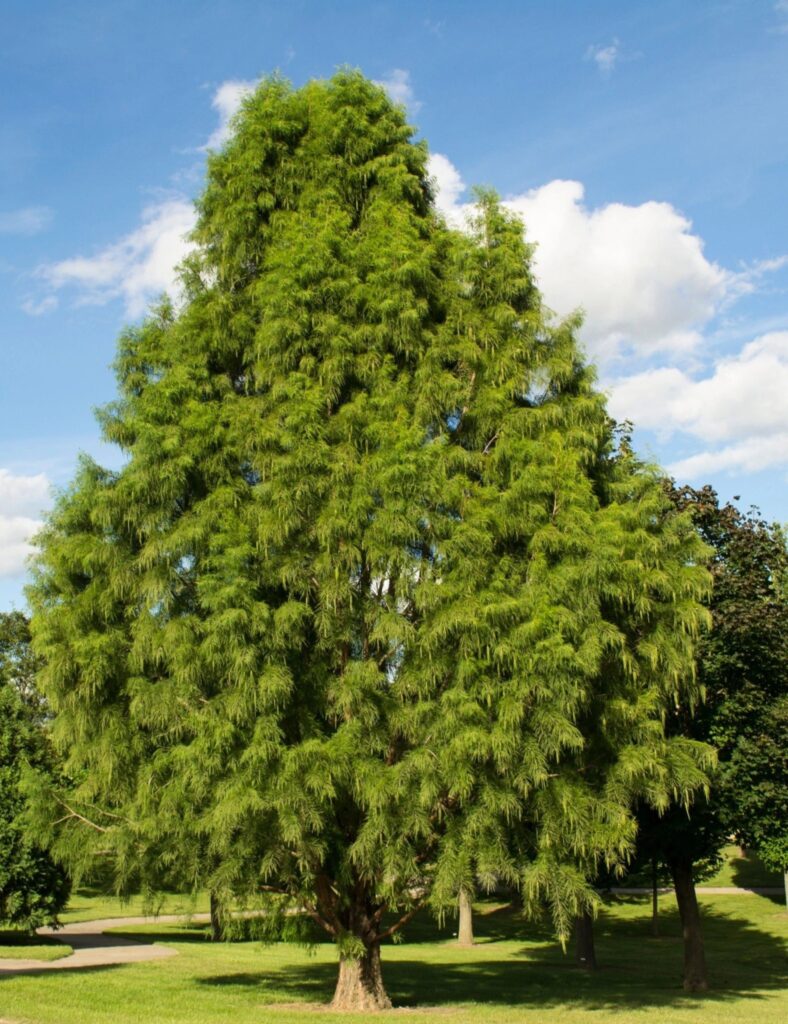
The bald cypress is one of North America’s most recognizable trees. It is a deciduous conifer — which already makes it unusual.
Most conifers (pines, firs, spruces) keep their needles year-round, but the bald cypress drops its soft, feathery leaves each fall, turning brilliant shades of copper and cinnamon before going bare. That annual leaf drop is, in fact, where the name “bald” comes from.
Found naturally in swamps, riverbanks, and floodplains across the southeastern U.S., this tree has adapted to survive conditions that would kill most others. Flooded roots? No problem. Clay-heavy soil? Perfectly fine. In dry upland conditions? It adjusts.
The tree produces small round cones about one inch in diameter. Its bark is a stringy cinnamon-brown, and the trunk base is distinctively flared — almost buttressed in appearance — giving mature specimens an almost prehistoric look.
Young bald cypresses grow in a neat pyramidal shape. Older trees spread into a broader, irregular crown. Some ancient specimens, such as the national champion found at Cat Island National Wildlife Refuge in Louisiana, reach nearly 96 feet in height with a diameter of close to 18 feet.
| Scientific Name | Taxodium distichum |
| Family | Cupressaceae |
| Type | Deciduous conifer |
| Native Range | Southeastern United States (Gulf Coast, Mississippi Valley, Mid-Atlantic) |
| Mature Height | 50–120 ft (occasionally up to 150 ft) |
| Mature Spread | 20–45 ft |
| Growth Rate | Slow to moderate (1–2 ft per year) |
| Lifespan | 600–1,000+ years |
| USDA Hardiness Zones | 4–11 |
| Soil Preference | Wet, poorly drained; tolerates dry soils |
| Sun Requirement | Full sun |
| Fall Color | Rusty orange, cinnamon, copper |
| Notable Feature | “Knees” — upward-growing pneumatophore roots |
| State Tree | Louisiana |
| Wildlife Value | High (bald eagles, wood ducks, squirrels, fish) |
The Pros of the Bald Cypress Tree
This tree offers the following benefits:
1. Exceptional Flood and Wet Soil Tolerance
This is, without question, the bald cypress’s most celebrated trait. It can grow directly in standing water, in saturated soils, and in floodplains where virtually no other large tree survives.
If you have a low-lying, constantly wet area on your property that you cannot seem to use for anything, a bald cypress may be the ideal solution.
Beyond personal landscapes, bald cypress groves serve as natural flood control systems. Riverine swamps of bald cypress cause floodwaters to slow down, spread out, and infiltrate the soil, effectively reducing downstream flood damage.
This is a measurable ecological benefit — not just poetic language about nature.
2. Impressive Longevity
Few trees on this continent live as long as the bald cypress. Many specimens live for 600 years; some exceptional trees survive beyond 1,000 years.
If you are planting a tree as a legacy — something your great-great-grandchildren will see — this is one of the few species that genuinely qualifies.
It grows slowly, often continuing to gain height for nearly 200 years. Patience is required, but the payoff is multigenerational.
3. Outstanding Wildlife Habitat
The ecological value of a mature bald cypress is hard to overstate. Multiple wildlife species depend on it.
- Birds: Bald eagles, ospreys, prothonotary warblers, herons, and egrets nest in the upper canopy. Wood ducks use hollow cavities.
- Mammals and birds: Squirrels, wild turkeys, and waterfowl feed on the seeds from cypress cones.
- Aquatic life: Submerged trunks and knees create habitat for fish, including catfish that use hollow logs as nesting cavities.
- Reptiles and amphibians: Cypress domes serve as breeding sites for frogs, toads, and salamanders.
If supporting local biodiversity matters to you, planting a bald cypress is a concrete and lasting contribution.
4. Spectacular Fall Color — Rare for a Conifer
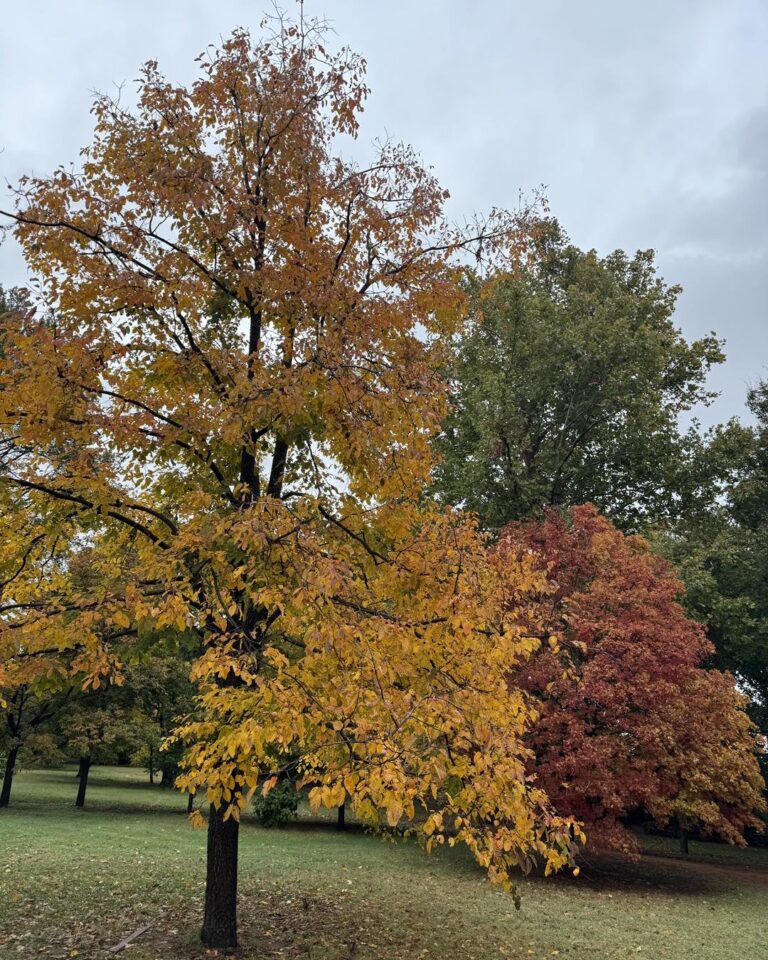
Most conifers are evergreen. The bald cypress breaks this rule dramatically. Each autumn, its fine, feathery needles shift from bright green to rich tones of copper, cinnamon, and fiery orange before falling.
It is genuinely striking — one of the better autumn displays in the native tree world — and completely unexpected from a tree in the cypress family.
The winter silhouette that follows, with its bare pyramidal form and flared trunk base, has its own quiet dignity.
5. Rot-Resistant, Valuable Timber
Bald cypress wood has a long history of use precisely because it resists rot and decay so well. It has been used for building construction, fence posts, boat planking, river pilings, flooring, shingles, doors, cabinetry, and even caskets. Old-growth bald cypress is considered especially resistant to decay, with properties that outperform younger plantation wood.
This durability makes the tree commercially valuable and historically significant to the communities of the Gulf South.
6. Excellent Pollution and Salt Tolerance
Bald cypress tolerates air pollution well, making it a practical choice for urban planting where many trees struggle. It also shows reasonable salt tolerance, and it has been used in wastewater treatment contexts due to its ability to absorb excess phosphorus and nitrogen from treated water, improving overall water quality.
Its ability to act as a natural filter for pollutants makes it genuinely useful in environmental remediation and restoration projects.
7. Soil Erosion Control
Because bald cypress naturally grows along riverbanks and in floodplains, its extensive root system anchors soil effectively.
Cypress swamps act as sediment traps, capturing both particles and nutrients that would otherwise wash downstream. This makes bald cypress a preferred species in erosion-prone riparian zones and wetland restoration projects.
8. Broad Climate Adaptability
Despite its reputation as a “swamp tree,” the bald cypress is surprisingly cold-hardy. It tolerates USDA Hardiness Zones 4 through 11, meaning it can be grown from the Gulf Coast to parts of the upper Midwest and even southern Canada.
Planted cypresses in the northeastern U.S. and southern Canada have been reported to withstand temperatures as low as –34°C.
This wide climate range makes it useful far beyond its native southeastern habitat.
9. Low Pest and Disease Problems
For such a large, long-lived tree, the bald cypress is remarkably trouble-free. It is generally considered resistant to most common insect pests and diseases.
The occasional issues — chlorosis from iron deficiency, spider mites in dry conditions, or root rot in poorly draining (not wet but waterlogged stagnant) soils — are manageable and not common in well-sited trees.
For a homeowner looking for a low-maintenance shade tree that largely takes care of itself, this is a meaningful advantage.
10. Ornamental and Landscape Appeal
There is simply something visually compelling about a bald cypress. The pyramidal form of young trees is neat and elegant. The flared base of mature trees is sculptural. The soft, feathery foliage is airy and textured.
The russet fall color is warm and distinctive. And yes — the knees, however divisive they may be — are undeniably interesting to look at.
As an ornamental specimen tree for large properties, parks, golf courses, or waterfront landscapes, bald cypress has few peers.
The Cons of the Bald Cypress Tree
The following are some of challenges with this tree:
1. The Knees: Beautiful in Nature, Problematic in Yards
This is the issue that generates the most debate. The bald cypress is known for its pneumatophores — root structures that grow vertically upward from horizontal roots, breaking through the soil surface like wooden spikes. These are commonly called “knees.”
In natural swampy habitats, the knees are thought to help supply oxygen to submerged roots and help anchor the tree. In your lawn, they are a different story entirely.
Knees can spread 30 feet or more from the trunk, emerging through grass, flower beds, driveways, and sidewalks. They are hard, can reach knee height, and create real tripping hazards.
Mowing around them is frustrating. Removing them risks damaging the root system. In drier upland sites, knees are less likely to form — but this is not guaranteed.
This single issue is the most common reason people regret planting bald cypress in suburban or urban landscapes.
2. Slow Growth Rate
A bald cypress will not give you shade quickly. Growth is slow to moderate — roughly one to two feet per year under good conditions. It can take many decades before the tree reaches a canopy size that provides meaningful shade or landscape impact.
For homeowners seeking fast results, this is a real limitation. The longevity of the tree is part of its identity, but that same longevity means the tree is not in a hurry.
3. Deciduous Mess in Autumn
Unlike most conifers — which homeowners love partly because they do not drop leaves — the bald cypress sheds all of its needles each fall. This creates a significant volume of fine, feathery debris that must be raked or blown.
On top of that, the round cones (about one inch in diameter) shatter when mature, scattering seeds across the ground. For a homeowner who values a tidy yard, this seasonal cleanup is an annual commitment.
4. Size: Not for Small Yards
At maturity, bald cypress commonly reaches 50 to 120 feet in height and up to 45 feet in spread. Some specimens grow significantly larger. This is a large tree, and it needs space — both above ground and below.
Planting one too close to a house, driveway, fence, or underground utility line is a mistake that only reveals itself years later, and by then the tree is established and difficult to remove. Careful site selection is not optional with this species.
5. Root System and Infrastructure Concerns
The root system of a mature bald cypress is extensive. While it is not as aggressively destructive as some trees (willows, silver maples), the roots do seek moisture and can grow into underground pipes, crack paved surfaces, and undermine foundations if the tree is planted too close to structures.
In particularly wet conditions where knees are abundant, the surface root infrastructure can heave sidewalks and disrupt driveways over time. This is not hypothetical — it is well-documented in urban and suburban settings where mature trees are near paved surfaces.
6. Water Requirements in Non-Native Sites
Despite its adaptability, the bald cypress has real water needs. In its natural habitat, moisture is abundant and consistent. In drier landscapes, supplemental watering is necessary — especially during the first few years of establishment and during drought periods thereafter.
A bald cypress planted in a dry, sunny suburban yard without irrigation support will struggle. It can survive in well-drained upland soils, but it will not thrive the way it does near water.
7. Not Suitable for Small Urban Spaces
Urban streetscape planting, tight residential lots, and formal gardens are generally poor fits for bald cypress. The combination of ultimate size, surface knees, and root spread makes it incompatible with the confined spaces typical of cities. Some urban foresters actively advise against planting bald cypress near streets, sidewalks, or buildings for exactly this reason.
There are better, smaller tree choices for urban planting programs. Bald cypress belongs in parks, large estate gardens, riparian buffers, and naturalistic landscapes — not squeezed between a sidewalk and a utility line.
8. Seasonal Appearance Can Be Mistaken for Death
New owners of bald cypress trees are sometimes alarmed in winter. The tree drops all its needles and stands completely bare — unusual for a conifer.
Those unfamiliar with the species occasionally assume the tree has died and remove it, not realizing it is simply dormant. This is worth knowing before you plant: a leafless bald cypress in January is perfectly healthy.
Also Read: 20 Stunning Types of Cypress Trees: Visual Identification and Growing Guide
Bald Cypress Care Tips
Planting
Early spring is the ideal planting time, allowing the tree to establish as temperatures rise. Full sun is essential — avoid shaded locations. The tree can be planted in wet, saturated soils, but it also adapts to drier, well-drained conditions. Position it at the same depth as in its nursery container and firm the soil around the root ball carefully to eliminate air pockets.
Watering
During establishment (first one to three years), water deeply and consistently. Once established in a suitable moist site, bald cypress is largely self-sufficient. In drier upland conditions, deep watering during drought periods is important and encourages roots to grow downward rather than spreading superficially.
Soil
Bald cypress is tolerant of a wide range of soils — from heavy clay to sandy, from wet to relatively dry. It adjusts its behavior (including knee formation) based on the moisture level of its site. Wet sites promote knees; dry sites typically do not.
Pruning
Little pruning is needed. The tree naturally develops a clean, straight trunk and a well-formed crown. Remove dead or damaged branches as needed. Avoid heavy pruning, which is unnecessary and can disfigure the tree’s natural shape.
Fertilizing
In most well-sited conditions, supplemental fertilizing is not needed. Yellowing foliage may indicate iron chlorosis, addressable with an appropriate iron-chelate supplement or soil acidification.
Where to Plant a Bald Cypress
Bald cypress thrives in the following settings:
- Beside ponds, lakes, or streams — its ideal natural environment
- In low-lying, poorly drained areas of large yards or properties
- Along riparian buffers and stream bank restoration projects
- In large parks or open green spaces with ample room
- On golf courses near water features
- In wetland restoration and habitat creation projects
It is best avoided:
- In small suburban yards with limited space
- Near foundations, underground pipes, or paved surfaces
- In street tree plantings with confined root zones
- In any location where the eventual size and root spread cannot be accommodated
Is Bald Cypress Right for You?
Here is the honest answer: it depends entirely on your site and your goals.
If you have a large, wet, or low-lying property and want a tree that will outlive you, support wildlife, look spectacular in autumn, and require minimal intervention — bald cypress is an excellent choice.
If you have a small yard, a tight lot, or you are planting near infrastructure — choose something else. There are many fine native trees better suited to confined residential spaces.
The bald cypress is not a bad tree. It is a large tree with specific needs and specific trade-offs. Understanding those before you plant is the difference between a rewarding decision and a decades-long regret.
References
- University of Illinois Extension — “One Tough Tree: Bald Cypress” (Good Growing Blog, January 2023) https://extension.illinois.edu/blogs/good-growing/2023-01-27-one-tough-tree-bald-cypress
- Clemson University Home & Garden Information Center — “Bald-Cypress (Taxodium distichum): Identification, Care, Growth Rate & Landscape Use” https://hgic.clemson.edu/factsheet/bald-cypress/
- USDA Natural Resources Conservation Service — Taxodium distichum Plant Fact Sheet https://plants.sc.egov.usda.gov/DocumentLibrary/factsheet/pdf/fs_tadi2.pdf
- Mississippi State University Extension Service — “Bald Cypress (Taxodium distichum)” https://extension.msstate.edu/publications/bald-cypress-taxodium-distichum
- NC State University Extension — NC State Plant Toolbox — Taxodium distichum (Baldcypress) https://plants.ces.ncsu.edu/plants/taxodium-distichum/
- University of Florida IFAS Extension — “Cypress: Florida’s Cypress Trees” (Solutions for Your Life) https://sfyl.ifas.ufl.edu/natural-resources/cypress/
- USDA Forest Service Southern Research Station — “Baldcypress, An Important Wetland Tree Species: Ecological Value” (Parresol, B.R., 2002) https://www.srs.fs.usda.gov/pubs/ja/ja_parresol014.pdf

Tim M Dave is a gardening expert with a passion for houseplants, particularly cacti and succulents. With a degree in plant biology from the University of California, Berkeley, he has vast experience in gardening. Over the years, he has cultivated a vast collection of desert plants and learned a great deal about how to grow and care for these unique companions.