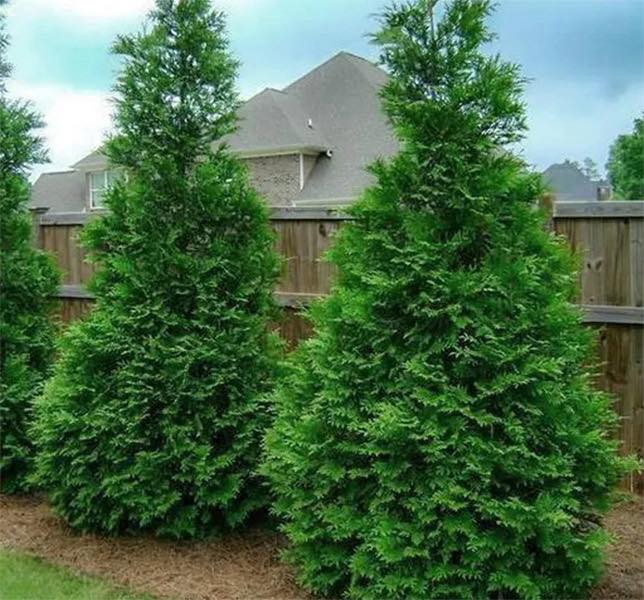
25 Trees Native to Pennsylvania (With Growing Details)
Pennsylvania earned its nickname, the Keystone State, partly because of geography. But anyone who has driven through its ridges in October knows the forests deserve credit too.
Forests cover roughly 59 percent of Pennsylvania’s land area, or about 16.7 million acres, according to Penn State researchers analyzing USDA Forest Service data. That is a staggering amount of green for a state this densely populated.
I have always found it remarkable how much diversity hides inside that number. Cool northern hardwoods blanket the high country. Oak-hickory stands dominate the south. Wetland species crowd the stream banks in between.
This guide walks through 25 trees native to Pennsylvania, organized by the role each one plays in the landscape. Whether you are planning a native garden, studying for a forestry class, or just curious what is growing outside your window, you will find practical, verifiable details here.
Let’s get into it.
Why Native Trees Matter in Pennsylvania
Before the list, a quick word on why “native” is not just a buzzword.
Native trees evolved alongside Pennsylvania’s insects, birds, and soil fungi for thousands of years. Penn State Extension notes that a single 100-foot streamside buffer, just one mile long, can create 12 acres of habitat supporting over 50 wildlife species. Non-native ornamentals rarely offer that same ecological return.
Planting native also means less maintenance for you. These species are already adapted to Pennsylvania’s freeze-thaw winters, clay-heavy soils, and humid summers. That is a practical win, not just an environmental one.
With that context set, here are the 25 species every Pennsylvanian should be able to recognize.
25 Trees Native to Pennsylvania
1. Eastern Hemlock (Tsuga canadensis)
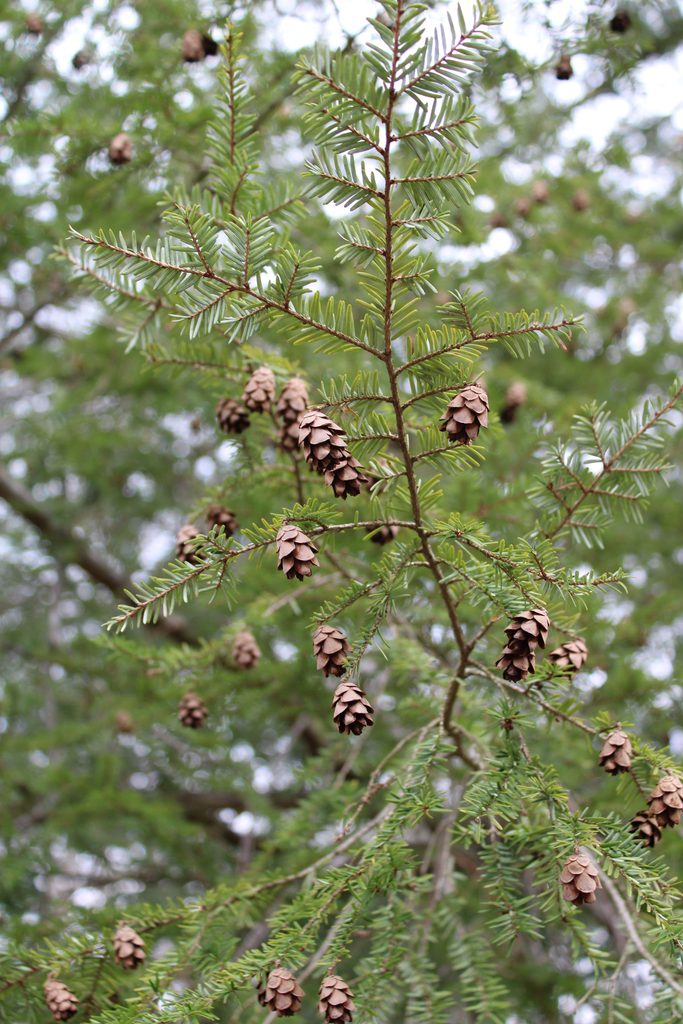
The eastern hemlock is Pennsylvania’s official state tree, and it earns the title honestly. It grows in cool, shaded ravines and along stream banks, often living for 400 years or longer.
Its short, flat needles and small drooping cones make it easy to identify. At Delaware Water Gap National Recreation Area alone, hemlocks form the canopy across 141 separate forest stands covering roughly 2,800 acres.
Sadly, the species faces a real threat. The hemlock woolly adelgid, an invasive insect from Asia, has been killing trees within just a few years of infestation in parts of the state.
If you plant one, choose a shaded, moist site and monitor the needles each spring for the tiny white, cotton-like egg sacs this pest leaves behind.
2. Eastern White Pine (Pinus strobus)
Eastern white pine is the tallest native conifer east of the Rockies, and in Pennsylvania it can still be found reaching well over 100 feet in older stands. Its soft, blue-green needles grow in bundles of five, a handy trick for quick identification.
This tree grows fast. Under good conditions it can add two feet or more of height per year, which is why landscapers reach for it whenever a quick privacy screen or windbreak is needed.
Historically, colonial shipbuilders prized these trees for ship masts, and some were reserved by the British Crown before the Revolution. That history alone makes it worth a second look on your next hike.
White pine tolerates a range of soils but prefers full sun and good drainage. Give it room, since a mature specimen can spread 20 to 40 feet wide.
3. Sugar Maple (Acer saccharum)
Sugar maple is the tree behind Pennsylvania’s maple syrup industry and much of its famous fall foliage. It thrives in the northern hardwood forests that cover about 32 percent of the state’s high elevations.
The leaves turn a mix of orange, gold, and red every October, often earlier at higher elevations. That reliability is why sugar maple shows up on so many “best fall color” lists for the Northeast.
Sap collection typically begins in late winter, when nighttime temperatures still dip below freezing but daytime highs climb above it. A mature tree can produce ten gallons of sap or more in a single season.
Give sugar maple deep, well-drained soil and some patience. It grows slowly but can live for centuries once established.
4. Red Maple (Acer rubrum)
Red maple might be the most adaptable tree on this list. It grows in swamps, dry ridgetops, and everywhere in between, which explains why foresters sometimes call it the most common tree in the eastern United States.
Its red flowers appear in late winter, well before the leaves, giving bare branches a subtle crimson haze. Fall color tends toward brilliant scarlet, sometimes rivaling sugar maple.
Because it tolerates wet soil so well, red maple is a smart pick for low spots in a yard where other trees struggle. It also handles urban pollution better than many native species.
One caution: red maple’s shallow, spreading roots can lift sidewalks over time, so plant it away from pavement and foundations.
5. White Oak (Quercus alba)
White oak is one of the most valued hardwoods in Pennsylvania forests, prized for furniture, flooring, and barrel-making. Its rounded, lobed leaves and light gray, scaly bark make it fairly easy to spot.
This species grows slowly but lives long, with individual trees regularly surpassing 300 years of age. Pennsylvania’s own forest inventories list it among the dominant large-growing species recommended for restoration projects.
Acorns from white oak are sweeter and less bitter than red oak acorns, which makes them a preferred food source for deer, turkeys, and squirrels through the winter months.
If you are planting for the long term, give white oak plenty of open space. Mature crowns can spread wider than the tree is tall.
6. Northern Red Oak (Quercus rubra)
Northern red oak grows faster than white oak and adapts to a wider range of soils, which makes it a popular choice for reforestation across Pennsylvania. Its pointed, bristle-tipped leaves distinguish it from the rounded lobes of white oak.
This tree is also the state tree of neighboring New Jersey, and it shares a similar range across most of Pennsylvania’s forested regions.
Fall color runs from deep red to russet-brown, and the acorns, while bitter, remain an important food source once leached or aged.
Red oak’s straight trunk and strong wood also make it one of the more commercially valuable hardwoods harvested in the state each year.
7. Scarlet Oak (Quercus coccinea)
Scarlet oak earns its name honestly. Few trees in Pennsylvania put on a more vivid fall display, with leaves turning a deep, glossy red that can hold for weeks before dropping.
It prefers dry, sandy, or rocky soils and often grows on ridgetops and south-facing slopes where other oaks struggle. This makes it a good option for challenging, well-drained sites.
The deeply cut leaves, with C-shaped notches between the lobes, help separate scarlet oak from its red oak relatives at a glance.
Because it tolerates poor soil so well, scarlet oak is frequently listed among the large canopy trees recommended for stormwater and erosion-control plantings in Pennsylvania.
8. Black Oak (Quercus velutina)
Black oak often grows side by side with scarlet and white oak on Pennsylvania’s drier hillsides, forming the backbone of many oak-hickory forest communities in the southern half of the state.
Its bark is famously dark and furrowed, almost black on older trees, and was historically used as a source of yellow dye extracted from the inner bark, once known commercially as quercitron.
The leaves are similar to red oak but slightly duller and more leathery, with fuzzy buds that help with winter identification when leaves are absent.
Black oak supports an enormous number of moth and butterfly species as a larval host plant, making it a quietly important tree for backyard biodiversity.
READ MORE: 30 Popular Types of Oak Trees (Different Varieties, With Pictures)
9. American Beech (Fagus grandifolia)
American beech is instantly recognizable by its smooth, gray bark, a trait that unfortunately also makes it a magnet for carved initials in state parks. Please resist the urge.
This species forms dense, shady groves in Pennsylvania’s mature forests and often holds onto its pale, papery leaves well into winter, a trait called marcescence.
Beechnuts are an important fall food source for black bears, deer, and wild turkey, and historically supported large populations of the now-extinct passenger pigeon.
Unfortunately, beech bark disease and beech leaf disease are spreading through parts of the state, so foresters recommend monitoring nearby stands if you plant one.
10. White Ash (Fraxinus americana)
White ash was once one of Pennsylvania’s most common large hardwoods, valued for its strong, flexible wood used in tool handles and baseball bats. Its compound leaves and diamond-patterned bark made it easy to identify.
That has changed dramatically. The emerald ash borer, an invasive beetle first detected in Pennsylvania in 2007, has killed a large share of the state’s ash trees, and foresters continue tracking its spread through aerial surveys.
Surviving trees are often treated with systemic insecticide by arborists hoping to preserve older, high-value specimens in parks and yards.
If you are considering planting ash today, talk to a certified arborist first about long-term pest management in your area.
11. Tuliptree (Liriodendron tulipifera)
Also called tulip poplar, this is one of the tallest native hardwoods in eastern North America, with mature Pennsylvania specimens regularly topping 100 feet. Its distinctive four-lobed leaves look almost squared off at the tip.
In late spring, the tree produces greenish-yellow, tulip-shaped flowers high in the canopy, which is why many people never notice them without looking up carefully.
Tuliptree grows remarkably fast for a hardwood, often adding several feet per year when young, which explains its popularity for reforestation and shade planting.
It prefers deep, moist, well-drained soil and does best with room to stretch, since a mature crown needs significant open space to develop fully.
12. American Basswood (Tilia americana)
American basswood, sometimes called American linden, is a large shade tree known for its fragrant, pale yellow summer flowers. Beekeepers prize it heavily, since basswood honey is considered one of the finest varieties produced in the Northeast.
The heart-shaped, lopsided leaves are distinctive, and the soft, light wood has long been favored by carvers for its fine, even grain.
Pennsylvania’s own native plant guidelines list basswood among the recommended large-growing trees for restoration plantings, alongside white oak and tuliptree.
It tolerates a range of soil types but grows best in rich, moist conditions, often found along stream corridors and lower slopes.
13. Black Cherry (Prunus serotina)
Black cherry is Pennsylvania’s most valuable hardwood by timber price, and the state produces a large share of the nation’s black cherry lumber, prized for furniture and cabinetry.
In spring, drooping clusters of small white flowers cover the branches, followed by dark purple-black fruit in late summer that birds and mammals eat heavily.
The reddish-brown bark on mature trees breaks into small, curling plates often compared to burnt potato chips, a detail that makes older trees easy to spot on a walk.
Note that wilted or damaged black cherry leaves contain compounds toxic to livestock, so keep that in mind if you have grazing animals nearby.
14. Shagbark Hickory (Carya ovata)
Shagbark hickory is named for its shaggy, peeling bark, which curls away from the trunk in long strips on mature trees. It is one of the easier native trees to identify in winter for exactly that reason.
Its nuts are sweet and edible, historically an important food source for both wildlife and Indigenous communities across Pennsylvania long before European settlement.
This tree grows slowly and can live for well over 200 years, developing a strong, deep taproot that makes transplanting older specimens difficult.
Shagbark hickory wood is also prized for smoking meat, giving barbecue a distinctive flavor that many cooks specifically seek out.
15. Flowering Dogwood (Cornus florida)
Flowering dogwood is a small understory tree that delivers outsized beauty each April, with white or pink bracts that many people mistake for flower petals. It thrives in the partial shade beneath larger oaks and maples.
Penn State Extension confirms dogwood supports specialized native bees and serves as a host plant for the spring azure butterfly, making it valuable well beyond its looks.
In fall, the tree offers a second performance: scarlet foliage paired with clusters of red berries that persist into December, feeding migratory birds passing through the state.
At just 15 to 25 feet tall, flowering dogwood fits comfortably into most home landscapes, including smaller suburban yards.
16. Eastern Redbud (Cercis canadensis)
Eastern redbud blooms in March, ahead of nearly every other tree in Pennsylvania, covering its bare branches in vivid magenta-pink flowers. It is native to the state’s southern and central counties.
That early bloom matters ecologically. Redbud serves as a larval host plant for a dozen butterfly species, and its nectar reaches bumblebee queens just as they emerge from hibernation, hungry and vulnerable.
The tree develops a deep taproot and dislikes having its roots disturbed, so it is best planted young rather than transplanted once established.
Growing 20 to 30 feet tall in a graceful, vase-like shape, redbud suits smaller properties looking for spring color without overwhelming the space.
17. American Sycamore (Platanus occidentalis)
American sycamore is one of the largest native trees by trunk diameter in Pennsylvania, with some old specimens along river bottoms exceeding 100 feet in height and massive girth.
Its bark peels away in patches, revealing a mottled camouflage pattern of white, gray, and tan underneath, a trait that makes sycamore instantly recognizable from a distance.
This tree loves moisture and is frequently found lining creeks and rivers, where its extensive root system helps stabilize eroding banks.
Because of its size, sycamore is better suited to parks, large properties, or naturalized stream buffers than the average residential yard.
18. River Birch (Betula nigra)
River birch is one of the few native birches genuinely comfortable in Pennsylvania’s warmer, wetter lowland soils, which is why it thrives along creeks, lakes, and the Delaware River.
Its peeling, salmon-pink to reddish-brown bark provides year-round visual interest, particularly striking against winter snow when most other trees look bare and gray.
The species helps minimize erosion along waterway banks, an ecological service that has made it a favorite in municipal and residential rain garden plantings across the state.
River birch also resists the bronze birch borer far better than paper or European white birch, making it a more resilient landscape choice.
19. Yellow Birch (Betula alleghaniensis)
Yellow birch is a signature species of Pennsylvania’s cooler northern hardwood forests, often growing alongside sugar maple, American beech, and eastern hemlock in the state’s high country.
Its shiny, yellowish-bronze, peeling bark curls in thin papery strips, and crushed twigs release a faint wintergreen scent, a fun trick for quick trailside identification.
This tree can live remarkably long, with some documented individuals surpassing 300 years, often sprouting from moss-covered “nurse logs” left by fallen predecessors.
Yellow birch prefers cool, moist, well-drained sites and struggles in warmer, drier conditions, which limits it mostly to Pennsylvania’s higher elevations.
20. Black Walnut (Juglans nigra)
Black walnut is famous for two things: its exceptionally valuable dark wood and its chemical warfare against neighboring plants. The tree releases a compound called juglone, which stunts growth in many nearby species.
Its large compound leaves and thick, deeply furrowed bark make it easy to identify, especially paired with the round, green-husked nuts that drop heavily each autumn.
Furniture makers and gunstock manufacturers have long prized black walnut lumber, and mature, high-quality logs can fetch significant prices at timber auctions in the state.
Before planting one near a garden, research juglone-sensitive species first, since tomatoes, apples, and several other common plants react poorly to its presence.
21. American Elm (Ulmus americana)
American elm once lined streets across Pennsylvania with its graceful, vase-shaped canopy, before Dutch elm disease swept through in the twentieth century and killed the vast majority of mature trees.
Disease-resistant cultivars developed through decades of breeding programs have brought the species back into limited use, offering hope for its slow return to public plantings.
The tree’s saw-toothed, lopsided leaves and arching branch structure remain recognizable wherever surviving specimens still grow, particularly in older rural cemeteries and farmsteads.
If you plant an elm today, choose a certified disease-resistant cultivar and monitor it closely, especially during humid summer months when the disease spreads fastest.
22. Sassafras (Sassafras albidum)
Sassafras is one of the more unusual native trees in Pennsylvania, producing three distinct leaf shapes, oval, mitten-shaped, and three-lobed, sometimes all on the very same branch.
Crushed leaves and roots give off a strong, spicy-sweet fragrance historically used to flavor root beer and traditional teas, though modern research has raised safety concerns about safrole, a compound it contains.
In fall, the foliage turns brilliant shades of orange, red, and yellow, often ranking among the showiest color displays in the eastern forest.
This tree spreads readily by root suckers, forming small colonies over time, which makes it useful for naturalized plantings but less ideal for tightly controlled gardens.
23. Eastern Hop-hornbeam (Ostrya virginiana)
Eastern hop-hornbeam, also called ironwood, is a modest understory tree with famously dense, hard wood, historically used for tool handles, fence posts, and mallets that needed to withstand heavy impact.
Its shaggy, gray-brown bark peels in narrow vertical strips, and its papery seed clusters resemble hops, which is exactly where the tree gets its common name.
Because it tolerates shade well, hop-hornbeam thrives beneath larger oaks and hickories, quietly filling the mid-story layer of mature Pennsylvania forests.
Slow-growing and rarely exceeding 40 feet, it is a low-maintenance option for smaller yards wanting a tough, long-lived native tree.
24. Common Witch-hazel (Hamamelis virginiana)
Common witch-hazel is unlike anything else on this list because it blooms in late fall, often after every other tree has already dropped its leaves for the year. Its thin, spidery yellow flowers can appear as late as November.
Penn State researchers note this species offers unique visual interest during Pennsylvania’s fall and winter months, precisely when the rest of the landscape looks dormant.
Extracts from the bark and leaves have been used in astringent skin tonics for generations, a tradition still reflected in the witch-hazel products sold in pharmacies today.
Growing as a large shrub or small tree in shaded understories, it is an excellent choice for adding late-season interest to a woodland garden.
25. Downy Serviceberry (Amelanchier arborea)
Downy serviceberry is often the very first native tree to bloom each spring in Pennsylvania, covering itself in delicate white flowers sometimes before the last frost has fully passed.
Its early summer berries, resembling small blueberries, are edible and sweet, attracting a rush of songbirds that can strip a tree bare within days of ripening.
Fall color adds a third season of interest, with leaves turning shades of orange and red that rival the state’s larger, more famous native trees.
Compact and adaptable, serviceberry fits well into small yards, woodland edges, or foundation plantings where space for a full-sized shade tree simply is not available.
Quick Tips for Planting Native Pennsylvania Trees
A few practical notes before you head to the nursery.
Match the tree to the site. Wetland species like river birch and sycamore struggle in dry soil, while scarlet oak and hop-hornbeam prefer it.
Buy from reputable native nurseries. Programs like Penn State Extension’s Master Watershed Steward tree sale specifically source regionally appropriate stock each year.
Watch for invasive pests. The emerald ash borer and hemlock woolly adelgid have already reshaped Pennsylvania’s forests, so monitor new plantings closely.
Final Thoughts
Twenty-five trees barely scratch the surface of what grows across Pennsylvania’s 16.7 million forested acres. But this list covers the species you are most likely to encounter, plant, or simply want to name correctly on your next hike.
I hope it helps you look at the state’s forests with a little more appreciation, and maybe convinces you to plant one of these natives in your own yard this season.
References
- Pennsylvania Department of Conservation and Natural Resources (DCNR) — Forests and Trees: https://www.pa.gov/agencies/dcnr/conservation/forests-and-tree
- Penn State Extension — Types of Trees and Shrubs: https://extension.psu.edu/trees-lawns-and-landscaping/trees-and-shrubs/species-and-varieties
- Penn State Extension — Native Plant Spotlights for Wildlife-Friendly Landscaping: https://extension.psu.edu/native-plant-spotlights-for-wildlife-friendly-landscaping
- Penn State University News — Master Watershed Stewards Offer Webinar Ahead of Native Trees and Shrubs Sale: https://www.psu.edu/news/agricultural-sciences/story/master-watershed-stewards-offer-webinar-ahead-native-trees-and-shrubs
- National Park Service, Delaware Water Gap National Recreation Area — Trees and Shrubs: https://home.nps.gov/dewa/learn/nature/treesandshrubs.htm
- Penn State University News — Professor: Pennsylvania’s Forest Cover Remains Stable at 59 Percent: https://www.psu.edu/news/campus-life/story/professor-pennsylvanias-forest-cover-remains-stable-59-percent
- USDA Forest Service — Pennsylvania Forest Health Highlights 2010: https://www.fs.usda.gov/foresthealth/docs/fhh/PA_FHH_2010.pdf

Tim M Dave is a gardening expert with a passion for houseplants, particularly cacti and succulents. With a degree in plant biology from the University of California, Berkeley, he has vast experience in gardening. Over the years, he has cultivated a vast collection of desert plants and learned a great deal about how to grow and care for these unique companions.