15 Stunning Indoor Bonsai Trees (With Growing Details)
My first bonsai was a juniper, bought from a mall kiosk with a tiny plastic tray and even less instruction. It was dead within six weeks. I later learned that junipers are not indoor trees at all, and no amount of good intentions changes that basic fact.
That mistake taught me something most beginners never hear early enough. Only a small number of bonsai species can genuinely live indoors long-term. Everything else needs a real winter outdoors to survive.
This guide covers 15 indoor bonsai trees that are actually suited to home conditions, along with care tips.
Why Most Bonsai Trees Are Not Indoor Trees
Bonsai as an art form began outdoors. Virginia Cooperative Extension traces its origins to 13th-century Japan, where collectors potted wild trees that nature had already dwarfed through harsh growing conditions.
Species like juniper, pine, and maple evolved in temperate climates and require a genuine cold dormancy period each winter. Without it, these trees weaken and eventually die, regardless of how well they are watered indoors.
Tropical and subtropical species are different. They originate from regions where temperatures rarely drop below 59°F year-round, which happens to match the stable conditions found inside most homes.
Indoor bonsai species generally do best between 60 and 75 degrees Fahrenheit, conveniently close to normal room temperature. Keep tropical bonsai away from cold drafts, heating vents, and sudden temperature swings for the best results.
Two rules matter more than any single number on a care tag. Keep tropical species above 50 degrees Fahrenheit at all times, since even a brief cold snap can trigger sudden, dramatic leaf drop. Keep the tree away from moving air, including heat vents, radiators, and drafty doorways, since dry indoor air pulls moisture from a shallow bonsai pot far faster than most people expect.
How to Choose the Right Indoor Bonsai for Your Space
Light availability should drive your decision more than appearance alone. A south-facing window with several hours of direct sun supports far more species than a dim, north-facing room ever will.
If you tend to forget watering, lean toward succulent species like jade or dwarf jade, since both store water in their leaves and stems. If you water attentively, ficus varieties reward that consistency with faster, more forgiving growth.
Consider your patience for stability, too. Some species, like snow rose, react poorly to being moved or rotated frequently, while others, like Golden Gate ficus, tolerate a bit more disruption without dropping leaves.
15 Indoor Bonsai Trees for Your Home
1. Ficus Retusa (Banyan Fig)
Ficus retusa is widely considered the classic starting point for indoor bonsai, thanks to its distinctive aerial roots and naturally curved, S-shaped trunk.
This tree tolerates the inconsistent light and humidity found in most homes far better than temperate species. Its dark green, oval leaves stay compact with regular pruning.
Provide bright, indirect light and let the topsoil dry slightly between waterings. Ficus species generally recover quickly from pruning mistakes, which makes this tree forgiving for beginners.
Many growers fuse several thin trunks together while the tree is young, since ficus stems naturally graft to one another over time. Within three or four years, those separate stems merge into a single thick, mature-looking trunk.
2. Ficus Ginseng
Ficus ginseng features a thick, bulbous trunk that resembles the ginseng root, giving it one of the most recognizable silhouettes among indoor bonsai varieties.
It is often grafted with Ficus microcarpa foliage, combining the dramatic trunk shape with small, glossy leaves that stay proportionate to the tree’s compact size.
This tree tolerates lower light better than most ficus varieties and adapts well to typical indoor humidity. Water when the topsoil feels dry, and avoid moving it once it settles into a spot.
Its exposed, above-soil roots are part of the appeal, and many growers deliberately train them further using shallow repotting techniques to expose more of the swollen root mass over time.
3. Green Island Ficus
Green Island Ficus earned recognition as Florida’s Plant of the Year in 2001, and its glossy, deep green leaves make it a popular choice for compact indoor bonsai displays.
This variety handles indoor conditions reasonably well, though it prefers plenty of light throughout the day. An enclosed porch or bright windowsill suits it particularly well.
Water when the topsoil dries out, and mist occasionally if your home runs dry during winter heating season. Regular light pruning keeps its rounded canopy neat.
Because it tolerates shearing so well, Green Island Ficus is often trained into rounded, cloud-like pads, a styling technique that suits its naturally dense, small-leaved growth habit particularly well.
4. Golden Gate Ficus
Golden Gate Ficus is a fast-growing, durable tropical variety that adapts readily to indoor life, making it a dependable choice for gardeners still learning bonsai basics.
It responds well to consistent care and rewards attention with steady growth. Near a south or west-facing window is typically the best indoor placement for this tree.
Water thoroughly, allowing the top layer of soil to dry slightly between sessions. This ficus tolerates occasional overwatering better than most bonsai species, giving beginners some margin for error.
Feed it during the growing season with a time-release fertilizer applied every two to three months. Consistent light feeding, paired with regular pruning, keeps this variety compact and densely branched.
5. Willow Leaf Fig
Willow leaf fig, or Ficus salicaria, has earned a reputation among bonsai enthusiasts as one of the most useful fig varieties for serious indoor cultivation.
Its long, narrow leaves resemble willow foliage rather than typical broad ficus leaves, giving trained specimens an elegant, weeping silhouette unlike other fig bonsai.
This tree needs bright, indirect light and consistent moisture. Like other ficus varieties, it is intolerant of aggressive branch pruning, so shape it gradually over several seasons.
Bonsai enthusiasts often single out willow leaf fig specifically for serious indoor cultivation, since its fine branching and naturally weeping form respond beautifully to patient, long-term wiring.
6. Weeping Fig Bonsai (Ficus Benjamina)
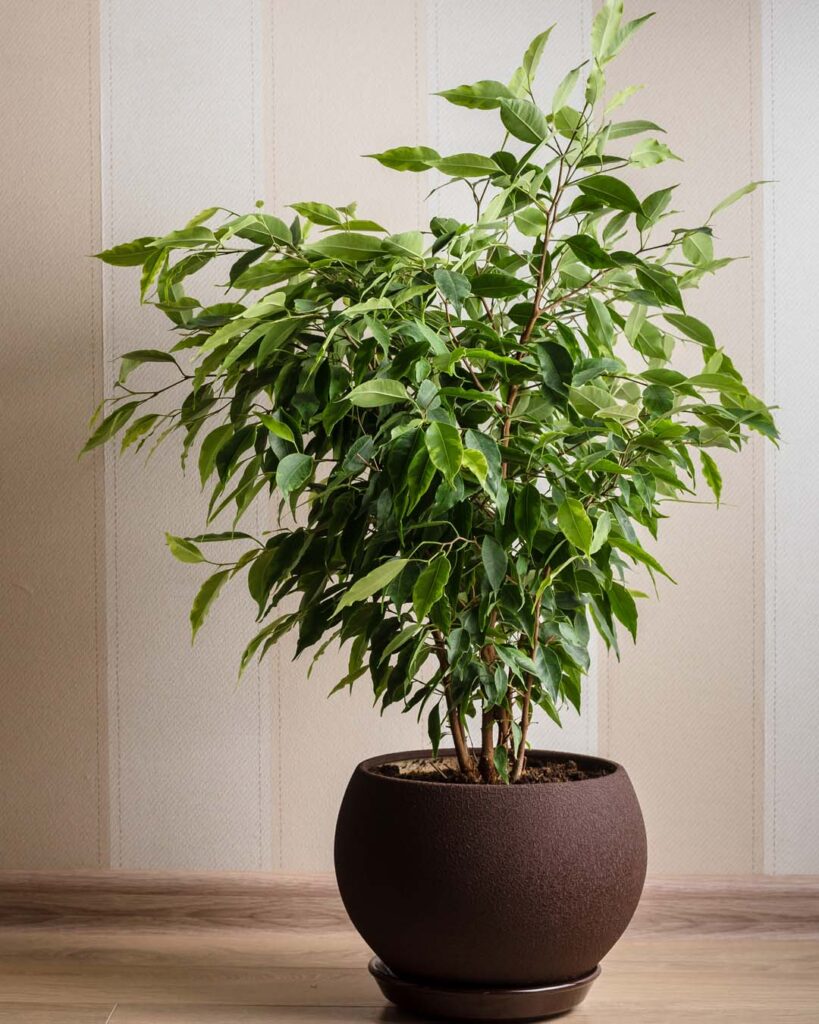
Weeping fig is one of the few tropical trees widely accepted as a true bonsai species, and its natural tendency to form aerial roots suits banyan-style training beautifully.
Miniature cultivars, such as ‘Too Little’, are specifically bred for bonsai work and stay compact with far less pruning effort than standard-sized weeping figs.
This tree is sensitive to stress, and sudden relocation often triggers leaf drop. Keep it in a stable, bright spot and avoid moving it once it has adjusted.
Weeping fig is one of the few tropicals widely accepted among purists as a genuinely “true” bonsai, giving it a certain credibility among growers who take the art form seriously.
7. Jade Plant Bonsai (Crassula Ovata)

Jade plant is one of only two species that Bonsai Empire specifically identifies as genuinely reliable for long-term indoor cultivation, alongside ficus varieties.
Under good conditions, this succulent can live for 50 to 100 years, gradually developing a thick, trunk-like stem that naturally resembles a miniature tree even without extensive training.
Clemson Cooperative Extension notes that jade plants can grow into small trees or shrubs up to 5 feet tall indoors. Water sparingly, letting the soil dry fully between sessions.
Choose a well-draining, sunny indoor spot with some afternoon shade, according to NC State Extension guidance. Average to cool indoor temperatures suit this succulent better than consistently warm rooms.
8. Dwarf Jade (Elephant Bush)
Dwarf jade, or Portulacaria afra, is often confused with true jade plant but belongs to a different genus entirely. It shares the same drought-tolerant, easy-care reputation.
This succulent stores water in its thick, reddish stems and small, rounded leaves, making it remarkably hard to overwater compared to most other bonsai species.
Provide bright light and allow the soil to dry between waterings. Its fast growth rate and flexible branches make it particularly easy to wire into classic bonsai shapes.
Dwarf jade tends to grow noticeably faster than true jade plant, which means it reaches a convincing, mature-looking trunk shape in less time than most other succulent bonsai species.
9. Money Tree Bonsai (Pachira Aquatica)

Money tree, often trained with a distinctive braided trunk, brings a symbolic touch to indoor bonsai collections beyond its ornamental appeal.
This tree adapts to a fairly wide range of indoor light conditions, though it performs best in bright, indirect light rather than direct afternoon sun.
Water regularly but let the soil dry somewhat between sessions. Money tree tolerates minor care inconsistencies better than more delicate tropical bonsai species.
The braided trunk seen on most nursery specimens actually consists of several young stems woven together early in the plant’s life, which then fuse into a single, sturdy trunk over time.
10. Hawaiian Umbrella Bonsai (Schefflera)
Hawaiian umbrella, or dwarf schefflera, produces small, radiating leaflets that create a full, layered canopy once trained into classic bonsai form.
It ranks among the more forgiving indoor bonsai species, tolerating inconsistent watering and lower light better than most ficus or fruiting varieties on this list.
Keep soil evenly moist but not soggy. This tree’s naturally bushy growth habit responds well to regular pinching, which encourages denser, more compact foliage over time.
Unlike ficus, this species does not rely on aerial roots for its character. Its appeal comes almost entirely from the umbrella-like arrangement of leaflets radiating from each branch tip.
11. Fukien Tea Bonsai (Carmona Retusa)
Fukien tea produces small, glossy dark green leaves alongside delicate white flowers that can appear throughout the year under the right indoor conditions.
This species is a long-standing favorite among indoor bonsai growers, prized for its fine branching structure and ability to hold a naturally aged appearance even in youth.
It needs bright, consistent light and steady humidity to flower reliably. Allow the topsoil to dry slightly between waterings, and avoid letting it sit in standing water.
Fukien tea sometimes produces small green fruit following its flowers, adding another layer of seasonal detail that develops naturally without any special intervention from the grower.
12. Snow Rose Bonsai (Serissa Foetida)
Snow rose earns its name from the small, star-shaped white flowers that bloom repeatedly against its fine, glossy foliage, often called “the tree of a thousand stars.”
This species has a reputation for being somewhat temperamental indoors, reacting strongly to sudden changes in light, temperature, or watering routine with noticeable leaf drop.
Keep conditions as consistent as possible, with bright indirect light and steady moisture. Once established in a stable spot, snow rose typically settles into a reliable routine.
Because it can flower nearly year-round indoors given enough light, snow rose remains popular despite its reputation for sensitivity, especially among growers who enjoy a more hands-on species.
13. Norfolk Island Pine Bonsai
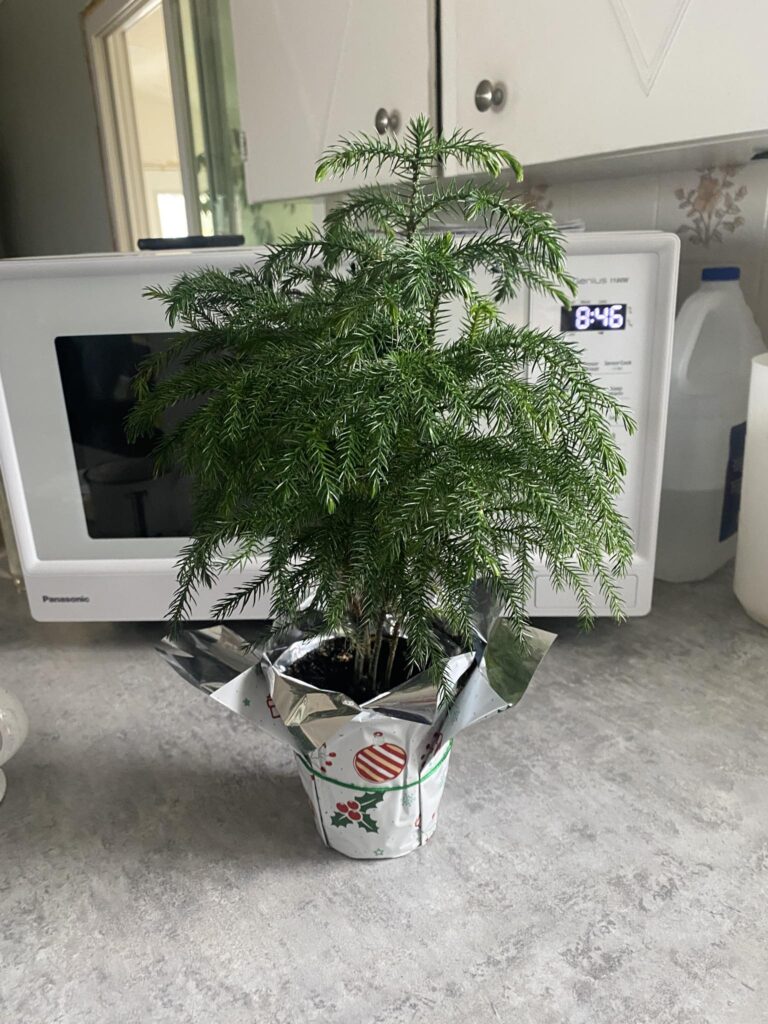
Norfolk Island pine brings a distinct conifer-like texture to indoor bonsai collections, even though it is not a true pine and belongs to an entirely different plant family.
Trained specimens develop a tiered, symmetrical branch structure that looks strikingly similar to a miniature evergreen tree, making it a popular choice around the holiday season.
This tree needs more light than many other indoor bonsai species and appreciates higher humidity. Low humidity often causes branch drop that does not grow back.
Because it is not a true pine, this species lacks the typical resinous needle scent, but its soft, layered branch structure still delivers a genuinely conifer-like presence indoors.
14. Dwarf Pomegranate Bonsai
Dwarf pomegranate produces small orange-red flowers followed by miniature fruit, giving it a level of seasonal interest that few other indoor bonsai species can match.
This tree is grown for its ideally proportioned leaves and fruit, both of which stay appropriately small-scale as long as the tree receives consistent bright light throughout the year.
Water when the topsoil dries out, and provide as much direct sun as possible indoors. Insufficient light typically reduces flowering and fruiting significantly.
A brief, cooler rest period in winter, even indoors near a cold windowpane, often improves flowering the following season by mimicking the seasonal cues this species would experience outdoors.
15. Bougainvillea Bonsai
Bougainvillea brings vivid, papery bracts in shades of pink, purple, or orange, adding a burst of color rarely found among typical indoor bonsai foliage.
The U.S. National Bonsai & Penjing Museum has displayed bougainvillea specimens in training for decades, demonstrating the species’ genuine long-term suitability for container cultivation.
This tree needs abundant bright light, ideally several hours of direct sun near a south-facing window. Allow soil to dry between waterings, since bougainvillea dislikes consistently damp roots.
Expect a period of adjustment after any repotting or hard pruning. Bougainvillea often drops leaves temporarily under stress before rebounding with fresh, vigorous growth once it settles.
Common Mistakes to Avoid With Indoor Bonsai
Choosing a temperate species by accident is the single most common early mistake. Junipers and pines look striking in stores but simply cannot survive indoors long-term without a real winter outdoors.
Watering on a fixed schedule rather than checking the soil is another frequent error. Bonsai pots are shallow and dry out at different rates depending on season, humidity, and light exposure.
Placing the tree too far from a window shortchanges most species on this list. Even shade-tolerant varieties like schefflera and jade still need genuinely bright, not just well-lit, conditions to stay healthy.
Quick Care Tips for Indoor Bonsai
Give it real light, not just a bright-looking spot. Indoor bonsai need as much light as possible, ideally near a south-facing window with several hours of direct or bright indirect sunlight daily.
Check soil moisture with your finger, not a calendar. Watering needs shift with the seasons, and a rigid schedule often leads to either drought stress or root rot.
Keep tropical species away from drafts. Heat vents, air conditioners, and drafty doors pull moisture from a small bonsai pot far faster than a larger houseplant container.
Repot gradually as roots fill the container. Most indoor bonsai benefit from repotting every one to two years, refreshing the soil and trimming overgrown roots to maintain proportion.
Frequently Asked Questions
Can any bonsai tree be kept indoors permanently? No. Temperate species like juniper, pine, and maple need a genuine winter dormancy period outdoors to survive long-term. Only tropical and subtropical species, such as ficus and jade, tolerate permanent indoor life.
Which indoor bonsai is best for absolute beginners? Ficus varieties and jade plant are widely recommended as the most forgiving choices, since both tolerate inconsistent watering and lower light better than more delicate species.
Why does my indoor bonsai keep dropping leaves? Leaf drop is often a stress response to low light, overwatering, or a sudden change in environment, rather than a sign the tree is dying. Stabilizing light and watering usually resolves it.
Do indoor bonsai trees need a dormant period? Tropical species generally do not require true dormancy the way temperate species do. Growth naturally slows during shorter winter days, so ease off fertilizing and reduce watering slightly until spring.
How often should I fertilize an indoor bonsai? Most tropical and subtropical bonsai benefit from light feeding every two to three months during active growth in spring and summer. Reduce or pause fertilizing in winter when growth slows.
Can I move my indoor bonsai outside during summer? Many indoor species, including ficus and jade, tolerate a summer outdoors once temperatures stay reliably above 50 degrees Fahrenheit. Acclimate the tree gradually to avoid sunburn on leaves unused to direct sun.
Choosing Your First Indoor Bonsai
If you have never grown bonsai before, resist the urge to start with the most dramatic-looking species. A forgiving tree teaches better habits than a fragile one that punishes every small mistake.
Ficus varieties remain the most commonly recommended starting point among experienced growers, largely because they recover quickly from pruning errors and tolerate a wider range of light and watering mistakes than most alternatives.
Jade plant offers a different kind of forgiveness, rooted in its succulent nature. If you already struggle to remember watering schedules, a species that stores its own water reserves removes much of that pressure entirely.
Whichever species you choose, give it several weeks in a stable spot before judging its health. Bonsai, like most living things, needs time to adjust before it reveals whether a location truly works.
Final Thoughts
Choosing the right indoor bonsai comes down to one honest question: does this species actually belong indoors? These 15 trees, from reliable ficus varieties to flowering pomegranate and bougainvillea, genuinely do.
I eventually replaced that doomed juniper with a ficus retusa, and it has been thriving on my windowsill for years since. Start with a species built for indoor life, and patience does the rest.
References
- Virginia Cooperative Extension, Virginia Tech – The Art of Bonsai https://www.pubs.ext.vt.edu/426/426-601/426-601.html
- NC State Extension Gardener Plant Toolbox – Crassula ovata (Jade Plant) https://plants.ces.ncsu.edu/plants/crassula-ovata/
- Clemson Cooperative Extension, Home & Garden Information Center – Jade Plant https://hgic.clemson.edu/factsheet/jade-plant/
- South Dakota State University Extension – Jade Plant: Houseplant How-To https://extension.sdstate.edu/jade-plant-houseplant-how
- University of Connecticut, Home & Garden Education Center, CAHNR – Jade Plants https://homegarden.cahnr.uconn.edu/wp-content/uploads/sites/3479/2022/08/Jade-Plants.pdf
- USDA Agricultural Research Service – National Bonsai & Penjing Museum’s Anniversary https://agresearchmag.ars.usda.gov/2016/oct/bonsai/
- University of Florida IFAS Assessment – Ficus microcarpa https://assessment.ifas.ufl.edu/assessments/Ficus-microcarpa/

Tim M Dave is a gardening expert with a passion for houseplants, particularly cacti and succulents. With a degree in plant biology from the University of California, Berkeley, he has vast experience in gardening. Over the years, he has cultivated a vast collection of desert plants and learned a great deal about how to grow and care for these unique companions.