15 Trees That Grow Well in Sandy Soil (With Planting Tips)
Sandy soil gets a bad reputation. I understand why. It drains fast, dries out faster, and leaves many young trees gasping within their first summer.
But here’s the truth I’ve learned after years of watching gardens fail and flourish: sandy soil isn’t a curse, it’s a filter. It simply weeds out the wrong tree choices.
Pick the right species, and sandy ground becomes an advantage. Roots breathe easier. Fungal rot becomes rare. Deep-rooted trees establish faster than they would in heavy clay.
This guide lists 15 trees proven to grow well in sandy soil. Whether your sandy patch sits along a coastline, a river terrace, or a dry inland plain, there’s very likely a tree on this list built for exactly that setting.
Why Sandy Soil Challenges (and Rewards) the Right Trees
Sandy soil is made of large, loose particles. Water and nutrients slip through it quickly, unlike clay, which holds on tightly.
According to USDA soil scientists, sandy soils fall under Hydrologic Soil Group A, meaning they have infiltration rates greater than 0.30 inches per hour, among the fastest-draining soils measured nationwide. That speed is both the problem and the opportunity.
Fast drainage means less risk of root rot, a common killer of trees in heavy soil. It also means nutrients wash away quickly, so trees adapted to lean, dry ground have a natural edge here.
I always tell new gardeners this: match the tree to the soil, not the soil to the tree. Fighting sandy ground with constant watering is a losing battle. Working with it is not.
How to Tell If Your Soil Is Sandy
A simple squeeze test tells you most of what you need to know. Grab a handful of moist soil and squeeze it gently in your palm.
If it crumbles apart the moment you open your hand, leaving gritty residue on your skin, you’re dealing with sandy soil. Loam holds a loose shape, while clay stays firmly packed.
You can also watch how quickly water disappears after rain. Sandy ground usually looks dry again within an hour or two, while clay can stay damp for a full day.
Coastal properties, riverbanks, and many desert or plains regions naturally sit on sandy or sand-dominant soil, which is exactly why the species below were chosen with those settings in mind.
15 Trees for Sandy Soil
1. Eastern Red Cedar (Juniperus virginiana)
This tough evergreen is often the first tree recommended for sandy, poor ground. It tolerates soils ranging from swampy to bone-dry, and it rarely complains.
Extension foresters note it grows well in gravelly, sandy, and even barren soils where few other evergreens survive. It only sulks in constant shade or waterlogged spots.
Mature trees reach 30 to 40 feet tall, with dense, fragrant foliage that birds love for shelter. It’s also one of the top species used in Great Plains windbreak plantings.
If you want a low-fuss evergreen for a dry, sandy yard, this is my personal first pick. It asks for very little, handles salt spray and gravelly roadside conditions well, and gives structure year-round.
2. Bur Oak (Quercus macrocarpa)
Bur oak is the patient giant of sandy landscapes. It grows a long taproot early in life, which lets it hunt for moisture far below the surface.
This oak tolerates sandy, sandy loam, and even caliche soils, according to native plant researchers, and it shrugs off both drought and brutal cold winters.
Its thick, corky bark protects it from fire and temperature swings. Give it room, though. Mature bur oaks can spread 80 feet wide, so this is a tree for open yards, not tight lots.
Growth is slow at first, especially in the earliest years while the taproot establishes. Patience pays off here, because bur oaks can live for 200 years or more, becoming true legacy trees that outlast the homes planted around them.
3. Live Oak (Quercus virginiana)
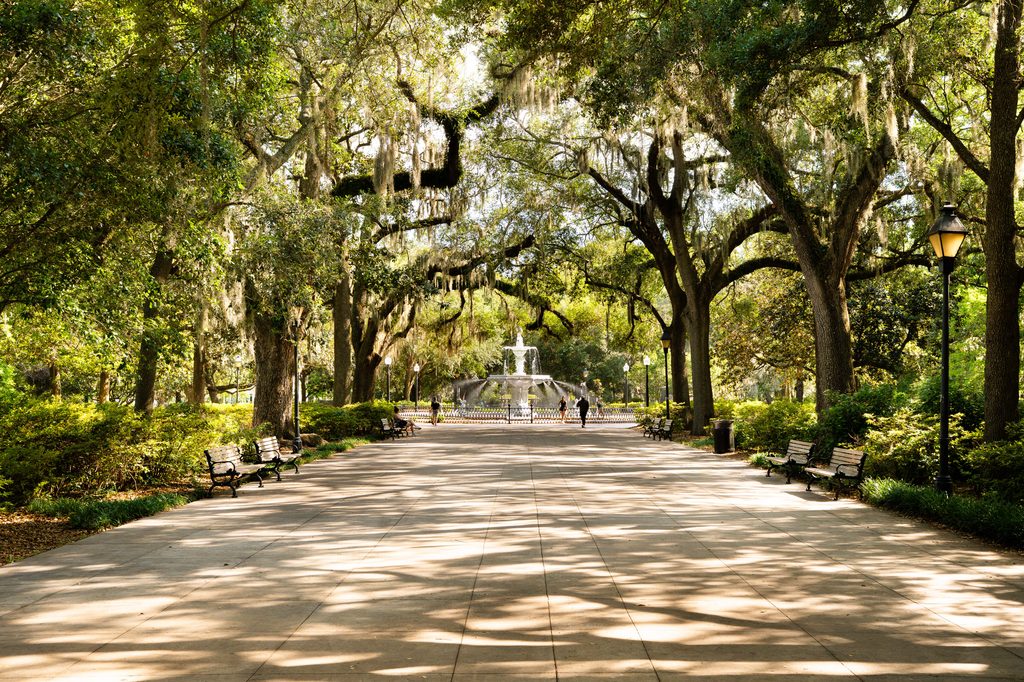
Along coastal sands from Virginia to Texas, live oak is the tree that defines the landscape. It handles salt spray, sandy dunes, and long dry spells without much fuss.
This oak stays evergreen in most climates, offering deep, wide shade. Its sprawling limbs often stretch further sideways than the tree grows tall.
Extension specialists in Florida list it among trees that do well in sandy, well-drained soils without supplemental irrigation once established.
I find it especially rewarding near beach properties, where so many other shade trees fail from salt exposure alone. Given enough room, its canopy can eventually shade an entire yard on its own.
4. Turkey Oak (Quercus laevis)
Turkey oak is a lesser-known option, but it deserves more attention from sandy-soil gardeners. It’s native to dry, sandy ridges across the southeastern United States.
Unlike moisture-loving oaks, turkey oak actually prefers excessively drained, nutrient-poor sand. Rich soil or heavy watering can do it more harm than good.
Its deeply lobed leaves turn a rich russet-red in fall, adding seasonal color to an otherwise tough, scrubby landscape.
This tree suits rural acreage or naturalized areas better than manicured front yards, given its irregular growth habit and preference for undisturbed, sandy ridge soil.
5. Honey Locust (Gleditsia triacanthos)
Honey locust brings light, feathery shade instead of the dense canopy of an oak. Its small leaflets let dappled sunlight through, which grass underneath appreciates.
Extension sources describe it as a tree that adapts to poor, sandy soils while still growing at a reasonably fast pace for a shade tree.
In fall, foliage turns a soft golden yellow, and thornless cultivars are widely available for home landscapes, avoiding the wild variety’s sharp spines.
It suits USDA hardiness zones 4 through 10, making it one of the more widely adaptable choices on this list, from cold northern winters to hot southern summers.
6. Black Locust (Robinia pseudoacacia)
Black locust does something few trees on this list can: it improves the soil it grows in. Its roots host nitrogen-fixing bacteria, slowly enriching sandy, nutrient-poor ground.
University extension records confirm it tolerates sandy or nearly barren soils and grows quickly even where fertility is low.
Fragrant white flower clusters appear in late spring, drawing bees and butterflies. That said, one caution matters: every part of this tree is toxic if ingested.
I’d recommend it for reclaiming poor, eroded, sandy sites rather than a play-heavy backyard, given that toxicity concern, especially where children or grazing animals are present.
7. Loblolly Pine (Pinus taeda)
If you live in the southeastern coastal plain, chances are loblolly pine already surrounds you. It evolved on sandy, acidic soils and grows remarkably fast there.
Foresters describe it as developing extensive lateral root networks that anchor firmly in loose, sandy particles, resisting wind-throw better than many expect.
Growth rates of 2 to 3 feet per year are common in good conditions, making it a fast option for timber, screening, or quick shade.
Needles grow in bundles of three and can stretch up to 9 inches long, giving the tree a soft, almost tropical texture despite its toughness. It’s widely planted for timber, screening, and quick erosion control on sandy cleared land.
8. Longleaf Pine (Pinus palustris)
Longleaf pine is a slower, more dramatic cousin of loblolly. It spends its early years as a low grass-like clump before shooting upward rapidly.
This species is closely tied to fire-adapted, sandy coastal habitats, and extension foresters list it among recommended drought-tolerant southeastern trees.
Its long needles, sometimes reaching 18 inches, and its thick, fire-resistant bark make it both ornamental and resilient.
Mature specimens can live for several centuries, making this a genuine investment for future generations, not just next summer’s shade. It’s also a keystone species for several endangered wildlife habitats in the Southeast.
READ MORE ON: Longleaf Pine vs Loblolly Pine: Understanding the Difference
9. Scotch Pine (Pinus sylvestris)
Scotch pine handles cooler climates better than most pines on this list, making it a solid choice for sandy soil in northern regions.
Extension gardening advisors specifically recommend it, alongside mugo pine and junipers, for sandy soil where other evergreens struggle with drainage extremes.
Its bark peels into attractive orange-red plates as it matures, adding winter interest long after deciduous trees have dropped their leaves.
It grows best in full sun and resents heavy, wet clay, which is exactly why sandy ground suits it so well. Reaching heights of 30 to 60 feet, it works nicely as a windbreak or specimen tree.
10. Desert Willow (Chilopsis linearis)
Despite the name, desert willow isn’t a true willow. It’s a small flowering tree built for hot, sandy, and arid landscapes across the southwestern United States.
Landscape contractors specializing in resilient design specifically recommend it as an excellent choice for sandy soils, citing its low water needs once rooted.
Trumpet-shaped pink or lavender blooms appear through summer, attracting hummingbirds. Its slender, willow-like leaves give gentle, filtered shade rather than deep shadow.
This tree stays compact, typically 15 to 25 feet tall, making it a good fit for smaller sandy yards or xeriscaped gardens where water conservation matters most.
11. Ginkgo (Ginkgo biloba)
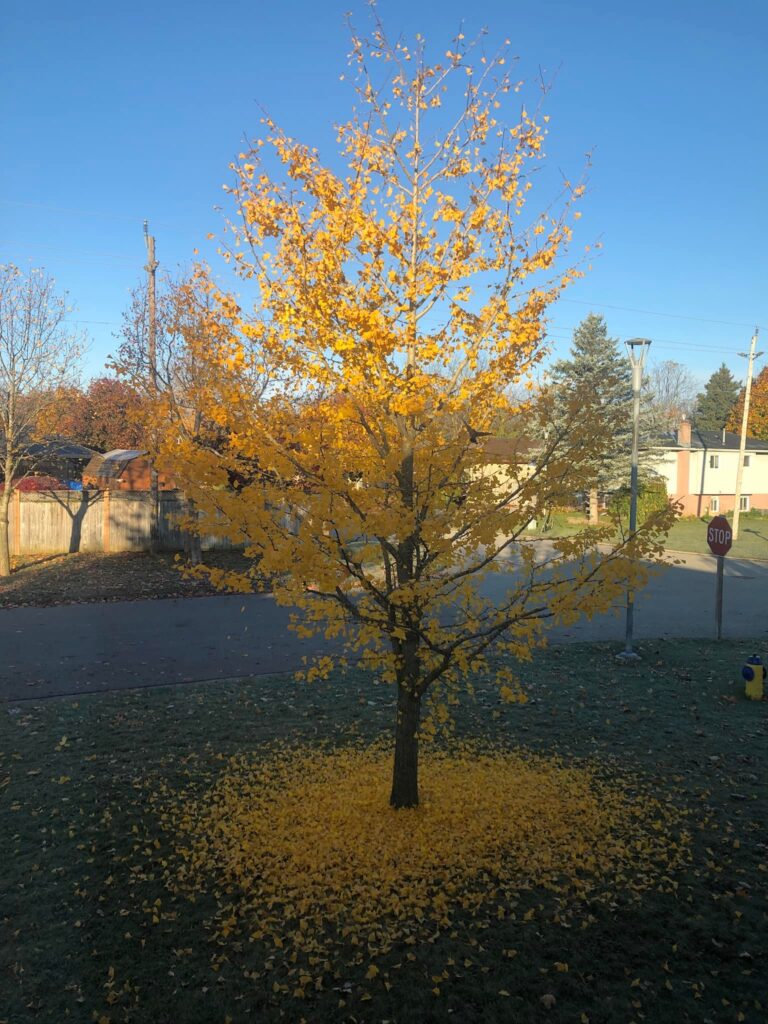
Ginkgo is one of the oldest tree species alive today, and its resilience shows. It tolerates sandy soil, urban pollution, and poor drainage-adjacent stress with equal calm.
Horticultural references note it thrives in soils from USDA zone 3 to 8, reaching heights around 65 feet with a striking, fan-shaped leaf.
Fall color is a highlight: leaves turn brilliant gold almost overnight, then drop in a dramatic golden carpet within days.
Choose a male cultivar for landscaping. Female trees produce fruit with a notoriously unpleasant smell that most homeowners prefer to avoid, especially near patios or walkways.
12. Amur Cork Tree (Phellodendron amurense)
Amur cork tree is an underused option for sandy landscapes, offering an unusual textured bark and a broad, rounded canopy.
Landscape references list it as thriving in sun exposure across USDA zones 3 to 7, reaching roughly 40 feet tall at maturity.
Its corky, deeply furrowed bark provides winter texture, while compound leaves give a light, airy shade similar to honey locust.
Note that female trees produce small black fruit that can be messy on hardscaping, so male cultivars are usually the better residential choice for driveways and patios.
13. Serviceberry (Amelanchier species)
Serviceberry is a smaller native tree, perfect where a full shade tree would overwhelm the space. It offers year-round interest in a compact form.
Forestry extension fact sheets specifically highlight it as very drought tolerant and well adapted to growing in sandy soils, especially in western states.
White spring flowers give way to small, sweet berries that birds devour quickly, followed by fiery orange-red fall foliage.
I like recommending this one to first-time tree planters. It’s forgiving, attractive in every season, rarely outgrows its welcome, and fits neatly under power lines or near patios.
14. Crabapple (Malus species)
Ornamental crabapple varieties handle sandy, well-drained soil with ease, which is part of why they’re such a common choice in home landscaping.
Extension plant lists for dry, sandy conditions consistently include crabapple among reliable, tolerant species for challenging home sites.
Spring brings a flush of pink or white blossoms, followed by small fruit that persists into winter, feeding birds when little else is available.
Sizes vary widely by cultivar, from 8-foot dwarf forms to 25-foot specimens, so there’s a fit for nearly any sandy yard, whether you want a focal point or a border tree.
15. Crepe Myrtle (Lagerstroemia indica)
Crepe myrtle is the signature flowering tree of southern sandy landscapes, prized for its long summer bloom season and smooth, mottled bark.
It handles well-drained, sandy soil far better than heavy, poorly drained clay, where root problems become more common.
Flower clusters in pink, red, purple, or white last for weeks through summer heat, when few other flowering trees are still performing.
Full sun brings out the best bloom and the richest fall color, so avoid shaded, damp corners of the yard when planting this one. Sizes range from dwarf shrub forms to 25-foot trees, giving flexibility for any sandy garden.
Matching a Tree to Your Region
Climate matters just as much as soil texture. A tree bred for southeastern sand won’t necessarily handle a cold northern winter, even if the soil type matches perfectly.
For northern and Great Plains regions, eastern red cedar, bur oak, black locust, and Scotch pine handle both sandy soil and harsh winters well.
For southeastern coastal plains, loblolly pine, longleaf pine, turkey oak, live oak, and crepe myrtle are native or well-adapted choices suited to heat and humidity.
For smaller residential lots anywhere, serviceberry, crabapple, and desert willow offer sandy-soil tolerance without the eventual size of a full shade tree.
Quick Care Tips for Trees in Sandy Soil
Getting a tree established in sandy ground takes a slightly different approach than planting in loam or clay.
Water deeply, not frequently. Sandy soil drains fast, so occasional deep soaking encourages roots to grow downward, chasing moisture instead of staying shallow.
Add organic matter before planting. Compost or aged mulch improves both water retention and nutrient-holding capacity around new roots.
Stake young trees for their first couple of seasons. Loose sand offers less anchorage than denser soils, so wind and heavy snow can topple a young trunk.
Mulch generously, but keep it away from the trunk itself. A 2 to 3 inch layer of wood mulch slows evaporation and keeps roots cooler through hot summer months.
Fertilize lightly and often, rather than with one heavy application. Because nutrients leach quickly through sand, small, regular feedings work better than a single large dose each spring.
Choose native or regionally adapted species whenever possible. Trees that evolved on sandy coastal plains or dry prairies already carry the traits needed to handle your specific conditions with minimal fuss.
Frequently Asked Questions
Do all trees struggle in sandy soil? No. Many species, particularly pines, oaks, and drought-adapted natives, actually prefer the sharp drainage sandy soil provides.
How often should I water a new tree in sandy soil? Deep watering once or twice weekly during the first year is generally more effective than light daily sprinkling.
Can I improve sandy soil instead of choosing tolerant trees? Yes, adding organic matter helps over time, but pairing improved soil with naturally tolerant species still gives the best results.
Are fruit trees an option in sandy soil? Some are. Peaches, plums, and nectarines often perform well in well-drained sandy ground, provided they get consistent irrigation while young.
Do sandy-soil trees need less maintenance long-term? Generally yes, once established. Most species on this list were chosen partly because they need minimal fertilizing or pest management after their first two to three years.
What’s the biggest mistake people make planting in sandy soil? Overwatering on a fixed schedule rather than checking actual soil moisture. Sandy soil dries fast, but shallow, frequent watering trains roots to stay near the surface instead of growing deep.
Final Thoughts
Sandy soil isn’t a limitation. It’s a starting point that rewards the right choices with resilient, low-maintenance trees.
Whether you want deep shade from a bur oak, quick screening from a loblolly pine, or summer color from a crepe myrtle, there’s a proven option here for your sandy yard.
Start with one or two species suited to your climate zone, prepare the planting site well, and give young roots a season or two to settle in. After that, sandy soil tends to do most of the work for you.
I’ve planted several of these species myself over the years, and the pattern is always the same: the first year takes patience and attentive watering, but by year three, the tree is often thriving with less care than anything I’ve grown in heavier soil.
That’s the quiet reward of gardening on sand. Once a tree adapts, it rarely looks back, and it tends to outperform expectations for decades to come.
References
- Utah State University Extension – Gardening in Sandy Soils https://extension.usu.edu/yardandgarden/research/gardening-in-sandy-soils
- NC State Extension Gardener Plant Toolbox – Juniperus virginiana (Eastern Redcedar) https://plants.ces.ncsu.edu/plants/juniperus-virginiana/
- University of Maryland Extension – Eastern Redcedar https://extension.umd.edu/resource/eastern-redcedar
- University of Nebraska-Lincoln Extension (Lancaster County) – Trees, Shrubs and Vines for Sandy, Dry Conditions https://lancaster.unl.edu/trees-shrubs-and-vines-sandy-dry-conditions/
- Mississippi State University Extension – Drought-Tolerant Trees for Mississippi Landscapes https://extension.msstate.edu/publications/drought-tolerant-trees-for-mississippi-landscapes
- USDA Natural Resources Conservation Service – Soil Infiltration (Guides for Educators) https://www.nrcs.usda.gov/sites/default/files/2022-10/Soil%20Infiltration.pdf
- USDA Forest Service, Southern Research Station – Juniperus virginiana (Eastern Redcedar) https://www.srs.fs.usda.gov/pubs/misc/ag_654/volume_1/juniperus/virginiana.htm

Tim M Dave is a gardening expert with a passion for houseplants, particularly cacti and succulents. With a degree in plant biology from the University of California, Berkeley, he has vast experience in gardening. Over the years, he has cultivated a vast collection of desert plants and learned a great deal about how to grow and care for these unique companions.