25 Best Flowering Shrubs for Zone 4 (With Growing Details)
Flowering shrubs do a lot of quiet work in a garden. They fill the space between perennials and trees, and in Zone 4, where winter temperatures drop between -30°F and -20°F according to the USDA Plant Hardiness Zone Map, they need to be genuinely tough to earn a spot.
I planted a lilac along my fence line years ago mostly out of nostalgia, and it has outlasted almost everything else I’ve tried since. That kind of staying power is exactly what this list focuses on.
States like Minnesota, North Dakota, Wisconsin, Vermont, and parts of Maine and Montana fall within Zone 4. Even with brutal winters, this region supports a surprisingly wide range of flowering shrubs.
Below are 25 flowering shrubs proven to handle Zone 4 conditions. Each with bloom time, mature size, and the practical details that separate a shrub that merely survives from one that truly thrives.
25 Best Flowering Shrubs for Zone 4
1. Common Lilac (Syringa vulgaris)
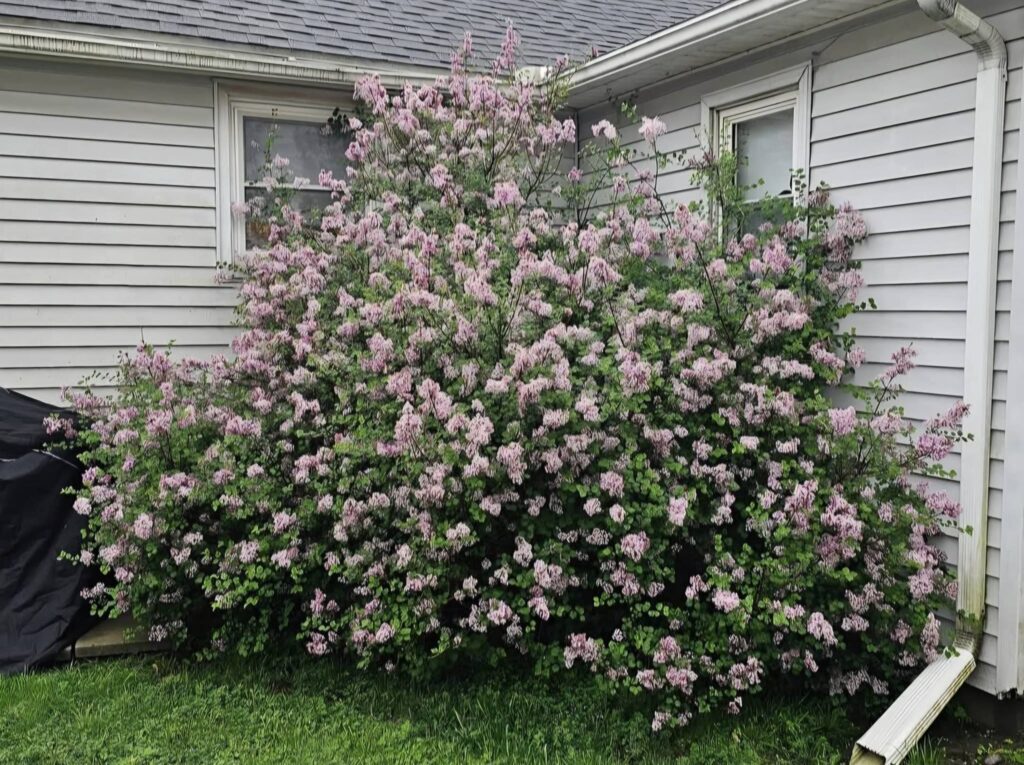
Common Lilac produces intensely fragrant purple, pink, or white flower clusters in mid-spring, and its scent alone justifies a spot near any patio or walkway.
Some lilacs planted at old farmsteads have survived for well over a century, a testament to just how tough this shrub really is once established.
Full sun and well-drained soil keep lilacs healthy. Pruning right after flowering encourages strong blooms the following spring.
2. Forsythia (Forsythia x intermedia)
Forsythia announces spring earlier than almost any other shrub, covering bare branches in bright yellow flowers before the leaves even appear.
Choosing a cold-hardy cultivar matters here, since some forsythia varieties lose flower buds to harsh Zone 4 winters, resulting in a mostly bloomless spring.
Full sun brings out the fullest flower display. Mature size typically reaches 6 to 10 feet, depending on the variety chosen.
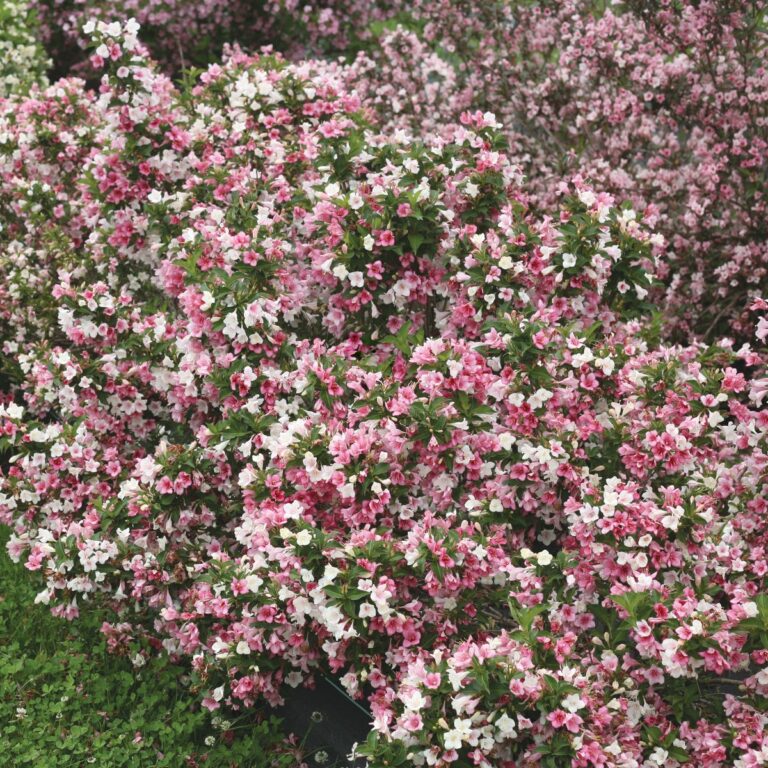
3. Weigela (Weigela florida)
Weigela produces trumpet-shaped pink or red flowers in late spring, often reblooming lightly through summer if conditions stay favorable.
Its arching branches give the shrub a graceful, informal shape that works well in mixed borders rather than tightly clipped hedges.
Full sun and well-drained soil support the strongest blooming. Expect a mature height of 4 to 6 feet for most common cultivars.
4. Japanese Spirea (Spiraea japonica)
Japanese Spirea offers flat clusters of small pink or white flowers in early summer, sitting above fine-textured foliage that often turns reddish in fall.
This shrub tolerates poor soil and inconsistent watering better than most flowering shrubs, making it a forgiving choice for beginner gardeners.
Full sun keeps growth compact and floriferous. Most varieties stay under 3 feet, suiting smaller garden spaces well.
ALSO READ: 35 Types Of Spirea Bushes (Popular Varieties, With Pictures)
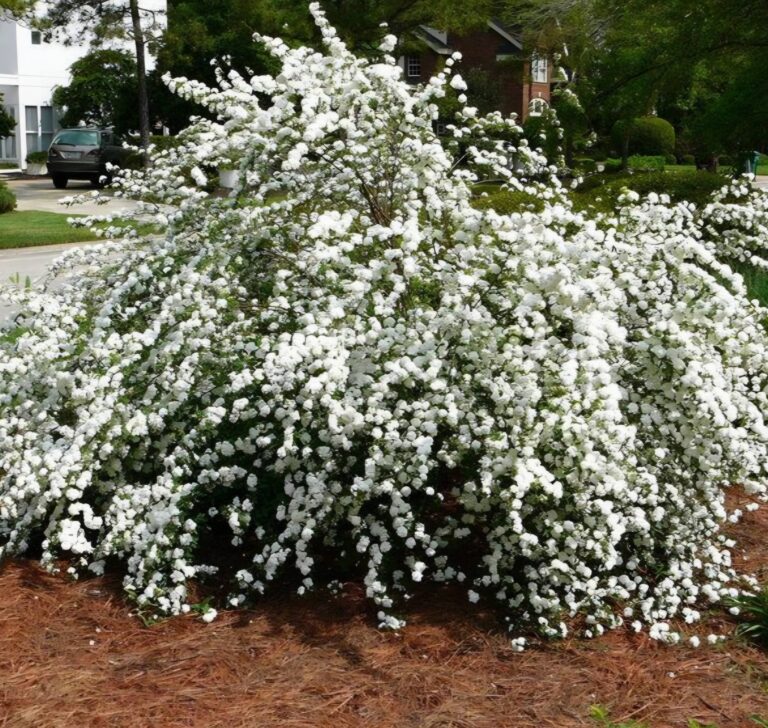
5. Bridal Wreath Spirea (Spiraea prunifolia)
Bridal Wreath Spirea produces cascading branches completely covered in small white flowers during mid-spring, creating a dramatic, fountain-like effect.
Unlike Japanese Spirea, this variety blooms only once per season, but the sheer volume of flowers makes the display genuinely memorable.
Full sun and well-drained soil suit it best. Mature shrubs typically reach 4 to 8 feet with a naturally arching form.
6. Potentilla (Potentilla fruticosa)
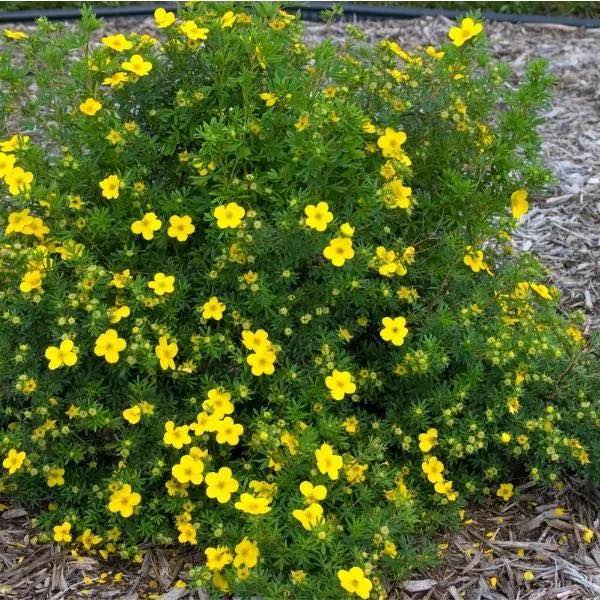
Potentilla, also called Shrubby Cinquefoil, produces small yellow, white, or pink flowers continuously from early summer through fall, longer than almost any other shrub on this list.
It tolerates poor, dry soil and harsh conditions with ease, which explains why it shows up so often along highway medians and commercial landscaping.
Full sun and well-drained soil keep it blooming steadily. Most varieties stay compact, under 3 feet tall.
7. Smooth Hydrangea ‘Annabelle’ (Hydrangea arborescens)
Annabelle Hydrangea produces enormous, round white flower clusters in midsummer that can reach the size of a basketball on well-established plants.
Unlike some hydrangea types, this variety blooms reliably on new wood, so a hard freeze that damages old stems still allows flowering the following season.
Partial shade and consistently moist soil bring out the largest blooms. Mature size typically reaches 3 to 5 feet.
8. Panicle Hydrangea (Hydrangea paniculata)
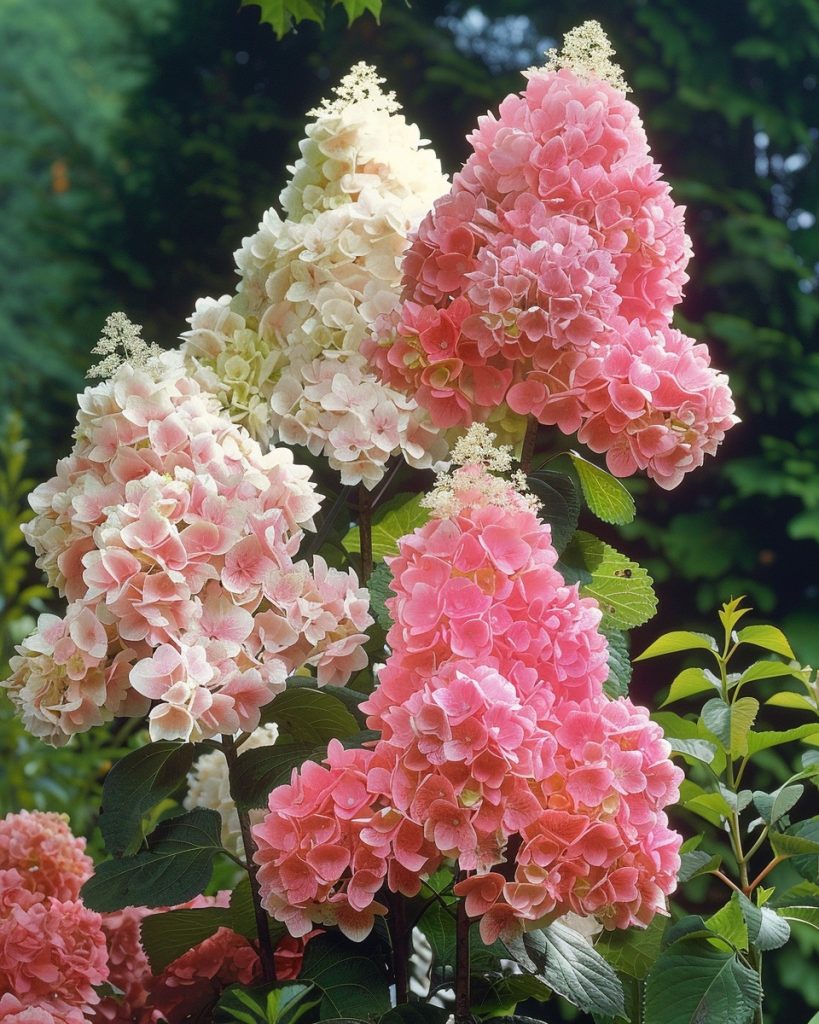
Panicle Hydrangea produces cone-shaped white flower clusters in midsummer that gradually shift to pink and rust tones as the season progresses into fall.
This is genuinely the hardiest hydrangea type available, handling Zone 4 winters with far more reliability than bigleaf or oakleaf varieties.
Full sun to partial shade and well-drained soil support strong blooming, with mature height reaching 6 to 8 feet.
9. Rugosa Rose (Rosa rugosa)
Rugosa Rose produces fragrant pink or white blooms from early summer through fall, followed by large, vitamin-rich rose hips that persist into winter.
This is among the toughest roses available, tolerating salt spray, poor soil, and extreme cold better than nearly any other flowering shrub.
Full sun and well-drained soil suit it best. Expect a dense, thorny mature form reaching 4 to 6 feet.
10. Ninebark (Physocarpus opulifolius)
Ninebark produces small white or pink flower clusters in late spring, though many gardeners grow it primarily for its colorful burgundy or gold foliage.
Its peeling, multi-layered bark adds noticeable winter interest once the leaves have dropped, a detail easy to overlook until you see it firsthand.
Full sun and adaptable soil support vigorous growth. Mature size ranges widely, from 5 to 10 feet depending on cultivar.
ALSO READ: 15 Types of Ninebark Shrubs (With Pictures, and Care Tips)
11. Arrowwood Viburnum (Viburnum dentatum)
Arrowwood Viburnum produces flat clusters of white flowers in late spring, followed by blue-black berries that birds rely on heavily through fall migration.
This native shrub tolerates a wide range of soil conditions and handles both full sun and partial shade without much difficulty.
Well-drained soil and regular moisture keep it healthy. Mature height typically reaches 6 to 10 feet at full growth.
12. Korean Spice Viburnum (Viburnum carlesii)
Korean Spice Viburnum produces intensely fragrant pink-to-white flower clusters in mid-spring, with a scent often compared to cloves or spice.
Placing it near an entryway or window lets the fragrance drift indoors on mild spring days, something I genuinely look forward to every year.
Full sun to partial shade and well-drained soil suit it best. Mature size typically reaches 4 to 8 feet.
13. European Snowball Viburnum (Viburnum opulus ‘Roseum’)
European Snowball Viburnum produces large, round flower clusters that open lime green before turning pure white, resembling snowballs scattered across the branches.
It blooms in late spring and offers reliable, dependable structure for larger borders or as a standalone specimen shrub.
Full sun to partial shade and moist, well-drained soil support strong flowering. Mature height often reaches 8 to 12 feet.
14. Red Twig Dogwood (Cornus sericea)
Red Twig Dogwood produces small, flat clusters of white flowers in late spring, though its real draw is the bright red bark that lights up the winter landscape.
White berries follow the blooms in summer, offering a food source for birds before the leaves drop and the colorful stems take center stage.
Full sun to partial shade and moist soil suit it best. Mature size typically reaches 6 to 9 feet.
15. Beautybush (Kolkwitzia amabilis)
Beautybush produces abundant pink, bell-shaped flowers in late spring, covering the entire arching form of the shrub in a soft pastel display.
Peeling, textured bark adds a secondary layer of interest once the flowers fade, giving the shrub year-round appeal beyond its bloom period.
Full sun and well-drained soil bring out the fullest flowering. Mature height typically reaches 6 to 10 feet.
16. Flowering Quince (Chaenomeles speciosa)
Flowering Quince produces bright red, pink, or orange blooms directly on bare branches in very early spring, often before almost anything else has started.
Its thorny, dense growth habit also makes it useful as an informal barrier hedge in addition to its ornamental value.
Full sun and well-drained soil suit it best. Mature size typically reaches 4 to 6 feet with a spreading form.
17. Northern Lights Azalea (Rhododendron ‘Northern Lights’)
Northern Lights Azalea was specifically bred at the University of Minnesota to survive brutal winters, and it delivers vivid pink, orange, or yellow blooms in mid-spring.
This series proved that azaleas, typically considered too tender for cold climates, can genuinely thrive in Zone 4 with the right breeding behind them.
Partial shade and acidic, well-drained soil support the healthiest blooms. Mature height typically reaches 4 to 6 feet.
18. American Elderberry (Sambucus canadensis)

American Elderberry produces flat clusters of small white flowers in early summer, followed by dark purple berries used widely in jams, syrups, and traditional remedies.
This native shrub tolerates wet soil better than most flowering shrubs, making it a strong choice for low-lying or occasionally soggy garden areas.
Full sun to partial shade and moist soil suit it best. Mature size typically reaches 6 to 12 feet.
19. Mock Orange (Philadelphus coronarius)
Mock Orange produces pure white flowers with an intensely sweet, citrus-like fragrance in late spring, filling the surrounding air for several weeks.
Its scent alone makes it worth planting near outdoor seating areas, where the fragrance becomes part of the seasonal experience rather than just a visual feature.
Full sun and well-drained soil support strong blooming. Mature height typically reaches 6 to 8 feet.
20. Bush Honeysuckle (Diervilla lonicera)
Bush Honeysuckle, a native shrub distinct from the invasive vining honeysuckle, produces small yellow, trumpet-shaped flowers from early summer into fall.
It tolerates dry, poor soil and considerable shade, making it genuinely useful in difficult spots where other flowering shrubs often struggle.
Full sun to full shade and average soil suit it well. Mature size stays compact, typically 3 to 4 feet.
21. Siberian Peashrub (Caragana arborescens)
Siberian Peashrub produces small yellow, pea-like flowers in mid-spring, and its rugged constitution makes it one of the toughest shrubs available for extreme climates.
It tolerates drought, poor soil, and strong winds with ease, which explains its common use in windbreak plantings across the northern plains.
Full sun and well-drained soil suit it best. Mature height typically reaches 6 to 10 feet.
22. Clove Currant (Ribes odoratum)
Clove Currant produces bright yellow, spice-scented flowers in mid-spring, followed by edible black berries that ripen through summer.
Its fragrance, often compared to cloves or vanilla, makes it a sensory standout among flowering shrubs, even before considering its ornamental value.
Full sun to partial shade and well-drained soil support strong blooming. Mature size typically reaches 5 to 7 feet.
23. Fragrant Sumac (Rhus aromatica)
Fragrant Sumac produces small, unassuming yellow flowers in early spring, followed by red berries and outstanding orange-red fall foliage that draws far more attention than the blooms themselves.
This tough native shrub tolerates poor, dry soil and slopes prone to erosion, making it a practical choice for difficult landscape areas.
Full sun to partial shade suit it best. Mature height typically stays low, around 2 to 6 feet.
24. Dwarf Korean Lilac (Syringa meyeri ‘Palibin’)
Dwarf Korean Lilac offers the fragrance of common lilac in a considerably more compact form, producing lavender-pink blooms in late spring.
Its smaller size makes it far more practical for foundation plantings or smaller yards than standard lilac varieties ever could be.
Full sun and well-drained soil support strong flowering. Mature size typically stays under 5 feet.
25. Summersweet (Clethra alnifolia)
Summersweet rounds out this list with fragrant white or pink flower spikes blooming in mid to late summer, a season when few other shrubs are still flowering.
Bees and butterflies visit it constantly, and it tolerates wet, boggy soil better than nearly every other shrub on this list.
Partial shade and consistently moist soil bring out the healthiest growth. Mature height typically reaches 3 to 8 feet.
Why Shrub Selection Matters in Zone 4
A shrub rated for Zone 5 or warmer often looks healthy through fall, only to die back to the ground, or completely, after one hard Zone 4 winter. That kind of loss is disappointing after a full growing season of care.
According to the University of Minnesota Extension, shrubs correctly matched to their hardiness zone show survival rates above 90% after three winters, compared to a much steeper failure rate among borderline species.
Soil drainage, sun exposure, and mature size all factor into long-term success as well, since a shrub crowded into the wrong spot rarely performs the way it should.
Winter wind exposure also plays a bigger role than many gardeners expect. A shrub planted in an open, wind-swept spot often suffers more damage than the same species tucked near a fence or building, even at identical temperatures.
Planting and Caring for Flowering Shrubs in Zone 4
Timing matters as much as species selection. Planting in early spring, once the soil is workable, gives roots a full season to establish before the next hard freeze arrives.
Fall planting works too, provided it happens at least six weeks before the ground typically freezes in your specific area, allowing enough root growth to anchor the shrub properly.
Digging a hole wider than it is deep, roughly twice the width of the root ball, encourages roots to spread outward rather than circling back on themselves, according to Cornell Cooperative Extension guidance.
Watering deeply once a week through the first two growing seasons builds a stronger, deeper root system than frequent shallow watering ever manages to achieve.
Mulching around the base, while keeping mulch a few inches away from the main stems, retains soil moisture and buffers roots against sudden winter temperature swings.
Pruning most shrubs right after they finish flowering, rather than in fall or winter, preserves next year’s flower buds on species that bloom on old wood.
Building a Zone 4 Landscape That Blooms All Season
With 25 proven shrubs to choose from, sequencing bloom times keeps color moving from the earliest spring thaw through the first fall frost. Pairing early bloomers like Flowering Quince and Forsythia with summer standouts like Panicle Hydrangea and Summersweet avoids the gaps that often appear in less carefully planned gardens.
According to North Dakota State University Extension, landscapes built around properly zoned shrubs show significantly reduced replacement costs over a ten-year period compared to those relying on borderline-hardy species.
Starting with six to eight reliable shrubs from this list, then expanding gradually, tends to produce sturdier, more cohesive results than planting everything in a single season. Zone 4 winters are unforgiving, but every shrub on this list has already proven it can take the cold and bloom beautifully anyway.
Frequently Asked Questions
How cold does it get in Zone 4? Zone 4 winters typically range from -30°F to -20°F, based on USDA hardiness zone classifications.
Can Zone 5 shrubs survive in Zone 4? Some can with winter mulch and a sheltered planting site, but many will die back or fail entirely. Choosing shrubs rated specifically for Zone 4 gives far more consistent results.
Do flowering shrubs need pruning every year? Most benefit from light, annual pruning right after flowering, though many, like Potentilla and Ninebark, tolerate infrequent pruning without major issues.

Tim M Dave is a gardening expert with a passion for houseplants, particularly cacti and succulents. With a degree in plant biology from the University of California, Berkeley, he has vast experience in gardening. Over the years, he has cultivated a vast collection of desert plants and learned a great deal about how to grow and care for these unique companions.