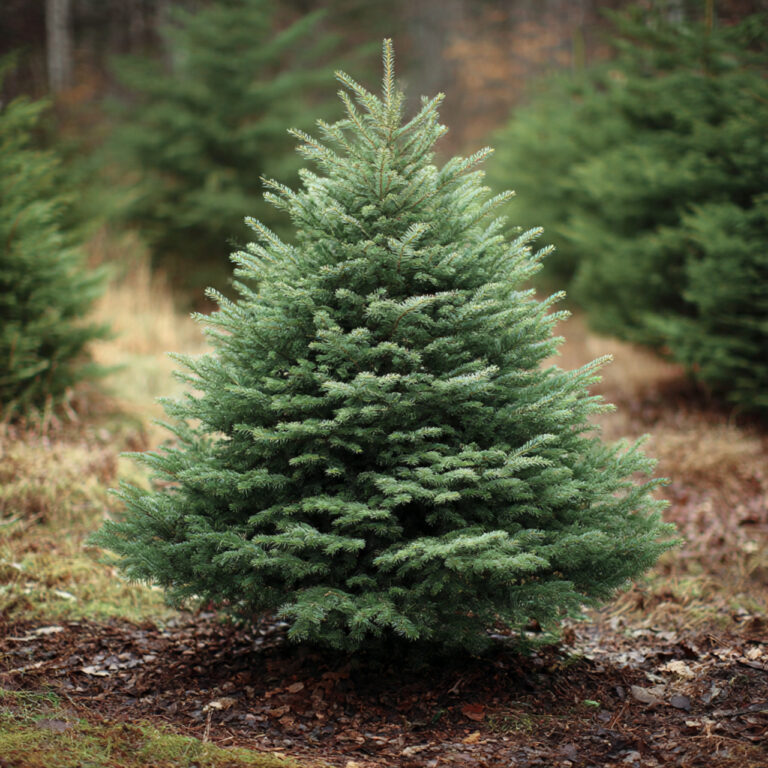
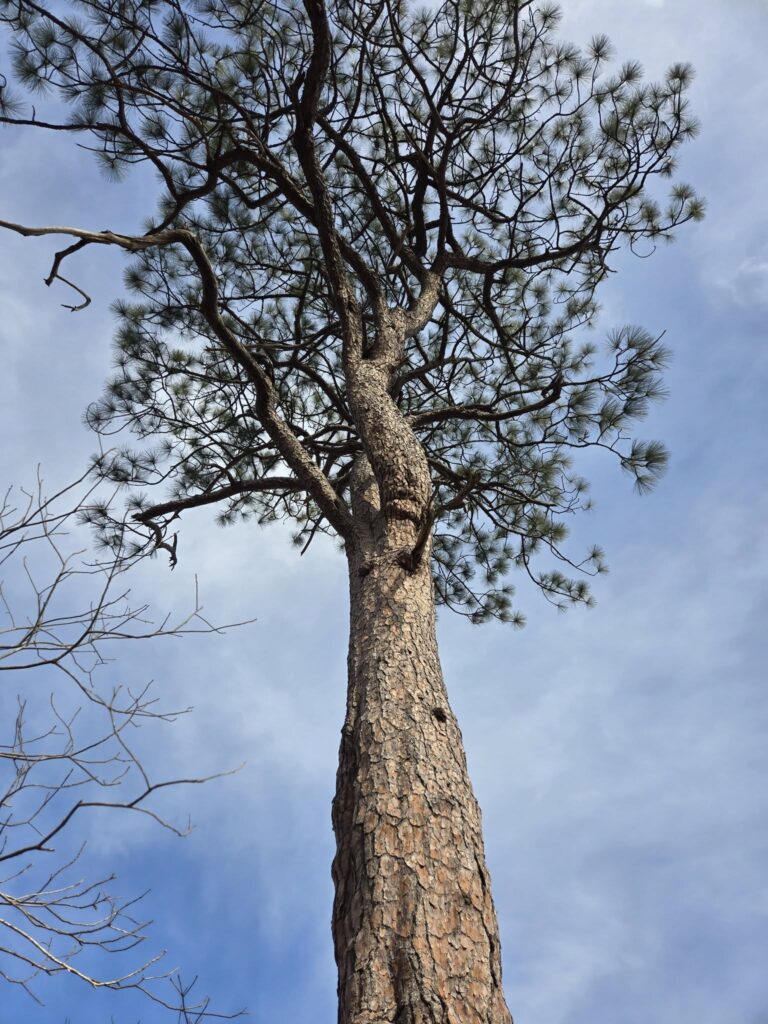
25 Colorado Native Trees (With Growing Details)
Colorado’s forests cover roughly 24 million acres, about a third of the state’s total land area, according to the Colorado State Forest Service and the National Association of State Foresters. That is a massive, living library of species, and native trees form its backbone.
I still remember the first time I stood beneath a stand of quaking aspen in the Rockies. The leaves shivered even though there was barely a breeze. That small moment taught me something: Colorado’s trees are not just background scenery. They are survivors, shaped by wind, altitude, and centuries of drought.
This guide walks through 25 Colorado native trees. You will learn where each species grows, how tall it gets, and what makes it worth knowing.
Why Native Trees Matter in Colorado
Before we get into the list, it helps to understand why “native” is not just a buzzword here.
A Colorado native tree is one that existed in the state before European settlement, according to Colorado State University Extension. These species evolved alongside local soils, snowpack patterns, and wildlife.
Native trees use less supplemental water once established. They also resist local pests and diseases better than imported ornamentals, which is a real advantage given Colorado’s dry climate and frequent drought cycles.
Planting native also supports biodiversity. Every native tree in a yard or park contributes habitat that non-native species simply cannot replace.
Conifers: The Backbone of Colorado’s Forests
Colorado’s high elevation and dry air favor conifers over broadleaf trees. These evergreens dominate the mountain landscape and make up most of the state’s forested acreage.
1. Colorado Blue Spruce (Picea pungens)
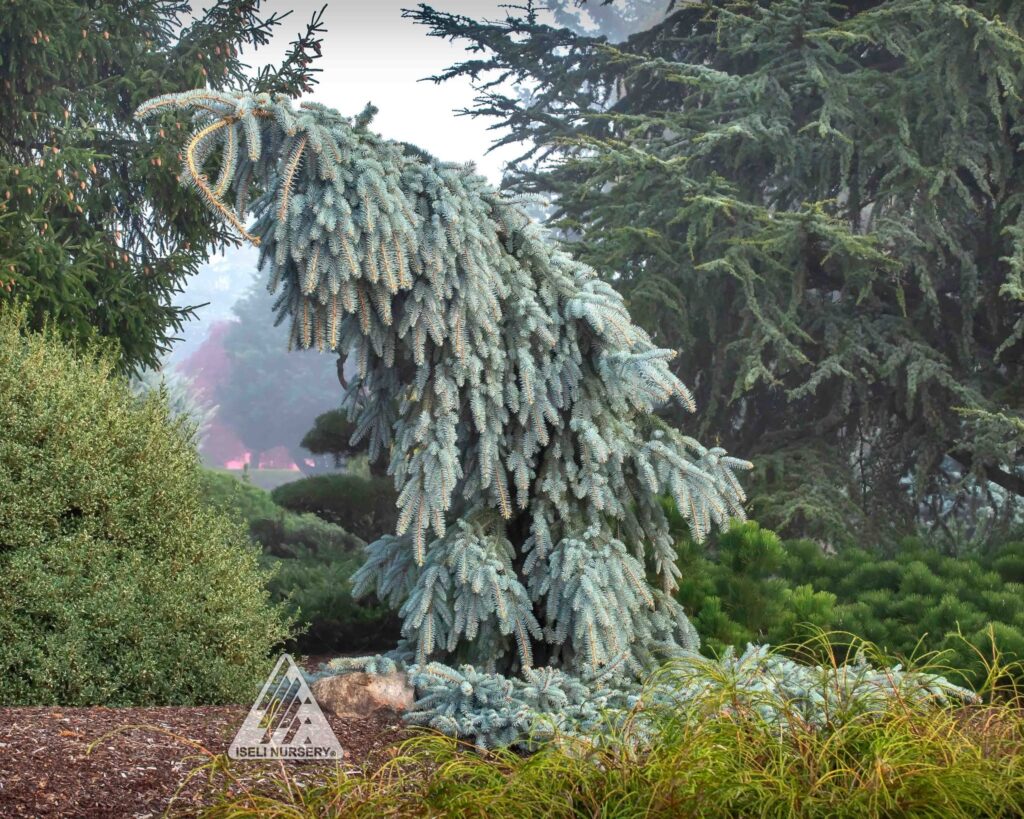
This is Colorado’s official state tree, and for good reason. Its silvery-blue needles are instantly recognizable, even from a moving car on a mountain highway.
Blue spruce grows slowly but can reach 80 to 100 feet in the wild, though landscape specimens usually stay smaller. It prefers moist soil near streams and is common between 6,000 and 9,000 feet.
I find it fascinating that the same tree sold in nurseries nationwide, prized for its Christmas-tree shape, is simply doing what it always did in Colorado canyons. It is tough, cold-hardy, and long-lived.
Homeowners love it for windbreaks and specimen planting. Just give it room; it does not like crowding or heavy clay soil without amendment.
2. Quaking Aspen (Populus tremuloides)
Quaking aspen is the tree that turns Colorado’s mountainsides gold every September. Its flattened leaf stems cause the leaves to flutter in even light wind, which is where the name comes from.
Aspen often grows in large clonal colonies connected by a single root system. One colony can technically be considered a single organism, spreading across acres through root suckers rather than seed alone.
This species thrives between 6,500 and 10,000 feet and prefers full sun. It is not particularly long-lived as an individual tree, often 100 to 150 years, but the root system can persist far longer.
For landscaping, aspen brings fast growth and stunning fall color. It does need consistent moisture and struggles in hot, dry, low-elevation yards.
3. Ponderosa Pine (Pinus ponderosa)
Ponderosa pine has a signature I love: crack open the bark on a mature tree and it smells like vanilla or butterscotch. It is one of the most reliable ways to identify it in the field.
This pine dominates Colorado’s lower montane forests, typically between 5,500 and 9,000 feet. Mature trees have thick, puzzle-piece bark in shades of orange-brown.
Ponderosa can live for several centuries, with some old-growth specimens exceeding 400 years. It is drought-tolerant once established, which makes it a favorite for xeriscaping in foothill communities.
Because it sheds lower branches as it matures, ponderosa is often used to create open, park-like landscapes with grass growing beneath the canopy.
4. Douglas Fir (Pseudotsuga menziesii)
Despite the name, Douglas fir is not a true fir. Its distinctive three-pronged bracts, sticking out from between the cone scales, make it easy to identify once you know the trick.
In Colorado, this species grows on cooler, north-facing slopes, usually between 6,000 and 9,500 feet. It tolerates more shade than ponderosa pine, which is why the two often grow in different micro-locations on the same mountainside.
Douglas fir can reach impressive heights, often 80 to 120 feet in favorable conditions. It is also a popular choice for Christmas trees nationwide because of its soft needles and pleasant fragrance.
For landscaping, it works well as a specimen tree in cooler, shaded yards with adequate moisture.
5. Engelmann Spruce (Picea engelmannii)
Engelmann spruce takes over where blue spruce leaves off, dominating Colorado’s subalpine forests from about 9,000 to 11,500 feet. It often grows alongside subalpine fir in dense, dark stands.
The needles are sharp but more slender than blue spruce, and the bark is thin and scaly. This tree handles brutal winters, heavy snow loads, and short growing seasons better than almost anything else.
It is a slow grower, but individuals can live 400 years or more in undisturbed subalpine forest.
Because it needs cool, moist, high-elevation conditions, Engelmann spruce is rarely planted in typical residential landscapes at lower elevations.
6. Subalpine Fir (Abies lasiocarpa)
Subalpine fir forms the classic narrow, spire-shaped silhouette you see near Colorado’s treeline. That shape helps it shed heavy snow without breaking branches.
It grows from roughly 9,000 feet up to timberline, near 11,500 feet, often stunted into twisted “krummholz” forms at the highest elevations. This is one of the last trees standing before alpine tundra takes over.
Its blue-green needles and smooth, resin-blistered bark distinguish it from nearby spruce trees.
This species is rarely cultivated outside its native high-country range, since it struggles in warmer, drier lowland soils.
7. Limber Pine (Pinus flexilis)
Limber pine gets its name from branches so flexible they can be tied in a knot without snapping, a genuine survival adaptation for harsh, windy ridgelines.
You will find this species growing in rocky, exposed sites between 5,000 and 12,000 feet, often on ridgetops where few other trees can survive. Its five-needle clusters help separate it from ponderosa and lodgepole pine.
Limber pine can live for over 1,000 years in the harshest, slowest-growing conditions, making it one of Colorado’s true ancients.
It is an excellent choice for exposed, rocky landscaping sites where other conifers fail.
8. Bristlecone Pine (Pinus aristata)
Few trees on Earth carry the weight of time like the Rocky Mountain bristlecone pine. According to the U.S. Geological Survey, researchers found a living bristlecone in central Colorado with an inner-ring date of 442 B.C., making it at least 2,435 years old.
Bristlecone pine grows in scattered, high-altitude groves between 10,600 and 11,700 feet, often on dry, rocky slopes. Its growth is astonishingly slow, adding as little as one inch of girth per century.
Famous groves sit near Mount Goliath and South Park, both accessible by short hikes or scenic drives.
This is not a landscaping tree; it belongs in the wild, where its twisted, weathered form tells a story centuries long.
9. Lodgepole Pine (Pinus contorta var. latifolia)
Lodgepole pine is easy to spot because of how densely it grows, often in tall, straight, closely packed stands that historically supplied poles for Native American lodges.
It thrives between 8,000 and 10,000 feet and depends heavily on wildfire for regeneration. Its cones are serotinous, meaning many stay sealed with resin until intense heat melts the seal and releases seeds.
Mature trees typically reach 60 to 80 feet with a slender, straight trunk and short needles in pairs.
Because it competes poorly in low, dry, urban settings, lodgepole is best appreciated in its native mountain forest rather than a backyard.
10. Pinyon Pine (Pinus edulis)
Pinyon pine is the tree behind Colorado’s beloved pine nuts, a food source that sustained Indigenous communities in the region for generations.
This small, rounded conifer grows in dry, low-elevation woodlands, typically 5,000 to 7,500 feet, often paired with junipers in what botanists call pinyon-juniper woodland. It rarely exceeds 20 to 35 feet.
Pinyon is remarkably drought-tolerant, a trait that makes it valuable for xeric landscaping on Colorado’s Western Slope and southern foothills.
It grows slowly, so a mature specimen in a yard likely represents decades of patient growth.
11. White Fir (Abies concolor)
White fir stands out for its long, flat needles that curve gently upward, giving the branches a soft, feathery look compared to spruce.
It occupies a middle elevation niche, generally 6,500 to 9,500 feet, often on moist, sheltered slopes. Its smooth, gray bark develops resin blisters when young, similar to subalpine fir.
This species can grow to 100 feet or more in ideal conditions and tends to be more tolerant of urban planting than its high-elevation cousins.
Landscapers appreciate white fir for its soft texture and relatively good drought tolerance compared to other true firs.
12. Rocky Mountain Juniper (Juniperus scopulorum)
Rocky Mountain juniper is a rugged, drought-defying evergreen found across foothills and canyon country, often on rocky outcrops where soil is thin and water is scarce.
It typically grows between 5,000 and 9,000 feet, reaching 20 to 40 feet with a distinctive, often irregular or twisted trunk shape. Its blue, berry-like cones are actually a favorite winter food for birds.
Some individual trees are known to live for over 1,000 years, particularly in undisturbed canyon settings.
For landscaping, it offers year-round color, wildlife value, and minimal water needs once established.
13. Utah Juniper (Juniperus osteosperma)
Utah juniper favors the driest, hottest corners of Colorado, particularly the western canyon country near the Utah border. It often grows in dense, low woodlands alongside pinyon pine.
This species is shorter and more shrub-like than Rocky Mountain juniper, usually staying under 20 feet, with scale-like foliage and a gnarled trunk.
It is exceptionally drought-tolerant, surviving on rainfall alone in areas that receive well under 15 inches annually.
Because of its toughness, it is a smart choice for extremely xeric landscapes in Colorado’s driest counties.
Broadleaf and Deciduous Native Trees
Not every Colorado native is an evergreen. Deciduous species bring color, shade, and seasonal change to the state’s river valleys, canyons, and foothill woodlands.
14. Gambel Oak (Quercus gambelii)
Gambel oak is the dominant oak of the Colorado foothills, often forming dense thickets on south-facing slopes below 8,000 feet. Locals sometimes call these areas “oak brush.”
It usually grows as a large, multi-stemmed shrub or small tree, though older individuals can reach 20 to 30 feet in favorable spots. Its lobed leaves turn warm orange and red in autumn.
Gambel oak spreads through underground root systems, similar to aspen, which is why it so often appears in dense colonies rather than as single trees.
Wildlife, particularly deer, turkey, and black bears, rely heavily on its acorns as a food source each fall.
15. Narrowleaf Cottonwood (Populus angustifolia)
Narrowleaf cottonwood lines Colorado’s mountain streams and creek bottoms, thriving where its roots can reach consistent moisture. Its narrow, willow-like leaves distinguish it from the broader-leafed plains cottonwood.
This species grows between 5,000 and 8,000 feet, typically reaching 40 to 60 feet at maturity. It is fast-growing but relatively short-lived compared to conifers, often 80 to 100 years.
Because of its deep dependence on riparian moisture, it plays a key role in stabilizing streambanks and preventing erosion.
It is not ideal for typical dry residential yards but works beautifully near ponds, ditches, or natural water features.
16. Plains Cottonwood (Populus deltoides subsp. monilifera)
Plains cottonwood is a giant of the eastern Colorado prairie, often the only large tree visible for miles along a dry riverbed or irrigation ditch.
It can grow past 80 feet tall with a broad, spreading canopy, and it tolerates the heat and wind of the plains far better than mountain species. Its heart-shaped leaves rustle loudly in even a light breeze.
Historically, this tree marked water sources for travelers crossing the plains, since its presence almost always signaled a stream or spring nearby.
It grows quickly but can be messy, dropping cottony seed fluff each spring, a trait some homeowners love and others avoid.
17. Rocky Mountain Maple (Acer glabrum)
Rocky Mountain maple is a modest, multi-stemmed understory tree found in cool, shaded canyons and along mountain streams, typically between 6,000 and 9,500 feet.
It rarely exceeds 20 to 30 feet and often grows more like a large shrub. Its three-lobed leaves turn a warm yellow to red in fall, adding welcome color to shaded mountain drainages.
This species pairs well with Douglas fir and aspen in mixed mountain forests, filling the gap between towering conifers and the forest floor.
For landscaping, it suits shaded, moist yards where larger shade trees would struggle.
18. Bigtooth Maple (Acer grandidentatum)
Bigtooth maple, sometimes classified as a subspecies of sugar maple, delivers some of Colorado’s best fall color, with reds and oranges rivaling any New England display.
It grows in isolated canyon populations, often in southeastern Colorado and on the Western Slope, typically at 5,500 to 7,500 feet. Mature height ranges from 20 to 30 feet.
CSU Extension’s Front Range Tree Recommendation List highlights improved cultivars of this species for landscape use, prized for reliable, vivid autumn color.
It handles Colorado’s alkaline soils reasonably well, which makes it more landscape-friendly than many eastern maples.
19. Boxelder (Acer negundo)
Boxelder is a fast-growing, adaptable native maple found along streams and disturbed areas throughout Colorado, often at lower to middle elevations.
It typically reaches 30 to 50 feet, with compound leaves that make it look more like an ash than a typical maple at first glance. It tolerates poor soil, flooding, and drought better than most native trees.
This adaptability comes with a tradeoff: boxelder is short-lived, weak-wooded, and prone to hosting boxelder bugs, which cluster on trunks in fall.
It is best used where quick shade or erosion control matters more than long-term structure or tidiness.
20. Peachleaf Willow (Salix amygdaloides)
Peachleaf willow is Colorado’s only native tree-form willow, distinguished from shrubby willows by its single, well-defined trunk and taller stature.
It grows along rivers and wetlands statewide, typically reaching 20 to 40 feet. Its narrow, curved leaves resemble peach leaves, which explains the common name.
Like other riparian trees, it plays an important role in streambank stabilization and provides shade that keeps water temperatures cooler for fish.
It requires consistently moist soil and is not suited to typical dry landscape settings.
21. Thinleaf Alder (Alnus incana subsp. tenuifolia)
Thinleaf alder grows in dense thickets along Colorado’s mountain streams, often forming a green, shrubby border between the water and the surrounding forest.
It typically stays under 20 feet, with dark green, serrated leaves and small, cone-like fruit that persist through winter. It is one of the few native trees that can fix nitrogen in the soil through root nodules.
This nitrogen-fixing ability improves soil fertility along waterways, benefiting nearby plant communities.
Because it demands wet, streamside conditions, it is rarely used outside restoration or naturalized wetland plantings.
22. Water Birch (Betula occidentalis)
Water birch, also called Rocky Mountain birch, grows along streams and springs across the state, often recognized by its shiny, reddish-brown bark rather than the classic white birch look.
It generally reaches 20 to 30 feet and thrives between 5,000 and 9,000 feet in consistently moist soil. Multiple trunks are common, giving it a clumping, shrub-like form.
Its yellow fall foliage and attractive bark make it a popular choice for naturalized landscapes near ponds or streams.
Like other riparian species, it struggles without reliable water and is not a good fit for dry, exposed sites.
23. New Mexico Locust (Robinia neomexicana)
New Mexico locust brings a burst of pink, pea-like flowers each spring, a striking contrast against Colorado’s typically green and brown foothill palette.
This small tree or large shrub grows in southern Colorado canyons and foothills, usually staying under 25 feet. Its compound leaves and thorny branches help identify it, along with its habit of forming dense colonies through root suckers.
Bees and other pollinators rely heavily on its spring blooms, making it valuable for wildlife-focused landscaping.
Its suckering habit means it works best in naturalized areas rather than tightly maintained gardens.
24. Netleaf Hackberry (Celtis reticulata)
Netleaf hackberry is a tough, underappreciated native found in canyons and dry drainages, particularly in southeastern and western Colorado, typically below 7,000 feet.
It grows 20 to 30 feet tall with distinctive warty bark and small, sweet berries that birds favor heavily in fall and winter. The leaves have a rough, sandpaper-like texture, which is where the “netleaf” name comes from.
This species handles heat, wind, and poor soil remarkably well, making it a strong candidate for low-water landscaping in warmer parts of the state.
It is a slow grower, but its resilience and wildlife value make the patience worthwhile.
25. Southwestern White Pine (Pinus strobiformis)
Southwestern white pine occupies a narrower range in Colorado than most conifers on this list, mostly found in the southern mountains near the New Mexico border.
It typically grows between 7,000 and 9,500 feet, reaching 60 to 80 feet with soft, blue-green needles in bundles of five. Its cones are notably long, often 6 to 10 inches, and drip resin heavily.
This species is closely related to limber pine and can be tricky to distinguish without checking cone and needle details closely.
Because of its limited native range in Colorado, it is less commonly used in landscaping compared to more widespread pines.
How to Choose the Right Native Tree for Your Yard
With 25 species to consider, picking one for a home landscape can feel overwhelming. A few practical factors narrow the choice quickly.
Elevation matters most. A tree native to 10,000 feet, like subalpine fir, will likely struggle in a hot Denver suburb at 5,280 feet.
Water availability comes next. Riparian species such as cottonwood, willow, and alder need consistent moisture, while pinyon, juniper, and ponderosa handle drought far better.
Finally, consider mature size relative to your space. A plains cottonwood can outgrow a small city lot fast, while Rocky Mountain maple stays modest and manageable.
Final Thoughts
Colorado’s native trees tell the story of the state itself: dry plains, deep canyons, and towering alpine ridges, each shaping a different species over thousands of years. From a 2,435-year-old bristlecone pine clinging to a windswept slope to a fast-growing cottonwood marking a prairie stream, these 25 native trees represent remarkable adaptation.
Whether you plant one in your yard or simply learn to recognize it on a trail, each of these species connects you to Colorado’s landscape in a small but meaningful way. I hope this guide helps you look at the next mountainside, canyon, or backyard tree with a little more appreciation.
References
- Colorado State University Extension & Colorado State Forest Service, “Native Trees for Colorado Landscapes” (Fact Sheet 7.421) — https://csfs.colostate.edu/wp-content/uploads/2024/01/Native-Trees-for-Colorado-Landscapes-Fact-Sheet-7.421.pdf
- Colorado State University Extension, “Native Shrubs for Colorado Landscapes” — https://extension.colostate.edu/topic-areas/yard-garden/native-shrubs-for-colorado-landscapes-7-422/
- Colorado State University Extension, PlantTalk Colorado, “Native Plants” (Topic 1710) — https://planttalk.colostate.edu/topics/trees-shrubs-vines/1710-native-plants
- Colorado State University Extension, Jefferson County, “Native Plants” — https://jeffco.extension.colostate.edu/natural-resources/native-plants/
- Colorado State University Extension, “Native Plant Reference List” (GardenNotes #582) — https://cmg.extension.colostate.edu/Gardennotes/582.pdf
- Colorado State University Extension, “Front Range Tree Recommendation List” — https://www.extension.colostate.edu/docs/pubs/garden/treereclist.pdf
- U.S. Geological Survey, “The Oldest Known Rocky Mountain Bristlecone Pines (Pinus aristata Engelm.)” — https://www.usgs.gov/publications/oldest-known-rocky-mountain-bristlecone-pines-pinus-aristata-engelm

Tim M Dave is a gardening expert with a passion for houseplants, particularly cacti and succulents. With a degree in plant biology from the University of California, Berkeley, he has vast experience in gardening. Over the years, he has cultivated a vast collection of desert plants and learned a great deal about how to grow and care for these unique companions.