25 Trees That Grow in Swamps (With Details)
The first time I stood in a cypress swamp, I remember thinking the trees looked like they were standing on their own knees. They practically were. Swamp trees don’t just tolerate flooded, oxygen-starved soil; many of them are built for it, down to the shape of their roots.
A swamp is defined less by water depth and more by duration of saturation. According to the Vermont Department of Environmental Conservation, swamps form where soil stays flooded long enough during the growing season to favor wetland plants, yet dry out enough, at least periodically, for woody trees to germinate and mature.
That balance produces a surprisingly wide cast of trees, from towering bald cypress in the Deep South to tamarack in the cold bogs of the north, and even salt-tolerant mangroves along tropical coastlines. Below are 25 of them, grouped loosely by the type of swamp where they dominate.
Why Swamp Trees Matter
Forested wetlands do heavy ecological lifting. They slow floodwaters, filter pollutants, and store carbon in both wood and saturated soil, according to research summarized by wetland scientists.
Losing these forests has consequences beyond scenery. The trees anchor soil that would otherwise erode, and their root systems create habitat for fish, amphibians, and nesting birds that depend on flooded timber.
Understanding which trees grow where also helps landowners and restoration planners choose the right species for wet, low-lying ground instead of losing young trees to root rot.
Freshwater and Hardwood Swamp Trees
1. Bald Cypress
Bald cypress is arguably the most recognizable swamp tree in North America, famous for the woody “knees” that rise from its roots above the waterline.
Research from the USDA Forest Service Silvics Manual notes that this deciduous conifer grows on saturated and seasonally inundated soils across the Southeastern and Gulf Coastal Plains.
The tree’s buttressed base and knees are thought to aid stability and oxygen exchange in waterlogged soil, though the exact function of the knees is still debated among researchers.
Bald cypress can live for centuries; some specimens in North Carolina have been documented at over 1,000 years old. Its rot-resistant wood made it a prized timber species historically.
ALSO READ: Bald Cypress Tree Pros and Cons: What to Know Before You Plant
2. Pond Cypress
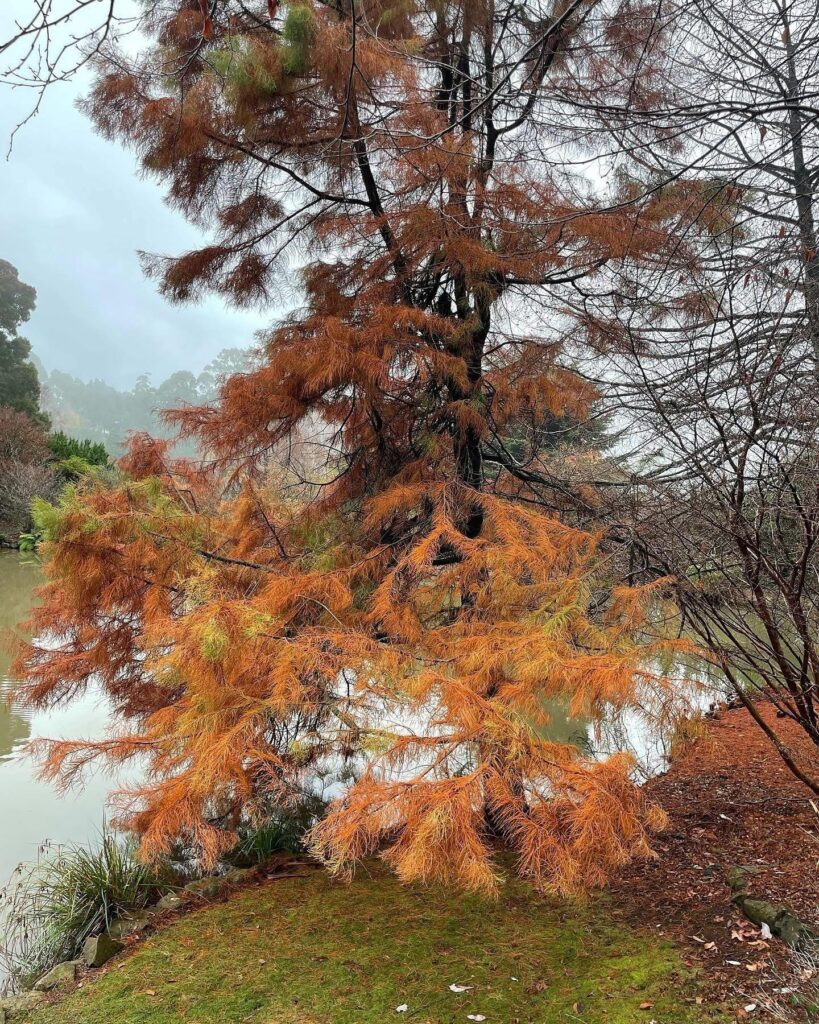
Pond cypress is closely related to bald cypress and sometimes classified as a variety rather than a separate species. According to USDA Forest Service reviews, it is less likely to develop knees, and when it does, they tend to be shorter and more rounded.
It favors shallow, still ponds and low-nutrient blackwater habitats rather than moving river swamps. Its branches grow more upright than bald cypress, giving it a narrower silhouette.
Pond cypress is common through the Southeast, particularly in Florida and southeastern Louisiana, where it forms dense, low-lying cypress domes.
3. Water Tupelo
Water tupelo thrives in the deepest, most consistently flooded parts of Southern swamps, often growing alongside bald cypress. It develops a distinctive swollen, bottle-shaped trunk base that helps it stand firm in soft, saturated mud.
This tree can tolerate standing water for most of the growing season, a trait few hardwoods share. Its wood is soft and lightweight, historically used for crates and pulp.
Water tupelo flowers are an important nectar source, and Southern beekeepers prize the resulting tupelo honey.
4. Swamp Tupelo
Swamp tupelo grows in warm, humid climates and is rarely found outside consistently flooded ground. Research on the species notes that growth can drop by as much as 50 percent when water is stagnant rather than shallow and moving.
It occupies headwater swamps, river bottoms, and low coves throughout the Southeast, tolerating intermittent flooding better than continuous deep inundation.
Fall color on swamp tupelo is often a brilliant red, making it a striking addition to wetland restoration plantings.
5. Black Tupelo (Black Gum)
Black tupelo, or black gum, is more adaptable than its swamp-dwelling cousins, growing in both wet bottomland and drier upland soil. It is prized for its early, vivid red fall foliage, often the first tree to change color each autumn.
In swamps, it grows alongside red maple and various oaks, contributing to the layered canopy of hardwood wetlands. Its flowers are another valuable nectar source for honeybees.
Black tupelo can live for several centuries, and older specimens develop deeply furrowed, alligator-like bark.
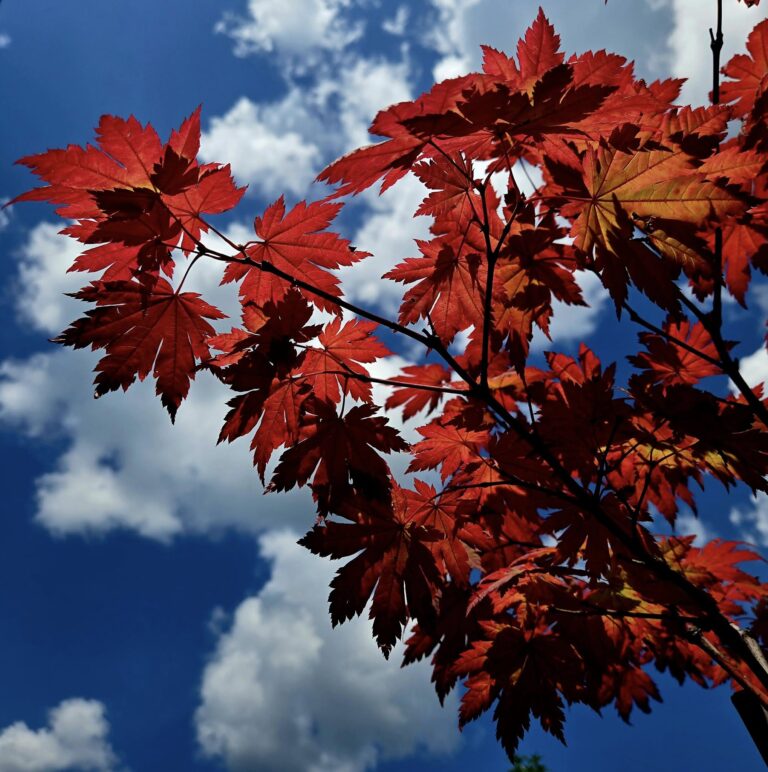
6. Red Maple
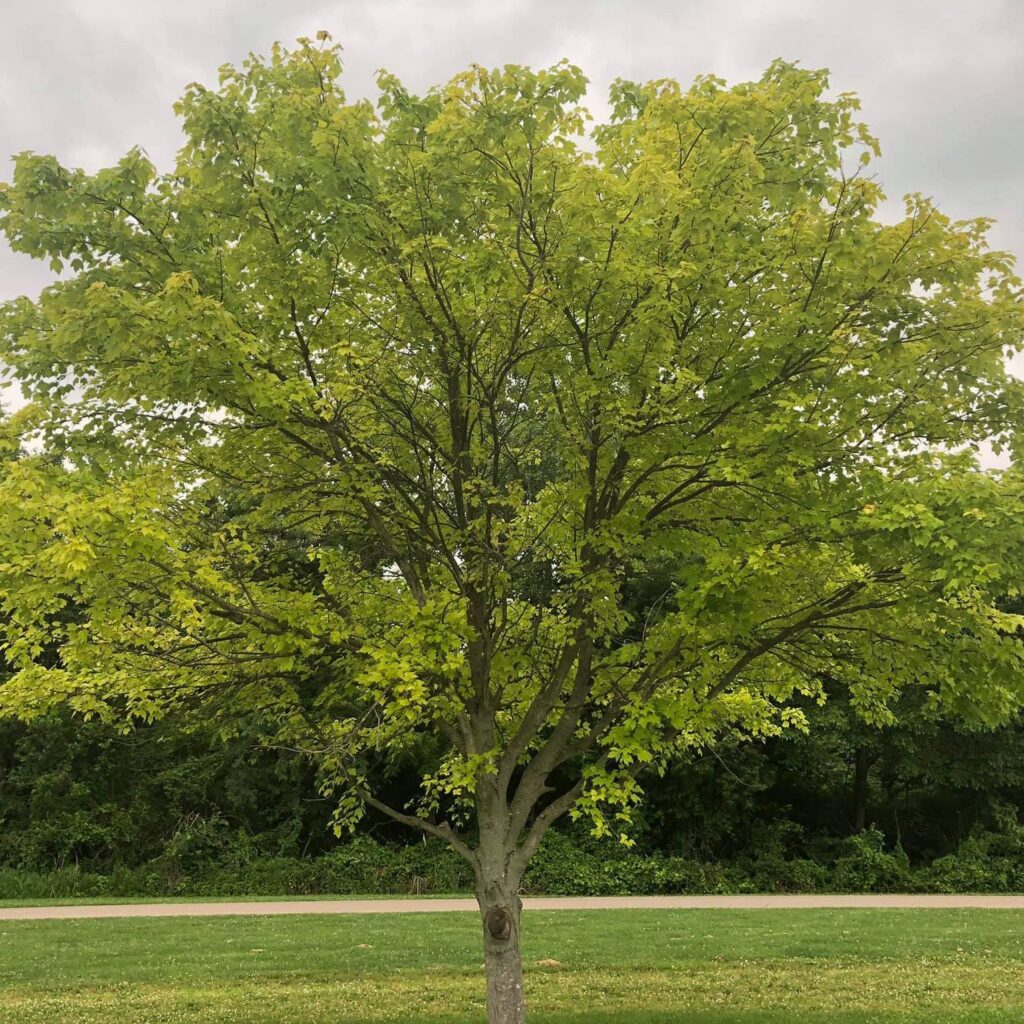
Red maple is one of the most widespread native trees in United States wetlands, according to horticultural references compiling wetland tree data. It tolerates acidic, consistently moist soil while remaining flexible enough to grow in upland settings too.
This adaptability is part of why red maple appears in so many different swamp types, from Northern shrub swamps to Southern hardwood bottomlands. Its red spring flowers and fall foliage make it a popular ornamental as well.
Red maple wood is used in furniture and flooring, giving the species commercial as well as ecological value.
7. Silver Maple
Silver maple favors floodplain forests and river swamps, where it grows quickly and often reaches large size within a few decades. Deeply cut, silvery-backed leaves give the tree its name and make it easy to identify from a distance.
It tolerates periodic flooding well but is less suited to permanently saturated ground than tupelo or cypress. Its fast growth makes it useful for erosion control along riverbanks.
Silver maple is a common hardwood species in swamps across colder regions, according to Vermont wetland classification research.
8. Green Ash
Green ash is naturally found in river bottoms and floodplains, tolerating seasonal flooding better than most upland trees. It is the most widespread ash species in the United States, often growing alongside black ash in wetter ground.
The tree produces winged seeds that disperse readily by wind and water, helping it colonize disturbed or flooded sites quickly.
Unfortunately, green ash populations have been devastated in many regions by the emerald ash borer, an invasive pest that has killed millions of ash trees nationwide.
9. Black Ash
Black ash grows in organically rich, fully saturated soils fed by springs and slow-moving water. Research on wetland detritivores notes that its fallen leaves are a critical food source for amphibian larvae, since black ash is often among the first trees to shed foliage each fall.
It typically reaches around 20 meters in height and provides dense shade to swamp understories. Its flexible wood was traditionally used by Indigenous communities for basket weaving.
Like green ash, black ash is under serious threat from the emerald ash borer, prompting conservation concern across its northern range.
10. Swamp White Oak
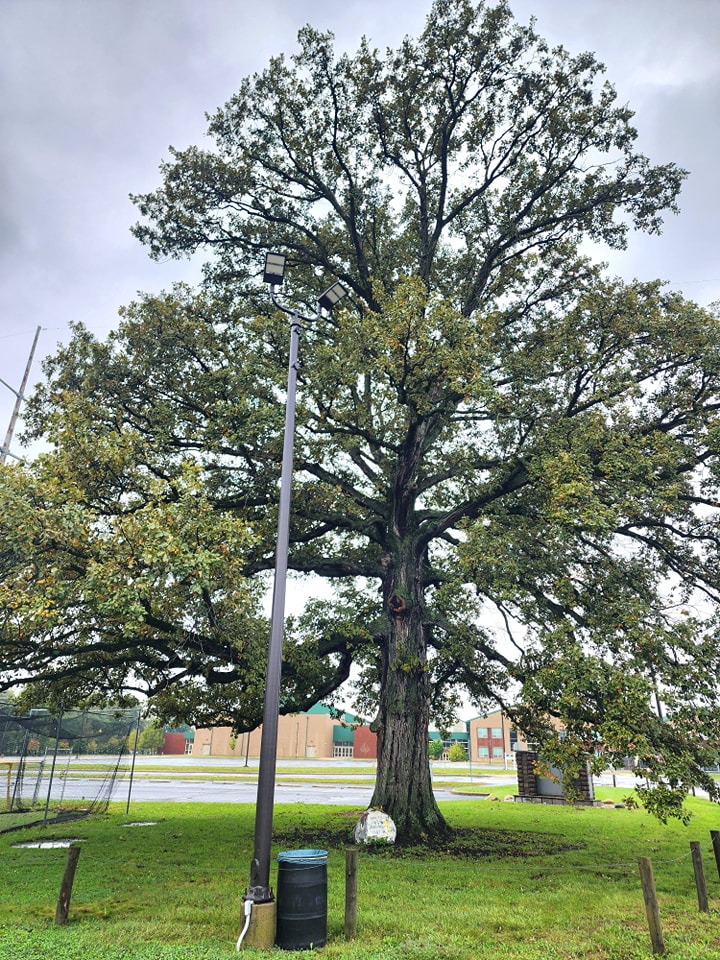
Swamp white oak is built to handle seasonal flooding, with a root system adapted to short periods of standing water followed by drier stretches. It thrives in wet, acidic soils across the eastern and midwestern United States.
The tree’s two-toned leaves, dark green above and pale underneath, flash distinctively in the wind. Its acorns are an important food source for wetland wildlife, including waterfowl and deer.
Swamp white oak can live for several hundred years and is increasingly planted in urban wetland restoration projects for its resilience.
11. Pin Oak
Pin oak is a strong, pyramidal tree that thrives in wet, acidic soils, according to wetland tree references from horticultural nurseries. Its deeply lobed leaves and dense branching give it a distinctive silhouette even in winter.
It tolerates compacted, poorly drained soil better than many other oaks, which is part of why it is so common in both natural swamps and urban wet spots.
Pin oak acorns are smaller than those of most oaks, but they are still an important wildlife food source in bottomland forests.
ALSO READ: 10 Common Pin Oak Tree Problems: Identification, Symptoms, and Proven Solutions
12. Water Oak
Water oak is common throughout Southern swamps and bottomland forests, tolerating both wet soil and periodic drought better than many other oak species. It grows quickly compared to most oaks, though this comes at the cost of a shorter overall lifespan.
Its semi-evergreen leaves persist later into fall than many deciduous swamp trees, giving it a slightly different seasonal rhythm.
Water oak acorns feed a wide range of wetland wildlife, from squirrels to wood ducks nesting in nearby cavities.
13. Overcup Oak
Overcup oak is one of the most flood-tolerant oaks in North America, capable of surviving extended standing water during the dormant season. Its acorns are nearly enclosed by their cap, an unusual trait that inspired the tree’s common name.
It grows in the lowest, wettest parts of bottomland hardwood forests, often in standing water for weeks at a time each year.
Because of this extreme tolerance, overcup oak is frequently chosen for wetland restoration projects in the Mississippi River floodplain and similar landscapes.
14. American Elm
American elm once dominated floodplain and swamp forests across much of the eastern United States before Dutch elm disease decimated populations in the twentieth century. Surviving and disease-resistant cultivars still grow in wetland habitats today.
The tree’s vase-shaped canopy and arching branches made it a beloved shade tree long before the disease outbreak. It tolerates wet, poorly drained soils better than most hardwoods.
Restoration efforts using disease-resistant American elm varieties are gradually returning the species to some swamp and floodplain ecosystems.
15. River Birch
River birch is a fast-growing tree known for peeling, curling bark in shades of tan, cinnamon, and cream. It tolerates flooding and poorly drained soils, according to nursery references on wetland species, thriving along streambanks and swamp margins.
Its shallow, spreading root system helps stabilize wet, eroding soil, which is why it is a popular choice for restoration plantings near water.
River birch grows considerably faster than most native hardwoods, often adding several feet of height per year in favorable, moist conditions.
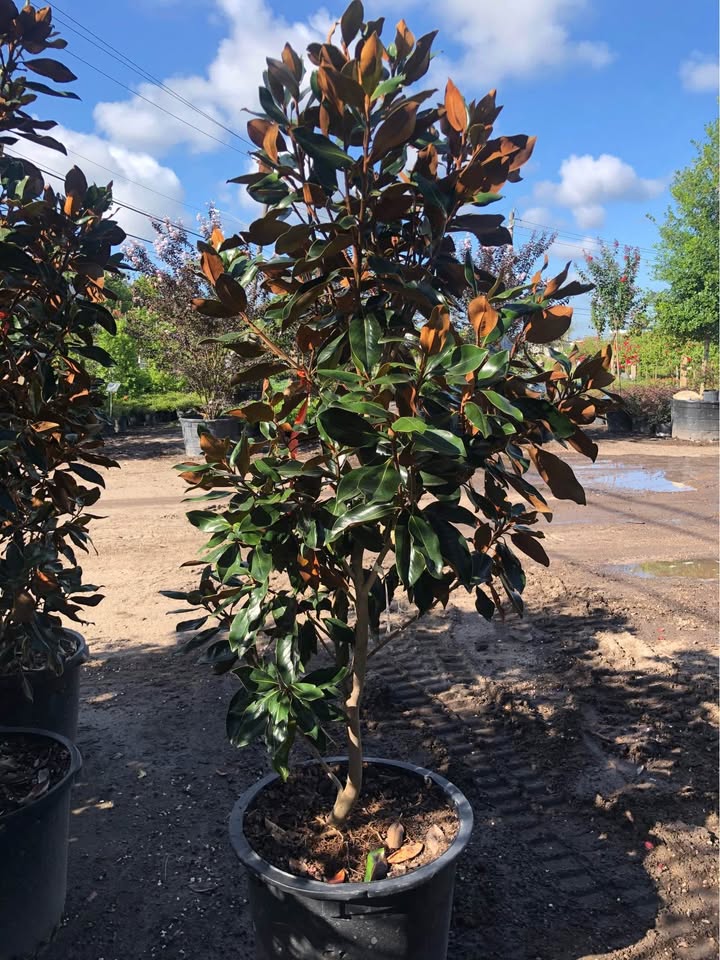
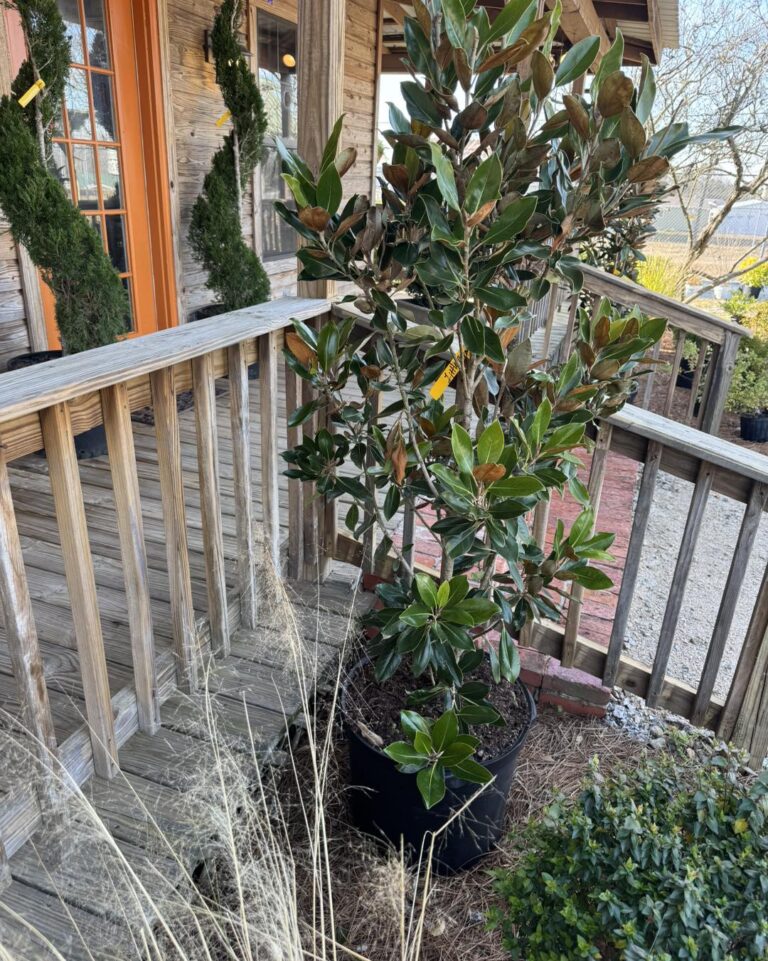
16. Sweetbay Magnolia
Sweetbay magnolia is a semi-evergreen tree that thrives in swampy ground, particularly across the southeastern coastal plain. Its creamy white, lemon-scented flowers bloom through much of the summer, a rare trait among swamp trees.
The glossy leaves have silvery undersides that flash in the wind, giving the tree an attractive, layered look even without flowers.
Sweetbay magnolia tolerates both freshwater swamps and slightly brackish conditions, making it a versatile choice near tidal wetlands.
Coniferous and Northern Swamp Trees
17. Atlantic White Cedar
Atlantic white cedar forms dense, often pure stands in acidic, peaty swamps along the Atlantic coastal plain. Wetland plant references note it can grow to roughly 35 meters and live from a century to as much as 200 years.
Its durable, rot-resistant wood was historically prized for boat building, shingles, and fence posts, leading to heavy historic logging of old-growth stands.
Because of past overharvesting, Atlantic white cedar swamps are now a conservation priority in several eastern states.
18. Tamarack (Eastern Larch)
Tamarack is unusual among conifers because it is deciduous, dropping its soft, needle-like foliage each fall after turning a striking gold. It is exceptionally cold-hardy, tolerating conditions as far north as USDA Hardiness Zone 2.
The tree dominates cold, boggy softwood swamps across the northern United States and Canada, often growing alongside black spruce.
Its rot-resistant wood has traditionally been used for posts, poles, and boat construction in northern regions.
19. Black Spruce
Black spruce is a defining tree of northern coniferous swamps and peat bogs, tolerating cold, acidic, waterlogged soil that few other conifers can handle. It often grows in dense, slow-growing stands on saturated peat.
Its shallow root system spreads wide rather than deep, an adaptation to the thin, oxygen-poor soil typical of bog environments.
Black spruce wood is commercially important for pulp and paper production across Canada and the northern United States.
20. Pond Pine
Pond pine grows in poorly drained, swampy flatwoods across the southeastern coastal plain, often in areas prone to periodic fire as well as flooding. Its serotinous cones, which stay sealed until exposed to heat, allow it to regenerate quickly after fire sweeps through a swamp.
This dual adaptation to both fire and flooding makes pond pine one of the more specialized conifers on this list.
It typically grows in mixed stands with pond cypress and various swamp hardwoods.
Riverbank and Floodplain Swamp Trees
21. American Sycamore
American sycamore tolerates flooding and poor drainage exceptionally well, often found along rivers and swamp margins with mineral-rich, silty soil. Its mottled, peeling bark, in patches of white, tan, and gray, makes it one of the easiest trees to identify at a glance.
Sycamores grow rapidly and can reach massive trunk diameters, with some historic specimens recorded at over 10 feet across.
The tree’s dense root system helps stabilize riverbanks against erosion during seasonal flood events.
22. Black Willow
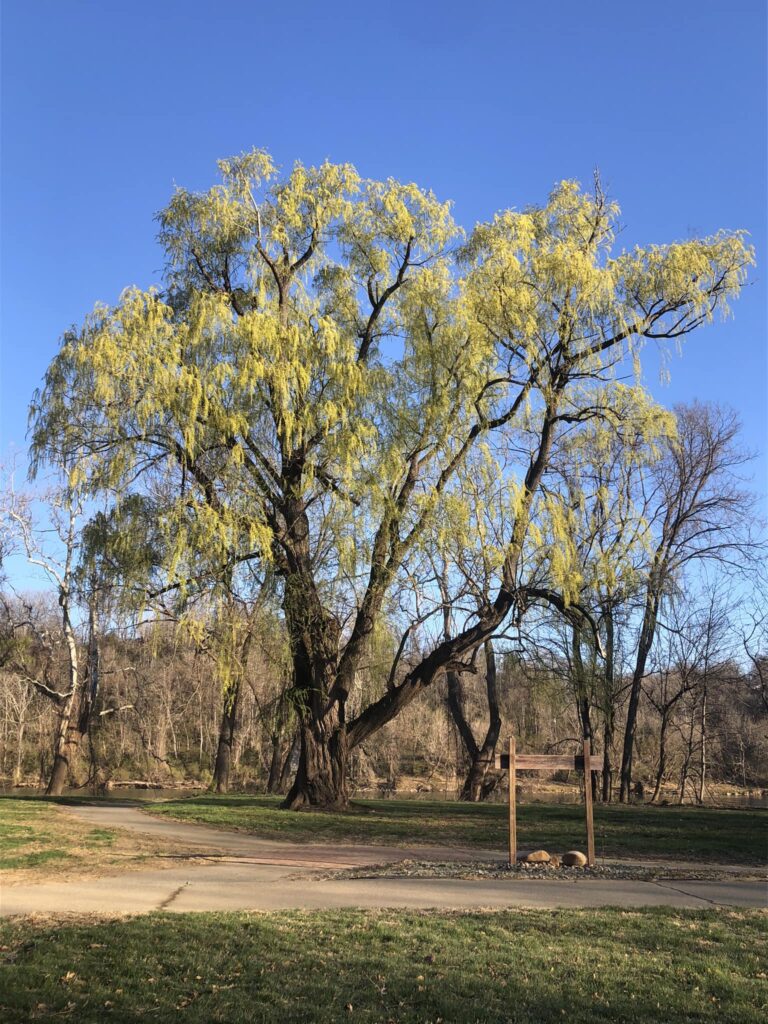
Black willow is a classic water-loving tree, commonly found growing directly along streambanks, swamp edges, and floodplain margins. It roots easily from broken branches, which naturally helps the species colonize disturbed, flood-prone ground.
Its flexible branches bend rather than break in strong winds and floodwaters, an adaptation well suited to unstable, waterlogged soil.
Black willow bark contains compounds historically used in traditional medicine, related to the origins of modern aspirin.
23. Eastern Cottonwood
Eastern cottonwood is one of the largest North American hardwoods, thriving in floodplain forests fed and drained by moving river water. It grows remarkably fast, often outpacing nearly every other native tree in early decades.
Its cottony, wind-dispersed seeds allow it to rapidly colonize freshly flooded or exposed riverbank soil after storms reshape the landscape.
Eastern cottonwood provides important nesting habitat for large birds, including bald eagles, in floodplain and swamp forest corridors.
Coastal and Mangrove Swamp Trees
24. Red Mangrove
Red mangrove is easily identified by its tangled, reddish prop roots, which arch down from the trunk and branches into the tidal mud. According to the Florida Keys National Marine Sanctuary, these roots can extend three feet or more above the soil, boosting stability and oxygen supply to submerged roots.
Under optimal conditions, red mangrove can grow to more than 80 feet tall, though Florida specimens typically average around 20 feet.
Its seeds germinate while still attached to the parent tree, producing pencil-shaped seedlings that drop and drift until they find suitable mud to root in, a trait documented by NOAA researchers.
25. Black Mangrove
Black mangrove grows slightly further inland than red mangrove, in areas where tidal changes regularly expose its roots to open air. Its most distinctive feature is the pneumatophore, a pencil-like root that projects upward from the mud to draw in oxygen.
According to the U.S. Environmental Protection Agency, black mangrove is one of only three mangrove species found in the continental United States, alongside red and white mangrove.
These trees form dense coastal swamps that buffer shorelines against storm surge while supporting fish nurseries, wading birds, and countless invertebrates in their root systems.
How Swamp Trees Survive Waterlogged Soil
Standing water starves roots of oxygen, which would kill most upland trees within days. Swamp species get around this through specialized structures: cypress knees, tupelo’s swollen trunk base, and mangrove pneumatophores all serve, at least in part, to move air into submerged root tissue.
Some species take a different approach entirely, simply timing their growth around flood cycles rather than fighting them. Overcup oak and pond pine, for example, tolerate dormant-season flooding but need drier stretches during the growing season to thrive.
This diversity of strategy is exactly why a single swamp can host conifers, hardwoods, and even flowering magnolias within the same flooded acre.
Quick Answers to Common Questions
Can swamp trees be planted in a home landscape with poor drainage? Yes. Species like red maple, river birch, and swamp white oak tolerate wet, poorly drained residential soil far better than most ornamental trees, making them practical choices for low-lying yards.
Do all swamp trees need standing water year-round? No. Many, including bald cypress and swamp white oak, tolerate seasonal flooding rather than constant inundation, and some growth actually slows in permanently stagnant water compared to shallow, moving flow.
Why do mangroves only grow in warm climates? Mangroves cannot survive freezing temperatures, which restricts their natural range to tropical and subtropical coastlines, according to NOAA research on mangrove forest distribution.
Final Thoughts
Swamps are not empty, waterlogged wastelands. They are some of the most specialized forests on Earth, built tree by tree around a single shared challenge: how to grow where the ground refuses to stay dry.
From the ancient knees of a bald cypress to the stilt-like roots of a red mangrove, each species on this list solved that problem in its own way. Walking through a real swamp forest, once you know what you are looking at, turns into a lesson in quiet, patient engineering.
References
- United States Department of Agriculture, Forest Service — Baldcypress, Silvics of North America: https://research.fs.usda.gov/silvics/baldcypress
- United States Department of Agriculture, Forest Service — Taxodium ascendens, T. distichum, Pond Cypress, Bald Cypress (Fire Effects Information System): https://research.fs.usda.gov/feis/species-reviews/taxspp
- U.S. Fish and Wildlife Service — Baldcypress (Taxodium distichum): https://www.fws.gov/species/baldcypress-taxodium-distichum
- National Oceanic and Atmospheric Administration — What is a “mangrove” forest?: https://oceanservice.noaa.gov/facts/mangroves.html
- United States Environmental Protection Agency — Mangrove Swamps: https://www.epa.gov/wetlands/mangrove-swamps
- Vermont Department of Environmental Conservation — Wetland Types: https://dec.vermont.gov/watershed/wetlands/what/types
- University of Florida, Florida Museum — Species of Florida’s Mangroves: https://www.floridamuseum.ufl.edu/southflorida/habitats/mangroves/species/

Tim M Dave is a gardening expert with a passion for houseplants, particularly cacti and succulents. With a degree in plant biology from the University of California, Berkeley, he has vast experience in gardening. Over the years, he has cultivated a vast collection of desert plants and learned a great deal about how to grow and care for these unique companions.