10 Common Peggy Martin Rose Problems (And How To Fix Each One Fast)
I still remember the first time I heard the Peggy Martin rose story. A single climbing rose survived two weeks submerged under roughly 20 feet of saltwater after Hurricane Katrina, while 448 other antique roses in the same Louisiana garden did not.
That kind of resilience earns a reputation, and this rose has certainly earned its own. Extension horticulturists describe it as having few pests and diseases to worry about, which makes it one of the lowest-maintenance climbing roses a Southern gardener can plant.
But “low-maintenance” isn’t the same as “problem-free.” Even this famously tough survivor runs into trouble occasionally, usually from drainage, sun, or a handful of common rose pests rather than anything dramatic.
Here’s something worth knowing upfront: Peggy Martin is officially recognized as a Louisiana Super Plant, a designation the LSU AgCenter reserves for cultivars proven through years of university trials to perform reliably across the state’s tough growing conditions.
Part of what makes this rose special is its story. Peggy Martin planted the original vine in her Plaquemines Parish garden in 1989, with no idea of its name or origin — only that a friend had passed it along from her mother-in-law. When Martin returned to her flooded property after Katrina, this rose and one crinum lily were the only survivors among more than a thousand plants.
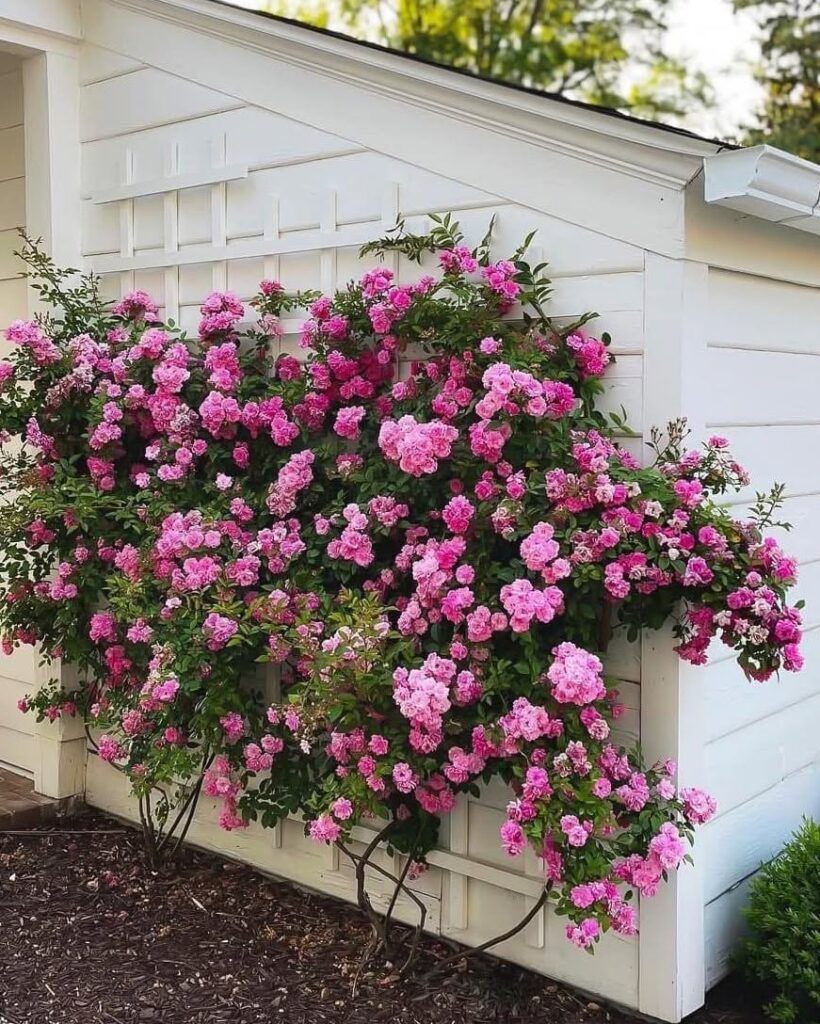
Texas A&M horticulturist William Welch, who had taken cuttings before the storm, later propagated and named the rose in Martin’s honor, using proceeds from its sale to help restore historic gardens across the Gulf South. That fundraising effort is part of why the rose spread so widely, and so quickly, through Southern gardens.
I think that backstory is worth knowing, because it explains why people fall in love with this plant before they’ve even seen it bloom. But a rose with a legend attached still needs real, practical care, and that’s what this guide focuses on.
ALSO READ: 25 Stunning Types of Roses (Bushes Identification, With Pictures)
This guide walks through the 10 problems gardeners run into most with this rose, along with clear, practical fixes. Let’s get started.
1. Poor Drainage And Root Stress
It sounds almost contradictory given the plant’s flood-survival story, but standing water is genuinely bad news for this rose in everyday garden conditions.
Why it happens: The Katrina flooding was a rare, short-lived survival event, not a normal growing condition. Under typical garden care, roses in general suffer in soils that stay consistently wet, since roots need oxygen just as much as moisture.
The fix: Plant Peggy Martin in well-drained soil, amended with compost or organic matter if your yard tends toward heavy clay. In flood-prone areas, consider planting in a raised bed to keep the root zone from sitting in saturated ground during heavy rain.
If you’re gardening in the heavy clay common across much of the Gulf South, gypsum can help break up compaction alongside organic matter. Working both into the planting hole before you ever set the rose in the ground saves considerable trouble later, since correcting drainage around an established root system is far harder than getting it right from the start.
Drip irrigation at the base of the plant, rather than overhead sprinklers, offers a second benefit here too. It limits how wet the foliage gets while still delivering water efficiently to the root zone where it’s actually needed.
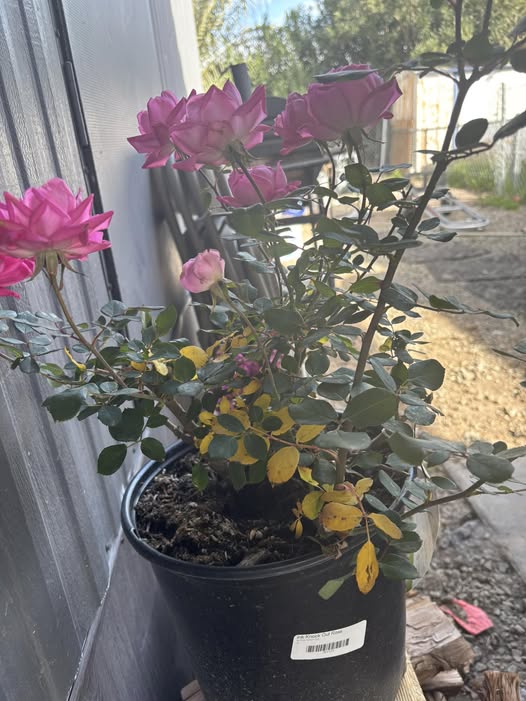
2. Chlorosis (Yellow Leaves With Green Veins)
Leaves that turn pale yellow while the veins stay noticeably green point to iron chlorosis rather than a watering mistake or pest problem.
Why it happens: This deficiency symptom typically shows up when soil pH runs too high for the plant to properly absorb iron from the ground, even when iron is technically present in the soil.
The fix: Peggy Martin prefers slightly acidic soil, ideally with a pH between 5.5 and 6.5. Test your soil pH and amend with sulfur or an acidifying fertilizer if readings run alkaline. A chelated iron supplement can offer a faster, temporary green-up while the underlying pH issue is corrected.
3. Sparse Or Missing Blooms
A Peggy Martin that grows vigorously but produces few flowers is one of the more frustrating problems gardeners report, especially since this rose is prized for its dramatic spring flush.
Common causes:
- Insufficient sunlight, since this rose needs at least six hours of direct sun daily for best bloom production
- Pruning at the wrong time of year, removing the previous season’s flowering wood
- A young plant still establishing its root system
The fix: Relocate or prune back nearby trees and shrubs shading the plant if possible. Time any hard pruning for right after the spring bloom rather than late winter, since climbers set their best flowers on the previous year’s canes. Patience helps too — old-garden wisdom holds that climbers “sleep” their first year, “creep” their second, and “leap” by the third.
Fertilizing at the right time also matters more than most gardeners expect. A complete or rose-specific fertilizer applied in spring, and again in fall, supports the kind of vigorous cane growth that eventually translates into a fuller bloom the following year.
If a mature, established plant that used to bloom well suddenly produces far fewer flowers, consider whether nearby trees have grown enough over the years to cast new shade that wasn’t there when the rose was first planted.
4. Unruly, Overgrown Canes
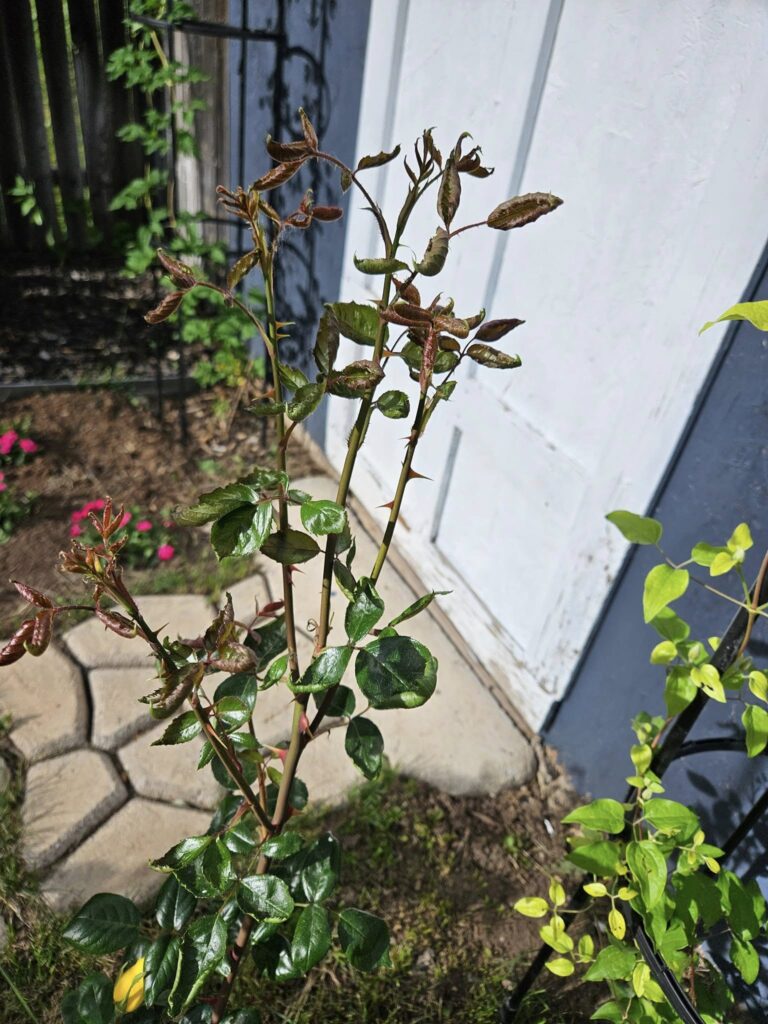
Left unmanaged, this rose lives up to its vigorous reputation fast, easily reaching 15 feet or more in height and sprawling well beyond its intended footprint.
Why it happens: Peggy Martin is a rambling climber by nature, and without a clear structure to train it onto, or a regular pruning routine, it will happily take over a fence line, shed, or entire section of yard.
The fix: Provide a sturdy trellis, arbor, or fence from the start, and begin training canes while they’re still young and flexible. Prune for shape and to remove dead or crossing canes in late winter, once the risk of hard freezes has passed, or immediately after the spring bloom finishes.
Training canes horizontally, rather than letting them shoot straight up, actually encourages more blooms along their length. This happens because horizontal canes trigger more lateral flowering shoots than vertical ones, a trick professional rose growers rely on for climbers of all kinds.
Whatever structure you choose, build it stronger than seems necessary at first. A mature Peggy Martin carries real weight once its canes fill out, and a flimsy trellis will struggle under a few years of vigorous growth.
ALSO READ: Rose Bush Summer Pruning: Tips for More Blooms All Season
5. Aphids On New Growth
Small, soft-bodied insects clustering on tender new shoots and flower buds, often alongside a sticky residue, are a classic aphid infestation.
Why it happens: Aphids are drawn to the softest, most nutrient-rich tissue on the plant, which is exactly what fresh spring growth provides in abundance.
The fix: A strong blast of water from the hose knocks most aphids off without any chemicals needed. For persistent populations, insecticidal soap works well, and encouraging natural predators like ladybugs in the garden helps keep numbers down long-term.
6. Spider Mites In Hot, Dry Weather
Fine, barely visible webbing on leaves and stems, paired with small yellow or white speckling on the foliage, signals a spider mite infestation rather than nutrient stress.
Why it happens: Spider mites thrive under hot, droughty, dusty conditions, and populations often spike further when nitrogen fertilizer or pesticides are overused, since these reduce the natural predators that would otherwise keep mites in check.
The fix: Rinse foliage thoroughly with a strong water spray to physically dislodge mites, focusing on the undersides of leaves where they concentrate. Avoid excessive nitrogen fertilization, and reserve pesticide use for confirmed, serious infestations rather than routine spraying.
7. Japanese Beetles On Flowers
Shiny, metallic green beetles with copper-colored wing covers and small white tufts along their sides feeding on flowers and foliage are unmistakably Japanese beetles.
Why it’s tricky: These beetles favor flowers and buds specifically, and soil-applied systemic treatments won’t stop adult beetles from damaging blooms once they’ve already arrived on the plant.
The fix: Handpick beetles in the early morning when they’re most sluggish, dropping them into a container of soapy water. Avoid beetle traps near the rose itself, since traps can actually draw more beetles into the area than they remove.
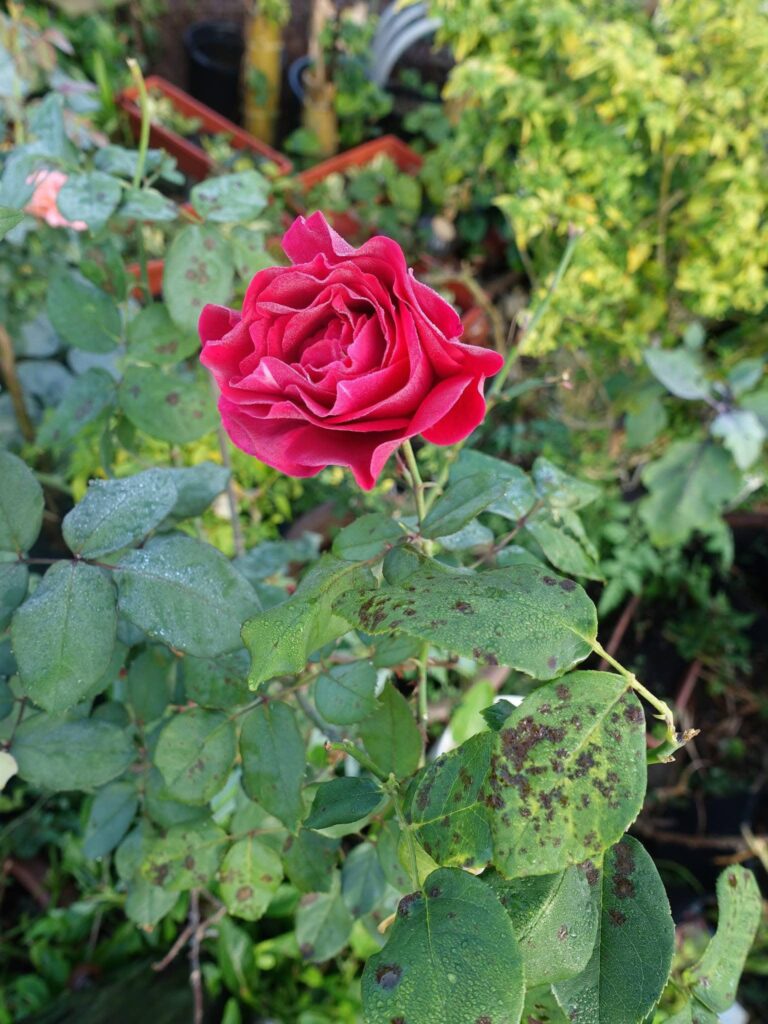
8. Black Spot (Rare, But Possible)
Dark, roughly circular lesions with feathery edges on the leaves, usually starting low on the plant and spreading upward, indicate black spot fungus.
Why it’s uncommon here: Peggy Martin carries strong natural resistance compared to many rose varieties, and this disease shows up far less often on it than on classic hybrid teas. When it does appear, it’s typically linked to prolonged leaf wetness or crowded, poorly ventilated planting.
The fix: Water at the base of the plant rather than overhead, ideally in the morning so any splashed foliage dries quickly. Improve air circulation by spacing plants adequately and pruning out dense interior growth, and remove and discard infected leaves rather than composting them.
ALSO READ: Black Spots on Roses: What’s Really Causing Them
9. Winter Cane Dieback
Blackened, mushy, or brittle canes appearing after a hard freeze point to cold damage rather than disease, particularly in the northern edge of this rose’s growing range.
Why it happens: While Peggy Martin is hardy across a wide range, reportedly tolerating temperatures well below freezing, sudden or unusually severe cold snaps can still damage exposed canes, especially on younger, less-established plants.
The fix: Wait until new growth appears in spring before pruning out winter damage, since it’s often difficult to tell dead wood from dormant wood too early in the season. Cut back to healthy, green tissue just above a strong bud, and consider light winter protection for young plants in colder zones.
10. Transplant Shock After Planting
A newly planted Peggy Martin that looks wilted, stalled, or generally unhappy for the first few weeks is usually experiencing ordinary transplant stress rather than a deeper problem.
Why it happens: Roots disturbed during planting take time to reestablish contact with surrounding soil, and until they do, the plant struggles to take up water efficiently even when the soil itself is adequately moist.
The fix: Water generously and consistently through the first several weeks after planting, since roots are under real stress during this period. A root stimulator product can offer helpful insurance during establishment, and resist the urge to fertilize heavily until the plant shows clear signs of active new growth.
A Word On What Makes This Rose Different
Unlike most roses, Peggy Martin is considered semi-thornless, though the backs of its leaves carry small prickles, so gloves are still worth wearing during pruning and maintenance sessions.
It’s also worth noting that this rose blooms primarily once in spring, though established, mature plants often produce a smaller repeat flush in fall. Don’t mistake this pattern for a problem — it’s simply how the plant is built to grow, quite different from the continuously blooming modern shrub roses many gardeners are used to.
Quick Symptom-To-Solution Chart
| Symptom | Likely Cause | Quick Fix |
| Yellow leaves, wet soil | Poor drainage | Improve drainage, raised bed |
| Yellow leaves, green veins | Iron chlorosis | Test pH, apply iron/sulfur |
| Few or no blooms | Shade or bad pruning timing | More sun, prune after bloom |
| Sprawling, unmanaged growth | Lack of support/training | Add trellis, prune yearly |
| Clustered soft insects | Aphids | Water spray + insecticidal soap |
| Fine webbing, speckled leaves | Spider mites | Rinse foliage, reduce nitrogen |
| Chewed flowers, metallic beetles | Japanese beetles | Handpick in early morning |
| Dark spots with feathery edges | Black spot | Water at base, improve airflow |
| Blackened canes after freeze | Winter dieback | Wait for spring, prune to green wood |
| Wilted after planting | Transplant shock | Water generously, be patient |
Frequently Asked Questions
How long does it take a Peggy Martin rose to bloom after planting?
Expect a modest first-year showing at best, since climbing roses generally need time to establish a strong root system before flowering heavily. Many gardeners follow the old saying that roses “sleep” the first year, “creep” the second, and “leap” by the third, with Peggy Martin often following a similar pattern.
Why are my Peggy Martin’s first blooms white instead of pink?
This is completely normal and nothing to worry about. Young plants sometimes produce pale or nearly white blooms in their early flowering cycles, with the true, richer pink shades developing more fully as the plant matures over subsequent seasons.
Does Peggy Martin need a support structure to grow well?
Yes, in almost all cases. This rose is a rambling climber rather than a self-supporting shrub, and without a fence, trellis, or arbor to grow on, it tends to sprawl loosely across the ground instead of climbing upward as intended.
Can Peggy Martin roses grow in containers?
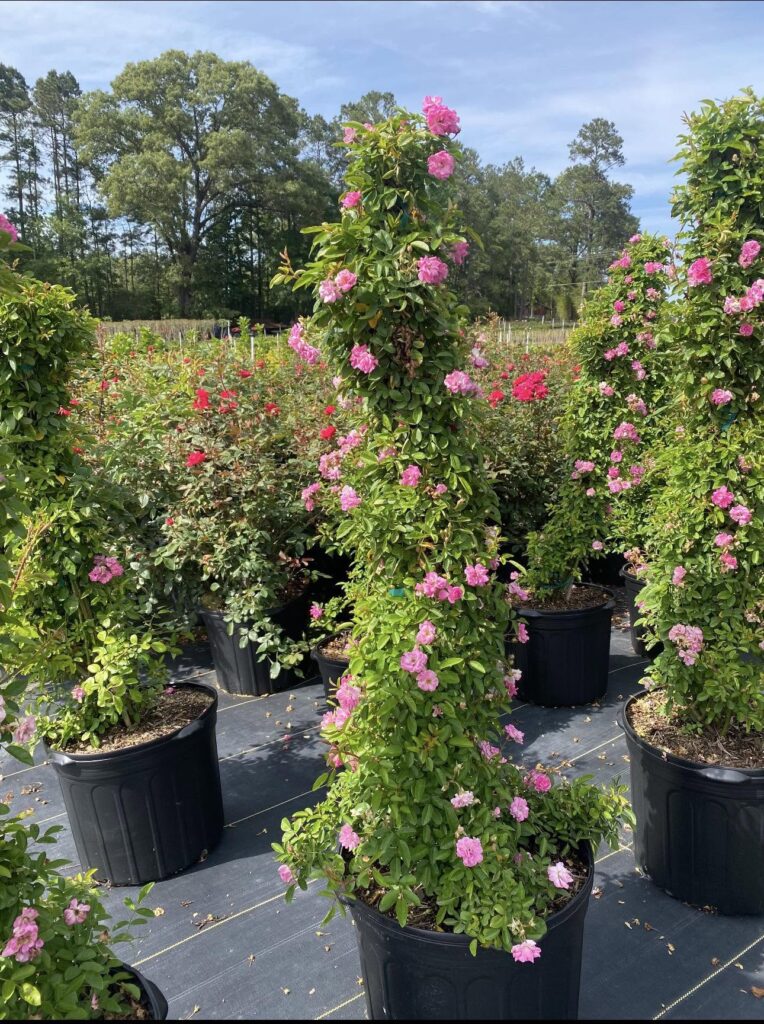
They can, though it takes more attention than growing them in the ground. Given their vigorous size and spreading habit, container-grown plants need larger pots, more frequent watering, and regular pruning to keep them from quickly outgrowing their space.
Is Peggy Martin actually thornless?
Not entirely, though it’s often described that way. The canes themselves are largely smooth, earning the semi-thornless reputation, but the undersides of the leaves carry small prickles, so gloves are still a good idea during pruning and handling.
Final Thoughts
Despite its dramatic survival story, Peggy Martin doesn’t ask for much once it’s established. Nearly every problem covered here traces back to drainage, sunlight, or one of a handful of common rose pests — nothing this hardy survivor can’t handle with a little help.
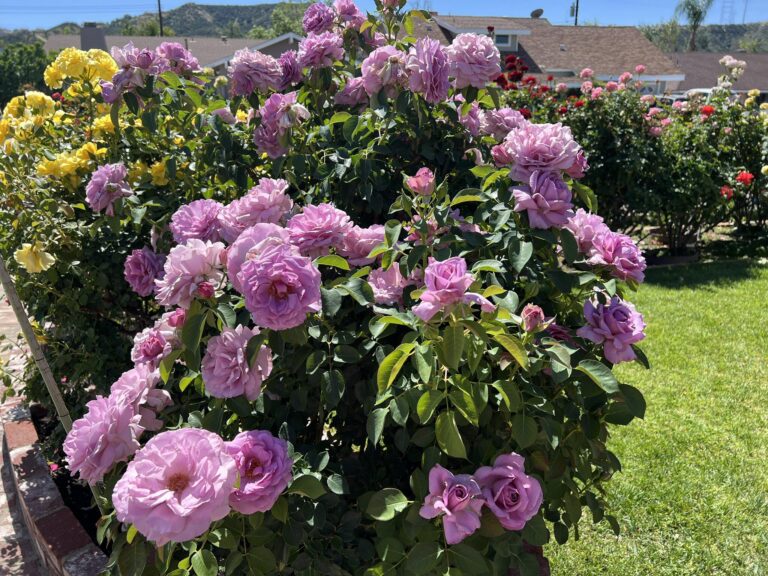
Give it full sun, well-drained soil, and a sturdy structure to climb, and this rose will reward you with the same prolific pink blooms that turned it into a symbol of resilience across the Gulf South. Few plants carry a better story, and fewer still are this forgiving to grow.
I’ll admit there’s something genuinely moving about growing a plant with this history in your own yard. Every spring flush of pink blooms carries a small reminder that even after real devastation, something beautiful can still take root and thrive.
References
- Mississippi State University Extension Service — Try Different Rose Growing Methods
- University of Maryland Extension — Rose: Identify and Manage Problems
- Clemson Cooperative Extension, Home & Garden Information Center — Rose Diseases
- Clemson Cooperative Extension, Home & Garden Information Center — Rose Insects & Related Pests
- Texas A&M AgriLife Extension, Aggie Horticulture — Follow Proper Pruning Techniques
- NC State Extension Publications — Pests of Rose
- University of Illinois Extension — Managing Diseases and Pests: Roses

Tim M Dave is a gardening expert with a passion for houseplants, particularly cacti and succulents. With a degree in plant biology from the University of California, Berkeley, he has vast experience in gardening. Over the years, he has cultivated a vast collection of desert plants and learned a great deal about how to grow and care for these unique companions.