15 Fragrant Shrubs and Bushes That Will Fill Your Garden With Scent
There’s something magical about walking outside and being greeted by a wave of sweet perfume before you even see the plant responsible. Fragrance adds a whole new dimension to a garden, one that photos and even videos can never capture.
I’ve planted a few scented shrubs over the years, and I can tell you, the moment that first bloom opens and the air changes, it’s worth every bit of the wait.
If you want your garden to be an experience, not just a view, fragrant shrubs are the way to go. In this guide, I’ll cover 15 of the best fragrant shrubs and bushes for your yard. Each one brings something different, whether it’s a light citrus scent, a heavy sweet perfume, or a spicy note that lingers in the evening air.
Why Fragrant Shrubs Deserve a Spot in Your Garden
Scent creates memory. Smell is tied closely to memory and emotion. A fragrant shrub near your front door or patio can turn an ordinary day into something special.
They attract pollinators. Many fragrant flowers are designed to lure bees, butterflies, and even moths. According to the Xerces Society, fragrant native plants play an important role in supporting pollinator populations in home gardens.
Fragrance extends beyond bloom time. Some shrubs, like certain viburnums, have fragrant foliage too. Brush against the leaves, and you get a burst of scent even when it’s not flowering season.
They add a sensory layer to landscaping. Visual design is important, but fragrance makes a garden feel complete. It’s the difference between admiring a space and actually wanting to spend time in it.
Best Fragrant Shrubs and Bushes
Now let’s get into the list.
1. Lilac (Syringa vulgaris)
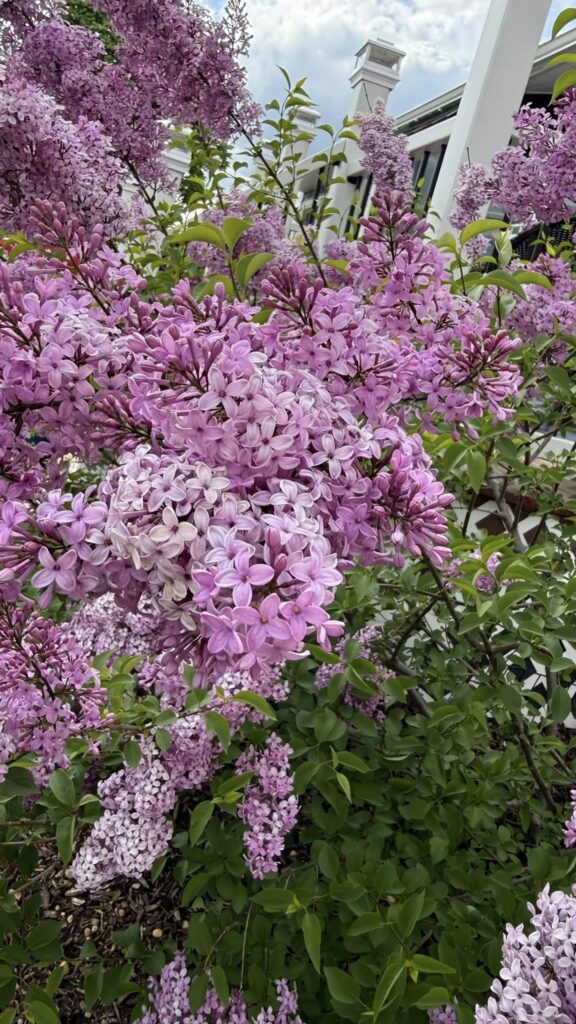
Lilac is probably the first shrub that comes to mind when people think of fragrant gardens. Its purple, pink, or white blooms appear in spring and release a rich, sweet scent that can carry across an entire yard.
Lilacs grow best in full sun and well-drained soil. They’re hardy in USDA zones 3 through 7, which makes them a solid choice for colder climates. I remember my grandmother’s lilac bush by the kitchen window, and honestly, the smell still takes me right back there.
2. Mock Orange (Philadelphus coronarius)
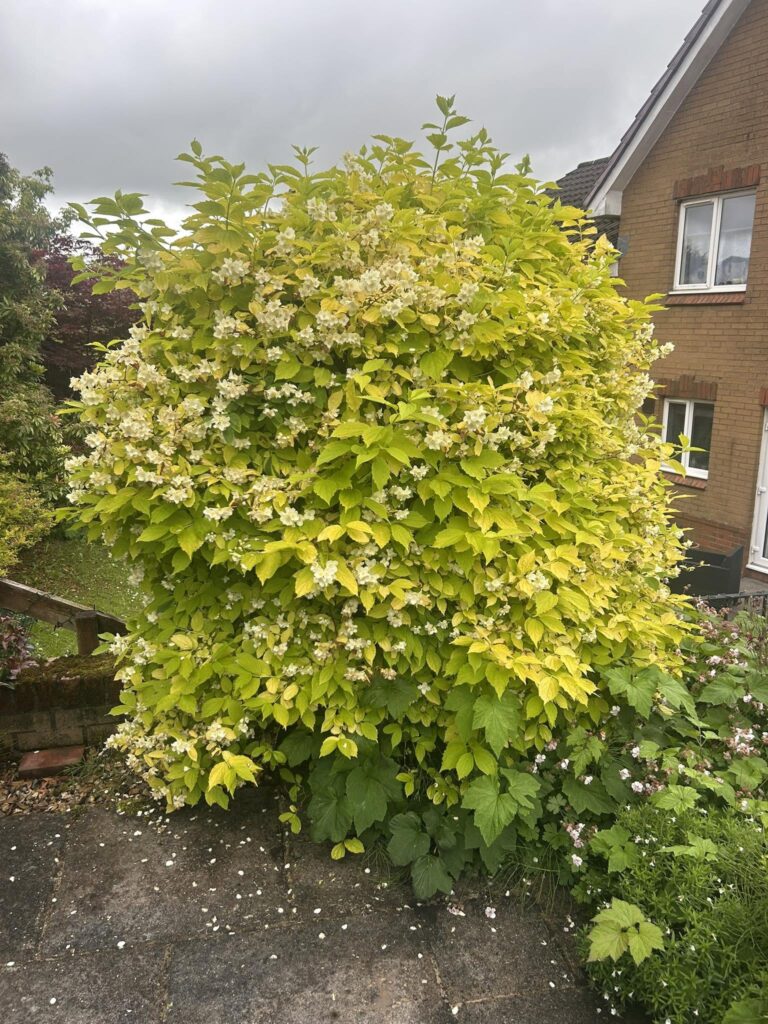
Mock orange gets its name from its citrus-like fragrance, which resembles orange blossoms. The white flowers bloom in late spring and cover the shrub in clusters.
This shrub thrives in zones 4 through 8. It prefers full sun to partial shade and isn’t too fussy about soil type, which makes it forgiving for beginner gardeners.
3. Korean Spice Viburnum (Viburnum carlesii)
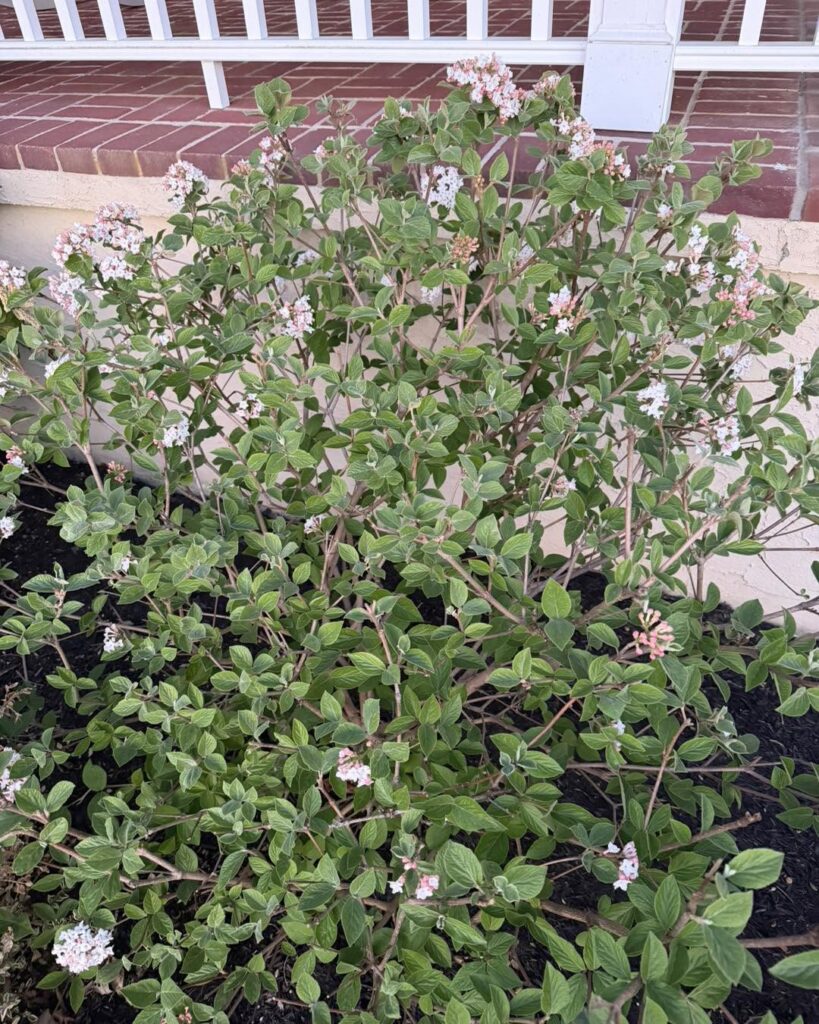
Korean spice viburnum produces clusters of pink buds that open into white flowers with a spicy, sweet scent. Some describe it as similar to cloves with a hint of vanilla.
It grows in zones 4 through 8 and prefers full sun to partial shade. According to Oregon State University’s Landscape Plants database, this shrub is valued for its strong spring fragrance and attractive fall foliage color.
4. Daphne (Daphne odora)
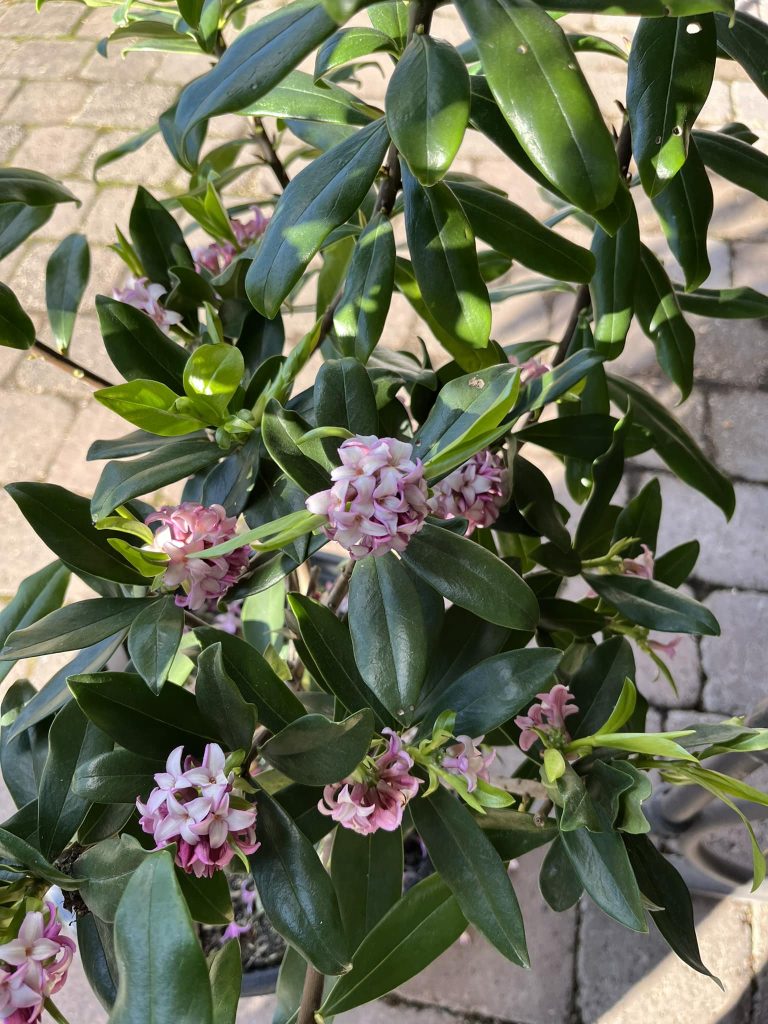
Daphne is small but mighty when it comes to scent. Its winter blooms release a powerful, sweet fragrance that can fill an entire garden, even in cold weather.
This shrub does best in zones 7 through 9. It prefers partial shade and well-drained, slightly acidic soil. Just be careful where you plant it, because daphne doesn’t like being moved once it’s settled in.
5. Sweet Box (Sarcococca hookeriana)
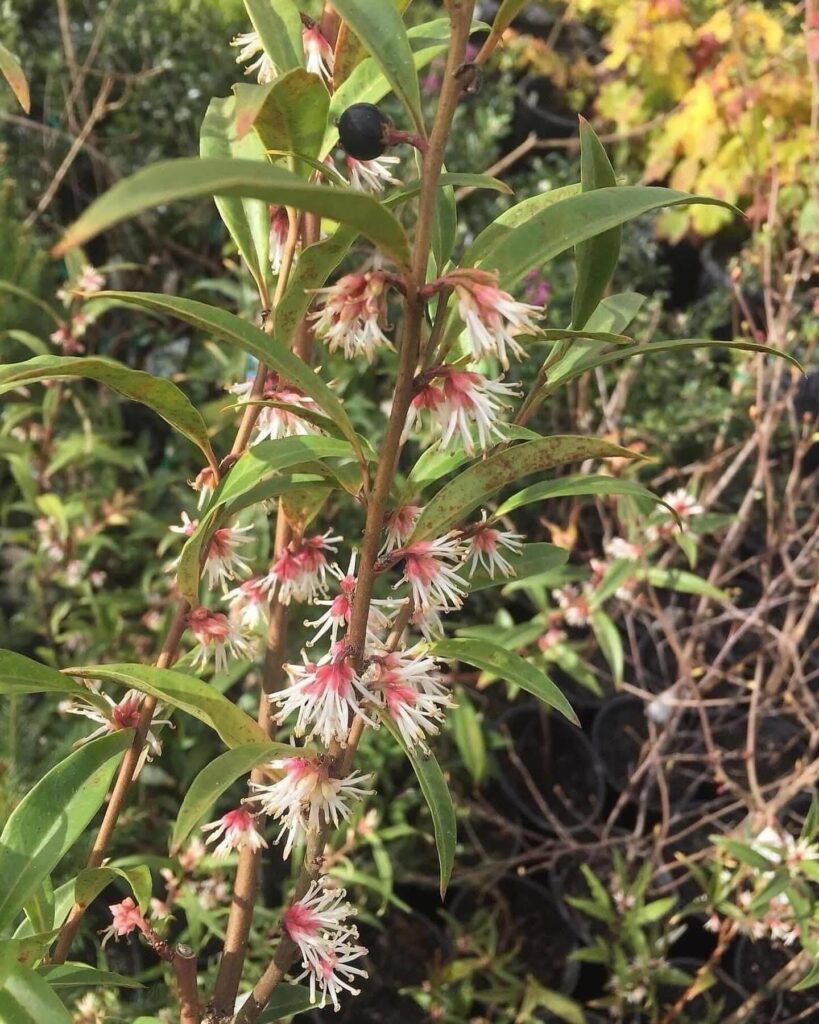
Sweet box is a shade-loving evergreen with tiny, inconspicuous white flowers that bloom in late winter. Don’t let the small size fool you. The fragrance is intense and sweet, almost like vanilla with a hint of jasmine.
It grows well in zones 6 through 8 and tolerates deep shade better than most fragrant shrubs. This makes it perfect for those tricky spots under trees or along north-facing walls.
6. Gardenia (Gardenia jasminoides)
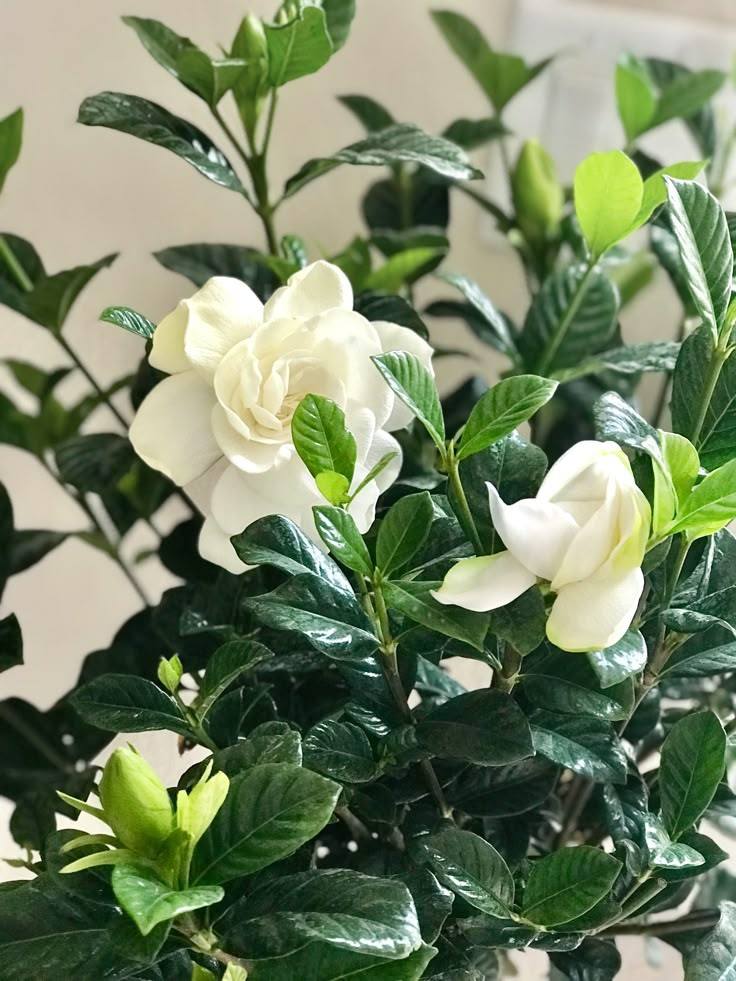
Gardenia is the gold standard for tropical fragrance. Its creamy white flowers have a heavy, sweet scent that many people associate with luxury and elegance.
Gardenias are hardy in zones 8 through 11, though some cold hardy varieties like ‘Frost Proof’ can handle zone 7 with protection. They need acidic soil, consistent moisture, and partial shade in hot climates.
7. Sweetshrub (Calycanthus floridus)
Also called Carolina allspice, sweetshrub has unusual maroon flowers with a fruity, spicy fragrance. Some say it smells like strawberries, others say bananas. Either way, it’s a conversation starter.
This native shrub grows in zones 4 through 9. It tolerates both sun and shade, and it’s a great choice if you want something a little different from the usual fragrant favorites.
8. Winter Honeysuckle (Lonicera fragrantissima)
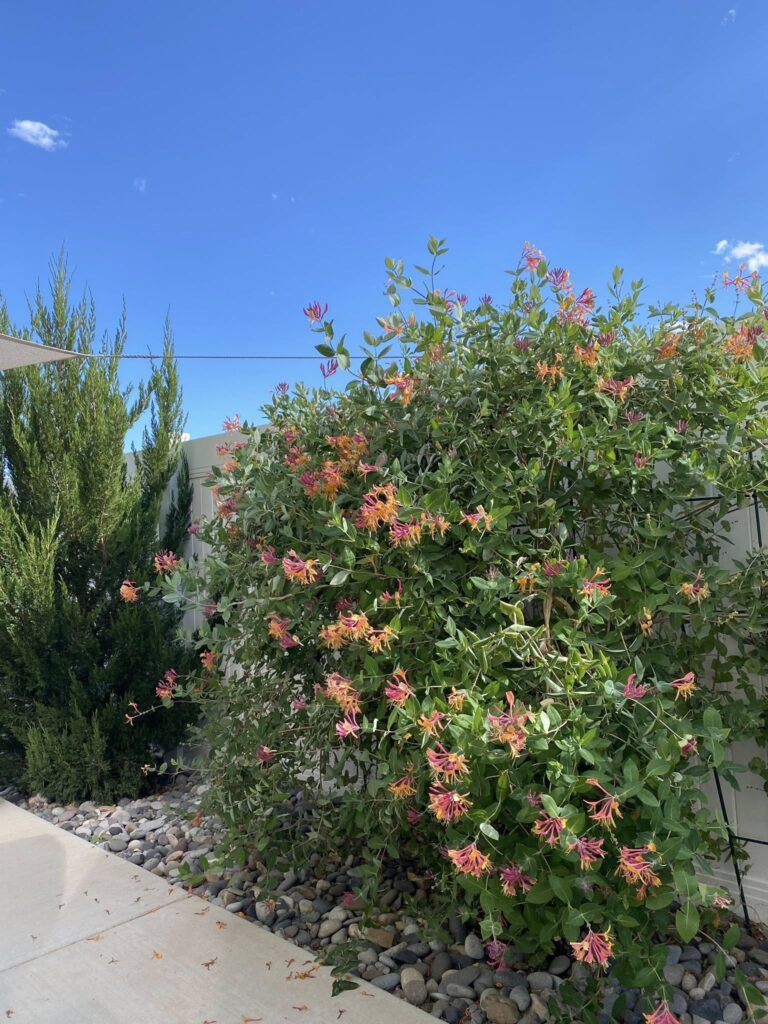
Winter honeysuckle blooms surprisingly early, sometimes as early as late winter, with small creamy white flowers that smell like lemon and honeysuckle combined.
It’s hardy in zones 4 through 8. This shrub is fast-growing and adaptable, though it can become a bit unruly without regular pruning.
9. Summersweet (Clethra alnifolia)
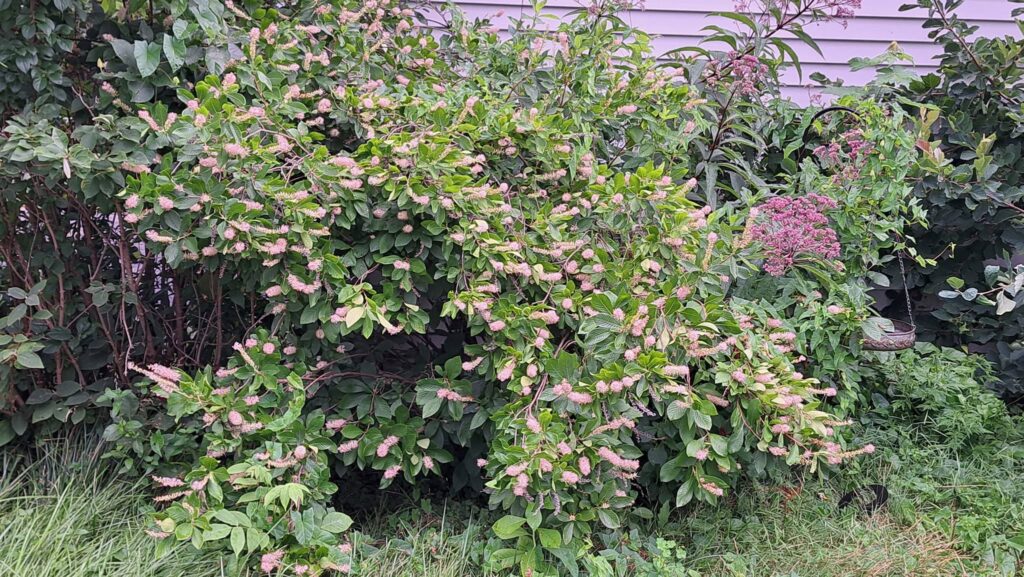
Summersweet, also known as sweet pepperbush, produces spiky white or pink flower clusters in mid to late summer. The fragrance is sweet and spicy, and it tends to attract a steady stream of bees and butterflies.
This native shrub grows in zones 3 through 9 and tolerates wet soil, making it a great option for low-lying or poorly drained areas of your yard.
10. Rose (Rosa species)
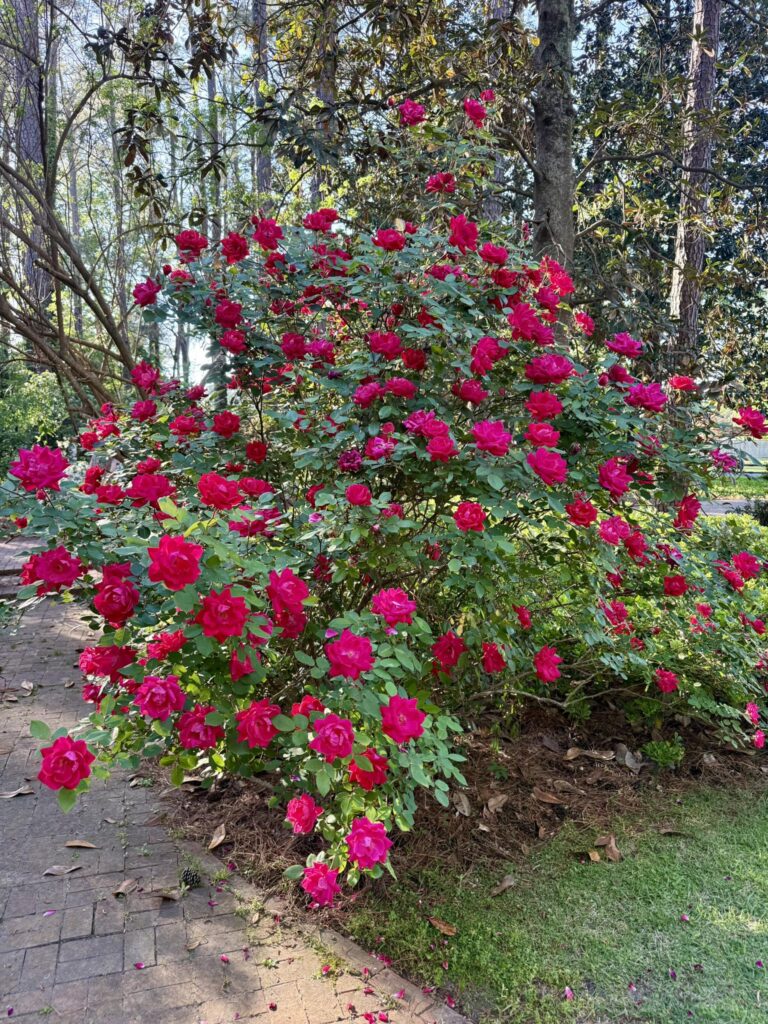
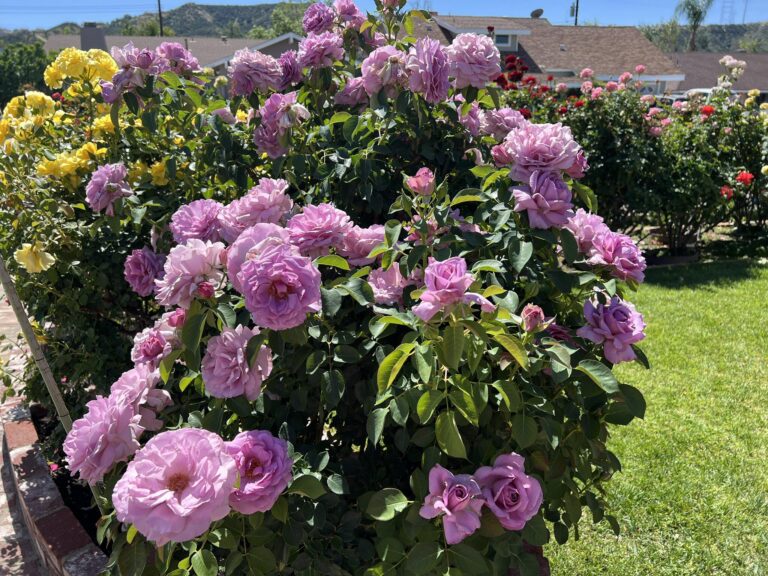
While not technically a “bush” in the strict sense for every variety, many old garden roses and shrub roses produce some of the most beloved fragrances in the plant world. Think classic damask or tea rose scents.
Roses vary widely in hardiness, but many shrub roses do well in zones 4 through 9. According to the Missouri Botanical Garden, fragrance varies significantly between rose varieties, so it’s worth checking specific cultivar descriptions before buying.
11. Butterfly Bush (Buddleja davidii)
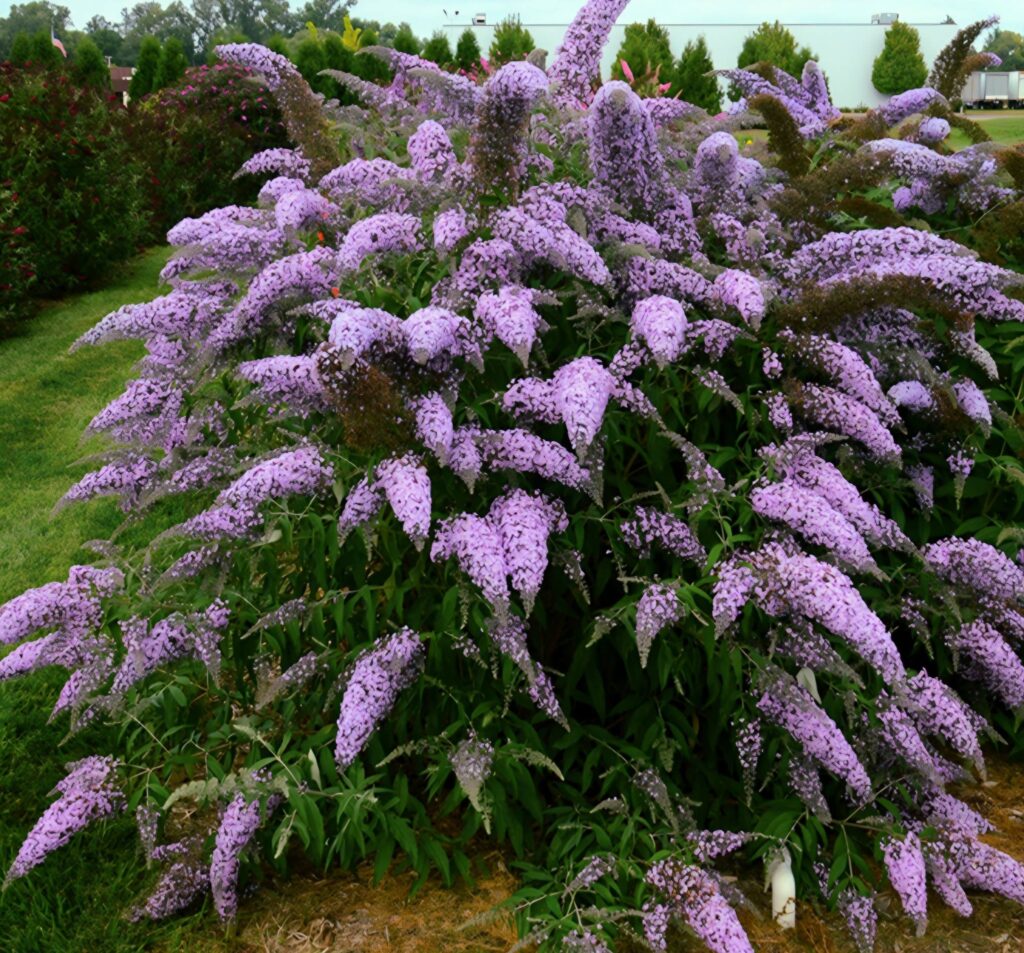
Butterfly bush produces long, cone-shaped flower clusters in shades of purple, pink, or white, with a sweet honey-like fragrance. As the name suggests, it’s a magnet for butterflies and other pollinators.
It grows in zones 5 through 9 and prefers full sun. Just a heads up, in some regions it’s considered invasive, so check your local guidelines before planting.
12. Sweet Pepperbush’s Cousin: Fothergilla (Fothergilla gardenii)
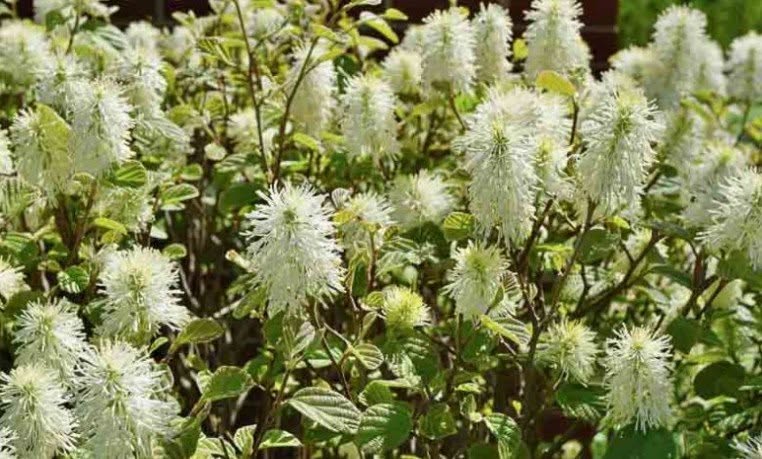
Fothergilla produces unique bottlebrush-shaped flowers with a honey-like scent in spring. Its fall foliage color is also stunning, ranging from yellow to orange to red.
This native shrub grows in zones 5 through 8. It prefers acidic, well-drained soil and does well in partial shade.
13. Witch Hazel (Hamamelis virginiana)
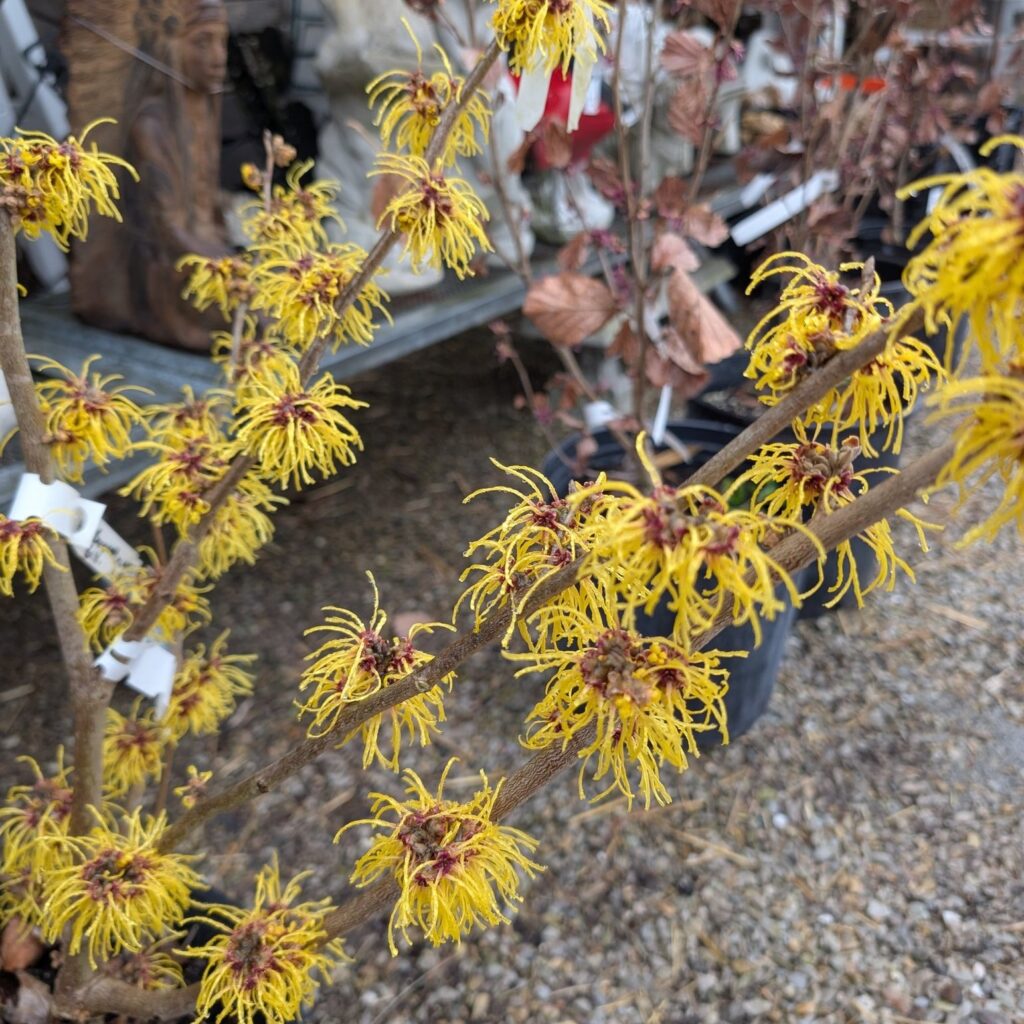
Witch hazel is one of the few shrubs that blooms in late fall or even winter, with spidery yellow flowers that release a spicy, sweet fragrance. It’s a great way to extend the fragrant season into the colder months.
It’s hardy in zones 3 through 8. According to the U.S. Forest Service, witch hazel is native to eastern North America and has long been valued both for its ornamental qualities and traditional uses.
14. Lavender (Lavandula angustifolia)
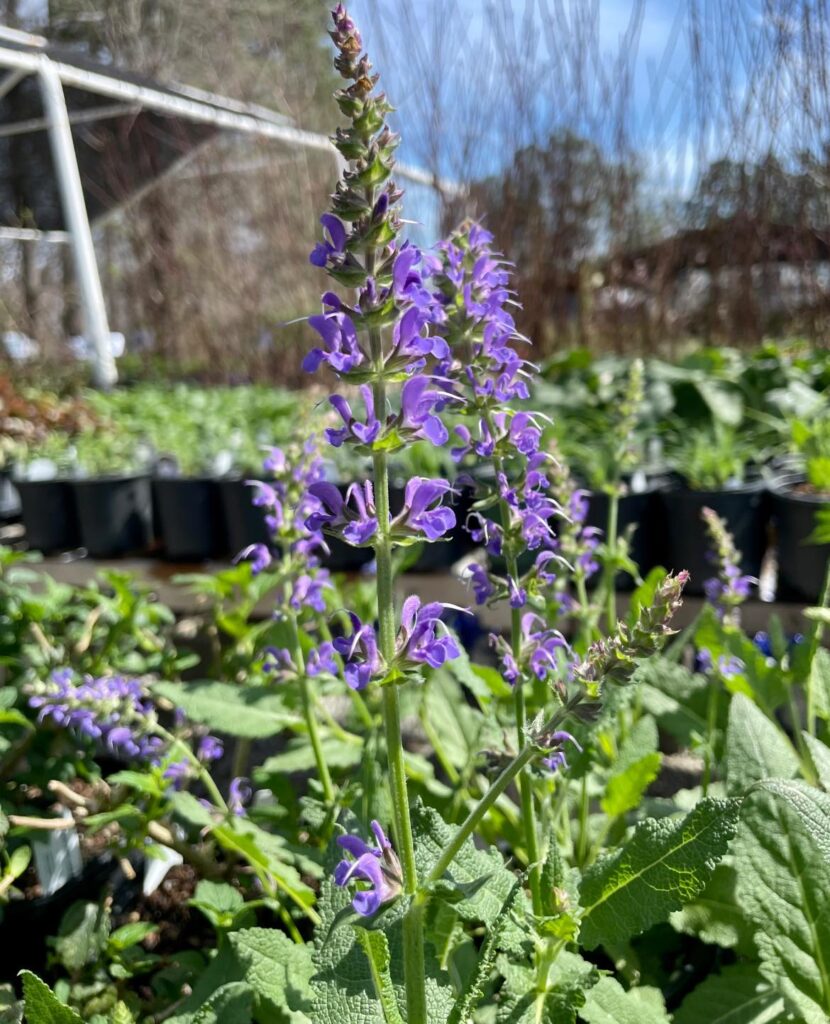
Lavender might be more commonly thought of as an herb, but it’s technically a small woody shrub. Its silvery foliage and purple flower spikes release that unmistakable calming scent that’s used in everything from soaps to teas.
Lavender grows best in zones 5 through 9, in full sun with well-drained, slightly alkaline soil. I find that even brushing past lavender while walking through the garden releases enough fragrance to brighten the whole afternoon.
15. Sweet Azalea (Rhododendron arborescens)
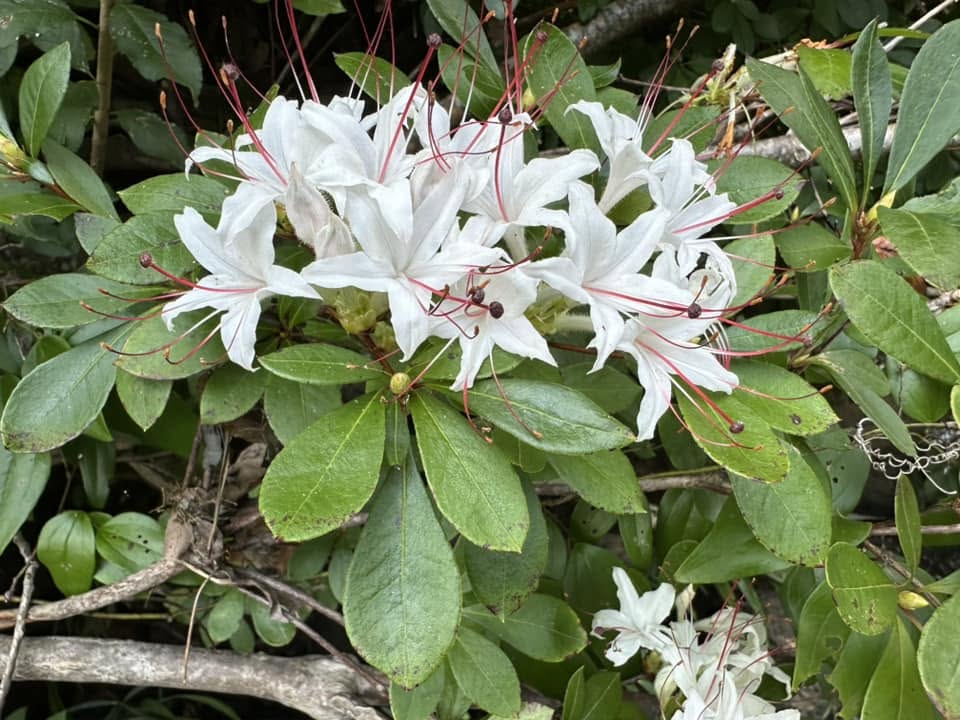
Sweet azalea is a native deciduous shrub with white or pink flowers that release a sweet, almost spicy fragrance in early summer. It’s less common than other azaleas, but the scent makes it worth seeking out.
This shrub grows in zones 4 through 7. It prefers moist, acidic soil and partial shade, often thriving along woodland edges or near water features.
Quick Summary Table
| Shrub Name | Bloom Time | Fragrance Type | USDA Zones |
| Lilac | Spring | Sweet, rich | 3-7 |
| Mock Orange | Late spring | Citrus, orange blossom | 4-8 |
| Korean Spice Viburnum | Spring | Spicy, sweet | 4-8 |
| Daphne | Winter | Sweet, powerful | 7-9 |
| Sweet Box | Late winter | Sweet, vanilla-like | 6-8 |
| Gardenia | Summer | Heavy, sweet | 7-11 |
| Sweetshrub | Spring to summer | Fruity, spicy | 4-9 |
| Winter Honeysuckle | Late winter | Lemon, honeysuckle | 4-8 |
| Summersweet | Mid-late summer | Sweet, spicy | 3-9 |
| Rose (shrub varieties) | Spring to fall | Varies (sweet, tea-like) | 4-9 |
| Butterfly Bush | Summer to fall | Honey-like | 5-9 |
| Fothergilla | Spring | Honey-like | 5-8 |
| Witch Hazel | Fall to winter | Spicy, sweet | 3-8 |
| Lavender | Summer | Calming, herbal | 5-9 |
| Sweet Azalea | Early summer | Sweet, spicy | 4-7 |
Tips for Growing Fragrant Shrubs Successfully
Plant near pathways and seating areas. Fragrance is best enjoyed up close. Place scented shrubs near doorways, patios, or walkways where you’ll naturally brush past them.
Pay attention to bloom timing. By choosing shrubs that bloom at different times of the year, you can have fragrance in your garden across multiple seasons, not just spring.
Don’t overcrowd strong scents. Some fragrances, like gardenia or daphne, are powerful on their own. Mixing too many strong scents together in one area can become overwhelming rather than pleasant.
Prune at the right time. Many spring-blooming shrubs, like lilac and mock orange, set their buds the previous year. Pruning right after flowering, rather than in fall or winter, helps preserve next year’s blooms.
Consider soil and sun requirements carefully. Fragrance production is often tied to how happy a plant is in its environment. A stressed shrub in poor conditions usually produces fewer, weaker-scented blooms.
Final Thoughts
Adding fragrant shrubs to your garden is one of those upgrades that’s easy to overlook but makes a huge difference once it’s there. I always think of fragrance as the finishing touch, the thing that turns a nice-looking garden into a place people actually want to linger in.
Whether you go for the classic sweetness of lilac, the spicy notes of Korean spice viburnum, or the surprising winter perfume of sweet box, each of these shrubs brings its own personality to the table.
Mix a few together, plan for different bloom times, and place them where you’ll actually notice them. Your garden will thank you, and so will your nose.
References
- Xerces Society – Pollinator Conservation Resources: https://xerces.org/pollinator-conservation
- Oregon State University – Landscape Plants Database (Viburnum carlesii): https://landscapeplants.oregonstate.edu/
- Missouri Botanical Garden – Plant Finder: https://www.missouribotanicalgarden.org/PlantFinder/PlantFinderDetails.aspx?taxonid=275510
- U.S. Forest Service – Hamamelis virginiana (Witch Hazel): https://www.fs.usda.gov/
- USDA Plant Hardiness Zone Map: https://planthardiness.ars.usda.gov/
- North Carolina State University Extension – Plant Toolbox: https://plants.ces.ncsu.edu/
- University of Minnesota Extension – Growing Shrubs in the Home Landscape: https://extension.umn.edu/trees-and-shrubs

Tim M Dave is a gardening expert with a passion for houseplants, particularly cacti and succulents. With a degree in plant biology from the University of California, Berkeley, he has vast experience in gardening. Over the years, he has cultivated a vast collection of desert plants and learned a great deal about how to grow and care for these unique companions.