10 Best Fertilizers for St. Augustine Grass (With Application Details)
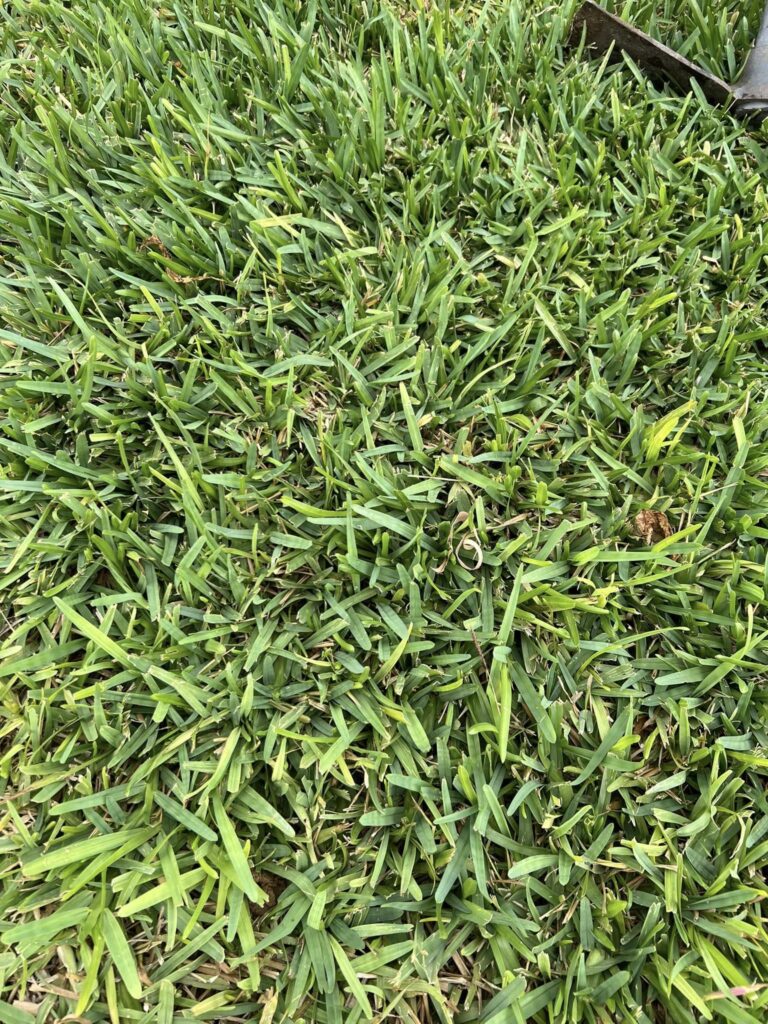
St. Augustine grass has a special look. The blades are wide, the color is deep green, and the lawn feels soft underfoot. When it is fed well, it can make a whole yard look rich and full.
But I have also seen it go wrong. A lawn that gets too little food turns pale and thin. A lawn that gets too much grows thatch, attracts pests, and wastes money.
So the right fertilizer, in the right amount, is the key. In this guide, I explain the 10 best fertilizers for St. Augustine grass, covering timing, rates, and common mistakes.
What Makes St. Augustine Grass Different?
St. Augustine grass is a warm-season turfgrass. Texas A&M AgriLife Extension describes it as medium to dark green and coarse in texture. It grows in nearly all soil types and tolerates shade, heat, and salt.
It does have limits. The same Texas A&M source says it does not tolerate waterlogged soil or long periods of cold weather. That is important when you plan late-season feeding.
This grass is also well known across the world. Texas A&M notes that it grows in the United States, southern Mexico, South America, South Africa, western Africa, the Caribbean, Australia, and the South Pacific. In Florida, the University of Florida IFAS reports it is the most commonly used lawn grass.
It spreads by above-ground runners called stolons. Because it grows fast and wide, it needs steady nitrogen. Yet it is also sensitive, so careful feeding matters.
How Much Fertilizer Does St. Augustine Grass Need?
Here are the numbers that matter. Texas A&M AgriLife Extension gives a range of 3 to 5 pounds of nitrogen per 1,000 square feet per year for St. Augustine lawns. Lower end rates suit lower-maintenance lawns.
For each application, the same publication suggests about half to 1 pound of soluble nitrogen per 1,000 square feet every 8 weeks. If you use slow-release nitrogen, apply 1 to 1.5 pounds every 10 weeks.
The ideal NPK ratio is also clear. Texas A&M recommends a 3-1-2 ratio of nitrogen, phosphorus, and potassium. A bag labeled 15-5-10 fits this pattern well. So do 12-4-8 and 16-6-12, listed by a Texas A&M county extension guide.
One caution: more is not better. Texas A&M notes that thatch is likely to form on St. Augustine lawns that are heavily fertilized and watered. UF/IFAS makes the same point.
ALSO READ: Bermuda Grass vs St. Augustine Grass: Which Warm-Season Grass Is Right for Your Lawn?
How to Calculate the Right Amount
This easy method comes from Texas A&M. To find how much fertilizer gives 1 pound of nitrogen, divide 100 by the first number on the bag. For a 15-5-10 product, that is about 6.6 pounds per 1,000 square feet.
For a 5,000-square-foot lawn, multiply by five. You need about 33 pounds of 15-5-10 for one full-rate application. To apply 1.5 pounds of nitrogen instead, use 150 in place of 100.
The University of Guam also suggests using a fertilizer with a 3:1:2 nitrogen-phosphorus-potassium ratio for St. Augustine lawns. Guam is a tropical island, so its advice is a useful reference for warm climates.
Always measure your lawn first. Guessing the area is a common cause of over-feeding.
The 10 Best Fertilizers for St. Augustine Grass
Each option below suits a different goal. Read the details and match them to your lawn’s needs.
1. Slow-Release 3-1-2 Lawn Fertilizer (Best All-Rounder)
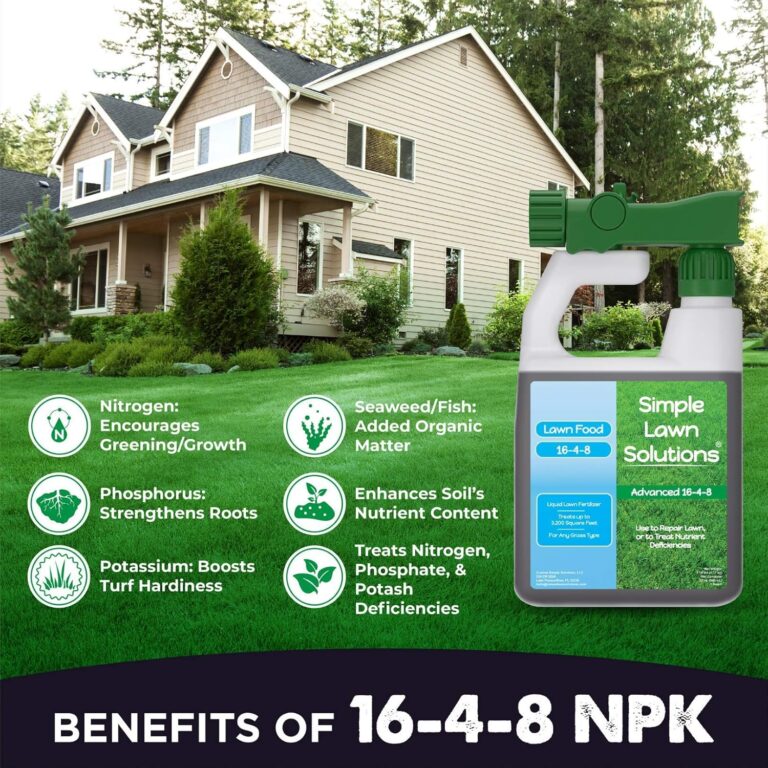
If you want one product that works for most lawns, choose this one. A slow-release fertilizer with a 3-1-2 ratio, such as 15-5-10 or 16-4-8, matches what Texas A&M recommends. It feeds the grass steadily and keeps color even.
I like this type because it is forgiving. Slow release lowers the risk of burning the lawn. It also means fewer trips with the spreader.
A county extension agent in East Texas advises choosing a product where at least 50 percent of the nitrogen is slow-release. The same guide suggests the first feeding about two weeks after spring green-up.
Spread it evenly with a calibrated spreader. Water lightly after you finish. This will move the granules into the soil and protect your lawn from burn.
2. Polymer-Coated, Controlled-Release Fertilizer (Best for Long-Lasting Feeding)
Controlled-release fertilizer comes in small granules with a coating. Water slowly passes through the shell, and nutrients are released over many weeks. That makes feeding very smooth.
This is a good choice on sandy soil, where regular nutrients wash away fast. St. Augustine grass often grows in such soil, especially near coasts. The coating helps hold nitrogen where the roots can reach it.
Texas A&M’s schedule for slow-release nitrogen is about every 10 weeks. A controlled-release product fits that pattern. You may be able to cover much of the summer with just a few applications.
The price per bag is higher. Still, many homeowners find the lower workload and steady green color worth the cost.
3. Sulfur-Coated Urea (Best Value Slow-Release Option)
Sulfur-coated urea is another type of slow-release fertilizer. Urea granules are covered with a layer of sulfur. As the coating breaks down, nitrogen is released gradually.
It costs less than polymer-coated products, so it is popular for larger lawns. It also adds a little sulfur, which can help in soil that lacks it.
The release rate depends on soil moisture and temperature. In warm, wet weather, it works faster. In cool, dry conditions, it slows down.
I suggest checking the label for the share of slow-release nitrogen. Mix it into a regular schedule and avoid heavy doses. As always, follow the rate for St. Augustine grass.
4. Ammonium Sulfate (21-0-0-24S) (Best for Alkaline Soil)
Ammonium sulfate contains 21 percent nitrogen and a high amount of sulfur. It also has a mild acidifying effect on soil. That is helpful where the soil pH is too high.
When the soil is too alkaline, St. Augustine grass often shows yellow leaves. The grass cannot take up iron and some other nutrients. Ammonium sulfate can help correct this slowly.
It works faster than most slow-release products. Because it is also strong, use the lowest label rate and water it in. Do not apply it when the grass is wilting from drought.
Do not use it on acidic soil without a test. A pH test will tell you whether the soil needs more acid, or whether it needs lime instead.
5. Urea (46-0-0) (Best Budget Nitrogen Source)
Urea is a simple, concentrated nitrogen source with 46 percent nitrogen. A little goes a long way, which is why it is a favorite for people on a budget. You can use the 100-divided-by-N formula to work out the amount.
Grass responds quickly. You may see deeper color within one to two weeks. For St. Augustine lawns that look pale after a wet spell, it is an effective fix.
The weak point is burn risk. Because urea is quick-release, a heavy dose can scorch the lawn. Texas A&M advises about half to 1 pound of soluble nitrogen per application, so keep within that range.
Water it in right after spreading. Avoid applying before heavy rain, because nitrogen can wash away. I use urea as a supplement and not as my only product.
6. Organic Granular Fertilizer (Best for a Natural Approach)
Organic lawn fertilizers use sources such as feather meal, poultry manure, or plant meals. They release nitrogen slowly as soil microbes break them down. Burn is very unlikely.
They also build soil health. Organic matter helps soil hold water and nutrients. Many families with children and pets choose them for peace of mind.
The trade-off is speed. Results show up more slowly, and the nitrogen percentage is lower. That means you may need more product to reach the right rate.
Still, the label is your guide. Work out the pounds of nitrogen the same way. A steady organic program through the warm months can grow a dense, healthy lawn.
7. Starter Fertilizer (Best for New Sod, Plugs, or Sprigs)
New St. Augustine grass needs to grow roots quickly. A starter fertilizer has more phosphorus, which supports early root growth. It is made for lawns that have just been planted.
St. Augustine grass is normally planted from sod, plugs, or sprigs. Texas A&M AgriLife notes that it is established vegetatively. The University of Guam says plugging can be sped up by fertilization, with about 1 pound of nitrogen per 1,000 square feet.
Use a starter product at planting or soon after, based on the label. A soil test is still the best guide for phosphorus. Many established lawns already have enough.
Once the lawn has filled in, switch to your normal 3-1-2 product. Starter fertilizer is not needed on a mature lawn, and extra phosphorus can harm nearby water.
8. Potassium-Rich Fertilizer (Best for Cold and Stress Tolerance)
Potassium helps grass handle stress. That includes heat, drought, foot traffic, and cold. Products with a high last number, like 0-0-50 or 10-0-20, supply it.
This matters for St. Augustine grass because Texas A&M says it does not tolerate extended cold weather. A little extra potassium in late summer or early fall may help the lawn prepare for cooler months.
I suggest using it only when a soil test shows a need. Extra potassium will not make the grass greener. It is also easy to waste.
Avoid heavy nitrogen late in the season. Soft, new growth can be hurt by the first cold snap. Keep fall feeding light.
9. Liquid Nitrogen and Iron (Best for a Quick Color Boost)
Sometimes you want fast green. Maybe you are hosting a party, or the lawn looks tired after a long dry spell. A liquid fertilizer with nitrogen and chelated iron can improve color within days.
Iron changes color without pushing a lot of new growth. That is why many gardeners like it in hot months, when heavy nitrogen is not wise. In my own practice, it is a good summer touch-up.
It is also useful in alkaline soil, where the grass may lack available iron. Liquids are absorbed through leaves and roots. Results are fast, but they do not last as long as granules.
Use liquids as a supplement between granular feedings. Follow the label closely. Do not spray in the heat of the day, because that can stain or burn leaves.
10. Compost and Grass Clippings (Best Natural Boost)
This option costs almost nothing. Grass clippings left on the lawn break down and return nutrients to the soil. The NC State Extension lawn guide notes that leaving clippings returns nutrients to your lawn.
A thin layer of compost works in a similar way. A Texas extension guide also suggests topdressing with compost or similar organic material after aeration where thatch is a problem.
These options will not fully replace a nitrogen program for a high-quality lawn. However, they reduce how much fertilizer you need to buy. They also improve soil structure over time.
Mow often so that clippings are short and dry. Texas A&M advises mowing St. Augustine at 2.5 to 3 inches, or 3 to 3.5 inches in shady lawns. Taller grass roots deeper and handles stress better.
ALSO READ: 10 Types Of Grass To Use Weed Stop For Lawns On (And 3 That Aren’t)
When to Fertilize St. Augustine Grass
Timing is as important as the product. A Texas extension agent suggests the first feeding about two weeks after green-up, usually mid-April to early May in East Texas. Do not feed grass that is still dormant.
After that, follow the Texas A&M intervals: about every 8 weeks for soluble nitrogen, or every 10 weeks for slow-release. Stop well before cold weather arrives.
NC State Extension’s guide says a typical lawn feeding is 1 pound of nitrogen per 1,000 square feet. It also advises reducing the nitrogen you apply if you leave clippings on the lawn.
If you live near the equator, such as in Nairobi, your lawn may grow for much of the year. I suggest starting at the beginning of the rainy season and then using the label interval. Your local extension office can give exact dates.
Sunlight also matters. Texas A&M AgriLife says St. Augustine grass needs four to six hours of sunlight to survive. No fertilizer can fix a lawn that sits in deep shade.
How to Apply Fertilizer Correctly
Good habits protect your lawn and the environment. Follow these steps:
- Test your soil for pH and nutrients.
- Measure your lawn in square feet.
- Calculate the product using the label.
- Spread evenly with a calibrated spreader.
- Water lightly after applying.
- Sweep granules off hard surfaces.
Texas A&M also suggests placing small cans on the lawn when watering. This helps you see how much water your system delivers. Even watering means even results.
Check the soil pH, too. Poor pH blocks nutrient uptake, no matter how much fertilizer you apply. Your county extension office can help with testing.
Common Mistakes to Avoid
The most common mistake is over-fertilizing. Too much nitrogen creates thatch, soft growth, and extra mowing. The University of Florida IFAS warns that thatch forms under high fertilization and irrigation regimes.
Another error is ignoring pests. UF/IFAS lists the southern chinch bug as the major insect pest of St. Augustine grass. A lawn that is lush and heavily fed can still suffer if pests are not watched.
Be careful with weed products, too. Texas A&M says St. Augustine grass is very sensitive and may be injured by certain products. Always check that a herbicide or “weed and feed” product is labeled safe for St. Augustine.
Finally, protect nearby water. The U.S. EPA advises people not to apply fertilizer before windy or rainy days and to avoid applying it near waterways. It also notes that over-fertilizing and overwatering are common home practices that carry nutrients away.
ALSO READ: 10 Best Weed Killers That Won’t Kill Grass: Safe Selective Herbicides for Lawn
Frequently Asked Questions
What is the best NPK ratio for St. Augustine grass?
A 3-1-2 ratio is recommended by Texas A&M AgriLife Extension. Fertilizers such as 15-5-10 or 12-4-8 fit this pattern. If a soil test shows enough phosphorus, you can use a lower-phosphorus product.
How much nitrogen does St. Augustine grass need each year?
Texas A&M recommends 3 to 5 pounds of nitrogen per 1,000 square feet per year. Needs vary with climate, soil, and the level of care you want. Start at the lower end and adjust.
Is organic or synthetic fertilizer better?
Both can work. Synthetic products are faster and easier to measure. Organic products improve the soil and carry less burn risk. I often suggest a slow-release base and compost for soil health.
Can I fertilize St. Augustine grass in summer?
Yes, but be gentle. Summer is peak growth, so lawns can use nitrogen. Still, keep rates modest, water well, and avoid applying before heavy rain. Liquid iron is a good, low-risk summer option.
Final Thoughts
St. Augustine grass rewards patient care. It does not need constant feeding, but it does need the right product at the right time.
For most lawns, a slow-release 3-1-2 fertilizer is the safest base. Add quick-release or liquid products when you need a boost. Use phosphorus and potassium only when a soil test shows a need.
Take your time, measure carefully, and follow the label. A thick, green lawn is not about luck. It comes from steady, simple habits.
References
- Texas A&M AgriLife Extension. Maintaining St. Augustinegrass Lawns. https://agrilifeextension.tamu.edu/library/landscaping/maintaining-st-augustinegrass-lawns
- Texas A&M AgriLife Extension. Lawn Maintenance Guide. https://agrilifeextension.tamu.edu/wp-content/uploads/2025/06/Lawn-Maintenance-Guide-1.pdf
- Texas A&M AgriLife Today. AgriLife Extension St. Augustine Guides Available Online. https://agrilifetoday.tamu.edu/2020/09/03/agrilife-extension-st-augustine-guides-available-online/
- University of Florida IFAS Extension. St. Augustinegrass for Florida Lawns. https://edis.ifas.ufl.edu/publication/LH010/pdf
- University of Guam, College of Natural and Applied Sciences. St. Augustine Grass Lawns. https://www.uog.edu/_resources/files/St-Augustine-Lawns-6_17.pdf
- North Carolina Department of Environmental Quality, reproducing NC State Extension. Caring for Your Lawn and the Environment. https://deq.nc.gov/media/5472/download
- U.S. Environmental Protection Agency. Nutrient Pollution: Sources and Solutions, In and Around the Home. https://www.epa.gov/node/18735

Tim M Dave is a gardening expert with a passion for houseplants, particularly cacti and succulents. With a degree in plant biology from the University of California, Berkeley, he has vast experience in gardening. Over the years, he has cultivated a vast collection of desert plants and learned a great deal about how to grow and care for these unique companions.