10 Types Of Grass To Use Weed Stop For Lawns On (And 3 That Aren’t)
I’ve watched a neighbor’s front yard turn into a patchwork of dead brown streaks because he grabbed the wrong bottle off the shelf. He had St. Augustine grass. He used the standard formula. Three weeks later, half his lawn looked scorched.
That mistake is more common than you’d think. Weed Stop For Lawns is not one product — it’s a family of formulas, and each one is built for a specific set of grasses. Grab the wrong one, and you’re not killing weeds. You’re killing your lawn.
This guide walks through the 10 grass types that respond well to Weed Stop, which version of the product suits each one, and the few grasses where you should put the sprayer down entirely.
What “Weed Stop For Lawns” Actually Is
Weed Stop is a Spectracide-brand herbicide line sold for homeowner use. It’s designed to kill broadleaf and grassy weeds like dandelion, clover, chickweed, dollarweed, and yellow nutsedge, without wiping out the turf underneath.
There isn’t just one bottle, though. Spectracide sells a general Weed Stop For Lawns Concentrate, a Weed Stop Plus Crabgrass Killer, and a separate Weed Stop For St. Augustine & Centipede Lawns formula built around the active ingredient atrazine.
Each version lists the grasses it’s safe on right on the label. That label is the law, not a suggestion. Spraying outside it voids any injury protection and risks real damage.
Before I get into the ten grass types, here’s a number worth sitting with: turfgrass covers an estimated 46.5 million acres across the United States — more ground than the country’s cotton, sorghum, barley, and oats combined. That’s a lot of lawns riding on getting this choice right.
1. Kentucky Bluegrass
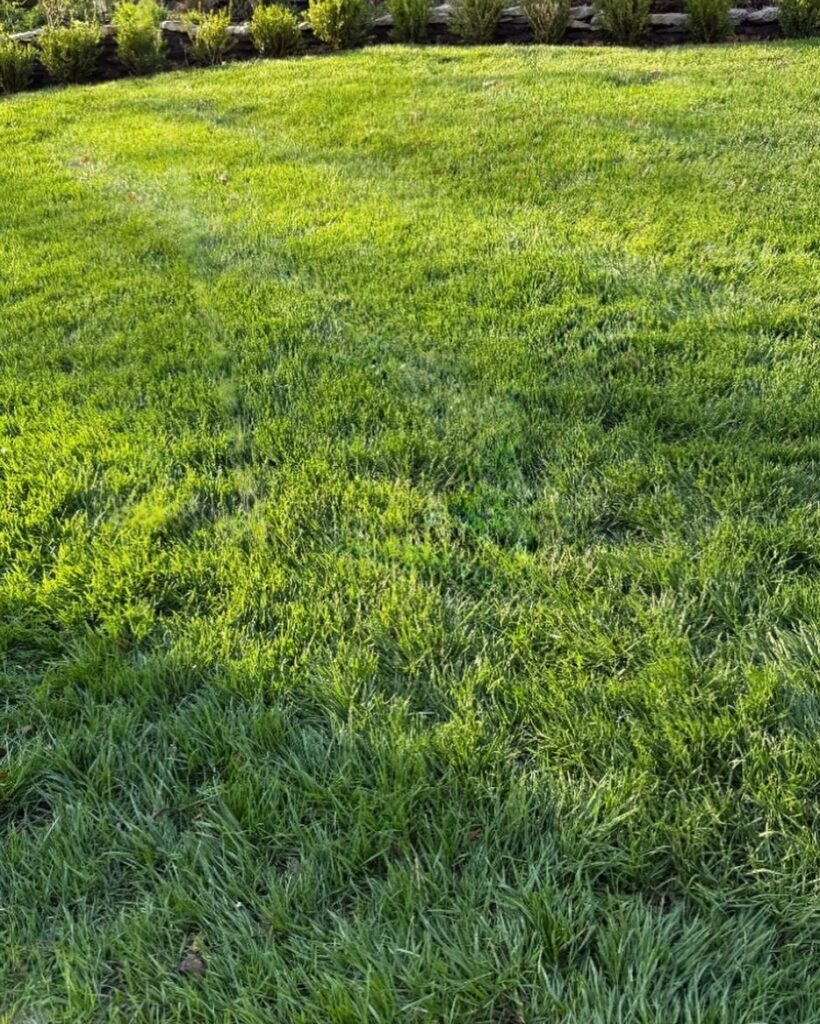
Kentucky bluegrass is the classic northern lawn grass — dense, dark green, and soft underfoot. It’s also the most widely planted lawn grass across the northern two-thirds of the continental United States.
The general Weed Stop For Lawns Concentrate lists bluegrass by name as a safe turf to spray. It handles broadleaf invaders like dandelion and clover without the yellowing some other grasses show.
One caution worth repeating: don’t treat a lawn seeded within the last 60 days. Young bluegrass seedlings haven’t built the root reserves to shrug off a herbicide application yet.
I’d also skip spraying during a summer dormancy stretch. Bluegrass goes semi-dormant in extreme heat, and stressed turf is always more herbicide-sensitive than turf that’s actively growing.
2. Perennial Ryegrass
Perennial ryegrass germinates fast, which is why it shows up in almost every northern seed mix and every fall overseed job on southern lawns. It’s also named directly on the Weed Stop label as an approved grass.
This one’s forgiving. It tolerates the standard formula well and recovers quickly if a little drift happens to touch a blade or two.
Where I’d be careful is freshly overseeded ryegrass in a bermudagrass lawn. Give the new grass a few mows before spraying anything, herbicide included.
Ryegrass is also a favorite for erosion control on slopes and construction sites, since it holds soil in place while slower grasses establish underneath it.
3. Tall Fescue
Tall fescue, sometimes still sold under the older name Kentucky 31, is the workhorse grass of the transition zone. It handles heat better than bluegrass and cold better than bermuda.
It’s approved for the general Weed Stop Concentrate and for the Plus Crabgrass Killer version. Tall fescue’s coarse, deep root system actually makes it one of the more herbicide-tolerant lawn grasses out there.
That root depth is genuinely impressive — university turf programs note it’s the deepest-rooted of the common cool-season grasses, which is exactly why it survives dry spells better than most.
Mow before you spray. A fresh cut removes some leaf tissue that could otherwise carry the chemical unevenly across the blade.
4. Fine Fescue
Fine fescue is the shade specialist. If your lawn sits under mature trees and struggles to hold any other grass, there’s a good chance fine fescue is already mixed into your seed blend.
It’s listed on the same general fescue category as tall fescue for Weed Stop compatibility. Because fine fescue has thinner, more delicate blades, I’d personally lean toward a cooler, calmer day for application rather than pushing it in peak summer heat.
Fine fescue also has poor traffic tolerance, so it’s rarely a stand-alone lawn. It’s usually blended with bluegrass in “sun-shade” mixes, which means the herbicide question really applies to the whole blend, not just the fescue portion.
Avoid spraying if the lawn already looks stressed, patchy, or drought-stricken. Struggling grass and herbicide don’t mix well, regardless of species.
5. Bermudagrass
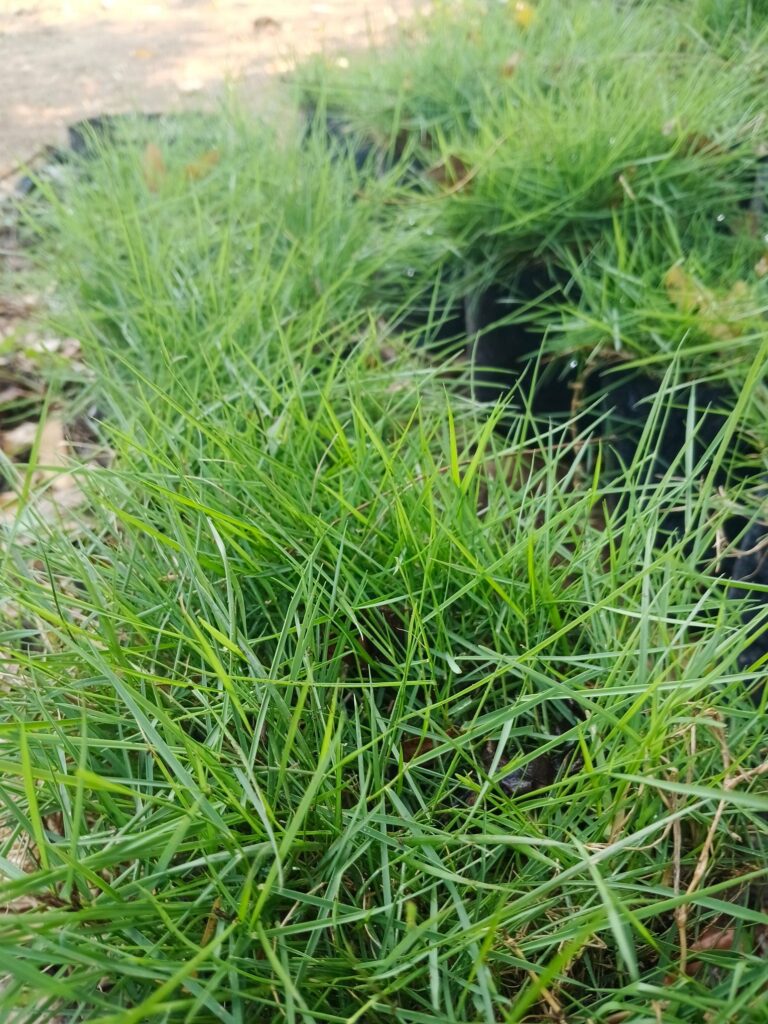
Bermudagrass is the tough, sun-loving grass that dominates southern and southwestern lawns, golf courses, and sports fields. It spreads aggressively by both stolons and rhizomes, which is exactly why it needs weed control in the first place — dense turf still lets weeds slip in at the edges.
The standard Weed Stop Concentrate lists bermudagrass as approved. It’s a resilient grass, and honestly, one of the easier lawns to treat without drama.
The label caution that matters most here is temperature. Applying above 90°F risks lawn injury on bermuda just as much as any other grass, so early morning or evening application in summer is the smarter move.
Bermudagrass is sometimes called both a prized turfgrass and one of the world’s most troublesome weeds, which tells you something about how vigorously it grows once established.
6. Zoysiagrass
Zoysiagrass has become the low-maintenance darling of homeowners who want a dense, soft lawn without constant upkeep. Its thick growth habit naturally crowds out a lot of weeds before they even get a foothold.
Zoysia is approved on the general Weed Stop formula, but with one very specific rule: do not apply while the grass is just emerging from winter dormancy. Spraying too early in spring, before zoysia has fully greened up, is one of the most common mistakes homeowners make with this grass.
Wait until the lawn has clearly broken dormancy and is actively growing before reaching for the sprayer.
Zoysia is also slow to establish, which means any damage takes noticeably longer to grow back compared to fast spreaders like bermuda.
7. St. Augustinegrass
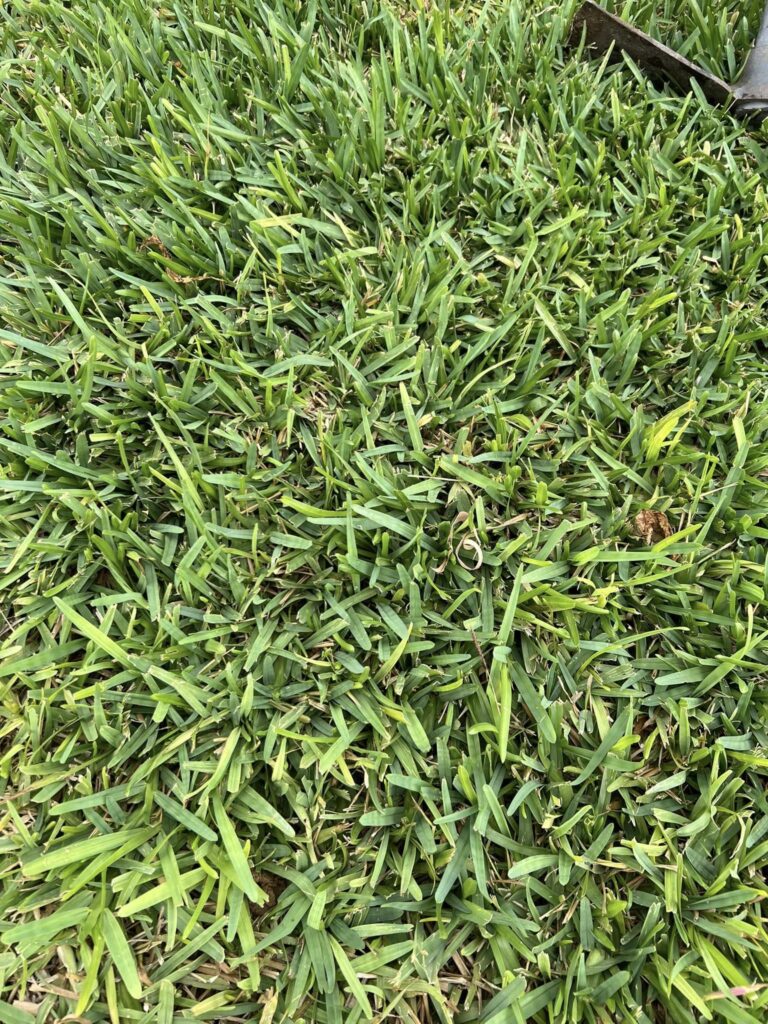
Here’s where things get serious. St. Augustinegrass needs its own dedicated formula — Weed Stop For Lawns For St. Augustine & Centipede Lawns, built around atrazine.
The general-purpose Weed Stop or the Plus Crabgrass Killer version can seriously injure or kill St. Augustine. That’s not a minor label footnote; it’s the difference between a healthy lawn and the scorched mess I mentioned at the start.
There’s also an important exception within St. Augustine itself: Floratam and Bitterblue varieties are not safe even with some formulas. If you don’t know your variety, it’s worth checking with your local sod supplier or extension office before spraying anything.
Apply only when temperatures sit below 90°F, and don’t overseed a treated area for at least six months afterward. St. Augustine is also the most shade-tolerant warm-season lawn grass commonly grown in the U.S., so it’s frequently the default choice for lawns with heavy tree cover.
8. Centipedegrass
Centipedegrass shares its dedicated formula with St. Augustine, and for good reason — both are sensitive, slow-growing grasses that don’t tolerate general-purpose herbicides well.
Centipede is prized precisely because it’s low-maintenance: it needs little fertilizer, little mowing, and resists most common lawn insects and diseases on its own. That same low-input nature makes it more fragile when it comes to chemical exposure.
Use the St. Augustine & Centipede specific formula only, and stick to the temperature window under 90°F. A single 32-ounce container of that formula typically covers about 3,720 square feet, so measure your lawn before buying.
Centipede spreads only through surface runners, which actually makes it easier to keep contained around flower beds and walkways compared to more invasive grasses.
9. Bahiagrass
Bahiagrass is common across the Deep South, especially in sandy, low-fertility soils near the coast. It’s rarely anyone’s dream lawn — university turf guides describe it as not typically recommended for home lawns because of its open canopy and tall seedheads — but plenty of properties still have it.
The general Weed Stop Concentrate lists bahiagrass as an approved turf. Because bahia is naturally coarse and tough, it tends to tolerate broadleaf herbicide applications reasonably well.
That said, always double-check the specific product version. The Plus Crabgrass Killer formula explicitly excludes bahiagrass from its safe list, even though the standard concentrate includes it. This is exactly why reading each label matters more than remembering a grass name from a chart.
10. Bentgrass
Bentgrass shows up most often on golf greens, but it does appear in some home lawns and lawn mixes, particularly older ones in cooler climates.
It’s listed as compatible with the general Weed Stop Concentrate. However, bentgrass is genuinely delicate compared to other turf types — it’s mowed extremely short and bred for a very specific, controlled environment.
If bentgrass is part of your lawn, I’d treat spot applications carefully and avoid blanket spraying the entire yard in one pass, just to see how the grass responds first.
The Plus Crabgrass Killer version specifically excludes bentgrass, so this is another case where the general concentrate and the crabgrass-specific version part ways.
ALSO READ: Bermuda Grass vs St. Augustine Grass: Which Warm-Season Grass Is Right for Your Lawn?
The 3 Grasses (and Situations) to Avoid Spraying
Carpetgrass doesn’t appear on the approved list for either the standard Weed Stop or the Plus Crabgrass Killer formula. Both labels explicitly warn against use on carpetgrass lawns.
Floratam and Bitterblue St. Augustine varieties are a special case. Even where St. Augustine as a species is listed, these two specific cultivars are called out separately as unsafe for certain formulas.
Newly seeded or newly sodded lawns are the third one, regardless of grass type. Most labels ask you to wait until the lawn has been mowed three to four times, and to avoid overseeding a treated area for roughly two months afterward.
Quick Reference: Which Formula Fits Your Grass
| Grass Type | Recommended Formula |
| Kentucky Bluegrass | General Weed Stop Concentrate |
| Perennial Ryegrass | General Weed Stop Concentrate |
| Tall Fescue | General Weed Stop Concentrate |
| Fine Fescue | General Weed Stop Concentrate |
| Bermudagrass | General Weed Stop Concentrate |
| Zoysiagrass | General Weed Stop Concentrate (avoid during dormancy break) |
| St. Augustinegrass | St. Augustine & Centipede formula only |
| Centipedegrass | St. Augustine & Centipede formula only |
| Bahiagrass | General Weed Stop Concentrate (check label per version) |
| Bentgrass | General Weed Stop Concentrate (spot-test first) |
Application Tips That Apply Across Every Grass Type
Temperature matters more than most people realize. Nearly every Weed Stop label warns against spraying above 90°F, since heat stress plus herbicide stress is a combination that damages turf fast.
Mow first, spray second. A fresh mow a day or two before treatment gives the herbicide better contact with actively growing weed leaves.
Skip stressed lawns. Drought-stricken, disease-affected, or insect-damaged turf is far more vulnerable to injury. Wait until the grass looks genuinely healthy.
Watch the rain. Watering or rainfall within a few hours of application can wash the product off before it works, while too much rain after very recent application can also reduce effectiveness on emerged weeds.
Don’t double up too soon. Most labels cap treatment at two applications per year to the same area, spaced weeks apart.
ALSO READ: 8 Reasons St Augustine Grass is Turning Yellow (And How to Fix)
Why This Matters Beyond One Lawn
Lawn care isn’t a small hobby footprint. In economic terms, turfgrass maintenance in the U.S. has been estimated at tens of billions of dollars annually, and residential lawns remain one of the largest irrigated “crops” in the country by total acreage.
That scale is exactly why label precision matters. A herbicide mismatch on one yard is frustrating. Multiply that mistake across millions of households, and it becomes a real driver of wasted water, wasted turf, and unnecessary reseeding.
Getting the right formula on the right grass isn’t just about saving your own yard. It’s the difference between a product that works as designed and one that turns into an expensive lesson.
How to Identify Your Grass Before You Spray
Not everyone knows their grass by name, and that’s completely normal. A few quick checks can narrow it down before you ever touch a sprayer.
Look at the blade shape. Zoysia has sword-shaped blades with a pointed tip. St. Augustine has broad, flat blades. Buffalo and centipede grasses tend toward softer, folded leaves.
Check the spreading pattern. Grasses like bermuda and zoysia spread through both above-ground stolons and below-ground rhizomes. St. Augustine spreads mainly by stolons on the surface, which is why it forms those long visible runners.
Consider your region and season. Warm-season grasses like bermuda, zoysia, centipede, and St. Augustine go dormant and brown in winter. Cool-season types like bluegrass, fescue, and ryegrass stay green through cold months but can struggle in peak summer heat.
When in doubt, ask a professional. A local nursery, sod farm, or your state’s cooperative extension office can usually identify a lawn from a clear photo of the blade and growth pattern.
Warning Signs of Herbicide Stress to Watch For
Even on an approved grass type, it helps to know what trouble looks like early. Catching it fast can sometimes save the lawn.
- Yellowing along leaf edges within a day or two of application is often the first visible sign of stress, especially on sensitive grasses like bentgrass or fine fescue.
- Browning in streaks or patches that follow your spray path, rather than showing up randomly, usually points to uneven application or overlap rather than a weed problem.
- Wilting despite normal watering can mean the turf took in more herbicide than it could handle, particularly if the lawn was already under drought or heat stress before treatment.
- Slow regrowth after mowing is another clue. Healthy grass bounces back within days. Stressed grass sits there, dull and sluggish, for a week or more.
If you see any of these signs, hold off on watering heavily, avoid a second application, and give the lawn time. Most mild stress recovers within two to three weeks if nothing further disturbs it.
Frequently Asked Questions
Can I use regular Weed Stop on a lawn with mixed grass types? Yes, but only if every grass in that mix appears on the label of the specific formula you’re using. A lawn that blends bluegrass and fine fescue is generally fine with the standard concentrate. A lawn mixing bermuda with even a little St. Augustine calls for extra caution, since one part of that lawn may tolerate the product while the other doesn’t.
How soon after seeding can I apply Weed Stop? Most labels ask for a waiting period of around 60 days after seeding, and some ask that the new grass be mowed three to four times first. Young roots simply haven’t developed enough tolerance yet.
Is atrazine, the active ingredient in the St. Augustine and Centipede formula, safe for these grasses specifically? When applied exactly as labeled and below 90°F, yes — that formula was developed specifically because these two grasses cannot tolerate the broader herbicide mix used in the general concentrate. Straying from the label instructions is where most damage happens.
What if I don’t know my St. Augustine variety? Treat it cautiously. Since Floratam and Bitterblue varieties are excluded from certain formulas, it’s worth checking with the sod supplier, a local nursery, or your state extension office before applying anything.
Does rain right after application ruin the treatment? It can reduce effectiveness on weeds that have already emerged, though for weeds still in the seed stage, some rainfall within a week or so after treatment is actually needed to help the product work into the soil.
Final Thought
I’ll be honest: the label on a bottle of weed killer isn’t exciting reading. But in this one case, those few minutes of checking grass type, temperature, and formula name are what separate a weed-free lawn from a brown, patchy one.
If you’re not sure what grass you have, your local cooperative extension office can usually identify it from a photo or a sample, often for free. That’s a smarter first step than guessing and spraying.
References
- NC State Extension. Extension Gardener Handbook — Chapter 9: Lawns. https://content.ces.ncsu.edu/extension-gardener-handbook/9-lawns
- Oklahoma State University Extension. Selecting a Lawn Grass for Oklahoma. https://extension.okstate.edu/fact-sheets/selecting-a-lawn-grass-for-oklahoma
- University of Arkansas Division of Agriculture Cooperative Extension. FSA2112 — Choosing a Grass for Arkansas Lawns. https://www.uaex.uada.edu/publications/PDF/FSA-2112.pdf
- University of Kentucky Cooperative Extension Service. AGR-52 — Selecting the Right Grass for Your Kentucky Lawn. http://www2.ca.uky.edu/agc/pubs/AGR/AGR52/AGR52.pdf
- U.S. Environmental Protection Agency, WaterSense Program. Outdoor Water Use in the United States — Turfgrass Report. https://www.epa.gov/sites/default/files/2017-01/documents/ws-outdoor-home-turfgrass-report.pdf
- NASA Earth Observatory. Lawn Surface Area in the United States. https://earthobservatory.nasa.gov/images/6019/lawn-surface-area-in-the-united-states
- University of Minnesota Extension / Bell Museum. Turfgrass and Lawn Grasses — The 10 Plants That Changed Minnesota. https://top10plantsmn.umn.edu/10-plants/turfgrass-and-lawn-grasses

Tim M Dave is a gardening expert with a passion for houseplants, particularly cacti and succulents. With a degree in plant biology from the University of California, Berkeley, he has vast experience in gardening. Over the years, he has cultivated a vast collection of desert plants and learned a great deal about how to grow and care for these unique companions.