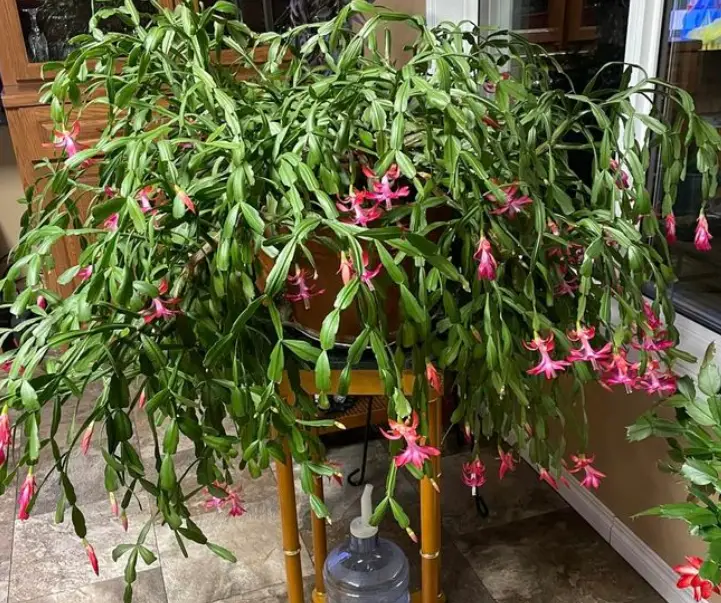
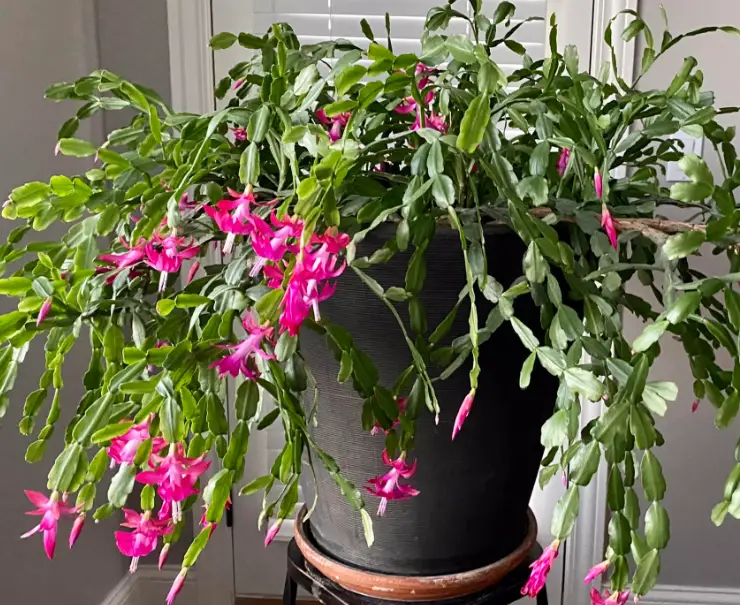
10 Types of Christmas Cactus: Identification With Pictures
I still remember the first Christmas cactus my grandmother gave me. It sat on a kitchen windowsill for years, blooming every December like clockwork. I had no idea, back then, how many different types existed under that one cheerful name.
Most people use “Christmas cactus” as a catch-all term. In reality, it covers an entire genus called Schlumbergera, plus a close cousin genus, with well over 200 registered cultivars in circulation today.
This guide breaks down 10 types of Christmas cactus, from the true botanical species to the most popular color cultivars sold in garden centers. By the end, you will know exactly which type sits on your windowsill, and how to keep it blooming for decades.
Why Christmas Cactus Types Confuse Even Experienced Gardeners
Garden centers rarely label these plants correctly. According to South Dakota State University Extension, most cacti sold during the early holiday season are actually Thanksgiving cactus, not true Christmas cactus, despite the labeling on the pot.
The confusion exists because the two plants share almost identical care needs. Both are short-day plants that need long, uninterrupted darkness to set flower buds, and both come from the same tropical region of Brazil.
This matters more than it sounds. Knowing your exact type helps you predict bloom time, plan for holiday displays, and avoid disappointment when a “Christmas” cactus blooms in November instead.
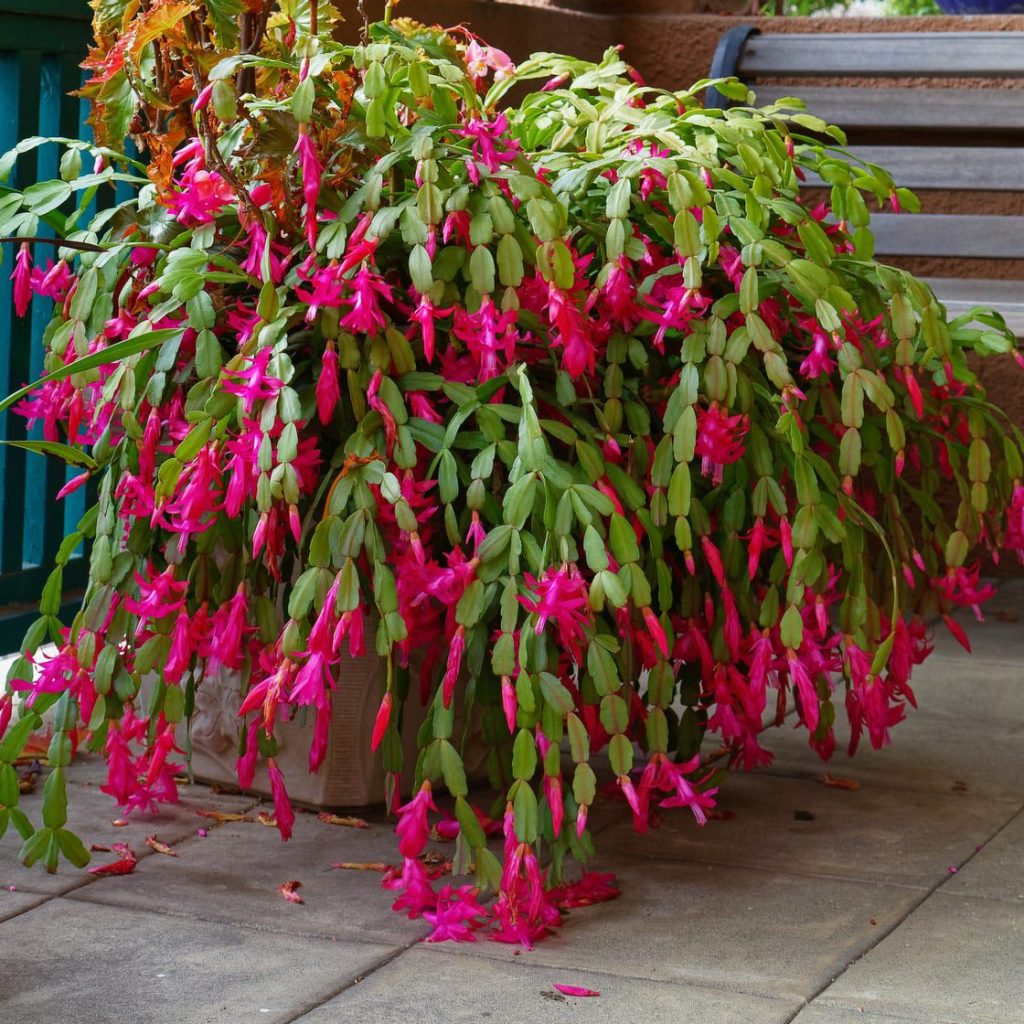
A Quick Botanical Note Before We Start
All Schlumbergera species are epiphytes, meaning they grow on trees and rocks rather than in soil, according to North Carolina State University’s Extension Gardener Plant Toolbox. They originate from the coastal mountains of southeastern Brazil, at elevations between 2,300 and 3,300 feet.
This tropical rainforest origin explains why these cacti dislike the hot, dry conditions associated with desert cacti. They actually prefer humidity, indirect light, and consistently moist soil, a detail many first-time owners get wrong.
With that background covered, here are the 10 types worth knowing.
1. True Christmas Cactus (Schlumbergera x buckleyi)
This is the original hybrid that started it all, first recorded in England in 1852 after breeder W. Buckley crossed two wild species. It remains the plant botanists consider the “true” Christmas cactus.
Its stem segments are smooth with rounded, scalloped edges, quite different from the spiky look of its more common cousin. The flowers hang downward like pendants and open in magenta to pink tones.
Clemson University’s Home & Garden Information Center notes that its anthers, the pollen-holding part of the flower, are purplish-brown, a reliable way to distinguish it from other types.
True to its name, this species blooms late December through January, right on schedule for the holidays.
2. Thanksgiving Cactus (Schlumbergera truncata)
Here is the plant most people actually own, even if the tag says “Christmas cactus.” Thanksgiving cactus flowers several weeks earlier, typically in late November.
Its stem segments have pointed, claw-like teeth along the edges, which is where nicknames like “crab cactus” and “claw cactus” come from. The flowers sit more upright and rigid compared to the drooping blooms of true Christmas cactus.
NC State Extension’s Plant Toolbox lists its natural color range as red, pink, peach, purple, orange, or white. Its anthers are bright yellow, the clearest way to tell it apart from true Christmas cactus.
I actually prefer this type for beginners. It tolerates a bit more inconsistency in watering and still rewards you with a strong bloom.
3. Easter Cactus (Rhipsalidopsis / Hatiora gaertneri)
Easter cactus used to sit inside the Schlumbergera genus before botanists reclassified it. It is still sold as part of the “holiday cactus” family and shares a similar look.
Unlike its December and November cousins, Easter cactus is a long-day plant. It sets buds as nights start getting shorter in late winter, blooming between March and May.
The University of Minnesota Extension notes that Easter cactus needs 8 to 12 weeks of the right light cycle to set buds, longer than the 6 weeks required by Christmas and Thanksgiving types. Its star-shaped flowers are also a giveaway, distinctly different from the tubular blooms of the other two.
4. Schlumbergera russelliana
This is one of the two parent species behind the true Christmas cactus hybrid, and it is occasionally sold on its own by specialty growers. It was introduced to England in 1839, according to NC State’s Plant Toolbox.
Its stem segments have few notches along the edges, each containing one or two small bristles. The tubular flowers grow up to two inches long, again with those telltale purplish-brown anthers.
Fun fact I always share with plant club friends: one well-cared-for Schlumbergera can live for over a hundred years, according to NC State horticulture records. That kitchen windowsill plant really can become a family heirloom.
5. White Christmas Cactus Cultivars
White-flowering cultivars bring a crisp, elegant look that pairs beautifully with holiday silver and gold decor. These are almost always Thanksgiving cactus cultivars bred for pure or cream-white blooms.
They photograph beautifully against dark green stems, which is probably why florists favor them for winter arrangements and gift baskets.
Care stays identical to other Schlumbergera types: bright indirect light, well-drained soil, and cool nights to trigger those pale, star-like flowers.
6. Gold and Yellow Cultivars
Yellow Schlumbergera cultivars, sometimes marketed under names like ‘Gold Charm,’ are a newer addition to the color palette. Breeders achieved this shade through selective crossing within the Truncata Group over recent decades.
The registered Schlumbergera and Rhipsalidopsis cultivar database, maintained by German cactus researchers, tracks these newer color breaks carefully, since yellow remained rare in the genus for many years.
I find these cultivars a refreshing change from the usual reds and pinks, especially for people who want a less traditional holiday palette.
7. Salmon and Peach Cultivars
Salmon and peach tones sit between pink and orange on the Schlumbergera color wheel. Michigan State University Extension lists salmon among the standard flower colors available in commercially sold hybrids today.
These cultivars tend to photograph warmer under indoor lighting, which makes them a popular choice for softer, less bold holiday displays.
Like all Schlumbergera hybrids, their exact shade can shift slightly year to year depending on light exposure and temperature during bud formation.
8. Purple and Lavender Cultivars
Purple and lavender-flowering types add a cool, almost frosty tone to the classic red-and-white holiday color scheme. MSU Extension confirms that soft purples and lavender shades are part of the standard range bred into modern Schlumbergera hybrids.
These cultivars tend to stand out on a shelf full of typical red and pink plants, which is part of their growing appeal among collectors.
Their care needs are no different from other cultivars, though I have noticed purple varieties can be slightly slower to rebloom in my own experience.
9. Red Cultivars (‘Christmas Fantasy’ Type)
Deep red Schlumbergera cultivars are the closest match to the traditional Christmas color palette, and they remain some of the best-selling types at big box retailers every November and December.
Photos from Michigan State University Extension show red-flowering holiday cacti prominently displayed at retail locations, confirming just how common this color remains in the commercial trade.
If you want the classic, expected look for a holiday gift plant, a red cultivar is almost always a safe and popular choice.
10. Bicolor and Multicolor Cultivars
Modern breeding has produced cultivars with two-toned petals, often blending pink with white, or orange with yellow, in a single bloom. The Truncata Group shows the widest range of these bicolor variations, according to Wikipedia’s summary of Schlumbergera breeding history, which draws on the Kew Bulletin’s taxonomic research.
These cultivars appeal to collectors who already own a red and a white plant and want something visually distinct. They also tend to command a slightly higher price at specialty nurseries.
How These Types Compare at a Glance
True Christmas cactus blooms latest, has smooth scalloped stems, and hanging flowers with purple anthers.
Thanksgiving cactus blooms earliest among the two main types, has clawed stem edges, and yellow anthers.
Easter cactus blooms in spring, needs a longer dark period to set buds, and produces star-shaped flowers instead of tubular ones.
Color cultivars within the Truncata Group span nearly every shade except true blue, giving buyers far more choice than the plain “red or pink” reputation suggests.
Care Tips That Apply to Every Type
Regardless of which of these 10 types sits on your shelf, the growing requirements stay remarkably consistent.
Light matters most. All Schlumbergera types need bright, indirect light. Direct summer sun can scorch the flattened stem segments and turn them reddish or yellow.
Water only when needed. University of Florida’s Gardening Solutions program recommends watering only when the top inch of soil feels dry, since these plants rot quickly in soggy conditions despite being tropical natives.
Temperature controls blooming. SDSU Extension recommends daytime temperatures of 65 to 70°F and nighttime temperatures of 55 to 65°F to encourage strong bud set heading into the holiday season.
Darkness triggers flowers. Christmas and Thanksgiving cactus types need roughly 12 to 13 hours of uninterrupted darkness each day for about six weeks to form flower buds, per University of Minnesota Extension guidance.
Avoid moving the plant once buds form. Sudden changes in light, temperature, or location commonly cause bud drop, a frustration nearly every Schlumbergera owner has experienced at least once.
A Note on Longevity and Popularity
Christmas cactus ranks among the most gifted houseplants during the North American holiday season, largely because of its low-maintenance reputation and long lifespan. NC State Extension documents that a single, well-cared-for plant can remain productive and healthy for over 100 years, passed down across multiple generations of a family.
There are now over 200 registered cultivars of Schlumbergera hybrids, according to NC State’s Plant Toolbox, with new color breaks still being added to the International Schlumbergera and Rhipsalidopsis List maintained by German cactus researchers.
That kind of genetic diversity is unusual for a houseplant this common, and it is part of why enthusiasts keep collecting new types year after year.
Frequently Asked Questions
What is the real difference between Christmas cactus and Thanksgiving cactus? Christmas cactus has smooth, scalloped stem edges and purplish anthers, while Thanksgiving cactus has pointed, claw-like stem edges and yellow anthers. Thanksgiving cactus also blooms several weeks earlier.
Can one Christmas cactus plant produce multiple flower colors? No, a single cultivar produces one consistent flower color each season, though the exact shade can shift slightly with changes in light and temperature during bud formation.
How long do Christmas cactus plants typically live? With good care, these plants can live for decades, and NC State Extension notes some specimens survive well over a hundred years, often becoming treasured family heirlooms.
Which type of Christmas cactus is easiest for beginners? Thanksgiving cactus (Schlumbergera truncata) tends to be more forgiving of inconsistent watering and light changes, making it a good starting point for first-time owners.
Do all 10 types need the same care? Yes, largely. Light, water, humidity, and temperature needs stay consistent across nearly all Schlumbergera species and cultivars, since they share the same tropical Brazilian origin.
How to Propagate Any of These 10 Types
Propagating a Schlumbergera is refreshingly simple, and it works the same way across every type on this list. This is one reason the plant gets passed between family members so often.
Start with a healthy cutting. Clemson’s Home & Garden Information Center recommends taking cuttings with 3 to 5 stem segments attached, ideally in May or June when the plant is actively growing.
Let the cut end callus. Place the cutting outdoors in the shade for a day or two before planting. This callusing step reduces the risk of rot once the cutting goes into soil.
Choose the right container. Clemson suggests placing three cuttings into a 4-inch pot, or five cuttings into a 6-inch pot, using fresh or disinfected containers to avoid introducing disease.
Create a mini greenhouse. Water the soil thoroughly, then cover the cutting and container with a clear plastic bag secured by a rubber band. This traps humidity near 100%, which speeds up rooting considerably.
Most cuttings root within three to twelve weeks, depending on temperature and light conditions. Once new growth appears, you can treat the young plant like any mature Schlumbergera.
Common Problems Across All 10 Types
Even experienced growers run into a few recurring issues with Schlumbergera, regardless of which type or cultivar they own.
Bud drop is the most common complaint. University of Minnesota Extension traces this back to sudden temperature swings, drafts near heaters or vents, or simply moving the plant once buds have already formed.
No blooms at all usually points to insufficient darkness. These plants need a genuine 12 to 13 hours of uninterrupted night, so even a hallway nightlight can disrupt the flowering cycle.
Limp or shriveled stem segments typically signal underwatering, while soft, mushy, discolored segments point to the opposite problem: root rot from soil that stays wet too long.
Pale or yellowing stems often trace back to too much direct sun, particularly during summer months when the plant is kept outdoors. UF/IFAS recommends filtered or indirect light year-round to avoid this kind of stress.
Pests are relatively rare on healthy plants, but NC State Extension notes that mealybugs and scale insects can occasionally appear, along with fungal issues like gray mold if humidity stays too high without adequate airflow.
Catching these problems early almost always saves the plant. Schlumbergera species are forgiving once you correct the underlying cause, which is part of why they remain such popular, long-lived houseplants.
Repotting and Long-Term Care
Since these plants can live for generations, repotting deserves real attention rather than a quick, once-and-forget job.
Repot only when needed. Schlumbergera actually prefers being slightly pot-bound, similar to how it grows wedged into tree bark in the wild. NC State Extension notes this mimics its natural epiphytic habitat closely.
Choose the right soil mix. A blend of peat moss, perlite, and coarse sand or loam drains well while still holding enough moisture for the roots. Some growers substitute an orchid-style mix, since these plants share similar epiphytic needs.
Time it around the growing season. Spring, right after flowering ends, is the ideal window. Repotting during active bud formation in fall risks triggering bud drop.
Fertilize on a light schedule. UF/IFAS Gardening Solutions recommends fertilizing every one to two months during the active growing season, from April through September, then stopping as the plant heads into its dormant, bud-forming phase.
Treated this way, a single Schlumbergera can move through several pot sizes over its lifetime, easily outlasting the home it started in.
Why This Plant Remains a Holiday Gift Favorite
Garden centers and supermarkets stock Schlumbergera heavily every November, and it consistently ranks among the top flowering houseplants sold during the holiday season across North America.
Part of the appeal is practical. Unlike poinsettias, which struggle once temperatures drop below 50°F, Schlumbergera tolerates normal indoor conditions comfortably and rewards minimal effort with weeks of color.
The other part is emotional. I have talked to plant collectors who still grow cuttings taken from a parent’s or grandparent’s original plant decades earlier. Few common houseplants carry that kind of generational story so easily.
Given how many of the 10 types covered here trace back to just two original wild species, it is remarkable how much color diversity breeders have coaxed out of this small, humble genus over the past 170 years.
Final Thoughts
Ten types barely scratch the surface of what breeders have created within this one small genus. Still, understanding the core species and the main cultivar color groups gives you a real handle on what you are growing.
I like knowing exactly which plant sits on my windowsill each winter. It changes how I care for it, and honestly, it makes the whole holiday season feel a little more intentional.
Whichever type finds its way into your home this year, give it bright light, careful watering, and a little patience. In return, you may just end up with a plant that outlives the tree it sits beside.
References
- North Carolina State University Extension Gardener Plant Toolbox. Schlumbergera (Christmas Cactus, Crab Cactus, Holiday Cactus, Thanksgiving Cactus). https://plants.ces.ncsu.edu/plants/schlumbergera/
- North Carolina State University Extension Gardener Plant Toolbox. Schlumbergera truncata. https://plants.ces.ncsu.edu/plants/schlumbergera-truncata/
- North Carolina State University Extension Gardener Plant Toolbox. Schlumbergera russelliana (Christmas Cactus). https://plants.ces.ncsu.edu/plants/schlumbergera-russelliana/
- Clemson University Cooperative Extension, Home & Garden Information Center. Thanksgiving & Christmas Cacti. https://hgic.clemson.edu/factsheet/thanksgiving-christmas-cacti/
- University of Florida IFAS Gardening Solutions. Christmas Cactus. https://gardeningsolutions.ifas.ufl.edu/plants/houseplants/christmas-cactus/
- South Dakota State University Extension. A Cactus for Every Holiday. https://extension.sdstate.edu/cactus-every-holiday-caring-popular-indoor-plant
- University of Minnesota Extension. Holiday Cacti. https://extension.umn.edu/houseplants/holiday-cacti

Tim M Dave is a gardening expert with a passion for houseplants, particularly cacti and succulents. With a degree in plant biology from the University of California, Berkeley, he has vast experience in gardening. Over the years, he has cultivated a vast collection of desert plants and learned a great deal about how to grow and care for these unique companions.