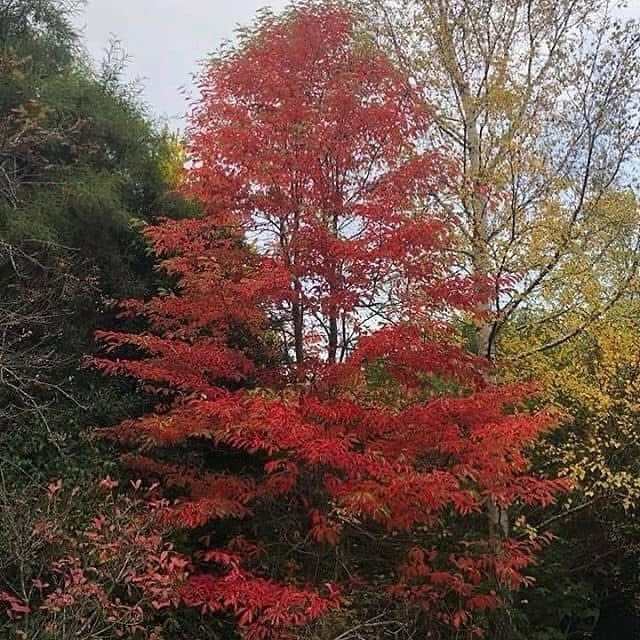
25 Native Trees of New Mexico (With Growing Details)
I still remember the first time I caught the smell of piñon smoke drifting over Santa Fe in early winter. It is one of those scents that instantly tells you where you are. New Mexico’s trees carry that kind of identity everywhere you look.
Pinyon-juniper woodland covers more than 10 million acres of New Mexico, making it the state’s single most abundant forest type by a wide margin. Combined with pure juniper stands, that total climbs past 13.5 million acres.
New Mexico’s tree diversity runs from Chihuahuan desert scrub to subalpine spruce and fir, often within the same national forest boundary. Few states pack this much ecological range into one set of borders.
This guide covers 25 native New Mexico trees, grouped by region and elevation, so you can identify what you are looking at on a trail or choose the right species for your own yard.
Why New Mexico’s Native Trees Matter
New Mexico’s forests and woodlands are not just scenery. They protect scarce water supplies, support wildlife, and hold cultural significance stretching back centuries.
Gambel oak is the most abundant tree species in New Mexico by total tree count, while ponderosa pine leads in total volume and biomass, according to U.S. Forest Service inventory data.
Roughly 43 percent of New Mexico’s forest land is privately owned, with another 32 percent managed by the USDA Forest Service. That mix shapes how the state approaches conservation and wildfire policy.
With that backdrop in mind, here are 25 native New Mexico trees worth knowing.
The State Tree and Its High-Desert Neighbors
1. Piñon Pine (Pinus edulis)
Piñon pine is New Mexico’s official state tree, adopted in 1949 after the New Mexico Federation of Women’s Clubs ran a series of contests to choose it.
This species grows painfully slowly, typically reaching just 15 to 35 feet at maturity, even after many decades of steady, patient growth.
Its seeds, known as pine nuts, have been gathered by Native Americans for centuries, and archaeologists have found charred piñon wood in campfire remains predating Spanish colonization.
Burning piñon wood releases a distinctive, pleasant aroma that many longtime New Mexicans consider inseparable from the smell of a mountain winter.
2. One-Seed Juniper (Juniperus monosperma)
One-seed juniper forms vast woodlands across New Mexico’s lower elevations, often growing in tight partnership with piñon pine across millions of acres.
Its scale-like, blue-green foliage and small, berry-like cones give this tree a rugged, weathered look that suits the dry landscapes it calls home.
Wildlife species, including coyotes and many birds, rely heavily on juniper berries as a reliable food source through the leaner winter months.
This species tolerates extreme drought and poor soil better than almost any other tree in the state, thriving where little else survives.
3. Rocky Mountain Juniper (Juniperus scopulorum)
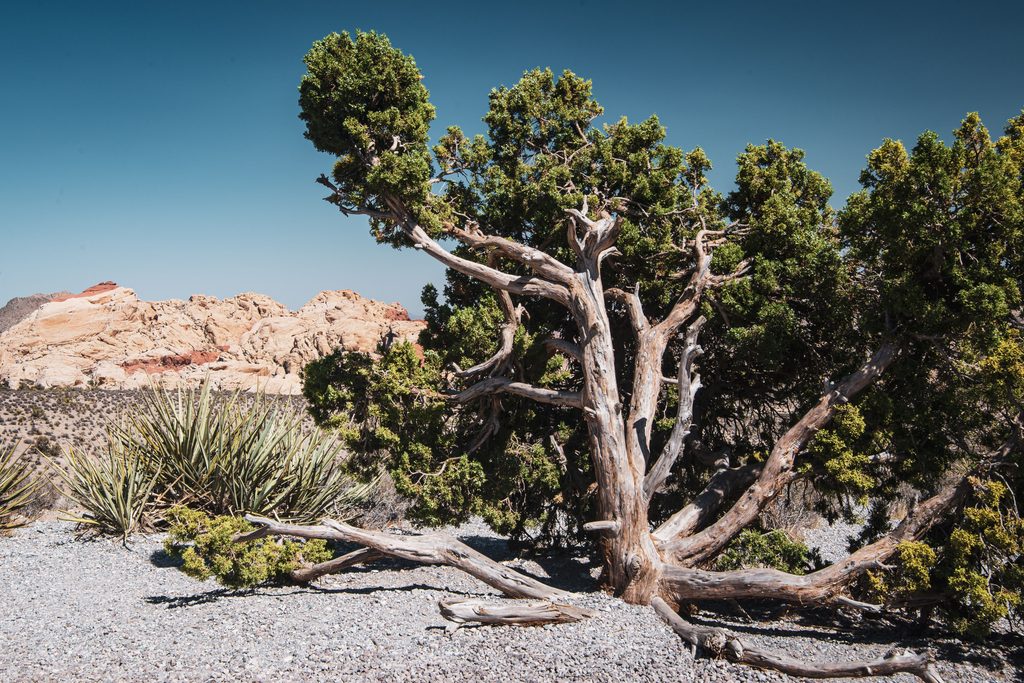
Rocky Mountain juniper grows at slightly higher elevations than one-seed juniper, often found scattered across foothills and canyon rims throughout northern New Mexico.
Its bark peels in long, shreddy strips, and mature specimens can develop a genuinely gnarled, sculptural form after decades of exposure to wind.
This species tolerates cold better than New Mexico’s other native junipers, which explains its presence at higher, chillier elevations statewide.
Some individual trees are remarkably long-lived, with certain specimens estimated to exceed several centuries in age across protected canyon sites.
4. Alligator Juniper (Juniperus deppeana)
Alligator juniper earns its name from thick, checkered bark that genuinely resembles alligator hide, making it one of the easiest native junipers to identify.
It grows larger than New Mexico’s other junipers, sometimes developing a substantial trunk and broad, spreading canopy in favorable canyon locations.
This species concentrates mostly in southern New Mexico’s sky island mountain ranges, including the Gila and Peloncillo regions near the Arizona border.
Its berries and foliage provide food and cover for a wide range of desert wildlife, including javelina and numerous bird species.
The Ponderosa Pine Belt and Mixed Conifer Forests
5. Ponderosa Pine (Pinus ponderosa)
Ponderosa pine makes up roughly one-quarter of New Mexico’s total tree volume, ranking as the state’s most abundant species by biomass, according to federal forest inventory data.
Long needles bundled in groups of three and thick, puzzle-piece bark give mature trees a distinctive orange-brown color visible from a distance.
Older bark famously smells like vanilla or butterscotch when you lean in close, a small but genuinely enjoyable identification trick for hikers.
This species dominates New Mexico’s mid-elevation mountain forests, forming the backbone of the state’s commercial timber industry for generations.
6. Douglas Fir (Pseudotsuga menziesii)
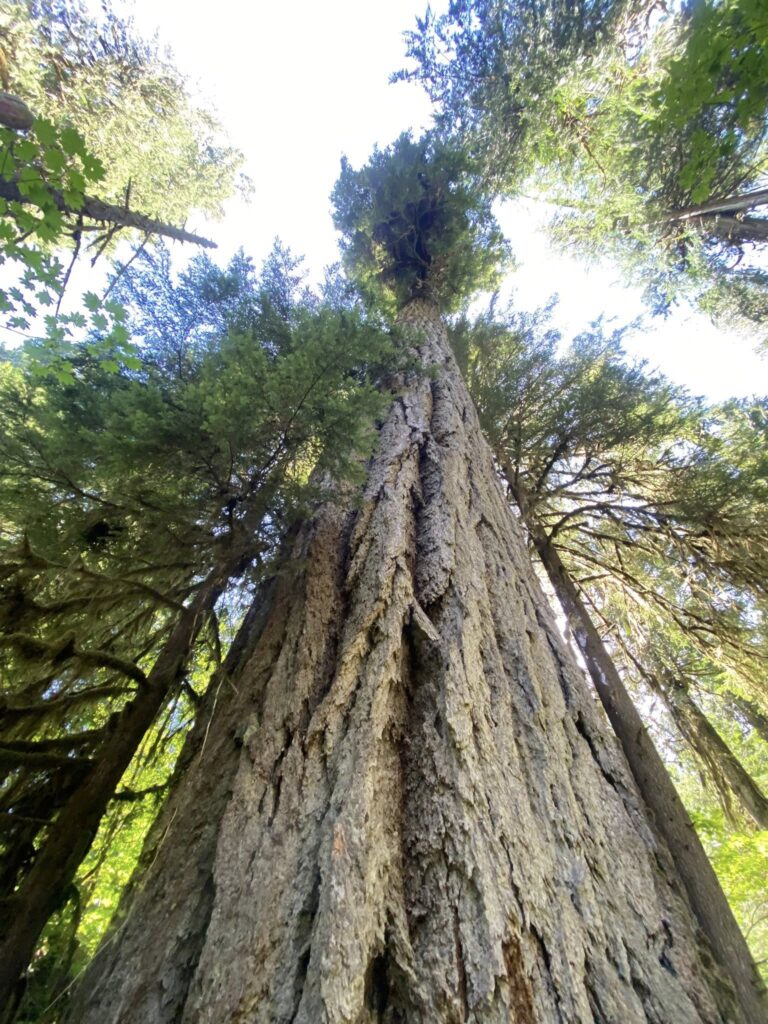
Douglas fir grows throughout New Mexico’s mixed conifer forests, typically at elevations above the ponderosa pine belt but below the coldest subalpine zones.
Its cones are easy to identify by distinctive, three-pointed bracts poking out between the scales, often compared to tiny mouse tails.
This species tolerates more shade than ponderosa pine, allowing it to regenerate successfully beneath an existing forest canopy where sunlight is limited.
Douglas-fir is commercially valuable statewide, and its wood remains popular for construction lumber throughout the American Southwest.
7. White Fir (Abies concolor)
White fir, sometimes called concolor fir, grows in cool, moist mixed conifer forests across New Mexico’s higher mountain ranges, including the Sangre de Cristos.
Soft, blue-green needles and a symmetrical, pyramidal shape make this species a popular choice for Christmas trees harvested from managed plantations.
This tree tolerates shade well, often persisting in the forest understory for years before eventually reaching the canopy as older trees die or fall.
Its smooth, gray bark on younger trees develops distinctive furrows and plates as the tree matures over several decades.
8. Blue Spruce (Picea pungens)
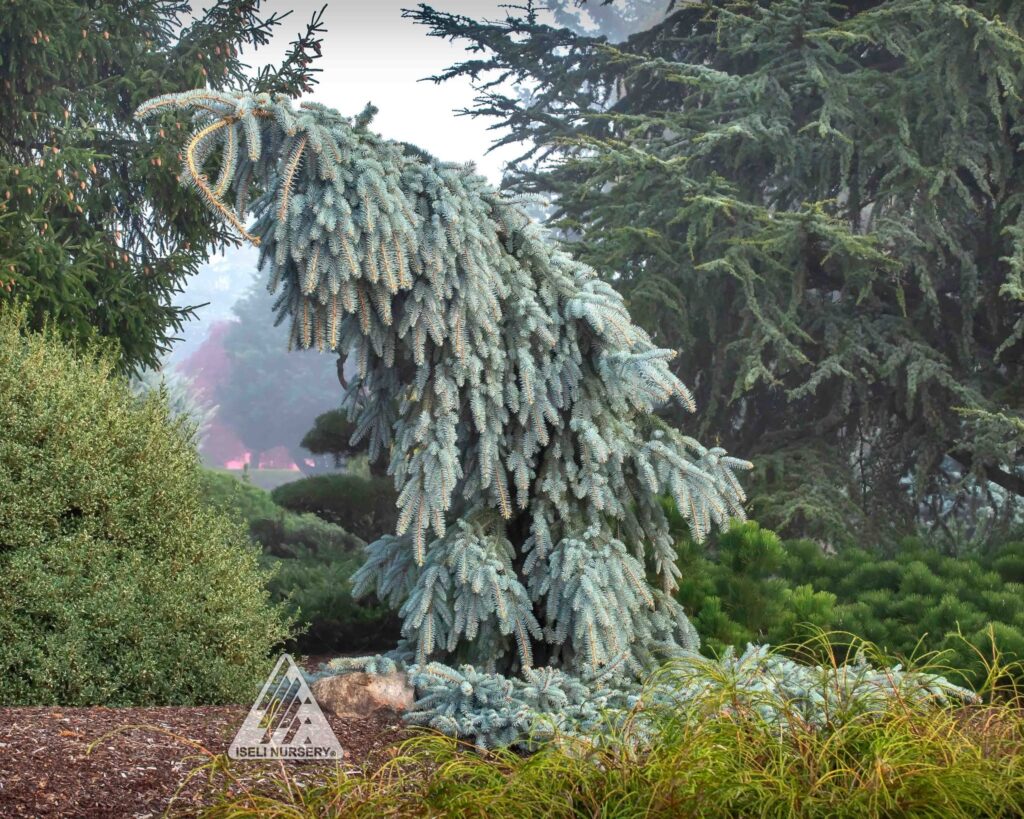
Blue spruce grows at higher, colder elevations than most other New Mexico conifers, often found along mountain streams and moist canyon bottoms.
Its stiff, sharp needles and distinctive blue-gray color make this species easy to identify, even from a considerable distance on a hike.
Blue spruce is New Mexico’s state cooperative extension favorite for high-elevation landscaping, prized for its cold tolerance and striking ornamental color.
This species prefers consistently moist soil, which limits its natural range mostly to riparian corridors within the state’s higher mountain forests.
9. Engelmann Spruce (Picea engelmannii)
Engelmann spruce grows at New Mexico’s highest forested elevations, often forming dense stands alongside subalpine fir near the treeline.
Its needles are softer than blue spruce, though still sharp enough to make close handling somewhat uncomfortable for the unprepared hiker.
This species tolerates New Mexico’s harshest mountain winters, thriving in short growing seasons and heavy snowpack found in the Sangre de Cristo high country.
Mature stands provide critical habitat for species like the American marten, which depends on cool, dense subalpine forest cover.
10. Subalpine Fir (Abies bifolia)
Subalpine fir grows at New Mexico’s most extreme high-elevation sites, forming the classic narrow, spire-shaped silhouette associated with alpine mountain scenery.
Its tightly packed branches and narrow crown help shed heavy snow efficiently, an important survival trait at extreme New Mexico elevations.
This species grows slowly and survives genuinely harsh conditions, including short growing seasons and thin, rocky soil near the mountain treeline.
Mature stands often mix with Engelmann spruce near New Mexico’s highest treeline boundaries in the Sangre de Cristo and San Juan mountains.
Riparian and Bosque Trees Along the Rio Grande
11. Rio Grande Cottonwood (Populus deltoides wislizeni)
Rio Grande cottonwood dominates the famous bosque forest lining the river from Espanola south to Belen, one of New Mexico’s most beloved native landscapes.
Mature trees can reach over 50 feet tall, with a broad, open crown and heart-shaped leaves that flutter distinctly in the slightest breeze.
Bark starts thin, smooth, and gray-brown on young trees, but thickens into deep, reddish-brown furrows as the tree matures over several decades.
Although fast-growing, this species is relatively short-lived, and cottonwoods are easily propagated from cuttings, a technique long used along irrigation ditches statewide.
12. Fremont Cottonwood (Populus fremontii)
Fremont cottonwood grows natively along New Mexico’s western river valleys, with additional scattered populations in the southwest corner and parts of the east.
This species is incredibly fast-growing, adding as much as 10 to 20 feet in height during a single year while young.
That rapid growth comes with a trade-off: a relatively short lifespan, typically 40 to 60 years compared to many slower-growing native trees.
It requires consistent access to surface or groundwater, so it never strays far from streams, rivers, or reliable seepage areas.
13. Arizona Sycamore (Platanus wrightii)
Arizona sycamore grows along streams in New Mexico’s southwestern mountain canyons, particularly within the Gila and Mogollon regions near the Arizona border.
Mottled, peeling bark in shades of white, gray, and green makes this species one of the most visually distinct trees found anywhere in the state.
This tree tolerates seasonal flooding well, and its extensive root system helps stabilize eroding streambanks in the canyons where it naturally grows.
Large, maple-like leaves provide dense summer shade, making mature specimens a favorite gathering spot along desert canyon trails.
14. Netleaf Hackberry (Celtis reticulata)
Netleaf hackberry tolerates New Mexico’s dry, rocky canyons better than most riparian trees, often growing well away from any reliable water source.
Its bark develops distinctive, warty growths as the tree matures, a helpful identification trait once you know what to look for.
Small, orange-red berries attract a wide range of birds, including robins and cedar waxwings, particularly during fall migration through the state.
This species tolerates alkaline soil and drought exceptionally well, making it a genuinely practical choice for difficult New Mexico landscaping sites.
15. New Mexico Olive (Forestiera pubescens)
New Mexico olive, also called desert olive, grows as a large shrub or small tree along streams and washes across much of the state.
Small, dark fruit resembles true olives in appearance, though it is not related to commercial olive trees and is primarily valuable for wildlife.
This species tolerates both drought and occasional flooding, giving it real flexibility across New Mexico’s unpredictable desert precipitation patterns.
Birds rely on its fruit heavily in late summer and fall, making it a genuinely useful addition to a wildlife-friendly native landscape.
Oaks and Broadleaf Woodland Trees
16. Gambel Oak (Quercus gambelii)
Gambel oak is the single most abundant tree species in New Mexico by total tree count, according to recent U.S. Forest Service forest inventory data.
It often grows as a large shrub or small tree, spreading through root suckering to form dense thickets across mountain foothills statewide.
Acorns feed deer, turkeys, and numerous small mammals, making this species one of the most wildlife-valuable native trees found anywhere in New Mexico.
Fall color turns a warm russet-brown, adding welcome seasonal contrast to New Mexico’s predominantly evergreen mountain forests.
17. Emory Oak (Quercus emoryi)
Emory oak grows in southern New Mexico’s sky island mountains, thriving in the warmer, drier oak woodlands near the Arizona and Mexico borders.
Unlike Gambel oak, this species stays evergreen year-round, keeping its dark, leathery leaves through even the coldest winter months.
Acorns from Emory oak are notably sweet compared to most native oaks, and they have long been gathered and eaten by Indigenous communities in the region.
This tree tolerates heat and drought exceptionally well, making it a defining species of New Mexico’s borderland oak woodlands.
18. Chinquapin Oak (Quercus muehlenbergii)
Chinquapin oak produces relatively sweet, palatable acorns compared to most native oaks, a trait that makes it especially valuable to wildlife.
Its leaves resemble chestnut foliage, with coarse, evenly spaced teeth along the edges rather than the deep lobes typical of many oak species.
This species prefers limestone-based soils and tolerates alkaline conditions well, which explains its scattered presence across parts of New Mexico’s canyon country.
It also handles urban heat and drought reasonably well, making it a practical shade tree option for New Mexico’s hotter valley communities.
19. Arizona Walnut (Juglans major)
Arizona walnut grows along streams in southern New Mexico’s mountain canyons, often reaching impressive size in protected riparian corridors.
Its compound leaves and rough, deeply furrowed bark distinguish it clearly from the state’s other native riparian trees at a glance.
Nuts are smaller and harder to crack than commercial walnuts, but wildlife, particularly squirrels, rely on them as a genuine food source.
This species requires consistent access to groundwater, so its native range stays limited to canyon bottoms and reliable stream corridors.
20. New Mexico Locust (Robinia neomexicana)
New Mexico locust produces fragrant, pink to lavender pea-like flowers in late spring, a striking bloom against the state’s typically muted mountain palette.
This species often grows as a large shrub or small tree, spreading through root suckering along disturbed slopes and forest edges.
Thorny branches make it useful as a natural barrier planting, and bees are strongly attracted to its abundant spring flower display.
It thrives at mid to high elevations across New Mexico’s mountain ranges, often colonizing areas recovering from wildfire or logging disturbance.
Understory, Woodland, and Special-Interest Trees
21. Quaking Aspen (Populus tremuloides)
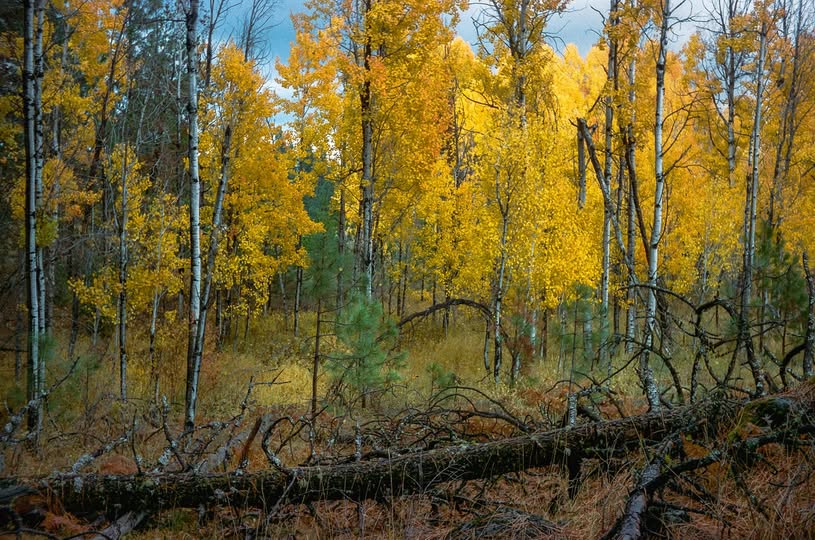
Quaking aspen produces leaves that flutter constantly in even the lightest breeze, thanks to flattened leaf stems that allow this unusual motion.
This species often grows as a single connected organism, spreading through shared root systems that can span acres and produce genetically identical clones.
Fall color turns a brilliant gold across New Mexico’s high country, creating some of the state’s most photographed autumn mountain landscapes each year.
Aspen groves provide critical habitat diversity in forests otherwise dominated by conifers, supporting a wider range of birds and understory plants.
22. Rocky Mountain Maple (Acer glabrum)
Rocky Mountain maple grows as a small understory tree in New Mexico’s cooler mountain canyons, often found along shaded streams and north-facing slopes.
Its leaves are smaller than eastern maple species, but fall color still turns a respectable yellow to red, adding welcome contrast to conifer-dominated forests.
This species tolerates shade well, making it a natural companion to Douglas-fir and white fir in New Mexico’s mixed conifer woodlands.
Wildlife browse its twigs and foliage, and the tree’s modest size makes it a manageable option for higher-elevation native landscaping.
23. Boxelder (Acer negundo)
Boxelder is New Mexico’s most widespread native maple, tolerating a broader range of soil and moisture conditions than any of its relatives.
Compound leaves, unusual for a maple, sometimes cause confusion among casual observers expecting the classic single-blade maple leaf shape.
This species grows fast and tolerates flooding well, making it a common sight along New Mexico’s rivers, irrigation ditches, and disturbed lowland sites.
Though sometimes considered weedy due to its rapid spread, boxelder provides genuine wildlife value and reliable shade in tough growing conditions.
24. Western Soapberry (Sapindus saponaria var. drummondii)
Western soapberry grows across eastern and southern New Mexico, tolerating drought, heat, and alkaline soil better than most native shade trees.
Its round, amber-colored fruit contains saponins, a compound historically used by Indigenous communities to create a natural, sudsy soap substitute.
This species produces compound leaves and a rounded canopy, offering genuine shade value in some of New Mexico’s hottest, driest regions.
Fall color turns a soft golden yellow, a welcome seasonal touch in landscapes where dramatic foliage color is otherwise rare.
25. Desert Willow (Chilopsis linearis)
Desert willow is not a true willow at all, despite its narrow, willow-like leaves and preference for washes and seasonal streambeds.
Showy, orchid-like flowers bloom through summer in shades of pink, purple, and white, attracting hummingbirds and native pollinators throughout the growing season.
This species tolerates extreme heat and drought better than almost any other flowering tree native to New Mexico, thriving in the state’s hottest desert regions.
Its small size and long bloom season make it a genuinely popular choice for xeriscaped yards across Albuquerque and southern New Mexico.
Final Thoughts
Twenty-five trees only begin to cover a state supporting habitats from Chihuahuan desert scrub to subalpine spruce-fir forest, but this list covers the species you are most likely to encounter.
Match the tree to your elevation and water access, not the other way around. New Mexico’s climate shifts dramatically within surprisingly short distances.
The New Mexico Forestry Division offers a conservation seedling program each spring and fall, making native tree planting more accessible for landowners statewide.
Every native tree planted adds a small piece back to a landscape that has shaped New Mexico’s water, wildlife, and culture for centuries.
References
- New Mexico Energy, Minerals and Natural Resources Department, Forestry Division: https://www.emnrd.nm.gov/sfd/
- New Mexico Forestry Division – Conservation Seedling Program: https://wwwapps.emnrd.nm.gov/fd/treepublic/SeedlingList.aspx
- USDA Forest Service – New Mexico’s Forest Resources, 2008–2014: https://research.fs.usda.gov/treesearch/55293
- USDA Forest Service – New Mexico State and Private Forestry Fact Sheet, 2025: https://apps.fs.usda.gov/nicportal/temppdf/sfs/naweb/nm_std.pdf
- Bureau of Land Management – Forestry and Woodlands, New Mexico: https://www.blm.gov/programs/natural-resources/forests-and-woodlands/forest-resilience/newmexico
- New Mexico Secretary of State – State Tree, Piñon Pine: https://www.sos.nm.gov/about-new-mexico/state-tree/
- National Park Service – Forests of New Mexico, Salinas Pueblo Missions: https://www.nps.gov/sapu/learn/nature/forests.htm

Tim M Dave is a gardening expert with a passion for houseplants, particularly cacti and succulents. With a degree in plant biology from the University of California, Berkeley, he has vast experience in gardening. Over the years, he has cultivated a vast collection of desert plants and learned a great deal about how to grow and care for these unique companions.