10 Best Fertilizers for Bermuda Grass (With Application Details)
Bermuda grass is tough. It handles heat, sun, and heavy foot traffic better than most lawn grasses. Yet even a tough grass cannot look its best without the right food.
I have seen many lawns that were watered and mowed well but still looked pale and thin. In most cases, the missing piece was a good fertilizer plan. The right product, applied at the right time, changes everything.
In this guide, I explain the 10 best fertilizers for Bermuda grass. I also cover how much to apply, when to apply it, and which mistakes to avoid.
What Does Bermuda Grass Need Most?
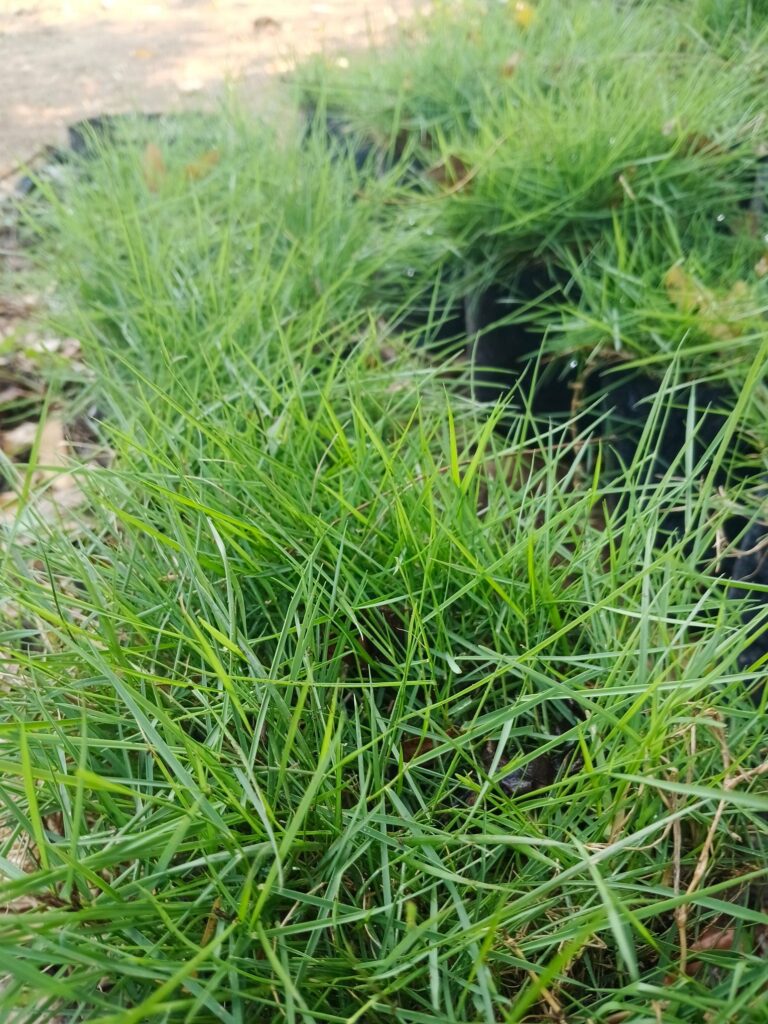
Bermuda grass is a warm-season grass. It grows fast in hot weather and goes dormant, turning brown, after the first frost, as Clemson University notes. That growth pattern shapes its feeding needs.
The main nutrient is nitrogen (N). It drives leaf growth, color, and density. Phosphorus (P) and potassium (K) matter too, but many soils already hold enough of them. That is why a soil test is so valuable.
How much nitrogen does a lawn need each year? It depends on the type of Bermuda grass. The University of California IPM program recommends 2 to 4 pounds of nitrogen per 1,000 square feet per year for seeded Bermuda grass. Hybrid varieties need more, at 4 to 6 pounds during the growing season.
Hybrids ask for more food because they are finer, denser, and mowed lower. If you are unsure which type you have, check with your local extension office.
READ MORE ON: Exactly When Does Bermuda Grass Go Dormant (Tell-Tale Signs)
How to Read a Fertilizer Label
Every bag shows three numbers, such as 16-4-8. They show the percentage of nitrogen, phosphorus, and potassium by weight. The first number is the one that matters most for Bermuda grass.
Here is a simple method from Texas A&M AgriLife Extension. To find how much fertilizer gives 1 pound of nitrogen, divide 100 by the first number on the bag. For a 15-percent nitrogen product, that is about 6.7 pounds of fertilizer per 1,000 square feet.
For a 5,000-square-foot lawn, the same extension guide says you would need about 33 pounds of a 15-percent product. This small calculation prevents both under-feeding and over-feeding.
Also look at the type of nitrogen. Slow-release forms feed the grass over weeks. Quick-release forms act fast but also fade fast, and they carry a higher burn risk.
ALSO READ: 6 Proven Ways to Make Bermuda Grass Thicker and Greener
The 10 Best Fertilizers for Bermuda Grass
Below are my top choices. Each one suits a different need, so read the details and match them to your lawn.
1. Slow-Release Nitrogen Lawn Fertilizer (Best All-Rounder)
If you want one product for most of the year, start here. A slow-release granular lawn fertilizer with a high first number, for example a 16-4-8 or a similar blend, feeds the grass steadily. It also lowers the risk of leaf burn.
I like this type for busy homeowners. You apply it less often, and the color stays even. Texas A&M AgriLife Extension suggests about 1 pound of nitrogen per 1,000 square feet every 8 to 10 weeks during the growing season for its recommended program.
Always check that the label says it is safe for Bermuda grass. Spread it evenly with a calibrated spreader. Water lightly afterward so the granules settle into the soil.
The cost is a little higher than basic products. However, the steady results and fewer applications usually make up for the difference.
2. Polymer-Coated, Controlled-Release Fertilizer (Best for Long-Lasting Results)
Controlled-release products have tiny coated granules. Water passes through the coating slowly, and nutrients leave over many weeks. This is a more advanced form of slow release.
The main advantage is consistency. Your lawn does not go through the high-and-low cycle that quick products cause. Growth stays smooth, and mowing stays easier to manage.
This type is also helpful on sandy soil, where nutrients wash away quickly. The coating holds nitrogen in place longer. That means less waste and less runoff after heavy rain.
The price per bag is higher. Still, one application can cover a long stretch of summer. I think it is a smart choice for lawns where you want results without constant attention.
3. Urea (46-0-0) (Best Budget Nitrogen Source)
Urea is one of the most common nitrogen fertilizers. It contains 46 percent nitrogen, which makes it very concentrated and cost-effective. A small amount covers a large area.
It works quickly, and Bermuda grass responds well. You often see greener blades within a week or two. That is why many experienced lawn owners keep a bag in the shed.
The risk is burning. Because urea is strong, too much of it can scorch the lawn. Apply it exactly as labeled, and water it in right after spreading. Avoid applying it before heavy rain, as it can wash away.
Use light, frequent doses rather than one big one. For most lawns, this is a good supplement, not the only product you use.
4. Ammonium Sulfate (21-0-0-24S) (Best for High-pH or Alkaline Soil)
Ammonium sulfate contains 21 percent nitrogen and also supplies sulfur. It has a mild acidifying effect on soil. That makes it useful where the soil is too alkaline.
When soil pH is too high, grass cannot absorb iron and some other nutrients well. Leaves then turn yellow. A product like this can help bring things back into balance over time.
It acts faster than slow-release types, though not as fast as urea. It is also gentler on the grass than some quick-release sources. I find it a good middle option.
Do not use it on soil that is already acidic. Test the pH first. Using an acidifying product on acidic soil only makes the problem worse.
5. Complete NPK Fertilizer such as 16-4-8 (Best When a Soil Test Shows Low Phosphorus or Potassium)
A complete fertilizer supplies all three major nutrients. A common pattern for lawns is a 4-1-2 ratio. It suits lawns where a soil test shows that phosphorus and potassium are low.
Here I want to be careful. Many lawns do not need extra phosphorus. Applying it anyway wastes money and can harm water quality. The U.S. Environmental Protection Agency notes that residential areas can be a significant source of excess nitrogen and phosphorus pollution from fertilizers.
That is why testing comes first. Clemson University’s soil lab explains that soil tests give a scientific basis for fertility and also protect against the environmental hazards of excess fertilizer.
If the test shows a need, a complete product is an easy fix. If it does not, choose a nitrogen-focused product instead.
6. Starter Fertilizer (Best for New Sod, Sprigs, or Seed)
New Bermuda grass needs help building roots. A starter fertilizer is higher in phosphorus, which supports early root growth. It is made for young turf that is just getting established.
Use it at planting time or soon after, as the label directs. This is one of the few times phosphorus makes real sense for a lawn. Even so, a soil test remains the best guide.
NC State Extension suggests planting bare or worn areas in late May using sod or sprigs at three to five bushels per 1,000 square feet. Common Bermuda grass can also be seeded at 1 to 2 pounds per 1,000 square feet. A starter product fits well with these steps.
Once the lawn is established, switch back to a nitrogen-focused product. Keep using starter fertilizer on a mature lawn, and you will pay for nutrients the grass does not need.
7. Potassium-Rich Fertilizer (Best for Stress Tolerance in Late Season)
Potassium helps grass handle heat, drought, traffic, and cold. Fertilizers with a high last number, such as 0-0-50 potash products or a blend like 10-0-20, supply it. Many turf managers apply them in late summer.
Bermuda grass is a heavy user of potassium compared with some other lawn grasses. In a lawn that gets hard use, potassium can make the difference between a tired turf and a strong one.
I recommend this only after a soil test shows a need. Excess potassium does not make the grass greener, and it is easy to waste.
NC State Extension also gives timing advice for the end of the season. To reduce the risk of spring dead spot, apply no more than about half a pound of nitrogen per 1,000 square feet in September, or four weeks before the first expected frost. Keep that in mind when you choose a fall product.
8. Organic Granular Fertilizer (Best for Eco-Friendly Lawn Care)
Organic lawn fertilizers use natural sources such as feather meal, poultry manure, or plant meals. They release nitrogen slowly as soil microbes break them down. That makes burn very unlikely.
They also improve the soil over time. Organic matter helps the soil hold water and nutrients. For families with children and pets, many people feel more comfortable using these products.
The trade-off is speed and cost. Results show up more slowly, especially in cool weather. The nitrogen percentage is also lower, so you need more product to deliver the same nitrogen.
Use the label to calculate pounds of nitrogen, just as you would with any bag. A steady organic program, applied through the warm months, can build a very healthy lawn.
9. Liquid Nitrogen and Iron (Best for a Quick Color Boost)
Sometimes you need a fast fix. Maybe guests are coming, or the lawn looks pale after a long dry spell. A liquid fertilizer with nitrogen and chelated iron can deepen the color in days.
Iron does not make the grass grow faster. It simply improves color. That is why it is popular for cosmetic touch-ups. It works well on lawns that tend to yellow in alkaline soil.
Liquid products are sprayed over the lawn. They are absorbed through leaves and roots, so results are quick. However, the effect fades sooner than with granules.
I treat liquid feeds as a supplement, not a replacement. Use them between regular granular applications. Follow the label rate closely, and avoid spraying in the heat of the day.
10. Compost and Grass Clippings (Best Free and Natural Boost)
This last option costs almost nothing. Grass clippings left on the lawn break down and return nutrients to the soil. The University of Maryland Extension states that clippings can supply up to 25 percent of a lawn’s yearly nutrient needs.
A thin layer of compost works in a similar way. Spread about a quarter inch over the lawn, then rake it in so the grass blades are not buried. It feeds soil life and improves structure.
Neither option will replace a full fertilizer program on a hybrid lawn that needs 4 to 6 pounds of nitrogen a year. But they reduce how much you need to buy. They also build long-term soil health.
To use clippings well, mow often and keep the cuts short. Long, wet clippings can clump and smother the grass.
ALSO READ: 10 Ways to Get Bermuda Grass Spread (Make it Fill in Faster)
When to Fertilize Bermuda Grass
Timing matters as much as the product. NC State Extension advises that, without a soil test, you apply half to 1 pound of nitrogen per 1,000 square feet several weeks after the lawn turns fully green. That is typically between early April and May in North Carolina.
During the active growing season, NC State’s calendar suggests about 1 pound of nitrogen every four to six weeks for lawns that need regular feeding. Slow-release products can stretch this to every 8 to 10 weeks, as Texas A&M notes.
Do not feed dormant grass. Bermuda grass cannot use nutrients when it is not growing. Wait until it has fully greened up in spring.
Local laws may also apply. For example, Maryland bans lawn fertilizer applications between November 15 and March 1, according to University of Maryland Extension. Check the rules in your area before you spread anything.
If you live in a tropical or equatorial region, such as Nairobi, your lawn may grow almost all year. In that case, I suggest feeding at the start of the rainy season and then following the product’s interval on the label. Your local extension office can give exact timing.
How to Apply Fertilizer Correctly
Good habits protect both your lawn and the environment. Follow these steps:
- Test your soil to learn pH and nutrient levels.
- Measure your lawn so you know the square footage.
- Calculate the product you need using the label.
- Spread evenly with a calibrated spreader.
- Water lightly after applying to move nutrients into the soil.
- Sweep granules off driveways and sidewalks.
Water also matters. NC State Extension notes that Bermuda grass should get about 1 inch of water per week, including rainfall. Deep, infrequent watering builds strong roots.
Mowing height helps too. UC IPM recommends mowing seeded Bermuda grass at 1 to 1.5 inches, and hybrids at 0.5 to 0.75 inches with a reel mower. Correct mowing makes your fertilizer work harder.
ALSO READ: When Does Bermuda Grass Turn Green? (Come out of Dormancy?)
Common Mistakes to Avoid
The most common mistake is too much nitrogen at once. It burns the lawn and creates weak, fast growth. Many extension guides keep single applications to about 1 pound of nitrogen per 1,000 square feet or less.
Another error is feeding at the wrong time. Late-season nitrogen can raise the risk of disease and winter damage. Remember the September limit from NC State Extension.
Planting Bermuda grass in shade also leads to trouble. Texas A&M warns against choosing Bermuda grass for shady lawns. No fertilizer can fix a lack of sunlight.
Finally, protect nearby water. The EPA advises people not to apply fertilizer before windy or rainy days and to avoid applying it close to waterways. Spills should be cleaned up quickly, and spreaders should be filled on a hard surface.
Frequently Asked Questions
What is the best NPK ratio for Bermuda grass?
A nitrogen-focused ratio such as 4-1-2 suits many lawns. Still, if your soil test shows enough phosphorus and potassium, a product with a high first number and low or zero middle number is perfectly fine.
How much nitrogen does Bermuda grass need each year?
For seeded Bermuda grass, UC IPM recommends 2 to 4 pounds of nitrogen per 1,000 square feet each year. For hybrid types, the figure is 4 to 6 pounds. Needs vary with climate, soil, and lawn use.
Is organic or synthetic fertilizer better for Bermuda grass?
Both can work. Synthetic products give faster, more predictable results. Organic products improve soil and carry a lower burn risk. I often suggest using both: a slow-release base program and compost for soil health.
Can I fertilize Bermuda grass in summer?
Yes. Summer is when Bermuda grass grows most actively, so it is a normal feeding period. Just avoid applying right before heavy rain, and water the lawn after applying.
Final Thoughts
Bermuda grass rewards good care. It does not ask for much, but it does respond well to the right fertilizer at the right time.
For most lawns, a slow-release nitrogen fertilizer is the safest base. Add quick-release or liquid products when you need a boost. Use phosphorus and potassium only when a soil test shows a need.
Take your time, measure carefully, and follow the label. A thick, green lawn is not about luck. It comes from small, steady, well-planned steps.
References
- NC State Extension. Bermudagrass Lawn Maintenance Calendar. https://content.ces.ncsu.edu/bermudagrass-lawn-maintenance-calendar
- Texas A&M AgriLife Extension. Bermudagrass: Maintaining Your Lawn. https://agrilifeextension.tamu.edu/wp-content/uploads/2025/05/Bermudagrass-Maintaining-.pdf
- University of California Statewide IPM Program. Planting and Management Tips for Bermudagrass. https://ipm.ucanr.edu/TOOLS/TURF/TURFSPECIES/bermudatips.html
- University of Maryland Extension. Lawn Fertilizer Guidelines for Maryland Residential Lawns. https://extension.umd.edu/node/3112
- North Carolina Department of Environmental Quality, reproducing NC State University Cooperative Extension. Caring for Your Lawn: Nitrogen Fertilizer Guide for Lawns. https://deq.nc.gov/media/8979/download
- U.S. Environmental Protection Agency. Nutrient Pollution: Sources and Solutions, In and Around the Home. https://www.epa.gov/node/18735
- Clemson University. Clemson Ag Service Lab Promotes Game-Winning Turf for Athletic Programs. https://news.clemson.edu/clemson-ag-service-lab-promotes-game-winning-turf-for-athletic-programs/

Tim M Dave is a gardening expert with a passion for houseplants, particularly cacti and succulents. With a degree in plant biology from the University of California, Berkeley, he has vast experience in gardening. Over the years, he has cultivated a vast collection of desert plants and learned a great deal about how to grow and care for these unique companions.