Explained: How Often Should You Water Succulents in Summer?
I’ll never forget the first time I brought home a succulent. It was a tiny, vibrant echeveria, and I was smitten. But when summer rolled around, I nearly killed it with too much love—and too much water.
Succulents are desert natives, built to store water in their plump leaves and stems. But summer in the U.S. can throw them for a loop. Whether you’re in arid Arizona or muggy Florida, the heat, humidity, and sunlight intensity affect how much water your succulents need.
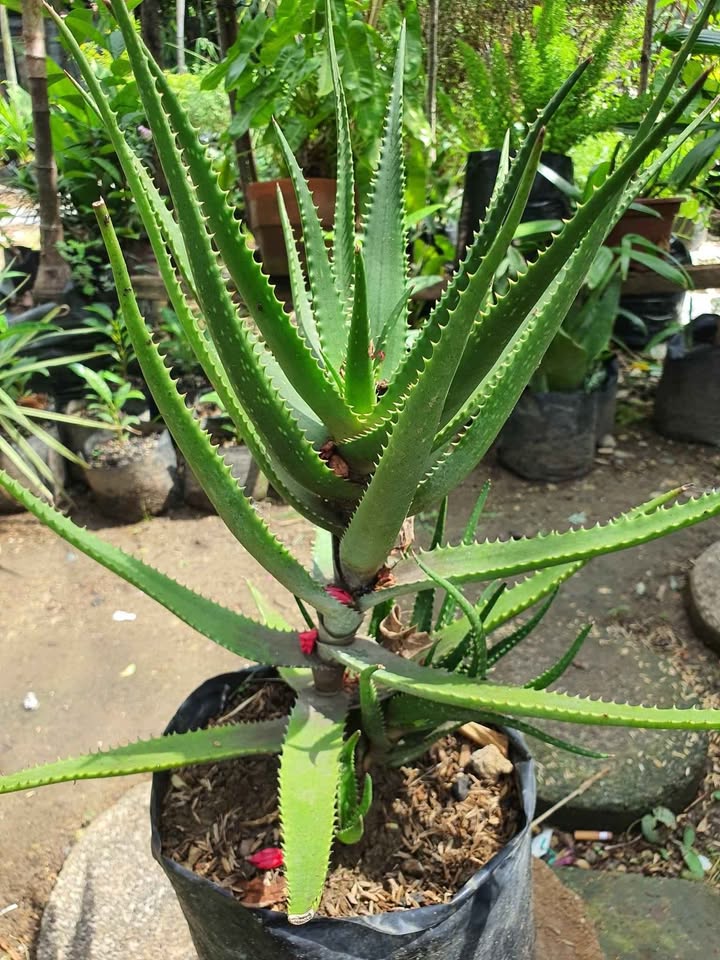
I learned this when my aloe started looking shriveled last July—it wasn’t getting enough water for the heat. In summer, succulents often grow actively, using more water than in cooler months. But overwatering is still their biggest enemy.
Finding the right balance is key, and it starts with understanding your home’s environment.
Factors That Affect Summer Watering
Before I dive into how often to water, let’s talk about what influences your succulent’s thirst:
Climate and region
If you’re in a dry state like Nevada, your succulents may need more frequent watering than in humid Georgia. Indoor succulents in air-conditioned homes might need less water due to lower evaporation rates.
Sunlight exposure
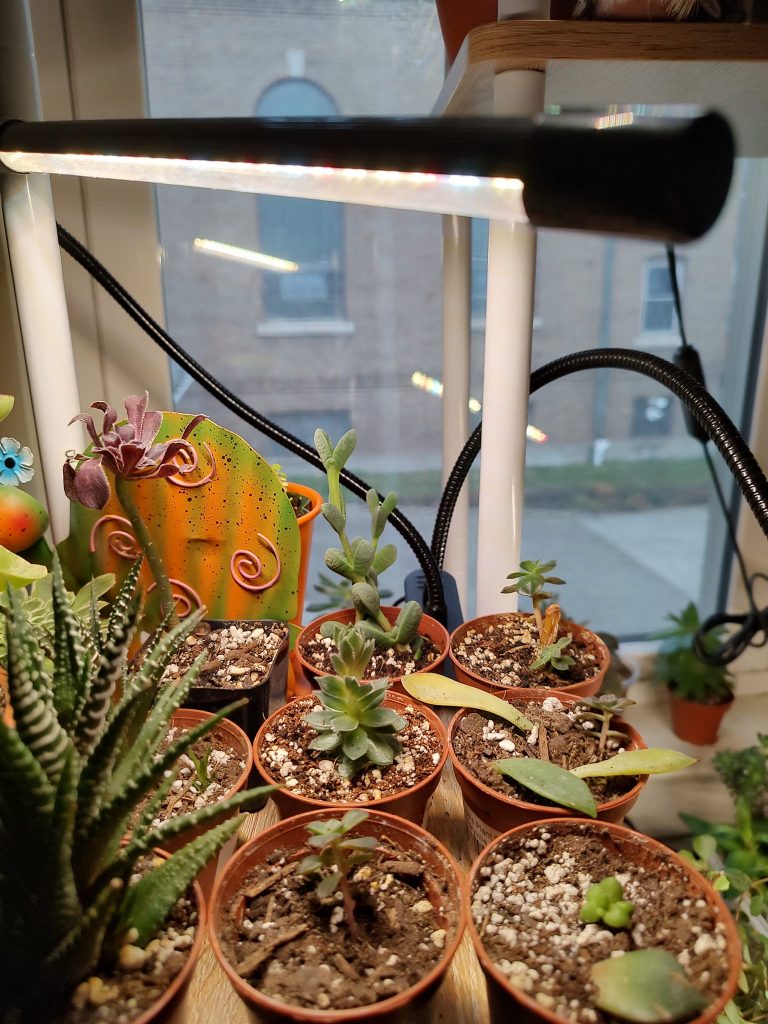
My succulents on a sunny windowsill dry out faster than those in shadier spots. Outdoor succulents in full sun might need more frequent drinks.
Pot and soil type
Terracotta pots dry out faster than plastic ones. Well-draining soil, like a cactus mix, is a must to prevent root rot. The most important part is to use a pot with drainage holes. One without proper drainage can retain excess water causing roots to rot.
Succulent Type
Not all succulents are the same. My Haworthia needs less water than my jade plant, which grows faster in summer. This typically means, how often to water succulents in summer depends on the plant type that you have.
Indoor vs. Outdoor
Indoor succulents are sheltered from rain and wind, so you control their water. Outdoor ones might get unexpected showers. So, it’s always important to check the soil before watering. For most succulents, water when the top inch of the soil is completely dry to the touch.
How Often to Water Succulents in Summer
So, how often should you water? There’s no one-size-fits-all answer, but here’s what works for me in my Chicago apartment:
I water my indoor succulents every 7–14 days in summer. I check the soil first—if it’s dry an inch down, it’s time to water. If it’s still moist, I wait a few days.
On the other hand, my outdoor succulents need water every 5–10 days, depending on the weather. In intense heatwaves, I check every 5 days to prevent drying out.
The “soak and dry” method is my go-to. I pour water thoroughly until it drains out the pot’s bottom, then wait until the soil is completely dry before watering again. This mimics desert rain patterns and keeps roots healthy.
Last summer, I ignored the “dry” part and watered my sedum too soon. Big mistake—it got soggy and lost leaves. Lesson learned: always let the soil dry out completely.
Signs Your Succulent Needs Water (or Not)
I’ve learned to “read” my succulents to know when they’re thirsty or overwatered. Here’s what to look for:
- Underwatered: Leaves look wrinkled, shriveled, or deflated. The soil feels bone-dry. My jade plant got wrinkly last summer when I forgot to water it for three weeks.
- Overwatered: Leaves turn soft, mushy, or yellow. The soil stays wet for too long. I lost a string of pearls this way—heartbreaking!
- Healthy: Leaves are plump, firm, and vibrant. The soil dries out between waterings.
If you’re unsure, err on the side of underwatering. Succulents are tough and can bounce back from drought better than soggy roots.
Step-by-Step Guide to Watering Succulents in Summer
Here’s my simple routine for watering succulents in summer, tailored for American homes:
- Stick your finger an inch into the soil. If it’s dry, it’s time to water. If it’s damp, wait a few days. I use a chopstick for deeper pots—it’s a game-changer.
- Pour water evenly over the soil until it drains out the bottom. I do this in the morning so the plant dries out before cooler nights.
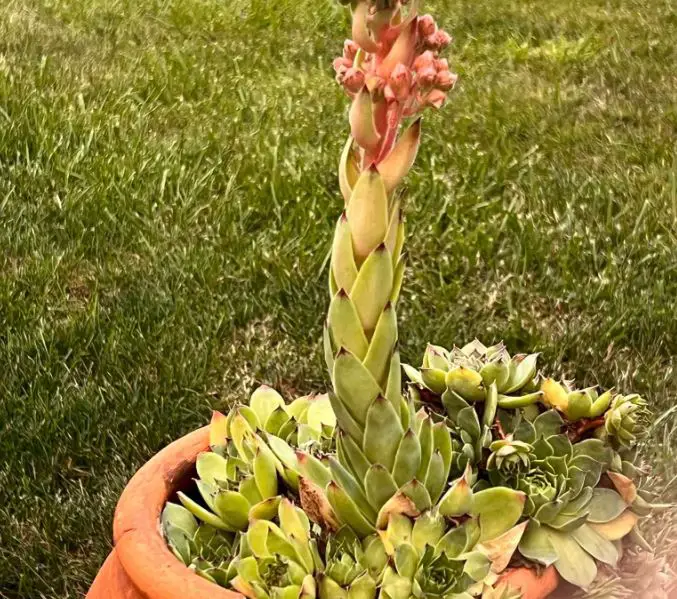
- Try not to get water on the leaves, especially for rosette-shaped succulents like echeverias. Wet leaves can lead to rot in humid climates.
- Don’t let your pot sit in standing water. I empty saucers under my pots after 10 minutes to prevent root rot.
- If you’re in a rainy area like Seattle, cut back on watering outdoor succulents. In dry Phoenix, you might need to water more often.
Adjusting for Your Home Climate
The U.S. is huge, and summer conditions vary wildly. Here’s how to tweak your watering based on the climate where you live:
- Hot and dry, common in the Southwest: Water every 5–7 days for outdoor succulents, 7–10 days for indoor ones. The intense sun dries soil fast. I mist my outdoor succulents lightly in extreme heat to prevent scorching.
- Humid and warm, common in the Southeast: Water every 10–14 days. High humidity slows soil drying, so overwatering is a bigger risk. Ensure good airflow around indoor plants.
- Temperate, common in the Pacific Northwest: Water every 7–12 days, but watch for rain if your succulents are outdoors. I bring mine under cover during heavy downpours.
- Variable, common in the Midwest: Check soil every 7–10 days. Summer storms can make watering tricky, so rely on the “soak and dry” method.
My Favorite Tools for Watering Succulents
Here are basic tools that make watering succulents safer:
- Moisture meter: I got one for $10, and it’s a lifesaver for checking soil dryness.
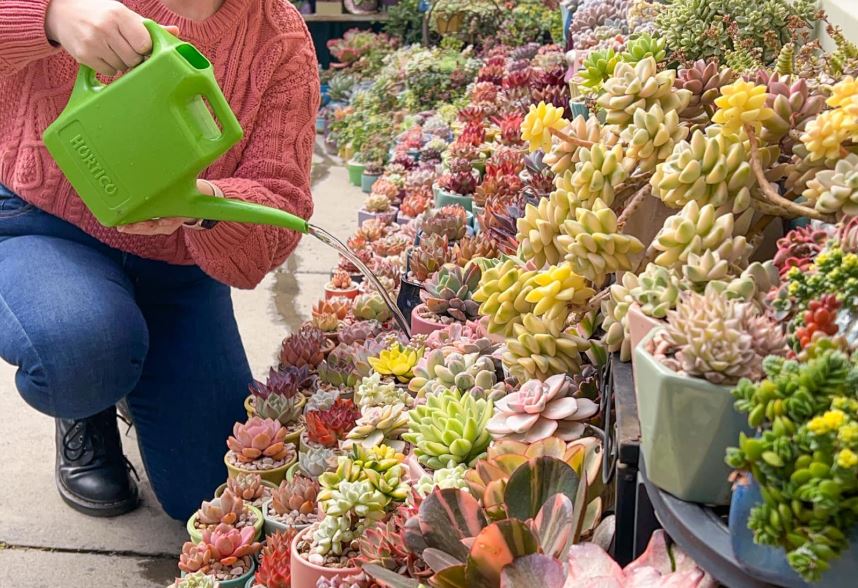
- Watering can with a narrow spout: This helps me water the soil without splashing leaves.
- Terracotta pots: They dry out faster, which is great for preventing overwatering.
- Spray bottle: For light misting in dry climates, especially for baby succulents.
Common Summer Watering Mistakes (I’ve Made Them All)
Here are pitfalls I’ve fallen into and how to avoid them:
- Watering on a schedule: I used to water every Sunday, no matter what. Bad idea. Always check the soil first.
- Using poor soil: My first succulent sat in dense garden soil and rotted. Use a fast-draining cactus mix or make your own with sand and perlite.
- Ignoring drainage: Pots without drainage holes are a recipe for disaster. I learned this when my ceramic pot turned into a swamp.
- Overwatering in humidity: In humid areas, succulents need less water. I cut back after noticing my plants weren’t drying out.
Extra Tips for Summer Success
- Water in the morning so the soil dries before night. This prevents rot, especially in cooler or humid areas.
- If temps soar above 90°F, move outdoor succulents to partial shade. My succulents scorched in the direct sun last August.
- Rotate your indoor succulents every few weeks for even light exposure, which helps them use water evenly.
- Fertilize sparingly using diluted cactus fertilizer once a month in summer to support growth, but too much can burn roots. See my guide on how to use liquid fertilizer for succulents in pots.
Conclusion
Watering succulents in summer doesn’t have to be a guessing game. By using the “soak and dry” method, checking your soil, and adjusting for your local climate, you can keep your plants happy all season. Whether you’re in a desert or a humid coastal town, pay attention to your succulents’ needs, and they’ll reward you with vibrant growth.
Got questions about your succulents? Drop them below, share your summer watering tips, or let me know how these tips worked for you!

Tim M Dave is a gardening expert with a passion for houseplants, particularly cacti and succulents. With a degree in plant biology from the University of California, Berkeley, he has vast experience in gardening. Over the years, he has cultivated a vast collection of desert plants and learned a great deal about how to grow and care for these unique companions.