15 Invasive Trees You Should Avoid Planting Near Your Home
I still remember the moment a forester pointed at the flowering pear tree lining my street and told me it was, technically, an ecological problem. It looked harmless: tidy, symmetrical, covered in white blossoms every spring.
That short conversation changed how I look at trees, and it’s part of why this guide exists.
An invasive tree isn’t simply a tree growing somewhere it didn’t originate. It’s a species that, once introduced to a new region, spreads aggressively, outcompetes native plants, and causes extensive harm to water supplies, infrastructure, or agriculture.
Some invasive trees were planted on purpose, prized for fast shade or fragrant flowers. Others arrived by accident, hidden in packing crates or ship cargo. Either way, the consequences add up year after year.
This guide walks through 15 invasive trees found across the United States, what makes each one a genuine threat, and how to recognize them the next time you’re out for a walk.
15 Invasive Trees to Know and Avoid
1. Tree of Heaven (Ailanthus altissima)
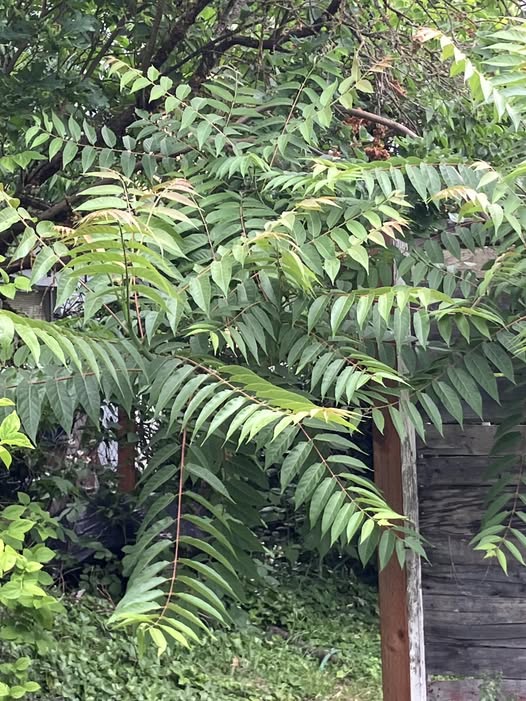
Few invasive trees carry a worse reputation. Tree of heaven arrived from China in the late 1700s as an ornamental shade tree, and it has been expanding ever since.
A single female tree can produce more than 300,000 seeds in one year, according to Penn State Extension, and some studies put that number even higher under ideal conditions.
The tree releases chemicals into the surrounding soil that suppress nearby plant growth, a defense strategy known as allelopathy. Its aggressive roots crack sidewalks and damage building foundations.
It’s also the preferred host plant of the spotted lanternfly, an invasive insect now causing serious losses for vineyards and orchards. Look for compound leaves with smooth-edged leaflets and a strong odor, often compared to rancid peanut butter, when the foliage is crushed.
2. Callery Pear, Including the Bradford Pear (Pyrus calleryana)
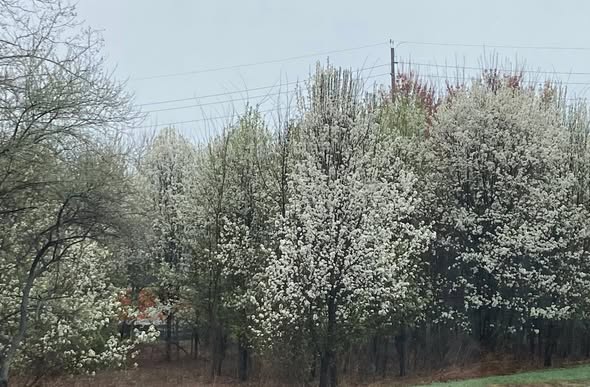
This is the tree most homeowners genuinely don’t realize is a problem. Bradford pear and its many cultivars were sold for decades as the ideal suburban street tree: fast-growing, smothered in white blossoms, shaped almost like a lollipop.
The trouble starts when different Callery pear cultivars cross-pollinate. The resulting offspring are thorny, aggressive, and quick to escape into fields and roadsides.
Ohio became the first U.S. state to ban its sale, in 2023, with South Carolina, Pennsylvania, and Kansas following close behind.
The flowers, despite their visual appeal, give off a smell many people compare to rotting fish. Walking past a row of these in full bloom is not a pleasant experience, and I say that from personal experience.
3. Saltcedar, or Tamarisk (Tamarix species)
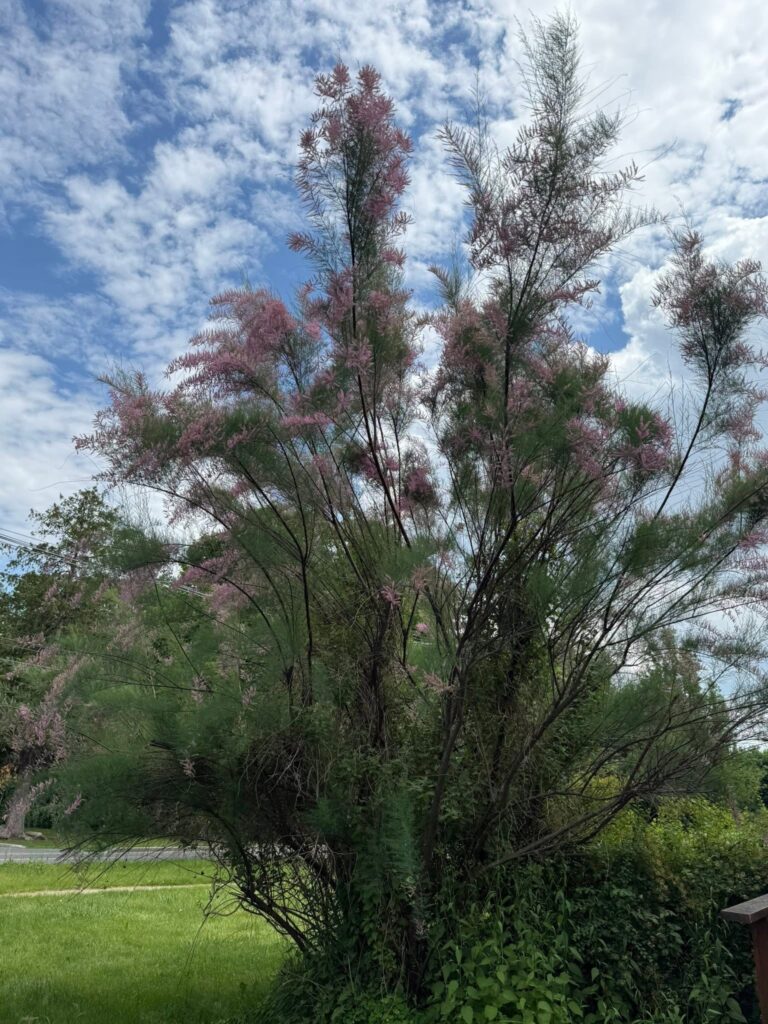
Tamarisk is the signature invasive tree of the American Southwest. Introduced in the 1800s for erosion control and ornamental planting, it has since infested more than 3.3 million acres of riparian land across the western United States, according to NASA’s Scientific Visualization Studio.
Older estimates claimed a single tamarisk plant could consume up to 200 gallons of water a day, roughly twice what an average person uses. More recent field research suggests the real figure is often considerably lower, closer to 30 to 120 gallons daily depending on stand density and soil conditions.
Either way, its deep taproot reaches directly into aquifers, and the salt it deposits through its leaf litter makes the surrounding soil hostile to native plants. Land managers have introduced tamarisk leaf beetles as a biological control, with encouraging though uneven results.
4. Russian Olive (Elaeagnus angustifolia)
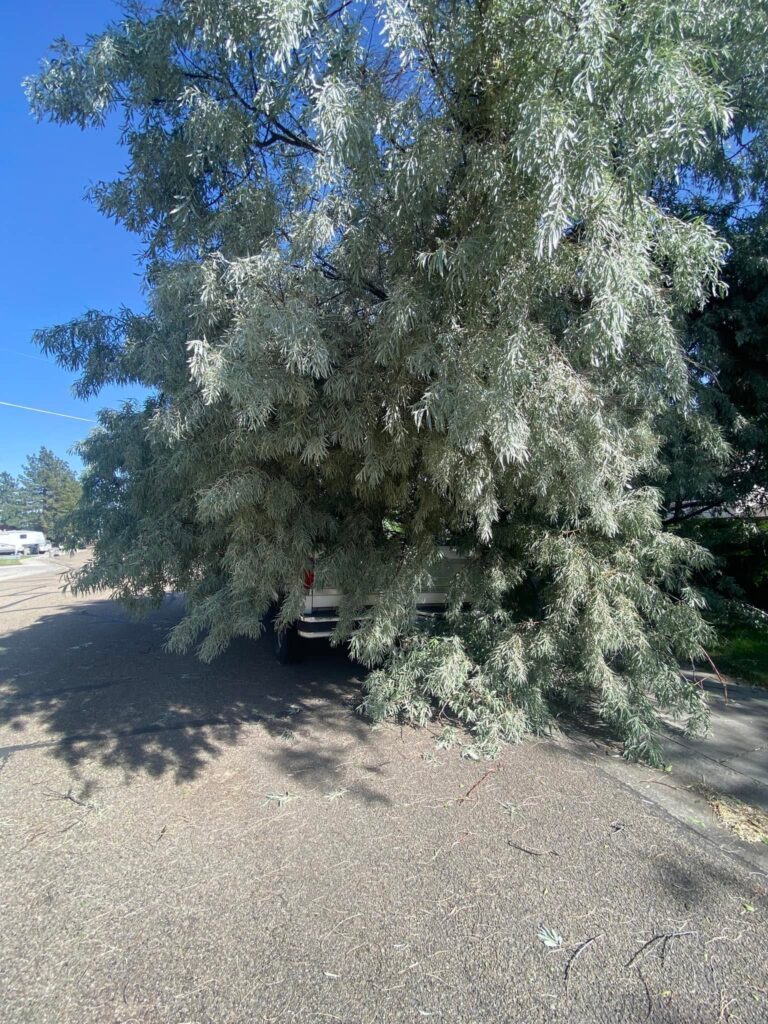
Russian olive looks deceptively gentle, with silvery foliage and fragrant yellow flowers. It was planted widely across the western U.S. for windbreaks and wildlife habitat, a decision that backfired in a specific way.
This tree fixes nitrogen in the soil through a partnership with symbiotic bacteria, which sounds beneficial until you consider how it changes the chemistry of riparian soils that native cottonwoods and willows depend on.
A study along New Mexico’s Rio Grande found soil beneath Russian olive carried 55% more total nitrogen than soil under native cottonwoods growing alone. That shift tends to favor more aggressive, weedy growth and crowds out the natives adapted to leaner soil.
5. Norway Maple (Acer platanoides)
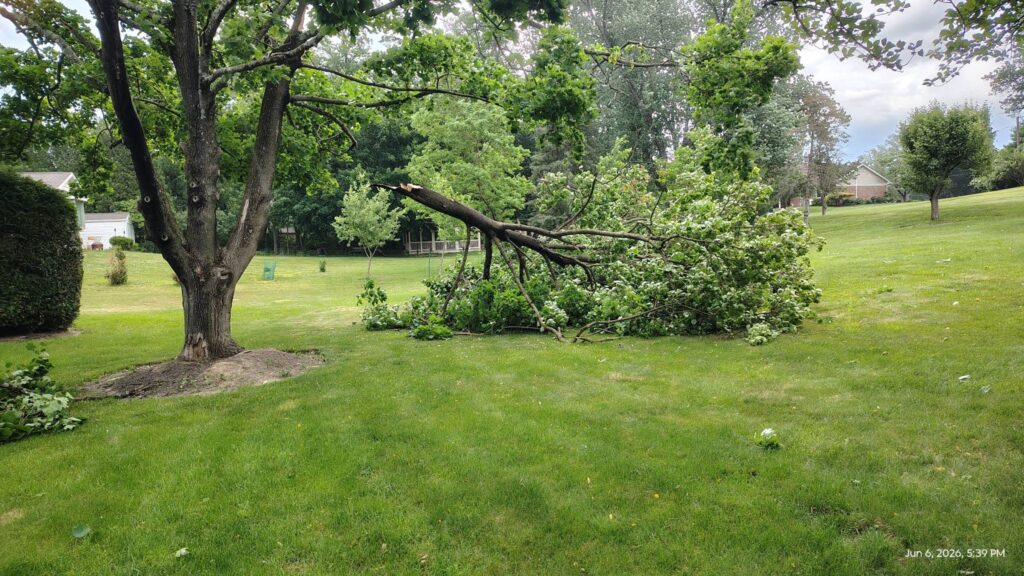
Brought from Europe in the 1700s, Norway maple has become one of the most common street trees in the northeastern United States, and that popularity is exactly the problem. It tolerates shade better than native sugar maple, and it simply grows faster.
Research from a New Jersey hardwood forest recorded Norway maple seedling densities of 40,500 stems per acre, a striking number that shows how thoroughly it can dominate a forest floor once established.
Its dense canopy blocks light to wildflowers and tree seedlings growing beneath it. New Hampshire and Massachusetts have already banned its sale, and roughly 17 states now classify it as invasive.
6. Chinese Tallow, or Popcorn Tree (Triadica sebifera)
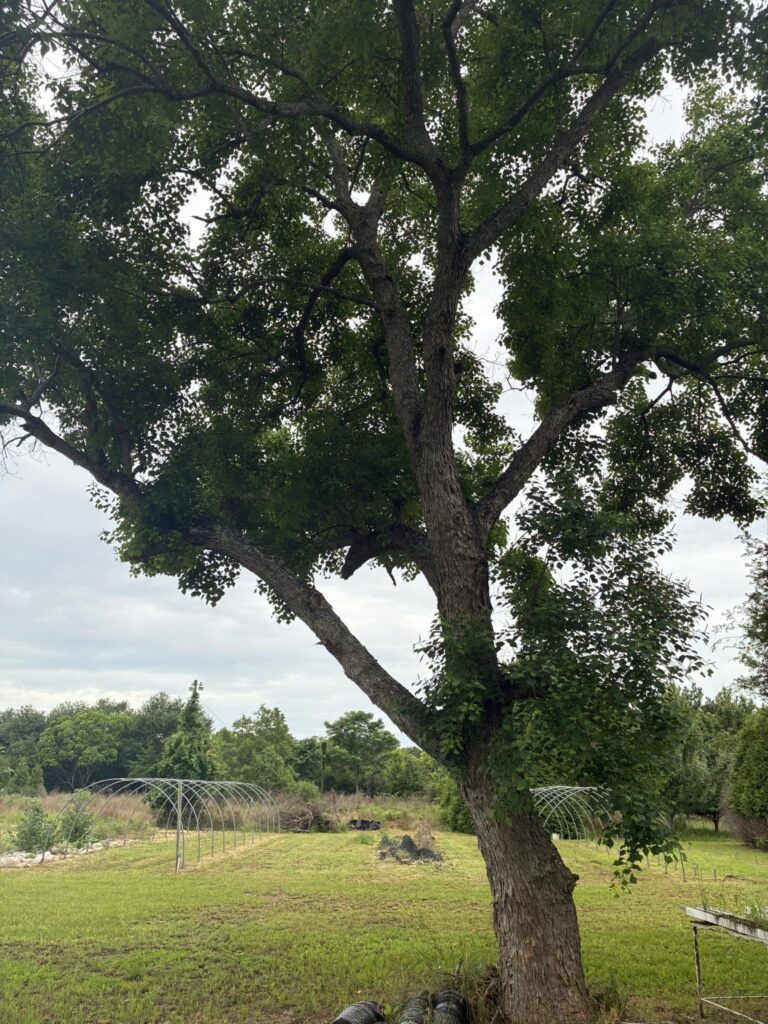
Brought to the United States by Benjamin Franklin himself in 1776, a detail I find genuinely surprising every time I read it, Chinese tallow has grown into arguably the most damaging invasive tree across the southeastern United States, according to the USDA Forest Service’s southern forest health program.
It earned the nickname “popcorn tree” because its seeds resemble small white popcorn kernels once the outer capsule splits open in fall. The tree tolerates flooding, drought, salt, and shade almost equally well, which lets it invade nearly any habitat type it encounters.
It can flower and produce viable seed within just three to four years of germination, and its leaf litter alters soil chemistry in ways that suppress native plant growth nearby.
7. Princess Tree, or Empress Tree (Paulownia tomentosa)
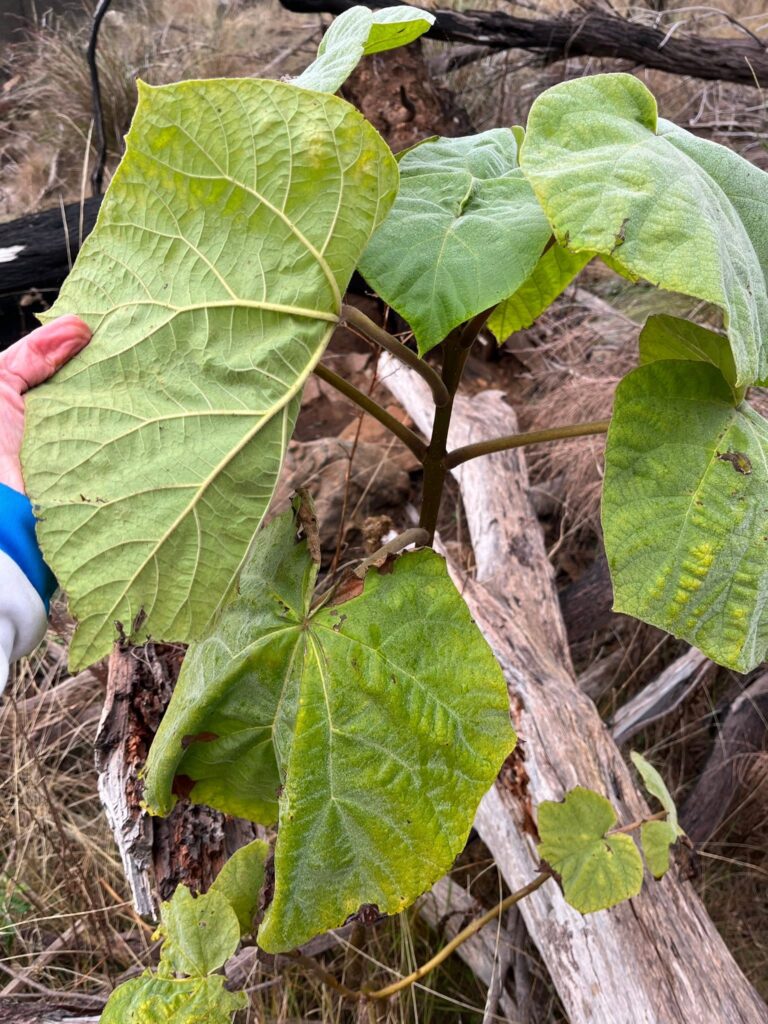
This may be the single most prolific seed producer on this entire list. According to the University of Maryland Extension, a single princess tree can produce an estimated 20 million seeds over its lifetime, scattered easily by wind and water.
Originally carried from China to Europe in the 1830s, then brought to North America soon after, the tree was historically used as cheap packing material for porcelain shipments. Crates would burst open in transit, scattering seeds along railway lines across the eastern United States.
The species thrives in disturbed ground after fire or logging, can survive being burned to the soil line, and resprouts vigorously from roots capable of extending more than 15 feet in a single growing season.
8. Melaleuca, or Paperbark Tree (Melaleuca quinquenervia)
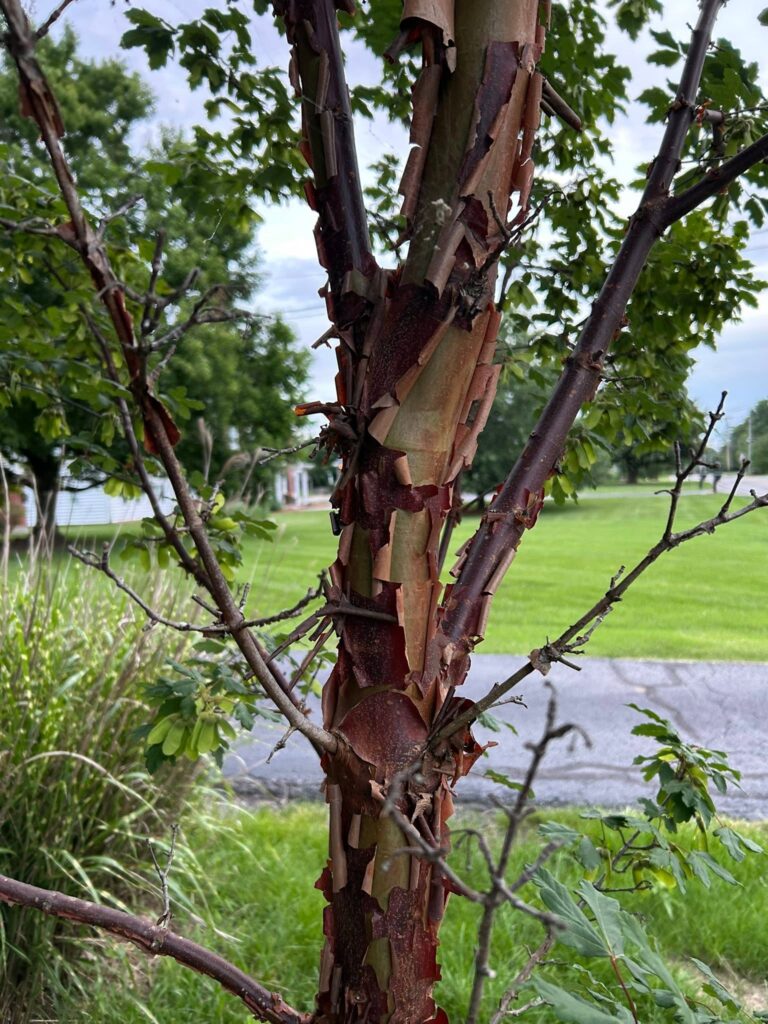
If you want to see invasive tree damage at its most dramatic, visit the Florida Everglades. Melaleuca was introduced from Australia in the early 1900s, and in some areas it was deliberately seeded by airplane in a misguided attempt to dry out wetlands for development.
It worked too well. According to the University of Florida’s Institute of Food and Agricultural Sciences, the tree now infests more than 500,000 acres of natural areas across the greater Everglades region, transforming open sawgrass marsh into dense, fire-prone forest.
Its oily bark and leaf litter feed intense crown fires, and a single tree can flower several times a year, releasing enormous volumes of wind-borne seed.
9. Mimosa, or Silk Tree (Albizia julibrissin)
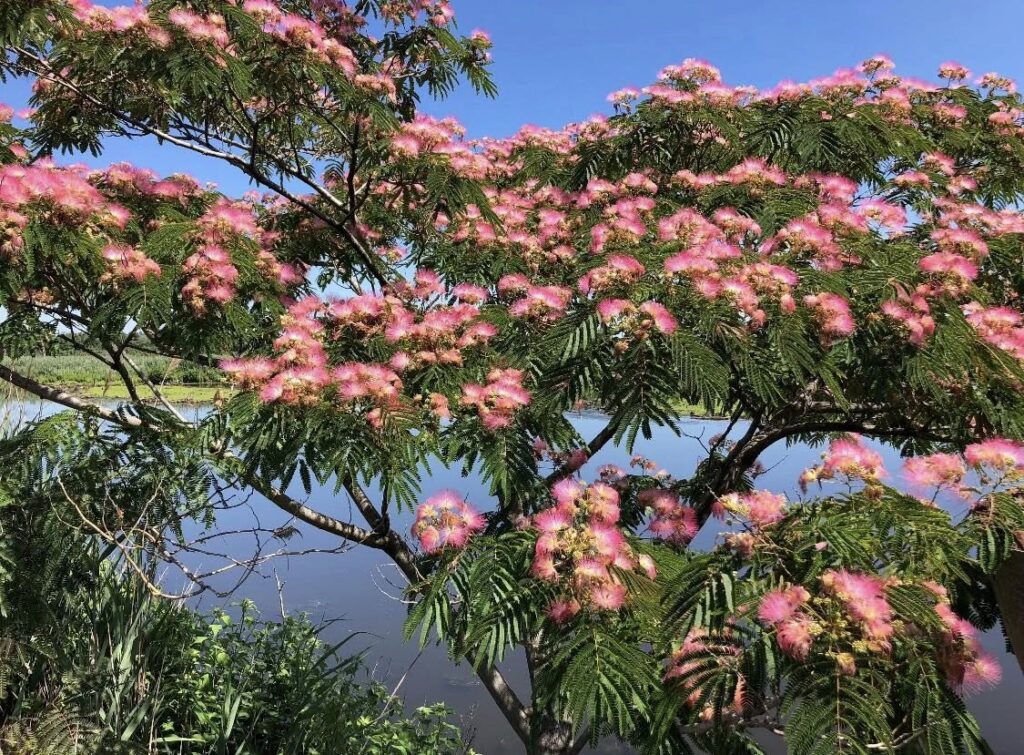
Mimosa’s fragrant pink, pompom-shaped flowers make it a favorite ornamental, especially across the South. Underneath that charm sits a tree with remarkably tough seeds, capable of staying dormant in soil for years.
One study found seed viability of 90% after five years in storage, a survival trait that makes long-term control difficult.
It spreads quickly along roadsides, riverbanks, and disturbed land, where it crowds out native shrubs and young trees. The wood is brittle and the tree itself is short-lived, usually surviving only 10 to 20 years, but by the time it dies, it has typically reseeded the surrounding area many times over.
10. White Mulberry (Morus alba)
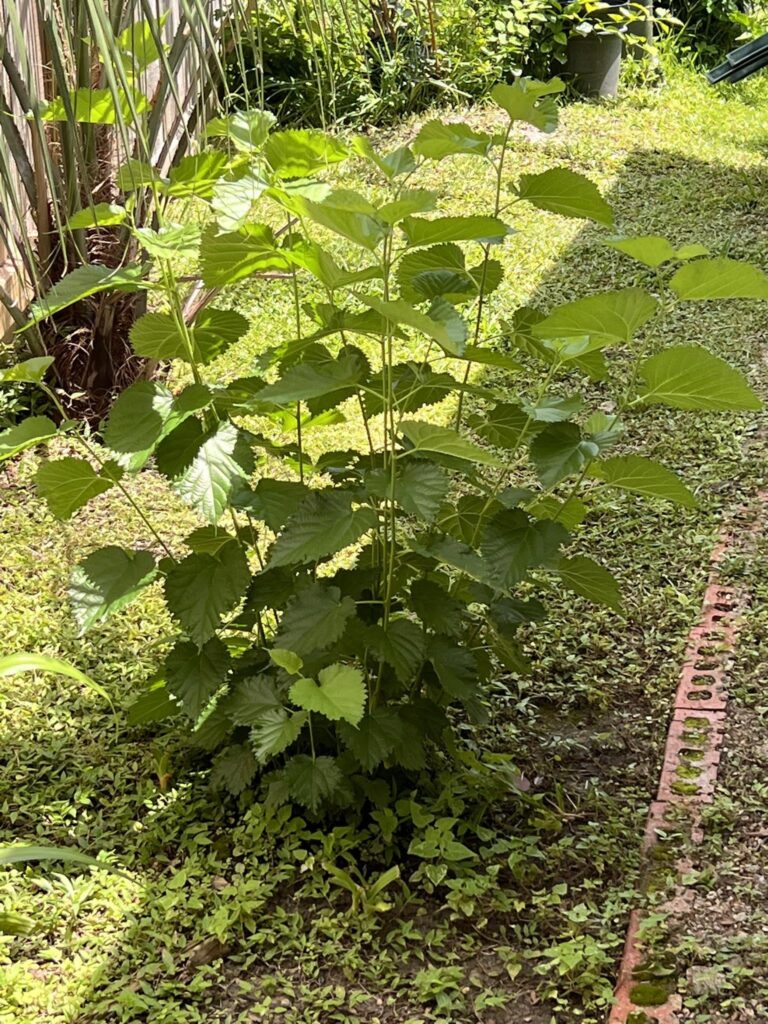
White mulberry’s story is quieter than most on this list, but no less concerning to botanists. Brought from China during colonial times as food for silkworms, this tree has since spread throughout most of the United States.
The real damage here is genetic. White mulberry hybridizes readily with the native red mulberry (Morus rubra), and laboratory comparisons show the hybrids, along with white mulberry itself, consistently outcompete the native species.
Red mulberry is now listed as endangered in Connecticut and Massachusetts, and threatened in Vermont and Michigan, partly because of this slow genetic displacement.
11. Siberian Elm (Ulmus pumila)
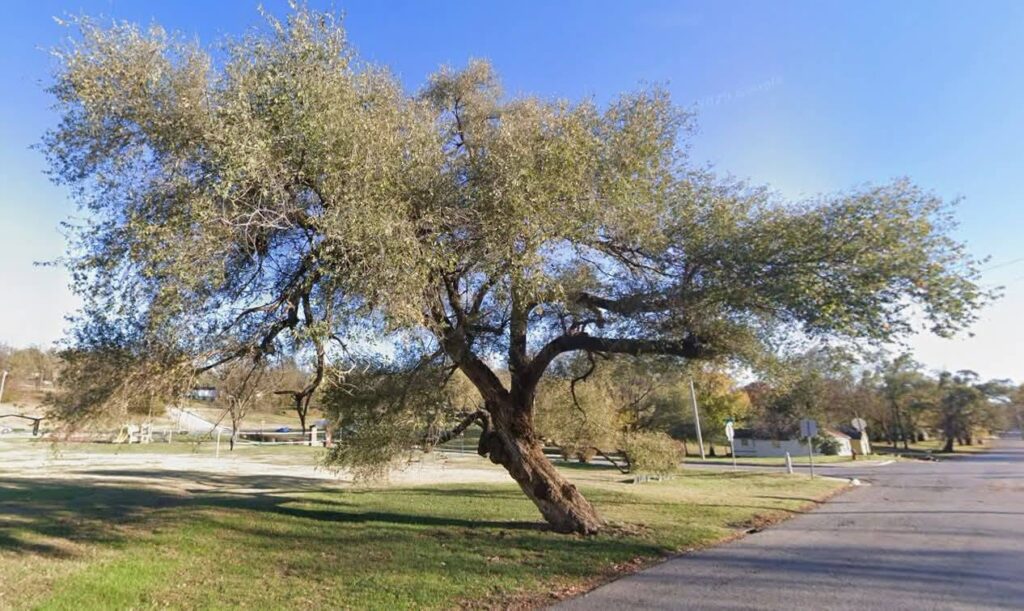
Siberian elm was planted across the Great Plains and Midwest for fast shade and reliable windbreaks, valued for surviving where other trees struggled. That same toughness explains why it has become invasive in at least 25 states, according to recent USDA assessments.
It produces seed prolifically and resprouts readily from cut stumps, which makes it stubborn to remove once established. Its wood is also notoriously brittle, and storm damage from falling Siberian elm limbs remains a common complaint in towns where it was once planted heavily as a street tree.
12. Common Buckthorn (Rhamnus cathartica)
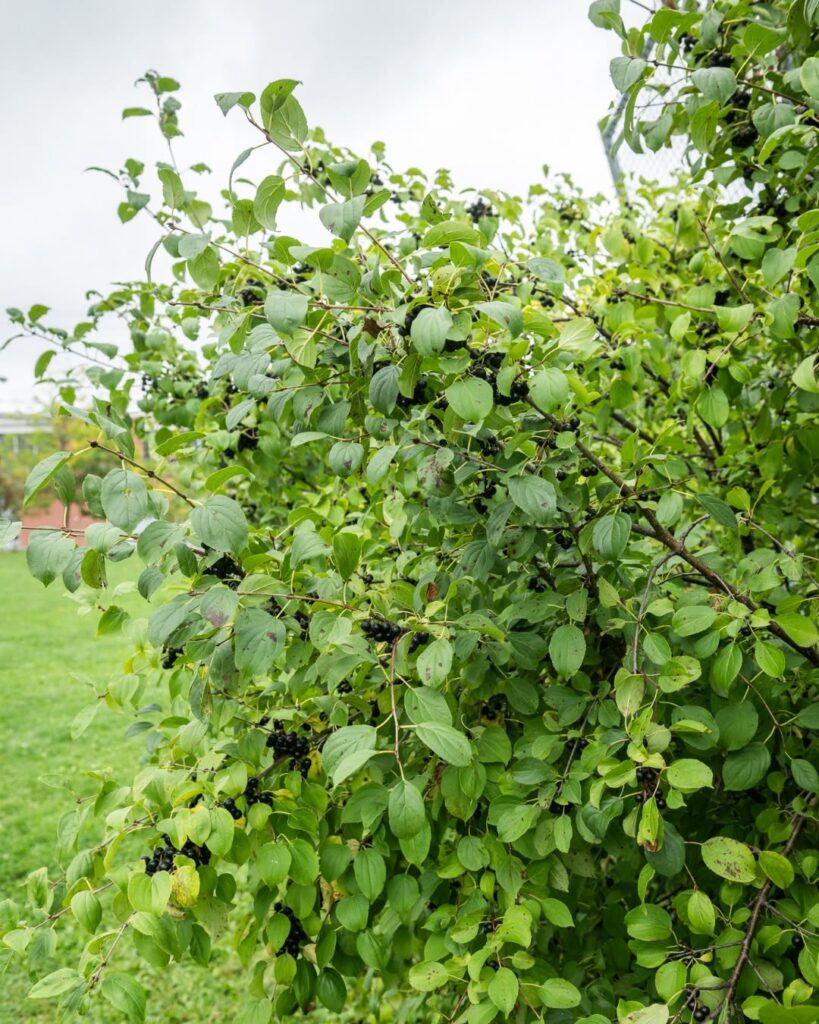
Buckthorn might be the most underestimated tree on this list, simply because it looks unremarkable: a tall shrub or small tree with dark berries. Brought from Europe in the mid-1800s as hedging material, it now dominates forest understories across the upper Midwest and Northeast.
Its berries contain a natural laxative compound that helps birds disperse the seeds widely and quickly.
The tree also serves as the primary overwintering host for the soybean aphid, a pest responsible for real damage to soybean crops across the Midwest, tying this ornamental shrub directly to agricultural losses.
Buckthorn leafs out earlier in spring and holds its leaves later into fall than most native plants, casting shade that prevents almost anything else from growing underneath.
13. Australian Pine (Casuarina equisetifolia)
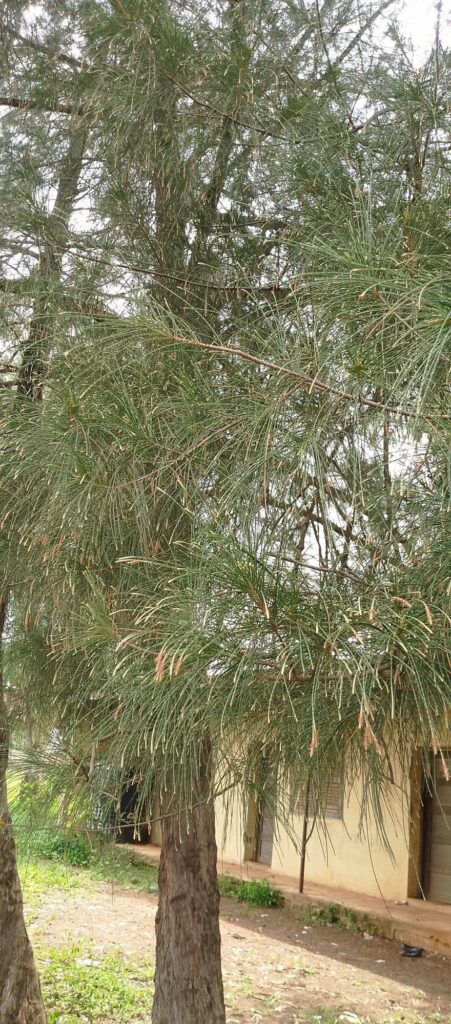
Despite the name, this tree isn’t a pine at all. Australian pine was planted across South Florida starting in the 1890s for lumber, shade, and windbreaks. It fixes nitrogen, grows extremely fast, and produces thick mats of needle-like leaf litter that suppress nearly all native plant growth beneath it.
Its shallow root system also makes it prone to toppling in storms, and fallen trees frequently block beach access that nesting sea turtles depend on.
Florida classifies it as a Category I invasive species, the state’s most serious designation, meaning it actively displaces native plant communities wherever it takes hold.
14. Black Locust (Robinia pseudoacacia)
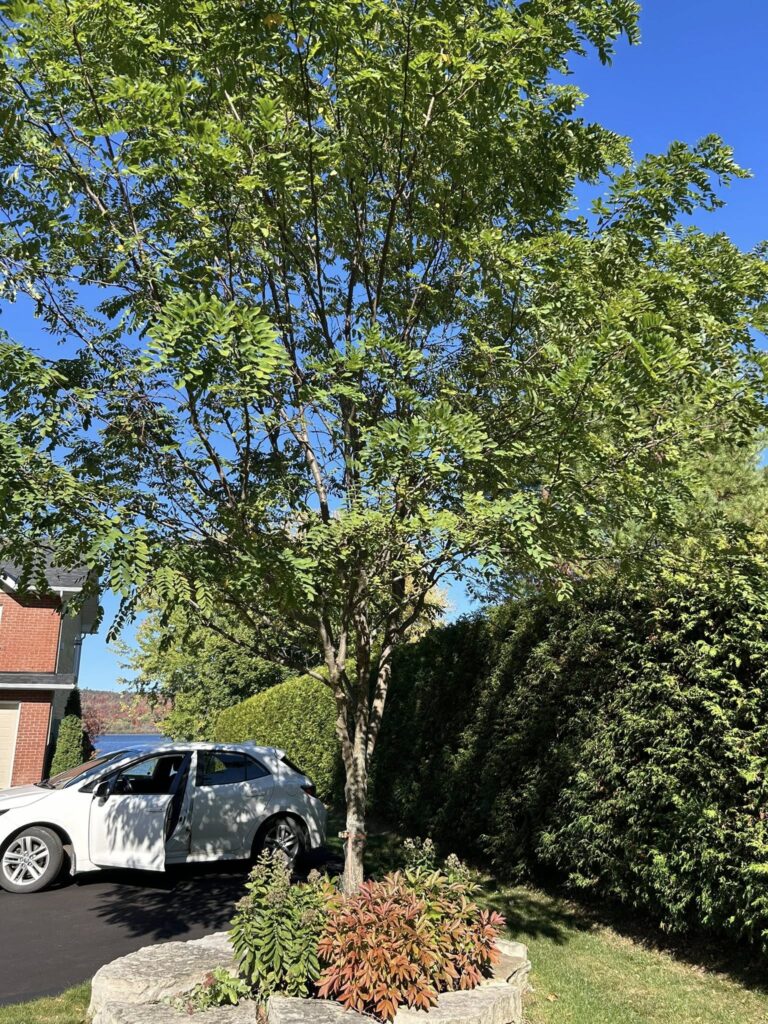
This entry is a genuinely interesting exception to the rule. Black locust is actually native to the Appalachian and Ozark mountains in the eastern United States.
It only becomes invasive when planted outside that historic range, something that has happened extensively across Europe, parts of Asia, and even within other regions of the U.S., such as Minnesota.
Like Russian olive, black locust fixes nitrogen, altering soil chemistry wherever it establishes. In parts of Central Europe, it has converted open grasslands into shrubby thickets, threatening rare native flora adapted to low-nitrogen soil.
It’s a useful reminder that the word “invasive” describes a relationship with a place, not a fixed trait of the tree itself.
15. Blue Gum Eucalyptus (Eucalyptus globulus)
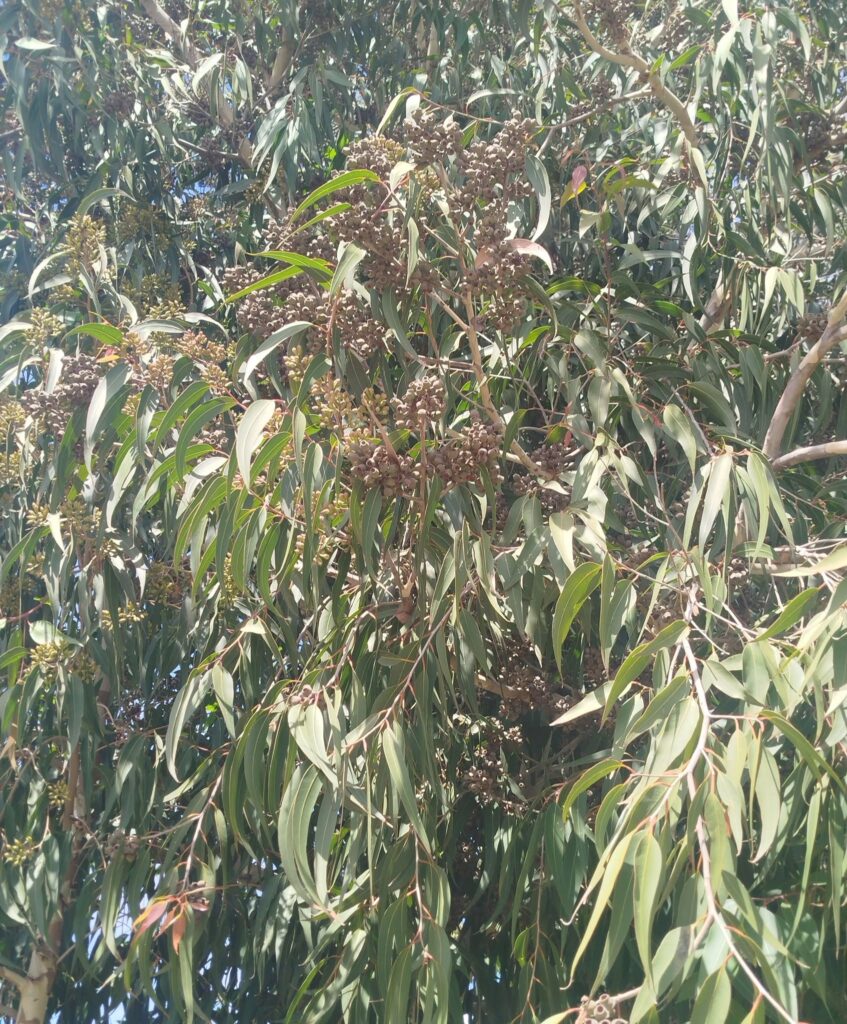
Eucalyptus arrived in California during the Gold Rush era, planted by hopeful settlers who imagined it might fuel a new lumber industry. The wood turned out to be poorly suited for construction, but the trees stayed, and they’re now a familiar fixture of the California coastline.
Research cited by California fire ecologists found leaf and bark litter beneath blue gum stands can build up to roughly 100 tons per acre, compared with about 3 tons per acre beneath native coast live oaks.
That dense, oil-soaked litter is a major reason eucalyptus groves are treated as a serious wildfire risk, a concern that resurfaces every fire season across the Bay Area. The California Invasive Plant Council currently rates it as a limited invasive species, reflecting real but localized ecological impact.
ALSO READ: Small Trees With Non-invasive Roots
The Bigger Picture: Why This Matters Beyond Aesthetics
It’s tempting to treat invasive trees as a minor nuisance, something only park rangers need to worry about. The numbers say otherwise.
Research supported by the USDA’s National Institute of Food and Agriculture estimates that invasive species have cost North America more than $26 billion annually since 2010, up from roughly $2 billion a year in the 1960s.
Invasive trees contribute to that total through lost timber value, damaged crops, reduced property values, and the considerable cost of mechanical and chemical removal efforts.
Public agencies alone spend hundreds of millions of dollars a year just managing invasive species on government land, money that could otherwise go toward parks, trails, or habitat restoration.
There’s also a quieter cost that’s harder to put a number on: the slow erosion of biodiversity. Forests dominated by a single invasive species support far fewer insects, birds, and understory plants than a healthy native forest does.
That difference is harder to quantify, but it’s easy to feel once you’ve walked through both kinds of woods.
What You Can Do About Invasive Trees
You don’t need a forestry degree to make a real difference here. A few practical habits go a long way.
- Avoid planting known invasive species, even if a local nursery still carries them. Many states maintain official banned or restricted plant lists worth checking before you buy anything new for your yard.
- Choose native alternatives instead. Most trees on this list have a native look-alike or substitute that supports local wildlife far better. Red mulberry, sugar maple, and eastern redbud are common, easy swaps.
- Remove young seedlings early, while hand-pulling is still realistic. Mature, established trees almost always require herbicide treatment or professional removal.
- Report sightings to your state’s invasive species database or local extension office, particularly for species not yet widely established in your region.
Frequently Asked Questions
Are all non-native trees invasive? No. Many introduced trees stay exactly where they’re planted and never spread on their own. A tree only earns the “invasive” label when it reproduces aggressively and causes ecological or economic harm beyond its original planting site.
Which invasive tree is hardest to remove? Tree of heaven and Siberian elm rank among the toughest, since both resprout vigorously from cut stumps and root fragments. Repeated herbicide treatment over several growing seasons is usually necessary to fully eliminate either one.
Can invasive trees ever be useful? Occasionally, in a limited way. Black locust and Russian olive fix nitrogen and can stabilize badly disturbed soil, but these short-term benefits rarely outweigh the long-term ecological cost once a tree escapes into natural areas.
Is it illegal to keep an invasive tree on my property? Usually not. Most current laws target the sale and distribution of these trees rather than existing landscaping. Regulations are changing quickly in several states, though, including New Jersey and Missouri, so it’s worth checking local rules directly.
How can I tell if a tree on my property is invasive? Start with your state’s department of agriculture or a local cooperative extension office; most maintain searchable databases with photos and identifying features.
Final Thoughts
Walking past that Bradford pear years ago, I had no idea how many other “harmless” ornamentals were quietly doing the same thing across the country. Invasive trees rarely look dangerous.
They look like decent shade, a pretty spring bloom, or a fast-growing windbreak. That’s exactly what makes them so successful, and exactly why learning to recognize them is worth the effort.
None of this means every non-native tree deserves suspicion, or that a tree already growing in your yard needs to come down tomorrow.
It does mean that the next planting decision, the next windbreak project, or the next “free seedling giveaway” is worth a second look. Knowing these 15 names is a reasonable place to start.
References
- National Invasive Species Information Center, USDA. “Tree-of-Heaven.” https://www.invasivespeciesinfo.gov/terrestrial/plants/tree-heaven
- USDA National Institute of Food and Agriculture (NIFA). “Continuing Battle Against Invasive Species.” https://www.nifa.usda.gov/about-nifa/blogs/continuing-battle-against-invasive-species
- NASA Scientific Visualization Studio. “Invasive Species: Tamarisk’s Use of Water.” https://svs.gsfc.nasa.gov/20089
- University of Florida, IFAS Plant Directory. “Melaleuca quinquenervia.” https://plant-directory.ifas.ufl.edu/plant-directory/melaleuca-quinquenervia/
- NC State Extension Publications. “Callery Pear: Bradford Pear, Other Varieties, and Their Invasive Offspring.” https://content.ces.ncsu.edu/callery-pear-bradford-pear-other-varieties-and-their-invasive-offspring
- University of Maryland Extension. “Invasives in Your Woodland: Norway Maple.” https://extension.umd.edu/resource/invasives-your-woodland-norway-maple
- California Invasive Plant Council (Cal-IPC). “Eucalyptus globulus Profile.” https://www.cal-ipc.org/plants/profile/eucalyptus-globulus-profile/

Tim M Dave is a gardening expert with a passion for houseplants, particularly cacti and succulents. With a degree in plant biology from the University of California, Berkeley, he has vast experience in gardening. Over the years, he has cultivated a vast collection of desert plants and learned a great deal about how to grow and care for these unique companions.