15 Dogwood Tree Diseases (With Pictures, And How to Treat Them)
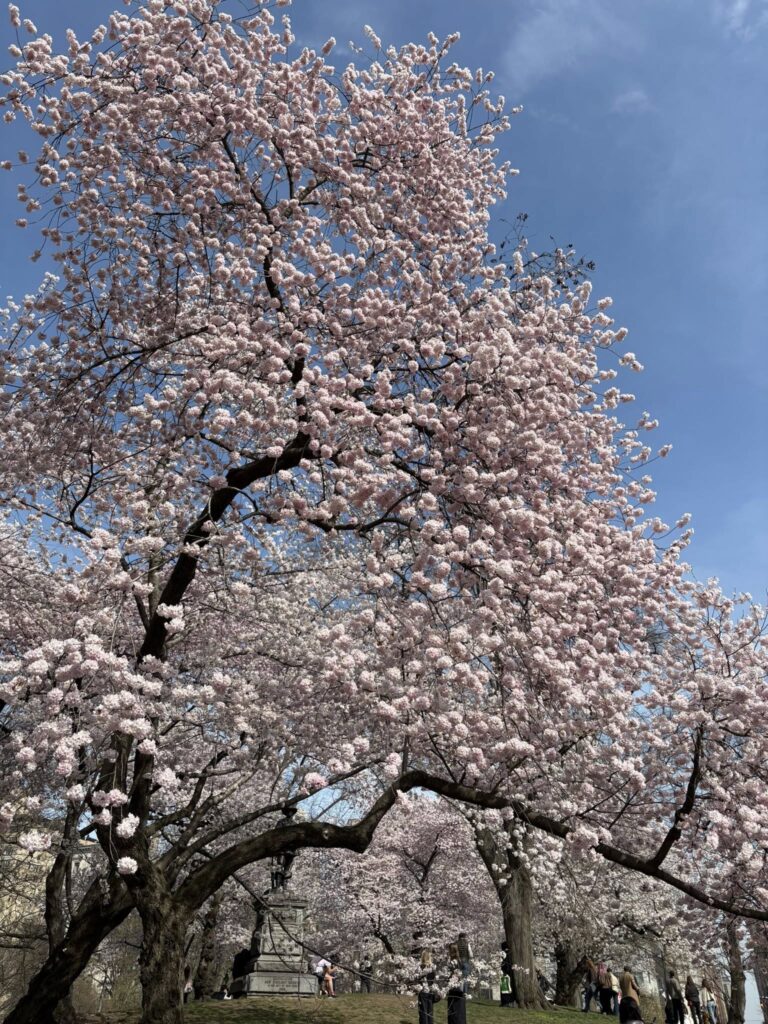
Dogwood trees are the quiet stars of spring. Their white and pink bracts light up yards, parks, and forest edges across the United States every April and May. But I’ve noticed something over the years of writing about landscape trees: dogwoods get sick more often than most homeowners realize.
Some of these diseases are cosmetic annoyances. Others can kill a mature tree within a few seasons. Dogwood anthracnose alone has wiped out millions of flowering dogwoods since the late 1970s, and it’s still spreading in parts of the country today.

This guide walks through all 15 major dogwood diseases. For each one, you’ll find the cause, the symptoms to watch for, and the exact treatment steps.
Why Dogwood Diseases Deserve Your Attention
Flowering dogwood (Cornus florida) is one of the most planted ornamental trees in the eastern United States. It’s also, unfortunately, one of the more disease-prone species in the home landscape.
Most dogwood problems are fungal. A few are bacterial. One or two are simply the result of stress, which then opens the door for infection. Weather plays a huge role too. Wet springs and shady, crowded plantings are the single biggest triggers for fungal outbreaks.
I’ll be honest: not every spot on a dogwood leaf means your tree is dying. But knowing the difference between a cosmetic leaf spot and a lethal canker disease can save you a lot of worry, and sometimes save the tree itself.
Let’s go through them one by one.
1. Dogwood Anthracnose (Discula destructiva)
This is the disease every dogwood owner should know by name. Dogwood anthracnose is caused by the fungus Discula destructiva, and it’s widely considered the most destructive disease affecting flowering and Pacific dogwoods in North America.
History and spread: The disease was first noticed in New York and Connecticut in 1978, then in Washington state on Pacific dogwood the following year. Since then, it has spread through more than 20 states, from New England down through the Appalachians and out to the Pacific Northwest.
Symptoms: Tan spots with purple rims on leaves, blighted lower branches, and cankers on the trunk. Infection typically starts in the lower canopy, where humidity lingers, and works its way upward.
Why it’s so deadly: Because Discula destructiva is not native to North America, flowering dogwood never developed natural resistance to it. That’s part of why it spread so fast and killed so many trees in the southern Appalachians during the 1980s and 1990s.
Treatment:
- Prune out dead and dying twigs during dry weather to slow the spread.
- Rake and destroy fallen leaves each autumn; the fungus overwinters in leaf litter.
- Water during droughts, since stressed trees are far more vulnerable.
- Apply a labeled fungicide as buds break in spring, then repeat two to three times as leaves expand.
- Choose resistant cultivars, such as Kousa dogwood hybrids, for new plantings in high-risk areas.
2. Spot Anthracnose (Elsinoe corni)
Don’t confuse this one with dogwood anthracnose above. Spot anthracnose is a much older, far less dangerous disease caused by the fungus Elsinoe corni.
Symptoms: Small, round tan spots with reddish-purple borders on leaves, bracts, and even young fruit. Severely spotted bracts can look tattered and distorted, which is often mistaken for frost damage.
Impact: This disease rarely kills a dogwood. It’s mostly a cosmetic issue that shows up during cool, wet spring weather.
Treatment:
- Improve air circulation by thinning nearby vegetation.
- Rake up and discard infected leaves in the fall.
- Apply a fungicide labeled for spot anthracnose if bract damage is severe and repeats year after year.
- Avoid overhead irrigation that keeps foliage wet for long periods.
3. Septoria Leaf Spot
Septoria leaf spot is one of the most commonly reported dogwood problems sent to university plant diagnostic labs each summer.
Symptoms: Circular to angular spots, roughly a quarter-inch across, with dark purple or reddish borders. Tiny black dots, the fungus’s fruiting bodies, are sometimes visible inside each spot with a hand lens.
When it strikes: Late summer, especially after wet spring weather. Symptoms usually start on the lower leaves first.
Treatment:
- Rake and remove fallen leaves promptly; the fungus survives winter in leaf debris.
- Prune out dead wood to improve airflow.
- Mulch and water appropriately to keep the tree vigorous.
- Fungicides such as those containing chlorothalonil, mancozeb, or maneb can protect new growth if applied before bract expansion in spring.
- In most home landscapes, chemical treatment isn’t strictly necessary since damage is usually minor.
4. Cercospora Leaf Spot
Cercospora leaf spot looks a lot like septoria at first glance, which trips up a lot of homeowners trying to self-diagnose.
Symptoms: Small, tan-brown spots with diffuse, less defined borders than septoria. Spots are often surrounded by a faint yellow halo.
Conditions that favor it: Warm, humid weather. The fungus survives on leaf litter from the previous season and spreads through spring rain splash.
Treatment:
- Remove and destroy infected fallen leaves each fall.
- Thin the canopy to increase sunlight penetration and airflow.
- Avoid wetting the foliage when watering.
- Apply a fungicide labeled for leaf spot control if infections recur heavily year after year.
- Keep the tree properly fertilized, since healthy trees tolerate leaf spot far better than stressed ones.
ALSO READ: 15 Types of Dogwood Trees and Shrubs: Identification and Pictures
5. Phyllosticta Leaf Spot
This one is less talked about but still appears regularly in extension diagnostic reports across the Midwest and Pacific Northwest.
Symptoms: Numerous small, round to irregular spots with tan-to-gray centers and reddish-brown borders. Leaves can look peppered by midsummer in a bad year.
Treatment:
- Same cultural steps as other leaf spot diseases: rake leaves, prune for airflow, and avoid overhead watering.
- Fungicides are rarely necessary since Phyllosticta seldom causes serious harm to overall tree health.
- Choose disease-resistant cultivars if this problem recurs on the same tree annually.
6. Powdery Mildew
Powdery mildew is arguably the most visually alarming, yet least dangerous, disease on this list. It’s caused mainly by the fungus Erysiphe pulchra.
Symptoms: A fine, white, powdery coating on leaves and young shoots, usually on the upper leaf surface. Infected leaves may show marginal scorch, reddish discoloration, and premature leaf drop.
Where it thrives: Dense, shady plantings with poor air circulation. Interestingly, powdery mildew favors warm, dry days paired with cool, damp nights, which is a slightly different pattern than most fungal diseases.
Treatment:
- Space new plantings to allow airflow between trees.
- Prune to open up dense canopies.
- Since most outbreaks occur late in the season, treatment is often unnecessary for tree health.
- Fungicides labeled for powdery mildew can be applied at first sign of white coating if the tree is young or already stressed.
- Plant mildew-resistant cultivars, several of which have been bred specifically to resist this disease.
7. Ascochyta Leaf Blotch
Ascochyta blotch is less common than the leaf spots above, but it can hit hard during unusually wet, cool springs.
Symptoms: Larger, irregular brown blotches rather than small discrete spots. Blotches often merge, leading to significant leaf browning and early drop.
Treatment:
- Remove fallen and diseased leaves each autumn.
- Improve drainage and airflow around the planting site.
- Water at the soil line rather than overhead.
- Fungicide treatment is rarely warranted unless the tree is young or repeatedly defoliated.
8. Botrytis Blight (Flower and Twig Blight)
Botrytis cinerea is an opportunist. It usually moves in after cold injury or another fungal disease has already damaged tissue.
Symptoms: Gray, fuzzy mold on blighted flowers, young shoots, and damaged leaf tissue. Flower bracts can turn brown and collapse rapidly in humid weather.
Treatment:
- Prune out and destroy blighted twigs and flower clusters.
- Improve air circulation to reduce prolonged leaf wetness.
- Avoid cold-stressing the tree with late fertilization that produces tender new growth in fall.
- Fungicide sprays during bloom can help in years with prolonged wet, cool spring weather.
9. Botryosphaeria Canker
This canker disease usually targets trees that are already under stress from drought, root damage, or another disease.
Symptoms: Sunken, discolored bark cankers on branches and the trunk. Branches beyond the canker often wilt and die suddenly, especially during hot, dry weather.
Why stress matters: Botryosphaeria fungi are considered secondary invaders. A healthy, well-watered dogwood rarely develops serious canker disease, which is why cultural care matters as much as chemical treatment here.
Treatment:
- Prune out cankered branches well below the visible damage, sterilizing tools between cuts.
- Water deeply during dry spells to reduce tree stress.
- Avoid trunk and root injury from lawn equipment, a common entry point for the fungus.
- Fungicides have limited effectiveness against canker diseases; cultural care is the primary defense.
ALSO READ: Kousa Dogwood Problems: What Every Gardener Should Know
10. Crown Canker (Phytophthora cactorum)
Crown canker attacks the base of the trunk, right at or just below the soil line, which makes it one of the trickier diseases to spot early.
Symptoms: Dark, sunken cankers at the trunk base, often oozing a reddish-brown discoloration. Foliage above may yellow, wilt, or show stunted growth as the canker girdles the trunk.
Common cause: Mulch piled directly against the trunk, or trees planted too deeply, both of which trap moisture against the bark.
Treatment:
- Pull mulch back several inches from the trunk immediately.
- Expose the crown area to air and allow the site to dry out.
- Remove damaged bark and soil around the canker to slow fungal spread.
- Improve soil drainage around the planting site.
- Severely girdled trees often cannot be saved; prevention through proper planting depth is the best long-term strategy.
11. Phytophthora Root Rot
Root rot from Phytophthora species is one of the leading causes of unexplained dogwood decline, especially in heavy clay soils.
Symptoms: Wilting foliage that doesn’t recover after watering, stunted growth, small yellowed leaves, and eventually branch dieback. Roots examined below ground appear dark, mushy, and stripped of fine feeder roots.
Underlying cause: Poor drainage and overly wet soil. This pathogen thrives in waterlogged conditions and spreads through soil moisture.
Treatment:
- Improve site drainage before replanting; raised beds help in heavy clay soils.
- Avoid overwatering and irrigation systems that keep the root zone constantly saturated.
- Remove severely affected trees and avoid replanting dogwoods in the same spot.
- Phosphonate fungicide drenches can help protect roots of valuable trees showing early symptoms, applied by a certified arborist.
12. Armillaria Root Rot (Shoestring Root Rot)
Armillaria root rot is a slow killer. Trees can decline over several years before the disease is even noticed.
Symptoms: Gradual canopy thinning, undersized leaves, and dieback of the upper crown. Peeling bark near the soil line often reveals white fungal mats and dark, shoestring-like root strands, the classic sign of Armillaria.
Where it comes from: The fungus often persists in old tree stumps and roots left in the soil from previous plantings, sometimes for decades.
Treatment:
- There is no fungicide cure once Armillaria has established in the root system.
- Remove and destroy dead trees along with as much root material as possible.
- Improve tree vigor through proper watering and fertilization to help healthy trees resist infection.
- Avoid planting new dogwoods in soil with a known history of Armillaria infection.
13. Verticillium Wilt
Verticillium wilt is a soilborne vascular disease that can affect dogwoods planted near previously infected trees or shrubs, particularly maples.
Symptoms: Sudden wilting of leaves on one side or one branch of the tree, often in mid-summer. Cutting into affected branches reveals streaked, discolored wood beneath the bark.
Treatment:
- Prune out and destroy wilted branches promptly.
- Water and fertilize to support overall tree vigor, since there is no chemical cure.
- Avoid planting dogwoods in soil previously occupied by known Verticillium-susceptible species.
- Monitor the tree closely; some dogwoods recover partially if only a few branches are affected.
14. Crown Gall (Agrobacterium tumefaciens)
Crown gall is bacterial rather than fungal, and it enters through wounds in the roots or lower trunk.
Symptoms: Rough, woody, tumor-like galls forming at or below the soil line, sometimes on roots themselves. Galls can range from pea-sized to several inches across.
Impact: Small galls usually cause little harm. Large or numerous galls can restrict water and nutrient flow, weakening the tree over time.
Treatment:
- Avoid wounding roots and trunk bases during planting, mowing, and cultivation.
- Purchase certified disease-free nursery stock to prevent introducing the bacteria.
- Remove severely galled young trees rather than attempting treatment, since there’s no cure.
- Disinfect pruning tools between cuts if working near a known infected tree.
15. Rust and Sooty Blotch (Minor Fungal Problem)
Rounding out the list are a handful of minor fungal issues, including occasional rust infections and sooty blotch, both of which are far less common on dogwood than the diseases above.
Symptoms: Rust appears as small orange or yellow pustules on leaf undersides. Sooty blotch shows up as a dark, smudgy film on leaves and bark, often linked to honeydew from insects like scale or aphids.
Treatment:
- Control insect pests that produce honeydew, which reduces sooty blotch buildup.
- Rake and remove infected leaves in the fall.
- Improve air circulation around the tree canopy.
- Fungicide treatment is rarely necessary; these issues are typically cosmetic and self-limiting.
ALSO READ: Understanding Kousa Dogwood (Cornus kousa): Identification, Cultivation, Problems and More
General Prevention Tips That Work Across All 15 Diseases
After going through each disease individually, a pattern becomes obvious. Nearly every serious dogwood disease is worsened by the same handful of conditions.
- Plant in full sun with good air circulation. Shade and crowding are the top triggers for fungal outbreaks.
- Water during droughts. Stressed trees are far more susceptible to cankers and root disease.
- Keep mulch away from the trunk. A two to three inch gap prevents crown canker and collar rot.
- Rake and destroy fallen leaves every autumn. Most leaf spot fungi overwinter in leaf litter.
- Avoid wounding the trunk and roots. Mower and trimmer damage is a common entry point for canker and crown gall pathogens.
- Choose resistant cultivars. Kousa dogwood and several hybrid cultivars show strong resistance to anthracnose and powdery mildew.
When to Call a Certified Arborist
Not every dogwood problem is a do-it-yourself fix. If you notice trunk cankers, sudden branch dieback, or widespread wilting, it’s worth bringing in a certified arborist.
Root rots and vascular wilts, in particular, are hard to diagnose accurately without lab testing. A misdiagnosis can waste months of treatment on the wrong problem while the tree keeps declining.
Frequently Asked Questions About Dogwood Diseases
Why does my dogwood have brown spots on its leaves every summer? Most likely, you’re dealing with a leaf spot disease such as Septoria, Cercospora, or Phyllosticta. These are common, mostly cosmetic, and rarely fatal. Raking leaves each fall and improving airflow usually keeps them under control.
Can a dogwood recover from anthracnose? Yes, if it’s caught early. Pruning infected branches, improving air circulation, and applying fungicide in spring can help a tree recover. Advanced infections that have reached the main trunk are far harder to reverse.
Is it normal for a dogwood to lose leaves in mid-summer? Some early leaf drop from minor fungal spots is normal, especially after a wet spring. Sudden, widespread wilting or dropping in dry weather, though, often points to root rot or vascular disease instead.
Should I remove mulch that’s touching my dogwood’s trunk? Yes, always. Mulch piled against the trunk traps moisture and creates ideal conditions for crown canker and collar rot. Keep a two to three inch gap between mulch and bark.
Are Kousa dogwoods more disease-resistant than flowering dogwoods? Generally, yes. Kousa dogwood (Cornus kousa) and several hybrid cultivars show noticeably stronger resistance to anthracnose and powdery mildew compared with native flowering dogwood (Cornus florida).
How often should I apply fungicide to a dogwood tree? It depends on the specific disease and local weather. For anthracnose, treatment typically starts at bud break and repeats two to three times as leaves expand. For minor leaf spots, fungicide is often unnecessary unless infections have been severe for multiple years in a row.
What’s the fastest way to tell if my dogwood has root rot? Look for wilting that doesn’t improve after watering, stunted or yellowed leaves, and thinning canopy growth. If you dig near the root zone and find dark, mushy roots instead of firm white ones, root rot is a strong possibility.
Final Thoughts
I’ll admit, dogwoods ask for a bit more attention than many other flowering trees. But most of these 15 diseases are manageable with consistent, simple care: good drainage, proper mulching, seasonal cleanup, and a watchful eye each spring.
Catch problems early, and a dogwood can thrive in a landscape for decades. Ignore the warning signs, and diseases like anthracnose or root rot can undo years of growth in a single season.
Your dogwood’s health really does come down to the basics. Water it right, keep the base clear, rake up the leaves, and check the trunk each spring. That routine alone prevents the majority of the diseases on this list.
References
- West Virginia University Extension – Dogwood Anthracnose https://extension.wvu.edu/lawn-gardening-pests/plant-disease/landscape-tree-disease/dogwood-anthracnose
- National Invasive Species Information Center (USDA/US Government) – Dogwood Anthracnose https://www.invasivespeciesinfo.gov/terrestrial/pathogens-and-diseases/dogwood-anthracnose
- Clemson University Home & Garden Information Center – Dogwood Diseases & Insect Pests https://hgic.clemson.edu/factsheet/dogwood-diseases-insect-pests/
- University of Maryland Extension – Key to Common Problems of Dogwoods https://extension.umd.edu/resource/key-common-problems-dogwoods
- University of Minnesota Extension – Dogwood: Spots or Blotches on Leaves https://apps.extension.umn.edu/garden/diagnose/plant/deciduous/dogwood/leavesspots.html
- University of New Hampshire Extension – Discula “Dogwood” Anthracnose Fact Sheet https://extension.unh.edu/resource/discula-dogwood-anthracnose-fact-sheet
- Iowa State University Extension – Septoria Leaf Spot on Dogwood https://hortnews.extension.iastate.edu/1995/7-21-1995/leafspot.html

Tim M Dave is a gardening expert with a passion for houseplants, particularly cacti and succulents. With a degree in plant biology from the University of California, Berkeley, he has vast experience in gardening. Over the years, he has cultivated a vast collection of desert plants and learned a great deal about how to grow and care for these unique companions.