Understanding Coral Bark Japanese Maple: Size, Growth Rate, Problems, and Cultivation
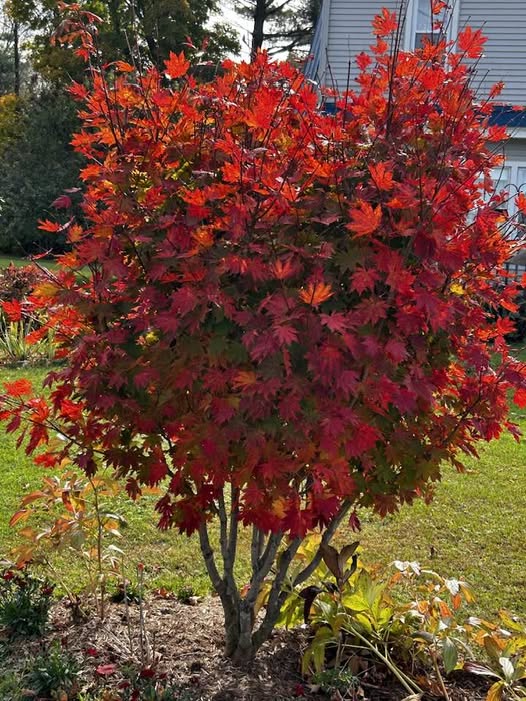
The Coral Bark Japanese Maple — botanically Acer palmatum ‘Sango Kaku’ — is one of the most celebrated cultivars within the broader Japanese maple species. Its most defining trait: vivid coral-red bark that intensifies through the cold months.
Unlike most Japanese maples grown primarily for their foliage, ‘Sango Kaku’ delivers four distinct seasons of ornamental interest.
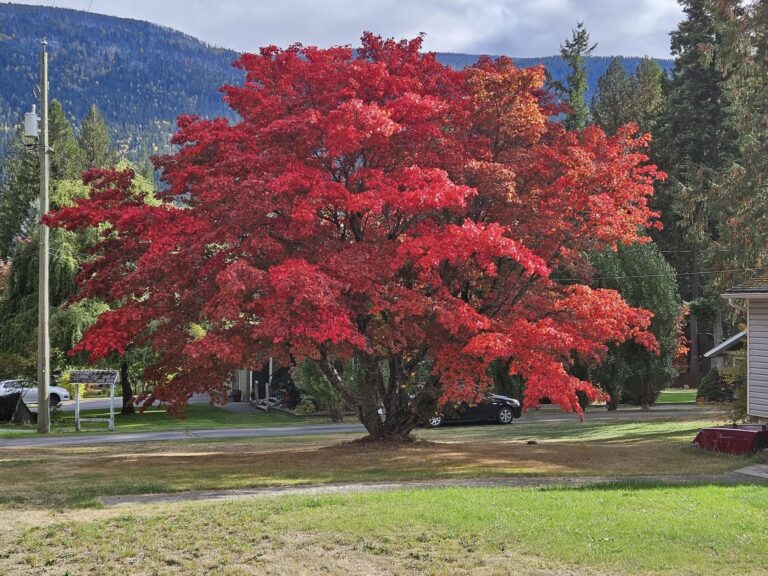
Spring brings fresh lime-green leaves with pink-red margins. Summer offers cool, textured canopy shade. Autumn turns the foliage to shimmering gold. And winter, when other trees disappear visually, is arguably when this tree is most spectacular.
Acer palmatum as a species is native to Japan, China, and Korea, where it has been cultivated for more than 300 years. The ‘Sango Kaku’ cultivar has been in Western horticulture since at least the early 20th century and remains one of the top-selling ornamental trees in temperate regions globally.
| Common Name | Coral Bark Japanese Maple, Sango Kaku Japanese Maple |
| Scientific Name | Acer palmatum ‘Sango Kaku’ |
| Family | Sapindaceae |
| Origin | Japan |
| Type | Deciduous ornamental tree / large shrub |
| Mature Height | 15–25 feet (4.5–7.6 m) |
| Mature Spread | 15–20 feet (4.5–6 m) |
| Growth Rate | Moderate — approximately 12–24 inches per year |
| USDA Hardiness Zones | 5–8 |
| Sun Requirements | Full sun to partial shade |
| Soil pH | 5.5–6.5 (slightly acidic) |
| Water Needs | Moderate; consistent moisture preferred |
| Bloom Time | Spring (inconspicuous reddish flowers) |
| Foliage Color | Light green (spring/summer), gold-yellow (autumn) |
| Bark Color | Bright coral-red (strongest in winter) |
| Wildlife Value | Provides seeds for birds; supports pollinators |
| Toxicity | Non-toxic to humans, dogs, and cats |
| Landscape Use | Specimen tree, container, winter garden focal point |
Why Choose the Coral Bark Japanese Maple?
With hundreds of Japanese maple cultivars available, the question is fair: why this one?
The answer lies in its versatility and year-round performance. Most ornamental trees have a single “peak” season. ‘Sango Kaku’ has four.
The winter display is unmatched. When deciduous trees shed their leaves and gardens turn grey, the coral bark practically radiates warmth. The younger stems carry the richest color — a detail that matters for pruning strategies, as we will cover later.
Beyond aesthetics, the Coral Bark Japanese Maple is relatively adaptable. It tolerates both full sun and partial shade, fits into small and medium-sized gardens, and grows in containers when the ground space is limited.
According to the Missouri Botanical Garden, Acer palmatum cultivars are among the most widely planted ornamental trees in temperate landscapes precisely because of this adaptability.
The tree also matures at a manageable size. At 15–25 feet tall over many decades, it is large enough to be a true specimen focal point but not so large that it overwhelms an average residential garden.
The Science of the Coral Bark: Why Is It So Red?
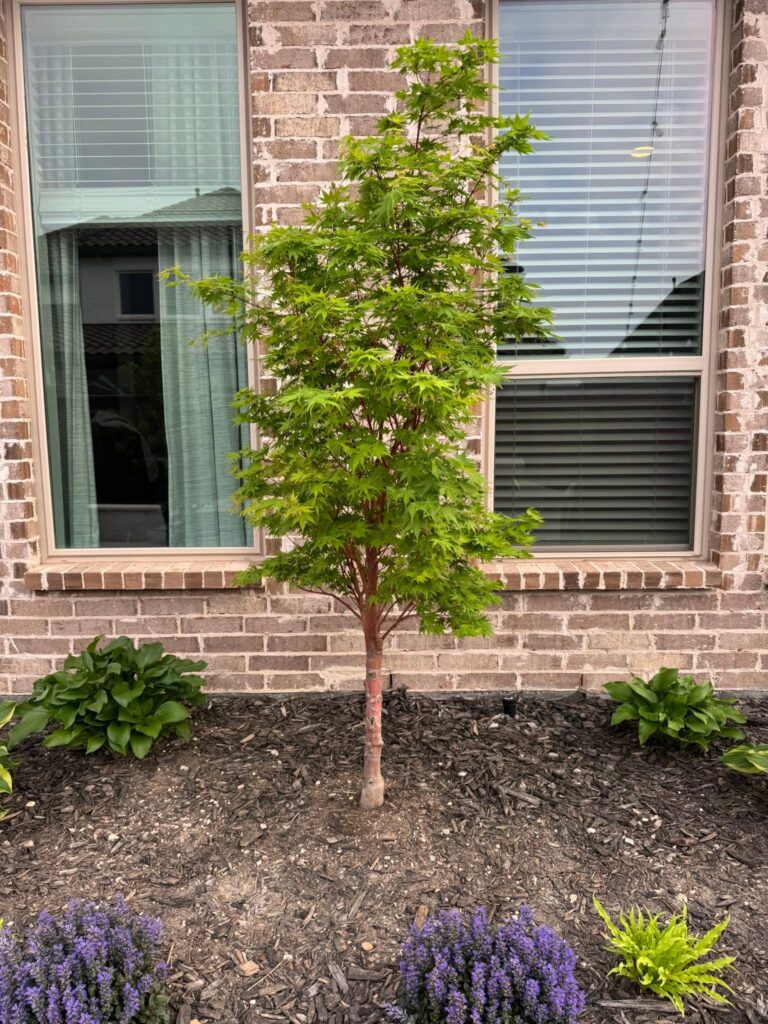
The vivid color is not a trick of light — it has a biological explanation.
The coral-red coloration comes from anthocyanin pigments concentrated in the bark cells of young stems. Anthocyanins are the same class of pigments that produce red autumn leaves in many deciduous trees.
In ‘Sango Kaku,’ these pigments are expressed most intensely in one- and two-year-old stems, which is why maintaining a good proportion of young growth is central to keeping the tree visually striking.
Interestingly, the bark color responds to environmental conditions. Cold temperatures and high light exposure increase anthocyanin production, which is why the bark appears most vivid in winter and in gardens with good sun exposure. In deep shade, the coral color tends to be muted.
A 2018 study published in the Journal of Plant Physiology confirmed that environmental stressors — particularly cold and UV light — upregulate anthocyanin biosynthesis in many Acer species, explaining why winter bark color in ‘Sango Kaku’ is so much more intense than its summer display.
This is not just a pretty fact. It is a practical one. If you want maximum color, site the tree where it receives winter sun, and do not be afraid to prune older stems to encourage the generation of fresh, color-rich young growth.
Ideal Growing Conditions
Climate and Hardiness
‘Sango Kaku’ is rated for USDA Hardiness Zones 5–8, making it suitable across a wide swath of North America, the UK, much of Europe, and parts of Australia and New Zealand.
In Zone 5, the tree handles temperatures down to approximately –20°F (–29°C), though young transplants may need winter mulching in the first year or two.
In Zone 8 and the warmer end of Zone 7, summer heat becomes the bigger concern. The tree benefits from afternoon shade in hotter climates to prevent leaf scorch.
The UK Climate Impacts Programme notes that Japanese maples perform particularly well in maritime temperate climates — which explains their deep cultural presence in British gardens.
Sunlight
The tree grows in full sun to partial shade. In cooler climates (Zones 5–6), full sun is generally ideal and produces the most vivid autumn and winter color. In warmer zones (7–8), partial afternoon shade reduces stress and leaf scorch.
A minimum of four to six hours of direct sun per day supports healthy growth and good color expression. Sites with deep shade result in sparser foliage, reduced autumn color, and noticeably less vivid bark.
Soil Requirements
‘Sango Kaku’ prefers well-drained, slightly acidic soil with a pH range of 5.5–6.5. It tolerates a range of soil textures — from sandy loam to clay-loam — but does not perform well in waterlogged or compacted soils.
If your soil is heavy clay, amend the planting area with organic matter such as composted bark or leaf mold to improve drainage and aeration.
A 2019 report from the Royal Horticultural Society (RHS) on ornamental tree planting confirms that poor drainage is among the most common causes of failure in newly planted Japanese maples.
The tree shows moderate drought tolerance once established, but performs best with consistent soil moisture throughout the growing season.
Water Needs
Young trees — within the first two to three years after planting — need regular, consistent watering. Plan to water deeply once or twice per week during dry periods, ensuring the root zone receives moisture to a depth of at least 12 inches.
Established trees are more resilient but benefit from supplemental watering during prolonged summer droughts. Mulching the root zone significantly reduces water loss and moderates soil temperature — a simple habit that has an outsized effect on tree health.
Planting Guide: Step by Step
When to Plant
Spring and early autumn are the best times to plant a Coral Bark Japanese Maple. Spring planting gives the tree a full growing season to establish before winter.
Autumn planting (at least six weeks before the first hard frost) allows roots to settle before the ground freezes.
Avoid planting in the heat of summer, especially in Zones 7–8.
Choosing the Right Site
Before digging, think carefully about the site.
- Consider winter sun. The tree’s most dramatic display occurs in winter — site it where it receives low-angle winter sunlight to illuminate the coral bark.
- Avoid wind tunnels. Young stems are prone to desiccation damage in exposed, windy sites.
- Allow room to grow. The canopy spreads 15–20 feet at maturity. Plant at least 10 feet from buildings, walls, and other large trees.
- Check for overhead utilities. At 15–25 feet, the tree may eventually conflict with power lines in some residential settings.
How to Plant
1. Dig the planting hole two to three times wider than the root ball, and approximately the same depth. Japanese maples establish best when the root flare sits at or slightly above ground level.
2. Loosen the sides of the hole with a fork to allow root penetration into surrounding soil.
3. Amend the backfill with composted organic matter if your soil is particularly poor or compacted. Do not over-amend — excessive amendments create a “bathtub effect” where water pools in the enriched zone.
4. Position the tree carefully. The root flare — where the trunk visibly widens at the base — should be level with or just above the soil surface.
5. Backfill in layers, firming gently to eliminate air pockets.
6. Water thoroughly immediately after planting to settle the soil.
7. Apply a 3–4 inch layer of organic mulch (shredded bark, wood chips, or leaf mold) in a ring around the tree. Keep mulch at least 4 inches away from the trunk to prevent rot and rodent damage.
Fertilizing the Coral Bark Japanese Maple
Japanese maples are not heavy feeders. Over-fertilizing — particularly with high-nitrogen products — causes excessive, soft growth that is more prone to aphid attack and winter dieback.
A balanced approach works best:
- Apply a slow-release, balanced fertilizer (such as a 10-10-10 or similar formulation) once in early spring, just as the buds begin to swell.
- Do not fertilize after midsummer. Late-season feeding pushes tender new growth that cannot harden before winter frosts arrive.
- In established, healthy trees growing in good soil, annual fertilizing may not be necessary at all. A top-dressing of compost each spring often provides sufficient nutrition.
The University of Florida IFAS Extension recommends a soil test every two to three years for ornamental trees to guide fertilizer decisions rather than applying nutrients by assumption. This prevents salt build-up and nutrient imbalances that can stress the tree over time.
Pruning: The Key to Maximum Bark Color
Pruning the Coral Bark Japanese Maple requires a clear objective: encourage new growth to maximize the vivid young-stem color, while maintaining the tree’s natural, graceful form.
When to Prune
Late winter or very early spring — before bud break — is the ideal time. Pruning at this stage allows clean cuts to callous quickly as the growing season begins, and the absence of foliage gives you a clear view of the branch structure.
Light corrective pruning can also be done in mid-summer (after the initial flush of growth hardens), but avoid pruning in early autumn — this stimulates soft growth heading into winter.
What to Remove
Focus on the following when pruning:
- Dead, damaged, or crossing branches — these are the first priority in any pruning session.
- Older, thicker stems — stems more than two to three years old begin to develop grey-brown bark that lacks the vivid coral-red of younger wood. Removing a proportion of older stems each year encourages replacement growth with richer color.
- Suckers from the base — if the tree is grafted (many nursery specimens are), remove any growth arising below the graft union promptly, as this is rootstock growth that will not have the ‘Sango Kaku’ characteristics.
How to Prune
Always use sharp, clean pruning tools. Japanese maples are susceptible to certain fungal pathogens, and clean cuts made with sterilized tools heal more quickly and resist infection.
Do not use wound sealants. Research from the USDA Forest Service and major arboricultural organizations indicates that wound sealants can actually trap moisture and pathogens, slowing the tree’s natural healing response.
Make cuts just above a lateral bud or branch junction, leaving no stub.
Common Problems and How to Solve Them
Leaf Scorch
Symptom: Brown, crispy margins on leaves, particularly on tips and edges.
Cause: Most commonly sun and wind stress in hot weather, or compounded by underwatering. Can also result from over-fertilizing (particularly with high nitrogen or high salt content fertilizers).
Solution: Improve irrigation consistency; apply mulch to moderate soil temperature; consider whether the site has adequate shelter from drying winds. In Zone 8, ensure afternoon shade is available.
Verticillium Wilt
Symptom: Sudden wilting and dieback of one or more branches, sometimes while leaves are still attached. Cutting into affected wood reveals brown staining in the outer layers.
Cause: The soil-borne fungal pathogen Verticillium dahliae or V. albo-atrum.
Solution: There is no cure. Remove and destroy affected branches. Avoid planting Japanese maples in soil previously occupied by susceptible hosts (tomatoes, potatoes, strawberries). The American Phytopathological Society notes that improving soil drainage and avoiding soil compaction reduces infection risk.
Aphids
Symptom: Distorted, curling young leaves; sticky honeydew deposits; possible sooty mould growth on leaves and stems below aphid colonies.
Cause: Several aphid species target Japanese maples, typically in spring.
Solution: Light infestations can be knocked off with a strong jet of water. Avoid excessive nitrogen fertilizing, which promotes soft growth that aphids prefer. Beneficial insects — particularly ladybirds (ladybugs) — provide natural control. Insecticidal soap can be used in severe cases.
Root Rot (Phytophthora species)
Symptom: Decline in growth, yellowing foliage, dieback from the tips inward. The trunk base may show darkened, water-soaked tissue.
Cause: Excessive soil moisture, particularly in poorly drained sites.
Solution: Prevention is the only effective strategy. Ensure the planting site has adequate drainage before planting. Raise the planting area if necessary.
Winter Bark Damage
Symptom: Cracking or splitting of the bark, particularly on the south-facing side of the trunk.
Cause: “Southwest injury” or “sunscald” — caused by rapid temperature fluctuations during winter when the sun warms the bark during the day and temperatures plummet at night.
Solution: Wrap the trunk of young trees with a light-colored tree wrap during the first two or three winters. Remove the wrap each spring to prevent moisture and pest issues.
RECOMMENDED:
- 8 Main Bloodgood Japanese Maple Tree Problems: (And How to Fix Them)
- 7 Common Japanese Maple Bark Problems and How to Fix
- 8 Japanese Maple Tree Garden Ideas: A Complete Guide
- 15 Stunning Dwarf Japanese Maple Varieties (With Pictures and Growing Tips)
Growing in Containers
The Coral Bark Japanese Maple is well-suited to container culture, which opens this tree to gardeners with paved courtyard spaces, balconies, or restricted soil areas.
Choose a large container — at least 24 inches in diameter and 20 inches deep. Larger is better, as it provides thermal mass that protects roots from extreme cold and moderates soil moisture fluctuations.
Use a high-quality, free-draining potting mix. A blend of 60% quality potting compost and 40% coarse perlite or horticultural grit works well.
Container-grown trees need more frequent watering than those in the ground — sometimes daily in the height of summer. They also benefit from feeding more regularly, typically monthly from spring through early summer with a balanced liquid fertilizer.
In Zone 5, move containers to a sheltered location (an unheated garage or shed) during the coldest months. Even hardy cultivars can suffer root damage when roots freeze solid in a container.
Companion Planting and Landscape Design
The Coral Bark Japanese Maple works beautifully in a range of design contexts. A few combinations I find particularly effective:
Winter garden combinations: Plant alongside ornamental grasses (such as Miscanthus or Calamagrostis), which retain attractive seed heads through winter, and evergreen groundcovers that frame the base of the tree.
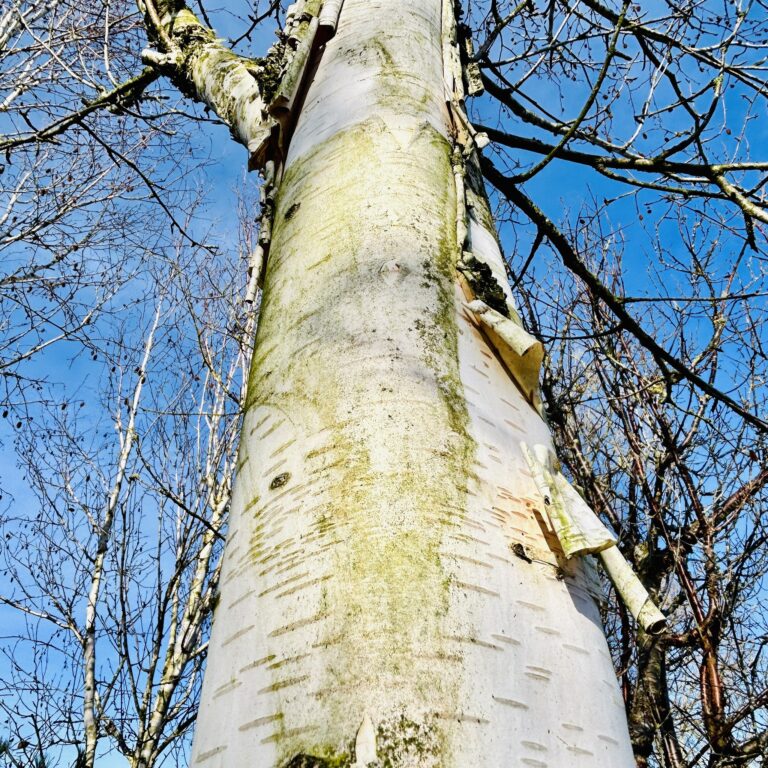
Bark interest companions: Combine with other winter bark interest trees such as white-stemmed birches (Betula utilis var. jacquemontii) or dogwoods (Cornus stolonifera ‘Flaviramea’) for a multi-color winter tapestry.
Water features: A reflection pool or still water feature nearby can double the visual impact of the coral stems in winter.
Evergreen backdrop: Position the tree against a dark evergreen backdrop — yew, holly, or photinia — to make the coral bark and autumn foliage “pop” visually.
Japanese Maples Statistical Highlights
- Acer palmatum comprises over 1,000 named cultivars, making it one of the most extensively cultivated ornamental tree species in the world. (Source: Japanese Maples by J.D. Vertrees, Timber Press)
- The global ornamental tree market was valued at approximately USD $19.5 billion in 2023 and is expected to continue growing, with Japanese maples representing a significant share of premium ornamental tree sales.
- Japanese maples can live for over 100 years with appropriate care; some specimens in Japanese temple gardens are recorded as being over 300 years old.
- ‘Sango Kaku’ has held Award of Garden Merit (AGM) status from the Royal Horticultural Society since at least the 1990s — one of horticulture’s most respected quality endorsements.
- The United States imports millions of Japanese maple plants annually from nurseries in Oregon (the Willamette Valley is the primary production region) and from Japanese and Dutch wholesale nurseries.
Seasonal Care Calendar
| Season | Key Tasks |
| Early Spring | Apply slow-release fertilizer; inspect for overwintering pests; prune if not done in late winter |
| Late Spring | Monitor for aphids on new growth; water during dry spells |
| Summer | Maintain consistent watering; top up mulch; watch for leaf scorch |
| Autumn | Enjoy the golden foliage; avoid fertilizing; plant new specimens |
| Winter | Appreciate the coral bark; plan any late-winter pruning; protect containers if needed |
Propagation
‘Sango Kaku’ is typically propagated by grafting in commercial nurseries — the cultivar is budded or grafted onto Acer palmatum rootstock to ensure true-to-type plants and to produce trees of saleable size more quickly.
Home propagation is possible via softwood cuttings taken in early summer, though success rates are moderate and the process requires bottom heat (around 70–75°F / 21–24°C) and a humid environment.
Growing from seed does not reliably reproduce the ‘Sango Kaku’ characteristics. Seed-grown plants will show highly variable traits, as Japanese maples hybridize readily. If you want the true Coral Bark Japanese Maple, purchase a named, grafted plant from a reputable nursery.
Buying Guide: What to Look for in a Quality Plant
When purchasing a Coral Bark Japanese Maple, a few details matter:
- Look for the cultivar name on the label. The plant should be clearly labeled Acer palmatum ‘Sango Kaku’ (some nurseries also sell it as ‘Senkaki’ — a synonym for the same cultivar). Unlabeled plants of uncertain origin are a risk.
- Check the graft union. On grafted specimens, the union should be well-healed and firm, with no signs of cracking or weeping sap.
- Inspect the bark. Even in summer, young stems should show a visible reddish or orange-pink tint. A plant with fully grey-green bark on young shoots may not be a true ‘Sango Kaku.’
- Examine the root system. Avoid plants that are severely pot-bound with roots circling the base of the container in thick, woody loops — these can cause girdling root problems later.
- Larger is not always better. Smaller, younger trees often establish more quickly than large specimen trees, which take longer to recover from transplant stress.
Frequently Asked Questions
How fast does Coral Bark Japanese Maple grow? The tree grows at a moderate rate of approximately 12–24 inches per year under good conditions. Growth is faster in youth and slows as the tree matures.
Can I grow it in Zone 4? ‘Sango Kaku’ is rated for Zone 5 as a minimum. In Zone 4, the tree may survive but will likely suffer significant dieback in harsh winters. Siting in a sheltered microclimate and using heavy winter mulching can improve survival odds.
When is the bark color most vivid? Winter, from late November through March, is when the bark color is most dramatic. Cold temperatures and winter sun both intensify the anthocyanin pigments in the young stems.
Why is my tree not as red as expected? Several factors can mute the color: insufficient winter sun exposure, older stems dominating the canopy (young stems carry the richest color), or excessive shade during the growing season.
Is it deer-resistant? Japanese maples are not reliably deer-resistant. Young trees in particular are vulnerable to browsing. Protective fencing may be warranted in high-deer-pressure areas during the establishment period.
Final Thoughts
The Coral Bark Japanese Maple is one of those rare plants that genuinely earns its reputation. Every year, as winter arrives and the garden empties of color, this tree steps forward — quietly spectacular, reliably beautiful, and completely undemanding of praise.
Plant it where you will see it from a window in January. That is my honest, personal advice. The summer garden will give you plenty to admire. But it is the mid-winter morning, coffee in hand, watching those coral stems catch the low sun, that will make you glad you chose this tree.
Give it the right conditions — decent drainage, reasonable sun, and a little thoughtful pruning — and it will reward you for decades.
References
- Missouri Botanical Garden — Acer palmatum ‘Sango Kaku’ Plant Finder: https://www.missouribotanicalgarden.org/PlantFinder/PlantFinderDetails.aspx?kempercode=b906
- Royal Horticultural Society (RHS) — Japanese Maples (Acers) Growing Guide: https://www.rhs.org.uk/plants/acer/japanese-maples/growing-guide
- University of Florida IFAS Extension — Fertilizing Landscape Trees and Shrubs: https://edis.ifas.ufl.edu/publication/EP118
- United States Department of Agriculture (USDA) — PLANTS Database — Acer palmatum: https://plants.usda.gov/home/plantProfile?symbol=ACPA4
- American Phytopathological Society — Verticillium Wilt Disease: https://www.apsnet.org/edcenter/disandpath/fungalasco/pdlessons/Pages/Verticillium.aspx
- North Carolina State University Extension — Acer palmatum Sango Kaku Plant Profile: https://plants.ces.ncsu.edu/plants/acer-palmatum/sango-kaku/
- Pennsylvania State University Extension — Japanese Maples: Selection and Care: https://extension.psu.edu/japanese-maples

Tim M Dave is a gardening expert with a passion for houseplants, particularly cacti and succulents. With a degree in plant biology from the University of California, Berkeley, he has vast experience in gardening. Over the years, he has cultivated a vast collection of desert plants and learned a great deal about how to grow and care for these unique companions.