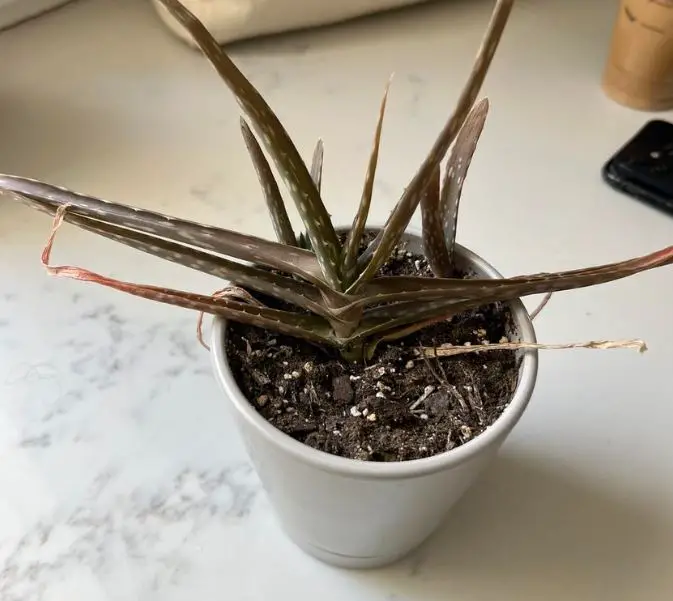
Aloe Vera Cultivation: History, Features and Care Details
Aloe Vera’s story stretches back thousands of years. Ancient Egyptians dubbed it the “plant of immortality,” using its gel to soothe skin and even in embalming rituals. Cleopatra, the ultimate beauty icon, reportedly used Aloe Vera for her glowing complexion.
In Mesopotamia, clay tablets from 1750 BCE mention Aloe’s healing powers. The Greeks, like physician Dioscorides, praised it for treating wounds and digestive issues. Traditional Chinese and Indian Ayurvedic medicine embraced Aloe Vera for its anti-inflammatory and cooling properties.
By the Middle Ages, Aloe Vera spread across Europe, thanks to traders and explorers. Spanish conquistadors brought it to the Americas, where it thrived in warm climates. Today, it’s a global superstar, grown commercially in places like Mexico, India, and Australia.
Classification
Aloe Vera is part of a diverse plant family, perfectly adapted to arid environments. Here’s its botanical breakdown:
- Kingdom: Plantae
- Order: Asparagales
- Family: Asphodelaceae
- Genus: Aloe
- Species: Aloe barbadensis miller
With over 500 Aloe species, Aloe barbadensis miller stands out for its medicinal gel. Other relatives, like Aloe ferox and Aloe arborescens, have their own uses but lack the same fame. Think of Aloe Vera as the icon of the Aloe genus—versatile, iconic, and universally loved.
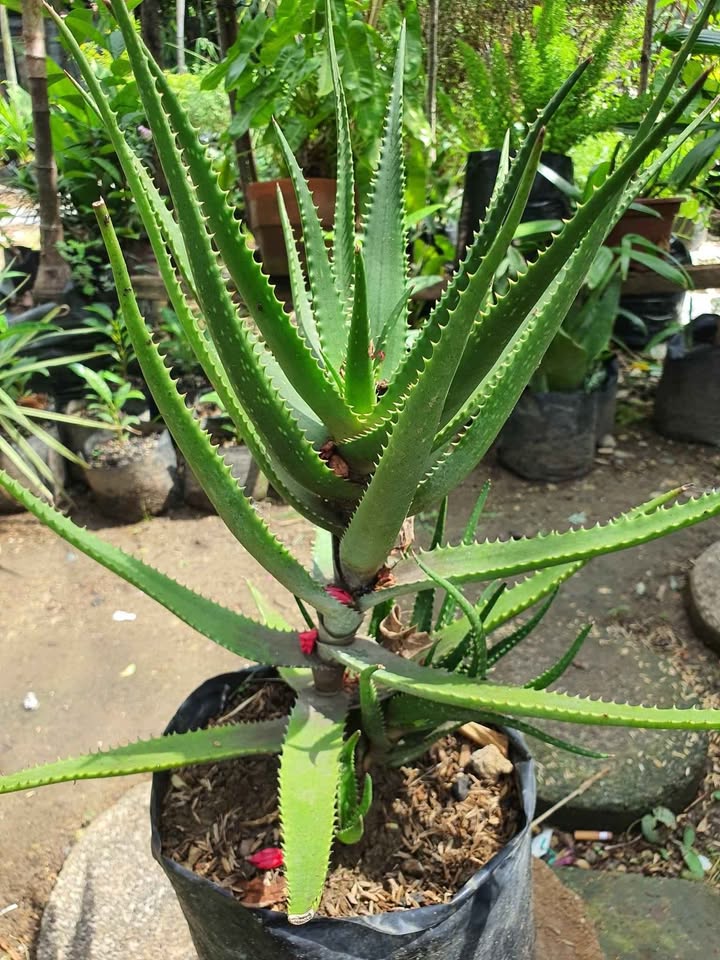
Characteristics and Features
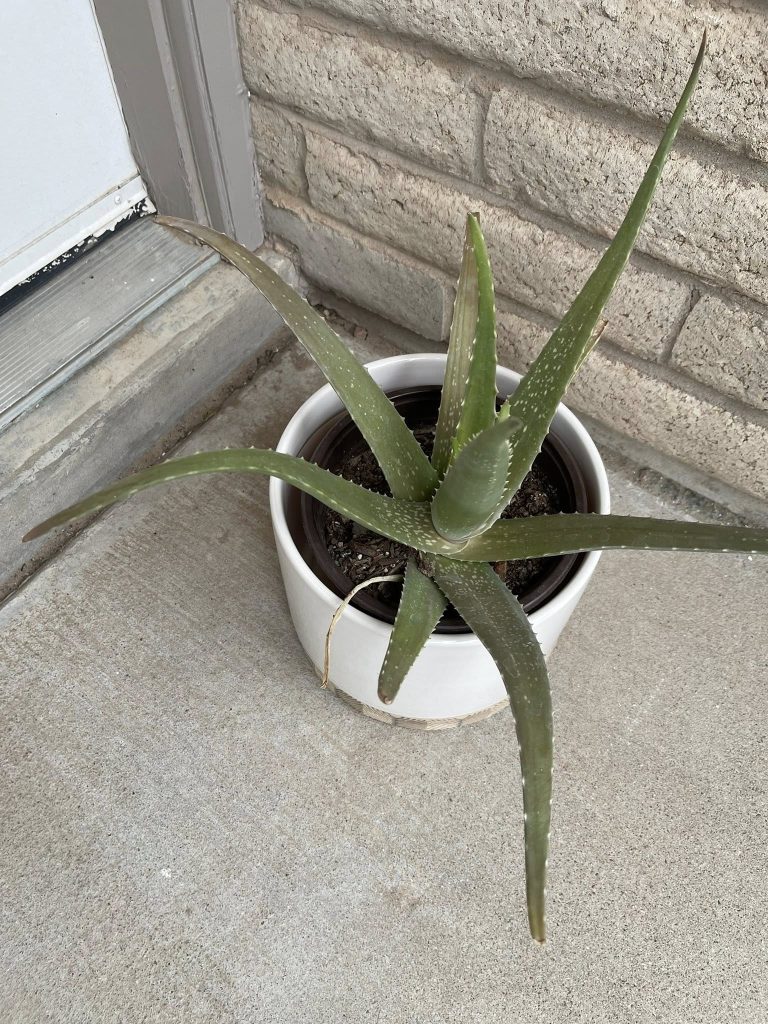
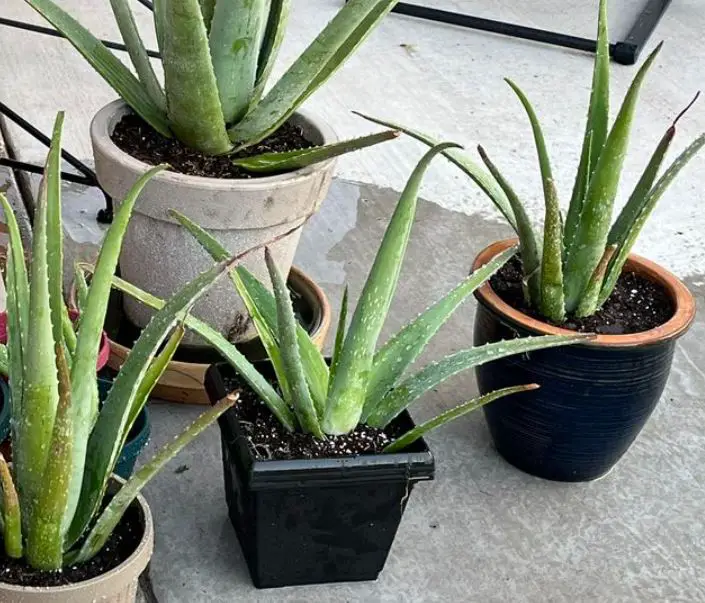
Aloe Vera is a succulent, meaning it stores water in its thick, fleshy leaves. These leaves grow in a rosette pattern, giving the plant a starburst look. They’re typically green or gray-green. Sometimes the foliage is speckled with white spots, and have small, soft spines along the edges.
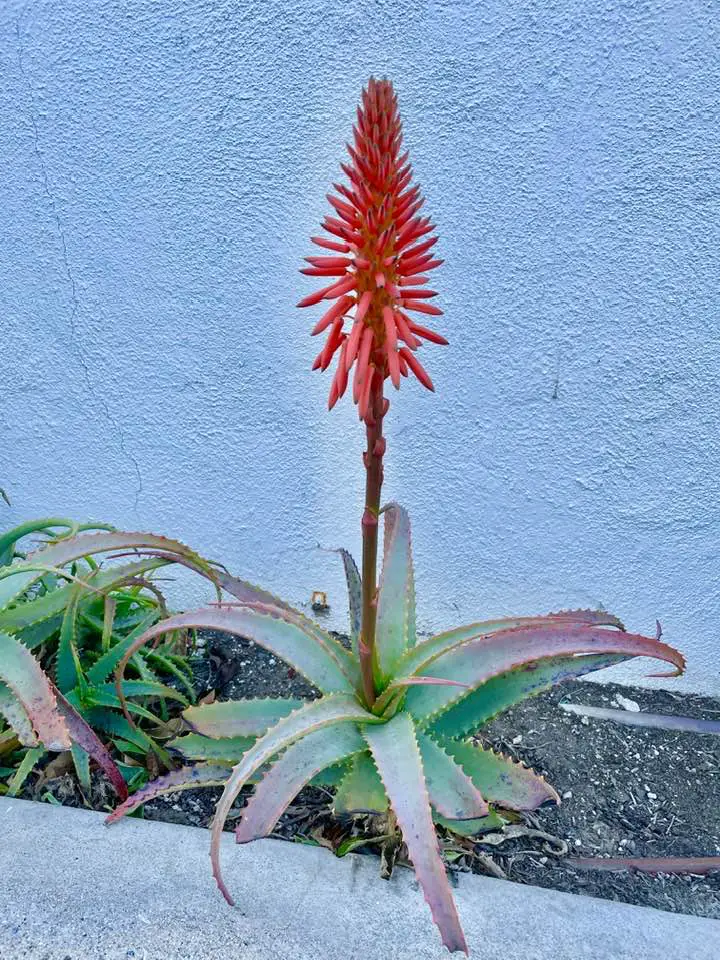
When happy, Aloe Vera might surprise you with a tall stalk of yellow or orange tubular flowers, though indoor plants rarely bloom.
Here’s a quick rundown of its features:
- Scientific Name: Aloe barbadensis miller
- USDA Hardiness Zone: 9–11 (indoors in cooler zones)
- Color Variation: Green to gray-green, white spots; yellow or orange flowers
- Sun Exposure: Bright, indirect light; tolerates full sun
- Mature Size: 1–2 feet tall and wide
- Lifespan: 5–10 years, with offsets extending its legacy
- Toxicity: Mildly toxic if ingested (yellow sap, aloin, can cause digestive upset); gel is safe for topical use
I’ve got an Aloe Vera on my kitchen counter, and its vibrant green leaves make it a living decoration. Plus, it’s a lifesaver when I nick myself cooking!
How to Grow and Care for Aloe Vera
Growing Aloe Vera feels like a partnership—it gives so much with so little effort. Here’s how I keep mine thriving.
Choosing the Right Pot and Soil
Aloe Vera hates soggy roots, so drainage is key. I use a cactus or succulent potting mix, or I blend regular potting soil with sand and perlite (1:1:1 ratio). A pot with drainage holes is non-negotiable—terracotta is my go-to because it wicks away moisture.
Choose a pot slightly larger than the plant’s root ball to give it room to grow.
Light Requirements
Aloe Vera loves bright, indirect sunlight. My plants sit near a south-facing window, soaking up 6–8 hours of light daily. In hotter climates, shield it from intense afternoon sun to prevent leaf scorch. If your Aloe starts stretching toward the light, it’s begging for more brightness. Move it closer to a window or add a grow light.
Watering Wisely
Overwatering was my rookie mistake. Now, I water deeply every 2–3 weeks in spring and summer, letting the soil dry out completely between sessions. In winter, I cut back to once a month. Stick your finger an inch into the soil—if it’s dry, water; if it’s damp, wait.
Temperature and Humidity
Aloe Vera prefers 60–80°F (16–27°C) and can handle brief dips to 40°F (4°C). Frost is its enemy, so bring it indoors in colder zones. Humidity? No big deal—average household levels work fine. I keep mine in my living room, where it’s happy year-round.
Fertilizing
I feed my Aloe Vera sparingly—once a month in spring and summer with a half-strength liquid succulent fertilizer. Skip feeding in fall and winter when it’s dormant. Too much fertilizer can burn the roots, so less is more.
Propagating Aloe Vera
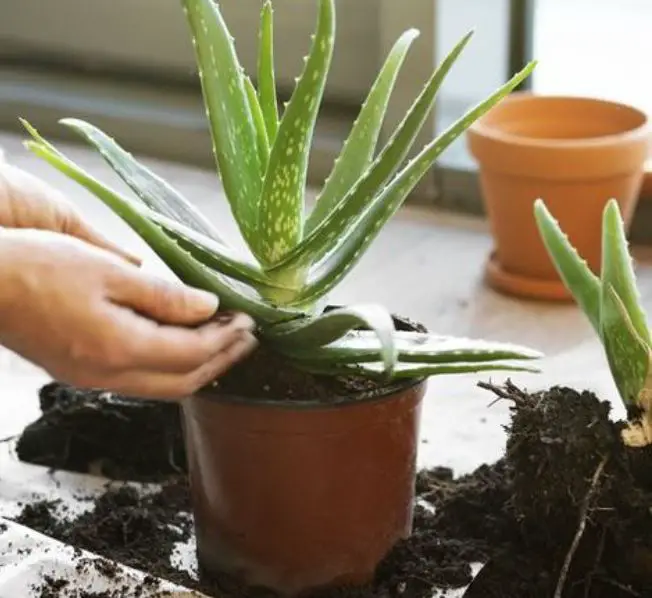
Propagation is where Aloe Vera shines. It produces offsets, or “pups,” at its base. I gently remove these with a clean knife, let them callous for 24 hours, and plant them in their own pots with well-draining soil. Within weeks, they’re rooting and growing like champs.
I’ve gifted pups to friends, and it’s so rewarding to share!
Repotting
I repot every 2–3 years or when the plant looks cramped. Spring is ideal. Gently tease out the roots, trim any dead ones, and move to a slightly larger pot with fresh soil. Be careful not to bury the base too deep—it can lead to rot.
Advanced Cultivation Techniques
For plant experts like me, experimenting with advanced techniques is fun. Here are a few I’ve tried:
- Leaf Cuttings: Unlike most succulents, Aloe Vera isn’t great with leaf cuttings, but it’s possible. Cut a healthy leaf, let it callous for a few days, and plant it shallowly in moist soil. Success rates are low, so I stick to pups.
- Hydroponics: I’ve seen Aloe Vera grown hydroponically in water with nutrient solutions. It’s tricky but doable with a well-aerated system. Keep the water level low to avoid root rot.
- Greenhouse growing: In a greenhouse, Aloe Vera thrives with controlled light and warmth. I visited a local nursery with a greenhouse setup, and their Aloes were massive! Maintain 70–85°F and high light levels for best results.
Common Problems and How to Fix Them
Even a tough plant like Aloe Vera can hit snags. Here’s what I’ve faced and how I fixed it:
1. Overwatering
Symptoms: Soft, mushy, or yellowing leaves; root rot.
Fix: Stop watering immediately. Remove affected leaves and check roots. Trim black, mushy roots and repot in fresh, dry soil. Water sparingly moving forward.
2. Underwatering
Symptoms: Wrinkled or shriveled leaves.
Fix: Water deeply, ensuring the soil is soaked but allowed to dry out between waterings. Increase frequency slightly if the plant looks thirsty.
3. Too Much Sun
Symptoms: Brown or red leaf tips.
Fix: Move to indirect light or use a sheer curtain to filter harsh sun. Trim damaged tips for aesthetics.
4. Pests
Symptoms: Mealybugs (white, cottony spots) or spider mites (tiny webs).
Fix: Wipe leaves with a damp cloth or use insecticidal soap. I’ve had success with a neem oil spray (1 tsp neem oil, 1 tsp dish soap, 1 quart water).
5. Poor Drainage
Symptoms: Yellowing leaves or stunted growth.
Fix: Ensure the pot has drainage holes and use well-draining soil. Repot if needed.
6. Root-Bound Plants
Symptoms: Slow growth, roots circling the pot.
Fix: Repot into a larger container. I once ignored a root-bound Aloe, and it stopped growing—lesson learned!
Seasonal Care Guide for Aloe Vera
Aloe Vera’s needs shift with the seasons. Here’s how I adjust:
Spring: Spring is the growth season. I water every 2 weeks, fertilize monthly, and check for pups to propagate. It’s also the best time to repot if the plant’s outgrown its home.
Summer: Summer is Aloe’s happy place. I keep up with regular watering (every 2–3 weeks) and ensure it gets plenty of light. If outdoors, I watch for sunburn during heatwaves.
Fall: As growth slows, I reduce watering to every 3–4 weeks and stop fertilizing. If temperatures drop below 50°F, I bring outdoor plants inside.
Winter: Winter is dormancy time. I water sparingly (once a month) and keep the plant in a bright spot. Avoid cold drafts near windows.
Scientific Studies on Aloe Vera’s Benefits
Aloe Vera’s reputation as a healing plant isn’t just folklore—science backs it up.
Studies highlight its anti-inflammatory, antimicrobial, and wound-healing properties. A 2008 review in the Indian Journal of Dermatology found Aloe Vera gel effective for treating burns, psoriasis, and acne due to its polysaccharides and glycoproteins (Surjushe et al., 2008).
Another study in Phytomedicine showed it speeds up wound healing by boosting collagen production (Chithra et al., 1998).
I’ve used Aloe gel on minor burns, and the relief is instant. However, ingesting Aloe juice is controversial—some studies suggest it may help with digestion, but the yellow sap (aloin) can cause stomach issues. Always consult a doctor before internal use.
DIY Projects with Aloe Vera
Aloe Vera’s gel is a treasure trove for DIY enthusiasts. Here are my favorite projects:
1. Aloe Vera Face Mask
Mix 2 tbsp Aloe gel (fresh from the leaf) with 1 tsp honey and a pinch of turmeric. Apply to your face for 15 minutes, then rinse. My skin feels hydrated and glowing after this!
2. Soothing Burn Gel
Scoop out fresh Aloe gel and store it in a clean jar in the fridge (lasts about a week). Apply to minor burns or sunburns for instant cooling. I keep a jar handy for kitchen mishaps.
3. Aloe Vera Hair Mask
Blend 3 tbsp Aloe gel with 1 tbsp coconut oil. Massage into your scalp and hair, leave for 30 minutes, then shampoo. It’s my secret for shiny, healthy hair.
4. Aloe Vera Hand Sanitizer
Mix ¼ cup Aloe gel with ½ cup rubbing alcohol (70% or higher) and a few drops of essential oil (like lavender). Pour into a squeeze bottle for a natural sanitizer.
Global Cultivation of Aloe Vera
Aloe Vera is grown commercially in warm climates worldwide. In Mexico, vast fields of sábila supply the cosmetic and beverage industries. India’s arid regions produce Aloe for Ayurvedic products, while Australia’s sunny climate supports large-scale farms.
I visited a small Aloe farm in California, where farmers shared how they harvest leaves sustainably, cutting only the outer ones to keep plants healthy.
Commercial cultivation relies on well-draining soil, drip irrigation, and minimal pesticides. Small-scale farmers often use organic methods, which I admire for their eco-friendliness. If you’re inspired to grow Aloe on a larger scale, start with a few plants and propagate pups to expand your collection.
FAQs About Growing Aloe Vera
Q: How often should I water my Aloe Vera?
A: Every 2–3 weeks in spring/summer, less in winter. Let the soil dry out completely.
Q: Can Aloe Vera grow indoors?
A: Yes! It loves bright, indirect light. A sunny windowsill is ideal.
Q: Is Aloe Vera toxic to pets?
A: The yellow sap (aloin) is mildly toxic if ingested, causing digestive issues. Keep it away from pets.
Q: Why are my Aloe Vera leaves turning brown?
A: Likely too much sun or overwatering. Move to indirect light and check your watering schedule.
Q: Can I use Aloe Vera gel directly from the plant?
A: Yes, the clear gel is safe for topical use. Cut a leaf, scoop the gel, and apply to skin.
Q: How do I propagate Aloe Vera?
A: Remove pups from the base, let them callous for a day, and plant in well-draining soil.
Q: Can Aloe Vera survive in low light?
A: It can survive but may become leggy. Provide bright, indirect light for best growth.
Q: How do I know if my Aloe Vera is healthy?
A: Look for firm, plump leaves and vibrant green color. Soft or discolored leaves signal issues.
Final thought
My three Aloe Vera plants are like family. One’s on my kitchen windowsill, ready to soothe burns from my clumsy cooking. Another graces my bathroom, giving it a spa-like vibe. The third, a gift from a friend, has produced so many pups I’ve started gifting them back! Aloe Vera’s resilience, beauty, and utility make it a plant I can’t live without.
References
- Surjushe, A., Vasani, R., & Saple, D. G. (2008). Aloe Vera: A Short Review. Indian Journal of Dermatology, 53(4), 163–166. [DOI: 10.4103/0019-5154.44785]
- Chithra, P., Sajithlal, G. B., & Chandrakasan, G. (1998). Influence of Aloe Vera on Collagen Characteristics in Healing Dermal Wounds in Rats. Phytomedicine, 5(2), 87–91.
- University of California Agriculture and Natural Resources. (n.d.). Growing Succulents Indoors. https://ucanr.edu
- Missouri Botanical Garden. (n.d.). Aloe Vera Plant Profile.
- ASPCA. (n.d.). Aloe Vera Toxicity to Pets. https://www.aspca.org

Tim M Dave is a gardening expert with a passion for houseplants, particularly cacti and succulents. With a degree in plant biology from the University of California, Berkeley, he has vast experience in gardening. Over the years, he has cultivated a vast collection of desert plants and learned a great deal about how to grow and care for these unique companions.