Yoshino Cherry Tree Pros and Cons: Everything to Know Before Planting
There is something quietly magical about a Yoshino cherry tree in full bloom. Every spring, the tree erupts in a soft cloud of white and pale pink blossoms — a sight so striking that thousands travel to Washington, D.C., just to witness it. But beauty is only one side of the story.
Before you plant a Yoshino cherry tree in your yard, you owe it to yourself to know the full picture. This guide covers the yoshino cherry tree pros and cons in honest detail, so you can make a confident, informed decision.
Yoshino Cherry Tree Overview
The Yoshino cherry (Prunus × yedoensis) is a hybrid ornamental cherry tree, most likely a cross between Prunus speciosa (Oshima cherry) and Prunus subhirtella (Higan cherry). It was first cultivated in Japan during the late 19th century and became world-famous after Japan gifted 3,000 trees to Washington, D.C., in 1912.
Today, it is one of the most widely planted ornamental trees in the world. Its spectacular spring bloom, fast growth, and elegant shape have made it a favorite in parks, streetscapes, and private gardens alike.
| Scientific Name | Prunus × yedoensis |
| Common Names | Yoshino cherry, Tokyo cherry, Potomac cherry |
| Origin | Hybrid; believed to originate in Japan (Tokyo) |
| Type | Deciduous flowering tree |
| Mature Height | 25–40 feet (7.6–12 meters) |
| Mature Spread | 25–40 feet |
| Growth Rate | Fast (13–24 inches per year) |
| Bloom Season | Early spring (March–April) |
| Flower Color | White to pale pink, single or semi-double |
| Fragrance | Mildly fragrant (almond-like) |
| Lifespan | 15–20 years (relatively short) |
| USDA Hardiness Zones | 5–8 |
| Soil Preference | Moist, well-drained, slightly acidic |
| Sun Requirements | Full sun (6+ hours daily) |
| Drought Tolerance | Low to moderate |
| Fruit | Small black drupes (not edible for humans) |
| Wildlife Value | High (birds, bees, butterflies) |
| Toxicity | Leaves, bark, and seeds are toxic to pets and livestock |
Yoshino Cherry Tree Pros
This is the tree’s defining quality — and it deserves the hype.
1. Breathtaking Spring Bloom
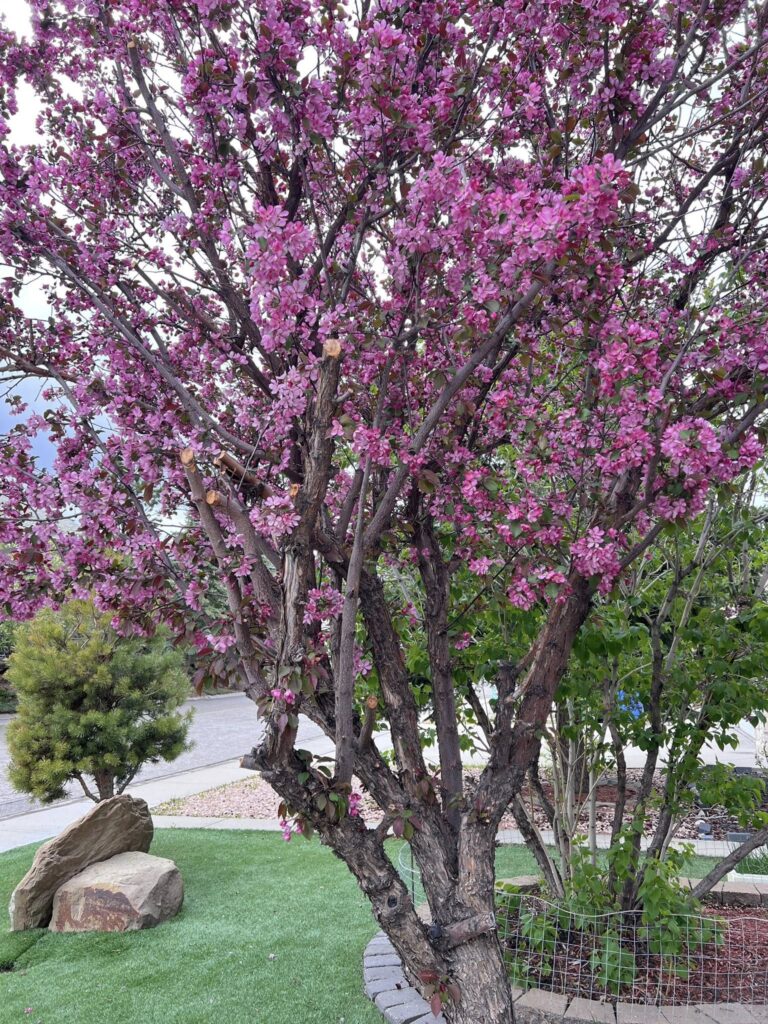
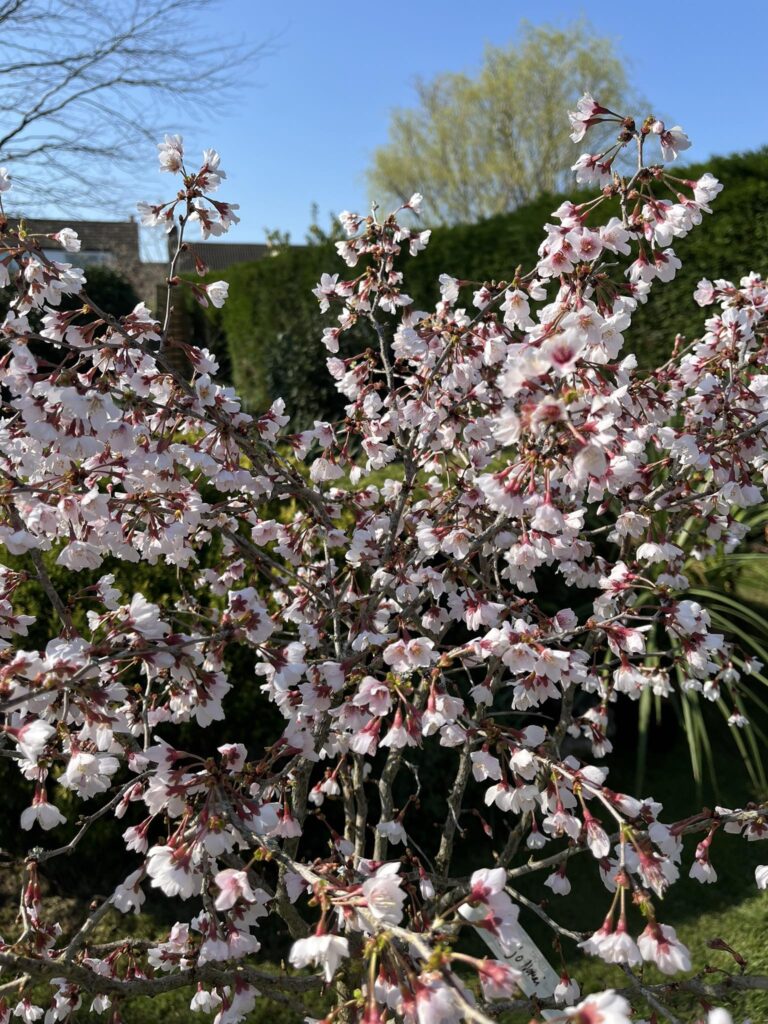
The Yoshino cherry produces one of the most dramatic floral displays of any temperate tree. The blossoms appear before the leaves, so for one to two weeks in early spring, the entire canopy is covered in delicate white-to-pink flowers.
The effect is breathtaking. Standing beneath one in full bloom feels like standing under a fragrant pink cloud. This bloom season is short, but that brevity is part of what makes it feel so precious.
2. Fast Growth Rate
If you want a shade tree or a focal point quickly, the Yoshino delivers. It grows 13 to 24 inches per year under good conditions — much faster than slower ornamentals like dogwoods or magnolias. Within five to seven years, a young sapling can become a substantial, impressive tree.
This fast growth is particularly useful for new homeowners wanting to establish landscape character without waiting decades.
3. Elegant, Graceful Form
The Yoshino cherry has a naturally vase-shaped or rounded crown that looks refined even without pruning. Its arching branches create a canopy that feels airy and light, not heavy and imposing.
In residential settings, this elegant silhouette works beautifully as a lawn specimen, along driveways, or flanking entrances.
4. Mild, Pleasant Fragrance
Unlike some flowering trees that are odorless or aggressively sweet, the Yoshino cherry carries a subtle almond-vanilla fragrance.
The scent is light enough not to overwhelm, but noticeable enough to make a garden walk enjoyable during bloom season. This is a quiet charm that many homeowners genuinely appreciate.
5. Excellent Wildlife Value
The Yoshino cherry supports local ecosystems in meaningful ways. Its early bloom is especially valuable to pollinators — bees, butterflies, and other insects that are just emerging from winter and in critical need of nectar.
The small dark fruits that follow in summer attract birds, including robins, cedar waxwings, and mockingbirds.
If you want a garden that feels alive with activity, this tree pulls its weight ecologically.
6. Adaptable to Various Landscapes
The Yoshino cherry thrives in USDA Hardiness Zones 5 through 8, covering a large portion of the continental United States. It works in urban settings, suburban gardens, parks, and institutional grounds. It tolerates urban air pollution reasonably well compared to more sensitive ornamentals.
7. Low Need for Pruning
The tree’s naturally balanced growth habit means it rarely needs heavy intervention. Minimal pruning is required to maintain shape — just removing dead or crossing branches keeps it healthy and tidy. This makes it a relatively low-maintenance choice for the aesthetic impact it provides.
8. Strong Cultural and Aesthetic Legacy
Planting a Yoshino cherry connects your garden to centuries of cultural appreciation for mono no aware — the Japanese philosophy of finding beauty in transience.
This cultural resonance adds a layer of meaning to the tree’s presence. For many gardeners, this matters. It is not merely a plant; it is a statement about how you experience time and beauty.
Yoshino Cherry Tree Cons
1. Very Short Lifespan
This is the most significant drawback, and it catches many gardeners by surprise. The Yoshino cherry typically lives only 15 to 20 years. Compare this to an oak (200–500 years) or even a crabapple (40–70 years), and the contrast is stark.
You are essentially investing in a tree that will need replacing within a generation. For many homeowners, this feels like a poor long-term investment — especially once the tree begins to decline, looking scraggly and disease-ridden in its final years.
2. Highly Susceptible to Pests and Diseases
The Yoshino cherry has a weak immune profile compared to many other landscape trees. It is prone to a long list of problems, including:
- Tent caterpillars — can defoliate branches in spring
- Aphids — cluster on new growth and cause curling leaves
- Scale insects — weaken branches over time
- Borers (especially emerald ash borer relatives) — can be fatal
- Fire blight — a bacterial disease causing branch die-back
- Brown rot — fungal disease affecting flowers and fruit
- Powdery mildew — cosmetically damaging, especially in humid climates
- Leaf spot diseases — common in wet summers
- Silver leaf disease — a serious fungal condition
Managing these issues requires consistent monitoring and, in some cases, regular chemical intervention. This is not a truly “low-maintenance” tree in humid or warm climates.
3. Shallow, Invasive Root System
The Yoshino cherry has shallow, wide-spreading roots that can heave pavement, damage sidewalks, and compete aggressively with nearby plants. Planting it too close to walkways, driveways, patios, or foundations is a common and costly mistake.
The roots also make it difficult to grow grass or ground covers beneath the canopy, as the tree competes for moisture and nutrients near the surface.
4. Short Bloom Window
Yes, the bloom is spectacular — but it lasts only 7 to 14 days. Cold temperatures, rain, or wind can cut that window even shorter. Once the petals fall, the tree becomes an ordinary-looking green tree for the rest of the growing season.
For gardeners expecting year-round ornamental interest, the Yoshino cherry delivers mostly during one brief, glorious week — and then becomes background scenery. This is fine if you plan accordingly, but disappointing if it is your primary landscape tree.
5. Messy Fruit Drop
After bloom, the tree produces small black cherry-like fruits (drupes). These fall and stain walkways, patios, and decks in midsummer. The mess attracts birds, which means additional droppings in high-traffic areas.
If you plant one near a patio, pool, or parking area, expect seasonal cleanup work.
6. Not Drought Tolerant
The Yoshino cherry prefers consistent moisture. It does not handle drought or prolonged dry periods well. In hotter climates or during summer dry spells, it may show leaf scorch, premature leaf drop, and increased vulnerability to pests.
Supplemental irrigation is often necessary, which adds to maintenance costs and effort.
7. Wind and Storm Damage
The wood of the Yoshino cherry is relatively brittle. Strong winds, ice storms, or heavy snow can break branches, sometimes causing significant structural damage. This is a real concern in regions with variable or severe weather.
The damaged branches also become entry points for disease and pests, compounding problems.
8. Toxic to Pets and Livestock
This is a critical safety consideration for pet owners and rural landowners. The leaves, bark, and seeds of the Yoshino cherry contain cyanogenic glycosides — compounds that release hydrogen cyanide when ingested. This is toxic to dogs, cats, horses, and other animals.
Symptoms of poisoning include dilated pupils, difficulty breathing, and in severe cases, death. If you have animals that roam near the tree, this risk warrants serious thought before planting.
9. Unsuitable for Fruit Production
Despite being in the Prunus family, the Yoshino cherry produces no edible fruit for humans. The drupes are small, bitter, and astringent.
If you are hoping for a cherry tree that doubles as a fruit tree, this is not the right choice. You would need to look at Prunus avium (sweet cherry) or Prunus cerasus (sour cherry) varieties instead.
Who Should Plant a Yoshino Cherry Tree?
You are a good candidate if:
- You want a showstopper for spring bloom in a large yard or public space
- You understand the short lifespan and can plan for eventual replacement
- You live in USDA Zones 5–8 with adequate rainfall or irrigation
- You want to support pollinators and wildlife in early spring
- You are planting it away from structures, hardscaping, and pet areas
You may want to reconsider if:
- You want a long-lived legacy tree
- You have pets or livestock that roam freely in the yard
- You live in a hot, dry climate with water restrictions
- You want a fruit-bearing tree
- You have a small garden where one tree must provide year-round interest
Yoshino Cherry Tree Care Tips
Even knowing the cons, many gardeners choose the Yoshino for its unmatched spring beauty. If you decide to plant one, here is how to give it the best chance:
Planting Location: Choose a spot with full sun, good air circulation, and well-drained soil. Keep it at least 15 feet from any structure, walkway, or underground utility.
Watering: Water deeply and regularly during the first two years. Once established, water during prolonged dry periods — at least once a week when rainfall is insufficient.
Fertilizing: Apply a balanced, slow-release fertilizer in early spring before bloom. Avoid high-nitrogen fertilizers, which can promote weak, disease-prone growth.
Pruning: Prune only when necessary, ideally in late summer or early fall to reduce disease risk. Never prune in wet conditions or during bloom season.
Pest Monitoring: Check for tent caterpillar egg masses in winter and remove them. Inspect for borer entry holes annually. Treat aphid or scale infestations early with horticultural oil or insecticidal soap.
Mulching: Apply a 3-inch layer of mulch around the base (not touching the trunk) to retain moisture, regulate soil temperature, and suppress weeds. This is one of the single most effective things you can do for this tree’s health.
Final Verdict: Is the Yoshino Cherry Tree Worth Planting?
Honestly? Yes — with clear eyes.
The Yoshino cherry tree is one of the most beautiful flowering trees available to gardeners in temperate climates. Its spring bloom is genuinely spectacular, it grows quickly, and it supports wildlife in meaningful ways. These are real virtues.
But it is not a carefree tree. The short lifespan, pest susceptibility, shallow roots, and pet toxicity are real concerns that deserve honest weight. If you go in with realistic expectations, plant it in the right location, and commit to basic maintenance.
Yoshino cherry can be one of the most rewarding trees in your landscape. Plant it for the season it lives in — and enjoy every remarkable spring bloom while it lasts.
References
- NC State Extension Gardener Plant Toolbox — Prunus × yedoensis (Yoshino Cherry) Comprehensive plant profile including growth habits, disease issues, landscape use, and care requirements. https://plants.ces.ncsu.edu/plants/prunus-x-yedoensis/
- University of Florida IFAS Extension — Cherry Laurel and Ornamental Prunus Species Covers Prunus genus ornamentals, site selection, pest management, and soil requirements for the southeastern U.S. https://edis.ifas.ufl.edu/publication/MG355
- Virginia Cooperative Extension (Virginia Tech & Virginia State University) — Ornamental Cherry Trees for Virginia Landscapes Discusses cherry species selection, disease management, and landscape performance across USDA zones. https://www.pubs.ext.vt.edu/3010/3010-1456/3010-1456.html
- University of Maryland Extension — Flowering Cherry Trees Covers bloom characteristics, pest and disease issues, and care guidance specific to Mid-Atlantic conditions. https://extension.umd.edu/resource/flowering-cherry-trees
- Clemson University Cooperative Extension (HGIC) — Cherry Includes information on ornamental and fruiting cherries, disease susceptibility, and maintenance for the Southeast. https://hgic.clemson.edu/factsheet/cherry/

Tim M Dave is a gardening expert with a passion for houseplants, particularly cacti and succulents. With a degree in plant biology from the University of California, Berkeley, he has vast experience in gardening. Over the years, he has cultivated a vast collection of desert plants and learned a great deal about how to grow and care for these unique companions.