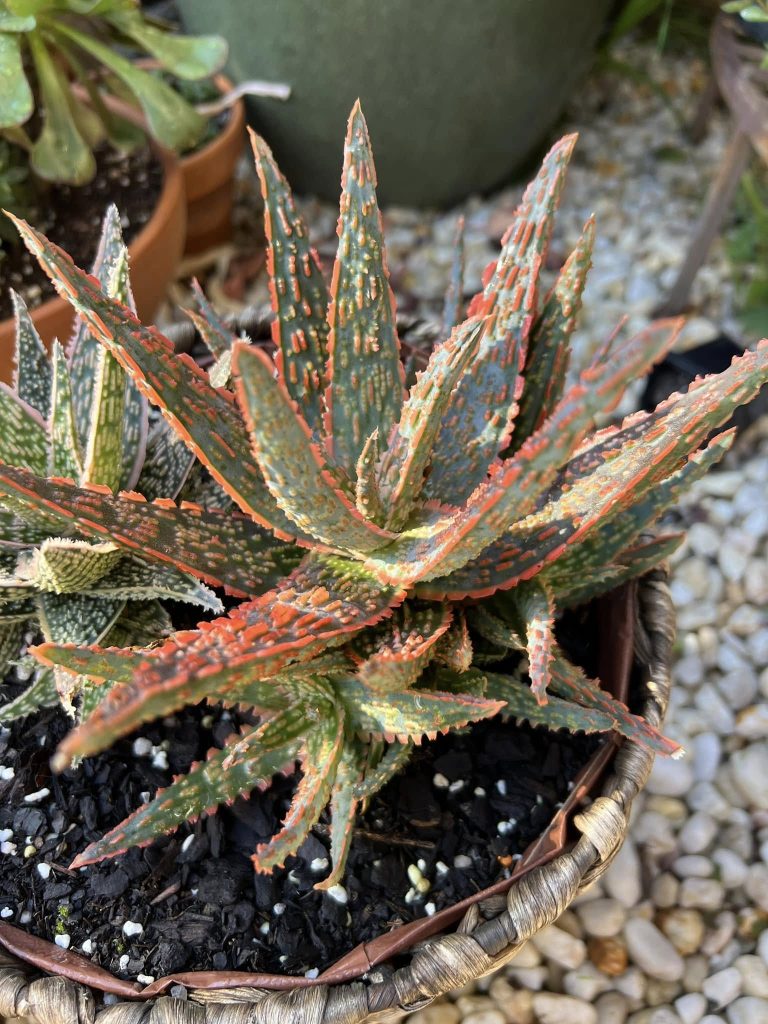
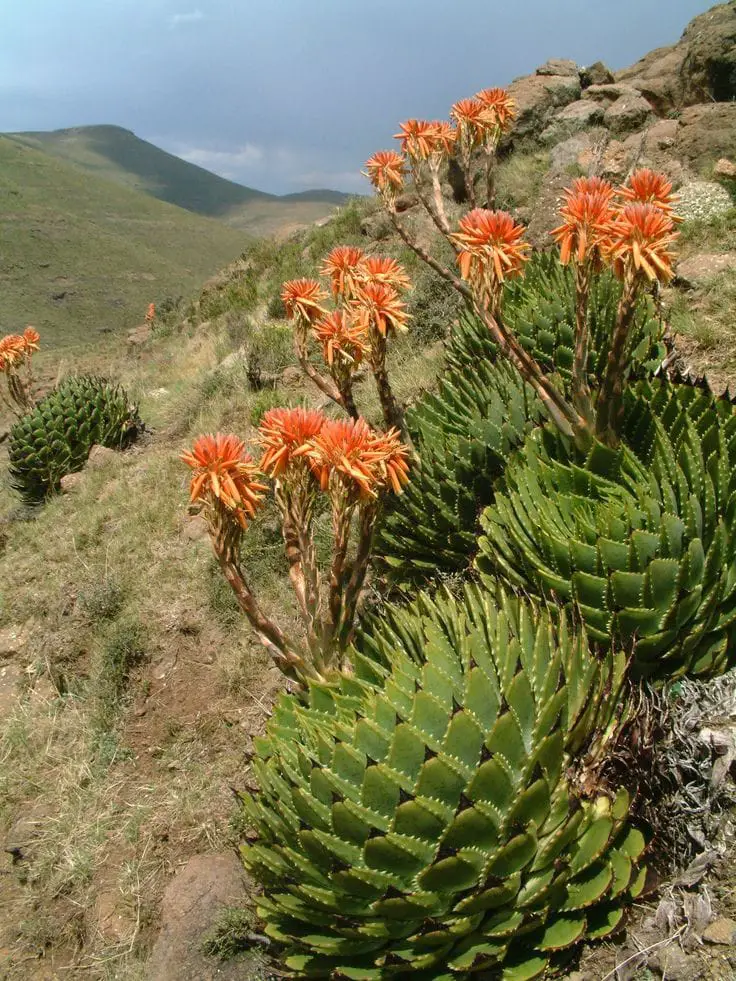
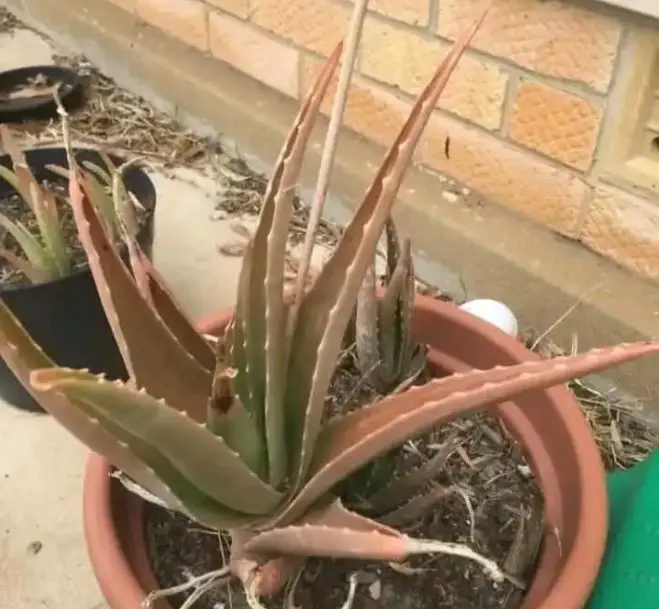
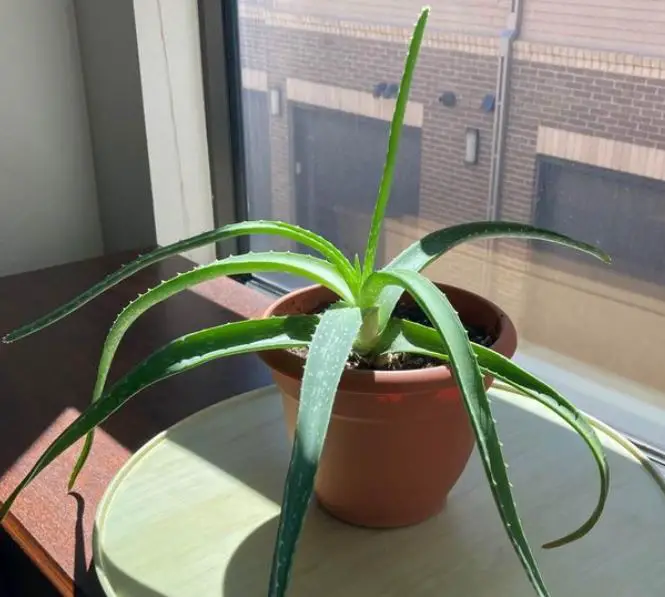
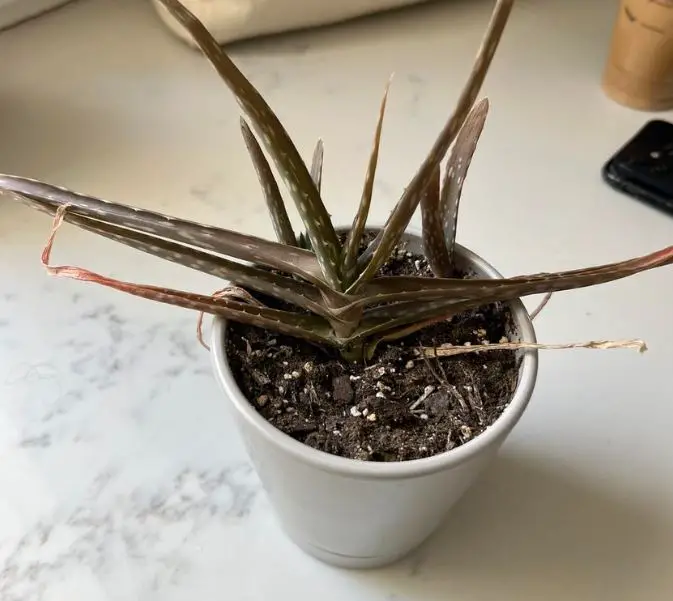
25 Types of Aloe Plants: Identification and Care Tips
Aloes are drought-tolerant succulents native to Africa, Madagascar, and the Arabian Peninsula. Their fleshy leaves store water, making them ideal for arid climates or neglectful gardeners. Many species, like Aloe vera, have medicinal properties, soothing burns and skin irritations.
Others are purely ornamental, adding exotic flair to gardens or homes. With vibrant flowers and varied forms, aloes are both functional and beautiful. Below, we’ll explore 25 types, their features, and how to care for them.
Various Types of Aloe Plants
1. Aloe Vera (Aloe barbadensis Miller)
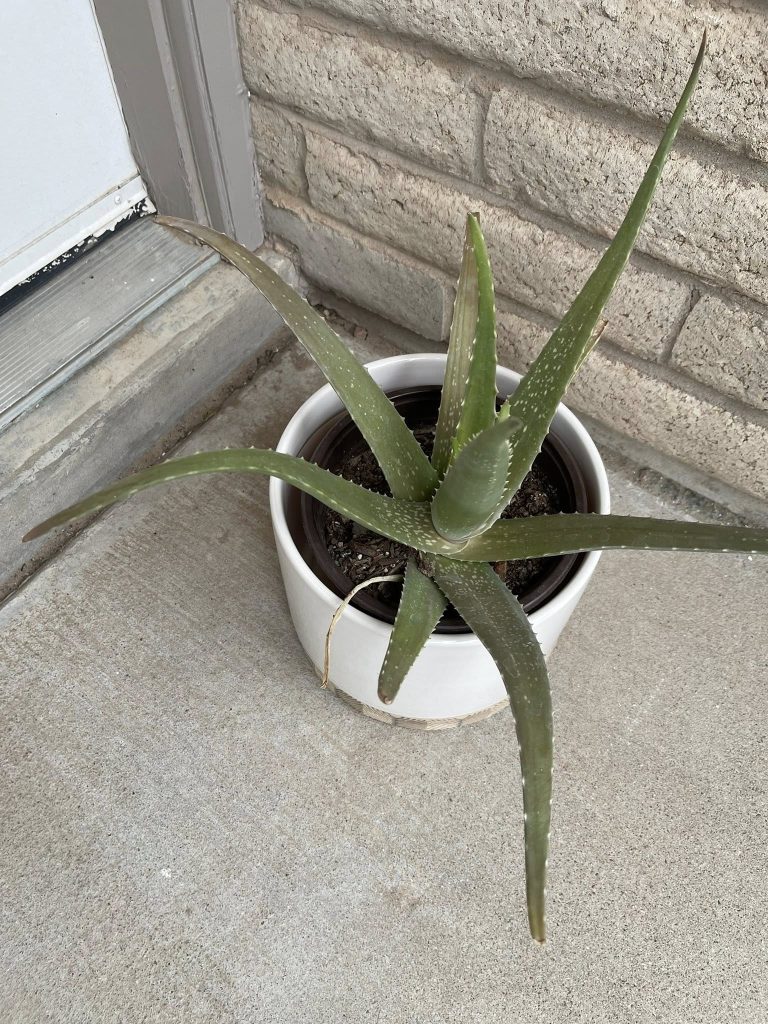
Aloe vera is the most famous aloe, prized for its soothing gel. Its thick, fleshy leaves grow in a rosette and have serrated edges with small white teeth. Yellow flowers bloom on mature plants in summer, though indoor plants rarely flower. This evergreen perennial is a staple in homes and gardens.
Scientific Name: Aloe barbadensis Miller
USDA Zone: 8–11
Color Variation: Green to grey-green, sometimes with white flecks
Sun Exposure: Bright, indirect sunlight or full sun with acclimation
Mature Size: 1–2 ft tall, 1–2.5 ft wide
Lifespan: 5–25 years
Toxicity: Toxic to pets if ingested. Gel is safe for topical human use, but internal use may cause side effects
Care Details
- Soil: Use well-draining cactus or succulent mix.
- Watering: Water deeply but infrequently, allowing soil to dry completely between waterings. Reduce watering in winter.
- Light: Place in a south or west-facing window for bright, indirect light. Outdoors, acclimate gradually to prevent sunburn.
- Temperature: Prefers 55–80°F. Protect from frost.
- Fertilizing: Feed sparingly with diluted succulent fertilizer once a month in spring and summer.
- Propagation: Divide offsets (pups) and let them callus before planting.
- Pests/Diseases: Watch for mealybugs, scale, and root rot from overwatering.
2. Aloe Arborescens (Torch Aloe)
Known as Torch Aloe, this tree-like aloe forms a woody trunk with rosettes of sword-shaped leaves. Its vibrant scarlet flowers bloom in winter, resembling a candelabra. This species is frost-tolerant and has some medicinal properties, though it’s primarily ornamental.
Scientific Name: Aloe arborescens
USDA Zone: 9–11
Color Variation: Grey-green leaves, scarlet flowers
Sun Exposure: Full sun to partial shade
Mature Size: Up to 6–10 ft tall and wide
Lifespan: 20–50 years
Toxicity: Toxic to humans and pets if ingested
Care Details:
- Soil: Well-draining, sandy soil.
- Watering: Water when the top inch of soil is dry. Avoid waterlogging.
- Light: Thrives in full sun but tolerates partial shade.
- Temperature: Hardy to 20°F. Bring indoors during cold snaps.
- Fertilizing: Use a balanced fertilizer monthly during the growing season.
- Propagation: Propagate via offsets or stem cuttings.
- Pests/Diseases: Susceptible to aphids and fungal infections if overwatered.
Tip: Plant in a xeriscaped garden for a dramatic focal point.
3. Aloe Aristata (Lace Aloe)
Lace Aloe is a compact, stemless aloe with spherical rosettes. Its leaves are adorned with white, warty spots and soft, translucent teeth. Orange-red flowers bloom in summer, attracting pollinators like birds and bees. This dwarf aloe is perfect for small spaces.
Scientific Name: Aristaloe aristata (formerly Aloe aristata)
USDA Zone: 7–10
Color Variation: Dark green leaves with white spots, orange-red flowers
Sun Exposure: Bright, indirect light or partial shade
Mature Size: 6–8 in tall, 6–12 in wide
Lifespan: 10–20 years
Toxicity: Mildly toxic to pets if ingested
Care Details:
- Soil: Use a cactus mix with good drainage.
- Watering: Water sparingly, ensuring soil dries out completely.
- Light: Prefers bright, indirect light. Avoid scorching midday sun.
- Temperature: Tolerates 25°F but needs protection from frost.
- Fertilizing: Fertilize lightly in spring with a succulent formula.
- Propagation: Divide offsets or sow seeds.
- Pests/Diseases: Prone to mealybugs and root rot.
Tip: Ideal for rock gardens or as a low-maintenance houseplant.
4. Aloe Ferox (Cape Aloe)
Cape Aloe is a tall, single-stemmed aloe with thick, spiny leaves. Its leaves turn reddish in full sun. It produces vibrant orange-red flower spikes in winter. Native to South Africa, it’s used in traditional medicine and cosmetics.
Scientific Name: Aloe ferox
USDA Zone: 9–11
Color Variation: Green to reddish leaves, orange-red flowers
Sun Exposure: Full sun
Mature Size: 6–10 ft tall, 3–5 ft wide
Lifespan: Up to 200 years
Toxicity: Toxic to humans and pets if ingested
Care Details:
- Soil: Well-draining, sandy or rocky soil.
- Watering: Water deeply but infrequently. Allow soil to dry out.
- Light: Needs full sun for best growth and color.
- Temperature: Hardy to 20°F. Protect from prolonged cold.
- Fertilizing: Apply diluted fertilizer monthly in spring and summer.
- Propagation: Use offsets or seeds.
- Pests/Diseases: Monitor for scale and fungal issues.
Tip: Its bitter sap is used in herbal remedies, but handle with care.
5. Aloe Brevifolia (Short-Leaved Aloe)
This low-growing aloe forms tight rosettes of short, triangular leaves. Its grey-green foliage may turn orange in full sun. Orange flowers bloom in fall and winter, attracting bees and hummingbirds. It’s a great ground cover for dry climates.
Scientific Name: Aloe brevifolia
USDA Zone: 9–11
Color Variation: Grey-green to orange-tinged leaves, orange flowers
Sun Exposure: Full sun to partial shade
Mature Size: 4–6 in tall, 12–18 in wide
Lifespan: 10–20 years
Toxicity: Toxic to pets if ingested
Care Details:
- Soil: Use a well-draining succulent mix.
- Watering: Water when the soil is dry. Avoid overwatering.
- Light: Thrives in full sun but tolerates partial shade.
- Temperature: Hardy to 25°F. Protect from frost.
- Fertilizing: Fertilize sparingly in spring.
- Propagation: Divide clumps or use offsets.
- Pests/Diseases: Watch for aphids and root rot.
Tip: Perfect for containers or as a drought-tolerant ground cover.
6. Aloe Maculata (Soap Aloe)
Soap Aloe has broad, spotted leaves with sharp spines. Its rosettes are stemless, and it produces red or yellow flower spikes in summer. Native to South Africa, its sap was traditionally used as a soap substitute.
Scientific Name: Aloe maculata
USDA Zone: 8–11
Color Variation: Green with white spots, red or yellow flowers
Sun Exposure: Full sun to partial shade
Mature Size: 1–2 ft tall, 2–3 ft wide
Lifespan: 15–30 years
Toxicity: Toxic to pets if ingested
Care Details:
- Soil: Well-draining cactus mix.
- Watering: Water sparingly, allowing soil to dry out.
- Light: Prefers full sun for vibrant colors.
- Temperature: Tolerates 25°F but needs frost protection.
- Fertilizing: Use a diluted succulent fertilizer monthly in spring.
- Propagation: Propagate via offsets or seeds.
- Pests/Diseases: Prone to mealybugs and fungal infections.
Tip: Avoid harvesting leaves, as it grows slowly and may lose symmetry.
7. Aloe Marlothii (Mountain Aloe)
Description: Mountain Aloe is a large, tree-like aloe with a trunk-like stem. Its spiny leaves form a rosette, and it blooms with red and yellow flowers in winter. It’s a striking addition to arid landscapes.
Scientific Name: Aloe marlothii
USDA Zone: 9–11
Color Variation: Grey-green to reddish leaves, red-yellow flowers
Sun Exposure: Full sun
Mature Size: 6–10 ft tall, 4–6 ft wide
Lifespan: Up to 200 years
Toxicity: Toxic to humans and pets if ingested
Care Details:
- Soil: Sandy, well-draining soil.
- Watering: Water deeply but infrequently.
- Light: Requires full sun for best growth.
- Temperature: Hardy to 25°F. Protect from frost.
- Fertilizing: Fertilize lightly in spring and summer.
- Propagation: Use offsets or seeds.
- Pests/Diseases: Monitor for scale and overwatering issues.
Tip: Ideal for frost-free climates as a bold garden centerpiece.
8. Aloe Juvenna (Tiger Tooth Aloe)
Tiger Tooth Aloe is a small, clumping aloe with toothy, flexible spines. Its leaves turn reddish-brown in full sun, and it produces red flower stalks in summer. It’s perfect for containers or rock gardens. Move outdoors in summer to encourage blooming.
Scientific Name: Aloe juvenna
USDA Zone: 9–11
Color Variation: Green to reddish-brown, red flowers
Sun Exposure: Full sun to partial shade
Mature Size: 6–12 in tall, 6–12 in wide
Lifespan: 10–20 years
Toxicity: Toxic to pets if ingested
Care Details:
- Soil: Use a cactus mix for drainage.
- Watering: Water when soil is dry. Avoid soggy soil.
- Light: Thrives in full sun but tolerates partial shade.
- Temperature: Hardy to 25°F. Bring indoors in winter.
- Fertilizing: Fertilize sparingly in spring.
- Propagation: Divide offsets.
- Pests/Diseases: Watch for mealybugs and root rot.
9. Aloe Polyphylla (Spiral Aloe)
Spiral Aloe is famous for its mesmerizing spiral rosettes. Its leaves are arranged in a perfect spiral, making it a photographer’s favorite. Red flowers bloom in spring, adding to its charm. It’s a rare and stunning specimen.
Scientific Name: Aloe polyphylla
USDA Zone: 7–10
Color Variation: Green to grey-green, red flowers
Sun Exposure: Full sun to partial shade
Mature Size: 1–2 ft tall, 2–3 ft wide
Lifespan: 15–30 years
Toxicity: Toxic to pets if ingested
Care Details:
- Soil: Well-draining, gritty soil.
- Watering: Water sparingly, ensuring soil dries out.
- Light: Prefers full sun but tolerates partial shade.
- Temperature: Hardy to 25°F. Protect from frost.
- Fertilizing: Use a diluted succulent fertilizer in spring.
- Propagation: Propagate via offsets or seeds (difficult).
- Pests/Diseases: Prone to root rot if overwatered.
Tip: Ideal for rock gardens or as a poolside accent.
10. Aloe Hereroensis (Sand Aloe)
Sand Aloe has chameleon-like leaves that shift from silvery grey to pinkish depending on light and water. Its sharp-spined leaves form rosettes. It produces red flowers in summer. It’s a striking addition to dry gardens.
Scientific Name: Aloe hereroensis
USDA Zone: 9–11
Color Variation: Silvery grey to pinkish, red flowers
Sun Exposure: Full sun
Mature Size: 1–2 ft tall, 2–3 ft wide
Lifespan: 15–30 years
Toxicity: Toxic to pets if ingested
Care Details:
- Soil: Use a sandy, well-draining mix.
- Watering: Water when soil is dry. Avoid overwatering.
- Light: Needs full sun for vibrant colors.
- Temperature: Hardy to 25°F. Protect from frost.
- Fertilizing: Fertilize lightly in spring.
- Propagation: Use offsets or seeds.
- Pests/Diseases: Watch for scale and fungal issues.
Tip: Wear gloves when handling due to sharp spines.
11. Aloe Rubroviolacea (Arabian Aloe)
Arabian Aloe has thick, arching leaves that turn violet-red in winter or full sun. Its red flower spires bloom in winter, creating a dramatic display. This evergreen succulent is perfect for Mediterranean gardens.
Scientific Name: Aloe rubroviolacea
USDA Zone: 9–11
Color Variation: Blue-green to violet-red, red flowers
Sun Exposure: Full sun
Mature Size: 2–3 ft tall, 3–4 ft wide
Lifespan: 20–40 years
Toxicity: Toxic to pets if ingested
Care Details:
- Soil: Well-draining cactus mix.
- Watering: Water deeply but infrequently.
- Light: Thrives in full sun.
- Temperature: Hardy to 20°F. Protect from frost.
- Fertilizing: Fertilize monthly in spring and summer.
- Propagation: Divide offsets.
- Pests/Diseases: Monitor for mealybugs and root rot.
Tip: Pair with low groundcovers for a striking garden contrast.
12. Aloe Speciosa (Tilt-Head Aloe)
Tilt-Head Aloe has long, slender leaves with pink-tinged tips. Its flower buds start red and mature to green with white stripes, creating a tri-color effect. This aloe is a stunning focal point in gardens.
Scientific Name: Aloe speciosa
USDA Zone: 9–11
Color Variation: Blue-green with pink tips, red-green flowers
Sun Exposure: Full sun to partial shade
Mature Size: 3–6 ft tall, 3–5 ft wide
Lifespan: 20–50 years
Toxicity: Toxic to pets if ingested
Care Details:
- Soil: Use a well-draining mix.
- Watering: Water when the soil is dry. Avoid soggy conditions.
- Light: Prefers full sun but tolerates partial shade.
- Temperature: Hardy to 25°F. Protect from frost.
- Fertilizing: Use a succulent fertilizer sparingly in spring.
- Propagation: Propagate via offsets.
- Pests/Diseases: Watch for aphids and fungal infections.
Tip: Combine with agaves for a textured garden display.
13. Aloe Striata (Coral Aloe)
Coral Aloe has broad, flat leaves that turn pink in full sun. Its coral-colored flowers bloom in winter, attracting pollinators. This frost-hardy aloe is ideal for water-wise gardens.
Scientific Name: Aloe striata
USDA Zone: 9–11
Color Variation: Blue-grey to pink, coral flowers
Sun Exposure: Full sun to partial shade
Mature Size: 1–2 ft tall, 2–3 ft wide
Lifespan: 15–30 years
Toxicity: Toxic to pets if ingested
Care Details:
- Soil: Well-draining succulent mix.
- Watering: Water sparingly, ensuring soil dries out.
- Light: Thrives in full sun.
- Temperature: Hardy to 20°F. Protect from frost.
- Fertilizing: Fertilize lightly in spring.
- Propagation: Use offsets or seeds.
- Pests/Diseases: Prone to mealybugs and root rot.
Tip: Use as a low-maintenance border plant.
14. Aloe Africana
This tall aloe has upright, green leaves that turn reddish in sun. Its yellow-orange flower spikes bloom in late winter, attracting birds. Native to South Africa, it’s a bold garden addition.
Scientific Name: Aloe africana
USDA Zone: 9–11
Color Variation: Green to reddish, yellow-orange flowers
Sun Exposure: Full sun
Mature Size: 6–8 ft tall, 3–4 ft wide
Lifespan: 20–50 years
Toxicity: Toxic to pets if ingested
Care Details:
- Soil: Sandy, well-draining soil.
- Watering: Water when the soil is dry. Avoid overwatering.
- Light: Needs full sun for best growth.
- Temperature: Hardy to 25°F. Protect from frost.
- Fertilizing: Fertilize sparingly in spring.
- Propagation: Use offsets or seeds.
- Pests/Diseases: Monitor for scale and fungal issues.
Tip: Plant in a sunny spot for vibrant flowers.
15. Aloe Camperi
This aloe has spotted, green leaves and produces orange flower spikes in summer. Its compact size makes it suitable for containers or small gardens. It’s a favorite for its ornamental appeal.
Scientific Name: Aloe camperi
USDA Zone: 9–11
Color Variation: Green with white spots, orange flowers
Sun Exposure: Full sun to partial shade
Mature Size: 1–2 ft tall, 2–3 ft wide
Lifespan: 15–30 years
Toxicity: Toxic to pets if ingested
Care Details:
- Soil: Use a well-draining cactus mix.
- Watering: Water sparingly, allowing soil to dry.
- Light: Prefers full sun but tolerates partial shade.
- Temperature: Hardy to 25°F. Protect from frost.
- Fertilizing: Fertilize lightly in spring.
- Propagation: Divide offsets.
- Pests/Diseases: Watch for mealybugs and root rot.
Tip: Great for small patios or indoor displays.
16. Aloe Corallina
Aloe corallina has green leaves that redden in full sun. Its coral-pink flowers bloom in winter, adding color to gardens. This aloe is a striking choice for arid landscapes.
Scientific Name: Aloe corallina
USDA Zone: 9–11
Color Variation: Green to reddish, coral-pink flowers
Sun Exposure: Full sun
Mature Size: 2–3 ft tall, 2–3 ft wide
Lifespan: 20–40 years
Toxicity: Toxic to pets if ingested
Care Details:
- Soil: Well-draining, sandy soil.
- Watering: Water when soil is dry. Avoid waterlogging.
- Light: Thrives in full sun.
- Temperature: Hardy to 25°F. Protect from frost.
- Fertilizing: Use a diluted fertilizer in spring.
- Propagation: Propagate via offsets.
- Pests/Diseases: Monitor for aphids and fungal issues.
Tip: Plant in groups for a vibrant display.
17. Aloe Variegata (Partridge Aloe)
Partridge Aloe is a dwarf aloe with striped, green leaves. Its pink flowers bloom in spring, attracting pollinators. This compact plant is perfect for indoor settings or small gardens.
Scientific Name: Aloe variegata
USDA Zone: 9–11
Color Variation: Green with white stripes, pink flowers
Sun Exposure: Bright, indirect light
Mature Size: 6–12 in tall, 6–12 in wide
Lifespan: 10–20 years
Toxicity: Toxic to pets if ingested
Care Details:
- Soil: Use a cactus mix for drainage.
- Watering: Water sparingly, ensuring soil dries out.
- Light: Prefers bright, indirect light.
- Temperature: Hardy to 25°F. Protect from frost.
- Fertilizing: Fertilize lightly in spring.
- Propagation: Divide offsets.
- Pests/Diseases: Prone to mealybugs and root rot.
Tip: Ideal for terrariums or small pots.
18. Aloe ‘Crosby’s Prolific’
This miniature aloe forms stemless rosettes with deep green leaves. It turns red in bright light and produces orange flowers in summer. It’s a prolific offsetter, ideal for clumping displays.
Scientific Name: Aloe ‘Crosby’s Prolific’
USDA Zone: 9–11
Color Variation: Deep green with red hues, orange flowers
Sun Exposure: Full sun to partial shade
Mature Size: 6–12 in tall, 12–18 in wide
Lifespan: 10–20 years
Toxicity: Toxic to pets if ingested
Care Details:
- Soil: Well-draining succulent mix.
- Watering: Water when soil is dry. Avoid overwatering.
- Light: Thrives in full sun or partial shade.
- Temperature: Hardy to 25°F. Protect from frost.
- Fertilizing: Fertilize sparingly in spring.
- Propagation: Divide offsets.
- Pests/Diseases: Watch for scale and root rot.
Tip: Perfect for creating dense succulent carpets.
19. Aloe ‘Blizzard’
This hybrid aloe has striking white leaves with green to black spots. Its thick, rugged leaves form compact rosettes, and it blooms with orange flowers. It’s a forgiving plant for beginners.
Scientific Name: Aloe ‘Blizzard’
USDA Zone: 9–11
Color Variation: White with green-black spots, orange flowers
Sun Exposure: Full sun to partial shade
Mature Size: 6–8 in tall, 6–12 in wide
Lifespan: 10–20 years
Toxicity: Toxic to pets if ingested
Care Details:
- Soil: Use a well-draining cactus mix.
- Watering: Water sparingly, allowing soil to dry.
- Light: Prefers full sun but tolerates partial shade.
- Temperature: Hardy to 25°F. Protect from frost.
- Fertilizing: Fertilize lightly in spring.
- Propagation: Divide offsets.
- Pests/Diseases: Prone to mealybugs and root rot.
Tip: Adds unique texture to succulent collections.
20. Aloe ‘Firebird’
Firebird Aloe has long, emerald green leaves with white speckles. Its rosettes are elegant, and it produces orange flowers in summer. This aloe is a vibrant addition to gardens or pots.
Scientific Name: Aloe ‘Firebird’
USDA Zone: 9–11
Color Variation: Emerald green with white speckles, orange flowers
Sun Exposure: Full sun to partial shade
Mature Size: 1–2 ft tall, 1–2 ft wide
Lifespan: 15–30 years
Toxicity: Toxic to pets if ingested
Care Details:
- Soil: Well-draining succulent mix.
- Watering: Water when soil is dry. Avoid waterlogging.
- Light: Thrives in full sun or partial shade.
- Temperature: Hardy to 25°F. Protect from frost.
- Fertilizing: Fertilize sparingly in spring.
- Propagation: Use offsets.
- Pests/Diseases: Monitor for aphids and fungal issues.
Tip: Plant in a sunny spot for vivid leaf color.
21. Aloe ‘Christmas Sleigh’
This aloe has a square-shaped rosette with green, spotted leaves. Its red flowers bloom in winter, resembling a sleigh. It’s a compact, festive plant for holiday displays.
Scientific Name: Aloe ‘Christmas Sleigh’
USDA Zone: 9–11
Color Variation: Green with white spots, red flowers
Sun Exposure: Full sun to partial shade
Mature Size: 6–12 in tall, 6–12 in wide
Lifespan: 10–20 years
Toxicity: Toxic to pets if ingested
Care Details:
- Soil: Use a cactus mix for drainage.
- Watering: Water sparingly, ensuring soil dries out.
- Light: Prefers full sun but tolerates partial shade.
- Temperature: Hardy to 25°F. Protect from frost.
- Fertilizing: Fertilize lightly in spring.
- Propagation: Divide offsets.
- Pests/Diseases: Watch for mealybugs and root rot.
Tip: Perfect for seasonal indoor decor.
22. Aloe ‘White Storm’
Also known as ‘Snowstorm,’ this aloe has white-green leaves with spots. Its compact rosettes and orange flowers make it a standout in succulent gardens. It’s low-maintenance and forgiving.
Scientific Name: Aloe ‘White Storm’
USDA Zone: 9–11
Color Variation: White-green with spots, orange flowers
Sun Exposure: Full sun to partial shade
Mature Size: 6–8 in tall, 6–12 in wide
Lifespan: 10–20 years
Toxicity: Toxic to pets if ingested
Care Details:
- Soil: Well-draining cactus mix.
- Watering: Water when soil is dry. Avoid overwatering.
- Light: Thrives in full sun or partial shade.
- Temperature: Hardy to 25°F. Protect from frost.
- Fertilizing: Fertilize sparingly in spring.
- Propagation: Divide offsets.
- Pests/Diseases: Prone to scale and root rot.
Tip: Ideal for small containers or mixed succulent arrangements.
23. Aloe Microstigma
Native to South Africa, this medium-sized aloe has green leaves that redden in sun. Its orange-red flowers bloom in summer, attracting birds. It’s a versatile plant for gardens or pots.
Scientific Name: Aloe microstigma
USDA Zone: 9–11
Color Variation: Green to reddish, orange-red flowers
Sun Exposure: Full sun
Mature Size: 1–2 ft tall, 1–2 ft wide
Lifespan: 15–30 years
Toxicity: Toxic to pets if ingested
Care Details:
- Soil: Sandy, well-draining soil.
- Watering: Water when soil is dry. Avoid soggy soil.
- Light: Needs full sun for best color.
- Temperature: Hardy to 25°F. Protect from frost.
- Fertilizing: Fertilize lightly in spring.
- Propagation: Use offsets or seeds.
- Pests/Diseases: Monitor for aphids and fungal issues.
Tip: Plant in a sunny border for vibrant blooms.
24. Aloe Chinensis
Known as Medicinal Aloe, this species has green, spotted leaves and orange flowers. It’s used in traditional medicine and is a striking addition to gardens or indoor collections.
Scientific Name: Aloe chinensis
USDA Zone: 9–11
Color Variation: Green with white spots, orange flowers
Sun Exposure: Full sun to partial shade
Mature Size: 1–2 ft tall, 1–2 ft wide
Lifespan: 15–30 years
Toxicity: Toxic to pets if ingested
Care Details:
- Soil: Well-draining cactus mix.
- Watering: Water sparingly, allowing soil to dry.
- Light: Prefers full sun but tolerates partial shade.
- Temperature: Hardy to 25°F. Protect from frost.
- Fertilizing: Fertilize lightly in spring.
- Propagation: Divide offsets.
- Pests/Diseases: Watch for mealybugs and root rot.
Tip: Great for medicinal gardens or sunny patios.
25. Kumara Plicatilis (Fan Aloe)
Fan Aloe has unique, fan-like leaf arrangements. Its blue-green leaves and orange-red flowers make it a standout in sunny gardens. This shrub-like aloe is a bold accent plant.
Scientific Name: Kumara plicatilis (formerly Aloe plicatilis)
USDA Zone: 9–11
Color Variation: Blue-green, orange-red flowers
Sun Exposure: Full sun to partial shade
Mature Size: 3–6 ft tall, 3–5 ft wide
Lifespan: 20–50 years
Toxicity: Toxic to pets if ingested
Care Details:
- Soil: Well-draining, sandy soil.
- Watering: Water when soil is dry. Avoid overwatering.
- Light: Thrives in full sun or partial shade.
- Temperature: Hardy to 25°F. Protect from frost.
- Fertilizing: Fertilize sparingly in spring.
- Propagation: Use offsets or cuttings.
- Pests/Diseases: Monitor for scale and fungal issues.
Tip: Ideal for Mediterranean or drought-tolerant gardens.
Benefits of Growing Aloe Plants
Aloes are more than just pretty plants. They offer numerous benefits:
- Medicinal uses: Aloe vera and other species soothe burns, cuts, and skin irritations.
- Ornamental value: Their unique shapes and vibrant flowers enhance gardens and homes.
- Low maintenance: Perfect for busy gardeners or beginners.
- Drought tolerance: Ideal for water-wise landscapes.
- Pollinator-friendly: Flowers attract bees, hummingbirds, and butterflies.
Caution: Many aloes are toxic to pets and humans if ingested. Keep out of reach of children and animals. Always consult a healthcare professional before using aloe for medicinal purposes.
Common Mistakes to Avoid
- Overwatering: The leading cause of aloe death. Always let soil dry out between waterings..
- Poor drainage: Use well-draining soil and pots with holes.
- Insufficient light: Aloes stretch and weaken in low light. Provide bright light or supplement with grow lights.
- Ignoring pests: Check regularly for mealybugs, scale, and aphids.
- Frost exposure: Protect aloes from temperatures below 20°F.
Conclusion
Aloe plants are versatile, resilient, and stunning additions to any garden. From the medicinal Aloe vera to the dramatic Aloe marlothii, these 25 types offer something for every gardener. Their unique features, low maintenance, and drought tolerance make them ideal for both novice and experienced plant enthusiasts. By following the care tips outlined above, you can enjoy healthy, thriving aloes for years to come.
References
- Wikipedia. (2025). Aloe vera.
- NCCIH. (2020). Aloe Vera: Usefulness and Safety.
- North Carolina Extension Gardener Plant Toolbox. Aloe Vera.
- ScienceDirect. (2021). Value-added products of Aloe species.
- Plantura. (2021). Types of aloe plants: the most beautiful varieties.
- New York Botanical Garden. (2025). Aloe Houseplants.
- Gardening Solutions. Aloe Vera.

Tim M Dave is a gardening expert with a passion for houseplants, particularly cacti and succulents. With a degree in plant biology from the University of California, Berkeley, he has vast experience in gardening. Over the years, he has cultivated a vast collection of desert plants and learned a great deal about how to grow and care for these unique companions.