15 Stunning Trees with White Flowers: Identification Features and Care Tips
Trees with white flowers bring elegance and serenity to any landscape. Their delicate blooms create a timeless appeal, perfect for gardens, yards, or public spaces. Whether you’re a homeowner, landscaper, or nature enthusiast, these trees offer beauty and functionality.
In this guide, we’ll explore 15 trees with white flowers, diving into their features, care needs, and unique characteristics. From scientific names to USDA zones, color variations, sun exposure, mature size, lifespan, and toxicity, we’ve got you covered. Let’s get started!
Best Trees with White Flowers
Here are the top best trees that bloom with white flowers.
1. Flowering Dogwood (Cornus florida)
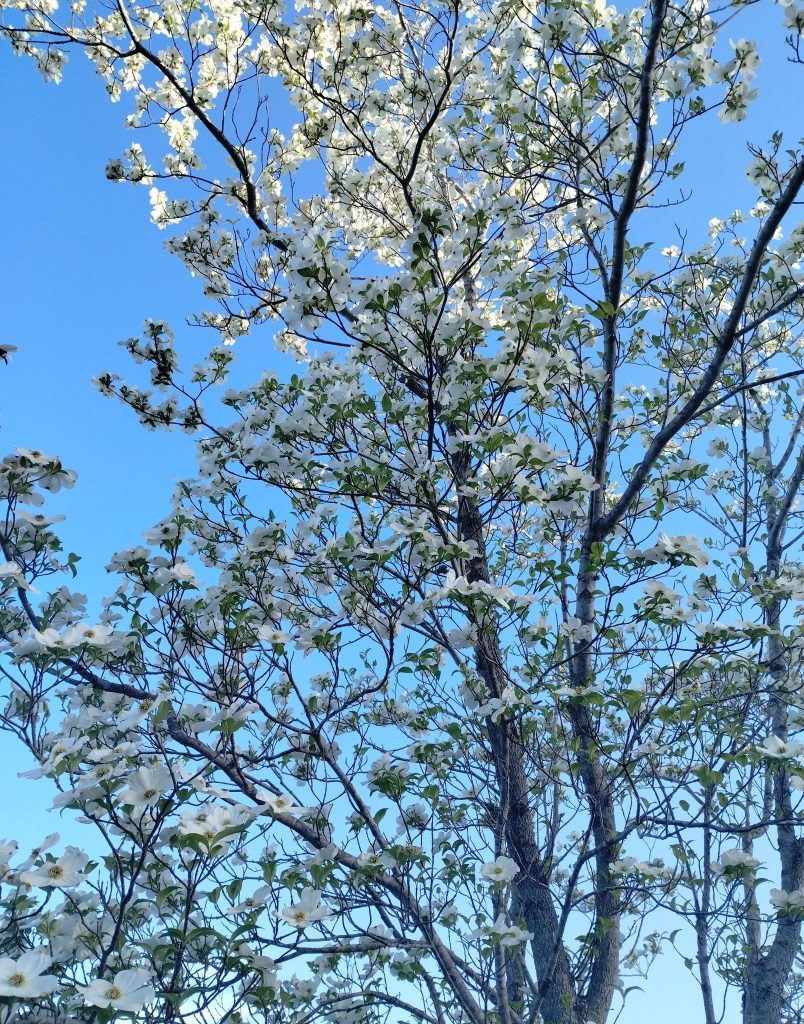
The Flowering Dogwood is a classic American tree. Its white, petal-like bracts bloom in spring, creating a stunning display. In the fall, its leaves turn vibrant red. Small red fruits attract birds but are toxic to humans. This tree is a favorite for ornamental gardens.
Features
- Scientific Name: Cornus florida
- USDA Zone: 5–9
- Color Variation: White blooms, sometimes with pinkish tinges
- Sun Exposure: Full sun to partial shade
- Mature Size: 20–40 feet tall, 20–40 feet wide
- Lifespan: Up to 80 years
- Toxicity: Mildly toxic; fruits are toxic to humans if ingested
Care Details
Plant in well-drained, acidic soil. Ensure partial shade in hotter climates to prevent leaf scorch. Water regularly during the first year. Prune dead branches in late winter. Watch for dogwood anthracnose, a fungal disease, and treat with fungicides if needed.
2. Kousa Dogwood (Cornus kousa)
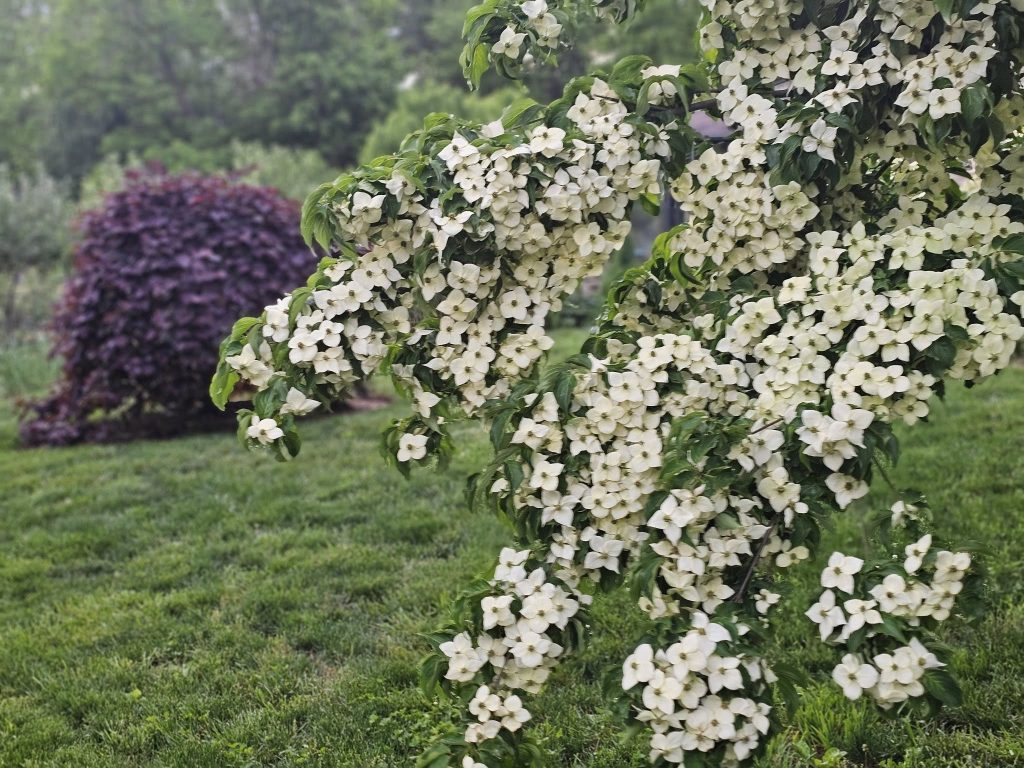
The Kousa Dogwood, native to East Asia, boasts star-shaped white bracts in late spring. Its exfoliating bark adds winter interest. Red, raspberry-like fruits are edible for humans and wildlife. This tree resists diseases better than the Flowering Dogwood.
Features
- Scientific Name: Cornus kousa
- USDA Zone: 5–8
- Color Variation: Creamy white bracts, occasionally pink
- Sun Exposure: Full sun to partial shade
- Mature Size: 15–30 feet tall, 15–30 feet wide
- Lifespan: 50–70 years
- Toxicity: Fruits are edible, but seeds may cause mild stomach upset
Care Details
Plant in well-drained, slightly acidic soil. Provide full sun for the best blooms. Water deeply during dry spells. Mulch to retain moisture. Prune minimally to maintain shape. Avoid heavy fertilization to prevent excessive growth.
3. Crabapple (Malus spp.)
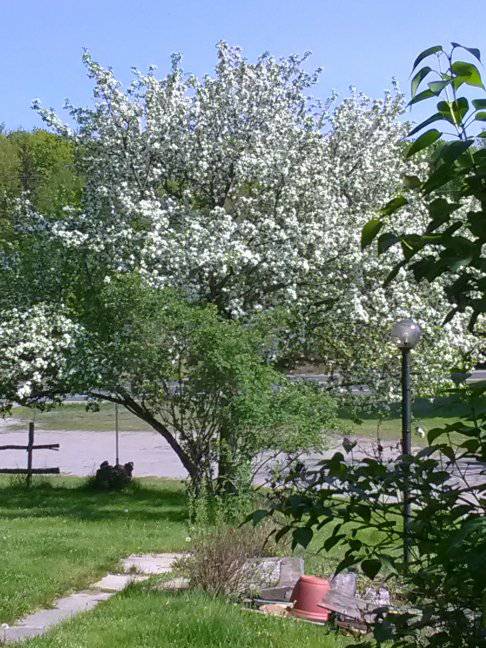
Crabapple trees offer a burst of white flowers in spring. Their small apples come in red, yellow, or green shades. These trees are versatile, fitting small or large landscapes. Fall foliage adds vibrant color.
Features
- Scientific Name: Malus spp.
- USDA Zone: 4–8
- Color Variation: White, pink, or red blooms
- Sun Exposure: Full sun
- Mature Size: 15–40 feet tall, 10–35 feet wide
- Lifespan: 30–70 years
- Toxicity: Fruits are edible in some varieties, but seeds contain cyanide precursors
Care Details
Choose a sunny spot with well-drained soil. Water regularly until established. Prune in late winter to remove dead wood. Monitor for pests like aphids or diseases like apple scab. Select disease-resistant cultivars like ‘Prairifire’ for easier care.
4. Southern Magnolia (Magnolia grandiflora)
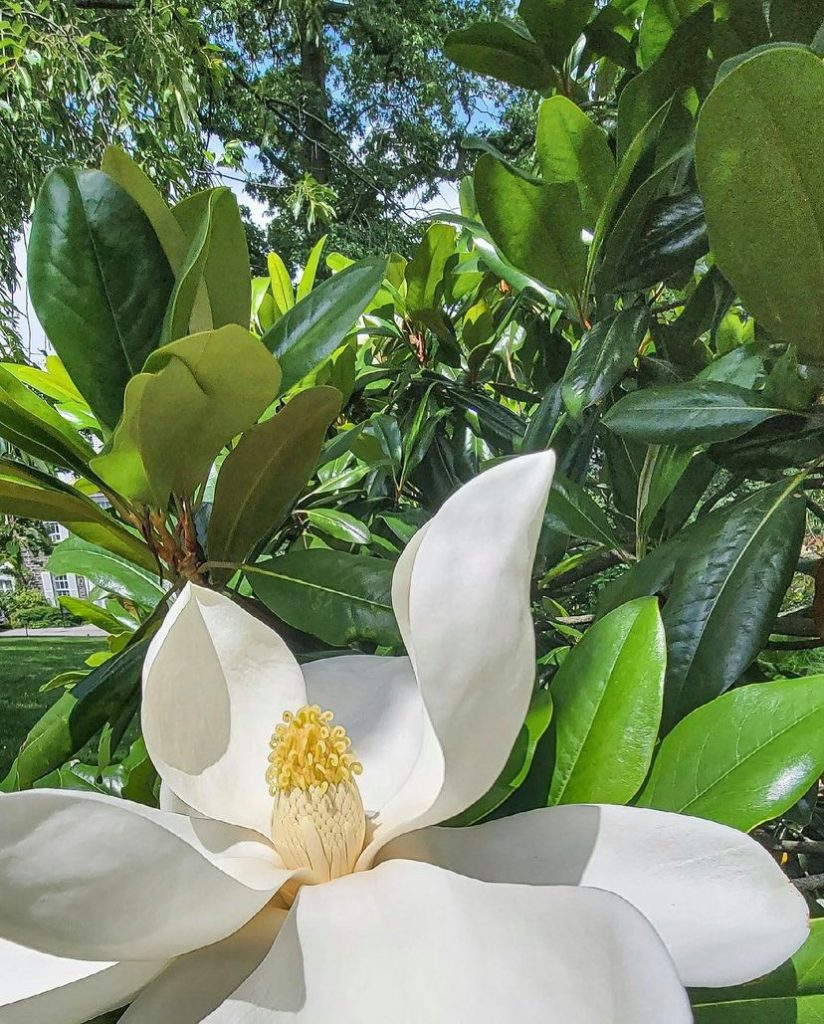
The Southern Magnolia is an evergreen with large, glossy leaves. Its huge, fragrant white flowers bloom in summer. This iconic tree adds a touch of Southern charm. Its cone-like seed pods attract birds.
Features
- Scientific Name: Magnolia grandiflora
- USDA Zone: 7–9
- Color Variation: Creamy white, fragrant flowers
- Sun Exposure: Full sun to partial shade
- Mature Size: 60–80 feet tall, 20–40 feet wide
- Lifespan: 100+ years
- Toxicity: Non-toxic to humans and pets
Care Details
Plant in rich, well-drained soil. Provide full sun for the best flowering. Water deeply during establishment. Mulch to conserve moisture. Prune after flowering to shape. Protect young trees from frost in cooler zones.
5. Star Magnolia (Magnolia stellata)
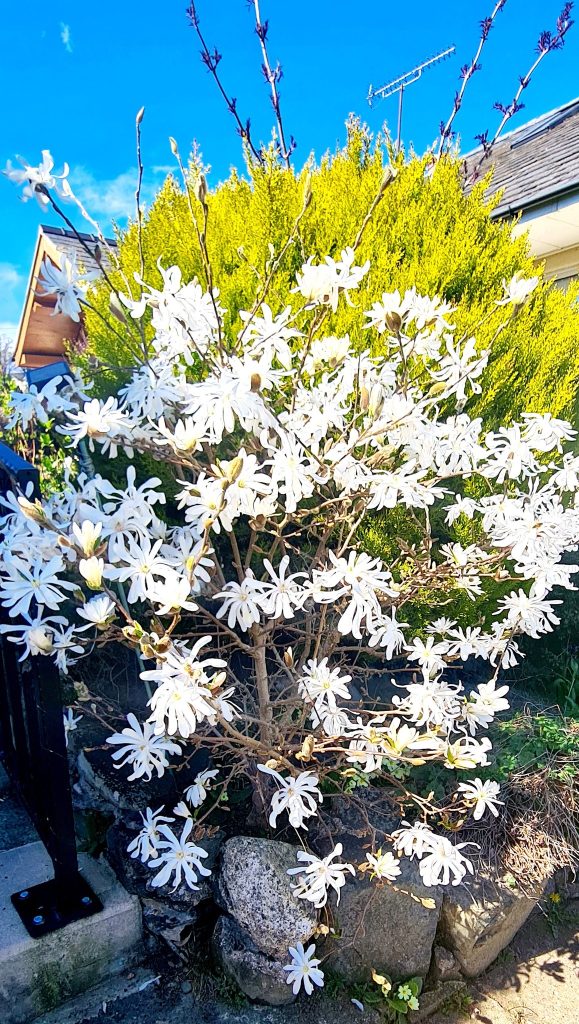
The Star Magnolia is a compact tree with star-shaped white flowers. It blooms early in spring, often before leaves appear. Its small size makes it ideal for small gardens. Fall foliage turns yellow.
Features
- Scientific Name: Magnolia stellata
- USDA Zone: 4–8
- Color Variation: White to pale pink blooms
- Sun Exposure: Full sun to partial shade
- Mature Size: 15–20 feet tall, 10–15 feet wide
- Lifespan: 50–80 years
- Toxicity: Non-toxic
Care Details
Plant in well-drained, slightly acidic soil. Choose a sunny or partially shaded spot. Water regularly during the first year. Mulch to retain moisture. Prune after flowering to maintain shape. Protect from late frosts to preserve blooms.
6. White Fringe Tree (Chionanthus virginicus)
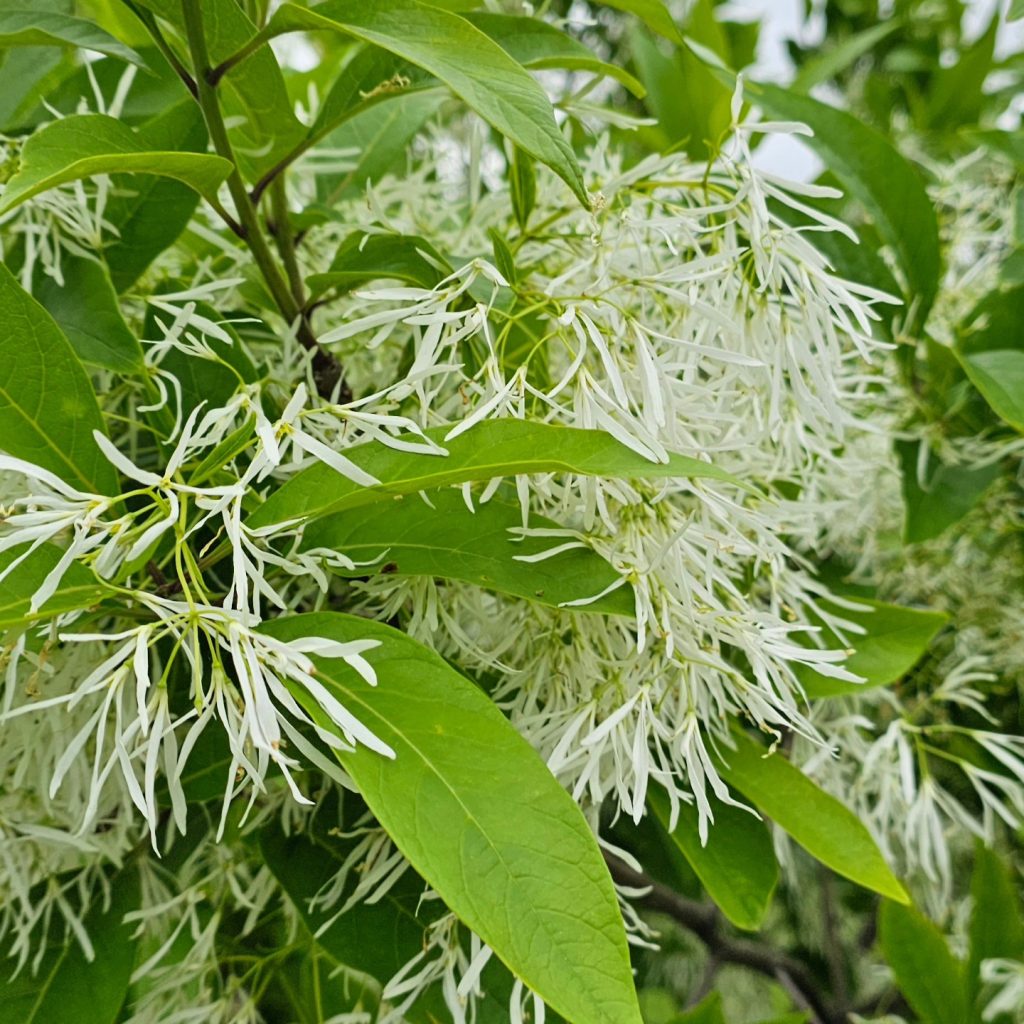
The White Fringe Tree is a native American species. Its delicate, fringe-like white flowers bloom in late spring. Female trees produce blue-black fruits that attract birds. Its leaves turn yellow in fall.
Features
- Scientific Name: Chionanthus virginicus
- USDA Zone: 3–9
- Color Variation: Pure white, feathery flowers
- Sun Exposure: Full sun to partial shade
- Mature Size: 12–20 feet tall, 12–20 feet wide
- Lifespan: 50–100 years
- Toxicity: Fruits are toxic to humans
Care Details
Plant in moist, well-drained soil. Tolerates full sun or partial shade. Water during dry periods. Prune after flowering to shape. Minimal maintenance is needed once established. Avoid waterlogged soils to prevent root rot.
7. Japanese Snowbell (Styrax japonicus)
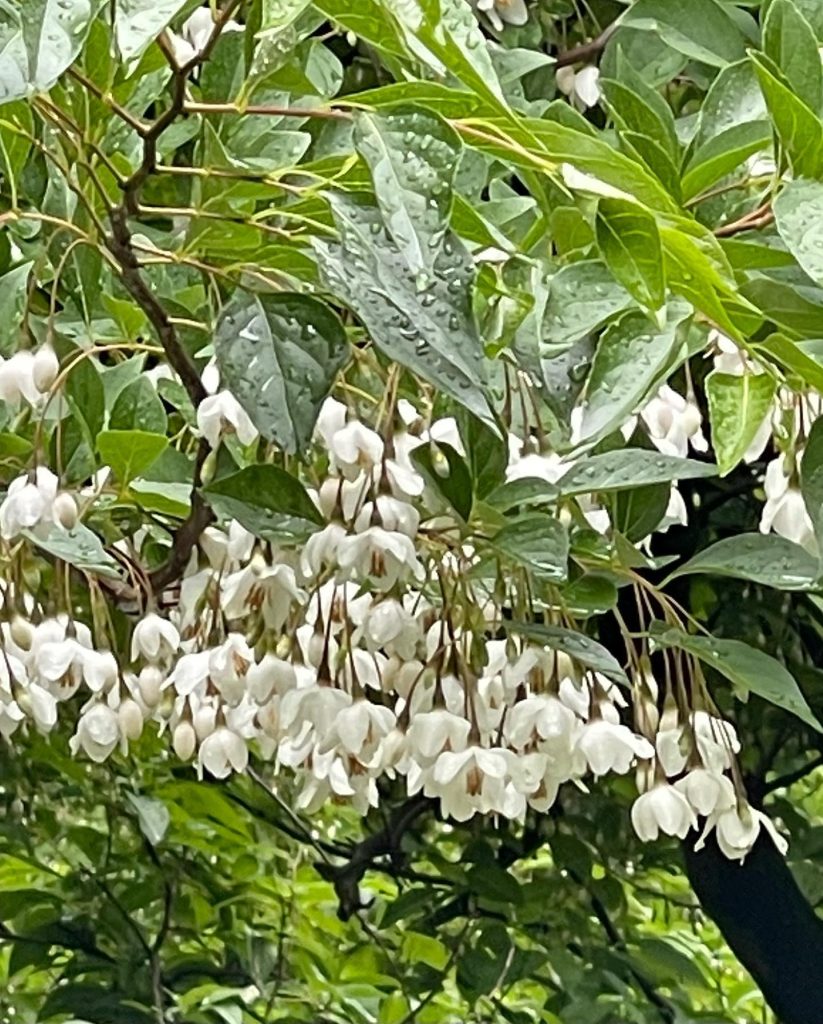
The Japanese Snowbell is a graceful tree with pendulous white flowers. Blooms appear in late spring, dangling like bells. Its smooth bark and green leaves add elegance. Small, dry fruits follow the flowers.
Features
- Scientific Name: Styrax japonicus
- USDA Zone: 5–8
- Color Variation: White, bell-shaped flowers
- Sun Exposure: Full sun to partial shade
- Mature Size: 20–30 feet tall, 15–25 feet wide
- Lifespan: 40–60 years
- Toxicity: Non-toxic
Care Details
Plant in well-drained, acidic soil. Prefers full sun for best blooms. Water regularly during establishment. Mulch to keep roots cool. Prune in late winter to remove dead wood. Protect from strong winds.
8. Hawthorn (Crataegus spp.)
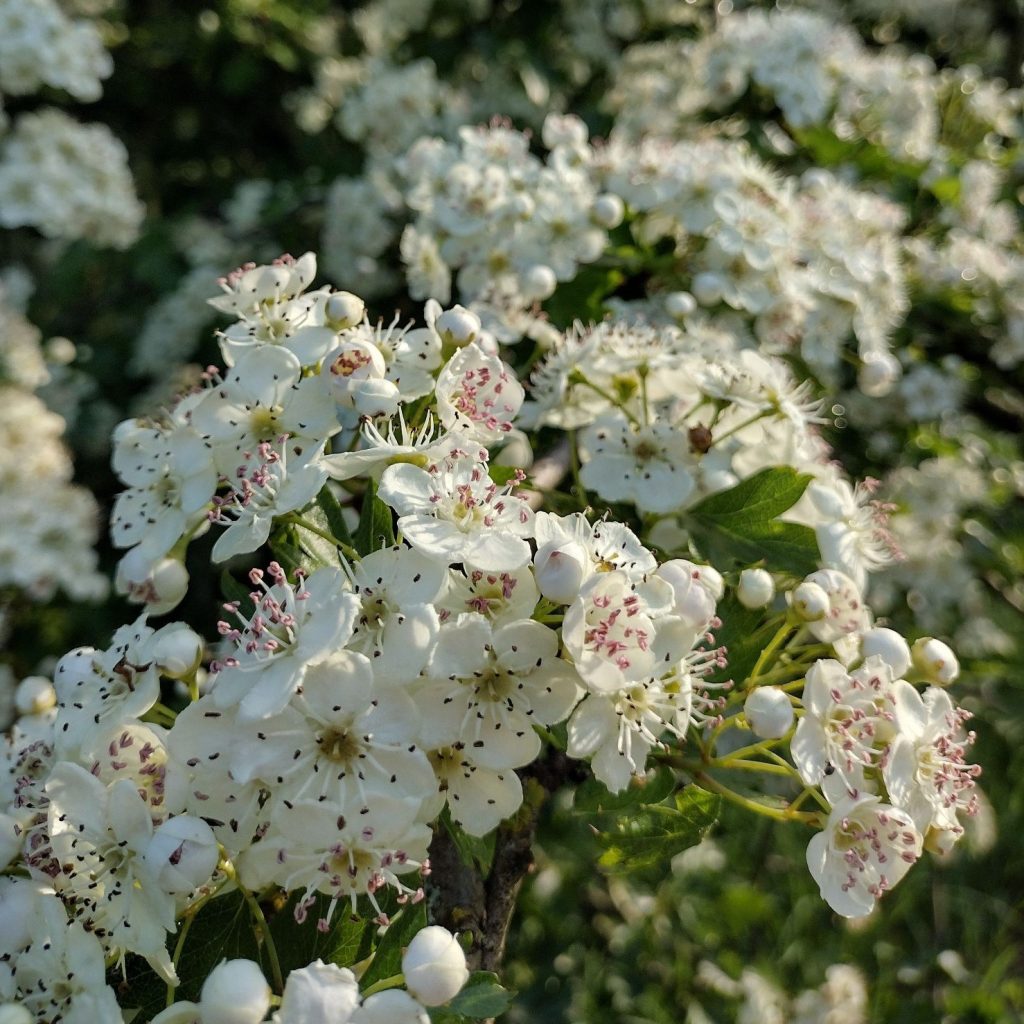
Hawthorns are hardy trees with clusters of white flowers in spring. Red berries follow, attracting birds. Their thorny branches provide natural protection. Fall foliage ranges from orange to red.
Features
- Scientific Name: Crataegus spp.
- USDA Zone: 3–8
- Color Variation: White to pink flowers
- Sun Exposure: Full sun
- Mature Size: 15–30 feet tall, 15–20 feet wide
- Lifespan: 50–150 years
- Toxicity: Fruits are edible, but seeds contain cyanide precursors
Care Details
Plant in well-drained soil in full sun. Water during dry spells. Prune in winter to remove suckers. Monitor for fire blight and rust. Choose disease-resistant varieties like ‘Winter King’ for the best results.
9. Catalpa (Catalpa speciosa)
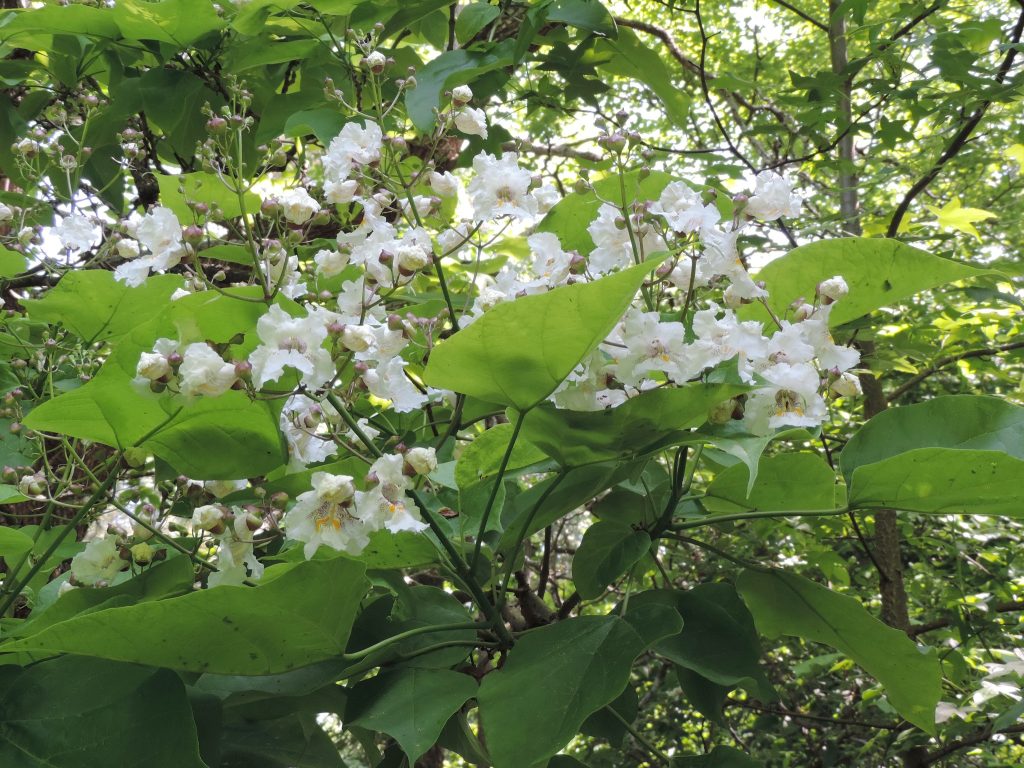
The Northern Catalpa is a large tree with showy white flowers. Blooms appear in late spring, followed by long seed pods. Its heart-shaped leaves create dense shade. This tree adds drama to large landscapes.
Features
- Scientific Name: Catalpa speciosa
- USDA Zone: 4–8
- Color Variation: White flowers with purple spots
- Sun Exposure: Full sun
- Mature Size: 40–70 feet tall, 20–40 feet wide
- Lifespan: 50–100 years
- Toxicity: Seeds and pods are toxic if ingested
Care Details
Plant in well-drained soil in full sun. Water deeply during establishment. Prune in winter to maintain structure. Remove seed pods to reduce mess. This tree tolerates drought once established but prefers moist soil.
10. American Plum (Prunus americana)
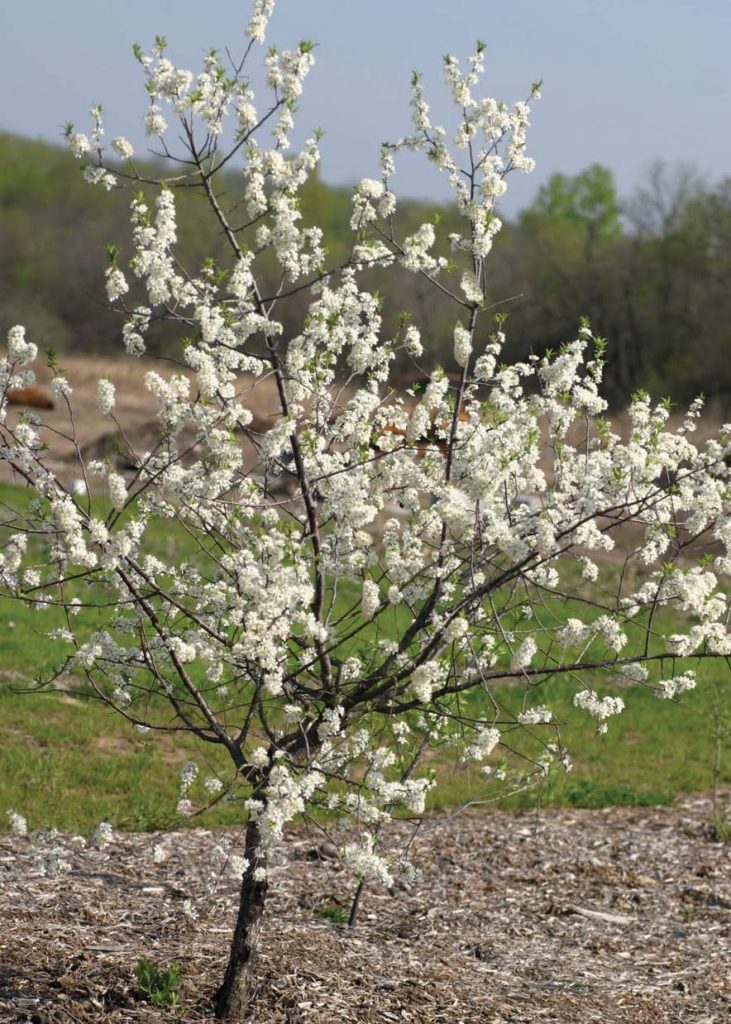
The American Plum is a native tree with fragrant white flowers. Blooms appear in early spring, followed by red or purple plums. Its thorny branches offer wildlife habitat. Fall foliage turns yellow.
Features
- Scientific Name: Prunus americana
- USDA Zone: 3–8
- Color Variation: White to pale pink flowers
- Sun Exposure: Full sun to partial shade
- Mature Size: 15–25 feet tall, 15–25 feet wide
- Lifespan: 30–50 years
- Toxicity: Fruits are edible; seeds contain cyanide precursors
Care Details
Plant in well-drained soil. Tolerates various soil types. Provide full sun for best fruit production. Prune in late winter to remove dead wood. Watch for pests like plum curculio. Thin fruit to prevent branch breakage.
11. Serviceberry (Amelanchier arborea)
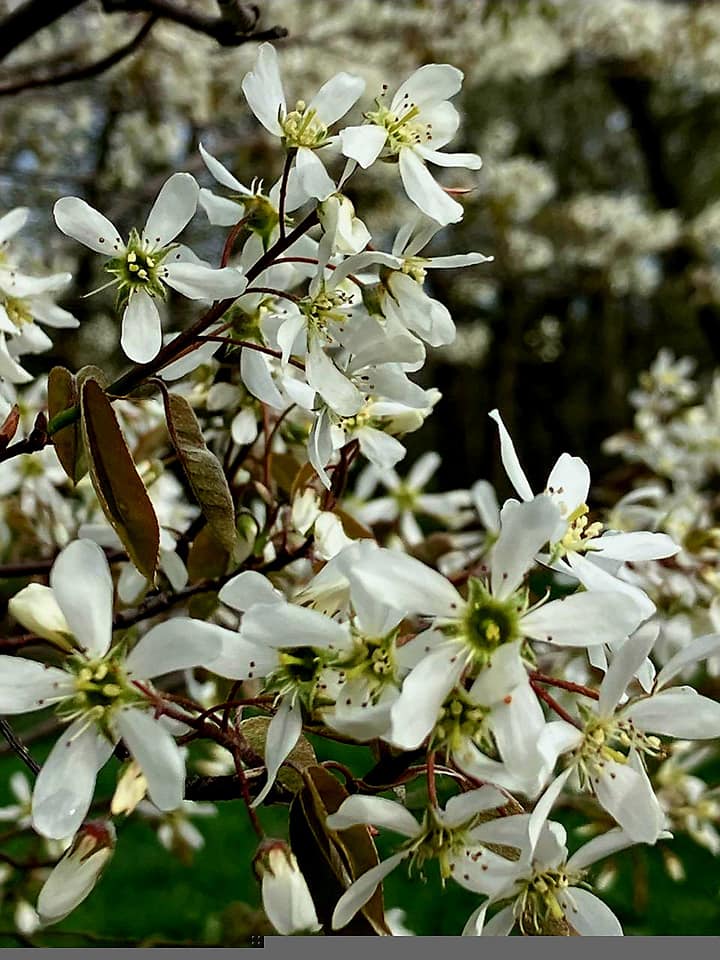
The Serviceberry, also called Juneberry, blooms with delicate white flowers in spring. Edible berries follow, turning from red to purple. Its fall foliage is a mix of orange and red. This tree suits small spaces.
Features
- Scientific Name: Amelanchier arborea
- USDA Zone: 4–9
- Color Variation: White, star-shaped flowers
- Sun Exposure: Full sun to partial shade
- Mature Size: 15–25 feet tall, 15–25 feet wide
- Lifespan: 50–100 years
- Toxicity: Non-toxic; fruits are edible
Care Details
Plant in well-drained, slightly acidic soil. Tolerates sun or shade. Water during dry periods. Prune after flowering to shape. Minimal care is needed once established. Birds love the berries, so protect fruit if desired.
12. Redbud (Cercis canadensis ‘Alba’)
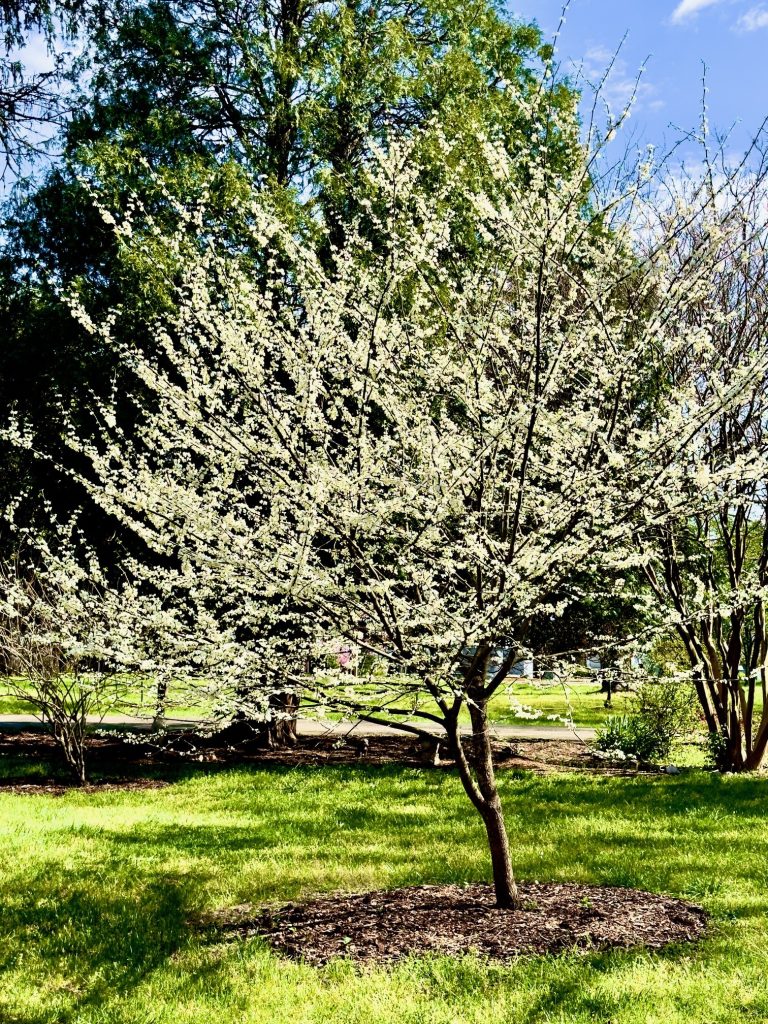
The ‘Alba’ Redbud is a white-flowering variety of the Eastern Redbud. Its heart-shaped leaves and white blooms create a striking contrast. Flowers appear in early spring along bare branches. Fall foliage is yellow.
Features
- Scientific Name: Cercis canadensis ‘Alba’
- USDA Zone: 4–9
- Color Variation: Pure white flowers
- Sun Exposure: Full sun to partial shade
- Mature Size: 20–30 feet tall, 25–35 feet wide
- Lifespan: 50–70 years
- Toxicity: Non-toxic
Care Details
Plant in well-drained soil. Prefers full sun for best blooms. Water regularly during establishment. Prune after flowering to maintain shape. Tolerates various soils but avoid waterlogged areas. Protect from extreme cold.
13. Yoshino Cherry (Prunus × yedoensis)
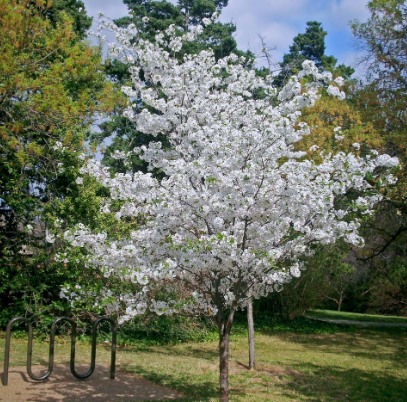
The Yoshino Cherry is famous for its clouds of white flowers. It’s a star of spring festivals, like those in Washington, D.C. Its delicate blooms create a dreamy effect. Fall foliage is yellow to orange.
Features
- Scientific Name: Prunus × yedoensis
- USDA Zone: 5–8
- Color Variation: White to pale pink flowers
- Sun Exposure: Full sun
- Mature Size: 30–40 feet tall, 25–40 feet wide
- Lifespan: 50–100 years
- Toxicity: Seeds contain cyanide precursors
Care Details
Plant in well-drained soil in full sun. Water deeply during dry spells. Prune after flowering to shape. Monitor for pests like aphids and diseases like cherry leaf spot. Avoid heavy clay soils.
14. White Ash (Fraxinus americana)
The White Ash is a towering tree with subtle white flowers. Its compound leaves turn vibrant purple or yellow in fall. Seeds, called samaras, attract birds. This tree is ideal for large landscapes.
Features
- Scientific Name: Fraxinus americana
- USDA Zone: 3–9
- Color Variation: White to greenish-white flowers
- Sun Exposure: Full sun
- Mature Size: 60–80 feet tall, 40–50 feet wide
- Lifespan: 100–200 years
- Toxicity: Non-toxic
Care Details
Plant in well-drained soil in full sun. Water during establishment. Prune in winter to remove dead branches. Monitor for emerald ash borer, a serious pest. Tolerates various soils but prefers moist conditions.
15. American Basswood (Tilia americana)
The American Basswood produces clusters of fragrant white flowers in summer. Bees love its nectar, making it a pollinator favorite. Its heart-shaped leaves provide dense shade. Fall foliage is yellow.
Features
- Scientific Name: Tilia americana
- USDA Zone: 2–8
- Color Variation: Creamy white, fragrant flowers
- Sun Exposure: Full sun to partial shade
- Mature Size: 60–100 feet tall, 30–50 feet wide
- Lifespan: Up to 200 years
- Toxicity: Non-toxic
Care Details
Plant in moist, well-drained soil. Tolerates sun or shade. Water regularly during the first year. Prune in winter to maintain structure. Avoid compacted soils. Protect from pests like Japanese beetles.
General Care Tips for White-Flowering Trees
- Soil: Most prefer well-drained, slightly acidic soil. Test soil pH before planting.
- Watering: Water deeply during establishment. Reduce frequency once roots are set.
- Pruning: Prune in late winter or after flowering to maintain shape and health.
- Pests and diseases: Monitor for common issues like aphids, powdery mildew, or fungal diseases. Use organic or chemical treatments as needed.
- Mulching: Apply 2–3 inches of mulch to retain moisture and regulate soil temperature.
- Fertilization: Use a balanced fertilizer in spring for young trees. Avoid over-fertilizing to prevent weak growth.
Suggested For You:
10 Beautiful Trees That Attract Birds to Your Yard
Understanding Money Tree: History, Care Details and Common Problems
15 Stunning Trees with Red Flowers: Identification, History and Care Tips
10 Small Flowering Trees for Your Front Yard: Perfect Picks for USA Homes
Understanding The Eastern Redbud Tree: History, Care Details and Common Problems
Why Choose White-Flowering Trees?
White-flowering trees add brightness and elegance to any landscape. They pair well with colorful shrubs and perennials. Their blooms attract pollinators like bees and butterflies. Many offer stunning fall foliage or edible fruits. These trees are versatile, fitting urban yards, rural properties, or public parks. Their timeless beauty makes them a favorite for gardeners and landscapers alike.
References
- Mississippi State University Extension Service. (2025). Selecting Landscape Trees with Special Comments on Invasive and Native Plants. www.extension.msstate.edu
- Missouri Botanical Garden. (n.d.). Plant Finder. www.missouribotanicalgarden.org
- North Carolina State University Extension. (n.d.). Trees for Landscapes. www.ces.ncsu.edu

Tim M Dave is a gardening expert with a passion for houseplants, particularly cacti and succulents. With a degree in plant biology from the University of California, Berkeley, he has vast experience in gardening. Over the years, he has cultivated a vast collection of desert plants and learned a great deal about how to grow and care for these unique companions.