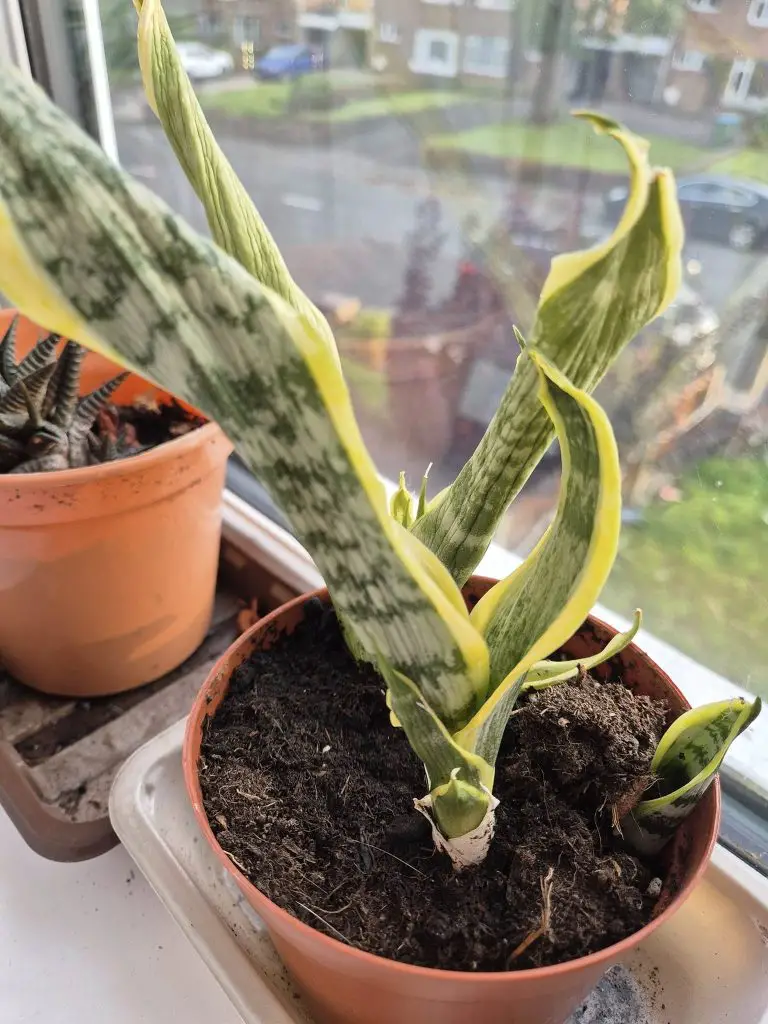
Are Snake Plants Toxic to Dogs? What Dog Owners Need to Know
Snake plants are everywhere. They sit on office desks, bedroom windowsills, and living room floors — and for good reason. They tolerate low light, survive irregular watering, and look quietly elegant without much effort. For busy plant lovers, they are practically perfect.
But if a dog lives in your home, “practically perfect” needs a closer look. The truth is that snake plants are toxic to dogs. Not lethally so in most cases, but toxic enough to cause real distress — and real concern for any responsible dog owner.
This article explains exactly what makes snake plants dangerous to dogs, what to watch for if your dog eats one, and what steps to take to keep your pet safe.
What Is a Snake Plant?
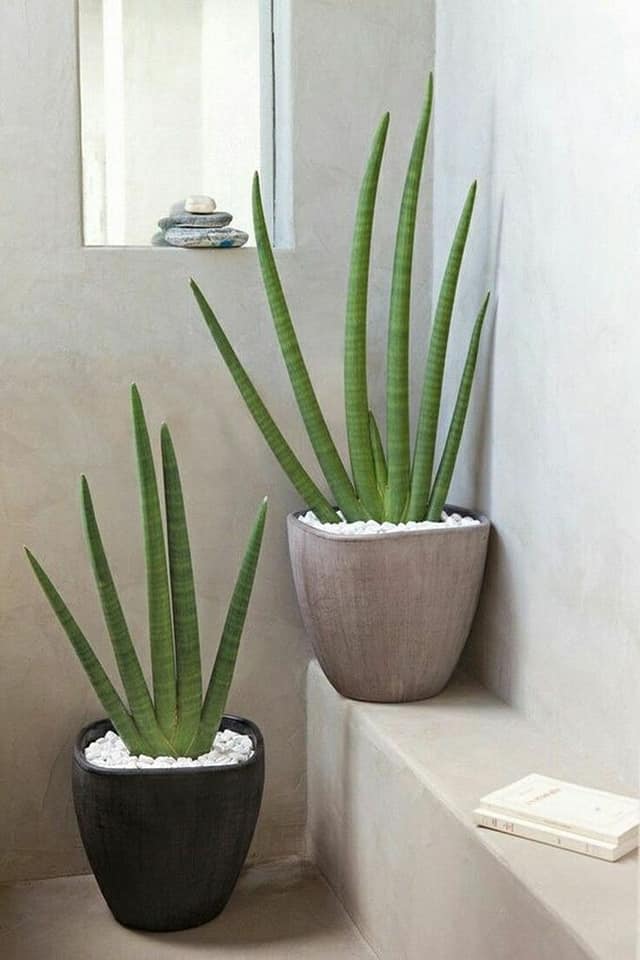
The snake plant (Dracaena trifasciata, formerly classified as Sansevieria trifasciata) is a succulent-like perennial native to West Africa. It is one of the most commonly kept houseplants in the world.
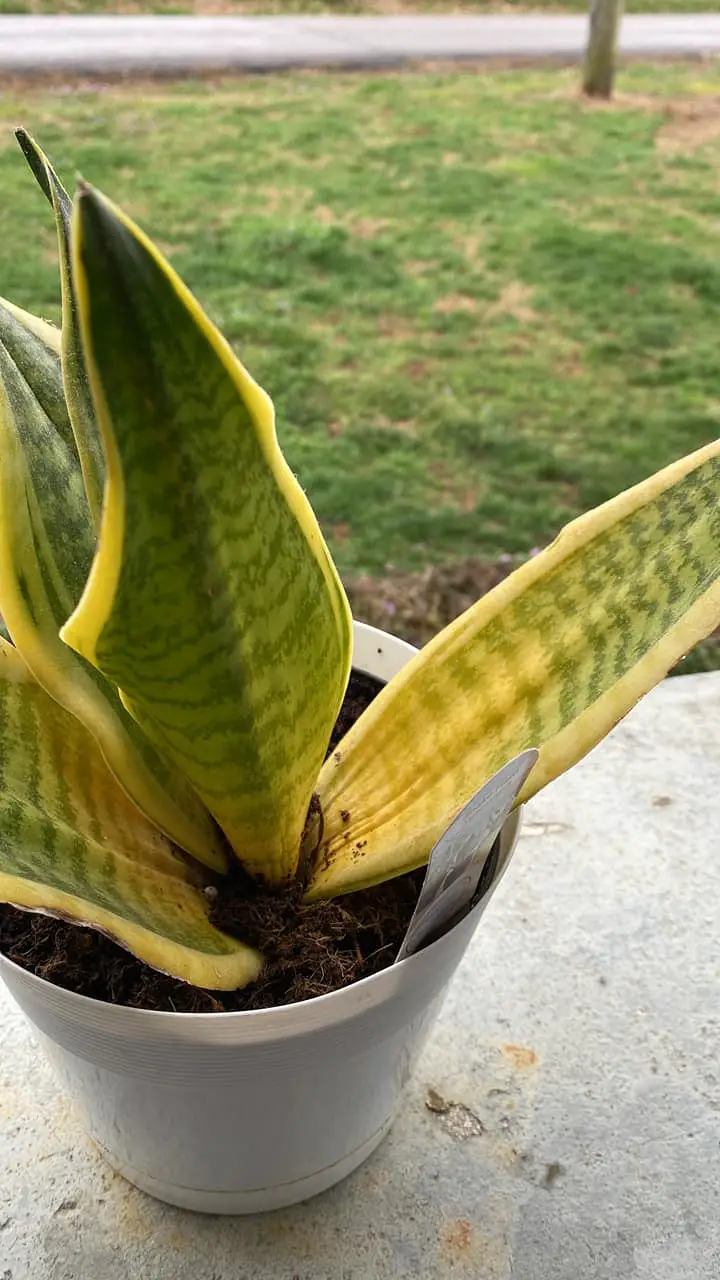
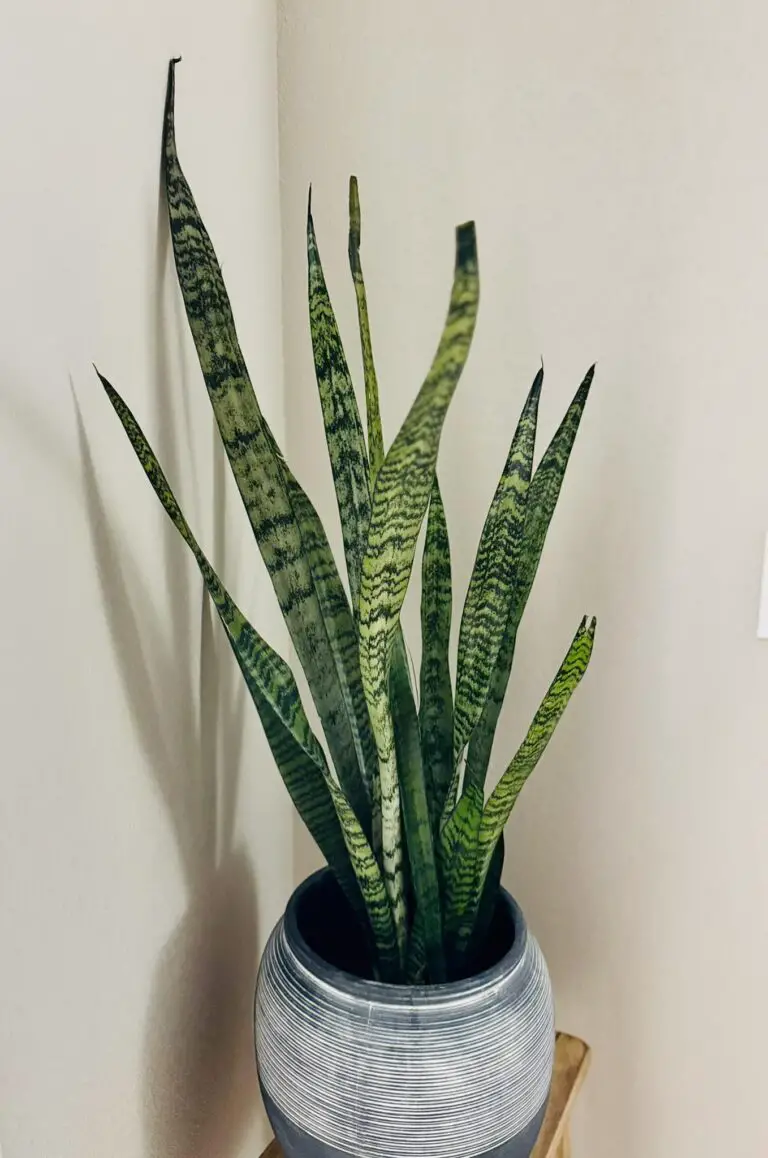
You will recognize it easily. The plant produces tall, upright leaves with distinctive banding — typically dark green with lighter green or yellow margins. The leaves are firm, pointed, and grow in a rosette formation from the base.
It carries several popular names:
- Mother-in-law’s tongue — likely named for its sharp, pointed leaf tips
- Saint George’s sword
- Viper’s bowstring hemp
- Good luck plant
Common varieties include Dracaena trifasciata ‘Laurentii’ (yellow-edged), Dracaena trifasciata ‘Moonshine’ (pale silver-green), and Dracaena trifasciata ‘Hahnii’ (compact, bird’s nest form).
All varieties contain the same toxic compounds. No snake plant variety is safe for dogs to ingest.
Why Are Snake Plants Toxic to Dogs?
Snake plants contain saponins — natural chemical compounds that the plant produces as a self-defense mechanism against fungi, insects, and grazing animals. In the wild, saponins discourage animals from eating the plant. In your living room, they do the same — but dogs are not always deterred until it is too late.
Saponins are found throughout the snake plant, including the leaves, stems, and roots. When a dog chews or swallows part of the plant, the saponins are ingested and cause irritation to the gastrointestinal system. They disrupt cell membranes in the digestive tract, leading to nausea, vomiting, and diarrhea.
Unlike the calcium oxalate crystals found in plants such as pothos, saponins are soluble compounds. This means they are absorbed into the digestive system and can cause broader effects than purely localized irritation. In larger amounts, saponins can affect red blood cells — a process called hemolysis — though this outcome is uncommon in typical domestic exposures.
The ASPCA officially lists the snake plant as toxic to dogs and cats, identifying saponins as the primary toxic principle.
Symptoms of Snake Plant Poisoning in Dogs
Symptoms usually appear within a few hours of ingestion. The severity depends on the size of the dog and how much of the plant was consumed.
Most common symptoms:
- Nausea
- Vomiting (often the first sign)
- Diarrhea
- Drooling more than usual
- Loss of appetite
- Lethargy or general weakness
Less common but more serious symptoms:
- Abdominal pain or bloating
- Swollen mouth or throat
- Blood in vomit or stool (rare, seen with large ingestion)
- Depression or unusual withdrawal
In most cases, snake plant poisoning in dogs is mild to moderate. A dog that has taken one or two bites from a leaf will likely experience stomach upset that resolves within 24 to 48 hours with supportive care.
However, small dogs are at greater risk than large dogs. A bite that causes minor stomach discomfort in a Labrador Retriever could produce more significant symptoms in a Chihuahua or a Yorkshire Terrier. Body size matters when assessing risk.
Puppies, elderly dogs, and dogs with existing health conditions — particularly kidney or liver problems — should always be seen by a veterinarian promptly, regardless of how much was consumed.
Is Snake Plant Poisoning Fatal to Dogs?
Fatalities from snake plant ingestion are extremely rare. The saponins in snake plants are not known to cause organ failure or death in typical domestic exposures. This distinguishes the snake plant from more acutely dangerous plants such as:
- Sago Palm (Cycas revoluta) — can cause liver failure; as few as one or two seeds can be fatal
- Lilies (Lilium and Hemerocallis species) — cause acute kidney failure in cats (less severe in dogs, but still dangerous)
- Oleander (Nerium oleander) — affects cardiac function
- Xylitol (found in some foods) — causes rapid liver failure in dogs
The snake plant sits in a lower-risk category compared to these plants. That said, lower risk does not mean no risk. A dog in pain from vomiting and diarrhea needs care and attention. Dehydration from repeated vomiting is a real and treatable complication if addressed promptly.
Do not wait to see how things develop on their own if your dog shows symptoms. Call your vet.
What to Do If Your Dog Eats a Snake Plant
Acting quickly and calmly is the best thing you can do for your dog.
Step 1: Remove your dog from the plant. Stop any further access immediately.
Step 2: Check your dog’s mouth. Look for any remaining plant material. If you can safely remove visible pieces without distressing your dog, do so gently. Do not force it.
Step 3: Estimate the amount consumed. Look at the plant. Is a leaf partially chewed? Are multiple leaves damaged? This information will help your vet assess the level of risk.
Step 4: Call your veterinarian or a poison control helpline. Do this even if your dog seems fine. Early guidance is always better than a delayed response. In the United States:
- ASPCA Animal Poison Control Center: (888) 426-4435
- Pet Poison Helpline: (855) 764-7661
These lines are available 24 hours a day. A consultation fee may apply, but the advice is reliable and immediate.
Step 5: Follow professional instructions. Your vet may recommend monitoring at home if your dog is large and the exposure was minimal. They may also ask you to bring your dog in for examination and supportive treatment.
Do not attempt to induce vomiting at home unless a veterinarian explicitly tells you to. Inducing vomiting incorrectly can cause aspiration and additional harm.
How Veterinarians Treat Snake Plant Poisoning in Dogs
Treatment is supportive. There is no specific antidote for saponin poisoning.
Depending on how much was ingested and when, a veterinarian may:
- Induce vomiting in a controlled clinical setting if the ingestion was recent (usually within one to two hours)
- Administer activated charcoal to bind remaining toxins in the gastrointestinal tract and reduce further absorption
- Provide IV fluids to address dehydration from vomiting or diarrhea
- Prescribe anti-nausea medications to settle the stomach
- Offer pain relief if the dog is experiencing significant abdominal discomfort
- Monitor bloodwork in severe cases to check for any systemic effects
Most dogs recover fully within 24 to 48 hours. Dogs that receive prompt veterinary care tend to recover faster and with less discomfort than those whose symptoms are left untreated.
Are All Parts of the Snake Plant Toxic?
Yes. Saponins are distributed throughout the entire plant. The leaves, stems, and roots all contain the toxic compound.
The roots and stems tend to contain higher concentrations of saponins than the leaves, though any part of the plant poses a risk if ingested. Dogs that dig up or chew the base of the plant — which some do — may ingest a more concentrated dose than those that simply nibble a leaf tip.
The sap from cut or broken stems may also cause mild skin irritation if a dog comes into contact with it and then licks the area. This is typically minor but worth noting.
Practical Tips to Keep Your Dog Safe
You do not have to choose between your snake plant and your dog. But you do need to be thoughtful about where and how you keep the plant.
Elevate the plant. Place snake plants on high shelves, tall plant stands, or countertops where your dog cannot reach them. This is often the simplest and most effective solution.
Use rooms your dog cannot access freely. A home office, a bathroom with a door that stays closed, or a room behind a baby gate can be a safe home for toxic plants.
Apply pet deterrent sprays. Commercial sprays with bitter or citrus-based scents can discourage dogs from approaching plants. Apply around the base of the plant, not on the leaves themselves.
Redirect your dog’s chewing habits. Dogs — especially puppies — chew out of curiosity, boredom, or teething. Providing appropriate chew toys and ensuring your dog gets enough exercise reduces the likelihood of destructive or exploratory plant chewing.
Train a “leave it” command. Teaching your dog to respond reliably to “leave it” is one of the most practical safety tools you can invest in. It works for plants, food on the floor, and countless other hazards.
Do a full houseplant audit. If you have a dog — especially a new puppy — walk through your home and identify every plant. Cross-reference them with the ASPCA’s toxic plant database at aspca.org/pet-care/animal-poison-control/toxic-and-non-toxic-plants. Remove or relocate any toxic varieties.
Safe Alternatives to Snake Plants for Dog Owners
If you decide to rehome your snake plant or simply want to expand your collection with dog-safe options, several houseplants are non-toxic to dogs according to the ASPCA:
- Spider Plant (Chlorophytum comosum) — easy to grow, trailing, and completely non-toxic
- Areca Palm (Dypsis lutescens) — elegant and safe for dogs and cats
- Boston Fern (Nephrolepis exaltata) — lush, humidity-loving, and pet-friendly
- Calathea — stunning patterned foliage with no toxicity concerns
- Peperomia — compact, diverse, and non-toxic
- Haworthia — a succulent that resembles aloe but is safe for dogs
- Swedish Ivy (Plectranthus australis) — a trailing vine that is dog-safe
Many of these plants offer the same visual appeal as snake plants without the associated risk. Haworthia, in particular, is a good substitute for dog owners who love the succulent, architectural look of a snake plant.
Common Misconceptions About Snake Plants and Dogs
“My dog has sniffed it for years and never eaten it.” Dogs change behavior. Stress, boredom, illness, or a new household routine can prompt a dog to suddenly investigate something it previously ignored. Past disinterest offers no permanent protection.
“It’s just a small plant — how much harm could it do?” Size of the plant is not the determining factor. The saponin concentration and the size of the dog are what matter. A small dog eating even a small amount can experience significant distress.
“I’ll wait and see if symptoms appear.” This is not the recommended approach. Early veterinary guidance — even over the phone — is always better than delayed action. If symptoms do appear, waiting only makes recovery longer and more uncomfortable for your dog.
“Only puppies are at risk because they chew everything.” Adult dogs chew too. Anxiety, boredom, and certain health conditions can cause adult dogs to chew plants they would normally leave alone. Age is not a reliable safety guarantee.
Snake Plants and Cats: A Brief Note
Since many households have both dogs and cats, it is worth noting that snake plants are also toxic to cats — and for the same reason: saponins. Cats tend to be more selective about what they eat compared to dogs, but curiosity can still lead to ingestion.
If your home has both dogs and cats, the safest approach is to treat snake plants as a household-wide hazard and keep them inaccessible to all pets.
Frequently Asked Questions
How quickly do symptoms appear after a dog eats a snake plant?
Most symptoms appear within one to four hours of ingestion. Vomiting is typically the first sign.
Can a dog recover from snake plant poisoning at home?
Mild cases with minimal ingestion may resolve with rest and water, but veterinary guidance is always recommended. A vet can confirm whether home monitoring is safe or whether treatment is needed.
Is the snake plant more dangerous than other common toxic houseplants?
No. Snake plants are considered moderately toxic. Plants like sago palm or oleander are significantly more dangerous and can be life-threatening.
Are snake plant berries or flowers toxic?
Snake plants rarely flower indoors, but when they do produce small flowers or orange berries, these also contain saponins and are not safe for dogs.
What if my dog only licked the plant?
Licking a leaf tip may cause mild drooling or nausea. Monitor your dog for symptoms and contact your vet if anything concerning develops.
Final Thoughts
The snake plant is one of the most dependable houseplants available. It asks for very little and gives back a great deal — in appearance, air quality, and quiet resilience. It is easy to understand why so many dog owners have one in their home without a second thought.
But knowing the risk is part of being a responsible pet owner. Snake plants are toxic to dogs. The toxicity is rarely life-threatening, but it causes real discomfort — and your dog cannot tell you when something is wrong. You have to watch for the signs.
The practical steps are simple: elevate the plant, restrict access, or switch to a dog-safe alternative. None of these options require giving up your love of plants. They just require a little adjustment — and for your dog’s sake, that adjustment is always worth making.
If your dog ever eats part of a snake plant, call your veterinarian. Do not guess, do not wait, and do not assume it will be fine on its own. One phone call can make all the difference.
References
- ASPCA Animal Poison Control Center — Snake Plant (Dracaena trifasciata). Official toxicity listing identifying saponins as the toxic principle in snake plants for dogs and cats. https://www.aspca.org/pet-care/animal-poison-control/toxic-and-non-toxic-plants/snake-plant
- Merck Veterinary Manual — Saponin-Containing Plants. Clinical reference covering the mechanism, symptoms, and treatment of saponin toxicosis in companion animals. https://www.merckvetmanual.com/toxicology/plant-poisoning-of-animals/saponin-containing-plants
- Cornell University College of Veterinary Medicine — Toxic Plants and Dogs. Veterinary guidance on common household plant toxicities and how to respond to plant ingestion in dogs. https://www.vet.cornell.edu/departments-centers-and-institutes/riney-canine-health-center/canine-health-information/poisoning
- University of California, Davis — School of Veterinary Medicine: Emergency Toxicology Resources. Clinical emergency protocols and toxicology resources for pet owners, including plant ingestion management. https://www.vetmed.ucdavis.edu/hospital/small-animal/emergency-services
- National Capital Poison Center — Plant Poisoning in Pets. An accessible public education resource covering identification, symptoms, and response for plant poisoning cases in household pets. https://www.poison.org/articles/plant-poisoning-in-pets

Tim M Dave is a gardening expert with a passion for houseplants, particularly cacti and succulents. With a degree in plant biology from the University of California, Berkeley, he has vast experience in gardening. Over the years, he has cultivated a vast collection of desert plants and learned a great deal about how to grow and care for these unique companions.