13 Common Shadblow Serviceberry Problems: Diagnosis, Causes, and Solutions
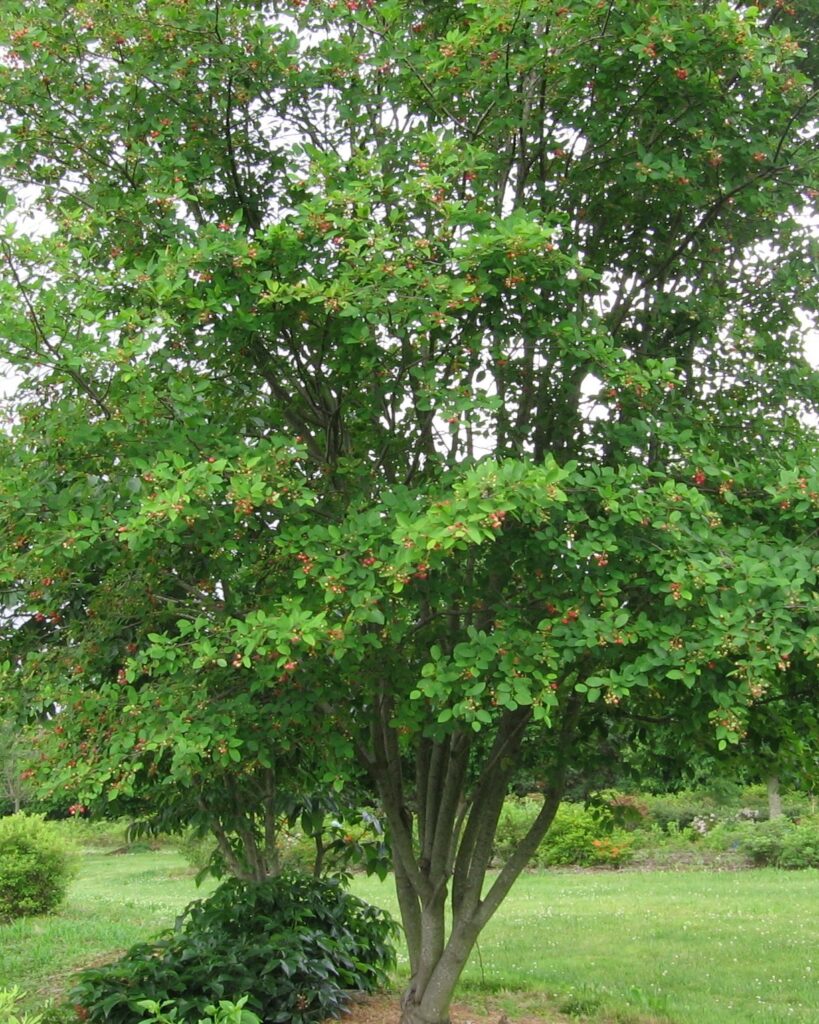
Shadblow serviceberry (Amelanchier canadensis) is one of North America’s most beloved native trees. It blooms early in spring, produces edible berries, turns beautiful colors in autumn, and tolerates a wide range of growing conditions. For many gardeners, it feels like the perfect low-maintenance choice.
But even tough, native plants have their bad days.
If your shadblow serviceberry is struggling — dropping leaves early, developing strange spots, wilting, or simply not thriving — you are not alone. This guide covers every major problem you may encounter with shadblow serviceberry, explains why it happens, and tells you exactly what to do about it.
What Is Shadblow Serviceberry?
Before we dive into problems, a quick introduction. Shadblow serviceberry is a multi-stemmed shrub or small tree native to the eastern United States and Canada. It typically grows 6 to 20 feet tall. The name “shadblow” comes from its habit of blooming when the shad fish ran upstream in early spring — a poetic piece of American natural history.
It thrives in USDA Hardiness Zones 3 through 7, tolerates partial shade and full sun, and adapts to moist or average soils. Despite its reputation for toughness, it is still vulnerable to several diseases, pests, and cultural problems — especially in home landscapes where conditions are far from ideal.
The Most Common Shadblow Serviceberry Problems
1. Fire Blight (Erwinia amylovora)
Fire blight is probably the most serious disease threat to shadblow serviceberry. It is a bacterial disease that affects many members of the rose family (Rosaceae), and serviceberry belongs to that family.
What it looks like: New shoots and blossoms suddenly turn brown or black, then die back. The affected branches curl downward at the tips in a distinctive “shepherd’s crook” shape. The disease spreads fast, especially in warm, wet spring weather.
Why it happens: The bacteria enter the plant through open flowers and fresh wounds. Insects and splashing rain spread it from tree to tree. Once inside, it moves through the vascular system, killing tissue as it goes.
What to do:
- Prune infected branches immediately, cutting at least 8 to 12 inches below the visible damage.
- Disinfect pruning tools between every single cut using a 10% bleach solution or 70% isopropyl alcohol. This step is not optional — skipping it spreads the bacteria.
- Avoid excessive nitrogen fertilization, which encourages the soft new growth that fire blight loves.
- In severe cases, copper-based bactericides applied during bloom can reduce infection, though they do not eliminate it completely.
Fire blight is manageable if caught early. Left unchecked, it can kill entire sections of the plant.
2. Cedar-Serviceberry Rust (Gymnosporangium clavipes)
This is one of the more unusual — and visually alarming — diseases you might encounter on your shadblow serviceberry.
What it looks like: In spring and early summer, bright orange or yellow-orange spots appear on the upper surface of the leaves. On the underside, you may see raised, tube-like structures called aecia. In severe cases, the leaves drop early, weakening the tree.
Why it happens: This rust fungus requires two different host plants to complete its life cycle — a serviceberry and a juniper or eastern red cedar (Juniperus virginiana). If you have eastern red cedars or ornamental junipers growing nearby, your risk is significantly higher.
What to do:
- Remove eastern red cedars or junipers from close proximity if possible. This breaks the disease cycle.
- Apply fungicides labeled for rust diseases (such as myclobutanil or propiconazole) starting at bud break and continuing through late spring.
- Rake and dispose of fallen infected leaves — do not compost them.
If you live in an area with many wild eastern red cedars, this disease can be a recurring annual problem. Managing it requires consistency.
3. Powdery Mildew
Powdery mildew is a common complaint from homeowners, especially when serviceberry is planted in shaded or poorly ventilated spots.
What it looks like: A white or grayish powdery coating develops on leaf surfaces, young stems, and sometimes flower buds. Affected leaves may curl or distort slightly. Unlike many fungal diseases, powdery mildew actually thrives in dry conditions with high humidity — not rainy weather.
Why it happens: Overcrowding and poor air circulation are the main culprits. Shade can worsen the problem. The fungus spreads rapidly through airborne spores.
What to do:
- Improve air circulation by pruning crowded inner branches.
- Avoid overhead watering, which raises humidity around the foliage.
- Apply potassium bicarbonate, neem oil, or sulfur-based fungicides as a treatment or preventive spray.
- Powdery mildew rarely kills a healthy plant, but repeated infections weaken it over time and make it more susceptible to other stresses.
4. Leaf Spot Diseases (Entomosporium and others)
Several fungal pathogens cause leaf spot on serviceberry, with Entomosporium leaf spot being one of the most recognized.
What it looks like: Small, reddish-purple to brown spots appear on the leaves, often with a darker border or center. As the season progresses, the spots may enlarge and merge. Heavily infected leaves turn yellow and drop prematurely.
Why it happens: These fungi thrive in wet, humid conditions. Overhead irrigation, crowded planting, and poor drainage all contribute.
What to do:
- Water at the base of the plant, not from above.
- Apply fungicide (copper-based or chlorothalonil products) early in the season if leaf spot has been a recurring problem.
- Remove and dispose of fallen leaves each autumn — the fungus overwinters in leaf litter.
- Increase spacing between plants to improve airflow.
5. Stem Borers and Flatheaded Borers
Borers are among the more destructive insect pests of serviceberry, and unfortunately, the damage is often well-advanced before the homeowner notices anything.
What it looks like: Unexplained branch dieback, small sawdust-like frass near the base or in bark crevices, tiny entry holes in the wood, or bark that appears to be separating from the trunk are all warning signs.
Why it happens: Borers are larvae of beetles or moths that tunnel inside bark and woody tissue. Stressed trees are far more vulnerable than healthy ones. Drought, recent transplanting, physical wounds, and other stresses attract egg-laying adults.
What to do:
- Keeping your serviceberry healthy and well-watered is the single best defense.
- Avoid injuring the bark with lawn mowers or string trimmers.
- Prune out and destroy infested branches promptly.
- Systemic insecticides containing imidacloprid can be applied as a preventive treatment in high-risk areas, though this is generally a last resort.
Once borers are deep inside the wood, chemical treatment has limited effect. Early detection is everything.
6. Aphids
Aphids are small, soft-bodied insects that cluster on new growth and the undersides of leaves. They are common on many ornamental plants, and serviceberry is no exception.
What it looks like: Distorted, curled, or puckered leaves on new growth. You may see clusters of tiny green, yellow, or black insects. A sticky substance called honeydew coats the leaves, and sooty mold — a black fungus — may grow on the honeydew.
Why it happens: Aphids reproduce extremely rapidly, especially in warm weather. Soft new growth after heavy fertilization is particularly attractive to them. Natural predators like ladybugs and lacewings keep aphid populations in check — but if these are absent (due to pesticide use, for instance), populations can explode.
What to do:
- In most cases, a strong spray of water from a garden hose is enough to knock aphids off and reduce populations significantly.
- Encourage natural predators by avoiding broad-spectrum insecticide use.
- Insecticidal soap or neem oil can be applied directly to heavy infestations.
- Aphids rarely cause permanent damage to a healthy serviceberry, so avoid panicking over small colonies.
7. Spider Mites
Spider mites are technically not insects — they are arachnids — but they cause similar problems to aphids.
What it looks like: Leaves develop a stippled, bronze, or dusty appearance. Fine webbing may be visible on the undersides of leaves. In severe cases, the foliage looks bleached and begins to drop. Spider mites are very small; you may need a magnifying glass to see them.
Why it happens: Hot, dry weather is the primary trigger. Mites thrive when temperatures rise and humidity drops. Drought-stressed serviceberry plants are especially susceptible.
What to do:
- Water the plant deeply during dry spells.
- Spray the undersides of leaves with a forceful stream of water to dislodge mites.
- Apply miticides or neem oil if populations are high.
- Avoid using pesticides that kill beneficial insects, as predatory mites help control spider mite populations naturally.
8. Sawfly Caterpillars and Other Leaf-Feeders
Several caterpillar species and sawfly larvae feed on serviceberry foliage. Some defoliate large portions of the plant.
What it looks like: Holes in leaves, skeletonized leaves (where only the veins remain), or complete defoliation of individual branches. You may find small caterpillars or larvae feeding on the foliage.
Why it happens: Many caterpillar species consider serviceberry a host plant. This is actually a sign of a healthy, ecologically rich garden — native plants support native insects, which in turn support birds and other wildlife.
What to do:
- Handpick small infestations.
- Bacillus thuringiensis (Bt) is an effective, organic option for caterpillar control.
- For sawfly larvae, spinosad-based products work well.
- If the plant is being heavily defoliated repeatedly, consult a local extension specialist to identify the specific pest.
Environmental and Cultural Problems
Not every problem on a shadblow serviceberry is caused by a pest or pathogen. Sometimes, the issue is environmental.
9. Drought Stress
Shadblow serviceberry naturally grows in moist sites — along stream banks, in low-lying areas, and on the edges of wetlands. In dry landscapes or during periods of drought, it will struggle.
Signs of drought stress include:
- Wilting or drooping leaves, especially in the afternoon
- Leaf scorch (brown, crispy edges)
- Early leaf drop in late summer
- Increased susceptibility to borers and mites
Solution: Water deeply and consistently during dry spells, especially in the first two to three years after planting. A 2 to 3 inch layer of organic mulch around the base of the plant conserves moisture and moderates soil temperature.
10. Waterlogging and Poor Drainage
While serviceberry tolerates moist soil, it does not tolerate standing water or waterlogged roots for extended periods.
Symptoms include yellowing leaves, slow growth, branch dieback, and root rot. The roots suffocate when soil pores are filled with water rather than air.
Solution: Improve drainage before planting. If the site is poorly drained, consider raised planting or choose a better-suited location. Avoid overwatering.
11. Soil pH Problems
Shadblow serviceberry prefers slightly acidic to neutral soil, with a pH of approximately 5.5 to 7.0. In highly alkaline soils, it may develop chlorosis.
Chlorosis is a yellowing of the leaves, often between the veins, caused by nutrient deficiencies (particularly iron or manganese) that become unavailable at high pH.
Solution: Test your soil pH and amend accordingly. Elemental sulfur can lower pH gradually. Avoid planting near concrete foundations, which can raise soil pH over time.
12. Winter Injury and Late Frost Damage
Shadblow serviceberry blooms very early in spring — one of the first trees to do so. This early flowering is beautiful but risky. A late frost can damage or destroy the blooms, resulting in little or no fruit that year.
Symptoms include blackened, wilted flowers and young leaves after a cold night in early spring.
Solution: There is limited practical action once frost has struck. In subsequent years, you might consider covering the plant with frost cloth on nights when freezing temperatures are forecast during bloom. Planting in a location with some protection from cold north winds can also help.
13. Transplant Shock
Serviceberry trees planted from containers or balled-and-burlapped stock frequently show signs of transplant shock in the first season. Wilting, leaf scorch, and minimal new growth are typical.
This is normal and usually temporary, provided the plant is watered correctly and given time to establish. Avoid fertilizing during the first growing season, as this can stress the root system further.
When to Call a Professional
Most shadblow serviceberry problems can be managed by an attentive homeowner. However, there are times when professional help is warranted:
- Suspected fire blight that has spread to the main trunk
- Severe or repeated borer infestations
- Unexplained rapid decline without a clear cause
- Large, mature trees where pruning requires specialized equipment
A certified arborist (look for the ISA certification) can diagnose complex problems and recommend safe, effective treatments. Your local Cooperative Extension office is also an excellent free resource for plant disease identification and regional pest information.
Preventive Care: The Best Strategy
I want to emphasize something here: most serviceberry problems are preventable with good cultural practices. I’ve seen many struggling serviceberries in home gardens, and in the majority of cases, the underlying cause was a cultural issue — poor drainage, wrong location, mechanical damage, or drought.
Here is a quick prevention checklist:
- Site selection: Choose a location with adequate moisture, good drainage, and at least partial sun.
- Proper planting depth: Never plant too deep. The root flare should be at or slightly above soil level.
- Mulching: Maintain a 2 to 3 inch layer of organic mulch, but keep it away from the trunk to prevent rot.
- Watering: Deep, infrequent watering is better than shallow, daily watering.
- Pruning: Prune in late winter or early spring, before growth resumes. Avoid heavy pruning in summer.
- Sanitation: Remove fallen leaves and diseased material promptly.
- Avoid injuries: Protect the trunk from lawn equipment.
A healthy, well-sited shadblow serviceberry is remarkably resilient. The problems described in this article are much less likely to take hold when the plant is growing vigorously.
Suggested For You:
13 Common Autumn Brilliance Serviceberry Tree Problems: What You Needs to Know Before It’s Too Late
Understanding Moonglow Sweetbay Magnolia: History, Features and Full Care Details
11 Common Saucer Magnolia Problems: Why Your Tree Is Struggling and What You Can Do About It
11 Common Japanese Tree Lilac Problems: What’s Wrong With Your Tree and How to Fix It
Kwanzan Cherry Tree (Prunus serrulata ‘Kwanzan): Size, Common Problems, and Full Care Guide
Summary Table of Common Problems
| Problem | Cause | Key Symptom | Primary Solution |
| Fire blight | Bacterial | Shepherd’s crook dieback | Prune, sanitize tools |
| Cedar rust | Fungal | Orange spots on leaves | Remove juniper hosts, fungicide |
| Powdery mildew | Fungal | White powder on leaves | Improve airflow, fungicide |
| Leaf spot | Fungal | Brown/purple spots | Sanitation, copper fungicide |
| Borers | Insects | Branch dieback, frass | Keep plant healthy, prune |
| Aphids | Insects | Curled new growth | Water spray, insecticidal soap |
| Spider mites | Arachnids | Stippled, bronzed leaves | Water stress relief, neem oil |
| Drought stress | Environmental | Scorch, wilting | Deep watering, mulch |
| Chlorosis | Soil pH | Yellow leaves | Soil test, pH adjustment |
Final Thoughts
Shadblow serviceberry is a genuinely wonderful native plant — ecologically valuable, visually striking through all four seasons, and rewarding for any gardener willing to give it proper care. Its problems, though real, are manageable.
The key is observation. Walk through your garden regularly. Catch problems early. Respond promptly and correctly. With the right approach, your shadblow serviceberry can thrive for decades and become one of the most rewarding plants in your landscape.
References
- University of Illinois Extension – Fire Blight Management https://extension.illinois.edu/blogs/garden-scoop/2019-06-07-fire-blight-management
- Penn State Extension – Entomosporium Leaf Spot of Ornamental Plants https://extension.psu.edu/entomosporium-leaf-spot
- Cornell University Plant Disease Diagnostic Clinic – Cedar-Serviceberry Rust https://plantclinic.cornell.edu/factsheets/cedarserviceberryrust.pdf
- University of Minnesota Extension – Serviceberry Care and Problems https://extension.umn.edu/trees-and-shrubs/serviceberry
- North Carolina State University Extension – Amelanchier canadensis (Shadblow Serviceberry) https://plants.ces.ncsu.edu/plants/amelanchier-canadensis/

Tim M Dave is a gardening expert with a passion for houseplants, particularly cacti and succulents. With a degree in plant biology from the University of California, Berkeley, he has vast experience in gardening. Over the years, he has cultivated a vast collection of desert plants and learned a great deal about how to grow and care for these unique companions.