Top 20 Rare Flowers in the World: Identification + Pictures
Rare flowers are nature’s treasures, often found in remote places or nearly extinct. These special blooms show unique beauty and remind us to protect our planet. This guide lists the top 20 rarest flowers in the world with their key details.
1. Rafflesia arnoldii (Corpse Flower)
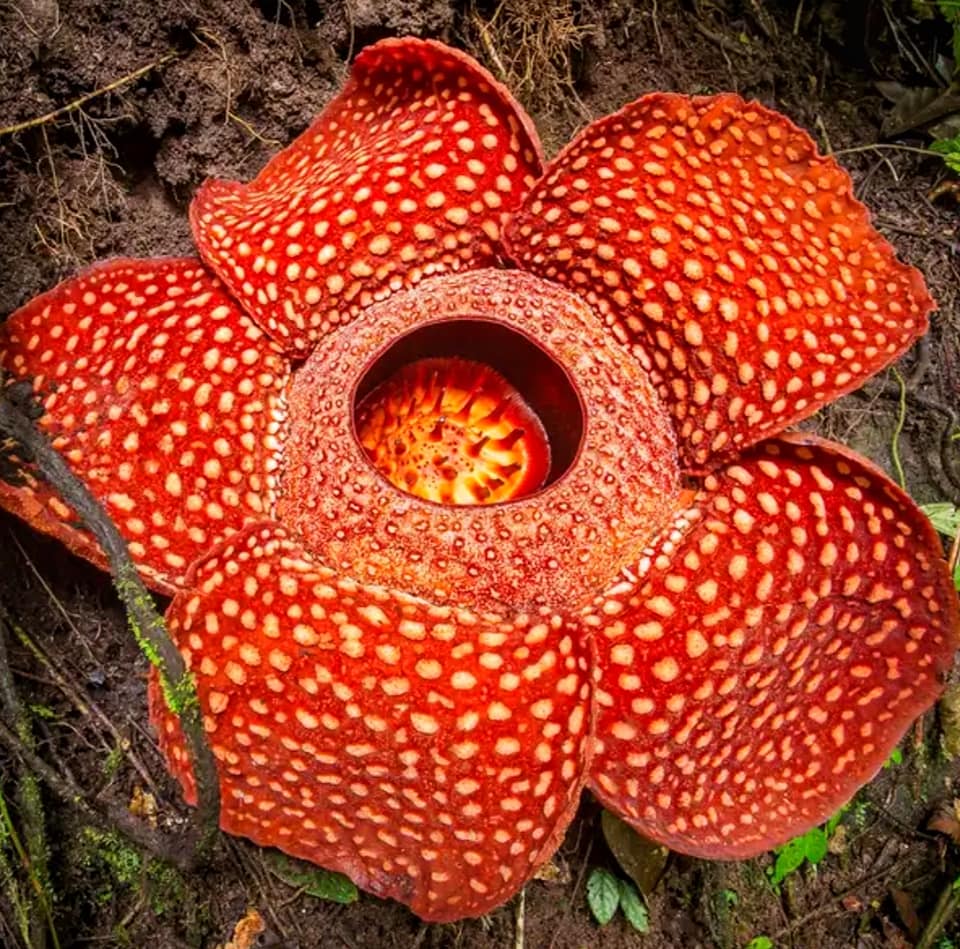
The Rafflesia arnoldii, known as the Corpse Flower, is a rare, massive flower found in Indonesian and Malaysian rainforests. Growing up to 3 feet wide, it’s the world’s largest single bloom, with red petals and white spots. It emits a foul odor like rotting meat to attract carrion flies for pollination.
As a parasite, it lives inside Tetrastigma vines, lacking roots or leaves. With only a few thousand left due to deforestation, it blooms for just 5-7 days after years of growth. Hard to cultivate, it thrives in humid, shady jungles, symbolizing nature’s unique survival strategies.
Scientific Name: Rafflesia arnoldii
USDA Zone: Not applicable (tropical, Zone 12-13)
Color: Red with white spots
Sun Exposure: Shady spots
Mature Size: Up to 3 feet wide
Lifespan: 5-7 days per bloom
Toxicity: Not toxic, smells like rotting meat
2. Amorphophallus titanum (Titan Arum)
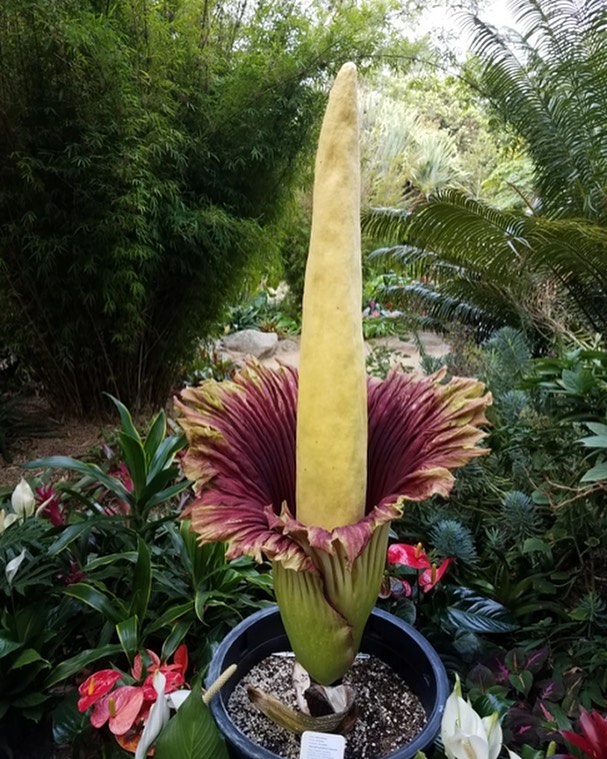
The Amorphophallus titanum, or Titan Arum, is a giant, rare flower from Sumatra’s rainforests. It’s often called the Corpse Flower for its rotting-flesh smell that lures beetles for pollination. Reaching up to 10 feet tall, its burgundy spadix and green spathe create a striking display.
Blooming every 7-10 years for just a few days, it’s endangered due to habitat loss, with fewer than 1,000 plants left in the wild. Cultivation in greenhouses requires high humidity and well-drained soil. Its dramatic growth and stench make it a botanical marvel.
Scientific Name: Amorphophallus titanum
USDA Zone: 10b-12
Color: Burgundy and green
Sun Exposure: Partial shade
Mature Size: Up to 10 feet tall
Lifespan: 30-40 years, blooms every 7-10 years
Toxicity: Mildly toxic, irritates skin
3. Dendrophylax lindenii (Ghost Orchid)
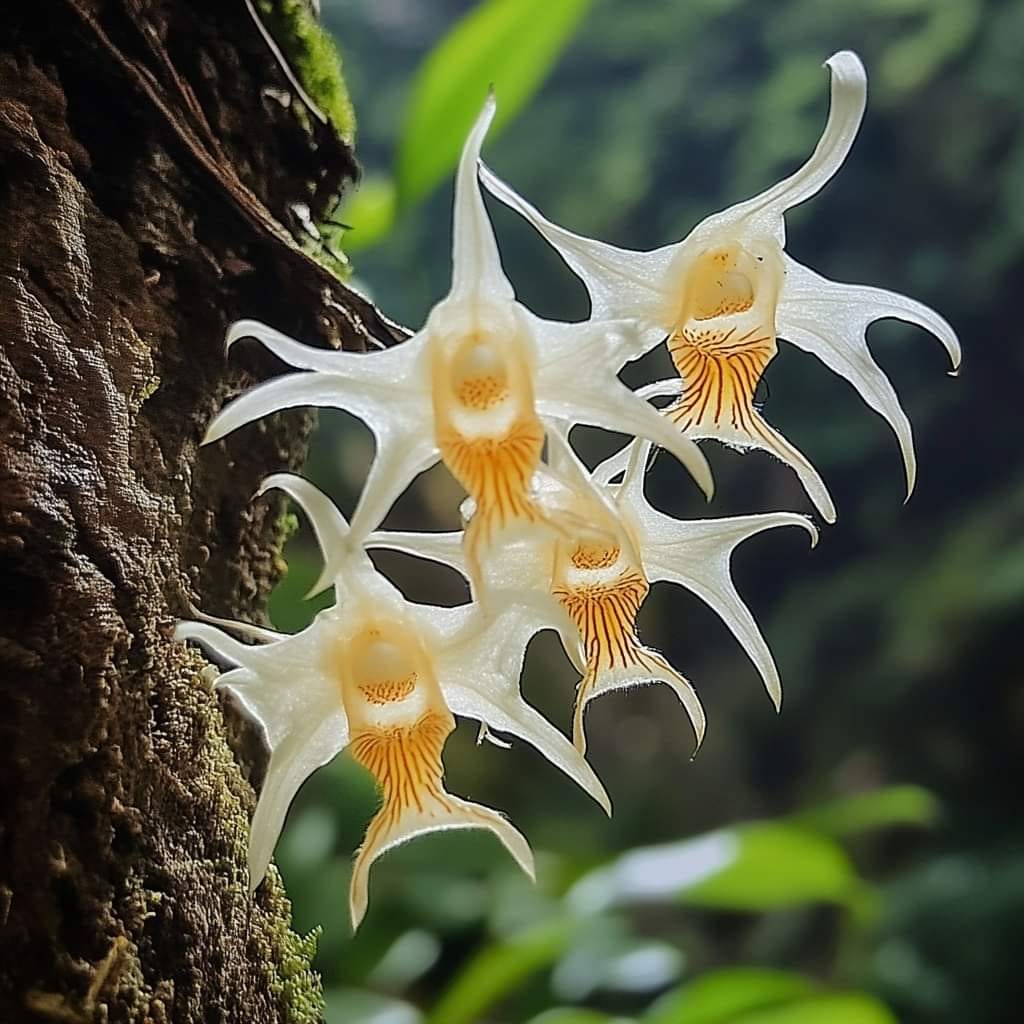
The Dendrophylax lindenii, or Ghost Orchid, is a rare, ethereal flower found in Florida and Cuba’s swamps. Its white, translucent petals and yellow center give it a ghostly look, blooming from June to August. Growing without leaves, it uses its roots to photosynthesize and clings to trees in humid, shady habitats.
Pollinated by the giant sphinx moth, it’s endangered due to wetland drainage, with fewer than 2,000 plants left. Cultivation is challenging, needing specific fungi and high humidity. The Ghost Orchid’s delicate beauty symbolizes the fragile ecosystems of the Everglades, inspiring conservation efforts.
Scientific Name: Dendrophylax lindenii
USDA Zone: 10-11
Color: White with a yellow center
Sun Exposure: Dappled shade
Mature Size: 1-2 feet wide
Lifespan: 10-20 years
Toxicity: Not toxic
4. Camellia ‘Middlemist’s Red’ (Middlemist Red)
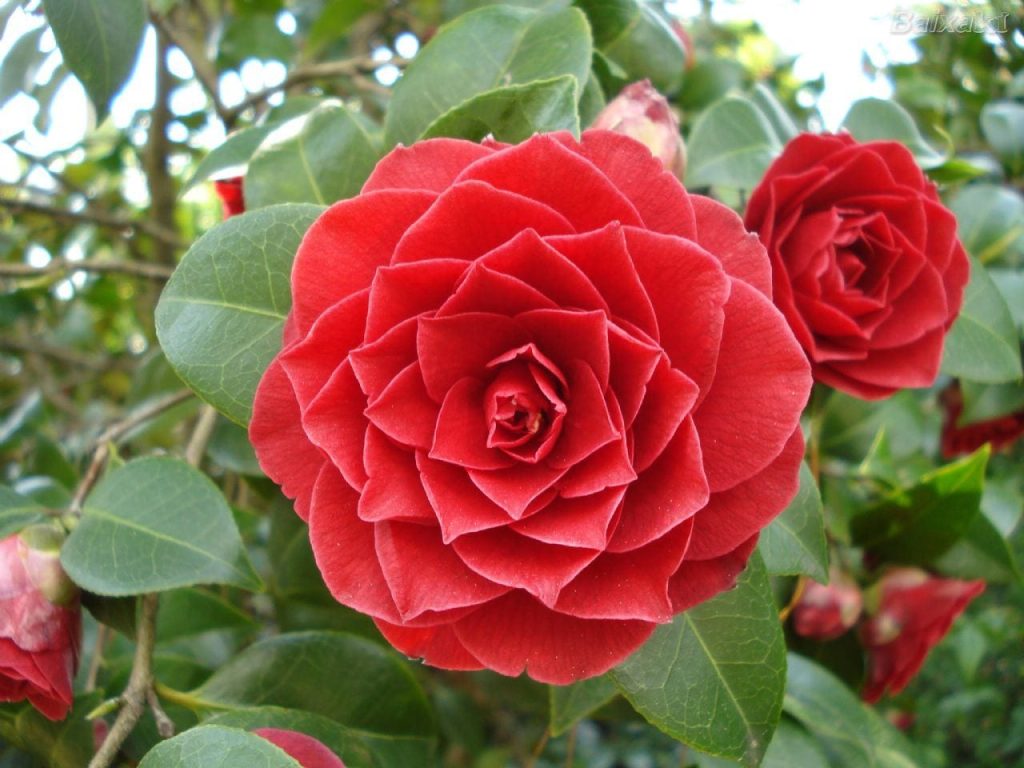
The Camellia ‘Middlemist’s Red’ is one of the world’s rarest flowers, with only two known plants surviving in New Zealand and London. Native to China, this deep red camellia blooms in winter, showcasing vibrant, peony-like flowers with golden stamens. It grows 6-10 feet tall in partial shade, thriving in acidic, well-drained soil.
Extinct in the wild since the 1800s due to overcollection, it survives through careful propagation. Mildly toxic if eaten, it requires protection from harsh weather. Its scarcity and beauty make it a cherished relic, highlighting the importance of preserving horticultural treasures.
Scientific Name: Camellia japonica ‘Middlemist’s Red’
USDA Zone: 7-9
Color: Deep red
Sun Exposure: Partial shade
Mature Size: 6-10 feet tall
Lifespan: 50+ years
Toxicity: Mildly toxic if eaten
5. Paphiopedilum rothschildianum (Rothschild’s Slipper Orchid)
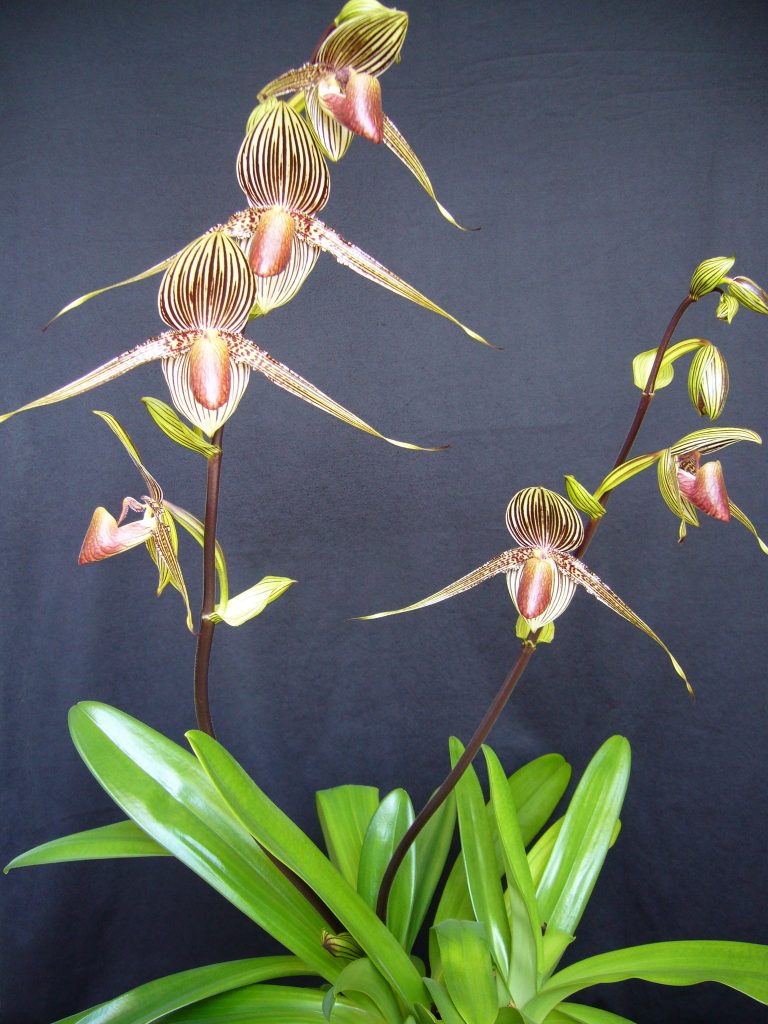
The Paphiopedilum rothschildianum, or Rothschild’s Slipper Orchid, is a rare terrestrial orchid from Borneo’s Mount Kinabalu. Known for its striking white petals with burgundy stripes and a glossy green pouch, it attracts bees with its unique slipper-shaped labellum.
Growing 12-18 inches tall in bright, indirect light, it thrives in humid, rocky soil but takes 15 years to bloom. With fewer than 5,000 plants left due to poaching, it’s protected in Sabah’s Kinabalu Park. Cultivation is difficult, requiring specific conditions. This orchid’s elegant beauty underscores the need to combat illegal trade and preserve Borneo’s ecosystems.
Scientific Name: Paphiopedilum rothschildianum
USDA Zone: 9b-11
Color: White with burgundy stripes
Sun Exposure: Bright, indirect light
Mature Size: 12-18 inches tall
Lifespan: 20-30 years
Toxicity: Not toxic
6. Cosmos atrosanguineus (Chocolate Cosmos)
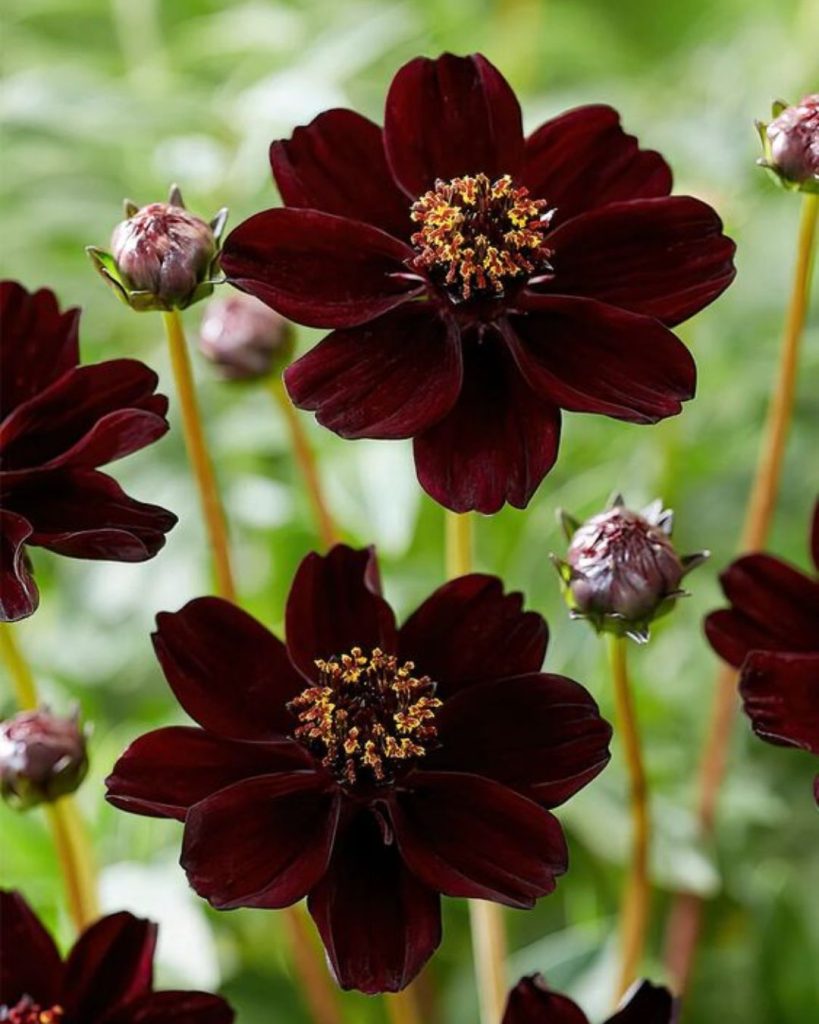
The Cosmos atrosanguineus, or Chocolate Cosmos, is a rare flower from Mexico, extinct in the wild since the early 20th century due to habitat loss. Its velvety, maroon-black petals emit a subtle chocolate-vanilla scent, blooming in summer on 1-2 foot tall plants.
Thriving in full sun and well-drained, sandy soil, it’s grown from tubers and needs frost protection in colder zones. Only surviving through clones, it’s vulnerable to diseases. Popular in gardens for its unique fragrance and color, this perennial highlights the importance of conservation to preserve genetic diversity and protect lost ecosystems.
Scientific Name: Cosmos atrosanguineus
USDA Zone: 9-11
Color: Dark maroon
Sun Exposure: Full sun
Mature Size: 1-2 feet tall
Lifespan: 5-10 years
Toxicity: Not toxic
7. Lotus berthelotii (Parrot’s Beak)
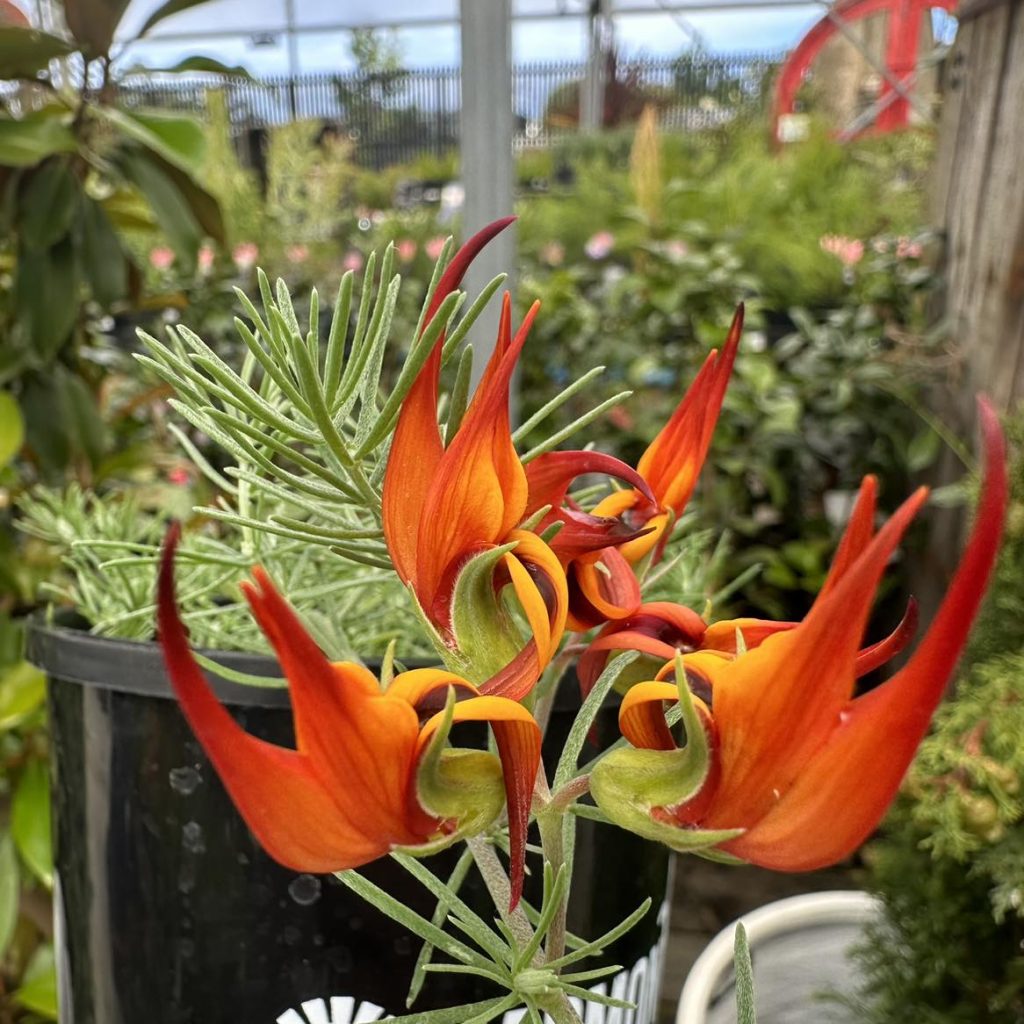
The Lotus berthelotii, or Parrot’s Beak, is a rare trailing plant from the Canary Islands, known for its vibrant orange-red, beak-shaped flowers that attract birds. Growing 6-12 inches tall and spreading 2-3 feet, it thrives in full sun and gritty, well-drained soil.
Nearly extinct in the wild due to habitat loss, it’s now found in protected areas like La Palma. Popular in hanging baskets, it blooms year-round in warm climates but is mildly toxic. Its scarcity highlights the fragility of island ecosystems, urging conservation to preserve this striking, bird-friendly flower.
Scientific Name: Lotus berthelotii
USDA Zone: 9-11
Color: Bright orange-red
Sun Exposure: Full sun
Mature Size: 6-12 inches tall, 2-3 feet wide
Lifespan: 3-5 years
Toxicity: Mildly toxic
8. Franklinia alatamaha (Franklin Tree)
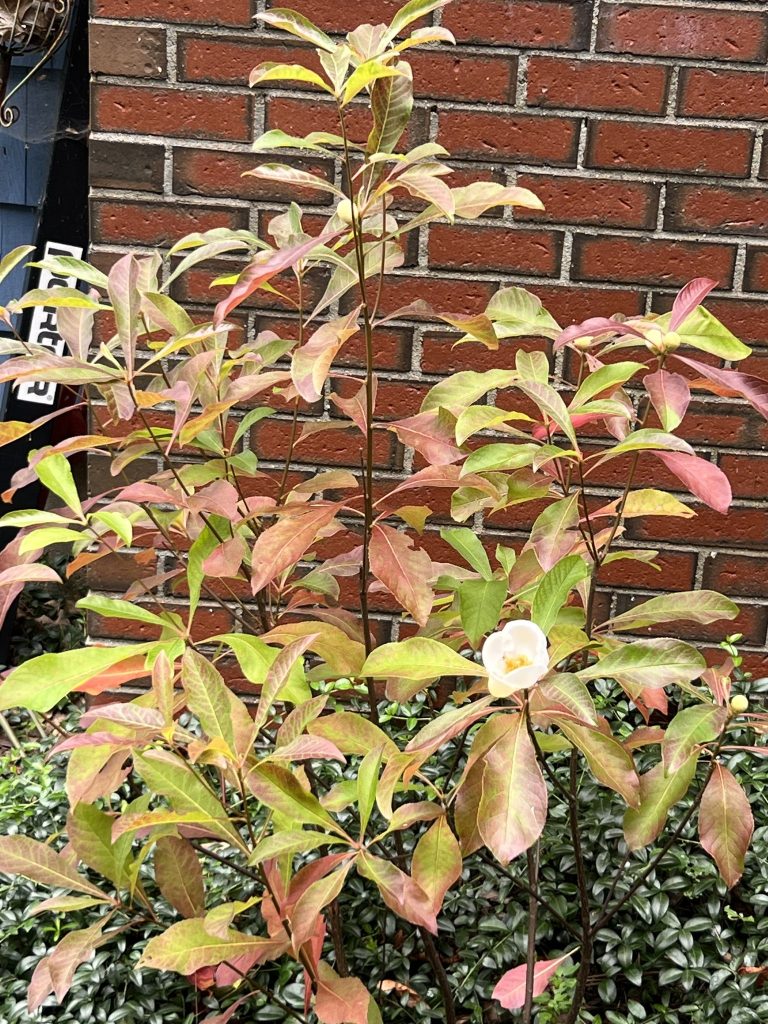
The Franklinia alatamaha, or Franklin Tree, is a rare, extinct-in-the-wild plant from Georgia’s Altamaha River, last seen in 1803. Named after Benjamin Franklin, this small tree grows 10-20 feet tall, blooming white, camellia-like flowers with yellow centers in late summer.
Thriving in sun or partial shade with acidic, moist soil, it’s now grown in gardens from seeds saved by botanists. Its vibrant fall foliage adds charm, and it’s non-toxic. With cultivation challenging due to fungal issues, its survival depends on conservation efforts, symbolizing the need to protect lost natural heritage.
Scientific Name: Franklinia alatamaha
USDA Zone: 6-9
Color: White with yellow center
Sun Exposure: Sun or partial shade
Mature Size: 10-20 feet tall
Lifespan: 50-100 years
Toxicity: Not toxic
9. Gloriosa superba (Flame Lily)
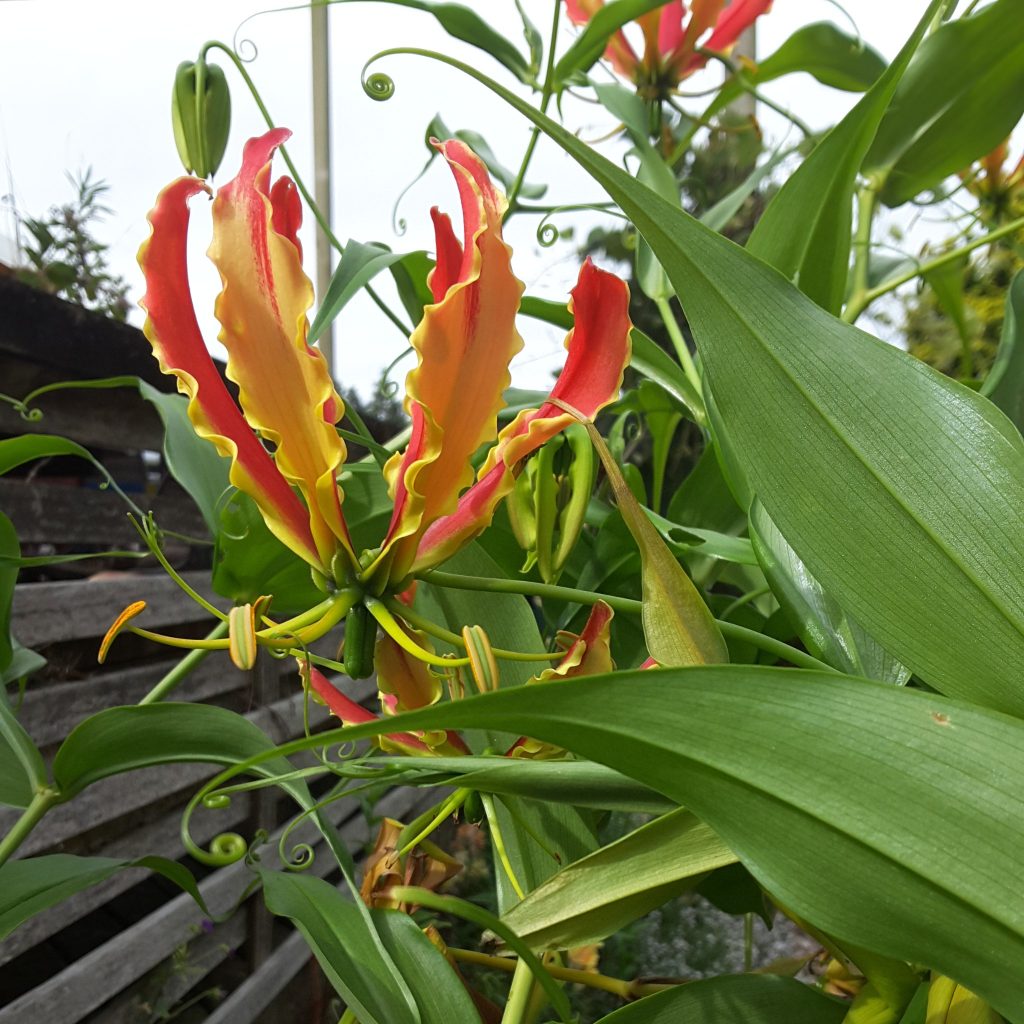
The Gloriosa superba, or Flame Lily, is a striking, rare climbing plant from Africa and Asia, known for its vibrant yellow-to-red, flame-like petals. Growing 4-8 feet tall in full sun with sandy soil, it blooms in summer, using tendril-tipped leaves to climb. Highly toxic due to colchicine, it’s dangerous if ingested but valued in medicine.
Overharvesting has made it scarce in the wild, though it’s cultivated in places like India. Popular in gardens with support stakes, its vivid beauty and toxicity highlight the need for careful handling and conservation to protect this stunning vine.
Scientific Name: Gloriosa superba
USDA Zone: 8-11
Color: Yellow to red
Sun Exposure: Full sun
Mature Size: 4-8 feet tall
Lifespan: 5-10 years
Toxicity: Very toxic, can be fatal
10. Corypha umbraculifera (Talipot Palm Flower)
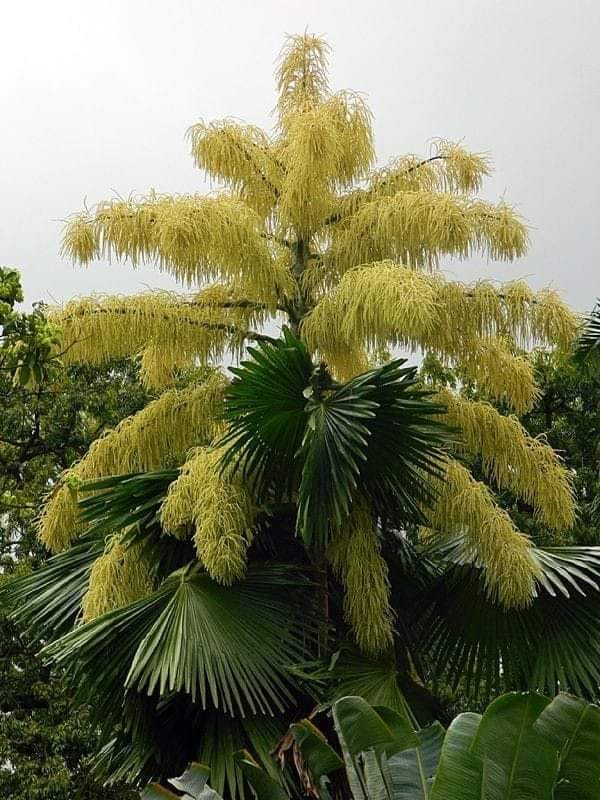
The Corypha umbraculifera, or Talipot Palm Flower, is a rare, massive palm from India’s Western Ghats, known for its spectacular, once-in-a-lifetime bloom. Growing up to 80 feet tall, it produces a towering 20-25 foot flower stalk with creamy yellow blooms after 50-80 years, then dies.
Thriving in full sun and tropical, wet climates, it’s non-toxic and supports wildlife with nectar. Rare due to its slow growth and monocarpic nature, it’s seldom cultivated. This palm’s grand, fleeting display symbolizes nature’s dramatic cycles, emphasizing the need to protect its rainforest habitat.
Scientific Name: Corypha umbraculifera
USDA Zone: 10-12
Color: Creamy yellow
Sun Exposure: Full sun
Mature Size: Flower stalk 20-25 feet tall
Lifespan: 50-80 years, blooms once
Toxicity: Not toxic
11. Selenicereus grandiflorus (Queen of the Night)
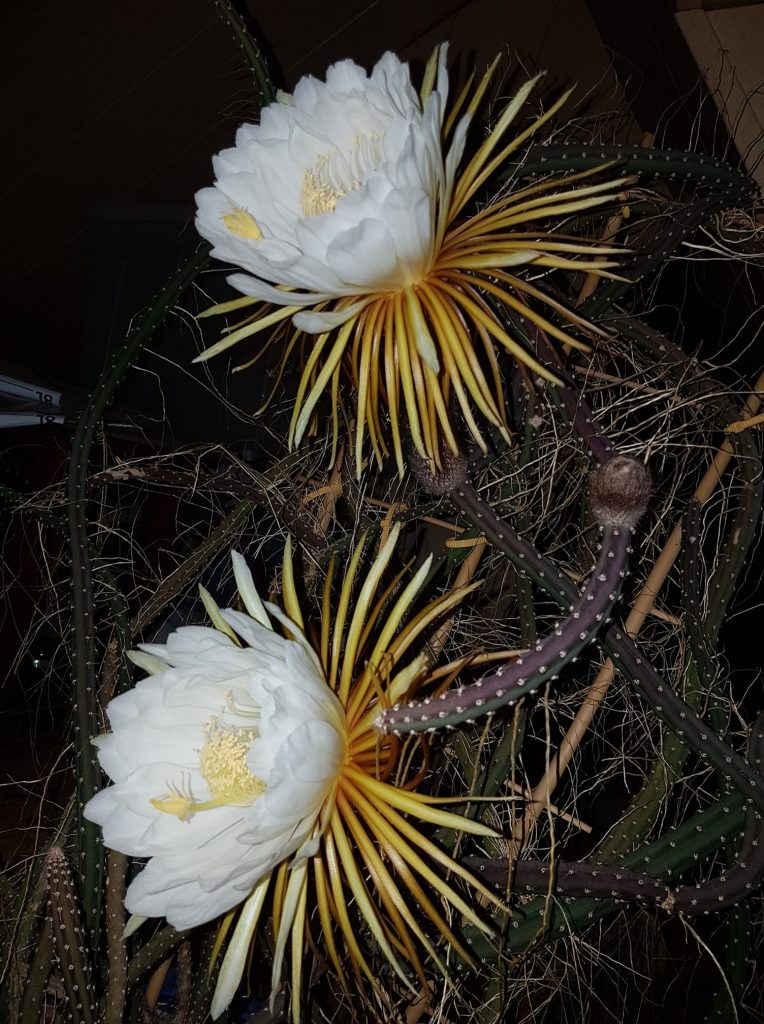
The Selenicereus grandiflorus, or Queen of the Night, is a rare cactus from the Caribbean, famous for its large, white flowers that bloom only at night. Growing up to 30 feet long, its vines thrive in full sun and dry, sandy soil. The jasmine-scented, 12-inch blooms attract bats and moths but last just hours.
Rare due to coastal habitat loss, it’s mildly toxic due to spiny stems. Cultivated in warm climates, it adds nocturnal beauty to gardens. Its fleeting blooms highlight the need to protect fragile coastal ecosystems for this stunning cactus.
Scientific Name: Selenicereus grandiflorus
USDA Zone: 10-11
Color: White
Sun Exposure: Full sun
Mature Size: Vines to 30 feet long
Lifespan: 20-30 years
Toxicity: Mildly toxic spines
12. Cypripedium calceolus (Lady’s Slipper Orchid)
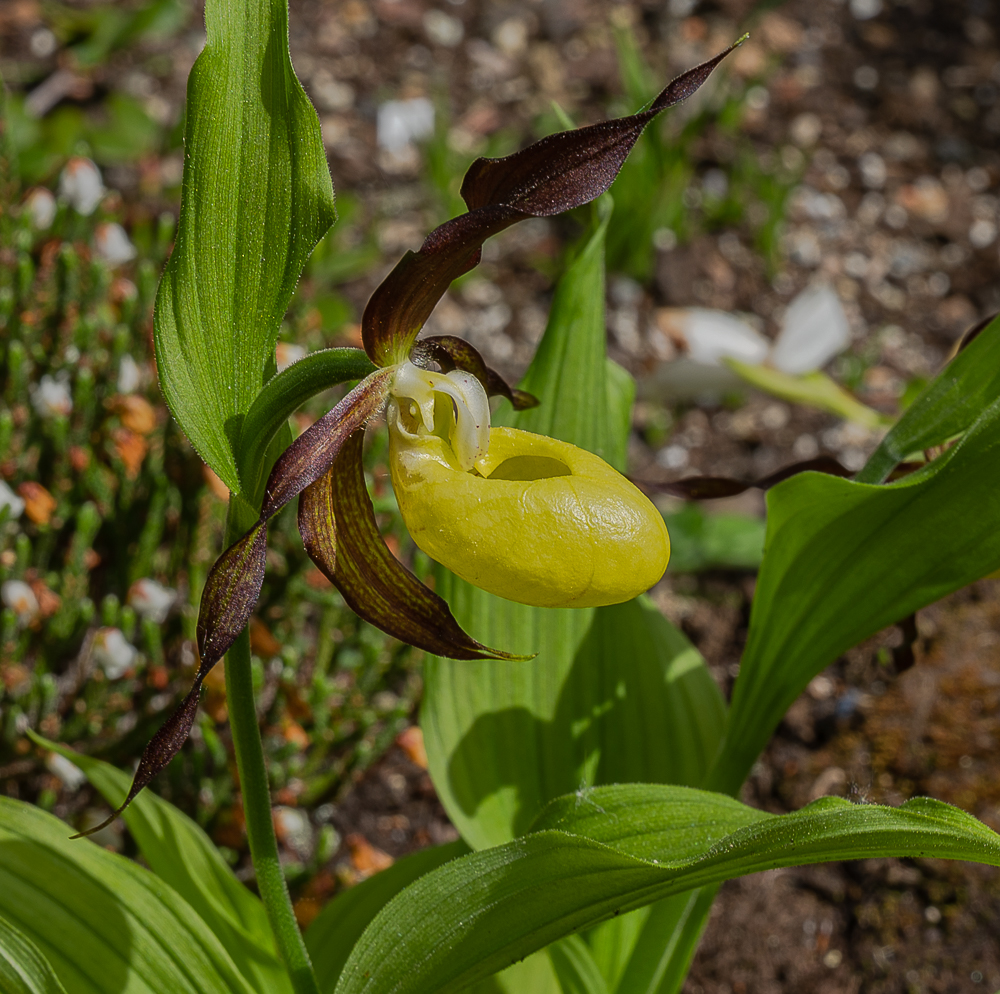
Cypripedium calceolus, commonly known as the Lady’s Slipper Orchid, is a striking perennial orchid native to Europe and Asia, thriving in temperate regions. Named for its slipper-shaped lower petal, this flower features vibrant yellow and burgundy blooms, with delicate, twisted petals.
It grows in calcareous soils, often in woodlands, meadows, or grassy slopes, preferring partial shade. Blooming from late spring to early summer, it attracts pollinators like bees. Due to habitat loss and over-collection, it’s considered rare and protected in many areas. Its beauty and ecological significance make it a cherished species among botanists and conservationists.
Scientific Name: Cypripedium calceolus
USDA Zone: 3-7
Color: Yellow with purple
Sun Exposure: Partial shade
Mature Size: 12-24 inches tall
Lifespan: 20-50 years
Toxicity: Not toxic
13. Nepenthes attenboroughii (Attenborough’s Pitcher Plant)
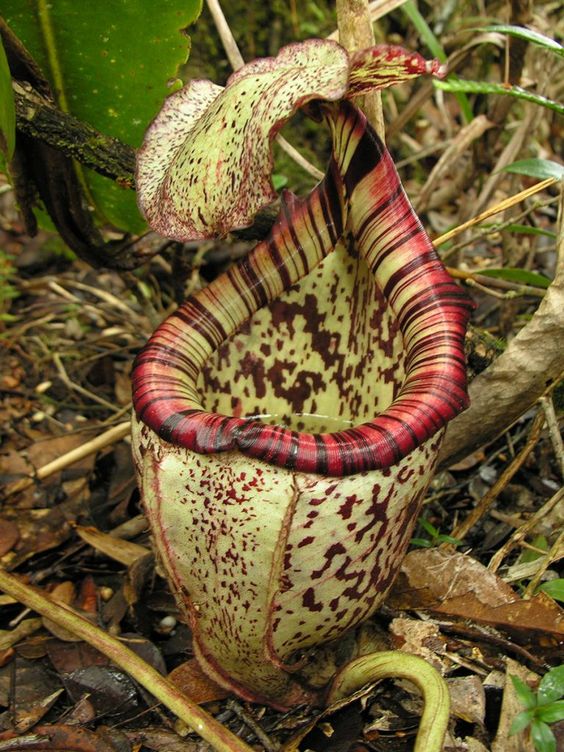
Nepenthes attenboroughii, or Attenborough’s Pitcher Plant, is a remarkable carnivorous plant endemic to Mount Victoria in Palawan, Philippines. Named after naturalist Sir David Attenborough, it was discovered in 2007. This species features large, bell-shaped pitchers that can grow up to 30 cm tall, capable of trapping insects and even small vertebrates like rodents.
Its vibrant green pitchers with purple-red markings thrive in high-altitude, nutrient-poor soils, relying on carnivory for nutrients. The plant’s unique adaptation and rarity make it a focus of conservation efforts, as it faces threats from habitat loss and illegal collection.
Scientific Name: Nepenthes attenboroughii
USDA Zone: 11-12
Color: Red to green pitchers
Sun Exposure: Partial shade
Mature Size: Vines to 4 feet long
Lifespan: 10-20 years
Toxicity: Not toxic, eats insects
14. Silene tomentosa var. farinosa (Mediterranean Catchfly)
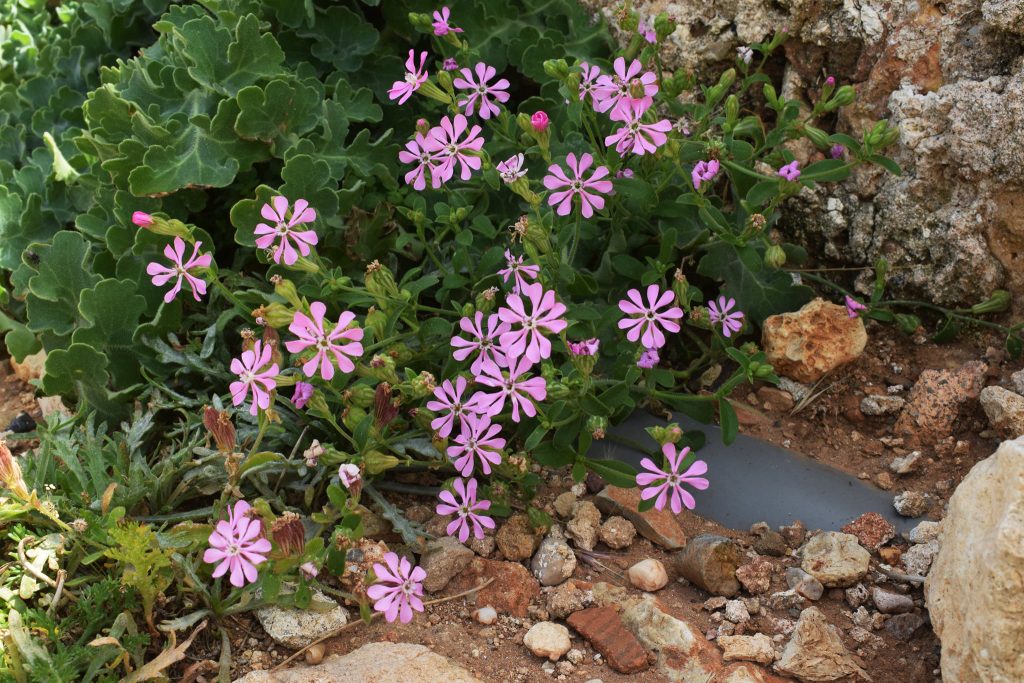
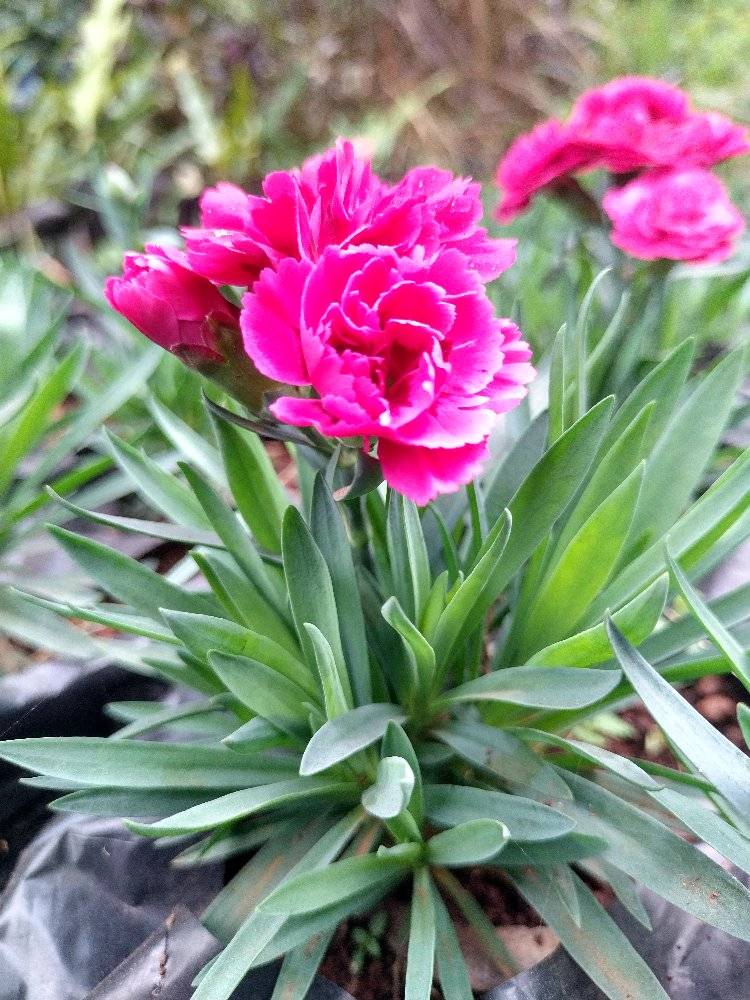
Silene tomentosa var. farinosa, a variant of the woolly catchfly, is a charming Mediterranean subshrub in the Caryophyllaceae family, native to Gibraltar and northern Morocco. Known for its dense, tomentose (woolly) white-mealy pubescence on stems and leaves, it forms compact mounds 12-18 inches tall, spreading up to 24 inches.
In spring to summer, it produces clusters of small, five-petaled pink flowers with yellow centers, attracting pollinators. Thriving in rocky, well-drained soils under full sun, it’s drought-tolerant and used as an ornamental ground cover. Once feared extinct, populations persist in Gibraltar’s cliffs, highlighting its conservation value.
Scientific Name: Silene tomentosa var. farinosa
USDA Zone: 8-10
Color: Pink to white
Sun Exposure: Full sun
Mature Size: 12 inches tall
Lifespan: 5-10 years
Toxicity: Not toxic
15. Brugmansia sanguinea (Angel’s Trumpet – Red)
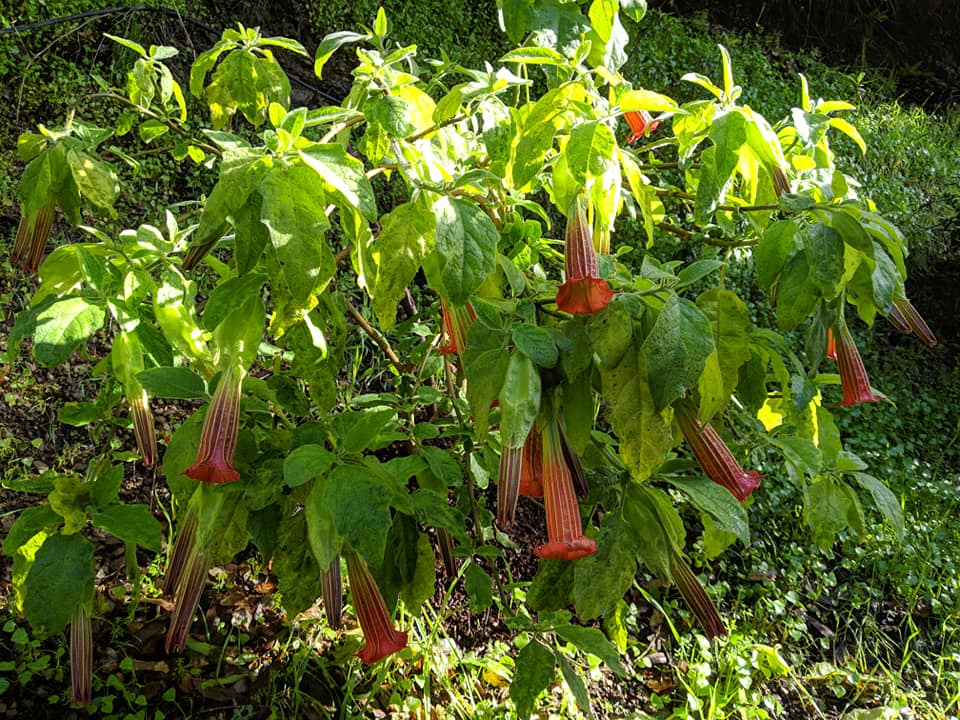
Brugmansia sanguinea, commonly known as Red Angel’s Trumpet, is a stunning evergreen shrub or small tree native to the Andes of South America. Renowned for its large, pendulous, trumpet-shaped flowers, it boasts vibrant red to orange blooms, occasionally with yellow tips, that emit a subtle fragrance at night.
Growing 10-15 feet tall, it thrives in well-drained soils under full sun to partial shade. Popular in ornamental gardening, it attracts pollinators like hummingbirds. All parts are highly toxic if ingested, requiring caution. Its striking appearance and adaptability make it a favorite, though it’s sensitive to frost. Rare due to overpicking for rituals.
Scientific Name: Brugmansia sanguinea
USDA Zone: 9-11
Color: Orange-red
Sun Exposure: Sun or partial shade
Mature Size: 6-10 feet tall
Lifespan: 5-15 years
Toxicity: Very toxic, hallucinogenic
16. Rhododendron chapmanii (Chapman’s Rhododendron)
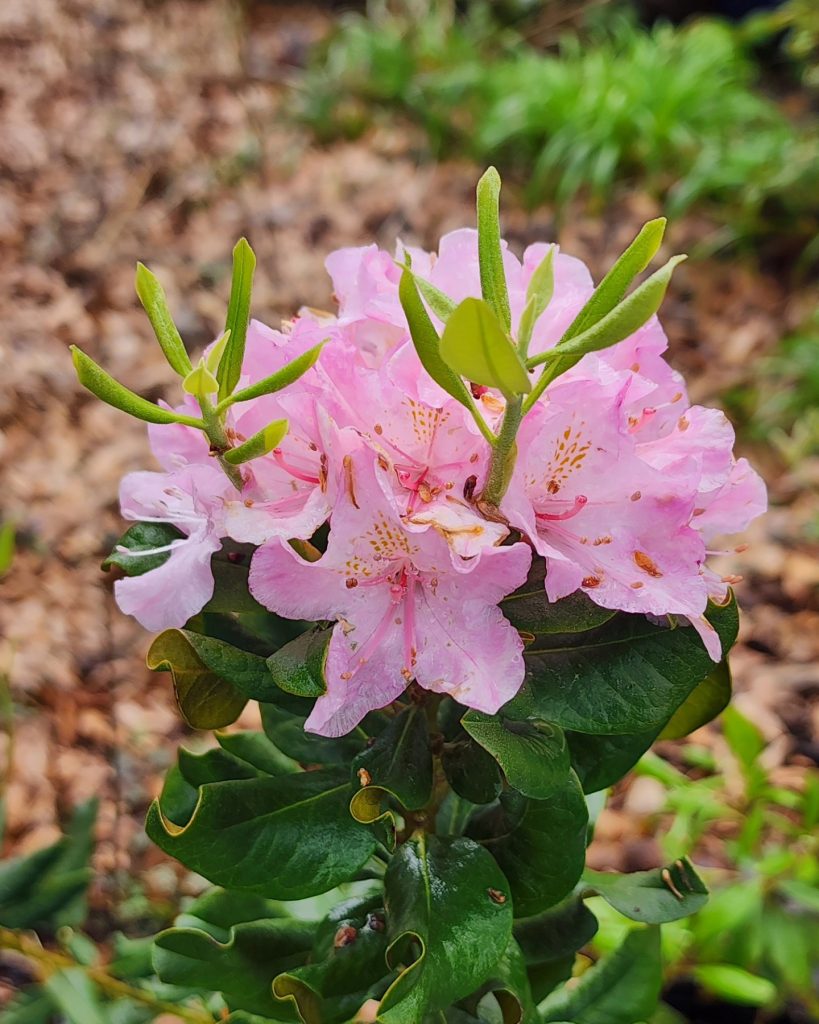
Rhododendron chapmanii, known as Chapman’s Rhododendron, is a rare evergreen shrub native to the sandy pine flatwoods and scrub habitats of northwest Florida. This endangered species, part of the Ericaceae family, grows 3-6 feet tall and features clusters of funnel-shaped, pink to rose-colored flowers that bloom in spring, attracting pollinators like bees and butterflies.
Its leathery, elliptic leaves are dark green and slightly hairy. Thriving in acidic, well-drained soils under partial shade, it’s highly sensitive to habitat disturbance. Conservation efforts focus on protecting its limited range, making it a cherished species for native plant enthusiasts and ecologists.
Scientific Name: Rhododendron chapmanii
USDA Zone: 6-9
Color: Pink to white
Sun Exposure: Partial shade
Mature Size: 3-6 feet tall
Lifespan: 20-40 years
Toxicity: Very toxic
17. Meconopsis betonicifolia (Himalayan Blue Poppy)
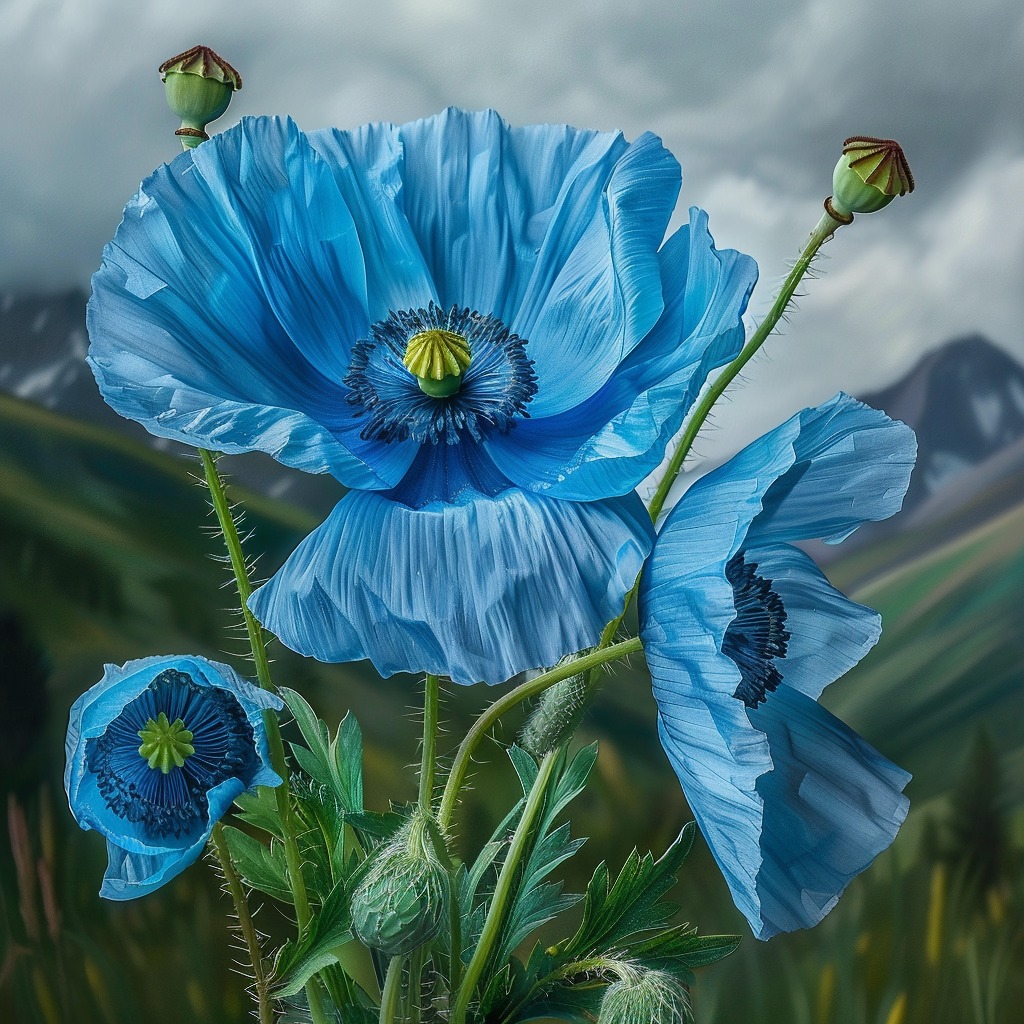
Meconopsis betonicifolia, commonly known as the Himalayan Blue Poppy, is a striking perennial native to the high altitudes of the Himalayas, particularly in Tibet, Bhutan, and China. Renowned for its vibrant, sky-blue, cup-shaped flowers with golden centers, it blooms in late spring to early summer, attracting pollinators like bees.
Growing 3-4 feet tall, it prefers cool, moist, well-drained acidic soils and partial shade, mimicking its mountainous habitat. Its delicate, hairy leaves form a rosette. Challenging to cultivate, it’s a prized ornamental plant. Due to habitat loss, it’s rare and valued in conservation efforts.
Scientific Name: Meconopsis betonicifolia
USDA Zone: 5-8
Color: Bright blue
Sun Exposure: Cool morning sun
Mature Size: 3-5 feet tall
Lifespan: 3-7 years
Toxicity: Mildly toxic sap
18. Banksia rosserae (Desert Banksia)
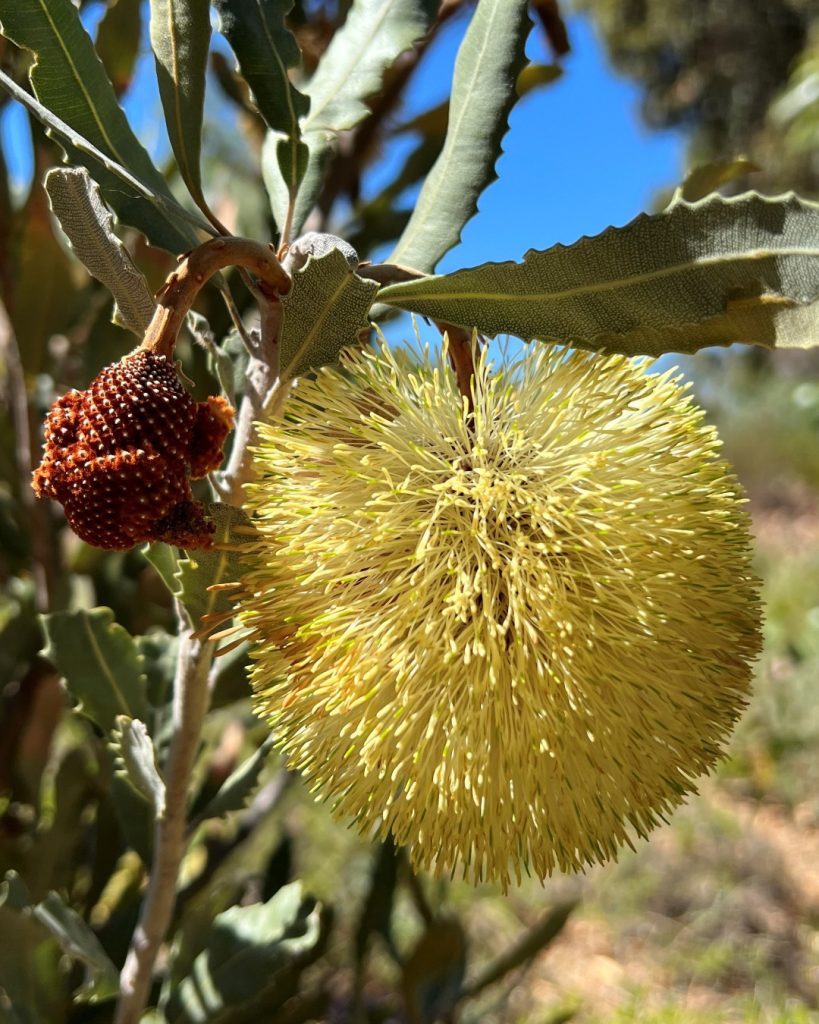
Banksia rosserae, known as Desert Banksia or Rosser’s Banksia, is a rare shrub endemic to the arid inland of Western Australia, discovered in 2000 near Mount Magnet. The only Banksia species confined to the arid zone, it forms a multi-stemmed bush 2.5–3 meters tall and 3–4 meters wide, with flaky gray bark, dark green serrated leaves 5–12 cm long, and spherical yellow flower spikes about 5 cm in diameter.
Buds emerge greenish-yellow, maturing to lemon, blooming July–October after significant rain, attracting nectar-feeding birds. Follicles open post-fire. Listed as Priority One due to tiny populations, it faces threats from habitat loss and requires well-drained sandy soils in cultivation.
Scientific Name: Banksia rosserae
USDA Zone: 9-11
Color: Golden yellow
Sun Exposure: Full sun
Mature Size: 3-6 feet tall
Lifespan: 20-50 years
Toxicity: Not toxic
19. Welwitschia mirabilis (Living Fossil Welwitschia)
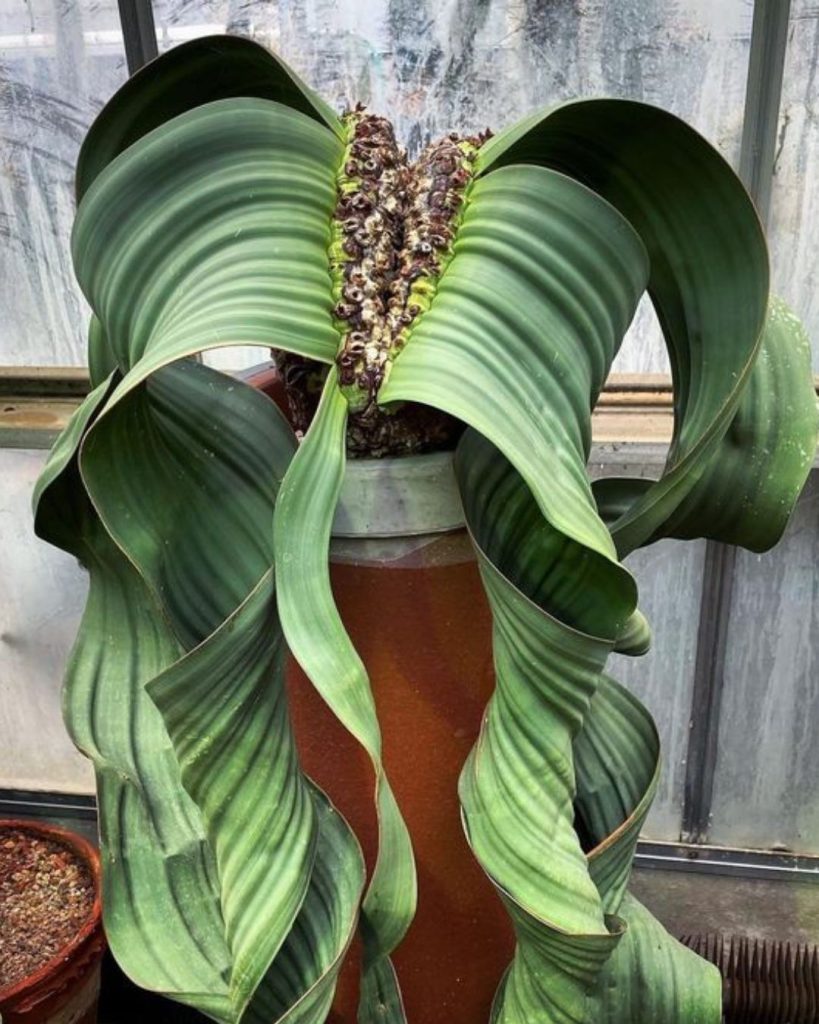
Welwitschia mirabilis, often called the Living Fossil Welwitschia, is a unique plant native to the Namib Desert in Namibia and Angola. This ancient species, dating back over 100 million years, belongs to the Gnetophyta group. It features a short, woody stem and two long, strap-like leaves that grow continuously, often splitting into ribbon-like segments due to wind and age.
Welwitschia is dioecious, with separate male and female plants, and relies on wind or insects for pollination. Adapted to extreme aridity, it absorbs moisture from fog and dew. Although very rare, some specimens live over 1,000 years, showcasing remarkable resilience
Scientific Name: Welwitschia mirabilis
USDA Zone: 9-11
Color: Reddish cones
Sun Exposure: Full sun
Mature Size: Leaves to 20 feet long
Lifespan: 1,000-2,000 years
Toxicity: Not toxic
20. Monotropa uniflora (Ghost Plant or Indian Pipe)
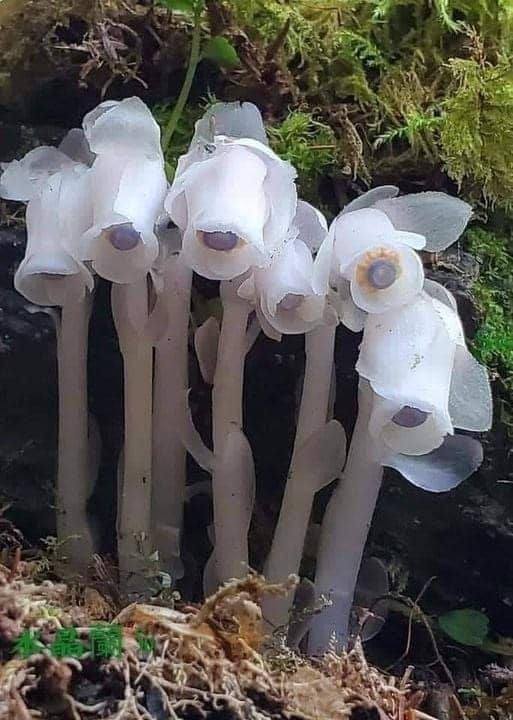
Monotropa uniflora, commonly known as Ghost Plant or Indian Pipe, is a striking, translucent herbaceous perennial found in shaded forests across North America, Asia, and parts of South America.
Lacking chlorophyll, it appears ghostly white or pinkish, as it does not photosynthesize. Instead, it is a mycoheterotroph, deriving nutrients from mycorrhizal fungi connected to tree roots, particularly pines and oaks.
Growing 10-30 cm tall, it features a single, nodding, bell-shaped flower on a slender stem. Blooming in summer, it turns blackish when mature. This unique plant thrives in dark, moist woodlands, captivating with its ethereal appearance.
Scientific Name: Monotropa uniflora
USDA Zone: 3-8
Color: White, turns black
Sun Exposure: Full shade
Mature Size: 4-10 inches tall
Lifespan: 1-2 years
Toxicity: Mildly toxic
Conclusion
These 20 rare flowers show nature’s beauty and fragility. Habitat loss, picking, and climate change threaten them. We can help by supporting parks, gardens, and seed banks. Let’s keep these blooms alive for the future.

Tim M Dave is a gardening expert with a passion for houseplants, particularly cacti and succulents. With a degree in plant biology from the University of California, Berkeley, he has vast experience in gardening. Over the years, he has cultivated a vast collection of desert plants and learned a great deal about how to grow and care for these unique companions.