Are Pothos Toxic to Cats? What Every Pet Owner Must Know
Pothos plants are among the most popular houseplants in the world. They are easy to grow, beautiful to look at, and nearly impossible to kill — which is exactly why they appear in so many homes. But if you share your living space with a cat, that trailing vine on your shelf deserves a second look.
The short answer is yes. Pothos are toxic to cats. However, understanding why they are toxic, what happens when a cat ingests them, and how to respond is what truly keeps your pet safe.
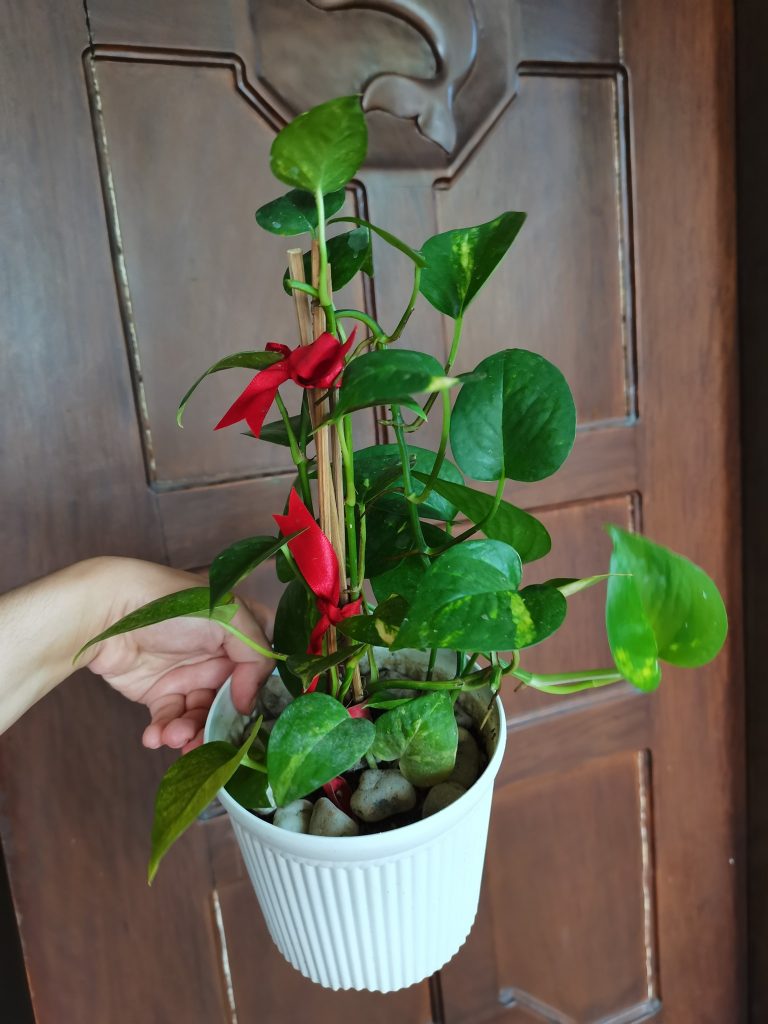
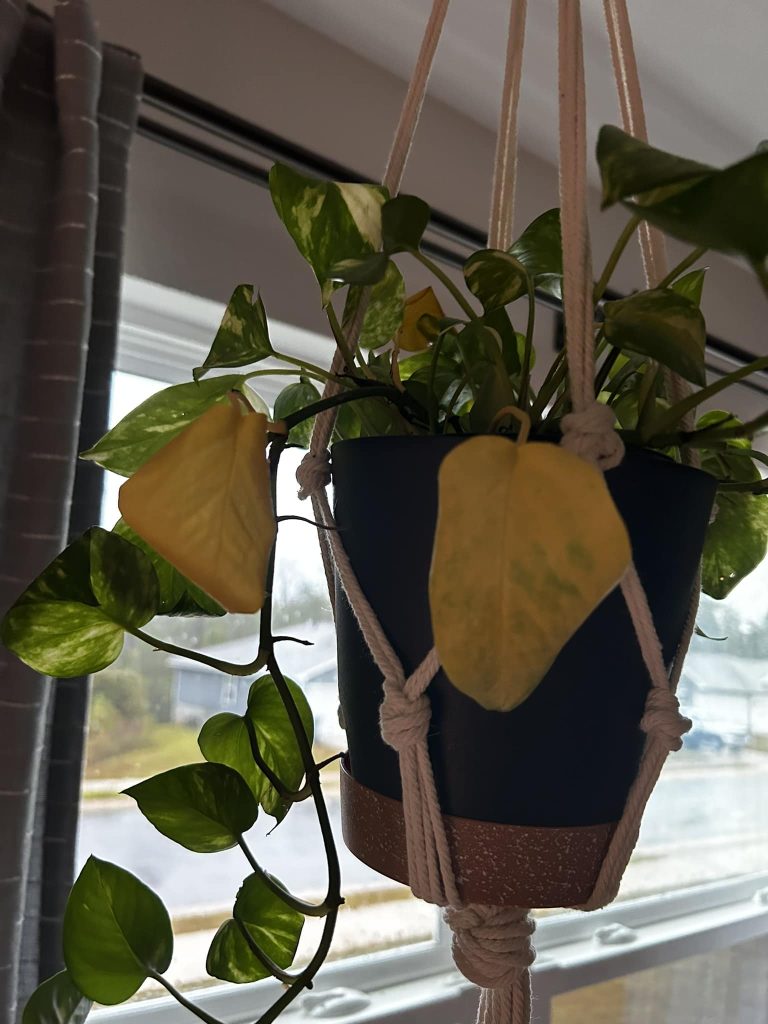
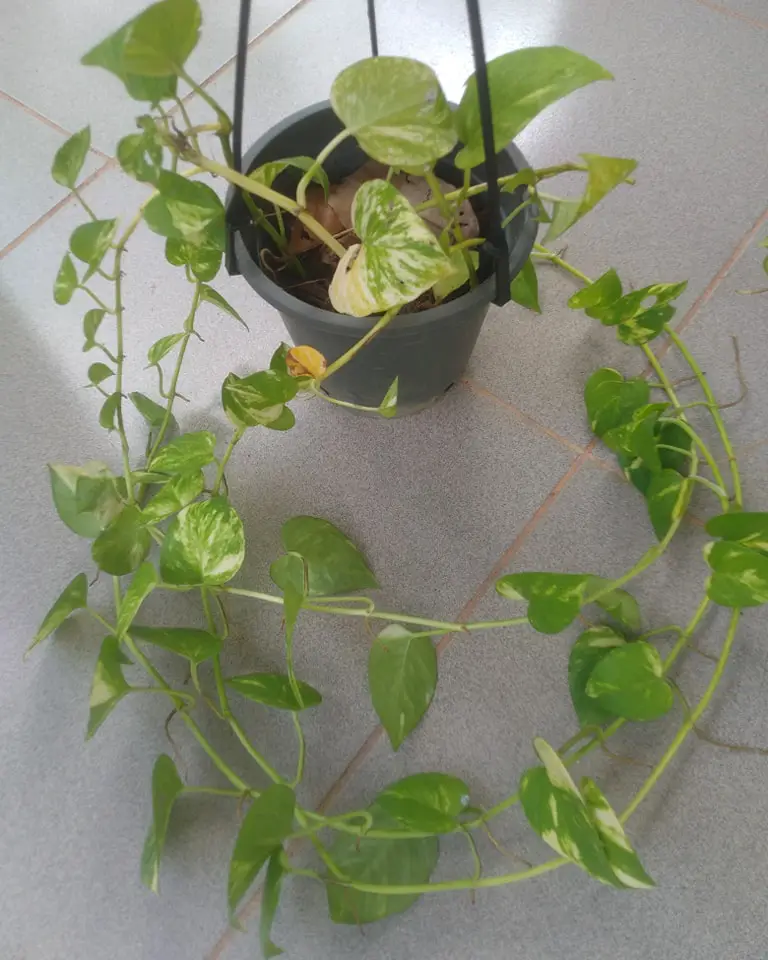
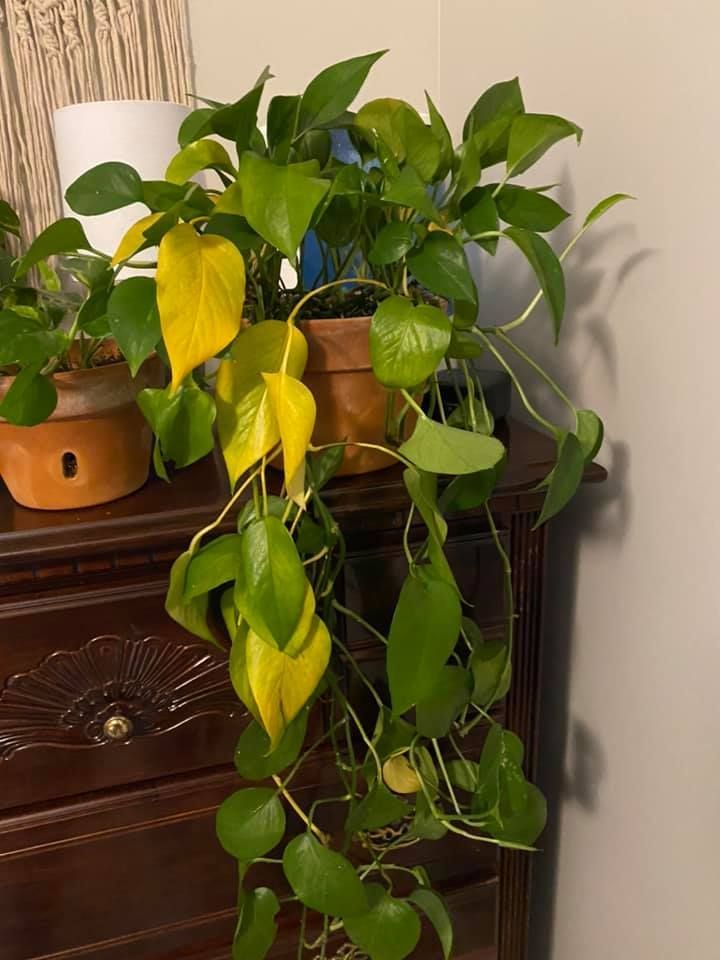
Pothos (Epipremnum aureum) is a tropical vine native to the Solomon Islands. It belongs to the family Araceae and goes by several common names — devil’s ivy, golden pothos, Ceylon creeper, and hunter’s robe.
It is sold in most garden centers and supermarkets. You will recognize it by its waxy, heart-shaped leaves, which often display shades of green, yellow, and white depending on the variety. Common varieties include:
- Golden Pothos — green leaves with golden-yellow streaks
- Marble Queen Pothos — white and green marbled appearance
- Neon Pothos — bright, lime-green leaves
- Manjula Pothos — creamy white with green patches
- Cebu Blue Pothos — silvery-blue foliage
All of these varieties share the same toxic compound. No variety is safe for cats.
Why Are Pothos Toxic to Cats?
Pothos plants contain insoluble calcium oxalate crystals. These tiny, needle-shaped crystals are found throughout the plant — in the leaves, stems, and roots.
When a cat bites or chews on the plant, the crystals are released directly into the mouth and throat. They act like microscopic needles, piercing the soft tissue of the oral cavity, tongue, and digestive tract. This causes immediate and significant irritation.
It is important to note that this is a mechanical form of toxicity, not a chemical one. The crystals do not dissolve. They physically embed in tissue and trigger an intense inflammatory response. This is why symptoms appear almost instantly after ingestion — sometimes within seconds.
The American Society for the Prevention of Cruelty to Animals (ASPCA) officially lists Pothos (Epipremnum aureum) as toxic to cats, dogs, and horses. The toxic principle is specifically identified as insoluble calcium oxalates.
Symptoms of Pothos Poisoning in Cats
If your cat has chewed or eaten part of a pothos plant, you may notice some or all of the following signs:
Oral and Throat Symptoms:
- Drooling excessively
- Pawing at the mouth or face
- Swollen lips, tongue, or gums
- Difficulty swallowing
- Vocalizing in apparent discomfort
Gastrointestinal Symptoms:
- Vomiting
- Nausea or loss of appetite
- Diarrhea (less common)
Behavioral Signs:
- Sudden restlessness or agitation
- Hiding or withdrawal
- Reduced interest in food or water
In most cases, pothos poisoning in cats is not life-threatening. The intensity of the calcium oxalate reaction often stops cats from consuming large amounts — the immediate pain is a deterrent. However, that does not mean the situation should be ignored. Even mild exposure causes real discomfort and warrants attention.
Severe cases — where a cat has swallowed a significant quantity — can lead to more serious outcomes, including difficulty breathing if swelling extends to the throat, or dehydration from repeated vomiting. These cases require urgent veterinary care.
Is Pothos More Dangerous Than Other Toxic Plants?
This is a fair question. Not all toxic plants carry the same level of risk.
On the spectrum of plant toxicity, pothos falls into the moderate category. Plants like lilies (Lilium and Hemerocallis species) are far more dangerous — even tiny amounts of lily pollen can cause acute kidney failure in cats. True toxicity emergencies often involve plants such as:
- Lilies (all parts are deadly to cats)
- Sago palm (can cause liver failure)
- Oleander (affects the heart)
- Autumn crocus (causes multi-organ damage)
Pothos does not typically cause organ failure or death when a small to moderate amount is ingested. But that distinction should not breed complacency. A cat in significant pain is a cat in crisis, and the goal is always prevention.
What to Do If Your Cat Eats Pothos
Stay calm. Panic will not help your cat — action will.
Step 1: Remove your cat from the plant immediately. Do not allow further access.
Step 2: Check your cat’s mouth. Look for visible swelling, redness, or plant material still present. Do not attempt to scrub the mouth or force water — this can make things worse.
Step 3: Note what your cat ate. If possible, identify the plant variety and estimate how much was consumed. A few nibbled leaves are very different from a chewed-through stem.
Step 4: Call your veterinarian. Even if your cat appears to be handling the situation well, call your vet or an animal poison control helpline. In the United States, you can contact:
- ASPCA Animal Poison Control Center: (888) 426-4435
- Pet Poison Helpline: (855) 764-7661
Note that these helplines may charge a consultation fee, but the guidance they provide is worth it.
Step 5: Follow professional advice. Depending on the amount ingested and your cat’s symptoms, your vet may recommend monitoring at home, bringing your cat in for an examination, or administering supportive care such as fluids.
Do not induce vomiting unless explicitly instructed to do so by a veterinarian. Inducing vomiting in cats is not a safe procedure to attempt at home.
How Veterinarians Treat Pothos Poisoning
There is no antidote for calcium oxalate poisoning. Treatment is supportive and symptomatic, meaning the vet manages the symptoms while the body processes and clears the irritant.
Common treatments include:
- Rinsing the mouth with water or saline to flush out any remaining crystals
- Antihistamines or corticosteroids to reduce oral swelling
- Anti-nausea medications to control vomiting
- IV fluids if the cat is dehydrated
- Pain management to keep the cat comfortable during recovery
Most cats recover fully within 24 hours with appropriate care. Cats that have swallowed large amounts may need a longer observation period or additional treatment.
Are All Parts of the Pothos Plant Toxic?
Yes. The calcium oxalate crystals are present throughout the entire plant — leaves, stems, and roots. No part is safe for your cat to chew or ingest.
The sap of the plant also contains irritating compounds. If your cat brushes against a broken stem and then grooms itself, there is a small chance of mild oral irritation from residual sap on the fur. This is less common but worth knowing.
Keeping Cats Safe: Practical Prevention Tips
Owning a pothos and a cat at the same time is not impossible. It simply requires thoughtful placement and a few precautions.
Place plants out of reach. Cats are agile and curious. A shelf that seems high enough often is not. Consider enclosed display cases or hanging planters mounted high on walls where cats genuinely cannot access them.
Use hanging baskets strategically. Pothos looks beautiful in hanging baskets. Position them away from furniture that a cat could use as a launching platform.
Apply deterrent sprays. Citrus-based sprays or commercial pet deterrents applied around the base of a plant (never on the plant itself) can discourage cats from approaching.
Provide cat-safe plants. Give your cat a dedicated space with safe, cat-friendly plants like catnip (Nepeta cataria), cat thyme (Teucrium marum), or spider plants (Chlorophytum comosum). Redirecting curiosity is more effective than simply removing it.
Consider rehoming the plant. If your cat is particularly persistent or you have a young kitten at home, it may be safest to gift the pothos to a friend or neighbor without pets. Your cat’s safety is more important than any houseplant.
Supervise new cats and kittens carefully. Kittens are especially exploratory. If you bring a new cat home, do a full audit of your houseplants before the cat arrives.
Cat-Safe Alternatives to Pothos
If you love trailing vines but want a pet-safe option, several beautiful plants are non-toxic to cats according to the ASPCA:
- Swedish Ivy (Plectranthus australis) — a lush, trailing plant that looks similar to pothos
- Peperomia — comes in dozens of varieties, all non-toxic to cats
- Boston Fern (Nephrolepis exaltata) — lush and air-purifying
- Calathea — stunning patterned leaves, completely safe
- Parlor Palm (Chamaedorea elegans) — elegant and non-toxic
- Hoya (Hoya carnosa) — trailing, waxy leaves, non-toxic to cats
Switching to these alternatives lets you enjoy a well-planted home without the risk.
Common Misconceptions About Pothos and Cats
“My cat has never shown interest in the plant, so it’s fine.” Cats can become curious unexpectedly, especially when bored, stressed, or teething (in kittens). Past disinterest does not guarantee future safety.
“A tiny nibble won’t do anything.” Even a small bite can cause immediate oral pain and swelling. While it may not be a medical emergency, it is still an unpleasant experience for your cat — and a vet call is still recommended.
“I’ve had pothos and cats for years with no problem.” You may have been fortunate. But risk does not disappear because it has not been realized yet. The plant remains toxic regardless of prior experience.
“Cooking or drying the plant removes the toxin.” Insoluble calcium oxalate crystals are not destroyed by heat or drying. The crystals remain active.
A Word on Indoor Air Quality and Cats
Pothos plants are frequently promoted as excellent air purifiers, based on a well-known 1989 NASA Clean Air Study. While the plant does absorb some airborne toxins, the actual air-purifying effect in a typical home is modest — you would need dozens of plants to replicate what a simple HVAC filter can do.
This context matters because some cat owners keep pothos specifically for this reason. The perceived benefit does not outweigh the risk to your pet. Cat-safe alternatives like Boston ferns and spider plants also contribute to air quality without posing any danger.
Frequently Asked Questions
Can pothos kill a cat?
It is extremely rare. Pothos toxicity is rarely fatal in cats because the immediate pain discourages large ingestion. However, severe cases or untreated swelling of the throat can become dangerous. Always consult a vet.
How long do symptoms last?
Most symptoms resolve within 24 hours with proper treatment. Oral swelling typically subsides within a few hours once the crystals are removed or flushed.
Is pothos toxic to kittens more than adult cats?
Kittens may be more vulnerable due to their smaller body size and higher likelihood of exploratory chewing. Extra caution is warranted with young cats.
What if my cat only touched the plant?
Skin contact alone is usually not a problem unless there is prolonged contact with broken stems or sap. If your cat grooms itself after contact, mild oral irritation is possible. Monitor and call your vet if you notice any symptoms.
Are golden pothos and devil’s ivy the same plant?
Yes. Golden pothos, devil’s ivy, and Epipremnum aureum all refer to the same plant. All are equally toxic to cats.
Suggested For You:
Pothos Cultivation: History, Care and Common Problems
Pothos vs Philodendron: Key Differences Every Plant Owner Should Know
10 Proven Ways to Make Pothos Fuller: Tips for Thick, Lush Growth
Understanding Overwatered Pothos: Signs + How to Save The Plant
15 Types of Pothos: Variety Identification and Pictures
9 Reasons Your Pothos Leaves are Turning Yellow + How to Fix
Final Thoughts
Pothos is a wonderful plant — low-maintenance, adaptable, and genuinely lovely to have in a home. But it is not a safe plant for homes with cats. The calcium oxalate crystals it contains cause real, immediate pain upon ingestion, and every cat owner has a responsibility to know that.
The good news is that managing this risk is straightforward. Place the plant where your cat cannot reach it, switch to cat-safe alternatives, or rehome it entirely. Your cat depends on you to make safe choices on its behalf — and honestly, that is a responsibility most cat owners carry with pride.
If you ever suspect your cat has ingested pothos, do not wait and see. Call your vet. It is always better to make one cautious phone call than to wish you had.
References
- ASPCA Animal Poison Control Center — Pothos (Epipremnum aureum). Official toxicity listing with identified toxic principles. https://www.aspca.org/pet-care/animal-poison-control/toxic-and-non-toxic-plants/pothos
- Cornell University College of Veterinary Medicine — Common Household Toxins for Cats. A comprehensive overview of household plants and substances toxic to felines. https://www.vet.cornell.edu/departments-centers-and-institutes/cornell-feline-health-center/health-information/feline-health-topics/cats-and-lilies-deadly-duo
- Merck Veterinary Manual — Oxalates (Insoluble) Toxicosis in Animals. Detailed clinical explanation of insoluble calcium oxalate poisoning, symptoms, and treatment in companion animals. https://www.merckvetmanual.com/toxicology/plant-poisoning-of-animals/oxalates
- University of California, Davis — School of Veterinary Medicine: Household Plant Toxicity. Guidance on identifying and managing plant toxicity in domestic cats, including preventive strategies. https://www.vetmed.ucdavis.edu/hospital/small-animal/emergency-services
- National Capital Poison Center (Poison Control) — Plant Poisoning in Pets. An educational resource covering plant-related toxicity in household pets, including cats. https://www.poison.org/articles/plant-poisoning-in-pets

Tim M Dave is a gardening expert with a passion for houseplants, particularly cacti and succulents. With a degree in plant biology from the University of California, Berkeley, he has vast experience in gardening. Over the years, he has cultivated a vast collection of desert plants and learned a great deal about how to grow and care for these unique companions.