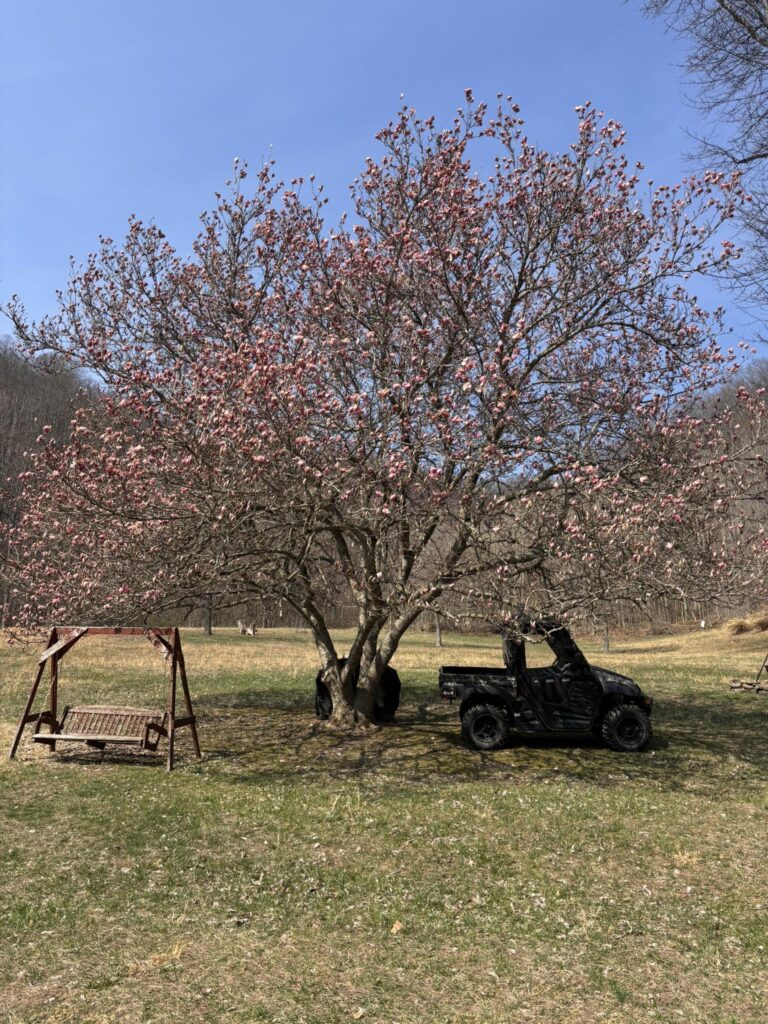
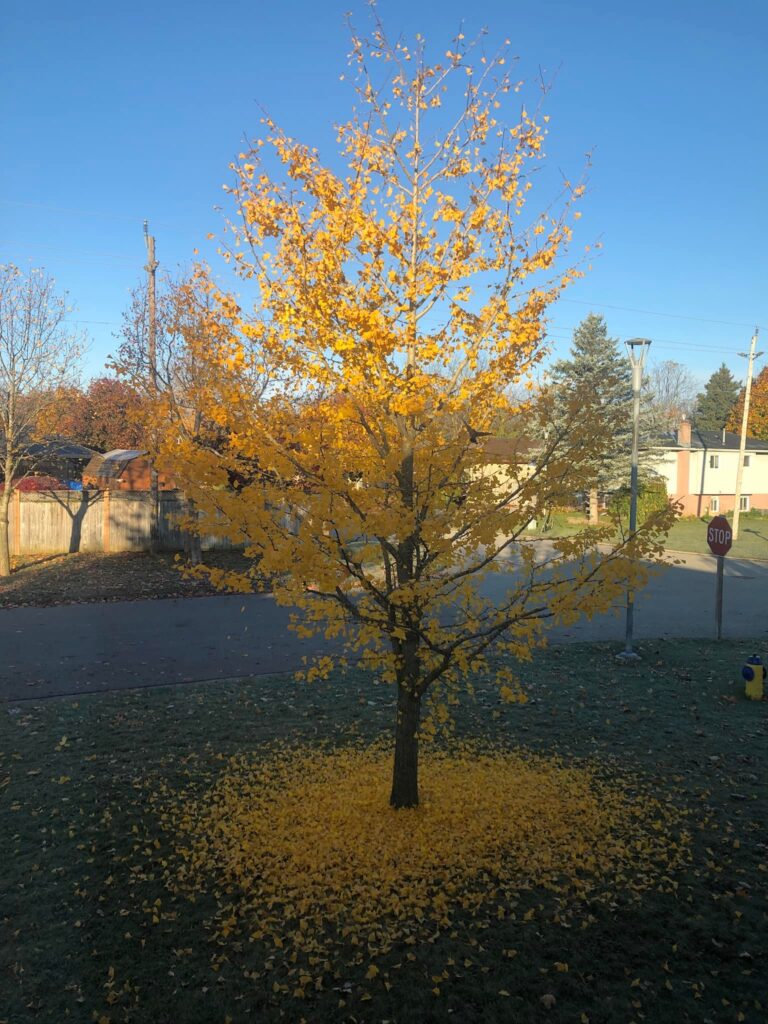
Poplar Trees as Firewood: Is Poplar Trees Good for Firewood?
If you have a poplar tree on your property — or access to one — you have probably wondered whether it is worth cutting, splitting, and stacking for winter. It is a fair question, and the answer is more nuanced than a simple yes or no.
Poplar firewood has its place. It also has its limits. This article walks through everything you need to know before you light that first fire.
What Is Poplar Wood, Exactly?
Poplar refers to a group of fast-growing deciduous trees in the genus Populus. Common species include Eastern Cottonwood (Populus deltoides), Quaking Aspen (Populus tremuloides), Balsam Poplar (Populus balsamifera), and Lombardy Poplar (Populus nigra ‘Italica’).
These trees grow rapidly — sometimes two to five feet per year — which is one reason they are so widely available across North America, Europe, and parts of Asia. That fast growth, however, comes with a trade-off: the wood is much lighter and less dense than hardwoods like oak, hickory, or maple.
Understanding that distinction is the foundation of everything else in this article.
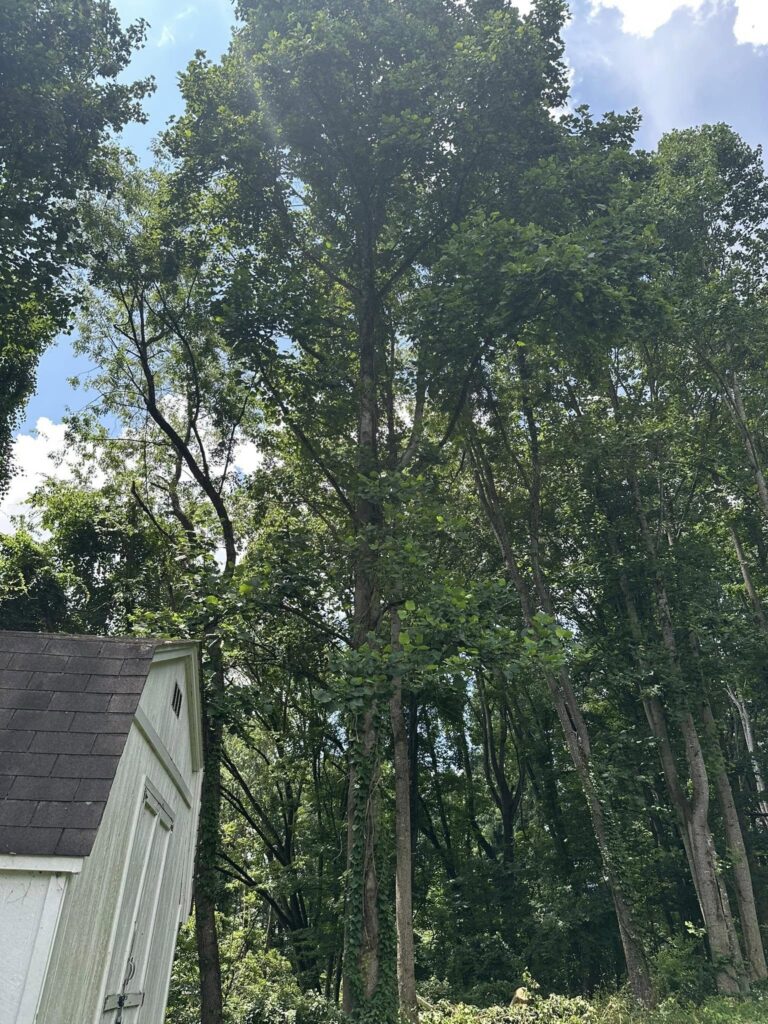
The Core Question: Is Poplar Good Firewood?
The short answer is: yes, but with important qualifications.
Poplar is usable firewood. People burn it every winter. But it should not be your first choice if you want long, slow-burning heat on a cold January night. It is better suited to specific situations, which we will cover in detail below.
Let us start with the numbers.
Poplar Firewood: BTU Output and Heat Value
BTU — British Thermal Unit — is the standard measure of how much heat a cord of wood produces. The higher the BTU, the more heat you get per cord.
Here is how poplar compares to other common firewood species:
| Wood Species | BTU per Cord (millions) | Hardwood/Softwood |
| Shagbark Hickory | 27.7 | Hardwood |
| White Oak | 26.4 | Hardwood |
| Sugar Maple | 25.5 | Hardwood |
| Yellow Birch | 23.6 | Hardwood |
| Eastern Cottonwood (Poplar) | 15.8 | Hardwood |
| Balsam Poplar | 13.8 | Hardwood |
| Quaking Aspen | 18.2 | Hardwood |
| White Pine | 15.9 | Softwood |
(Source: University of Minnesota Extension)
At 13.8 to 18.2 million BTUs per cord depending on the species, poplar produces roughly 30–45% less heat than premium hardwoods. That is a significant gap.
What this means in practice: you will burn through a cord of poplar noticeably faster than a cord of oak or hickory. For a home relying solely on wood heat in a cold climate, that matters a great deal.
Why Poplar Burns the Way It Does
The reason poplar burns differently comes down to wood density — technically called specific gravity.
Poplar has a low specific gravity, typically between 0.31 and 0.45 depending on the species. Oak sits around 0.60–0.75. Simply put, a piece of poplar contains less actual wood material per cubic foot than denser hardwoods. More of that volume is air space.
Less dense wood burns faster, produces less heat, and leaves fewer coals.
This is not a flaw, per se. It is just physics. And once you understand it, you can use poplar strategically rather than being surprised by it.
What Poplar Firewood Is Actually Good For
Despite its lower BTU output, poplar has some genuine advantages that make it worth keeping around.
1. It Splits Very Easily
Anyone who has split a large round of red oak knows that it can be an exhausting task. Poplar, by contrast, splits almost effortlessly. The grain is straight, the wood is soft relative to true hardwoods, and even a modest axe or maul makes quick work of it.
For older adults, those with back issues, or anyone who splits wood by hand rather than with a log splitter, this is not a small benefit.
2. It Dries (Seasons) Quickly
Green wood — wood that has just been cut — contains a large amount of water. Burning green wood is inefficient and produces far more smoke and creosote than seasoned wood.
Most hardwoods require 12 to 24 months of seasoning before they are ready to burn well. Poplar typically seasons in as little as 6 to 12 months, thanks to its low density. The cells dry out quickly once the tree is felled and split.
This makes poplar an attractive option if you need firewood in a hurry or are building up your firewood supply with a shorter planning horizon.
3. It Is Excellent Kindling and Fire-Starting Wood
One of the best uses of poplar is as kindling. It catches fire quickly, produces a bright flame, and brings other denser wood up to combustion temperature without much effort. Many experienced wood-burners keep poplar specifically for this role, using it to start fires that they then feed with oak or ash.
4. It Is Often Free or Very Affordable
Poplar trees grow fast, die relatively young, and often fall or need to be removed from properties. Many homeowners are happy to give away poplar wood simply to get rid of it. If cost is a concern, free poplar is always better than expensive oak you cannot afford.
5. Ideal for Shoulder Season Burning
In early autumn or late spring, you often do not need heavy all-night heat. A fire in October is usually for ambiance or taking the chill off, not for surviving a blizzard. Poplar is excellent for this kind of casual, shorter-duration burning. It burns bright, warms the room quickly, and burns down cleanly.
Where Poplar Falls Short
Being balanced means being honest. Here are the real drawbacks.
1. It Burns Too Fast for Overnight Heating
If you load your woodstove before bed hoping to wake up to warm coals — which you can then rebuild into a morning fire — poplar will almost certainly disappoint you. Its low density means it burns through quickly and does not hold coals for long. Dense hardwoods are far better for this purpose.
2. Higher Volume Required
Because of its lower BTU output, you will need significantly more cords of poplar to produce the same amount of heat as premium firewood. This means more cutting, more splitting, more stacking, and more storage space. Over a full winter, the labor and storage difference becomes very real.
3. It Produces More Smoke When Improperly Seasoned
All wood smokes when burned green. But poplar, with its higher moisture content when freshly cut, can be a particularly heavy smoker if you do not give it adequate drying time. Burning unseasoned poplar produces excessive creosote, which builds up in chimneys and can become a fire hazard. This makes proper seasoning non-negotiable.
4. Poor Coal Production
Good firewood leaves a bed of hot, long-lasting coals. Poplar does not do this well. Once the flames die down, the coals cool relatively quickly. For cooking over a wood fire — in a fireplace or outdoor fire pit — poplar is not your best choice.
How to Season Poplar Firewood Properly
If you decide to use poplar, proper seasoning is the single most important step. Here is a straightforward process.
Step 1 — Cut and split promptly. Once a poplar tree is felled, cut it into rounds immediately. Then split those rounds to expose more surface area to air. Do not let unsplit rounds sit for months.
Step 2 — Stack it correctly. Stack split poplar in a single row if possible, with the cut ends facing the prevailing wind. Elevation off the ground matters — a pallet or simple rail keeps moisture from wicking up from below.
Step 3 — Cover the top, not the sides. A tarp or metal roof over the top of the stack protects from rain without trapping moisture. Covering the sides reduces airflow and slows drying.
Step 4 — Wait at least six months. Six months is a minimum. A full year is better, particularly in humid climates. Well-seasoned poplar has visible checking (cracks) at the ends, feels noticeably lighter, and makes a sharp crack when two pieces are knocked together, rather than a dull thud.
Step 5 — Test moisture content. A wood moisture meter, available inexpensively online or at hardware stores, should show below 20% moisture before you consider the wood ready to burn efficiently.
Poplar vs. Other Common Firewood: A Quick Comparison
It helps to see how poplar fits relative to other woods you might have access to.
Poplar vs. Oak: Oak produces nearly double the BTUs per cord and holds coals far longer. Oak is the superior firewood in almost every heating metric. However, oak takes 18–24 months to season properly and is much harder to split.
Poplar vs. Ash: Ash is widely considered one of the best all-around firewood species. It seasons quickly (similar to poplar), splits reasonably well, and burns with significantly more heat. If you can get ash, choose it over poplar for primary heating.
Poplar vs. Pine: This comparison often surprises people. Poplar and pine have similar BTU outputs, but pine contains resins that produce more creosote. In terms of chimney safety, well-seasoned poplar is actually a cleaner burn than pine. Poplar edges out pine on chimney health, though neither is a top-tier heating wood.
Poplar vs. Birch: Birch burns better than poplar but not as long as oak or hickory. Birch and poplar are often available in similar areas (northern forests), making birch a worthwhile upgrade when available.
Is Poplar Safe to Burn in a Wood Stove or Fireplace?
Yes, poplar is safe to burn in both wood stoves and open fireplaces, provided it is properly seasoned. It does not produce excessive sparks, it is not known to spit embers dangerously, and it does not contain toxic resins.
The main safety concern with poplar — as with any wood — is creosote buildup from burning it green or at low temperatures. Always burn seasoned wood, maintain adequate draft in your chimney, and have your chimney inspected and cleaned annually regardless of what species you burn.
Does Poplar Smell Good When Burning?
Smell matters, particularly for open fireplaces or fire pits. Poplar’s scent is neutral to mildly pleasant — it does not carry the sweet aroma of apple or cherry wood, nor does it have the distinctive fragrance of cedar. Some people find the smell slightly bland; others appreciate that it is inoffensive.
If fragrance is important to you, mix poplar with a small amount of fruitwood or add a bundle of dried rosemary to the fire. For outdoor fire pits, the smell is rarely a concern either way.
The Best Uses for Poplar Firewood: Summary
To make this concrete, here is where poplar genuinely earns its place:
- Starting fires and kindling — it catches fast and burns hot early
- Shoulder-season heating — autumn and spring fires where heavy overnight heat is not needed
- Supplemental burning — mixed with denser hardwoods to stretch a supply
- Budget heating — when poplar is free or cheap, its lower BTU cost is still heat you did not pay for
- Outdoor fires and fire pits — ambiance matters more than BTU output outdoors
- Short-notice situations — when you need wood quickly and cannot wait a year for oak to season
And where it should be a secondary choice rather than your primary supply:
- Primary winter heating in cold climates
- Overnight burns
- Cooking fires where lasting coals matter
- Households where firewood storage space is limited
Regional Considerations: Where You Live Matters
In mild climates — the Pacific Northwest, parts of the UK, or mild regions of Europe — where winters are cool but rarely severe, poplar can serve as a primary heating wood without the same strain it would face in Minnesota or northern Canada.
In cold northern climates, poplar works best as part of a mixed wood strategy. Burn dense hardwoods overnight and in the coldest stretches; use poplar for daytime fires and fire-starting.
In rural areas where poplar is abundant and essentially free, the economics strongly favor using it — even if that means burning more cords per winter. Heat you do not pay for is still a significant saving.
Frequently Asked Questions
- How long does it take to season poplar firewood? Poplar typically seasons in 6 to 12 months when split and stacked properly with good airflow. One full year is ideal in humid climates.
- Can you burn poplar in a wood stove? Yes. Poplar burns cleanly when well-seasoned. Because it burns fast, you will feed the stove more frequently than with denser woods.
- Is poplar a hardwood or softwood? Botanically, poplar is classified as a hardwood because it is a deciduous broadleaf tree. However, it is one of the softer hardwoods — considerably lighter and less dense than oak, maple, or hickory.
- Does poplar produce a lot of creosote? When burned green (unseasoned), yes — it can produce significant creosote. When properly seasoned and burned at good combustion temperatures, creosote production is modest and comparable to other low-density hardwoods.
- Is poplar good firewood for a fire pit? Absolutely. For outdoor fire pits, poplar works well. It lights easily, burns with a good flame, and the lower BTU output is not a meaningful disadvantage in an open outdoor setting.
Suggested For You:
The 15 Best Fast-Growing Trees for Firewood: Best Species for Heat on Demand
Kousa Dogwood Problems: What Every Gardener Should Know
12 Common Jacaranda Tree Problems: Identify and Fix Before It’s Too Late
8 Main Bloodgood Japanese Maple Tree Problems: (And How to Fix Them)
8 Common Autumn Blaze Maple Tree Problems: Identification and How to Fix
Final Verdict: Should You Use Poplar for Firewood?
I have burned poplar myself, and my honest assessment is this: it is genuinely useful wood when you understand what it is and what it is not.
It is not the premium hardwood your grandparents might have sworn by. But it is not firewood to be dismissed, either. Split it quickly, season it properly, mix it with denser wood where you can, and use it strategically. Done right, a supply of well-seasoned poplar will get you through cold mornings, casual fires, and fire-starting tasks with no complaints.
The mistake people make is expecting poplar to behave like oak. It will not. Accept it for what it is — a light, fast-burning, easy-to-split wood with a shorter season time — and you will find it earns a respected place in your woodshed.
References
- University of Minnesota Extension — Firewood for Home Heating https://extension.umn.edu/trees-and-overwintering/firewood
- Penn State Extension — Selecting and Burning Firewood https://extension.psu.edu/selecting-and-burning-firewood
- Oregon State University Extension Service — Firewood Facts https://extension.oregonstate.edu/forests/health-managment/firewood-facts
- University of Georgia Extension — Wood as a Fuel Source https://extension.uga.edu/publications/detail.html?number=B1309
- NC State Extension Publications — Using Firewood Safely and Efficiently https://content.ces.ncsu.edu/using-firewood-safely-and-efficiently

Tim M Dave is a gardening expert with a passion for houseplants, particularly cacti and succulents. With a degree in plant biology from the University of California, Berkeley, he has vast experience in gardening. Over the years, he has cultivated a vast collection of desert plants and learned a great deal about how to grow and care for these unique companions.