Signs Your Aloe Plant Is Overwatered and How to Save It
Aloe vera is my go-to houseplant. It’s low-maintenance, looks cool, and has those soothing gel-filled leaves for minor burns. But let me confess: I’ve drowned my aloe more than once. Overwatering is the number one killer of aloe plants in most homes.
If your aloe’s leaves are mushy, yellow, or drooping, you’ve likely given it too much love (and water). Aloe vera is a succulent, native to arid regions. It stores water in its thick, fleshy leaves, so it doesn’t need frequent watering.
In our homes, we often treat all houseplants the same. Aloe gets overwatered because we’re used to plants like ferns or peace lilies that love moisture. I made this mistake when I first got my aloe. The roots started rotting, and the leaves turned soft and translucent.
According to the University of California Agriculture and Natural Resources, overwatering is the most common issue for succulents in home environments. Aloe plants thrive in dry conditions, and too much water suffocates their roots. If your aloe sits in soggy soil, it’s basically drowning.
If you have overwatered your aloe, I’m here to help you save your plant. I’ll walk you through why overwatering happens, how to fix it, and how to keep your aloe thriving in your home. Let’s start by understanding what an overwatered aloe plant looks like:
Signs Your Aloe Plant Is Overwatered
I remember the sinking feeling when I noticed my aloe’s leaves turning yellow and mushy. If you’re seeing these signs, your plant is likely overwatered:
- Yellow or translucent leaves: Healthy aloe leaves are firm and green. Overwatered ones look pale or see-through.
- Soft, mushy leaves: Press gently. If the leaves feel squishy, that’s a red flag.
- Drooping or wilting: Overwatered aloe may lean or collapse.
- Root rot: If you unearth the plant, black or brown, slimy roots mean trouble.
- Moldy soil: Wet soil can grow mold, especially in pots without drainage.
If you spot these, don’t panic. You can still save your aloe, and I’ll show you how.
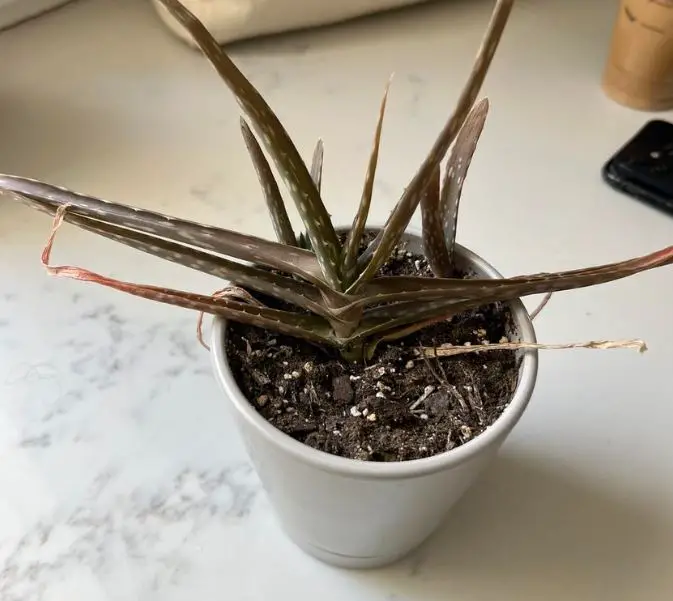
How to Save an Overwatered Aloe Plant
Saving an overwatered aloe takes quick action, but it’s doable. I’ve revived a few of mine, and here’s the step-by-step process that works:
Step 1: Stop watering immediately
The first thing I did was stop watering my aloe. Let the soil dry out completely. This might take a week or two, depending on your home’s humidity. In American homes, especially in humid areas like the Southeast, this can take longer. Place the plant in a sunny spot to speed up drying.
Step 2: Check the roots
I gently removed my aloe from its pot to inspect the roots. Healthy roots are white and firm. If you see black, mushy, or smelly roots, you’ve got root rot. Use clean scissors to cut away the damaged roots.
The Missouri Botanical Garden recommends sterilizing your tools with rubbing alcohol to prevent spreading disease.
Step 3: Repot in fresh, well-draining soil
After trimming the bad roots, I repotted my aloe in a cactus or succulent potting mix. You can find these at most garden centers or online. I like Miracle-Gro Cactus, Palm, and Citrus Potting Mix because it’s lightweight and drains well. Make sure your pot has drainage holes—standing water is aloe’s worst enemy.
Step 4: Choose the right pot
I learned the hard way that pot choice matters. Terracotta pots are great because they’re porous and help excess moisture evaporate. In my small apartment, I use a 6-inch terracotta pot for my aloe, which works perfectly. Avoid plastic pots unless they have excellent drainage.
Step 5: Water sparingly
Once repotted, I didn’t water my aloe for at least a week. When I did, I gave it a small amount—about a quarter cup for a medium-sized plant. Going forward, water only when the soil is bone dry. In the U.S., this usually means every 2-3 weeks in summer and once a month in winter.
Step 6: Optimize light and location
Aloe loves bright, indirect light. I keep mine near a south-facing window in my Chicago apartment. If you’re in a region with less sun, like the Pacific Northwest, consider a grow light. The Royal Horticultural Society suggests 6-8 hours of light daily for healthy aloe growth.
Preventing Overwatering in the Future
Once I saved my aloe, I vowed never to overwater again. Here’s how I keep my aloe happy in my home:
- Use a well-draining soil mix. A mix of sand, perlite, and potting soil works wonders. You can DIY it or buy a pre-made mix.
- Check soil before watering. Stick your finger an inch into the soil. If it’s dry, water lightly. If it’s damp, wait.
- Adjust for seasons. In winter, when homes are heated and light levels drop, aloe needs less water. I cut back to once a month in December and January.
- Improve air circulation. In humid areas like Florida or Louisiana, place your aloe where air moves freely, like near a fan or open window.
- Monitor humidity. Homes with high humidity (hello, East Coast summers) can keep soil wet longer. Use a hygrometer to check your home’s humidity levels.
Common Mistakes Plant Parents Make
When I first got my aloe, I treated it like my other houseplants, watering it every week. It started looking sad, with yellowing leaves and a droopy vibe. I felt like a terrible plant parent. After researching and talking to a local nursery, I realized my mistake: I was loving it too much with water.
I followed the steps above, and within a month, my aloe was back to its perky, green self. Now, it’s the star of my living room, and I proudly show it off to friends. I’ve talked to friends across the U.S., and we all make similar mistakes with aloe. Here are the big ones:
- Watering too often: Many of us water on a schedule, but aloe doesn’t need that.
- Poor drainage: Using pots without holes or heavy soil traps water.
- Low light: In northern states, where winter light is scarce, aloe can struggle without enough sun.
- Ignoring humidity: High humidity in southern states can slow soil drying.
Learning from these mistakes has made me a better plant parent, and my aloe is now thriving.
Expert Tips for Aloe Success
Aloe vera is a fantastic plant for most households because it’s forgiving and adaptable. Whether you’re in a dry Arizona condo or a humid New Orleans apartment, aloe can thrive with the right care. Here are some pro tips I’ve picked up from plant experts and my own trial-and-error:
- If parts of your aloe are still healthy, cut a leaf and propagate it to start a new plant.
- If you’re unsure about watering, a cheap moisture meter can tell you when the soil is dry.
- I rotate my aloe every few weeks to ensure even light exposure.
- In colder states like Minnesota, keep aloe away from drafty windows in winter.
FAQs
Here are the frequently asked questions about overwatered aloe plants:
Can an overwatered aloe plant recover?
Yes, if you act quickly. Remove damaged roots, repot in dry soil, and stop watering until the plant stabilizes. I saved mine this way, and it bounced back in a few weeks.
How often should I water my aloe?
It depends on your climate. In dry areas like Nevada, every 2 weeks in summer works. In humid regions like Georgia, once a month might be enough. Always check the soil first.
What’s the best soil for aloe?
A cactus or succulent mix is ideal. I use a mix with 50% potting soil, 25% sand, and 25% perlite for great drainage.
Why are my aloe leaves turning brown?
Brown leaves can mean overwatering or sunburn. If they’re mushy, it’s likely overwatering. If they’re dry and crispy, move the plant to indirect light.
Can I use tap water for my aloe?
Tap water is fine in most American homes, but if your water is high in chlorine, let it sit out for 24 hours before using. I do this in my city apartment to be safe.
How do I know if my aloe has root rot?
Unearth the plant and check the roots. Black, slimy, or smelly roots indicate rot. Trim them off and repot in fresh soil.
Conclusion
Aloe plant not only brightens our homes, its gel is a natural remedy for sunburns, which is handy for those summer BBQs. According to WebMD, aloe gel can soothe minor burns and skin irritations, making it a functional addition to your home.
Overwatering is a common mistake, but it’s fixable. I’ve been there, drowning my aloe with good intentions. By catching the signs early, trimming damaged roots, repotting in well-draining soil, and adjusting your watering habits, you can save your plant and keep it thriving.
Have tips or questions? Drop them below—I’d love to hear your aloe stories!
Resources for Aloe Care
For more expert advice, check out these trusted resources:
- University of California Agriculture and Natural Resources: Tips on succulent care.
- Missouri Botanical Garden: Detailed plant care guides.
- Royal Horticultural Society: Light and watering advice for aloe.
- WebMD: Benefits of aloe gel for skin.

Tim M Dave is a gardening expert with a passion for houseplants, particularly cacti and succulents. With a degree in plant biology from the University of California, Berkeley, he has vast experience in gardening. Over the years, he has cultivated a vast collection of desert plants and learned a great deal about how to grow and care for these unique companions.