Understanding Japanese White Birch (Betula platyphylla): Identification, Uses, Problems, and Cultivation Details
The first time I encountered a Japanese white birch in a botanical garden in Kyoto, I stopped walking. The trunk was almost luminous — a clean, chalky white against the dark green of surrounding conifers.
The leaves trembled in a slight breeze, catching the late afternoon light. It was one of those moments when a tree demands your full attention.
Betula platyphylla is not as widely known in the Western world as its European or North American cousins. But those who know it well tend to regard it with genuine admiration. It is elegant, tough, ecologically valuable, and deeply woven into the natural and cultural fabric of East Asia.
This guide covers everything worth knowing about the Japanese white birch — from its biology and native range to its landscape uses, cultural history, and role in the living world around it.
Before we dive in, let’s get a glimpse into the world of Japanese white birch:
| Scientific name | Betula platyphylla |
| Common names | Japanese white birch, Asian white birch, Manchurian birch |
| Family | Betulaceae |
| Native range | Japan, Korea, China, Russian Far East, Mongolia |
| Hardiness zones | USDA Zones 4–7 |
| Mature height | 10–20 metres |
| Bark | Brilliant white to chalk-cream |
| Leaf colour (autumn) | Clear warm yellow |
| Sun requirement | Full sun |
| Soil preference | Well-drained, slightly acidic |
| Lifespan | 60–100 years (up to 120 in natural settings) |
| Wildlife value | High — insects, birds, fungi, mammals |
| Cultural significance | Central symbol in Japanese Shirakaba literary movement; traditional material culture across East Asia |
What Is the Japanese White Birch?
The Japanese white birch (Betula platyphylla), sometimes called the Asian white birch or Manchurian white birch, is a medium-sized, fast-growing deciduous tree native to East Asia and parts of northeastern Europe.
It belongs to the family Betulaceae and is closely related to both the European silver birch (Betula pendula) and the North American paper birch (Betula papyrifera).
The species name platyphylla is derived from Greek — platys meaning “broad” and phyllon meaning “leaf” — a reference to its notably wide, flat leaves, which distinguish it from many of its narrower-leafed birch relatives.
Japanese white birch is a tree of forests, mountain slopes, and river valleys across a vast arc of Asia. And in gardens and parks from Japan to North America, it is increasingly celebrated as one of the most ornamentally refined birch trees available.
Scientific Classification
| Kingdom | Plantae |
| Order | Fagales |
| Family | Betulaceae |
| Genus | Betula |
| Species | B. platyphylla |
| Common names | Japanese white birch, Asian white birch, Manchurian birch |
| Selected synonyms | Betula platyphylla var. japonica, Betula japonica |
Taxonomic note: The classification of Betula platyphylla has been subject to some revision. Some botanists treat the Japanese populations as a distinct variety — Betula platyphylla var. japonica — while others consider the Korean and Manchurian populations as additional varieties. For practical purposes, the species as a whole is treated here as Betula platyphylla in the broad sense.
Geographic Range and Natural Habitat
The Japanese white birch occupies an exceptionally wide natural range across East and Northeast Asia.
Its native distribution includes:
- Japan: Found across Hokkaido and the mountainous regions of Honshu, where it is a common and beloved component of subalpine and montane forests
- Korea: Present throughout the Korean Peninsula, especially in northern and highland regions
- China: Widely distributed across northeast China (Manchuria), Inner Mongolia, and parts of northern and central China
- Russia: Found in the Russian Far East, including Primorsky Krai, Khabarovsk, and Sakhalin Island, where it grows in mixed broadleaf-conifer forests
- Mongolia: Present in suitable forested zones in the northern regions
- Taiwan: Found at higher elevations in the central mountains, where it grows in cool, montane conditions
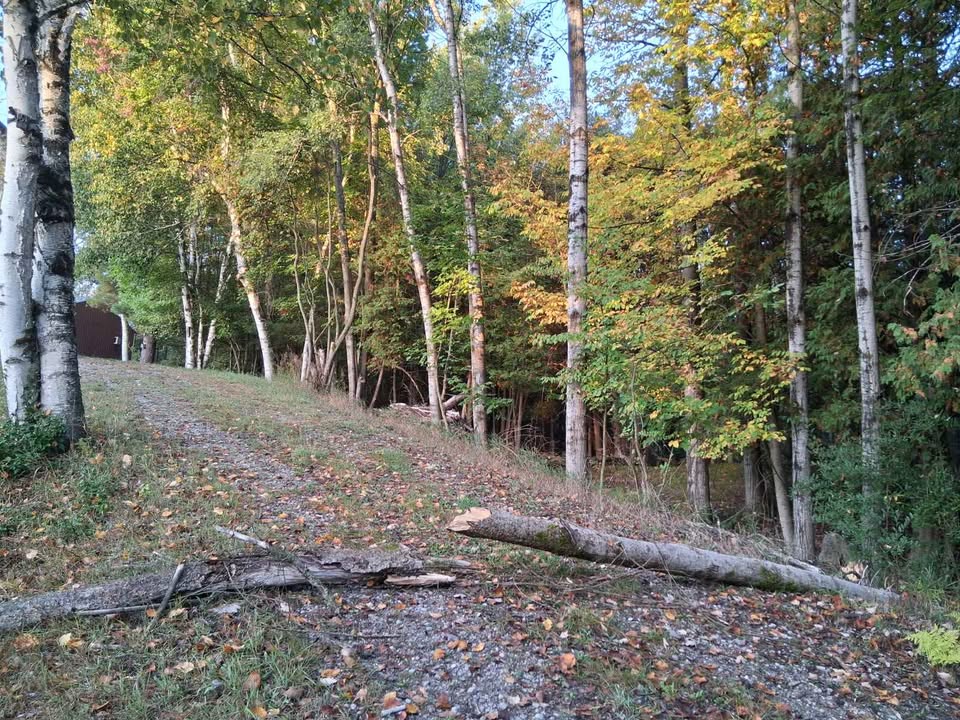
The tree’s natural habitats include secondary forests, forest edges, mountain slopes, valley bottoms, and disturbed ground. Like its close relatives, it is a pioneer species, readily colonising open land following disturbance such as fire, landslides, or forest clearing.
It grows from near sea level in northern regions to elevations of 2,000 to 3,000 metres in central China, Korea, and Japan — a testimony to its broad environmental tolerance.
Preferred conditions in its natural range include cool, moist, continental or oceanic climates, moderate to high rainfall, and well-drained, slightly acidic soils.
In Japan specifically, it is associated with the cool highland forests of Hokkaido and the volcanic mountain slopes of central Honshu, where summer temperatures remain relatively mild.
Physical Description and Identifying Features
Bark
The bark is the tree’s most striking attribute. In young trees, it begins as reddish-brown and smooth, gradually developing its characteristic appearance with age. By the time the tree reaches maturity, the outer bark becomes brilliant white to chalky cream, often with a faintly pinkish or grey undertone.
Unlike the paper birch of North America, Betula platyphylla bark does not peel in large papery sheets. It may exfoliate in thin flakes but generally remains more intact on the trunk. The surface is marked with horizontal lenticels — small, elongated pores — and, in older trees, dark fissures develop at the base of the trunk.
The whiteness of the bark is striking, even by birch standards. In full sunlight, mature trunks can appear almost reflective — one reason the tree is so prized in landscape design.
Leaves
The leaves are broad, ovate to triangular, measuring 4 to 8 cm long and typically wider than those of the silver birch. They have a pointed tip, a rounded or slightly heart-shaped base, and coarsely double-serrated margins.
In spring, they emerge as fresh, pale green. Through summer, they deepen to a rich, glossy mid-green. In autumn, they turn a clear, warm yellow before falling. The combination of delicate spring green and vivid autumn gold makes this a four-season ornamental tree of the highest quality.
The leaf surface is smooth on the upper side, with some fine hair along the veins beneath, particularly in young leaves.
Height and Form
A mature Japanese white birch typically reaches 10 to 20 metres in height, with some specimens in natural forest conditions growing taller. The form is upright and oval to broadly conical when young, becoming more open and irregular with age.
The branches are ascending to slightly arching, with slender secondary shoots. The overall habit is lighter and less pendulous than the European silver birch, giving the Japanese white birch a cleaner, more upright silhouette that works well in formal and informal garden designs alike.
Flowers and Fruit
Like all birches, Betula platyphylla is monoecious — carrying both male and female catkins on the same tree.
- Male catkins are long and pendulous, 3 to 7 cm, appearing in clusters and releasing pollen in spring
- Female catkins are shorter and erect, ripening in late summer into cylindrical strobiles that shed large numbers of tiny winged seeds
A vigorous tree produces a very large quantity of seeds annually, which travel on the wind and allow the species to colonise new ground effectively — a major reason it regenerates so successfully after disturbance.
Ecological Importance of Japanese White Birch
A Keystone of East Asian Forests
In the forests of Hokkaido, Manchuria, the Korean highlands, and the Russian Far East, Betula platyphylla plays a structurally important ecological role. As a dominant or co-dominant species in secondary and pioneer forests, it provides:
- Canopy cover that shelters the ground from frost, desiccation, and erosion
- Leaf litter that builds soil organic matter rapidly, improving fertility for the plant community beneath
- Dead wood as the tree ages, which supports wood-boring beetles, cavity-nesting birds, and bracket fungi
Wildlife Value
The ecological value of Japanese white birch to wildlife is comparable to that of European and North American birches — which is to say, exceptionally high.
- Birds: In Hokkaido and the Russian Far East, Eurasian siskins, redpolls, and bullfinches feed heavily on birch catkins and seeds through winter. Woodpeckers — including the great spotted woodpecker and the white-backed woodpecker — drill for invertebrates in the bark and create cavities used by other nesting species.
- Mammals: In Japan and China, sika deer, roe deer, and brown bears browse young birch shoots and dig for birch roots. The tree’s soft, rapidly decaying wood is also used by rodents for nest sites.
- Insects: Birch trees in East Asia are hosts to a diverse community of moths, beetles, aphids, and sawflies. Many moth species found in Japan and Korea are specialist birch feeders, with their larvae dependent on birch foliage during the growing season.
- Fungi: As with all birches, Betula platyphylla forms extensive mycorrhizal associations with soil fungi, including species of Amanita, Leccinum, Inocybe, and Cortinarius. These relationships are critical to the tree’s nutrient uptake and to the wider fungal diversity of birch woodlands in Asia.
Role in Forest Succession
The Japanese white birch is one of the primary pioneer trees in disturbed East Asian forests. In Hokkaido, it colonises burned ground and landslide scars alongside willows and alders, rapidly establishing a canopy that allows Sakhalin spruce, Japanese fir, and Mongolian oak to establish beneath it.
In this way, Betula platyphylla is as much a forest builder as a tree in its own right. Without it, the recovery of boreal and cool-temperate forests across much of East Asia would be significantly slower.
Cultural and Historical Significance
Japan
In Japan, the white birch (shirakaba — 白樺) holds a prominent place in national culture and identity. The tree is closely associated with the highlands of Hokkaido and the Karuizawa plateau in Nagano Prefecture, both of which are cultural and artistic destinations.
The Shirakaba literary movement (Shirakaba-ha) of the early 20th century — a major current in Japanese arts that promoted humanism, individualism, and engagement with the natural world — took its name directly from this tree.
Writers and artists including Mushanokoji Saneatsu, Shiga Naoya, and Yanagi Soetsu were associated with this movement, and their work frequently referenced the birch forests of the Japanese highlands as settings of spiritual clarity and natural beauty.
The tree appears in haiku, tanka poetry, painting, and landscape photography as a symbol of cool highland purity and the transient beauty of the natural world. For many Japanese people, the sight of white birch trunks rising from a forested highland carries a deep emotional resonance — a connection to quiet places and unhurried time.
Korea and China
In Korea, the white birch (자작나무, jajaknam) is associated with clean northern landscapes and highland forests. Birch bark was traditionally used for writing, torch-making, and as a fire-starting material in northern Korea and Manchuria.
In China, particularly in the northeast, birch has been part of the traditional material culture of forest-dwelling peoples, including the Oroqen and Evenki peoples of Manchuria and Inner Mongolia, who used birch bark for constructing shelters, making boats, and crafting containers and utensils.
This tradition closely mirrors the use of paper birch bark among Indigenous peoples in North America — a remarkable parallel between two cultures separated by an ocean.
Russia and the Far East
In Russian Siberia and the Far East, Betula platyphylla occupies much the same emotional and practical space as the European birch (Betula pendula) does in western Russia. It is a tree of open forests, river valleys, and roadsides, familiar to anyone who has travelled through the Russian Far East by road or rail.
Birch sap tapping is practised here as well, and the tree’s bark has been used in traditional fire-starting, boat-building, and craft work.
Growing Conditions and Landscape Use
Climate and Hardiness
Japanese white birch is very cold-hardy, tolerating temperatures to around -40°C in continental climates. It is suitable for USDA Hardiness Zones 4 to 7, performing best in areas with cool summers and cold winters.
It struggles in regions with hot, humid summers, making it poorly suited to much of the American Southeast or similar climates in Europe.
In the United Kingdom, it grows well in northern England, Scotland, and higher-elevation areas of Wales and Ireland. In continental Europe, it is well suited to Germany, the Netherlands, Scandinavia, and the Alpine foothills.
In North America, it performs reliably across New England, the Great Lakes states, the Pacific Northwest, and Canada.
Soil Requirements
- pH: 4.5 to 6.5 (slightly acidic preferred)
- Texture: Sandy loam, loamy, or well-drained stony soil
- Drainage: Well-drained; avoid waterlogged or compacted ground
- Fertility: Tolerates low to moderate fertility; does not require rich soils
Sun and Spacing
The Japanese white birch requires full sun — a minimum of six hours of direct sunlight per day. It will not thrive or maintain its characteristic form in shade. When planting:
- Specimen planting: Allow at least 6 to 10 metres of space around a single tree for full canopy development
- Group planting: Plant in odd numbers (3, 5, or 7 trees) at 2 to 3 metre spacing for naturalistic multi-stem effect
- Avoid planting near buildings, drains, or paved surfaces where the wide, shallow root system may cause problems
Why Gardeners and Designers Choose It
The Japanese white birch has gained significant popularity in Western horticulture over recent decades, particularly following the introduction of the cultivar ‘Whitespire’ (discussed below). Landscape architects prize it for:
- Its outstanding white bark, which provides year-round visual interest
- Its more upright, tidy habit compared to the weeping silver birch
- Its relatively compact size, making it suitable for medium and large gardens
- Its resistance to bronze birch borer in some cultivars — a critical advantage over the European silver birch in North American gardens
Notable Cultivars
Several cultivated forms of Betula platyphylla (and its variety japonica) are widely grown in horticulture:
- Betula platyphylla ‘Whitespire’: One of the most widely planted birch cultivars in North America. Selected for exceptional white bark, upright habit, and improved resistance to the bronze birch borer. Heat-tolerant relative to other white-barked birches. Reaches 9–12 metres.
- Betula platyphylla ‘Whitespire Senior’: A named selection from the original ‘Whitespire’, chosen for superior disease resistance and bark quality. Widely used in street and park planting.
- Betula platyphylla var. japonica ‘Fargo’ (also sold as ‘Dakota Pinnacle’): A fastigiate (columnar) form with strongly upright branching, white bark, and exceptional cold hardiness. Ideal for narrow planting spaces and urban streetscapes.
- Betula platyphylla ‘Summer Cascade’: A gracefully weeping form with arching branches, white bark, and strong autumn colour.
Common Pests and Diseases
Bronze Birch Borer (Agrilus anxius)
In North America, the bronze birch borer is the most serious pest threat to planted birch trees. While Betula platyphylla — particularly the ‘Whitespire’ and ‘Whitespire Senior’ cultivars — shows notably better resistance than the European silver birch, it is not fully immune, especially under heat or drought stress.
Prevention is the best strategy: plant in suitable cool climates, maintain adequate soil moisture, and avoid mechanical damage to roots and trunk.
Birch Leaf Miner (Fenusa pusilla)
Leaf miners cause brown, papery patches on birch leaves in summer, reducing the tree’s aesthetic appeal and weakening it if infestations are heavy and repeated. Natural predators such as parasitic wasps help suppress populations. Healthy, well-watered trees recover well from leaf miner attacks.
Aphids
Birch aphids (Euceraphis spp.) colonise young shoots and leaves, producing honeydew. They are rarely a serious threat to tree health and are controlled naturally by ladybirds, hoverflies, lacewings, and birds. Treatment is not usually necessary.
Fungal Diseases
Birch rust, tar spot, and various canker fungi can affect Japanese white birch, particularly in humid conditions or when trees are stressed. Correct site selection and planting practice reduces fungal disease risk significantly.
Japanese White Birch vs. Related Species
| Feature | Japanese White Birch (B. platyphylla) | Silver Birch (B. pendula) | Paper Birch (B. papyrifera) |
| Native range | East Asia | Europe, Western Asia | North America |
| Bark | Brilliant white, minimally peeling | White with black diamond fissures | White, strongly peeling in sheets |
| Leaf shape | Broad, ovate to triangular | Triangular, sharply serrated | Ovate, doubly serrated |
| Branch habit | Upright to slightly arching | Strongly pendulous | Upright to slightly open |
| Borer resistance | Moderate (varies by cultivar) | Very low | Moderate |
| Best climate | Cool-temperate to continental | Cool-temperate | Cool-temperate to subarctic |
| USDA zones | 4–7 | 2–7 | 2–6 |
Conservation Status
Betula platyphylla is currently listed as Least Concern on the IUCN Red List, and its populations across East Asia are large and generally stable. However, localised threats exist:
- Overlogging in parts of northeastern China and Russia has reduced natural birch forest cover
- Climate change is gradually shifting the upper elevational limit of the species in Japan and Korea, with the tree retreating to higher, cooler ground as lowland and mid-elevation temperatures increase
- Overgrazing by deer in Hokkaido suppresses natural regeneration in some areas, preventing young birch trees from establishing
Active conservation of cool-montane forest habitats across Japan, Korea, China, and the Russian Far East is critical to maintaining healthy Betula platyphylla populations in the long term.
Final Thoughts
What I remember most about that birch in Kyoto is not just its whiteness. It was the way it seemed entirely at ease — rooted, calm, unhurried. There is something in the character of Betula platyphylla that feels quietly assured. It does not need drama to make an impression.
It grows in difficult places and makes them beautiful. It shelters other species and builds forests that outlast it. It has clothed Japanese poets in metaphor, given Manchurian families material for their shelters, and fed birds through bitter East Asian winters.
That is a remarkable résumé for any tree.
If you have the climate for it — cool summers, cold winters, well-drained soil, and open sun — the Japanese white birch deserves a place in your landscape. Few trees will reward your attention more generously, season after season, year after year.
References
- USDA Forest Service — Fire Effects Information System (FEIS): Betula platyphylla https://www.fs.usda.gov/database/feis/plants/tree/betpla/all.html
- Royal Botanic Gardens Kew — Plants of the World Online: Betula platyphylla Sukaczev https://powo.science.kew.org/taxon/urn:lsid:ipni.org:names:314695-2
- University of Connecticut Plant Database — Betula platyphylla ‘Whitespire’ https://plants.ces.ncsu.edu/plants/betula-platyphylla/
- North Carolina State University Extension — Betula platyphylla: Japanese White Birch https://plants.ces.ncsu.edu/plants/betula-platyphylla/
- Arnold Arboretum of Harvard University — Birch Collection and Betula Research https://arboretum.harvard.edu/plants/plant-collections/birches/

Tim M Dave is a gardening expert with a passion for houseplants, particularly cacti and succulents. With a degree in plant biology from the University of California, Berkeley, he has vast experience in gardening. Over the years, he has cultivated a vast collection of desert plants and learned a great deal about how to grow and care for these unique companions.