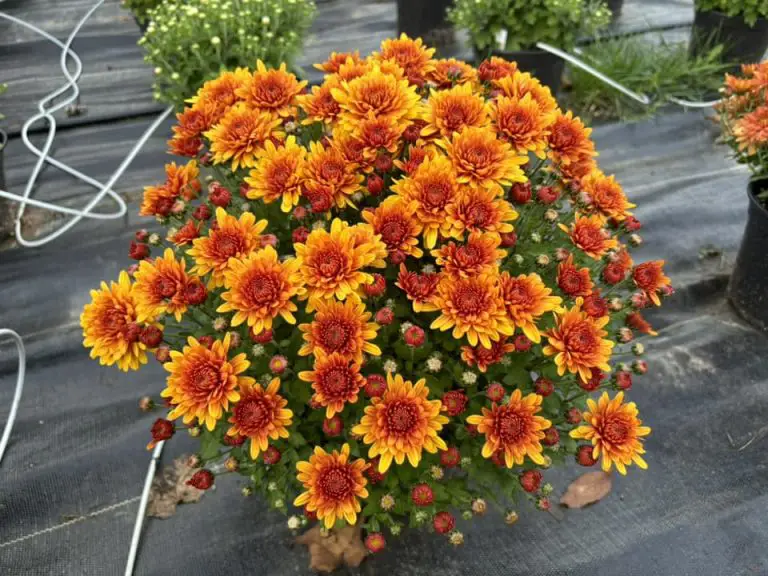
How Long Do Mums Last? Tips for Keeping Chrysanthemums Vibrant in Your Home
Chrysanthemums, or “mums” as we fondly call them, are one of the best flowers for fall color. Their vibrant blooms in shades of red, yellow, orange, and purple light up porches, gardens, and homes across America. But how long do mums last?
As someone who’s spent countless autumns tending to these beauties, I’ve learned a thing or two about keeping them thriving. Let’s dive into everything you need to know about mums, from their blooming cycle to care tips that keep them looking fresh for weeks—or even months!
Mums Overview
Mums are flowering plants from the genus Chrysanthemum, part of the Asteraceae family. Native to Asia and northeastern Europe, they’ve become a fall favorite in American homes. Why? Their bold colors and ability to bloom when other flowers fade make them perfect for autumn decor. From front porch displays to cozy indoor arrangements, mums scream “fall vibes.”
I remember my first mum—a bright yellow one I grabbed on a whim at a farmer’s market. I had no idea how to care for it, but its cheerful blooms lasted weeks, even with my neglect. That’s the magic of mums: they’re forgiving, versatile, and oh-so-pretty.
But how long can you expect those gorgeous blooms to stick around? Let’s break it down.
How Long Do Mums Last in General?
The lifespan of mums depends on several factors: the type, care, climate, and whether they’re grown indoors or outdoors. On average, potted mums in American homes bloom for 4 to 8 weeks during their peak season, typically from late summer to late fall (August to November).
Garden mums, when properly cared for, can last even longer. They can keep returning year after year as perennials in USDA Hardiness Zones 5–9.
Here’s a quick overview:
- Potted mums: These are often treated as annuals and bloom for 4–8 weeks with proper care. They’re popular for seasonal decor but may not survive winter if left outside in colder climates.
- Garden mums: Planted in the ground, these hardy perennials can bloom for 6–8 weeks each fall and return annually if protected from harsh winters.
- Cut mums: Used in bouquets, cut chrysanthemums can last 7–14 days in a vase with fresh water and proper care.
My neighbor, Sue, swears by her garden mums. She plants them every spring, and by September, her yard is full of color. With a little care, she gets 6 weeks of blooms and sees them return each year. Meanwhile, my potted mums on the porch usually last about a month.
Factors That Affect How Long Mums Last
Several variables influence the lifespan of your mums. Understanding these can help you stretch their blooming period.
1. Type of Mum
Not all mums are created equal. There are two main categories:
- Florist mums: These are bred for one-time, showy blooms and are typically sold in pots at grocery stores or nurseries. They’re less hardy and often treated as annuals, lasting 4–6 weeks.
- Garden mums: These are hardier, designed for planting in the ground. They can bloom for 6–8 weeks and survive winters in milder climates.
Pro Tip: Check the tag when buying. If it says “hardy mum,” it’s likely a garden mum that can overwinter.
2. Climate and Location
Mums thrive in cooler fall temperatures (50–70°F). In warmer parts of the U.S., like Florida or Southern California, blooms may fade faster due to heat. In cooler regions, like the Midwest or Northeast, they can last longer, especially if protected from early frosts.
Last year, I left my potted mum out during a surprise frost in Chicago. Big mistake—it wilted overnight! Now I bring them in or cover them when temperatures dip below 32°F.
3. Care and Maintenance
Proper care is key to extending mum life. This includes watering, sunlight, deadheading, and fertilizing. We’ll dive into these tips later.
4. Indoor vs. Outdoor
Indoor mums, kept in pots, often last 4–6 weeks with consistent care. Outdoor mums, whether potted or planted, can last longer but are more exposed to weather changes.
How to Make Mums Last Longer: Care Tips for American Homes
Want your mums to stay vibrant for as long as possible? Here are practical, beginner-friendly tips to keep them thriving.
1. Buy mums at the right time
Choosing the perfect time to buy mums also gives the perfect time to enjoy their blooms. In most parts of the U.S., garden centers and nurseries start stocking mums in late summer. I’ve found that shopping around mid-August gives you the best selection.
2. Choose Healthy Mums
Start with quality plants. When shopping, look for:
- Tight buds with just a few open blooms (this means they’ll bloom longer).
- Vibrant green leaves with no yellowing or wilting.
- Moist (not soggy) soil in the pot.
I once grabbed a half-price mum that looked droopy. It didn’t last a week. Lesson learned—healthy plants are worth the extra bucks.
3. Water Properly
Mums like consistently moist soil but hate being waterlogged. Here’s how to water:
- Potted mums: Water when the top inch of soil feels dry, usually every 2–3 days. Ensure pots have drainage holes to prevent root rot.
- Garden mums: Water deeply once or twice a week, depending on rainfall.
- Tip: Avoid watering the foliage to prevent fungal diseases.
I keep a small watering can by my porch mums. A quick check every couple of days keeps them happy.
4. Provide the Right Light
Mums love sunlight. Place them where they get:
- 6–8 hours of direct sunlight daily for outdoor mums.
- Bright, indirect light for indoor mums, near a sunny window.
If your porch is shady, like mine was last year, move potted mums to a sunnier spot during the day. It makes a huge difference!
5. Deadhead Regularly
Deadheading (removing spent blooms) encourages new flowers and extends blooming time. Use clean scissors to snip off faded flowers just above a leaf node. I make it a Sunday ritual to deadhead my mums while sipping coffee. It’s oddly satisfying and keeps them looking fresh.
6. Fertilize Sparingly
Mums don’t need heavy feeding. Use a balanced, water-soluble fertilizer (like 10-10-10) every 2–3 weeks during the growing season. Stop fertilizing once blooms appear to avoid stressing the plant.
7. Protect from Extreme Weather
- Frost: Cover outdoor mums with a blanket or move potted ones inside during frosts.
- Heat: In hot climates, provide afternoon shade to prevent wilting.
- Wind: Place potted mums in a sheltered spot to avoid drying out.
Overwintering Garden Mums
If you’re in USDA Zones 5–9, you can overwinter garden mums:
- After blooming, cut stems back to 3–4 inches above the ground.
- Mulch with 4–6 inches of straw or leaves to insulate roots.
- Water lightly during dry winter spells.
My friend in Minnesota swears by this method. Her mums come back stronger every year!
Indoor Mum Care
For indoor mums:
- Keep them in a cool room (60–70°F).
- Avoid placing near heaters or drafty windows.
- Mist occasionally to maintain humidity.
I kept a mum in my living room last fall, and it lasted 5 weeks with minimal effort—just a sunny spot and regular watering.
Common Mistakes That Shorten Mum’s Lifespan
Even seasoned gardeners make mistakes. Here are pitfalls to avoid:
- Overwatering: Soggy soil leads to root rot. Always check soil moisture before watering.
- Too little light: Mums in dark corners fade fast. Move them to brighter spots.
- Ignoring pests: Aphids and spider mites love mums. Inspect leaves regularly and use insecticidal soap if needed.
- Skipping deadheading: Leaving dead blooms stunts new growth.
I learned the overwatering lesson the hard way. My first mum turned into a mushy mess because I thought “more water = more love.” Nope!
How Long Do Cut Mums Last in a Vase?
Love using mums in bouquets? Cut chrysanthemums can last 7–14 days with these tips:
- Cut stems at a 45-degree angle to improve water uptake.
- Remove leaves below the waterline to prevent rot.
- Use a clean vase with fresh water and a floral preservative.
- Change the water every 2 days and recut stems slightly.
- Keep the bouquet away from direct sunlight, heat, or fruit (which releases ethylene gas that speeds wilting).
I made a mum bouquet for Thanksgiving last year, and it stayed fresh for nearly two weeks. My guests couldn’t believe they were still so vibrant!
Can Mums Be Planted Year-Round?
While fall is prime time for mums, you can plant garden mums in spring for stronger roots and longer blooms. Avoid planting in summer, as heat stress can weaken them. If you buy potted mums in the fall, you can plant them before the ground freezes for a chance at regrowth next year.
Here is how to promote year-round growth in different U.S regions:
- Northeast (Zones 4–6): Hardy mums thrive but need winter mulch to survive cold snaps.
- Midwest (Zones 4–6): Similar to the Northeast, protect from early frosts and heavy snow.
- South (Zones 7–9): Mums bloom well but may struggle in extreme heat. Provide afternoon shade.
- West Coast (Zones 8–10): Mild winters make overwintering easy, but watch for overwatering in rainy areas.
- Southwest (Zones 7–9): Heat-tolerant varieties do best; avoid overexposure to sun.
Creative Ways to Use Mums in Your Home
Mums aren’t just for planting. Here are fun ways to incorporate them:
- Porch displays: Pair potted mums with pumpkins and hay bales for a classic fall look.
- Indoor centerpieces: Use cut mums in vases or mix with greenery for dining table decor.
- Garden borders: Plant hardy mums along walkways for a colorful edge.
- Hanging baskets: Some varieties work beautifully in hanging pots.
Last fall, I created a porch display with mums, lanterns, and plaid blankets. It was Instagram-worthy and got compliments from every delivery driver!
Frequently Asked Questions (FAQs)
How long do potted mums last indoors?
Potted mums indoors typically last 4–6 weeks with bright, indirect light, consistent watering, and a cool environment (60–70°F).
Can mums survive winter?
Hardy garden mums can survive winter in USDA Zones 5–9 with proper mulching. Potted florist mums are less likely to overwinter but can be planted in spring for a chance to return.
Why are my mums wilting?
Wilting is often caused by overwatering, underwatering, too little light, or pest issues. Check soil moisture, ensure 6–8 hours of sunlight, and inspect for pests like aphids.
How often should I water mums?
Water potted mums when the top inch of soil is dry (every 2–3 days). Garden mums need deep watering once or twice a week, depending on rainfall.
Can I plant potted mums after they bloom?
Yes! Plant them in well-drained soil before the ground freezes. Trim back dead foliage and mulch for winter protection.
Do mums come back every year?
Hardy garden mums are perennials in Zones 5–9 and can return annually with proper care. Florist mums are often treated as annuals and may not regrow.
Suggested For You:
Explained: Can Mums Grow in Shade?
The Big Question Answered: Do Mums Grow Back Every Year?
Final thoughts
Chrysanthemums are the heart of fall, bringing warmth and color to homes. With the right care—proper watering, sunlight, deadheading, and frost protection—your mums can bloom for 4–8 weeks or longer. Whether you’re decorating your porch with potted mums or planting hardy varieties in your garden, these tips will help you get the most out of their vibrant beauty.
I’ve fallen in love with mums over the years, and I hope you do too. There’s nothing like their cheerful blooms to make an autumn day feel special. So grab a mum, give it some love, and enjoy the fall season in style!
References
- University of Minnesota Extension. (n.d.). Growing Chrysanthemums in the Garden. https://extension.umn.edu/flowers/growing-chrysanthemums
- The Old Farmer’s Almanac. (n.d.). Chrysanthemums: How to Plant and Grow Mums. https://www.almanac.com/plant/chrysanthemums
- National Garden Bureau. (2023). Chrysanthemum: Year of the Mum. https://ngb.org/year-of-the-chrysanthemum/
- Penn State Extension. (n.d.). Chrysanthemum Care. https://extension.psu.edu/chrysanthemum-care
- USDA Plant Hardiness Zone Map. (n.d.). https://planthardiness.ars.usda.gov/

Tim M Dave is a gardening expert with a passion for houseplants, particularly cacti and succulents. With a degree in plant biology from the University of California, Berkeley, he has vast experience in gardening. Over the years, he has cultivated a vast collection of desert plants and learned a great deal about how to grow and care for these unique companions.