10 Flowering Vines for Zone 7: Pet Friendly Choices
If you have ever stood in a garden center, plant tag in one hand and your phone in the other, frantically searching whether something is toxic to dogs or cats — you are not alone. As a pet owner and gardening enthusiast, I have been in that exact spot more times than I care to admit.
The good news is that USDA Hardiness Zone 7 offers a surprisingly generous growing climate, and within that climate, there are plenty of flowering vines that are both stunning and safe for your four-legged companions.
Zone 7 covers a wide geographic band across the United States — stretching through parts of Virginia, North Carolina, Tennessee, Arkansas, Oklahoma, New Mexico, Arizona, and the Pacific Northwest coast.
With average minimum winter temperatures between 0°F and 10°F (-17.8°C to -12.2°C), this zone supports a rich variety of perennial and annual climbing plants. The challenge is not finding vines that thrive here — it is finding ones that bloom beautifully and keep your pets safe.
This guide presents 10 flowering vines well-suited to Zone 7 that are considered non-toxic or low-risk to cats and dogs, along with practical growing guidance for each.
Why Pet Safety Matters When Choosing Garden Vines
Before diving into the plant list, it is worth understanding why this matters so much. Many popular ornamental vines contain compounds that are harmful — sometimes fatally so — to pets.
Common climbing plants like Wisteria (Wisteria sinensis), Clematis (Clematis spp.), Morning Glory (Ipomoea spp.), and English Ivy (Hedera helix) are frequently planted in Zone 7 gardens, yet all of them carry documented toxicity risks for dogs and cats.
Pets, especially curious dogs and young cats, tend to chew on leaves, flowers, and stems — particularly when they spend time outdoors in a garden setting. Even low-level toxin exposure can cause vomiting, diarrhea, lethargy, or more serious complications depending on the plant and the quantity consumed.
The ASPCA Animal Poison Control Center maintains an extensive database of toxic and non-toxic plants, and it is a resource every pet-owning gardener should bookmark. When in doubt, always cross-reference any plant before introducing it to a garden accessible to your animals.
With that in mind, here are ten flowering vines that earn their spot in a Zone 7, pet-friendly landscape.
1. Coral Honeysuckle (Lonicera sempervirens)
Coral Honeysuckle is arguably the best all-around flowering vine for Zone 7 pet-friendly gardens. It is native to the eastern United States, which means it is naturally adapted to the climate without needing excessive care. The tubular, coral-red flowers bloom from spring through fall and are a magnet for hummingbirds and butterflies.
- Toxicity status: Non-toxic to dogs and cats (ASPCA confirmed)
- Sun requirement: Full sun to partial shade
- Mature size: 10–20 feet
- Soil preference: Well-drained, tolerant of average soil
- Support needed: Trellis, fence, or arbor
Unlike Japanese Honeysuckle (Lonicera japonica) — an invasive species — Coral Honeysuckle is well-behaved, non-invasive, and wildlife-friendly. It is also semi-evergreen in the warmer parts of Zone 7, meaning you may enjoy some winter color even after the blooming season ends. For a garden that works hard across multiple seasons, this vine is an excellent starting point.
2. Passionflower (Passiflora incarnata)
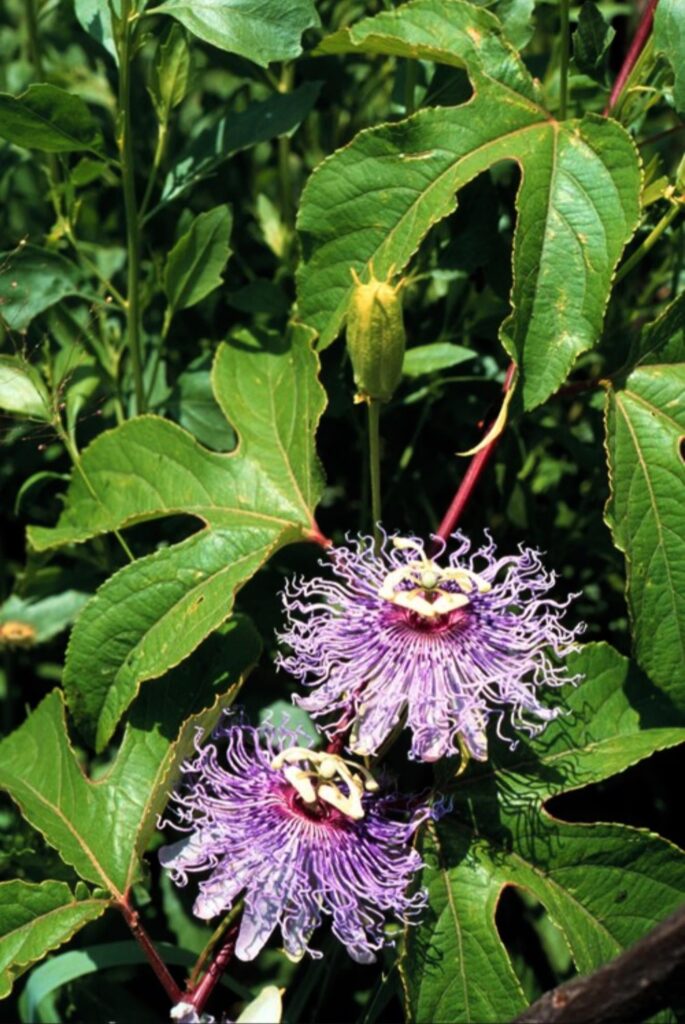
Few vines command as much attention as the native Passionflower, also known as Maypop. Its flowers are extraordinary — elaborate, fringed, purple-and-white blooms that look almost too exotic to belong in an American garden. And yet, this plant is native to the Southeast and thrives across Zone 7 with minimal fuss.
- Toxicity status: Generally considered non-toxic to dogs and cats
- Sun requirement: Full sun
- Mature size: 6–30 feet depending on support
- Bloom time: June through September
- Additional feature: Produces edible fruits attractive to wildlife
Passionflower is a host plant for several butterfly species, including the Gulf Fritillary and Zebra Longwing. This makes it a particularly valuable addition to a wildlife-friendly, pet-safe garden. It does spread by underground runners, so some light management may be needed to keep it in bounds — but the floral payoff is well worth the occasional trim.
3. Climbing Snapdragon / Chickabiddy (Asarina scandens)
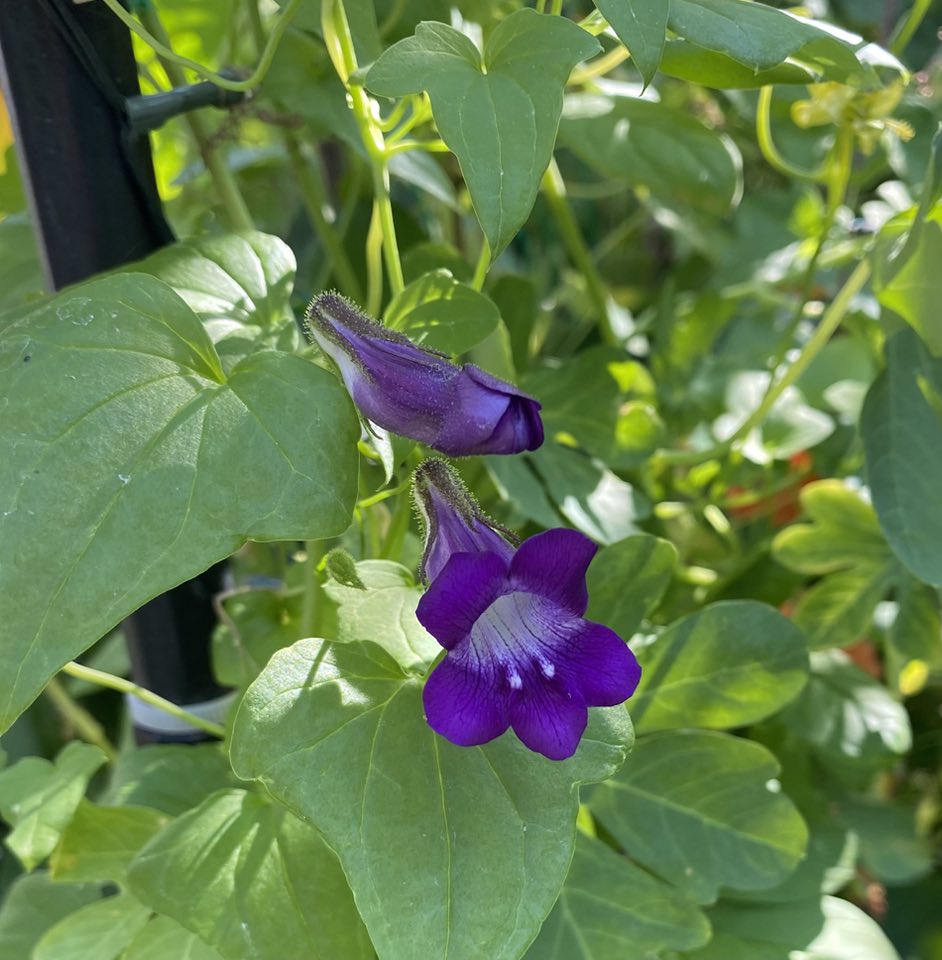
The Climbing Snapdragon is a lesser-known gem that deserves far more attention in Zone 7 gardens. Its trumpet-shaped flowers appear in shades of purple, pink, and white, and they bloom prolifically from summer through frost. This vine climbs by twining its leaf petioles around supports, making it well-suited to wire trellises and lattice panels.
- Toxicity status: Non-toxic to pets
- Sun requirement: Full sun to partial shade
- Mature size: 6–8 feet (treated as annual in cooler Zone 7 areas)
- Best use: Container gardening, trellises, window boxes
In the warmer sections of Zone 7, Asarina may behave as a short-lived perennial. Elsewhere, it performs beautifully as an annual that fills vertical space quickly. It is especially charming in cottage-style gardens and pairs well with other soft-colored flowers.
4. Scarlet Runner Bean (Phaseolus coccineus)
Do not let the word “bean” fool you — Scarlet Runner Bean is one of the most ornamental vining plants you can grow, with vivid red-orange flowers that bloom from summer into fall. It is fast-growing, easy to establish, and produces edible beans as a bonus.
- Toxicity status: Non-toxic (beans are edible for humans; not a documented pet hazard)
- Sun requirement: Full sun
- Mature size: 10–15 feet in a single season
- Soil preference: Rich, well-drained soil with consistent moisture
- Wildlife value: Attracts hummingbirds and bees
This vine thrives in Zone 7’s warm summers and will reliably cover a trellis or fence by midsummer. If you have dogs that graze in the garden, the edible nature of this plant provides added peace of mind. It is grown as an annual but self-seeds readily, meaning you may find it returning in subsequent years without replanting.
5. Climbing Roses — Selected Varieties (Rosa spp.)
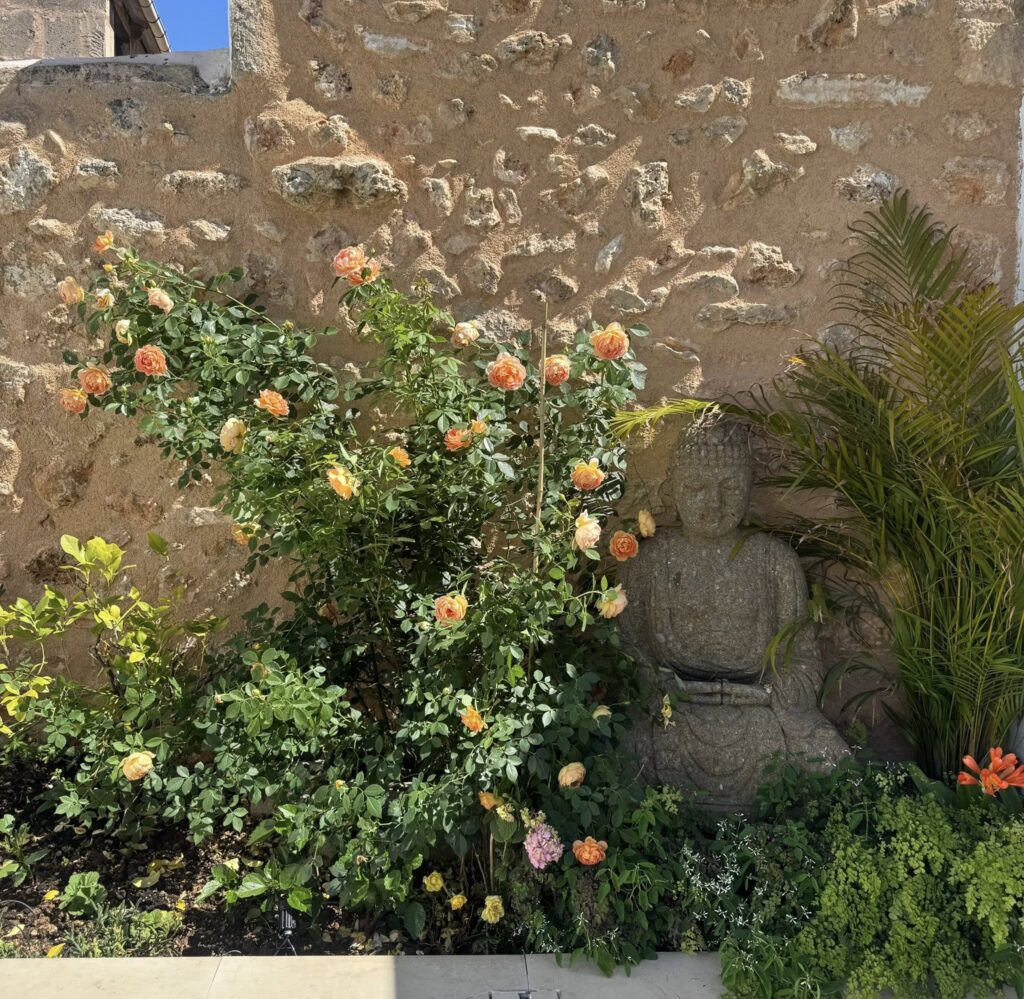
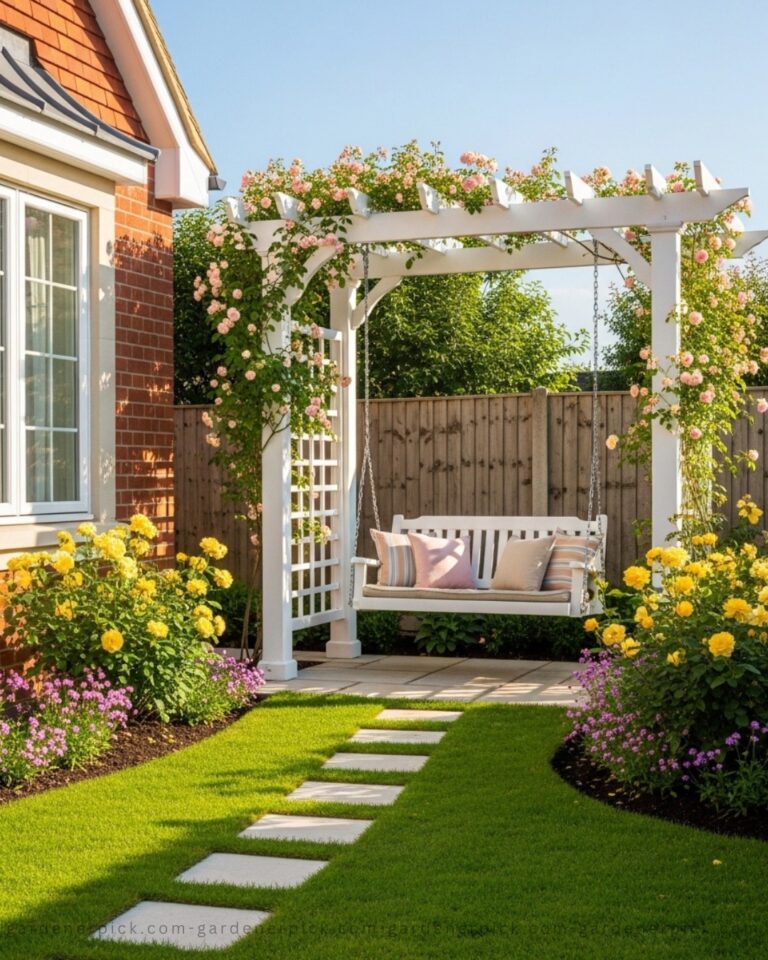
Roses may seem obvious, but they deserve a place on this list with an important nuance: not all climbing roses are created equal when it comes to pet safety. Roses themselves are considered non-toxic to dogs and cats by the ASPCA — the primary concern is the thorns, which can cause minor injuries if a pet runs through a thorny cane.
For Zone 7, some outstanding pet-tolerant climbing rose varieties include:
- ‘New Dawn’ — pale pink, repeat-blooming, vigorous
- ‘Blaze’ — bright red, disease-resistant, reliable
- ‘Don Juan’ — deep red, fragrant, excellent vertical grower
- ‘Fourth of July’ — red and white striped, semi-thornless
- Toxicity status: Non-toxic to dogs and cats (thorns are physical — not chemical — hazards)
- Sun requirement: Full sun (minimum 6 hours)
- Mature size: 10–20 feet depending on variety
- Bloom time: Late spring through fall (for repeat bloomers)
Choose thornless or low-thorn varieties if your pets are active in the garden — this eliminates the one legitimate concern with roses. With proper placement and variety selection, a climbing rose can be one of the most spectacular and safe additions to a Zone 7 trellis or pergola.
6. Canary Creeper / Canary Bird Vine (Tropaeolum peregrinum)
Related to the familiar Nasturtium, Canary Creeper is a delightful and dainty vine with finely cut leaves and bright yellow flowers that flutter like tiny birds in the breeze. It is fast-growing and particularly well-suited to cooler parts of Zone 7, as it prefers mild temperatures.
- Toxicity status: Non-toxic (Nasturtiums are considered safe for pets and even edible for humans)
- Sun requirement: Full sun to partial shade
- Mature size: 6–12 feet
- Bloom time: Summer through light frost
- Best use: Containers, light trellises, fences
Like its cousin the Nasturtium, Canary Creeper is wonderfully low-maintenance — it actually prefers poor soil and resents excessive fertilization, which makes it forgiving for new gardeners. It is grown as an annual in Zone 7 but self-seeds generously. If you are looking for something cheerful, unusual, and completely safe around your pets, this vine delivers.
7. Sweet Autumn Clematis (Clematis terniflora)
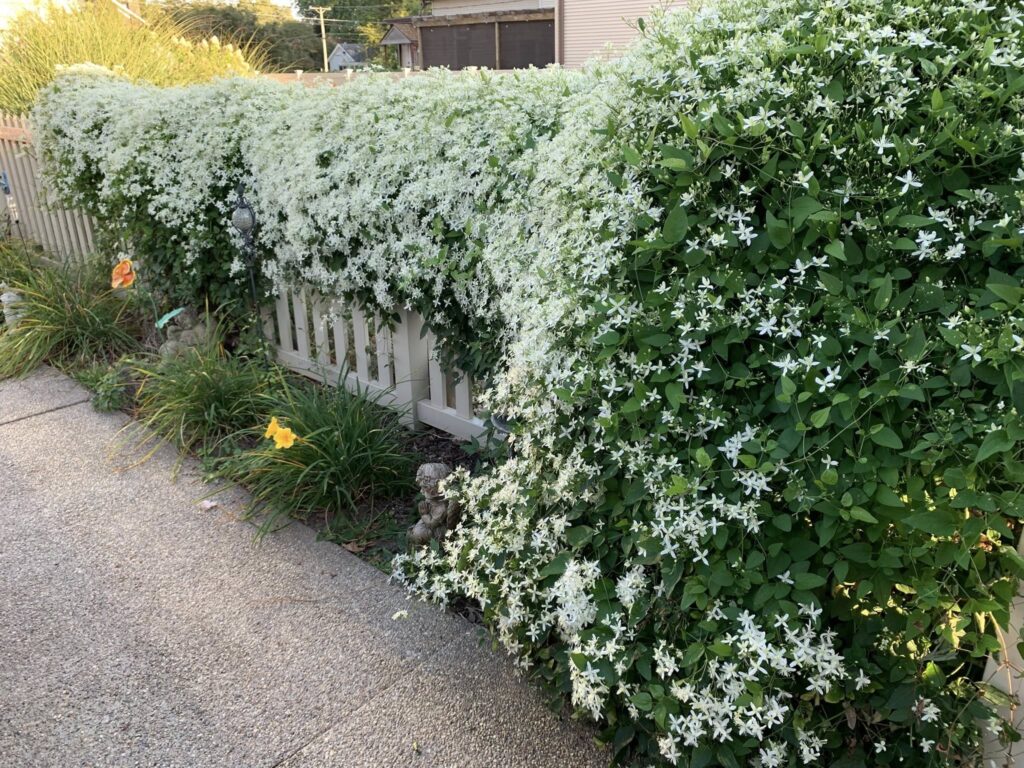
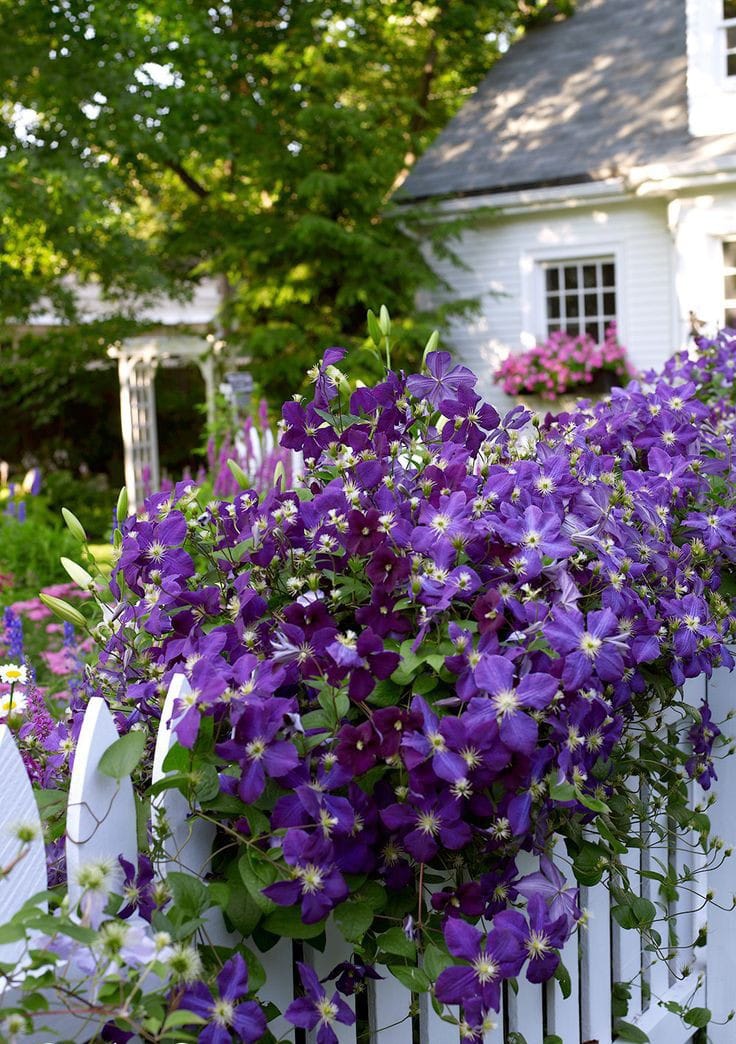
A word of careful context is needed here. Most Clematis species carry some toxicity risk to pets, primarily causing mild gastrointestinal irritation. However, Sweet Autumn Clematis (Clematis terniflora) is frequently noted as significantly lower risk compared to large-flowered hybrids, and many pet-safety sources categorize it as mildly toxic rather than severely dangerous.
- Toxicity status: Mildly toxic (may cause mild GI upset if ingested in large quantities — monitor pets)
- Sun requirement: Full sun to partial shade
- Mature size: 15–30 feet
- Bloom time: Late summer through fall
- Flower character: Masses of small white, fragrant flowers followed by feathery seed heads
If your pets rarely chew plants and you are looking for dramatic late-season coverage with incredible fragrance, Sweet Autumn Clematis fills that niche like almost nothing else can. However, if you have a dog or cat that regularly chews garden plants, it is wise to skip this one and choose from the confirmed non-toxic options on this list.
Always consult your veterinarian if you are unsure about a plant’s safety for your specific pet.
8. Crossvine (Bignonia capreolata)
Crossvine is a powerhouse native vine for Zone 7 that is far too often overlooked. Its common name comes from the cross-shaped pattern visible when the stem is cut. In early spring, it erupts in clusters of tubular, orange-red flowers with yellow interiors — a color combination that is nothing short of striking.
- Toxicity status: Not listed as toxic by ASPCA; no documented toxicity to dogs or cats
- Sun requirement: Full sun to partial shade
- Mature size: 30–50 feet (highly vigorous)
- Bloom time: March through May, occasionally reblooms in fall
- Special feature: Clings to surfaces using tendrils with adhesive discs — no trellis required
Crossvine is semi-evergreen across most of Zone 7, holding its foliage through mild winters and turning a handsome bronze-purple in cold weather. It is one of the few vines that will willingly climb masonry, brick, and wood fences without additional support, making it exceptional for covering large structures. Because of its vigor, give it space — and perhaps a sturdy pergola or privacy fence to conquer.
9. Hyacinth Bean Vine (Lablab purpureus)
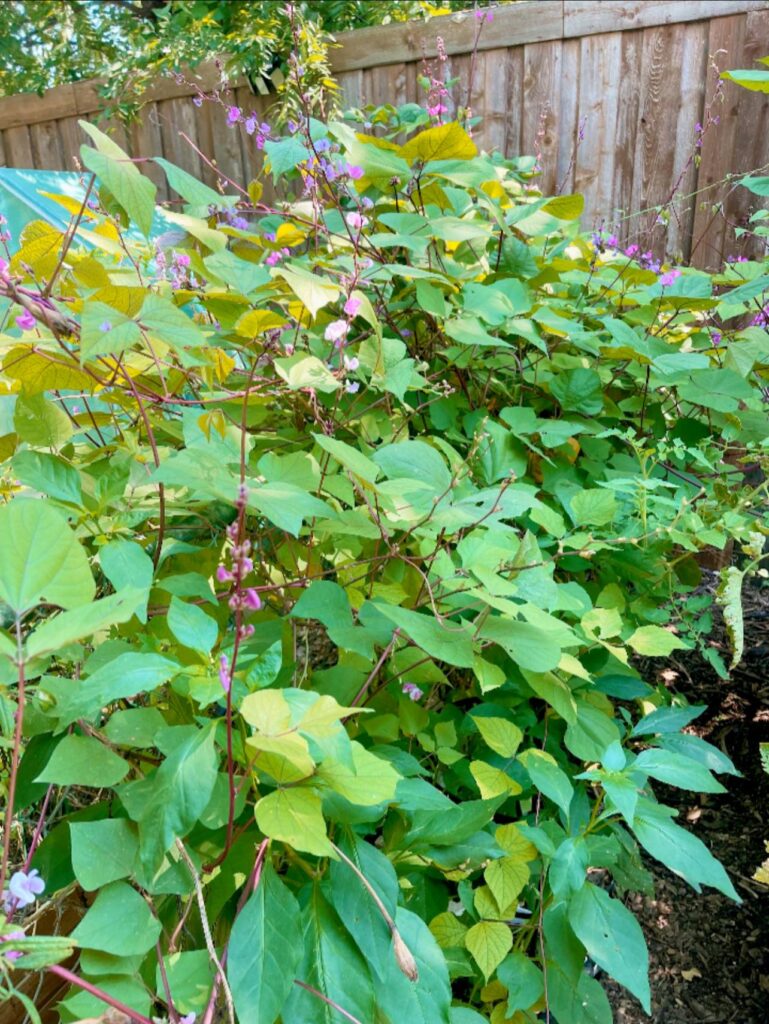
Few annual vines match the sheer ornamental drama of the Hyacinth Bean Vine. Its deep purple stems, dark-green leaves with purple veining, rosy-purple flowers, and glossy purple seed pods create a multi-layered display that lasts from midsummer through fall.
- Toxicity status: Seeds contain mild toxic compounds (cyanogenic glucosides) in raw form — keep pets away from seed pods. Foliage and flowers have no documented toxicity issues at normal exposure levels.
- Sun requirement: Full sun
- Mature size: 10–20 feet in a single season
- Bloom time: Midsummer through frost
- Best use: Arbors, fences, screening
The primary caution here is the seed pods, which should be monitored — especially around dogs who may chew on dangling plant material. If your garden setup allows you to manage pod formation (deadheading before seeds fully develop), this vine can be used more freely around pets. In a well-managed garden, it remains one of the most visually spectacular annual vines for Zone 7.
10. Virgin’s Bower (Clematis virginiana)
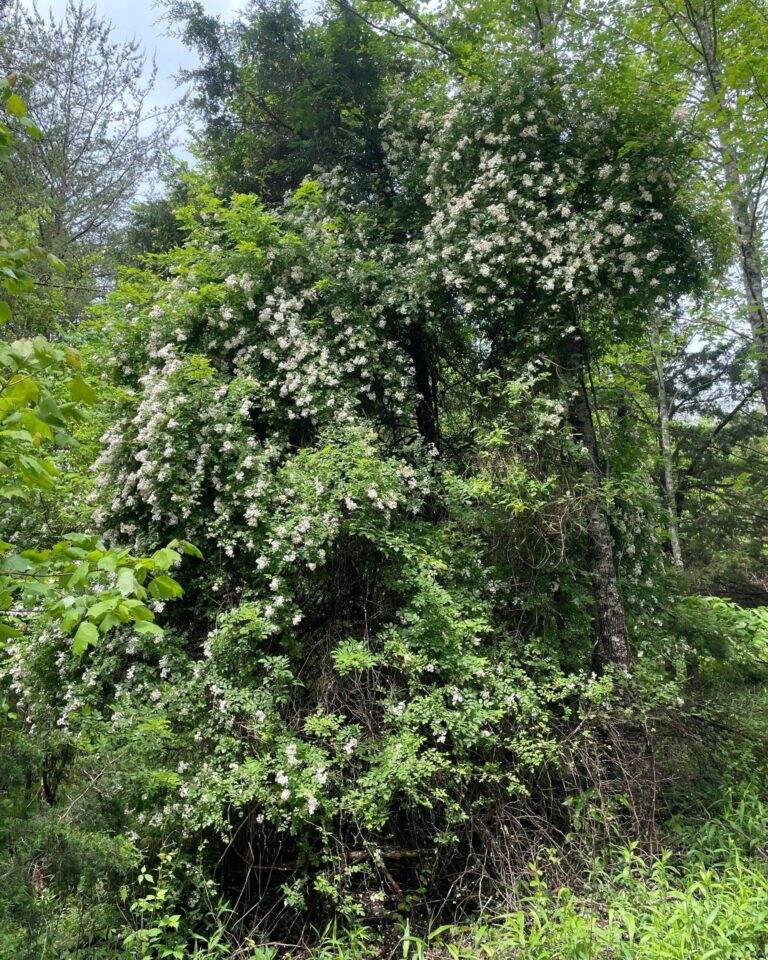
A close native relative of the non-native Clematis species, Virgin’s Bower is an American native vine that graces streamsides, forest edges, and garden fences with masses of small white flowers in late summer. It is more vigorous and better adapted to Zone 7’s native ecosystem than many garden Clematis hybrids.
- Toxicity status: Similar mild caution as other Clematis — may cause mild irritation in large quantities. Risk is considered low at incidental contact.
- Sun requirement: Full sun to partial shade
- Mature size: 12–20 feet
- Bloom time: August through September
- Wildlife value: Excellent for native bees and pollinators
Virgin’s Bower supports native pollinators exceptionally well, and its feathery seed heads provide winter interest and bird habitat. For gardeners committed to native planting, this vine fills a unique late-season niche that few other native climbers can match. As with Sweet Autumn Clematis, use your judgment based on your pet’s habits.
General Growing Tips for Zone 7 Flowering Vines
Planting these vines successfully in Zone 7 comes down to a few consistent principles:
- Provide adequate support early. Most vines establish better when they have something to climb from the beginning. Install your trellis, arbor, or wire support before planting, not after.
- Water deeply during the first growing season. Zone 7 summers can be hot and dry in many regions. Newly planted vines need consistent moisture to develop strong root systems before they can tolerate drought.
- Mulch generously. A 2–3 inch layer of organic mulch at the base of the plant conserves moisture, regulates soil temperature, and suppresses weeds — all critical factors in a successful first year.
- Fertilize modestly. Overfertilizing vines — particularly with high-nitrogen fertilizers — often produces abundant foliage at the expense of flowers. A balanced slow-release fertilizer in early spring is typically sufficient.
- Prune at the right time. Timing depends on whether your vine blooms on old wood or new wood. Coral Honeysuckle and Crossvine bloom on old wood — prune immediately after flowering. Scarlet Runner Bean and annual vines require no pruning strategy beyond seasonal management.
A Note on Monitoring Your Pets
Even with a garden planted exclusively with non-toxic or low-risk vines, it is good practice to supervise pets in the garden, particularly during the first season when everything is new and curiosity runs high. Watch for signs of plant ingestion — drooling, vomiting, lethargy, or unusual behavior — and contact your veterinarian or the ASPCA Animal Poison Control Center (888-426-4435) immediately if you suspect your pet has consumed any plant material in significant quantity.
A pet-safe garden is a layered effort. Choosing the right plants is the foundation — but thoughtful design, placement, and supervision complete the picture.
Suggested For You:
20 Invasive Vines That Can Kill Your Trees (And What to Do About Them)
15 Best Climbing Vines for Pergolas: Picks That Will Transform Your Outdoor Space
15 Best Climbing Vines for a Trellis: Turn Your Plain Yard Into a Living Masterpiece
25 Best Rain Garden Plants: Native Perennials, Shrubs, and Grasses
15 Stunning Climbing Vines with Purple Flowers: Purple Power That Will Transform Any Garden
Final Thoughts
Creating a beautiful Zone 7 garden that is also safe for your pets is entirely achievable. The ten flowering vines covered here — from the hummingbird-loved Coral Honeysuckle to the exotic-looking Passionflower, from the cheerful Canary Creeper to the dramatic Hyacinth Bean Vine — prove that you do not have to choose between a stunning garden and a safe one.
The key is doing your research before you plant, not after. Every plant you introduce to a garden shared with pets deserves careful vetting. The resources below will help you go deeper on pet-safe gardening and Zone 7 horticulture alike.
Your pets trust you with their safety. With the right plant choices, your garden can reward that trust — beautifully.
References
- ASPCA Animal Poison Control Center — Toxic and Non-Toxic Plant List https://www.aspca.org/pet-care/animal-poison-control/toxic-and-non-toxic-plants
- University of California, Davis — Veterinary Medicine: Pet Poison Information https://www.vetmed.ucdavis.edu/hospital/small-animal-clinic/pet-health-topics
- USDA Agricultural Research Service — USDA Plant Hardiness Zone Map https://planthardiness.ars.usda.gov/
- North Carolina State University Extension — Plants Database (Poisonous Plants) https://plants.ces.ncsu.edu/
- Cornell University College of Agriculture and Life Sciences — Poisonous Plants Affecting Dogs and Cats https://www.cornell.edu/video/poisonous-plants-dogs-cats

Tim M Dave is a gardening expert with a passion for houseplants, particularly cacti and succulents. With a degree in plant biology from the University of California, Berkeley, he has vast experience in gardening. Over the years, he has cultivated a vast collection of desert plants and learned a great deal about how to grow and care for these unique companions.