Closed vs. Open Cactus Terrarium: Which is Better for You?
A cactus terrarium is a miniature desert ecosystem housed in a glass container. It’s a stylish way to display cacti and succulents while controlling their environment. I love how they add a touch of nature to my living room without needing constant care.
But here’s the catch: terrariums come in two main types—open and closed. Each has unique features that suit different homes and lifestyles.
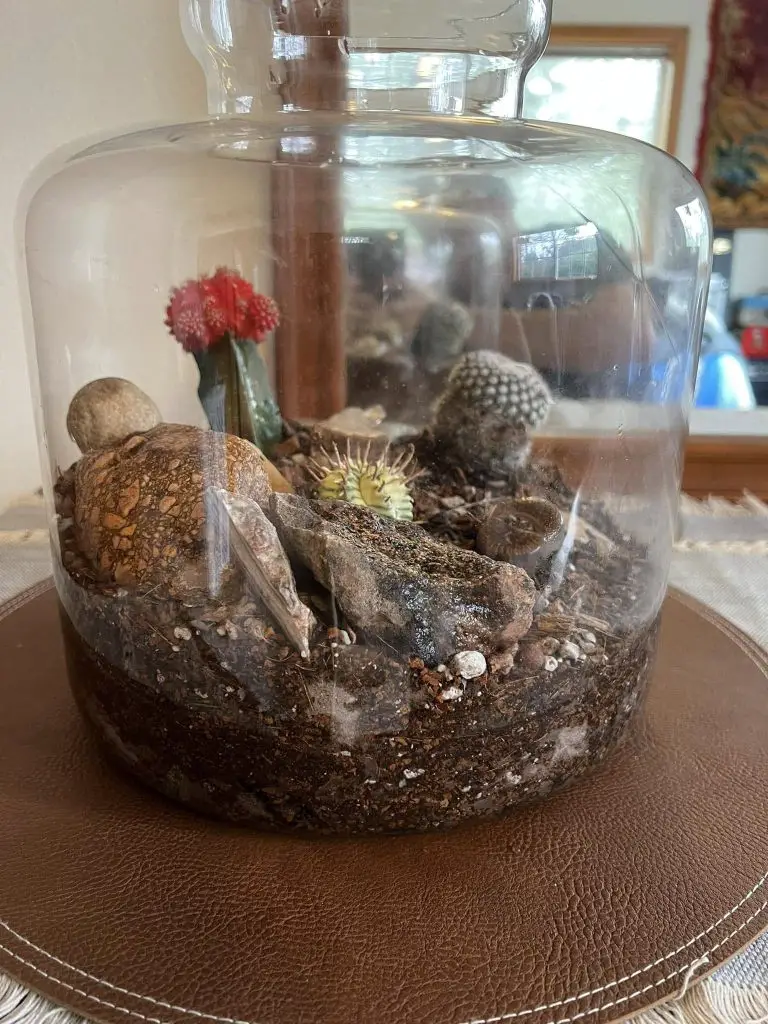
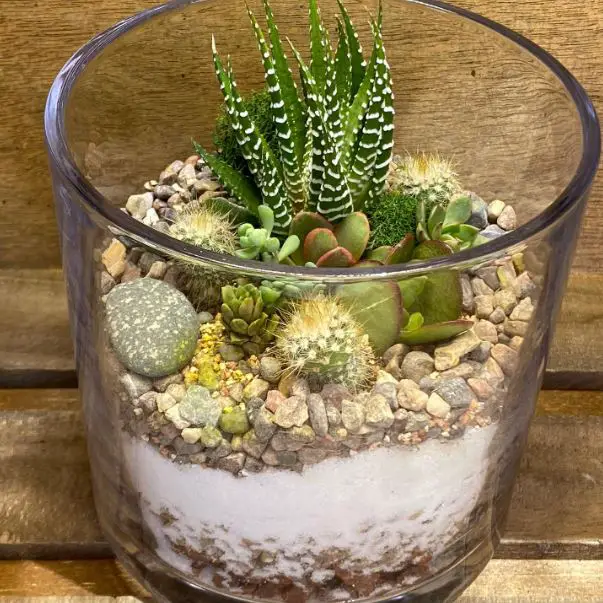
- Open cactus terrariums have no lid, allowing air to flow freely. They mimic the dry, airy conditions of a desert.
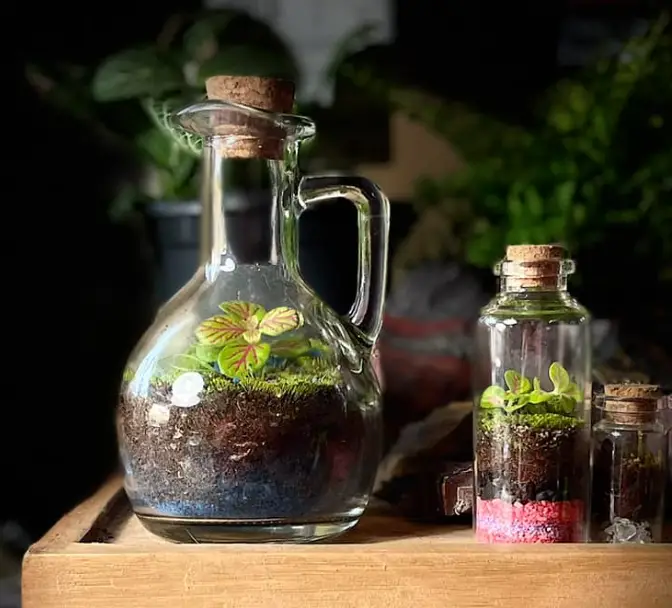
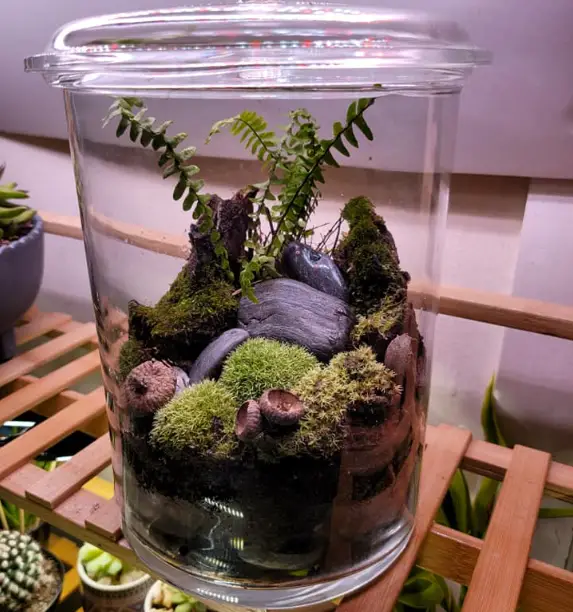
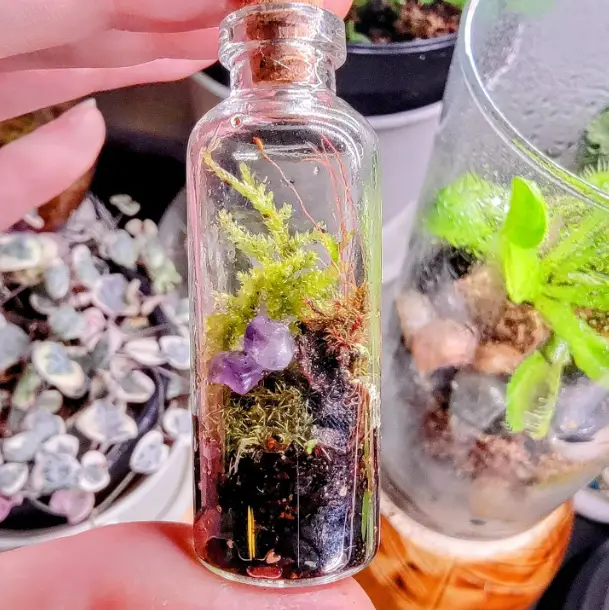
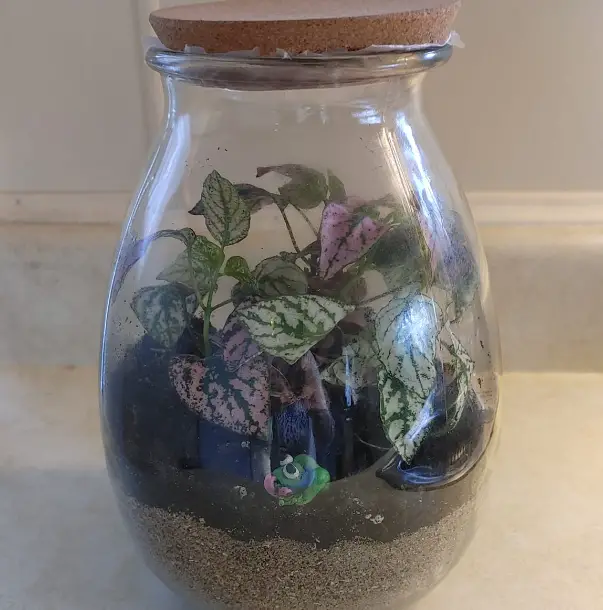
- Closed cactus terrariums have a lid or seal, trapping moisture and creating a humid environment.
When I decided to bring some desert charm into my home, I faced a big question: should I go for a closed or open cactus terrarium? Both have their benefits, but choosing the right one depends on your space, style, and how much effort you want to put in.
Let’s dive into the pros and cons of each to see which fits your home best.
Open Cactus Terrarium – The Desert Dream
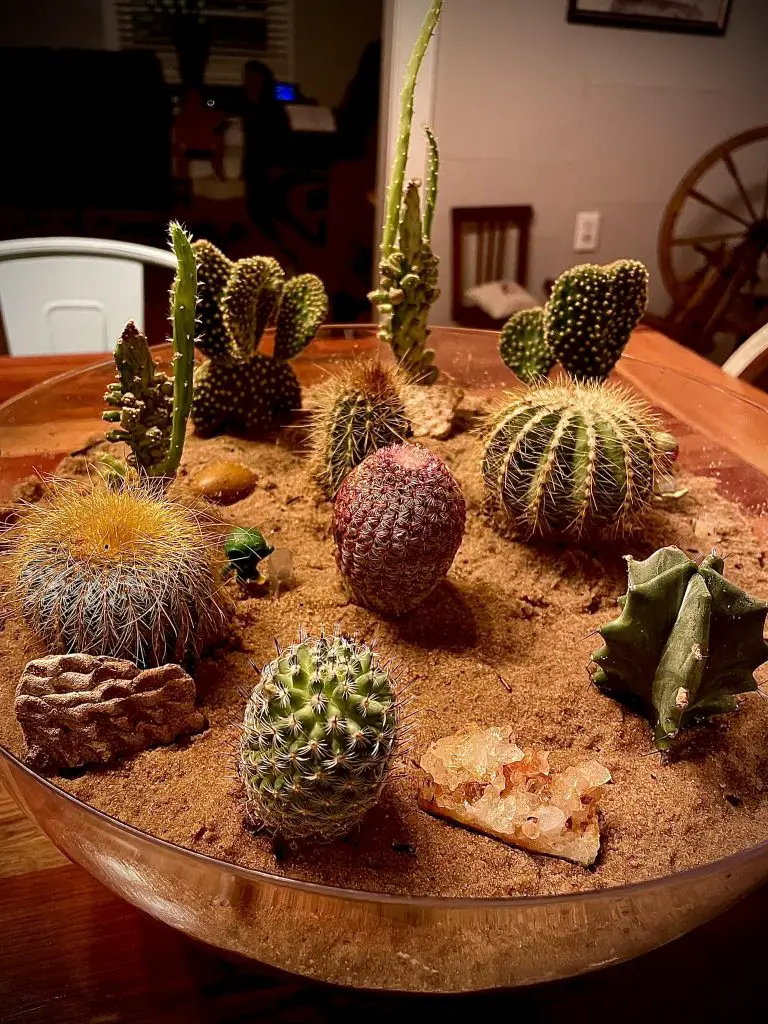
When I first set up an open cactus terrarium, I was hooked. It’s just a glass container with no lid, filled with sand, pebbles, and my favorite cacti like the Echinopsis and Mammillaria. The open design feels like a tiny slice of the Arizona desert on my coffee table.
Benefits of open cactus terrariums
- Perfect airflow for cacti
Cacti thrive in dry, well-ventilated conditions. Open terrariums let air circulate, preventing moisture buildup that can cause root rot. In my dry Colorado apartment, this was a game-changer. - Low maintenance
I water my open terrarium maybe once a month. The lack of a lid means excess moisture evaporates quickly, so I don’t worry about overwatering. According to the University of Arizona’s Cooperative Extension, cacti need minimal water, making open setups ideal. - Easy to customize
I love adding quirky decorations like tiny cowboy figurines or colorful rocks. The open design makes it easy to rearrange without disturbing the plants. It’s perfect for my creative side. - Great for dry climates
Many homes in the U.S., especially in the Southwest or Midwest, have low humidity. Open terrariums work well in these conditions, mimicking the arid environments cacti love.
Drawbacks of open cactus terrariums
- Dust and debris
Without a lid, my terrarium collects dust. I have to wipe down the glass and plants occasionally, which isn’t a big deal but can be annoying. - Faster evaporation
During a hot summer, the soil dried out faster than expected. I had to keep an eye on it to avoid under-watering my cacti. - Less humidity control
If you live in a humid area like Florida, an open terrarium might not hold enough moisture for certain succulents that prefer a bit more humidity.
Closed Cactus Terrariums: A Mini Greenhouse
My second experiment was a closed cactus terrarium. It’s a sealed glass container that traps moisture, creating a humid microclimate. I thought it looked like a tiny greenhouse, and it added a sleek, modern vibe to my home office.
Benefits of closed cactus terrariums
- Higher humidity for unique Cacti
Some cacti, like jungle varieties (Rhipsalis), prefer slightly humid conditions. A closed terrarium keeps moisture in, which worked well for my Rhipsalis baccifera. The Missouri Botanical Garden notes that these cacti thrive in controlled humidity. - Less frequent watering
I barely water my closed terrarium—once every two months or so. The sealed environment recycles moisture, making it super low-maintenance. - Protection from dust
The lid keeps dust and pet hair out, which is great since my cat loves to sniff around my plants. It’s a cleaner option for busy households. - Stunning aesthetic
Closed terrariums have a magical, self-contained look. The glass fogs up slightly, giving it a mystical vibe that’s perfect for Instagram.
Drawbacks of closed cactus terrariums
- Risk of over-humidity
Most cacti hate too much moisture. I learned this the hard way when one of my Opuntia started to rot. You need to monitor humidity levels closely. - Limited airflow
Without ventilation, mold or fungus can develop. I had to crack the lid open occasionally to let air circulate, which felt like cheating the “closed” system. - Trickier to maintain
Rearranging plants or cleaning the glass is harder with a lid. I fumbled a bit trying to adjust my setup without upsetting the delicate balance inside. - Not ideal for dry climates
In arid regions like Nevada, a closed terrarium might trap too much moisture for desert cacti, leading to care challenges.
Comparison Table: Open vs. Closed Cactus Terrariums
Here’s a quick side-by-side look at open and closed cactus terrariums to help you decide:
| Feature | Open Cactus Terrarium | Closed Cactus Terrarium |
| Airflow | High, mimics desert conditions | Low, traps moisture |
| Watering frequency | Monthly, depending on climate | Every 1-2 months, moisture recycles |
| Humidity control | Low, better for dry climates | High, suits jungle cacti or humid areas |
| Maintenance | Easy, but dust collects | Trickier, but cleaner and less dusting |
| Aesthetic | Rustic, customizable | Sleek, self-contained, modern |
| Best for | Desert cacti, dry climates (e.g., Southwest USA) | Jungle cacti, humid climates (e.g., Southeast USA) |
| Risks | Under-watering, dust buildup | Over-humidity, mold, rot |
| Cost | Affordable, simple containers | Slightly pricier due to sealed designs |
Which is Better for Your
Choosing between an open or closed cactus terrarium depends on your home’s climate, your lifestyle, and the aesthetic you’re going for. Here’s how to decide:
1. Consider your climate
In dry Climates such as Arizona, Nevada, and Colorado, open terrariums are your best bet. They mimic the arid conditions cacti love. For humid Climates like Florida, Louisiana, and Georgia, closed terrariums can work well, especially for jungle cacti. Just be cautious about over-humidity with desert species.
2. Match your lifestyle
Busy or Forgetful? Go for an open terrarium. It’s forgiving if you miss a watering or two. I’m guilty of neglecting my plants sometimes, and my open setup didn’t mind. A closed terrarium also lets you play with a controlled ecosystem. I enjoyed tweaking the humidity in mine, but it took more attention.
3. Think about aesthetics
Open terrariums let you get creative with decorations. I added tiny tumbleweed replicas to mine for a Wild West feel. On the other hand, closed terrariums look sleek and polished. My closed setup sits on my desk, and guests always comment on its futuristic look.
My Experience
In my Colorado home, the open terrarium was a clear winner. The dry air and bright sunlight made it easy to maintain, and I loved customizing it. But when I visited my friend in Miami, her closed terrarium stole the show—it handled the humidity like a champ and looked stunning.
So, your choice depends on where you live and how much effort you want to put in.
Tips for Setting Up Your Cactus Terrarium
Whether you choose open or closed, here are some tips to make your terrarium thrive in your American home:
- Choose the right container. For open terrariums, I use wide, shallow glass bowls from thrift stores. For closed ones, I found a sealed glass jar at The Home Depot. Make sure it’s clear for maximum light.
- Use proper soil. Cacti need well-draining soil. I mix 50% potting soil with 50% sand or perlite, as recommended by the Royal Horticultural Society. This prevents soggy roots.
- Pick the right cacti. For open terrariums, try desert cacti like Echinopsis or Ferocactus. For closed ones, jungle cacti like Rhipsalis or Schlumbergera work better. Check out Mountain Crest Gardens for a great selection.
- Get the light right. Cacti love bright, indirect light. I place mine near a south-facing window. If your home lacks natural light, consider a grow light.
- Water sparingly. Overwatering is the number one killer of cacti. I use a spray bottle to lightly mist my open terrarium monthly and check my closed one every six weeks.
- Add decor. I love adding pebbles, colored sand, or mini figurines. For inspiration, browse Pinterest for terrarium design ideas.
FAQs
Q: Can I use the same cacti in both open and closed terrariums?
A: Not always. Desert cacti like Mammillaria do better in open terrariums due to their low humidity needs. Jungle cacti like Rhipsalis can handle closed terrariums. Check plant tags or consult The Spruce for species-specific care.
Q: How often should I water my cactus terrarium?
A: Open terrariums need watering every 3-4 weeks, depending on your climate. Closed terrariums can go 6-8 weeks since the moisture recycles. Always check soil dryness first.
Q: Do closed terrariums need ventilation?
A: Yes, occasionally. I open my closed terrarium for a few hours every month to prevent mold. Good airflow is key, even in sealed setups.
Q: Are closed terrariums more expensive?
A: Slightly. Sealed containers cost a bit more, but you can find affordable options at stores like Target. Open terrariums can be made with any glass container.
Q: Can I mix cacti and succulents in one terrarium?
A: Yes, but ensure they have similar care needs. I mix Echeveria succulents with Mammillaria cacti in my open terrarium, and they get along great.
Final Thoughts – Which Should You Choose?
After trying both, I lean toward open cactus terrariums. They’re easier to care for, especially in dry climates, and I love the flexibility to get creative with decor. But if you’re in a humid area or want a sleek, low-maintenance setup, a closed terrarium might be your vibe.
Either way, both bring a touch of desert magic to your space. Ready to start your cactus terrarium journey? Grab a container, pick your cacti, and create a mini desert that fits your style. Have questions or need more tips? Drop a comment below.

Tim M Dave is a gardening expert with a passion for houseplants, particularly cacti and succulents. With a degree in plant biology from the University of California, Berkeley, he has vast experience in gardening. Over the years, he has cultivated a vast collection of desert plants and learned a great deal about how to grow and care for these unique companions.