Do Christmas Cactus Like Humidity? (How Much)
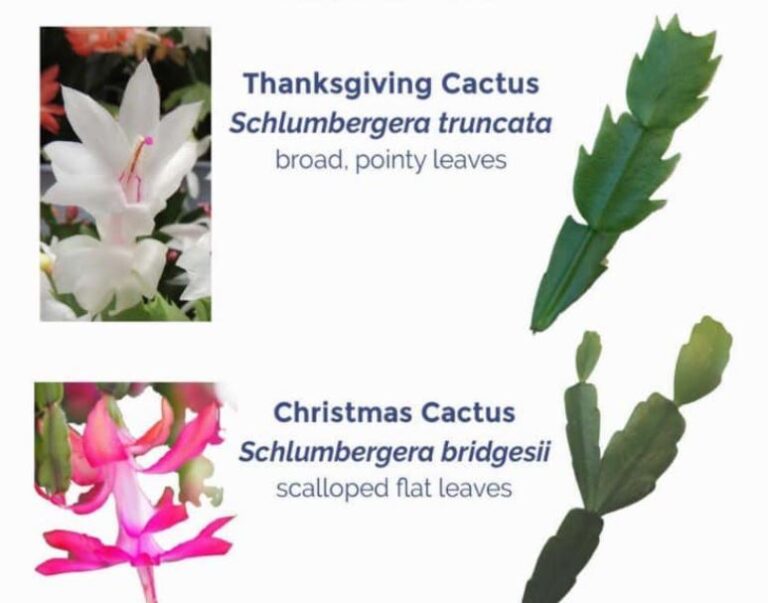
The Christmas cactus, scientifically known as Schlumbergera bridgessii, isn’t a typical desert-dwelling succulent. Native to the misty rainforests of Brazil, they are adapted to environments where moisture hangs heavy in the air.
They don’t root in soil but grow as epiphytes on trees and rocks. They draw moisture from the humid air and occasional rain. Dry spells are rare; instead, they are protected by the forest canopy from direct sun. This epiphytic lifestyle explains their preferences.
Studies from botanical societies show that Christmas cacti absorb atmospheric moisture through stomata on their stems, much like orchids. Without it, they enter survival mode, prioritizing water storage over growth and flowering.
So, do Christmas cacti like humidity? The short answer is yes. Aim for 50-70% relative humidity for optimal health. Below 40%, you’ll see signs of distress. Conversely, humidity above 80%, fungal issues can creep in.
Signs Your Christmas Cactus Is Begging for More Humidity
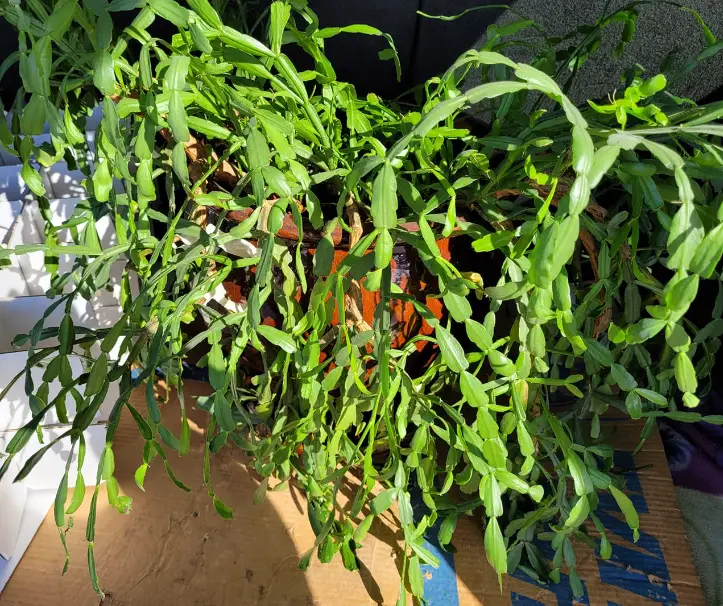
The Christmas cactus will tell you when the humidity is off. Watch for these telltale symptoms:
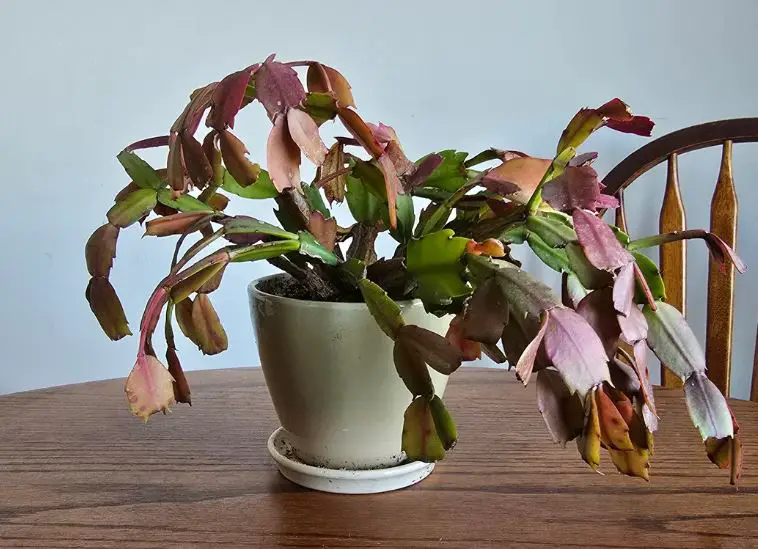
- Shriveled or wrinkled segments: The leaves curl like raisins, signaling dehydration. In my dry apartment phase in Chicago (pre-humidifier), this was my wake-up call.
- Bud drop: Flowers form, then plummet—often from sudden dry air blasts from vents.
- Brown or scorched tips: Edges turn crispy, mimicking overwatering but actually from low moisture.
- Slow growth: Without humidity, energy goes to survival, not expansion.
- Pest invitation: Spider mites love thirsty and stressed plants; check undersides for webbing. Conversely, too much humidity (over 80% with poor air flow) invites mealybugs or rot.
If you spot these, act fast. A quick mist can revive, but long-term solutions follow.
Ways to Boost Humidity Indoors
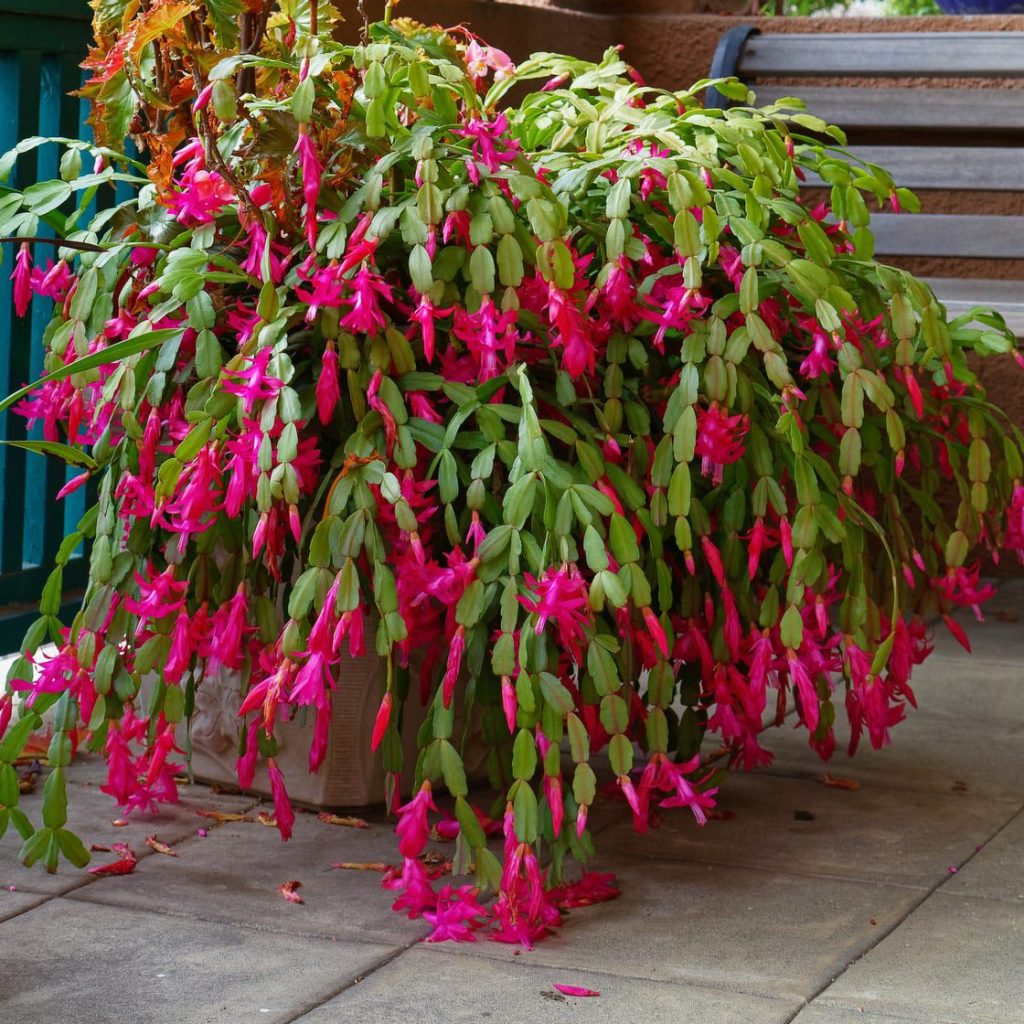
Most American gardeners grow Christmas cacti indoors, especially north of Zone 9. Here’s how to create a rainforest vibe without turning your living room into a swamp.
1. Misting regularly
Spray leaves with room-temperature water 2-3 times a week using a fine mister. Aim for the undersides to hit the stomata directly. In humid Florida homes, once daily suffices; in bone-dry Colorado, bump to every other day. This is a cheap, immediate relief that mimics rain.
Personal Tip: Use distilled water to avoid mineral buildup.
2. Pebble trays
Fill a shallow tray with pebbles, add water to just below the stone level, and set your pot atop. The evaporation of water will raise local relative humidity by 10-20%. In Midwest basements (low natural humidity), pair with a fan for circulation. I’ve used this in my Zone 6 setup—blooms doubled.
3. Humidifiers
Invest in an ultrasonic cool-mist model. Set to 50-60% RH and place 3-5 feet away. This method offers a consistent indoor humidity supply and covers larger areas. In humid zones like California, a small tabletop version suffices. Dry areas need a whole-room capacity.
4. Grouping plants
Cluster your Christmas cactus with other plants such as ferns or peace lilies. The transpiration from neighbors boosts collective humidity. Be sure to inspect for pests before grouping your plants together. The invaders can quickly spread if one plant suffers.
5. Bathroom or kitchen relocation
Bathrooms and kitchens are steamy spots. The areas naturally hit 60% and above from showers and cooking. Just make sure bright indirect light is often available. You may combine with other methods for the best results.
Beyond Humidity (Integrated Care for Thriving Plants)
Humidity doesn’t act alone. To get your Christmas cactus thriving, here are a few additional things to consider.
Light – Bright but filtered
Provide 4-6 hours of indirect sun daily. East windows are ideal. For south-facing windows, use sheer curtains, especially in sunny states like Arizona.
Watering – Moist, not soggy
Water when the top inch dries. Always insert your finger in the soil to test. Use rainwater if possible; tap water’s chlorine dries leaves.
Soil and potting: Aerated and acidic
Repot your Christmas cactus every 2-3 years in spring. Use a potting mix with perlite/orchid bark. (pH 5.5-6.5). The pot should have drainage holes.
Fertilizing – Light feeds
Fertilize monthly in the growing season (spring and summer) with a diluted balanced formula like 20-20-20. Skip in winter—overfeeding stresses the plant in low humidity.
Pruning and propagation
Snip a few stems after blooming and root cuttings in moist perlite or your preferred media. After rooting, transplant, or share the holiday joy.
Final thought
In wrapping up, do Christmas cacti like humidity? Unequivocally yes—it’s the secret sauce to their vibrant, recurring blooms. By tuning into their tropical roots and adapting to climate conditions, you’ll cultivate not just plants, but holiday memories.

Tim M Dave is a gardening expert with a passion for houseplants, particularly cacti and succulents. With a degree in plant biology from the University of California, Berkeley, he has vast experience in gardening. Over the years, he has cultivated a vast collection of desert plants and learned a great deal about how to grow and care for these unique companions.