How Long Do Christmas Cactus Flowers Last?
As the holiday season approaches, many of us turn our eyes to the vibrant beauty of the Christmas cactus. This isn’t your typical desert-dwelling succulent. It’s a tropical gem that brings a splash of color to our homes and gardens during the coldest days of the year.
Native to the shady, humid rainforests of Brazil, the Christmas cactus (Schlumbergera bridgesii) has become the favorite in many American households. It blooms right during the Christmas holiday. But one question keeps gardeners up at night: How long do Christmas cactus flowers last?
Before we tackle this burning question, it’s essential to know a little more about this cherished plant. Often mistaken for its spiny cousins, the Christmas cactus is actually an epiphyte. It grows on trees in the wild, sipping moisture from the air rather than digging deep into arid soil.
In the U.S., it’s grown primarily as a houseplant and as an heirloom. I’ve seen these plants passed down through generations in my family. My grandmother’s 40-year-old specimen still blooms reliably in our sunroom, a testament to its resilience.
The Lifespan of Christmas Cactus Flowers
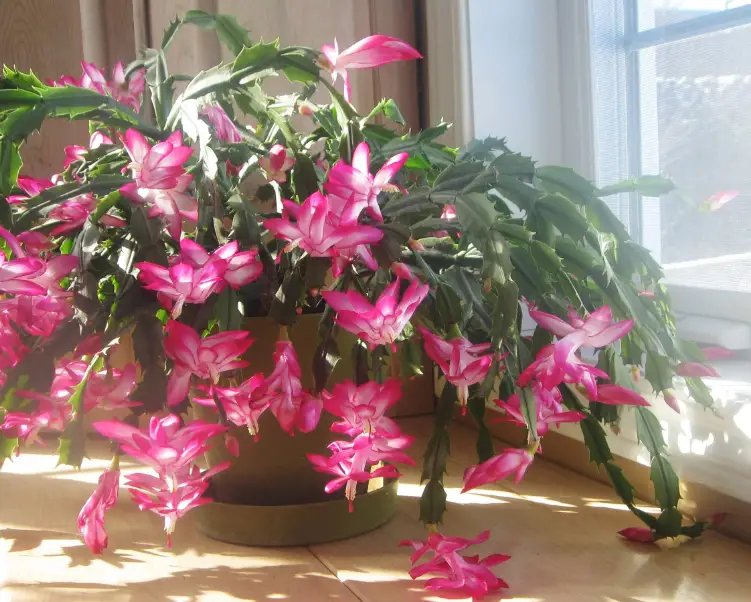
So, how long do Christmas cactus flowers last? The short answer: Individual blooms typically last 5 to 9 days, while the overall flowering period stretches 3 to 8 weeks under ideal conditions. But let’s break down the bloom cycle, from bud to fade.
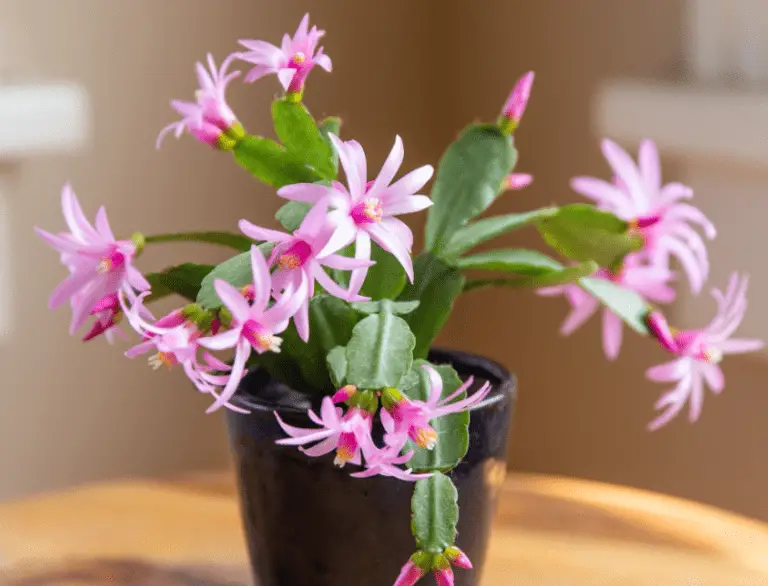
The journey starts in late fall. After 8-12 weeks of short days (12-14 hours of darkness), tiny buds swell along stem edges. These open sequentially, not all at once. Each flower, tubular, bell-shaped with multiple petals that curve backward, dazzles us indoors.
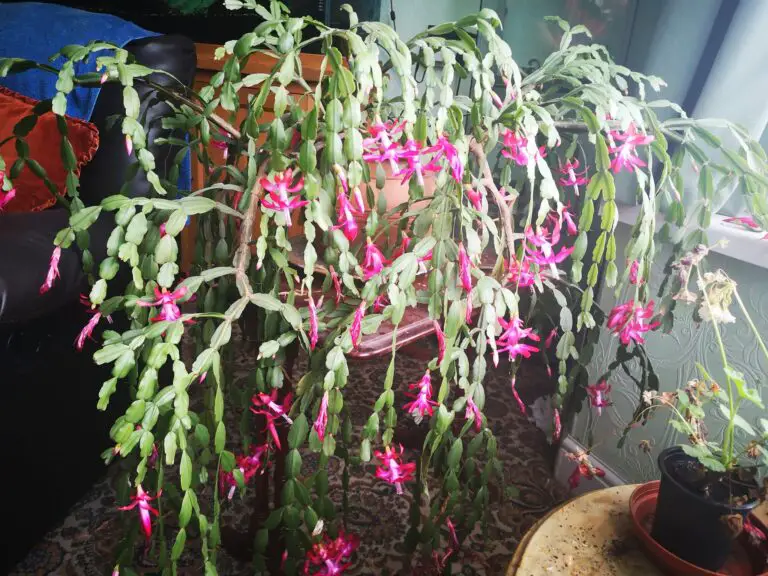
Under perfect setup—cool nights around 60°F and steady humidity—a single bloom holds its petals for up to 9 days. The full display? 4-6 weeks as new buds pop open. In warmer spots, like a heated living room, expect the flowers to last between 5-7, for approximately 3 weeks..
In our 72°F constant home, blooms averaged 6 days before petals curled, but cooling the room to 65°F stretched it to 8.
Holiday Timing and Beyond
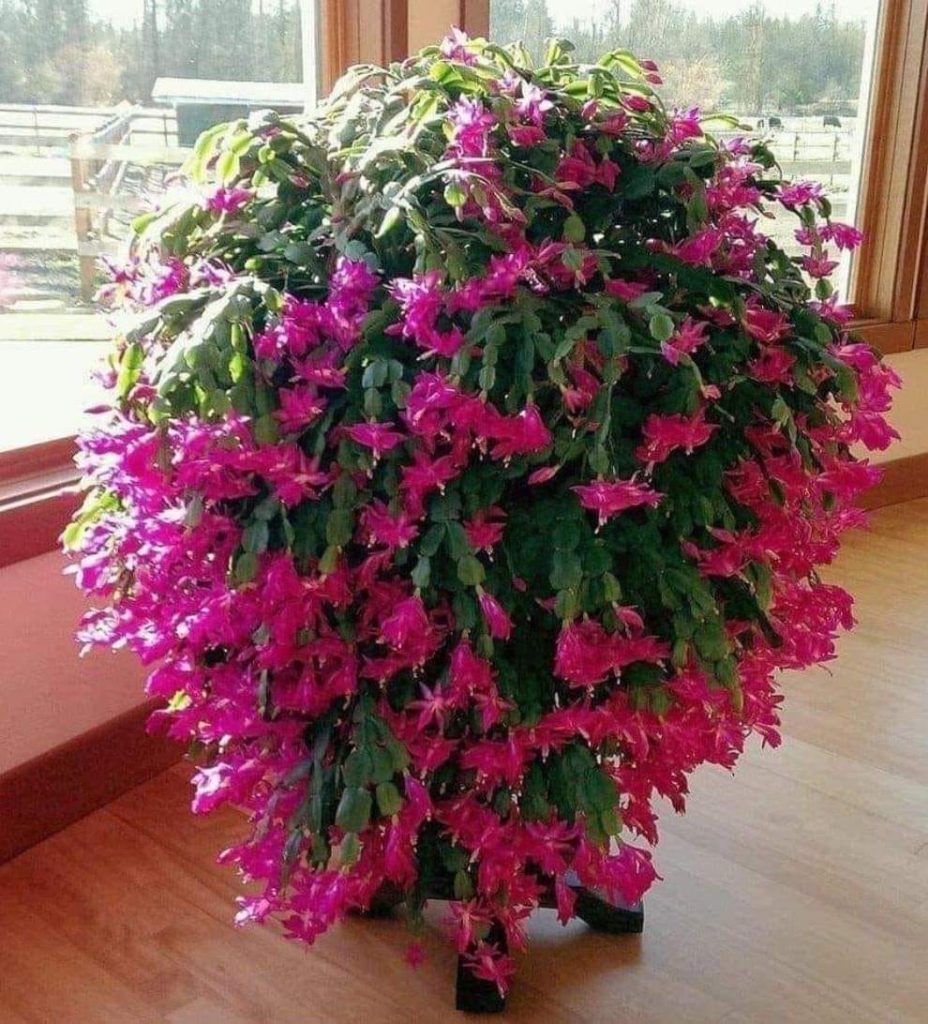
Christmas cacti aren’t strictly seasonal. With tweaks, they can rebloom in spring or summer. But their blooming aligns with the winter solstice, triggered by short days. In the U.S., this means November-December peaks, lasting through January if you nail the aftercare.
Post-bloom, spent flowers shrivel without seeding. The plant then rests, conserving energy for next year’s cycle. In my garden journal from 2023, a single pot yielded blooms from December 10 to January 20—over 40 days—thanks to vigilant monitoring.
Factors Influencing Bloom Duration
Bloom length isn’t luck; it’s a delicate balance of environmental conditions and care. Understanding these factors lets you fine-tune for longer displays.
1. Light – The Make-or-Break Element
Christmas cacti are short-day plants. They need 12-14 hours of uninterrupted darkness nightly for 8-12 weeks to initiate buds. Too much artificial light—from holiday strings or TVs—interrupts this, causing bud drop and shorter subsequent blooms.
During flowering, bright indirect light sustains color without scorching. In sunny Southern states, east-facing windows work. In dim Northern apartments, supplement with grow lights. Excess light can cause flowers to bleach and fade in 3 days.
I’ve blacked out my window with cardboard for that dark period—blooms lasted 7 weeks as a reward.
2. Temperature – Cool Nights, Warm Days
Ideal temperature should range from 70-80°F day, 55-65°F night. Warmth above 75°F speeds metabolism, wilting petals faster. On the other hand, temperatures below 50°F, buds to abort.
Sudden swings, like moving near a radiator, can shock the plant, shortening displays by half.
So, monitor your temperature with a thermometer. In my humid home, stabilizing at 62°F nights doubled individual flower life.
3. Humidity and Air Flow -Tropical Mimicry
These epiphytes crave 50-60% humidity. Our heated homes drop to 30%, drying blooms prematurely. Misting or humidifiers help, especially in dry winters. Good circulation prevents fungal issues that rot buds.
In Gulf Coast gardens, blooms hit 8 weeks easily because of the natural humidity. Pebble tray hack also works. It can transform 4-day fades to 7.
4. Watering and Nutrition – Balance is Key
Overwatering drowns roots, starving flowers of key supplies. On the other hand, underwatering wilts them. Aim for moist-but-not-soggy soil. Overzealous spring feeding can cause leggy growth and less blooming.
Fertilize half-strength with a balanced houseplant fertilizer designed for cacti during spring and summer. Also, remember to apply Epsom salt for better growth and flowers.
5. Pests and Stress – Hidden Thieves of Time
Mealybugs or spider mites suck sap, weakening flowers to drop early. Stress from repotting mid-bloom halves lifespan. Monitor weekly and treat with neem oil sprays. In pest-prone areas like the humid South, vigilance is vital.
Proven Strategies to Extend Flower Life
Armed with factors, let’s extend those blooms. These strategies, drawn from years of trial and tweaks, can add weeks to your display.
1. Optimize Your Microclimate
Start with placement. Elevate pots stand for air flow, and cluster for humidity. In California bungalows, north-facing porches shine. In Chicago high-rises, LED-lit corners do. Set your plants in 60°F rooms at night—basement stairs work for me.
2. Watering Wisdom
Use room-temperature water to avoid shocks. Bottom-water by setting pots in saucers for 30 minutes, then drain. In evaporative-dry Nevada, mulch tops with sphagnum to retain moisture.
Water less in bloom (every 10-14 days) to focus energy on flowers, not growth. This preserved my 2024 holiday show for 6 weeks.
3. Pruning and Support
Post-bloom, snip 1/3 of stems just above joints. This encourages bushiness and next-year buds. During bloom, gentle ties prevent droop, prolonging petal lifespan. In trailing Southern setups, trellises lift flowers to light, adding days.
4. Daily Hands-On Habits
Morning misting with distilled water refreshes the blooms. Evening darkness checks ensure no leaks from lamps. Rotate pots weekly for even exposure. In my routine, a weekly “bloom audit”—checking for yellowing—caught issues early, saving a week’s worth of color.
Basic Care Essentials (Building a Foundation for Long-Lasting Blooms)
To set the stage for enduring flowers, start with fundamentals. Use a well-draining potting mix—think equal parts peat moss, perlite, and orchid bark—to prevent root rot. This is a silent killer in our often overzealous watering habits.
Plant in terracotta pots for breathability, especially in humid Southern states where excess moisture lingers.
Watering is key: Allow the top inch of soil to dry out between sessions, then soak thoroughly until it drains. In dry Western interiors like Arizona, this might mean weekly dunks. In humid Louisiana, every 10 days suffices.
Fertilize sparingly— a balanced, diluted liquid feed every four weeks during spring and summer, then halt in fall to trigger buds.
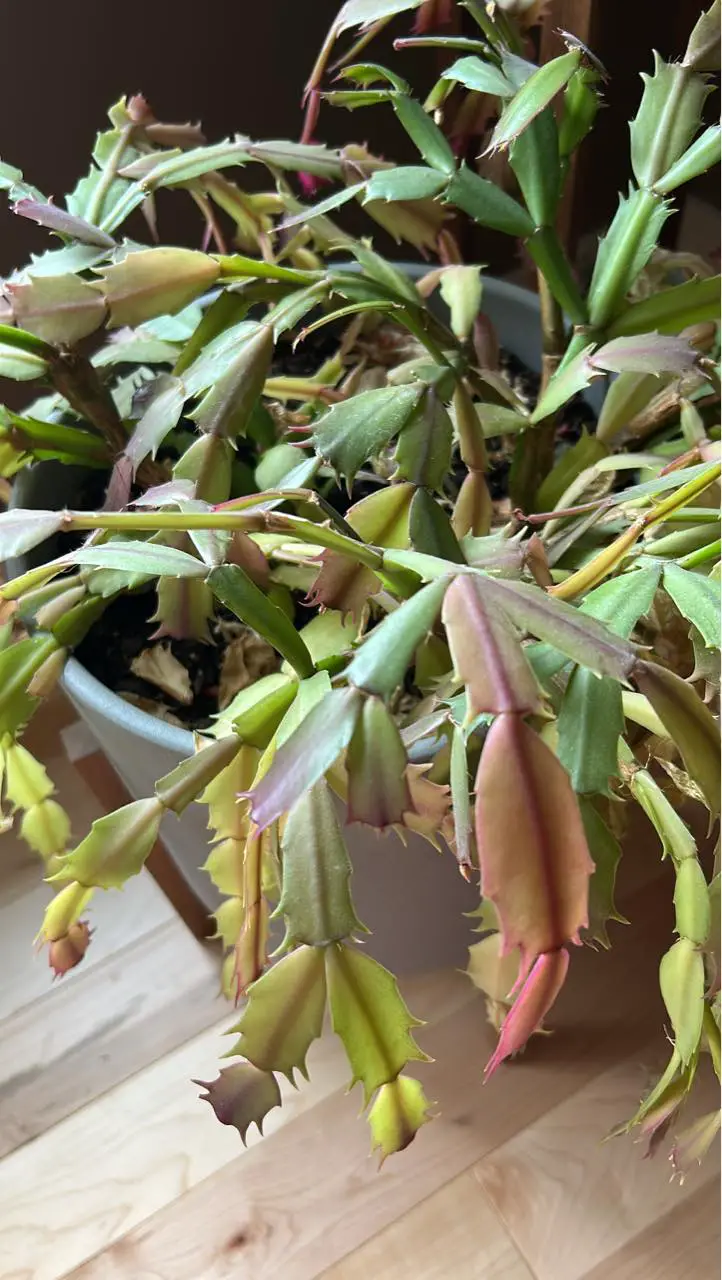
Light? Bright but indirect, like under a sheer curtain. Direct sun scorches those glossy segments. Christmas cactus leaves turning red is a stress signal. Temperature-wise, aim for 70-80°F daytime in the growth season, dipping to 55-65°F at night for blooming.
Humidity? Mist daily or group with ferns for a mini-jungle effect. In my early days as a gardener, ignoring humidity led to bud drop. This was heartbreaking after months of anticipation. Now, I swear by pebble trays filled with water under pots, evaporating just enough to keep things tropical.
Final thought
We’ve journeyed from basics to regional tweaks, answering how long Christmas cactus flowers last, with ways to extend it. These insights promise vibrant holidays and beyond. Assess your spot, adjust the factor, and watch your cactus shine.

Tim M Dave is a gardening expert with a passion for houseplants, particularly cacti and succulents. With a degree in plant biology from the University of California, Berkeley, he has vast experience in gardening. Over the years, he has cultivated a vast collection of desert plants and learned a great deal about how to grow and care for these unique companions.