8 Reasons Christmas Cactus Buds are Not Opening (And What to Do)
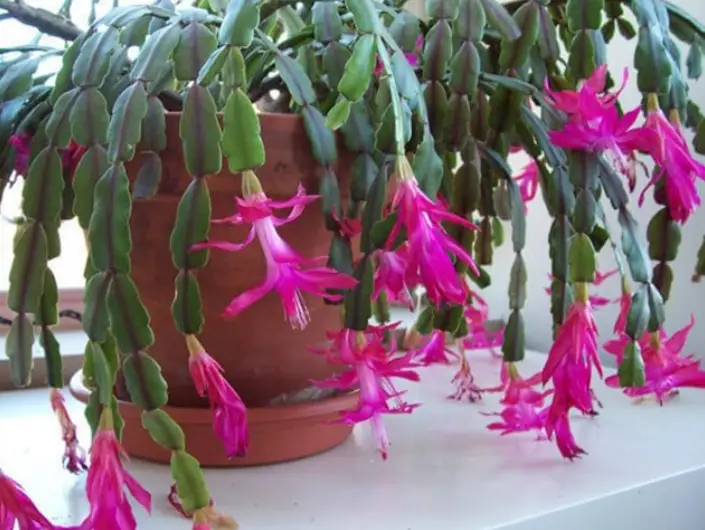
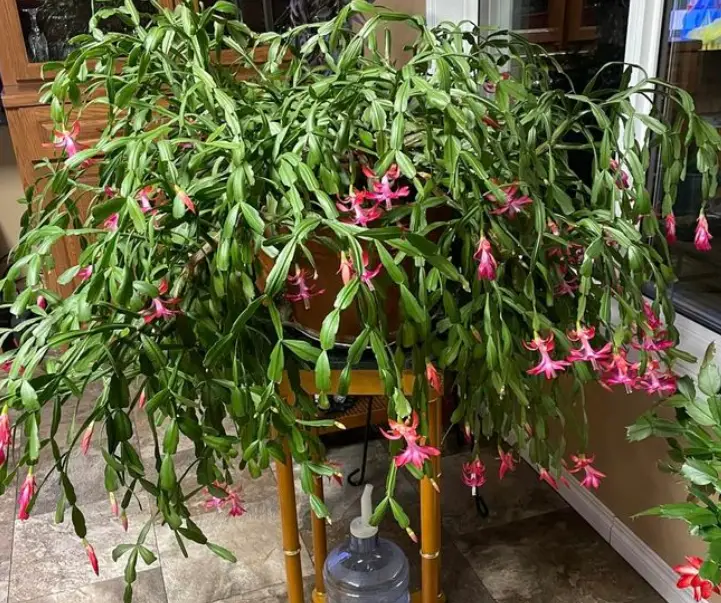
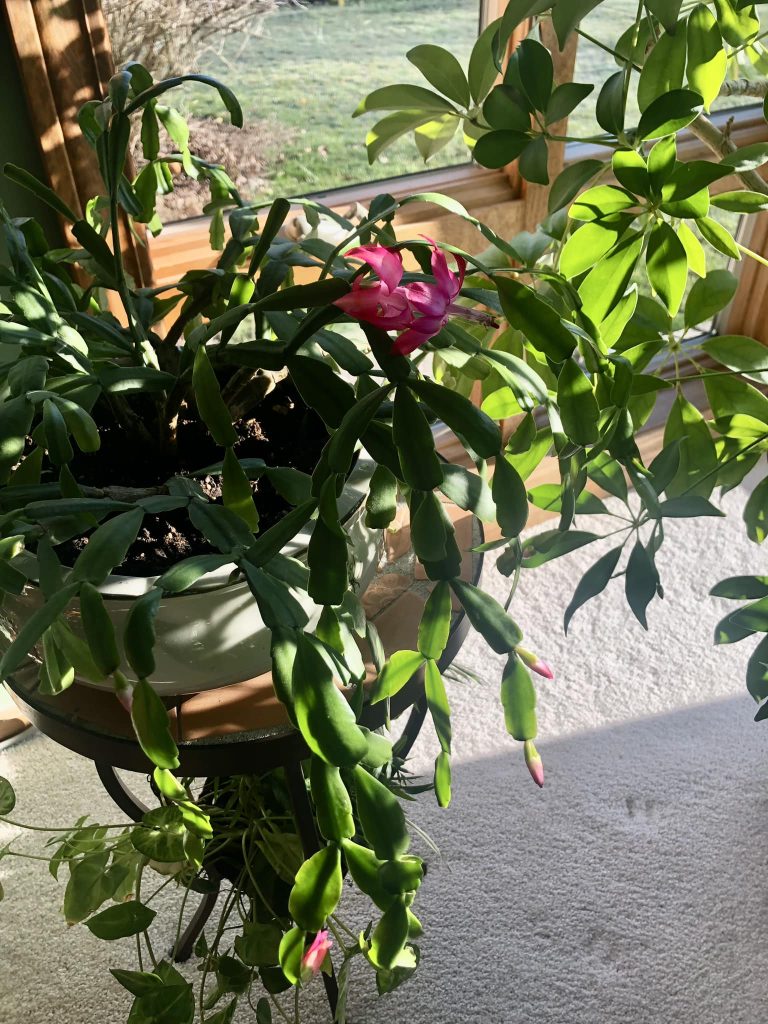
As the holiday season approaches, there’s nothing quite like the sight of a Christmas cactus bursting into vibrant blooms. Those pink, red, or white blooms can transform your living room into a winter wonderland. But what happens when those promising buds form, only to stubbornly stay closed?
In this guide, I’ll walk you through the reasons behind Christmas cactus buds not opening and how to fix the problem. Before we tackle that, let’s understand what this plant is and why it’s so beloved in many households.
Understanding the Christmas Cactus
Christmas cacti, scientifically known as Schlumbergera bridgesii, are epiphytic succulents native to the tropical rainforests of Brazil. Unlike the prickly desert cacti, these plants thrive in shaded, humid environments, clinging to trees and rocks rather than rooting in sandy soil.
This means they absorb moisture and nutrients from the air and rain. This background explains their preference for indirect light, high humidity, and well-draining media. These conditions are often at odds with the dry, heated interiors of many homes during winter.
In American homes, they’ve become a staple holiday plant, often passed down through generations as heirlooms. But their blooming cycle relies on precise environmental conditions that mimic their natural habitat.
In the U.S., these plants are commonly sold around Thanksgiving and Christmas, leading to confusion with similar species like the Thanksgiving cactus (Schlumbergera truncata), which blooms earlier, or the Easter cactus (Hatiora gaertneri), which flowers in spring.
One key to success is recognizing the plant’s growth cycle. Christmas cacti have three main phases: growth (spring to summer), bud initiation (fall), and blooming(winter). Buds typically form in response to shorter days and cooler nights, a process called photoperiodism.
If buds appear but don’t open, it’s often because the plant is stressed during the blooming period. In American homes, common stressors include artificial lighting from holiday decorations, central heating that dries the air, or erratic watering schedules.
Why Your Christmas Cactus Buds Refuse to Open
Now, let’s get to the heart of the matter: why those eagerly anticipated buds form but fail to bloom. Based on extensive research and my own trials, there are several culprits, often interconnected.
1. Improper Lighting Conditions
Lighting is perhaps the most critical factor for Christmas cactus blooming. These plants are short-day photoperiodic, meaning they need long nights (at least 12-14 hours of uninterrupted darkness) to initiate and develop buds.
In many homes, especially during the holiday season, artificial lights from TVs, lamps, or streetlights can disrupt this cycle, causing buds to stall or drop. For example, if your plant is in a living room where lights stay on until midnight, the buds might form initially but lack the energy to open fully.
Too much direct sunlight can scorch buds, while too little light prevents photosynthesis, starving the plant of resources needed for blooming.
In regions like the Pacific Northwest, where winter days are naturally short and cloudy, this might not be an issue, but in sunnier areas like Arizona, excessive light through south-facing windows can be problematic.
In my experience, I once placed a Christmas cactus near a window with sheer curtains in my Colorado home, thinking it would get gentle light. Instead, the intense high-altitude sun caused buds to wither before opening. The solution? Moving it to an east-facing spot for morning light only.
2. Temperature Fluctuations and Extremes
Christmas cacti thrive in cool temperatures for bud set—ideally 50-55°F (10-13°C) at night and up to 70°F (21°C) during the day. Buds won’t open if it’s too warm, as the plant interprets this as summer rather than the blooming season.
Central heating in American winters often keeps homes at 68-72°F, which is too consistent and warm, leading to bud drop.
Sudden changes, like drafts from open doors or proximity to radiators, can shock the plant. In colder U.S. zones, such as New England, leaving it near an uninsulated window might expose it to freezing temperatures, causing buds to blacken and fall.
Conversely, in the Southwest, air-conditioned rooms might be too cold or dry. I remember a holiday party where my cactus was near a fireplace—the heat wave that night doomed half the buds. Learning from that, I now use thermometers to monitor microclimates in my home.
3. Watering Issues – Over or Under
Watering is a Goldilocks scenario—not too much, not too little. Overwatering leads to root rot, where soggy soil prevents oxygen uptake, stressing the plant and causing buds to drop unopened. Underwatering dehydrates the stems, making buds shrivel.
In American homes, this is exacerbated by varying water quality and humidity levels. Hard water in areas like the Midwest can build up salts, while low humidity in heated homes dries out the plant faster.
Aim for soil that’s moist but not wet; let the top inch dry between waterings.
Personally, I switched to bottom-watering (placing the pot in a saucer of water for 30 minutes) after overwatering killed buds on one plant. It’s a game-changer for preventing rot.
4. Humidity Problems
Native to humid forests, Christmas cacti need 50-60% relative humidity to keep buds plump and opening. Dry American winters, especially with forced-air heating, can drop humidity to 20-30%, causing buds to desiccate.
In dry states like Nevada or Colorado, this is a common issue. Misting helps, but grouping plants or using pebble trays with water is more effective. I’ve used a small humidifier in my plant corner during winter, and it made a noticeable difference in bud retention.
5. Nutrient Deficiencies and Over-Fertilization
Buds require balanced nutrients, particularly phosphorus, for flowering. A lack can prevent opening, while excess nitrogen promotes leafy growth at the expense of blooms. In America, where soils vary, using the wrong fertilizer or overdoing it during bud formation is a frequent mistake.
Fertilize monthly from spring to fall with a half-strength bloom-booster (high in phosphorus), but stop in October to avoid disrupting the cycle.
My tip: Use organic options like worm casting tea for gentle nutrition.
6. Pests, Diseases, and Environmental Stressors
Pests like mealybugs or spider mites suck sap, weakening buds. Diseases such as fungal rot from poor drainage can also halt blooming. Ethylene gas from car exhaust (common in urban American settings) is a hidden culprit, causing premature bud drop.
Inspect regularly and use neem oil for pests. In my urban apartment, keeping the plant away from car fumes prevented ethylene issues.
7. Potting, Soil, and Root Issues
Christmas cacti prefer being slightly root-bound. Repotting too often stresses them, leading to unopened buds. Use a well-draining mix—equal parts potting soil, perlite, and orchid bark—for indoor setups.
If roots are crowded, repot after blooming. I repotted mine every 4 years, and it bloomed more reliably afterward.
8. Plant Age, Variety, and Environmental Changes
Young plants or recent cuttings may not bloom until mature (2-3 years old). Misidentified varieties, such as Thanksgiving cactus, have different triggers. Moving the plant during bud formation—common when decorating for holidays—can cause bud drop.
In the U.S., store-bought plants often suffer “transplant shock” from greenhouse to home. Acclimate gradually.
Solutions to Get Those Buds Opening
Armed with the causes, let’s move to actionable fixes. I’ll outline step-by-step guides for each issue.
1. Fixing Lighting Problems
- Measure daily light exposure using a phone app. This will help you understand the plant placement.
- Provide indirect bright light. East or north windows are ideal in most U.S. homes.
- From mid-September, cover the plant or move to a dark room for 14 hours nightly.
- Use grow lights if needed. Consider LED full-spectrum bulbs on timers for northern states with short days.
In my setup, a simple blackout curtain turned a non-bloomer into a star.
2. Correcting Temperature Issues
- Monitor temperatures using a digital thermometer.
- Place your Christmas cactus in a 55-65°F room, like a basement or garage, in milder climates.
- Keep the plant away from vents, doors, or heaters to avoid fluctuations.
- For warm regions, use fans or AC to simulate cool nights.
This worked wonders for my plant in a toasty apartment.
3. Optimizing Watering
- Check soil moisture before watering by inserting a finger in the soil. Dry top inch means water.
- Water thoroughly but infrequently. Use room-temp rainwater if possible, avoiding tap water minerals.
- Drain excess by emptying saucers.
- Adjust your watering seasonally. Water less in winter, and more in summer.
Bottom-watering saved my overwatered cactus.
4. Boosting Humidity
- Measure humidity in your home – aim for 50%.
- Mist daily using distilled water.
- Use pebble trays with water under pots.
- Group plants to create a micro-humid zone.
In dry Colorado winters, a humidifier was essential.
5. Addressing Nutrients
- Test soil. If possible, use kits for pH (5.5-6.5 ideal).
- Fertilize wisely using half-strength 20-20-20 from April to September.
- Water deeply monthly to flush salts.
- Use organic boosts such as compost tea for natural nutrients.
Light feeding revived my nutrient-starved plant.
6. Combating Pests and Diseases
- Inspect weekly for pets and unusual signs. Look for webbing or white spots.
- Treat naturally using neem or insecticidal soap.
- Isolate infected plants to prevent spread.
7. Proper Potting and Repotting
- Choose the right pot, preferably a terracotta with holes.
- Mix your cactus blend with perlite to create a well-draining soil.
- Repot sparingly, every 3-5 years, post-bloom.
- Handle gently to avoid damaging roots.
8. Handling Age and Variety Issues
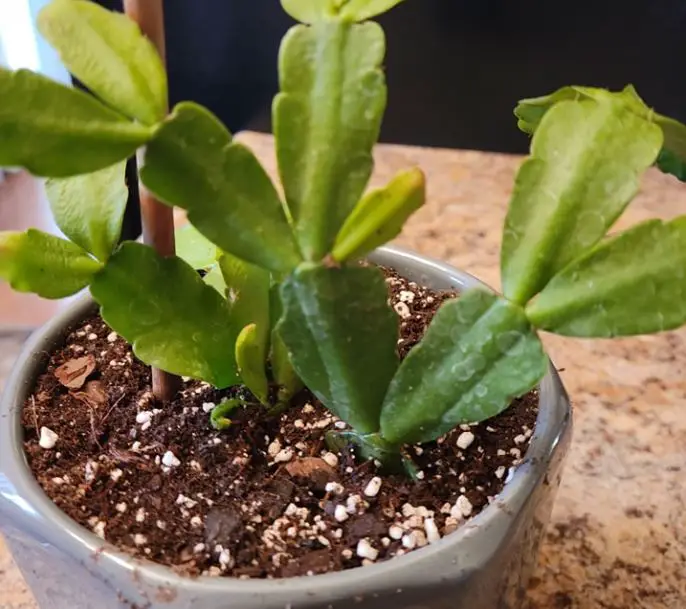
- Look at stem shapes to confirm your cactus variety (Thanksgiving has pointed, Christmas has rounded).
- Be patient with young plants as they take time to bloom. Propagate for backups.
- Minimize moves to prevent destabilizing the plant. Just set and forget during fall.
- Acclimate new plants by gradually introducing home conditions.
Region-Specific Care Advice
American gardens span vast climates, from USDA Zone 3 in Minnesota to Zone 10 in Florida. Here’s how to adapt for buds opening.
1. Northern and Midwest Regions (Zones 3-6)
Cold winters help with cooling, but indoor heat counters it. Use unheated porches or cool windows. Short days aid photoperiodism, but supplement light if too dim. Humidity from snowmelt helps, but watch for drafts.
2. Northeast and Mid-Atlantic (Zones 5-7)
Variable weather means stable indoor spots. In urban areas like NYC, pollution and ethylene are risks—keep indoors away from windows. High humidity in summer transitions to dry winters; use humidifiers.
3. Southern States (Zones 8-10)
Warmth hinders cooling; use shaded patios or AC rooms. In Florida’s humidity, overwatering is common—focus on drainage. Outdoor growth is possible, but protect from the sun and pests like scale.
4. Southwest and West (Zones 7-10)
Arid air demands humidity boosts. In California, coastal fog helps, but inland dryness hurts. Use pebble trays; avoid direct sun in desert areas.
5. Pacific Northwest (Zones 7-9)
Cloudy skies mean more light is needed indoors. Mild temps are ideal, but rain increases rot risk—ensure drainage.
Final thought
Don’t let unopened buds dampen your holiday spirit. With the insights here, your Christmas cactus can become a blooming beacon in your home. I remember my grandmother’s plant. After tweaks, it now flowers profusely every year. Yours can too—happy gardening!

Tim M Dave is a gardening expert with a passion for houseplants, particularly cacti and succulents. With a degree in plant biology from the University of California, Berkeley, he has vast experience in gardening. Over the years, he has cultivated a vast collection of desert plants and learned a great deal about how to grow and care for these unique companions.