Beneficial Nematodes: How to Use Them in Your Garden
Most gardeners spend a great deal of energy trying to keep things out of their soil — pests, pathogens, unwanted organisms of all kinds. The idea of deliberately introducing microscopic worms into the ground can feel counterintuitive at first.
But beneficial nematodes are one of the most effective, environmentally sound pest control tools available to home gardeners today, and they deserve to be understood properly.
They are not a chemical. They are not a synthetic treatment. They are living organisms — naturally occurring in healthy soils around the world — that you can purchase, apply, and put to work in your own garden with straightforward, practical results.
This guide explains what beneficial nematodes are, which pests they target, how to apply them correctly, and what to realistically expect from their use.
What Are Beneficial Nematodes?
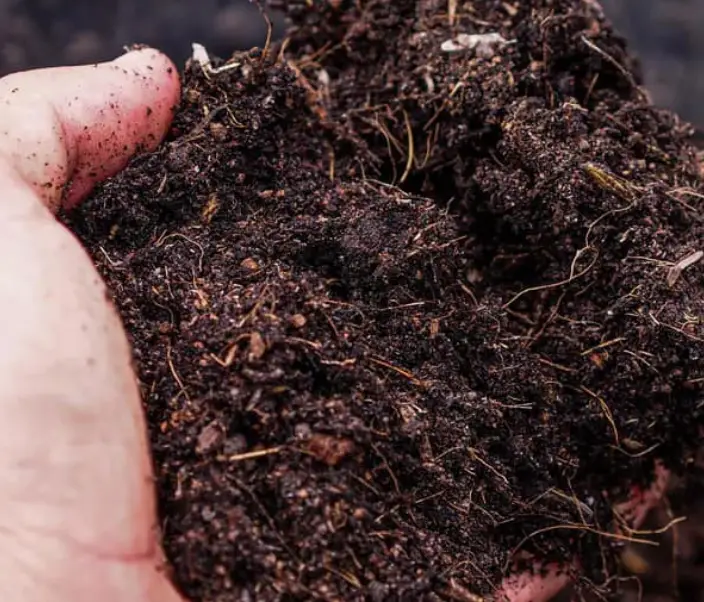
Nematodes are microscopic, unsegmented roundworms belonging to the phylum Nematoda. They are among the most abundant animals on Earth — a single handful of healthy garden soil can contain thousands of them. The vast majority are harmless or actively beneficial to soil health.
The term “beneficial nematodes” refers specifically to entomopathogenic nematodes — species that parasitise and kill insects and other invertebrate pests. These are distinct from plant-parasitic nematodes, which attack plant roots and cause damage, and from free-living nematodes, which feed on bacteria and fungi in the soil.
Three genera of entomopathogenic nematodes are most commonly used in garden pest control:
- Steinernema carpocapsae — effective against surface-dwelling and shallow soil pests, including caterpillars, cutworms, and webworms; most active in warmer temperatures
- Steinernema feltiae — well suited to cooler conditions; targets fungus gnat larvae, shore flies, and some caterpillar species; one of the most widely available garden products
- Heterorhabditis bacteriophora — forages actively through the soil and is highly effective against deeper-dwelling pests including Japanese beetle grubs, root weevils, and chafer grubs
Each species has its own preferred temperature range, soil depth, and host targets. Using the right species for the right pest is one of the most important factors in achieving good results.
How Beneficial Nematodes Work
The mechanism is elegant in its simplicity. Beneficial nematodes exist in a free-living stage called the infective juvenile — the only stage that can survive outside a host. These juveniles move through the moisture film in soil, actively seeking out insect hosts.
When an infective juvenile locates a suitable host, it enters the pest’s body through natural openings — the mouth, spiracles (breathing pores), or the anus. Once inside, it releases symbiotic bacteria it carries within its gut: Xenorhabdus species (carried by Steinernema nematodes) and Photorhabdus species (carried by Heterorhabditis nematodes).
These bacteria multiply rapidly inside the host, producing toxins that kill the insect, typically within 24 to 72 hours. The nematodes then feed on the bacteria and the liquefying host tissue, reproduce inside the cadaver, and release a new generation of infective juveniles into the surrounding soil — ready to seek out new hosts.
The insect cadaver typically turns a distinctive colour: brick red or orange in the case of Heterorhabditis hosts, and tan or brown in Steinernema hosts. Finding discoloured, softened insect bodies in the soil after nematode application is a useful sign that the treatment is working.
This entire cycle poses no risk to mammals, birds, earthworms, beneficial insects such as bees and ladybirds, or the soil ecosystem more broadly. Beneficial nematodes are host-specific to insects and closely related invertebrates.
Which Pests Do Beneficial Nematodes Target?
This is one of the most common questions gardeners have — and one of the most important to answer accurately, because nematodes are not a broad-spectrum solution for every pest problem.
Pests effectively targeted by beneficial nematodes include:
- Fungus gnat larvae (Bradysia spp.) — one of the most consistent and well-documented uses; Steinernema feltiae is highly effective against larvae in container potting mix and garden soil
- Vine weevil larvae (Otiorhynchus sulcatus) — a serious pest of container plants and strawberries; Heterorhabditis bacteriophora or Steinernema kraussei are the recommended species
- Chafer grubs — the soil-dwelling larvae of chafer beetles that damage lawn roots; targeted effectively by Heterorhabditis bacteriophora
- Japanese beetle grubs (Popillia japonica) — a significant pest in North America; Heterorhabditis bacteriophora is the primary nematode recommendation
- Cutworms — soil-surface-dwelling caterpillar larvae that sever seedlings at the base; Steinernema carpocapsae is most effective
- Leatherjackets — the larvae of crane flies (daddy longlegs) that feed on grass and plant roots underground; treated with Steinernema feltiae in appropriate soil conditions
- Slugs — Phasmarhabditis hermaphrodita is a specific nematode species used against slugs; this is a separate product from insect-targeting nematodes and is discussed briefly in the next section
- Thrips pupae — some success has been recorded treating soil where thrips pupate
- Shore flies — targeted in greenhouse and indoor environments by Steinernema feltiae
Pests NOT effectively controlled by beneficial nematodes include:
- Aphids (they do not spend time in the soil)
- Adult beetles (the hard exoskeleton makes entry difficult)
- Spider mites
- Most flying adult insects
- Earthworms (nematodes do not attack them)
Understanding this distinction prevents disappointment. If your primary pest problem involves aphids on rose bushes, beneficial nematodes will not help. If your problem is vine weevil larvae destroying the roots of your container plants, they can be transformative.
Beneficial Nematodes Against Slugs: A Special Case
It is worth briefly addressing slug-targeting nematodes separately, as they are often searched alongside garden nematode products but represent a distinct organism and product.
Phasmarhabditis hermaphrodita is a nematode species that parasitises slugs — not insects. It is commercially available as a soil drench and has been demonstrated to reduce slug populations significantly in trials conducted by several European agricultural universities. It works best in moist soil conditions and at temperatures above 5°C.
It is applied in the same general way as insect-targeting nematodes — mixed with water and applied as a drench — but it is a separate purchase and targets a different pest group. If slugs are your primary concern, this is the product to look for specifically.
When to Apply Beneficial Nematodes
Timing is critical. Beneficial nematodes are living organisms with specific requirements. Apply them at the wrong time, and they will not establish or perform.
Temperature
Most beneficial nematode species require soil temperatures between 10°C and 30°C (50°F to 86°F) to be active and effective. Steinernema feltiae can operate at slightly lower temperatures — down to around 5°C to 8°C — making it suitable for early spring or autumn applications in cooler climates. Always check the temperature requirements of the specific species you are using.
Pest life stage
Nematodes are most effective against early larval stages of their target pests. Applying them when larvae are at their youngest and most active produces the best results. For vine weevil, this means treating in late summer or early autumn, when freshly hatched larvae are small and concentrated near the soil surface.
For chafer grubs and Japanese beetle grubs, late summer application targets young grubs before they burrow deeper for winter.
Seasonal timing in general
- Spring application targets overwintering larvae becoming active and early-season pest hatches
- Late summer to early autumn is often the most productive application window for many soil pests, as it targets the current year’s larvae before they mature
- Avoid applying in midsummer heat or winter cold unless using a species rated for those conditions
How to Apply Beneficial Nematodes: Step-by-Step
The application process is straightforward, but several details matter significantly to the outcome.
Step 1: Purchase the Right Species
Buy from a reputable supplier that provides clearly labelled, live nematodes with a verifiable expiry date. Most commercial nematode products come in a clay or gel carrier, packaged in a refrigerated sachet. Check that the product has been stored correctly before purchase — nematodes that have been left at room temperature for extended periods may have low viability.
Step 2: Store Correctly Until Use
Beneficial nematodes are perishable. Keep them refrigerated (between 2°C and 8°C) until application. Most products have a shelf life of four to six weeks from packaging if stored correctly. Never freeze nematodes — freezing kills them.
Step 3: Prepare the Soil
Water the target area thoroughly the day before application, or apply immediately after rain. The soil should be moist — not waterlogged, but consistently damp. Dry soil will kill nematodes before they can establish. If applying to a lawn, mow first to reduce the mat of dead grass that can intercept the water drench before it reaches the soil.
Step 4: Mix the Nematodes
Follow the manufacturer’s instructions carefully for dilution. In general, the carrier containing the nematodes is mixed into a bucket or watering can with clean, room-temperature water — never hot or chlorinated water directly from the tap, as both can harm nematodes. If using tap water, let it sit for 30 minutes before mixing to allow chlorine to dissipate.
Stir gently to distribute the nematodes evenly throughout the solution. Once mixed, use the solution within a few hours. Do not leave it standing longer than necessary.
Step 5: Apply Evenly
Apply the nematode solution evenly across the target area using a watering can with a coarse rose head (remove fine mesh strainers that could damage the nematodes), a garden sprayer with a nozzle large enough to allow nematodes through, or an injector system for larger areas.
Apply in the early morning or evening — avoid midday application in direct sunlight. UV radiation kills nematodes rapidly. Overcast days are ideal for application.
Step 6: Water In After Application
After applying the nematode solution, water the area again with plain water. This helps the nematodes move down into the soil where they can locate their hosts. Continue to keep the soil moist for at least two weeks after application — this is the most common reason applications fail. Gardeners apply nematodes correctly but then allow the soil to dry out, killing the nematodes before they can establish.
What Results to Expect — and When
Managing expectations is important with any biological control. Beneficial nematodes are not as instantaneous as chemical pesticides. They take time to move through the soil, locate hosts, and begin reproducing.
Most gardeners see a meaningful reduction in pest activity within two to four weeks of application. Full population suppression across a treated area can take four to six weeks. In ideal conditions — the right species, correct timing, adequate moisture, appropriate temperature — results can be dramatic. In suboptimal conditions, results will be more modest.
A second application four to six weeks after the first is often recommended for severe infestations or to consolidate control through a full season. Some gardeners apply nematodes twice yearly — once in spring and once in late summer — as a preventive measure during peak pest seasons.
Do not expect 100% elimination of any pest. Nematodes reduce populations to manageable levels. In combination with other sustainable garden practices — crop rotation, healthy soil biology, habitat for natural predators — they form part of a genuinely effective integrated pest management approach.
Are Beneficial Nematodes Safe?
Yes — and this safety profile is one of the most compelling reasons to use them over chemical alternatives.
Beneficial nematodes are host-specific. They parasitise insects and closely related invertebrates — they do not infect mammals, birds, reptiles, fish, or plants. They are safe for children and pets immediately after application. They will not harm earthworms, bees, butterflies, ladybirds, or other beneficial garden organisms.
They are approved for use in certified organic growing systems. They leave no chemical residue in soil, water, or harvested produce. They break down naturally if they fail to find a host, leaving nothing harmful behind.
Several countries have approved specific nematode products under their biological control regulations, and they are used extensively in commercial horticulture, turf management, and mushroom production as well as in home gardens.
Common Mistakes to Avoid
- Using the wrong species for the target pest. This is the most common reason nematode treatments fail. Research the correct species before purchasing.
- Applying to dry soil and failing to water afterwards. Nematodes cannot survive without moisture. Consistent post-application watering is non-negotiable.
- Applying in direct sunlight. UV exposure kills nematodes rapidly. Apply in the morning, evening, or on overcast days.
- Using chlorinated tap water without allowing it to dechlorinate. Chlorine is harmful to nematodes. Let tap water stand for 30 minutes, or use rainwater where possible.
- Applying outside the effective temperature range. Cold or excessively hot soil will kill nematodes or render them inactive before they can work.
- Expecting results in 24 hours. Biological controls work on a different timeline than chemicals. Patience is part of the process.
Frequently Asked Questions
How long do beneficial nematodes last in the soil?
In ideal conditions, they can persist for several weeks to months, reproducing inside hosts and releasing new generations. In dry, hot, or unsuitable conditions, they die relatively quickly. Most gardeners plan for seasonal reapplication rather than relying on a single treatment to last indefinitely.
Can I apply beneficial nematodes to potted plants?
Yes. Steinernema feltiae in particular is widely used for fungus gnat control in container plants and indoor growing setups. Water sparingly after application to keep the growing medium moist without waterlogging.
Are nematodes visible to the naked eye?
No. They are microscopic — typically between 0.5mm and 2mm in length. You will not see them in the water solution or in the soil.
Do beneficial nematodes affect earthworms?
No. Entomopathogenic nematodes are not able to parasitise earthworms. Earthworms are entirely unaffected by beneficial nematode applications.
Where can I buy beneficial nematodes?
They are available from specialist garden suppliers, some garden centres, and online retailers. Look for products that specify live nematodes with a clear expiry date, stored and shipped under refrigeration.
Final Thoughts
Beneficial nematodes represent one of the genuinely exciting options in modern biological garden management. They work with natural processes rather than against them. They target specific pests without collateral damage to the wider garden ecosystem. And when used correctly, they deliver results that are both effective and lasting.
They require more care and attention to apply than a chemical pesticide — the temperature, moisture, species selection, and timing all matter. But that investment of attention is precisely what makes them a thoughtful, responsible choice.
If you have not considered beneficial nematodes as part of your garden pest management strategy, they are well worth adding to your toolkit. Start with the pest that troubles you most, find the right species, and give the process the time it needs. The results, when they come, are quietly impressive.
References
- University of Florida IFAS Extension — Entomopathogenic Nematodes. https://edis.ifas.ufl.edu/publication/IN1203
- Cornell University — Biological Control: A Guide to Natural Enemies in North America — Entomopathogenic Nematodes. https://biocontrol.entomology.cornell.edu/pathogens/nematodes.php
- University of California Agriculture and Natural Resources — Nematodes as Biological Control Agents. https://ipm.ucanr.edu/PMG/PESTNOTES/pn74165.html
- Penn State Extension — Beneficial Nematodes for Pest Management. https://extension.psu.edu/beneficial-nematodes
- Clemson University Cooperative Extension — Biological Control of Insects and Mites. https://hgic.clemson.edu/factsheet/biological-control-of-insects-mites/

Tim M Dave is a gardening expert with a passion for houseplants, particularly cacti and succulents. With a degree in plant biology from the University of California, Berkeley, he has vast experience in gardening. Over the years, he has cultivated a vast collection of desert plants and learned a great deal about how to grow and care for these unique companions.