Understanding Winter Cactus Pest Control: My Eco-friendly Approach
Winter is tough on houseplants, especially cacti. Colder months always bring unique challenges. Low light, dry indoor air from heaters, and reduced watering create a perfect storm for pests. Mealybugs, spider mites, scale insects, and fungus gnats love these conditions.
These pests don’t take a holiday, and they can sneak into your home unnoticed. I’ve realized bringing in newly purchased plants without proper checks can ruin your entire houseplant collection. The key? Early detection and action.
I’ll admit, I’ve made mistakes. One winter, I ignored a small mealybug outbreak, thinking it would “sort itself out.” It didn’t. My favorite bunny ear cactus suffered, and I had to propagate it to save it.
Another time, I overwatered during a cold snap, inviting gnats. Now, I stick to my routine like clockwork. Sharing these fails makes me feel less alone. Chances are, you’ve had your own cactus mishaps!
If you’re like me, you want to keep your plants healthy without resorting to harsh chemicals. Here is what worked for me:

Identifying Common Winter Cactus Pests
Before you can fight pests, you need to know your enemy. Here’s what I’ve encountered in my own cactus collection:
- Mealybugs: These white, cottony critters hide in crevices and suck sap from your cactus. I once found them nestled at the base of my barrel cactus, looking like tiny snowflakes.
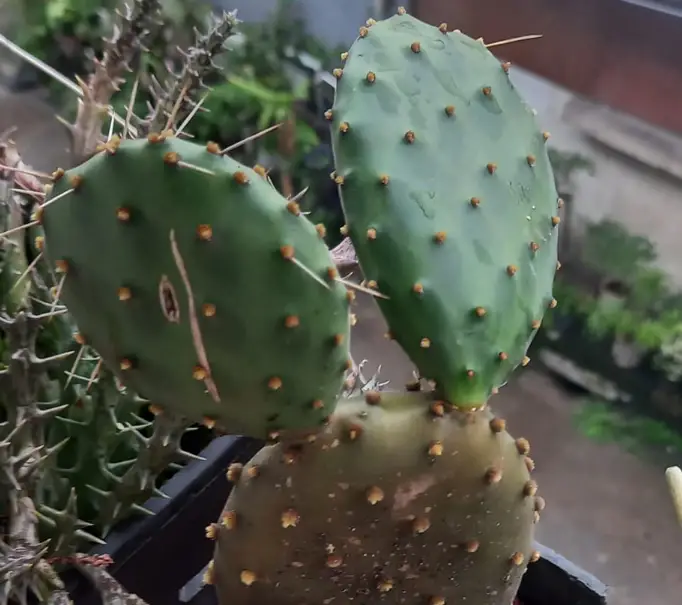
- Spider Mites: Tiny and nearly invisible, they leave fine webbing and speckled leaves. I noticed them on my prickly pear during a dry January.
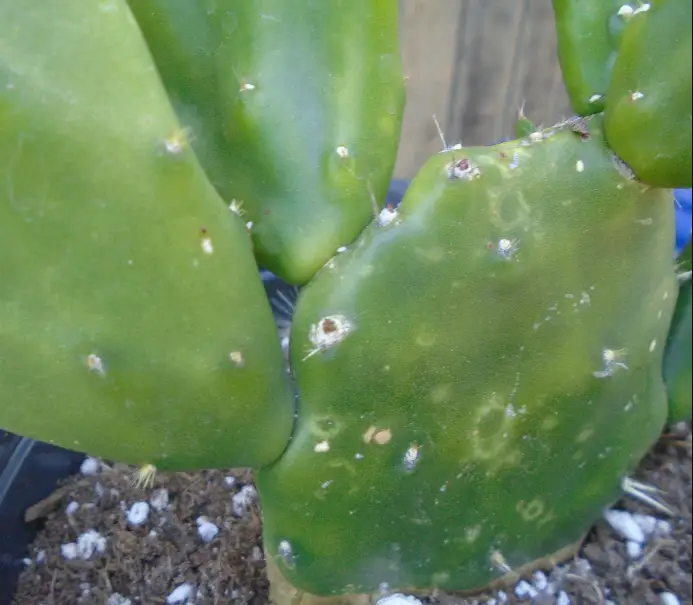
- Scale Insects: These look like small, brown bumps on stems. They’re sneaky, and I mistook them for part of the plant at first!
- Fungus Gnats: Common in overwatered soil, these little flies buzz around and lay eggs in the potting mix. I’ve battled them in my overcrowded cactus trays.
Spotting these pests early is crucial. I make it a habit to inspect my cacti weekly with a magnifying glass, especially in winter when they’re stressed.
Step-by-Step Winter Cactus Pest Control
Here’s my go-to routine for keeping pests at bay. It’s simple, eco-friendly, and works in any region.
1. Inspect regularly
I check my cacti every week, focusing on hidden spots like under the spines or near the soil. A flashlight and magnifying glass are my best friends. Look for webbing, sticky residue, or tiny moving dots. Early detection saves plants!
2. Isolate infested plants
The moment I spot pests, I move the affected cactus away from others. Last winter, one mealybug-infested cactus nearly spread to my entire collection. A quick quarantine stopped the disaster.
3. Clean with care
For mealybugs and scale, I use a cotton swab dipped in rubbing alcohol. It’s satisfying to dab those pests away. For spider mites, I gently rinse the cactus with lukewarm water. Be careful not to soak the roots—cacti hate wet feet in winter.
4. Use natural remedies
I’m a fan of neem oil. Mix a teaspoon with a quart of water, then spray lightly. I apply it every 7-10 days for persistent pests. Another trick? Diatomaceous earth sprinkled on the soil keeps gnats at bay. It’s non-toxic and works like a charm.
5. Adjust watering
Overwatering invites gnats and weakens cacti. I water my cacti sparingly in winter—once every 2-3 weeks, depending on humidity. Check the soil; it should be bone-dry before watering again.
6. Boost humidity (Slightly)
Spider mites dislike high humidity. They thrive in dry air. In my Chicago apartment, I place a small humidifier near my cacti to keep humidity around 30-40%. A tray of pebbles with some water works, too—just don’t let the pots sit in water.
7. Prune and dispose
If a section of your cactus is heavily infested, cut it off with a sterile knife. I’ve had to sacrifice a few stems of my Christmas cactus, but it saved the plant. Seal clippings in a plastic bag and toss them to prevent spreading pests.
Preventing Pests Before They Start
Prevention is easier than treatment. Here’s what I do to keep pests away:
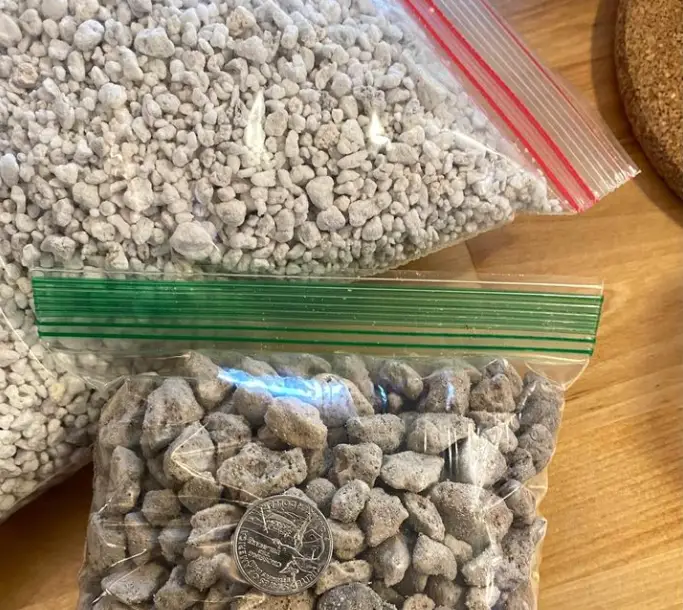
- I use a well-draining cactus mix with sand or perlite. Soggy soil attracts gnats, so I avoid heavy potting mixes.
- Before repotting, I sterilize pots with a bleach solution. Dirty tools can spread pests, so I clean them after every use.
- My cacti used to be packed together, but spacing them out improves air circulation and reduces pest spread.
- In my sunroom, I’ve used ladybugs to tackle aphids. They’re natural predators and safe for indoor use.
Why your Home can be a Pest Magnet in Winter
Living in the U.S., our homes are cozy havens in winter, but they’re also pest paradises. Central heating dries out the air, stressing cacti and making them vulnerable. In colder states like Minnesota, where I’ve visited friends, indoor humidity can drop to 10%, perfect for spider mites.
In warmer regions like Arizona, open windows might invite pests indoors. Overwatering is another issue. Many of us get nervous about our cacti drying out and water too much, attracting gnats.
As I have mentioned earlier, most households in the U.S. tend to purchase more holiday cacti around the winter. This can sneak a few pests into your home, resulting in a disaster. The trick: quarantine your new Christmas cactus or other plant for up to 10 days.
When to Call a Professional
I’m all about keeping things natural. Chemical pesticides can harm cacti and pollute indoor air, which is a big no for me. Neem oil, alcohol, and diatomaceous earth are safe, effective, and easy to find at garden centers or online. Plus, they’re budget-friendly, which matters in today’s economy.
Sometimes, pests win. If an infestation overwhelms you, don’t hesitate to contact a local nursery or extension service. In the U.S., many universities, like Texas A&M or Cornell, offer free plant clinics. I once called a nursery in California for advice on a stubborn scale problem, and their tips saved my cactus.
Keeping Your Cacti Happy All Winter
Pest control is just part of the equation. Most cacti enter a dormancy phase in winter. If you want your spiky friends to continue thriving through these chilly months you have to adjust their care needs accordingly.
Besides cutting back on watering, I give my cacti bright, indirect light (south-facing windows are ideal) and rotate them every few weeks for even growth. I also dust their spines gently with a soft brush to keep them clean. Happy cacti are less likely to attract pests.
Final Thoughts
Caring for cacti in winter is a labor of love, but pests don’t have to ruin the fun. By inspecting regularly, using natural remedies, and tweaking your care routine, you can keep your desert darlings thriving.
I’ve battled mealybugs, outsmarted spider mites, and learned to love the challenge. Your cacti are worth it, and with these tips, you’ll be ready to protect them in any situation. Got a pest problem you’re tackling? Share your story—I’d love to hear it!

Tim M Dave is a gardening expert with a passion for houseplants, particularly cacti and succulents. With a degree in plant biology from the University of California, Berkeley, he has vast experience in gardening. Over the years, he has cultivated a vast collection of desert plants and learned a great deal about how to grow and care for these unique companions.