15 Vibrant Winter Flowers to Brighten Your Cold-Season Garden
Winter flowers are the unsung heroes of the garden. They don’t just survive cold weather; they flaunt their colors in the face of frost! Below, I’ve detailed 15 of my favorite winter bloomers, each with a rich history and unique charm to brighten your cold season.
1. Pansy (Viola × wittrockiana)
Pansies trace their roots to Europe, where they were hybridized in the early 19th century from wild violas (Viola tricolor). I was captivated to learn that Lady Mary Elizabeth Bennet, an English gardener, played a key role in developing their vibrant varieties in the 1830s.
The name “pansy” comes from the French pensée (thought), symbolizing remembrance and reflection in Victorian flower language. By the 1850s, pansies were a garden staple across Europe and North America.
Characteristics
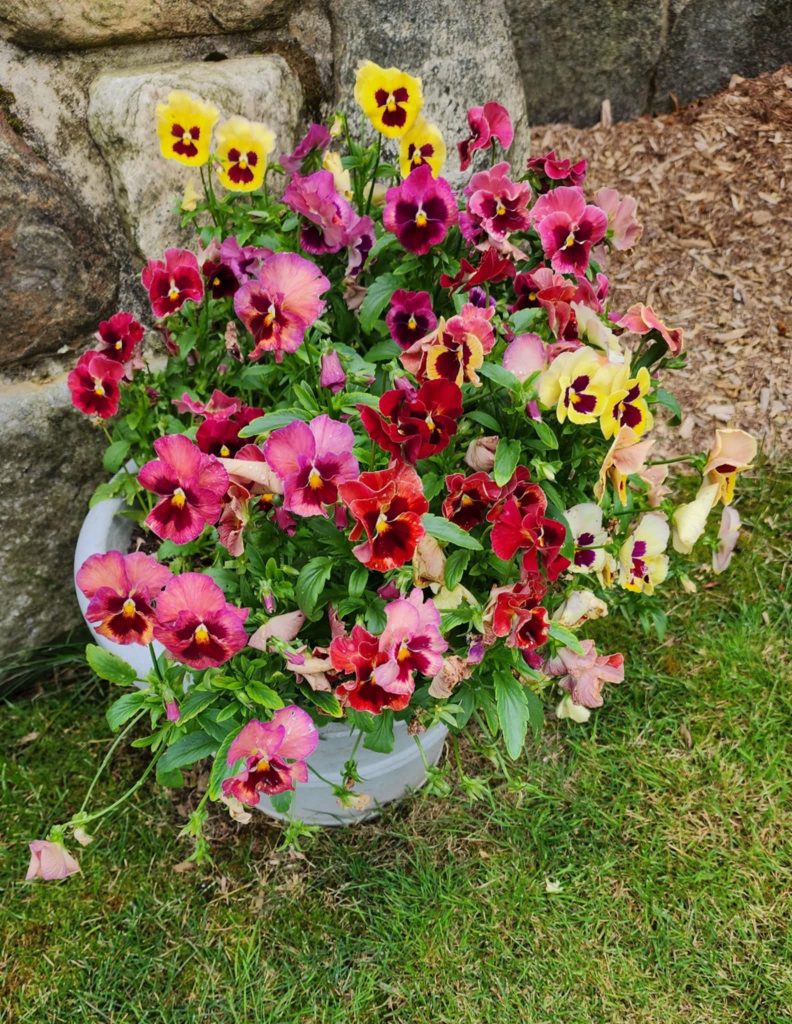
Pansies are compact, growing 6–9 inches tall and wide. Their heart-shaped petals come in a dazzling array of colors, including purple, blue, yellow, white, and bicolors. Their “faces” with dark central blotches always make me smile, like they’re winking at me!
These plants bloom through mild winters and can even handle light snow. They often last from fall to spring in temperate climates.
Care Requirements
I plant pansies in the fall for the best winter show. The first step is choosing well-drained soil enriched with compost. They thrive in full sun to partial shade. Too much shade makes them leggy. Water them every 5–7 days, ensuring the soil stays moist but not waterlogged.
Deadheading spent blooms is key; I learned this the hard way when my first batch stopped flowering! Feed them monthly with a balanced fertilizer (10-10-10). In harsh winters, I mulch lightly to protect roots. Pansies are also great in containers.
2. Hellebore (Helleborus spp.)
Hellebores, often called “Christmas roses” or “Lenten roses,” originated in Europe and Asia Minor. I was intrigued to read that medieval monks grew them in monastery gardens, believing their evergreen foliage and winter blooms could ward off evil spirits.
By the 19th century, hellebores were prized in European gardens for their resilience and beauty. Modern hybrids are offering even more colors.
Characteristics
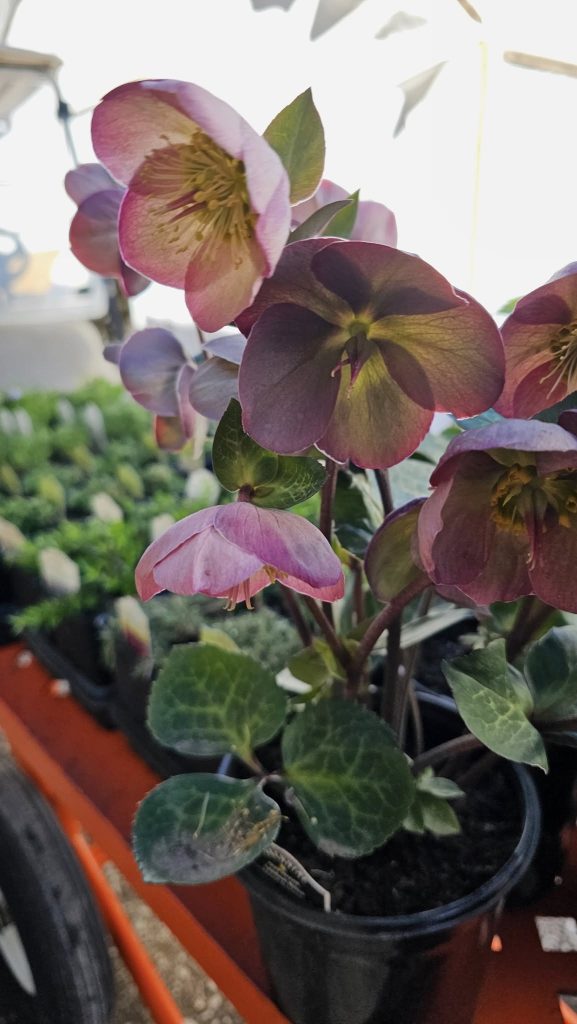
Hellebores grow 12–18 inches tall with leathery, evergreen leaves. Their nodding, cup-shaped flowers come in white, pink, purple, green, or even near-black. I love how they bloom from late winter to early spring, defying the cold. The foliage adds structure to shady garden corners.
Care Requirements
Plant hellebores in partial to full shade. Use rich, well-drained soil. I add organic matter like leaf mold to mimic their woodland origins. Water weekly during dry spells, but avoid soggy soil. Mulch with bark or compost to keep roots cool and moist.
I cut back old leaves in late winter to highlight new blooms. It’s like giving them a haircut! Hellebores are low-maintenance but toxic, so keep them away from pets. They self-seed, creating lovely colonies over time.
3. Winter Aconite (Eranthis hyemalis)
Native to southern Europe and Asia, winter aconite was introduced to gardens in the 16th century. I was surprised to learn it’s a member of the buttercup family (Ranunculaceae). In medieval times, its bright yellow petals were used to dye fabrics.
The species was planted near homes to signal spring’s approach. Its Latin name, hyemalis, means “winter-flowering.”
Characteristics
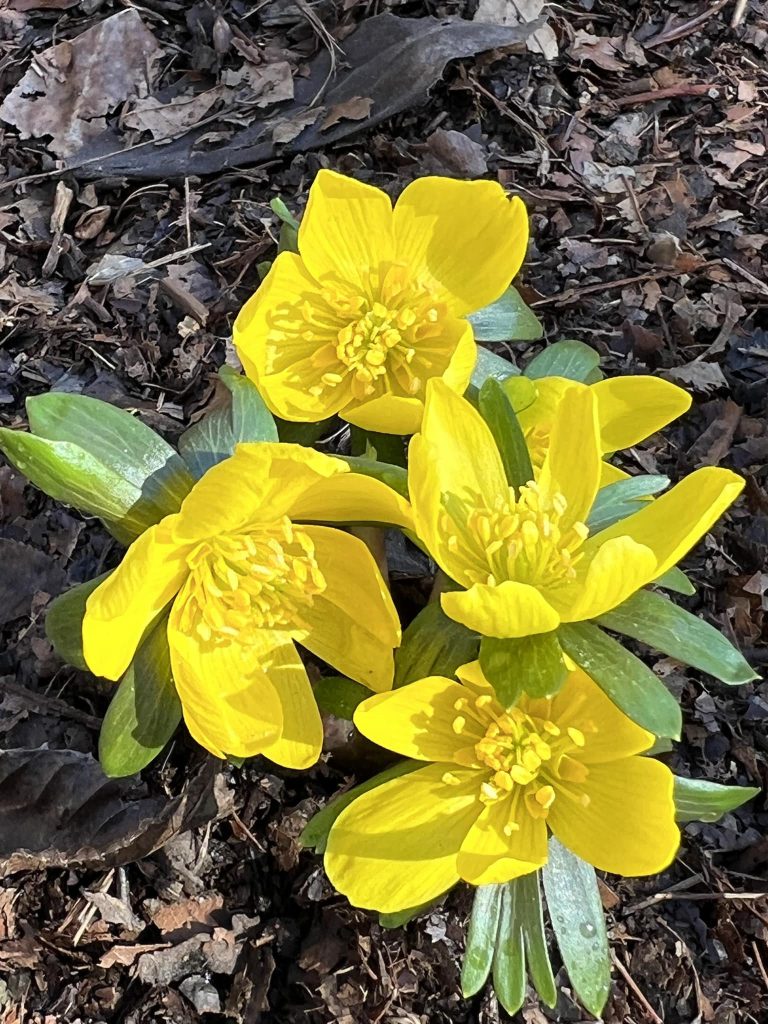
These petite plants, only 3–4 inches tall, produce sunny yellow, cup-shaped flowers surrounded by ruffled green collars. They bloom in late winter, often pushing through snow. I love how they naturalize, forming carpets under trees or in lawns.
Care Requirements
Plant bulbs in fall, 2–3 inches deep, in well-drained soil with partial shade. They prefer moist conditions during growth but tolerate dry soil once dormant. I scattered bulbs under my oak tree, and now they’re a golden highlight every February.
Avoid waterlogged areas, as bulbs can rot. No fertilizer is needed, but I add a thin layer of mulch for insulation in colder zones.
4. Cyclamen (Cyclamen persicum)
Cyclamen originated in the Mediterranean and the Middle East. They grow wild in rocky hillsides. I read that ancient Greeks used it in herbal remedies, believing it aided childbirth. By the 19th century, it was a beloved houseplant in Europe. Modern hybrids are bred for vibrant colors.
Characteristics
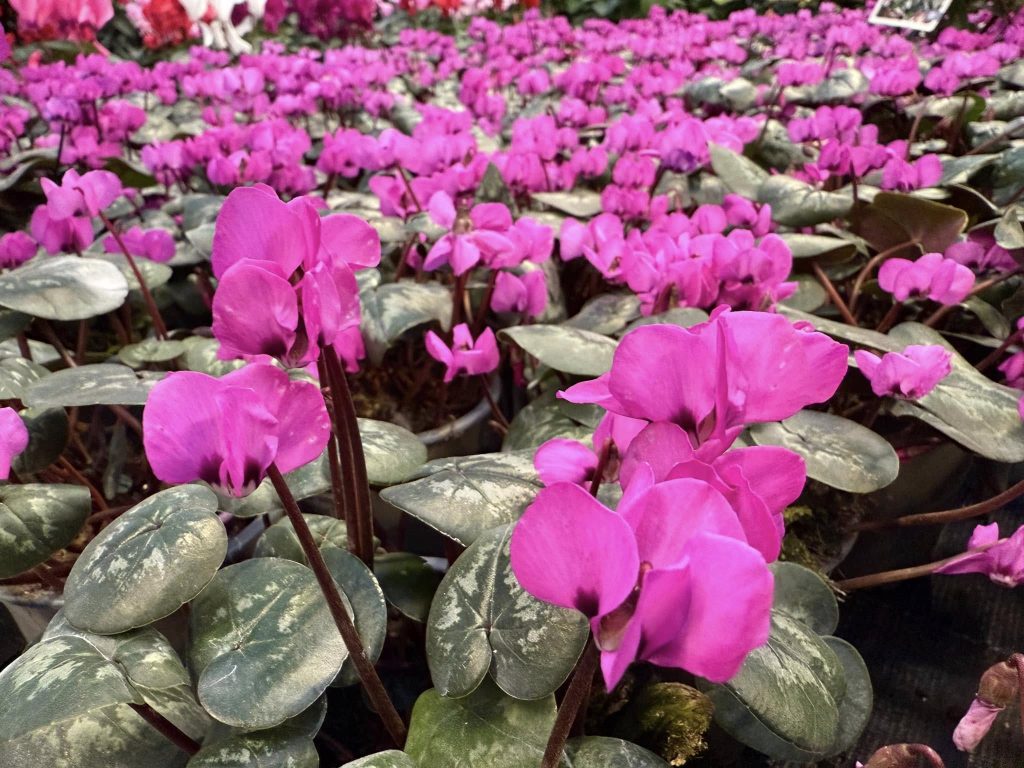
Cyclamen grow 6–12 inches tall with heart-shaped, silver-marbled leaves. Their delicate flowers, in pink, red, white, or salmon, have upswept petals. They always remind me of butterflies. They bloom from fall to spring, making them perfect for winter indoor or outdoor displays in mild climates.
Care Requirements
I grow cyclamen in pots indoors or in sheltered garden beds (zones 9–11). They need bright, indirect light and cool temperatures (50–60°F). Water from the bottom by soaking the pot, as overhead watering causes rot. I let the top inch of soil dry out between waterings.
Feed monthly with a low-nitrogen fertilizer. Outdoors, plant in well-drained, shady spots and mulch for frost protection.
5. Snowdrop (Galanthus nivalis)
Snowdrops are native to Europe and western Asia, where they thrive in woodlands. They’ve been cultivated since the 16th century, with mentions in Shakespeare’s works. They were called “Candlemas bells” for their February blooms, tied to the Christian festival.
Characteristics
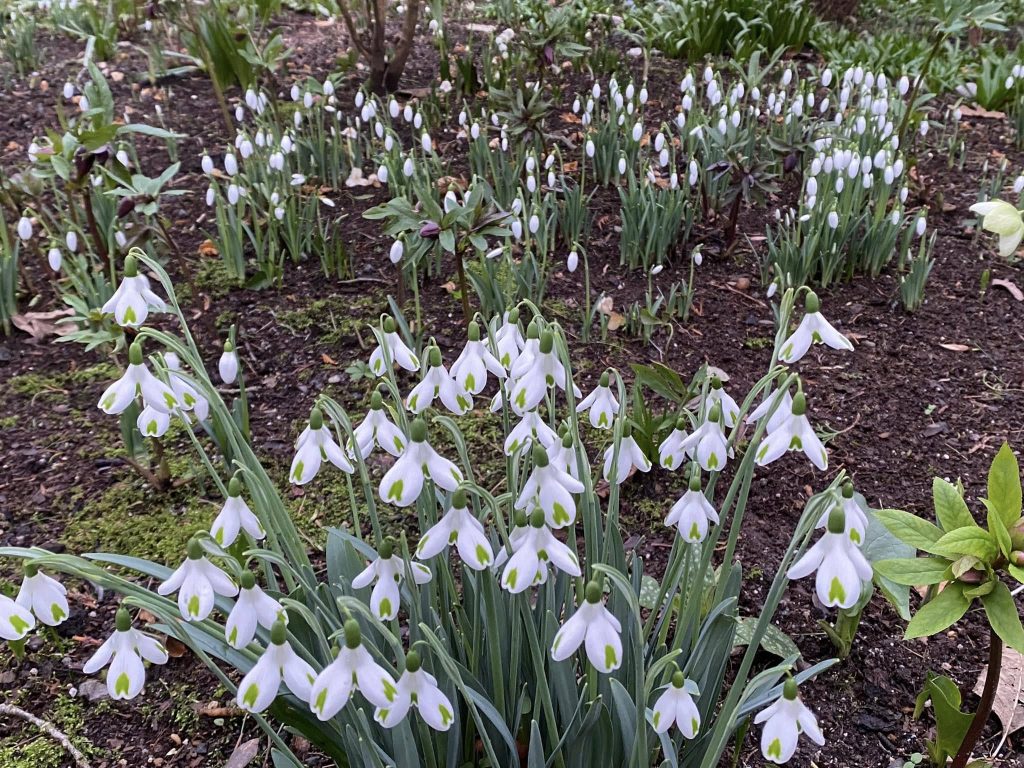
These delicate plants grow 4–6 inches tall. They produce drooping, bell-shaped white flowers. Each petal has a green tip, like a tiny emerald accent. They’re ideal for borders, rock gardens, or naturalizing under trees.
Care Requirements
Plant bulbs in fall, 3 inches deep, in partial shade with moist, well-drained soil. They thrive in clay or loamy soils. Water during growth, but they’re low-maintenance once established. Avoid disturbing bulbs, as they prefer to settle in. No fertilizer is needed, but I add compost annually for a boost.
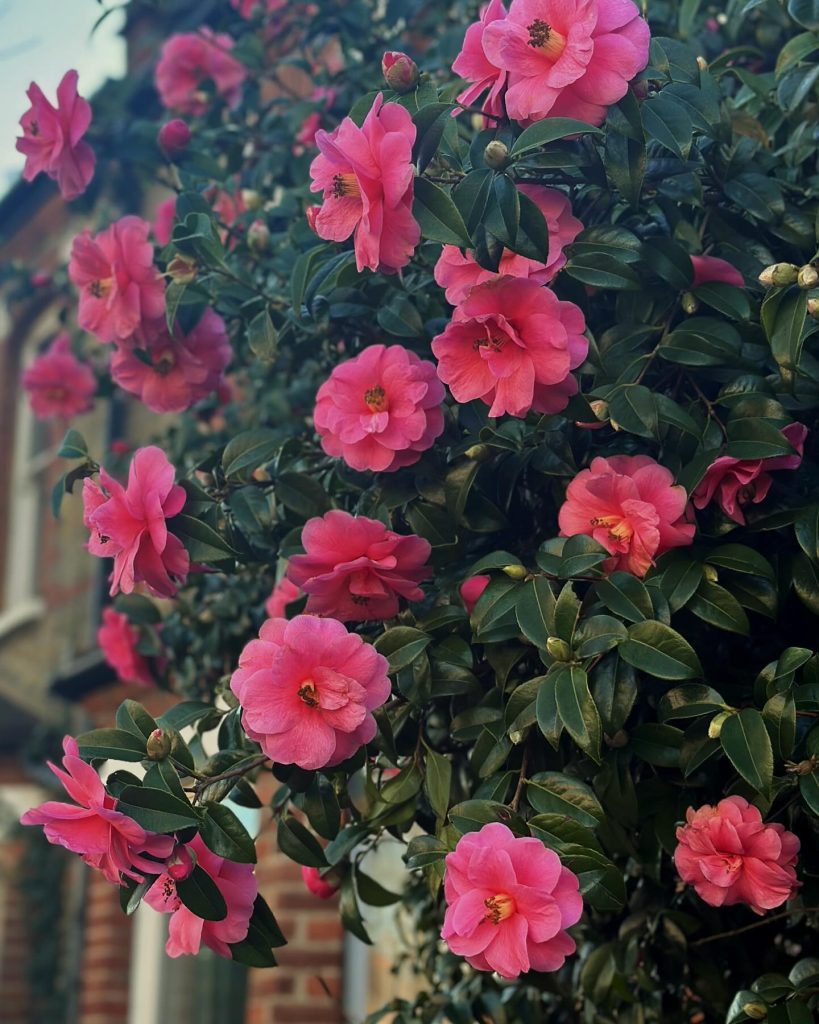
6. Camellia (Camellia japonica)
Camellias hail from eastern Asia, particularly China and Japan. I was amazed to learn they’re named after Jesuit botanist Georg Kamel. In Japan, they symbolize love and admiration, often used in tea ceremonies. They reached Europe in the 18th century, becoming a Victorian garden favorite.
Characteristics
These evergreen shrubs grow 6–12 feet tall with glossy, dark-green leaves. Their large, rose-like flowers bloom in pink, red, white, or bicolors from late fall to early spring. You will easily be obsessed with their lush, romantic look!
Care Requirements
Plant in acidic, well-drained soil with partial shade. Too much sun scorches leaves. Water weekly, keeping soil moist but not soggy. Mulch with pine bark to maintain acidity and retain moisture.
Prune after flowering to shape and remove dead wood. I fertilize with acid-loving plant food (like 10-5-4) in spring. Protect from harsh winds in colder zones.
7. Primrose (Primula vulgaris)
Primroses are native to Europe and western Asia. I read that their name, from Latin prima rosa (first rose), reflects their early blooms. Medieval herbalists used them for headaches and insomnia. By the 19th century, they were a staple in English cottage gardens.
Characteristics
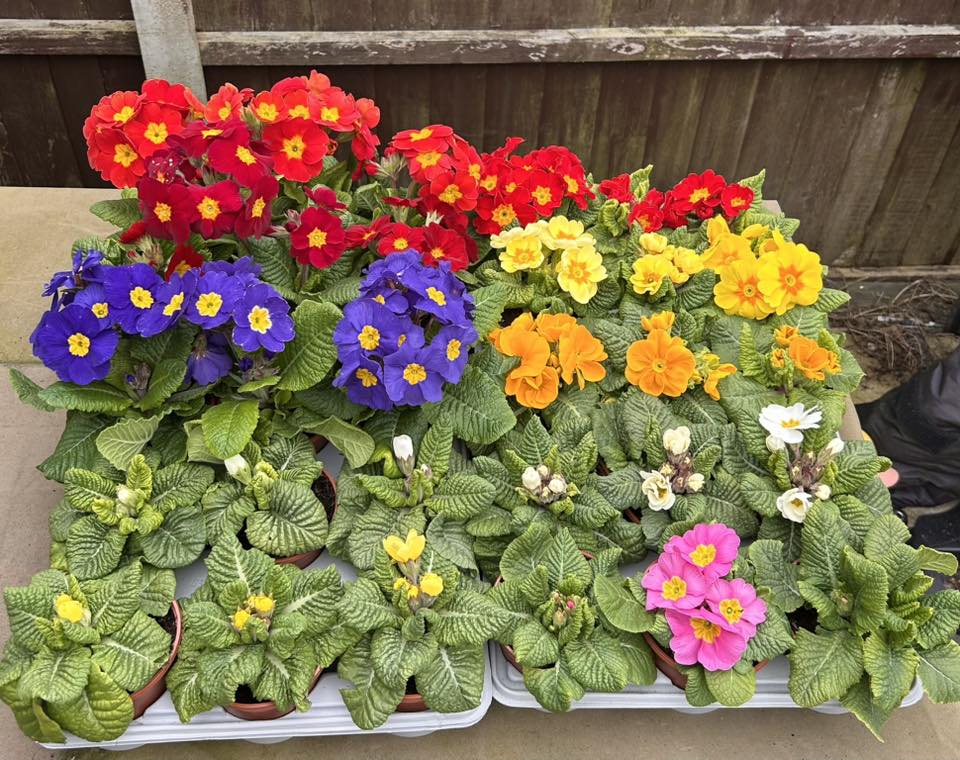
Primroses grow 6–12 inches tall. Their clustering flowers come in yellow, pink, purple, white, or red. Their wrinkled, tongue-shaped leaves form rosettes. They bloom from late winter to spring, adding cheer to shady spots.
Care Requirements
Plant in partial shade with rich, moist soil. I add compost to boost drainage. Water regularly, keeping the soil consistently moist but not waterlogged. Deadhead to extend blooming. I noticed a big difference when I started doing this!
Feed monthly with a balanced fertilizer. In pots, they’re perfect for patios; I bring mine indoors during hard freezes.
8. Winter Jasmine (Jasminum nudiflorum)
Native to northern China, winter jasmine was introduced to Europe in 1844 by Scottish botanist Robert Fortune. I love its nickname, “the welcoming flower,” for its early blooms that herald spring. It became a favorite in Victorian gardens for its hardiness and bright color.
Characteristics
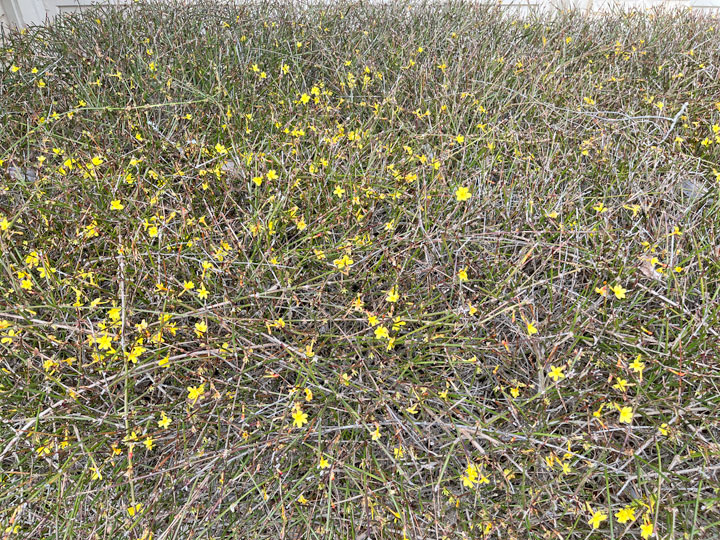
This deciduous shrub grows 3–4 feet tall and spreads up to 6 feet. Its arching branches bear star-shaped yellow flowers from late winter to early spring, before leaves appear. The bare stems create a striking winter silhouette.
Care Requirements
Plant in full sun or partial shade with well-drained soil. It’s drought-tolerant once established, so I water sparingly after the first year. Prune after flowering to control its sprawling habit. No fertilizer is needed, but I mulch to suppress weeds. It’s great for slopes or as a groundcover.
9. Violas (Viola cornuta)
Violas, native to Europe and the Pyrenees, were cultivated in the 18th century. I was charmed to learn they were a favorite in Victorian gardens for their delicate scent and petite size. They’re closely related to pansies but smaller and more cold-tolerant.
Characteristics
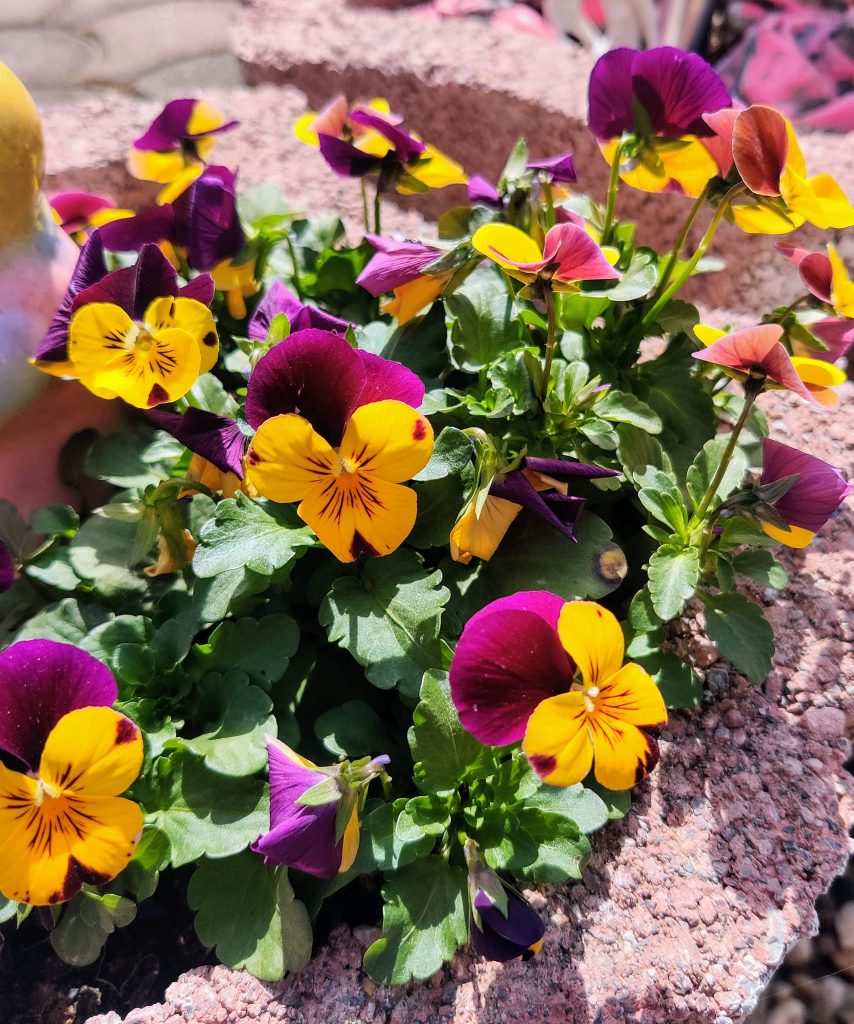
Violas grow 4–8 inches tall with dainty flowers in purple, blue, yellow, white, or bicolors. Their petals are smoother than pansies. Some varieties have a sweet fragrance. They bloom through mild winters, often starting in fall.
Care Requirements
Plant in well-drained soil with partial sun. I enrich the soil with compost for better blooms. Water every 5–7 days, ensuring the soil doesn’t dry out completely. Deadhead regularly to keep them flowering. Feed monthly with a 10-10-10 fertilizer. In containers, they’re perfect for window boxes.
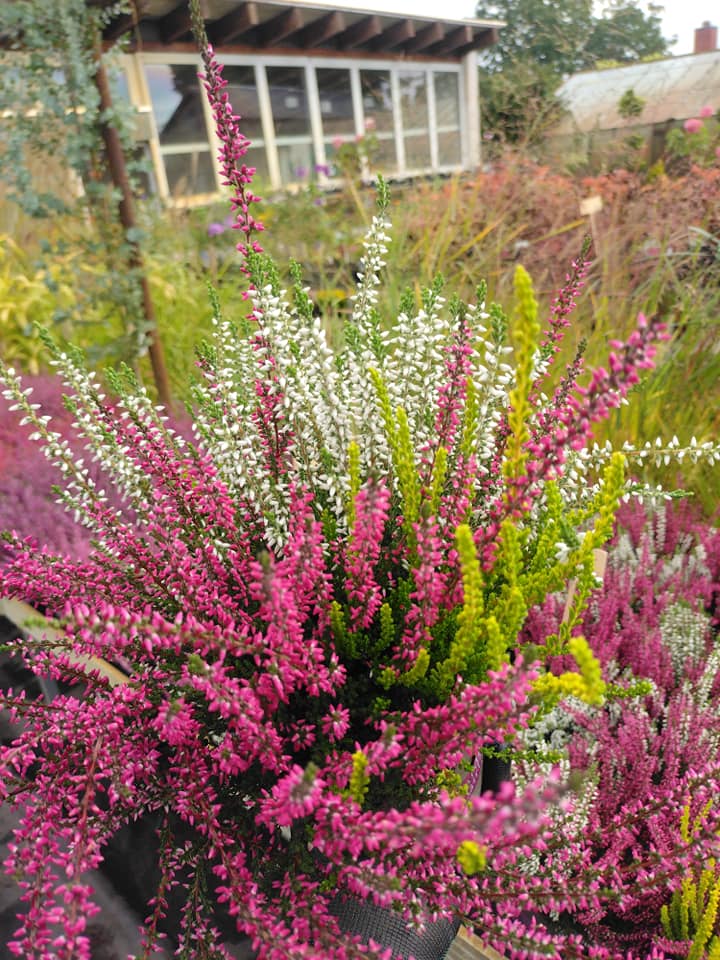
10. Heather (Calluna vulgaris)
Heather is native to Europe, particularly Scotland and Ireland. It’s been used for centuries in thatching, bedding, and dyes. I learned it’s a symbol of good luck in Scottish culture, often carried by brides. Its Latin name, Calluna, comes from the Greek kalluno (to beautify).
Characteristics
This low-growing shrub (6–24 inches) has tiny, bell-shaped flowers in pink, purple, white, or red. It blooms from late fall to early winter. Their needle-like leaves add texture. I love its rugged, windswept look in rock gardens.
Care Requirements
Plant in acidic, well-drained soil with full sun. I test my soil pH to ensure it’s below 6.5. Water sparingly, as heather hates wet feet. Overwatering killed my first batch! Shear lightly after blooming to maintain shape. No fertilizer is needed, but I add peat moss at planting for acidity.
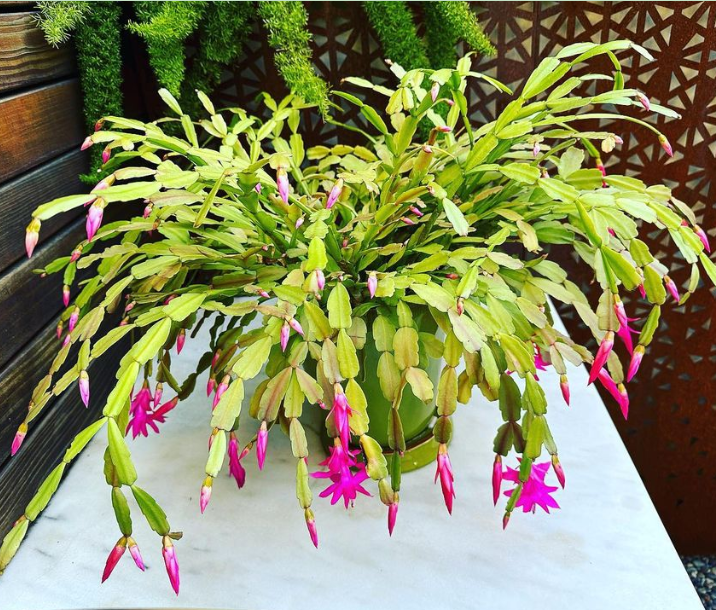
11. Christmas Cactus (Schlumbergera spp.)
Native to Brazil’s rainforests, the Christmas cactus is prized for its winter blooms. I was surprised to learn it grows on trees as an epiphyte in the wild! Its name comes from its holiday-season flowering, making it a festive favorite.
Characteristics
This succulent grows 6–12 inches tall with flat, segmented stems. Its tubular flowers, in pink, red, white, or orange, bloom from late fall to early winter. The cascading stems make it ideal for hanging baskets.
Care Requirements
Keep indoors in bright, indirect light with well-drained, sandy soil. Water when the top inch of soil feels dry. Overwatering can cause root rot. Maintain cool temperatures (60–70°F) and high humidity. Feed monthly with a diluted 20-20-20 fertilizer during growth. Outdoors in mild climates, place in shade.
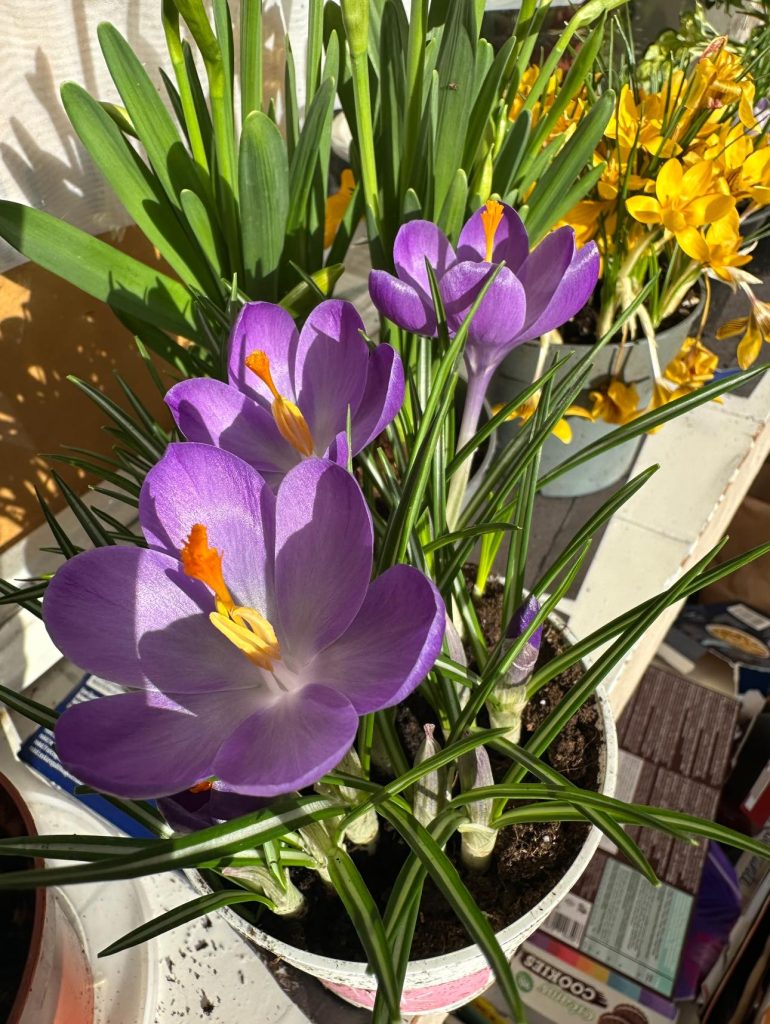
12. Crocus (Crocus spp.)
Crocuses, native to Europe, North Africa, and Asia, have been cultivated for over 3,000 years. I was fascinated to learn that Crocus sativus produces saffron, a spice worth more than gold in ancient times. They were revered in Greek mythology as symbols of spring and renewal.
Characteristics
These bulbs grow 3–6 inches tall with cup-shaped flowers in purple, white, yellow, or lilac. They bloom in late winter, often through snow, with grass-like leaves. Their vibrant colors are a beacon of hope in many gardens.
Care Requirements
Plant bulbs in fall, 3–4 inches deep, in well-drained soil with full sun or partial shade. Water lightly during growth; they’re drought-tolerant once dormant. I plant them in clusters for impact. Avoid heavy clay soils, as bulbs can rot. No fertilizer is needed, but I add bone meal at planting for stronger roots.
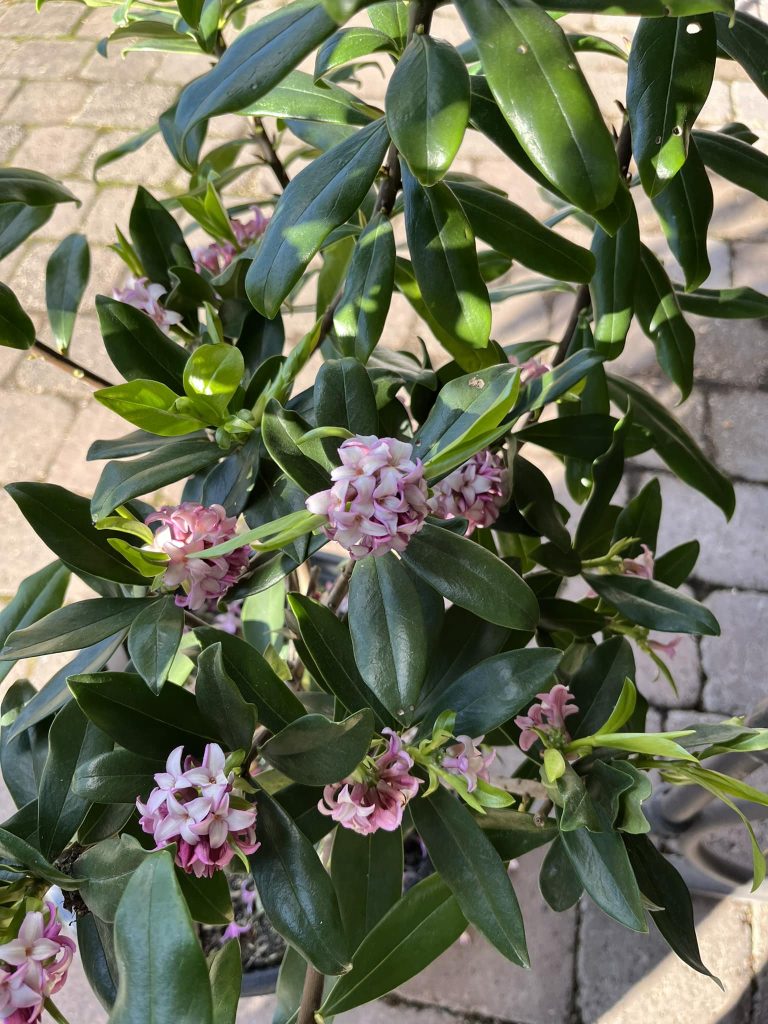
13. Winter Daphne (Daphne odora)
Native to China and Japan, winter daphne was introduced to Western gardens in the 18th century. Its sweet fragrance made it a favorite in perfumery. I read that it was planted near homes to scent the air. Its Latin name honors the nymph Daphne from Greek mythology.
Characteristics
This evergreen shrub grows 3–4 feet tall with glossy leaves and clusters of pink or white flowers. The fragrance is intoxicating, filling my garden in late winter. Blooms last into early spring.
Care Requirements
Plant in well-drained, slightly alkaline soil with partial shade. Water moderately, keeping soil moist but not soggy. Mulch to protect roots from cold and heat. Prune lightly after flowering to maintain shape. It’s toxic, so I keep it away from kids and pets.
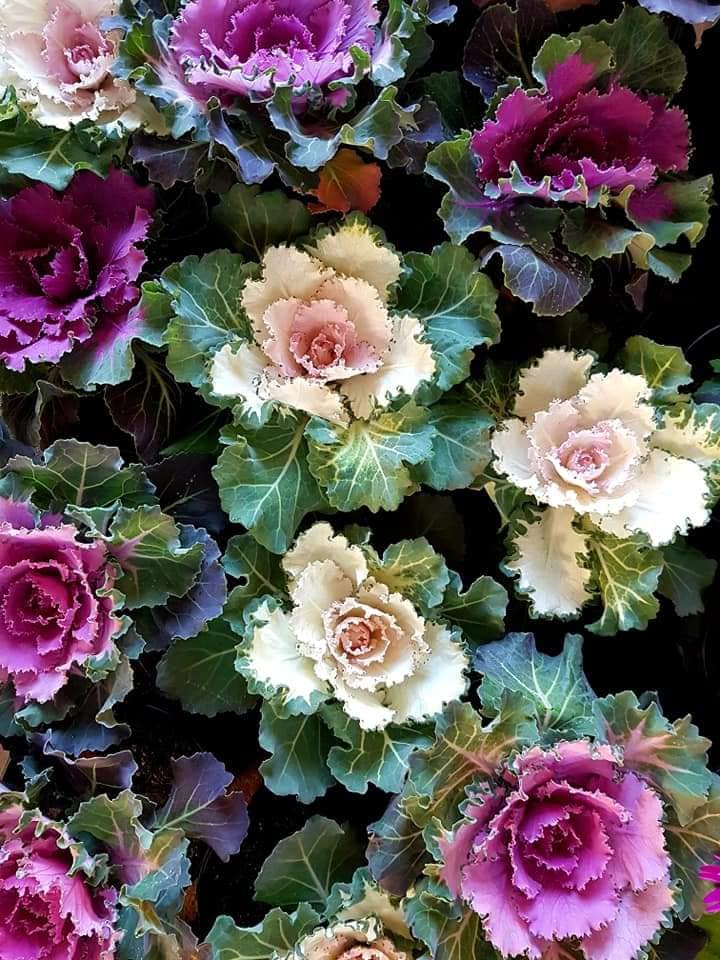
14. Ornamental Kale (Brassica oleracea)
Ornamental kale, a cultivar of edible kale, was developed in the 20th century for its colorful foliage. Native to Europe, its ancestors were grown by ancient Romans. I love how it’s bred for beauty, not taste, turning gardens into living art.
Characteristics
Growing 12–18 inches tall, ornamental kale forms rosettes of purple, pink, white, or green leaves that mimic flowers. The colors intensify in cold weather, making it a winter standout. You can use it in beds and pots for bold texture.
Care Requirements
Plant in full sun with well-drained, fertile soil. Water weekly, ensuring the soil stays moist but not waterlogged. Feed with a balanced fertilizer (10-10-10) every 4–6 weeks. Remove yellowing lower leaves for a tidy look. In containers, it’s a showstopper on my porch, but I protect it from heavy frost.
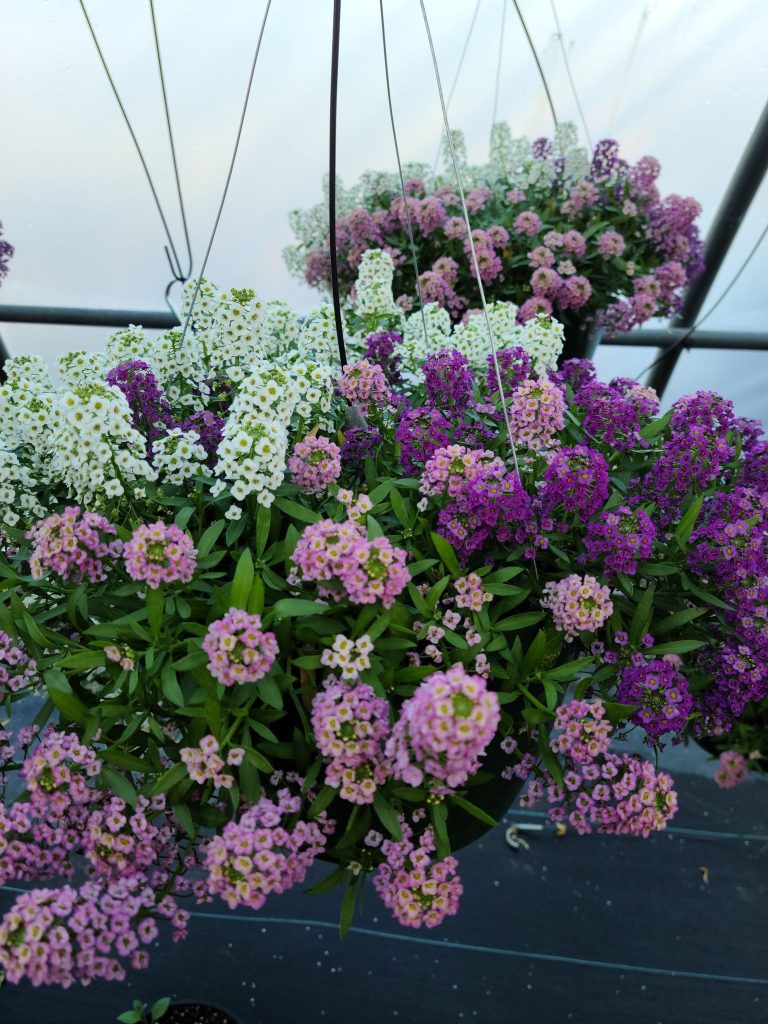
15. Sweet Alyssum (Lobularia maritima)
Native to the Mediterranean, sweet alyssum was popularized in Victorian gardens for its fragrance and low growth. Its name, from Greek a (without) and lyssa (madness), reflects its calming scent. I learned it was used in nosegays to mask odors in the past.
Characteristics
This groundcover grows 4–8 inches tall with dense clusters of tiny white, pink, or purple flowers. It blooms through mild winters, releasing a honey-like fragrance. I love it along walkways for a welcoming vibe.
Care Requirements
Plant in full sun or partial shade with well-drained soil. Water every 5–7 days, keeping soil slightly moist. Shear back by a third after the first bloom to encourage more flowers. Feed monthly with a 10-10-10 fertilizer. It’s perfect for edging or containers and reseeds easily.
Expert Tips for a Stunning Winter Garden
After years of trial and error, I’ve learned a few tricks to keep my winter garden thriving:
- Test your soil pH and amend it (e.g., sulfur for camellias, lime for daphne) to suit each plant. I use a soil test kit from my local nursery.
- Cover tender plants like pansies with frost cloth during freezes. For pots, move them to a garage or porch.
- Overwatering is my biggest mistake! Check soil moisture with your finger before watering. Most winter flowers prefer slightly moist conditions.
- Cyclamen, primroses, and ornamental kale shine in pots. Mix them for colorful patio displays and bring them indoors during harsh weather.
- Combine early bloomers (snowdrops, winter aconite) with late bloomers (camellias, hellebores) for non-stop color. Plan your garden like a relay race!
FAQs
Here are answers to the frequently asked questions about winter flowers
Q: Which winter flowers are best for harsh climates (zones 3–5)?
A: Snowdrops, winter aconite, and hellebores are super hardy. I mulch heavily and use frost cloth in extreme cold.
Q: How do I prevent root rot in winter flowers?
A: Ensure well-drained soil and avoid overwatering. I lost a cyclamen to rot before I learned to check soil moisture first!
Q: Can I grow these flowers in containers?
A: Yes! Pansies, violas, cyclamen, and ornamental kale are container stars. Use pots with drainage holes and quality potting mix.
Q: How do I extend bloom time?
A: Deadhead regularly and feed with a balanced fertilizer. I also plant in sheltered spots to protect from wind and frost.
Q: Are any of these flowers pet-safe?
A: Most, like hellebores and daphne, are toxic. Pansies and violas are safer bets. I keep toxic plants fenced off from my dog.
Final Thoughts
Winter gardens can be as vibrant as summer ones with the right flowers. From the pansies that sparked my gardening passion to the fragrant daphne that now perfumes my yard, these 15 blooms have taught me resilience and joy. Each has a story, from ancient origins to modern gardens, and they’re easier to grow than you might think. Try a few in your beds or pots, and share your successes.

Tim M Dave is a gardening expert with a passion for houseplants, particularly cacti and succulents. With a degree in plant biology from the University of California, Berkeley, he has vast experience in gardening. Over the years, he has cultivated a vast collection of desert plants and learned a great deal about how to grow and care for these unique companions.