Underwatered Sansevieria: How to Spot and Save a Thirsty Snake Plant
I thought my snake plant was invincible. It’s the ultimate low-maintenance houseplant, right? But last summer, I noticed its leaves looking wrinkly and droopy in my dry Chicago apartment. Turns out, I was underwatering it—a problem I didn’t even know snake plants could have!
Snake plants (Sansevieria), also called Mother-in-Law’s Tongue, are a favorite in many homes for their sleek look and air-purifying powers, as noted in the NASA Clean Air Study. While they’re drought-tolerant, neglecting their water needs can lead to trouble.
In this article, I’ll share how to spot an underwatered snake plant, fix it, and prevent it from happening again. Let’s get your snake plant back to its vibrant self!
Why Snake Plants Are Loved
Snake plants are a go-to for busy plant parents. They thrive in low light, need minimal care, and add a modern vibe to any space, from tiny New York apartments to spacious Texas homes.
They’re also great at cleaning indoor air, removing toxins like benzene, according to the Missouri Botanical Garden. I was also shocked to learn that snake plants grown in a bedroom improve sleep. These are just among many benefits of a snake plant.
But even these tough plants can suffer if you forget to water them, especially in dry or air-conditioned environments common across the U.S. I’ve made the mistake of assuming my snake plant could go months without water.
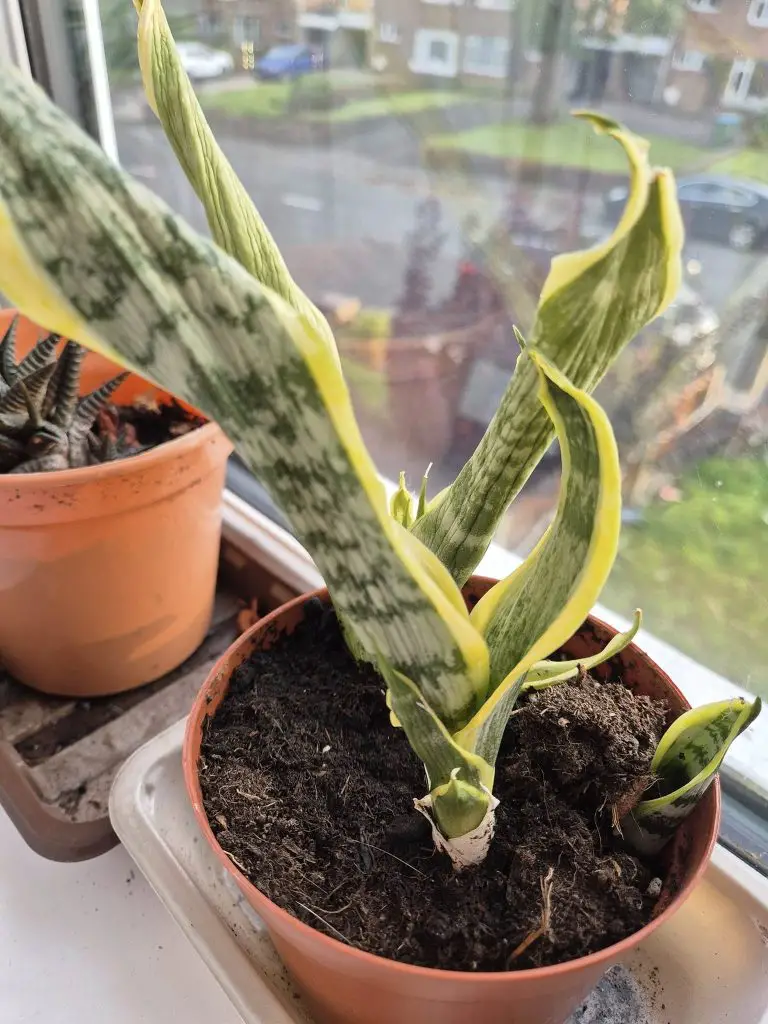
What Does an Underwatered Snake Plant Look Like?
Underwatering happens when your snake plant doesn’t get enough water to sustain its thick, water-storing leaves. This is common in dry climates like Arizona or Nevada, or in homes with constant air conditioning or heating, which zap humidity. Here’s how to spot the problem:
Symptoms
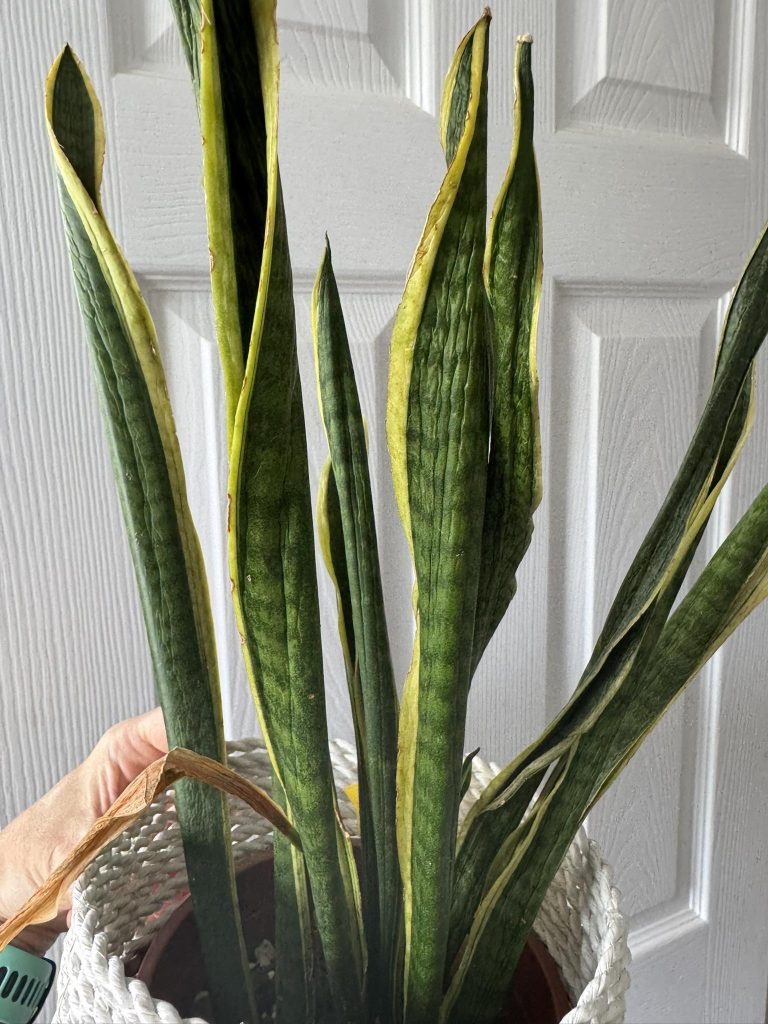
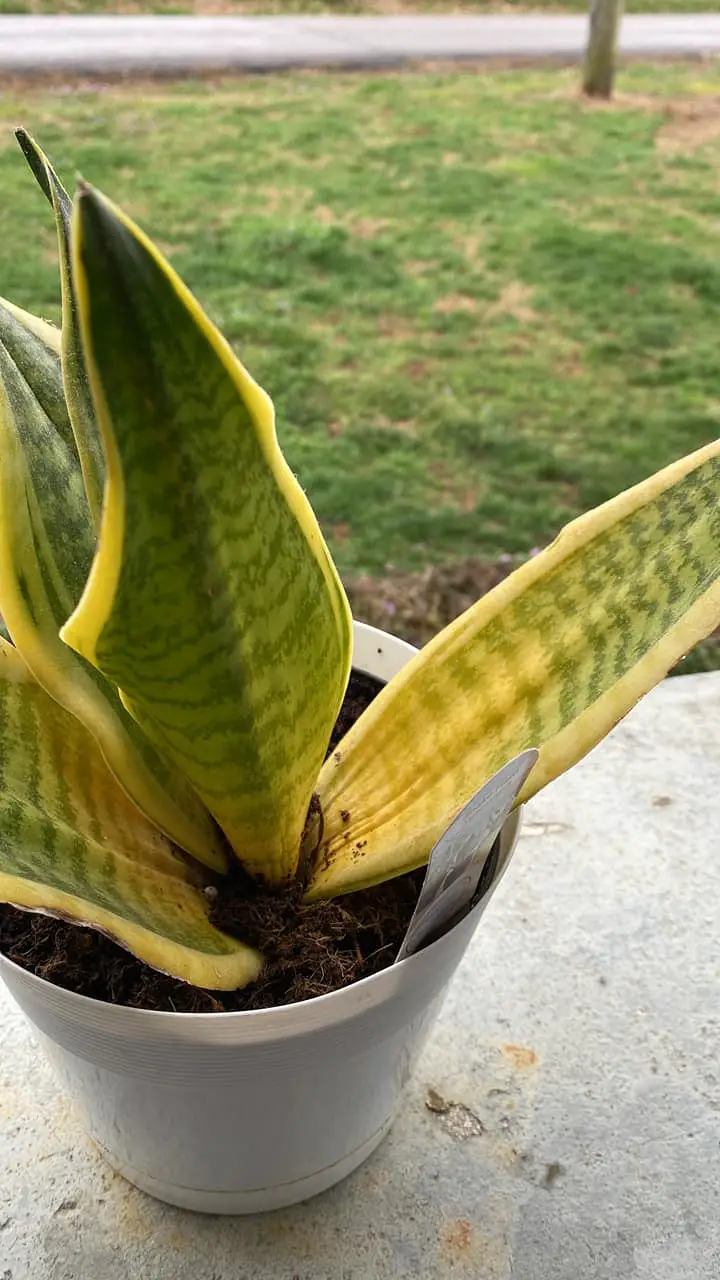
- The leaves look shriveled, like they’re deflating. I noticed this on my plant when I left it untouched for too long during a busy work month.
- Leaves may bend or curl inward as the plant tries to conserve water.
- The leaf tips turn brown and crispy, a sign of severe dehydration.
- If your plant hasn’t produced new shoots in ages, it might be thirsty.
- The soil feels bone-dry, and the pot is much lighter than usual.
If you’re seeing these signs, don’t panic. Snake plants are resilient, and with a little care, you can nurse them back to health.
Why Underwatering Happens in Most Homes
Snake plants are succulents, so they store water in their leaves and roots, making them drought-tolerant. But “tolerant” doesn’t mean “immune.” Here are common reasons I’ve seen (and experienced) for underwatering:
- Life gets busy, and it’s easy to forget watering, especially since snake plants need so little.
- In arid states like Utah or New Mexico, indoor air can be extremely dry, causing soil to dry out faster.
- Central heating in winter (think Minnesota or Michigan) or air conditioning in summer (hello, Florida) can suck moisture from the air and soil.
- Dense soil or pots without drainage can make it harder for roots to absorb water efficiently.
I used to think my snake plant could survive on sheer willpower, but dry indoor air and my forgetfulness proved me wrong. Let’s talk about how to fix it.
How to Fix an Underwatered Snake Plant
Reviving an underwatered snake plant is straightforward if you act quickly. Here’s what I did to save mine.
1. Give it a good soak
- Stick your finger an inch into the soil. If it’s dry as a desert, it’s time to water.
- Place the pot in a sink and pour water slowly until it runs out the drainage holes. I use room-temperature water to avoid shocking the roots.
- For severely dehydrated plants, try bottom-watering. Place the pot in a tray of water for 20–30 minutes to let the roots absorb moisture. This worked wonders for my parched snake plant.
Pro Tip: Use filtered or rainwater if possible. Tap water with fluoride or chlorine, common in many U.S. cities, can stress the plant over time, according to The Spruce.
2. Trim damaged leaves
- If the leaf tips are brown and crispy, snip them off with clean scissors at an angle to maintain the leaf’s natural shape. I did this to tidy up my plant, and it looked much better.
- If entire leaves are shriveled and brown, cut them at the base to encourage new growth.
Pro Tip: Sterilize your scissors with rubbing alcohol to prevent spreading bacteria.
3. Adjust your watering routine
- Snake plants don’t need frequent watering, but don’t let them go months without it. In humid areas like Louisiana, every 3–4 weeks is fine; in dry climates like Nevada, check every 2 weeks.
- Indoor heating or AC can dry out soil faster. I set a calendar reminder to check my plant’s soil every couple of weeks.
- Use well-draining soil. I repotted my snake plant in a cactus mix to ensure water doesn’t sit too long.
4. Boost humidity (If needed)
- Place a tray of water with pebbles under the pot to increase local humidity, especially in dry climates.
- Use a humidifier. I got a small, affordable humidifier from Amazon for my plant corner, which helped during dry winter months.
- Lightly mist the leaves once a week if your home is super dry, but don’t overdo it—snake plants don’t love wet leaves.
5. Check the pot
- Make sure your pot has drainage holes. I switched to a terracotta pot, which helps wick away excess moisture and prevents future issues.
- If the roots are circling the pot, it may struggle to absorb water. Repot into a container one size larger with fresh soil.
Pro Tip: If your plant is still struggling after a month, check the roots for damage. Healthy roots are white and firm. If they’re brown or mushy, you may need to address root rot instead.
Preventing Underwatering in the Future
Once I got my snake plant back on track, I focused on prevention. Here’s what can help you:
- I check the soil every 2–3 weeks, watering only when it’s completely dry.
- In dry areas, you may need to water more often or increase humidity. In humid regions, stick to less frequent watering. Therefore, understand the climate of your region.
- Use the right tools. A moisture meter takes the guesswork out of watering.
- Snake plants in brighter light (like near a south-facing window) may dry out faster than those in low light. So, monitor the light conditions.
- Dust can block photosynthesis, stressing the plant. I wipe my snake plant’s leaves
- In humid areas like Florida or Georgia, underwatering is less common, but check the soil regularly. In dry states like California or Colorado, increase humidity with a pebble tray or humidifier.
- During winter, when indoor heating is common in northern states, soil dries out faster. Check more frequently.
- Snake plants tolerate low light, but too little can slow growth and make them more prone to dehydration. A grow light, with full-spectrum LED, helps in dim homes.
- If your snake plant is healthy again, try propagating cuttings in water or soil to grow new plants. I’ve shared mine with friends, and it’s so rewarding!
My Snake Plant Recovery Story
I’ll never forget the day I noticed my snake plant looking like it had given up. Its leaves were wrinkly, and the tips were turning brown. I felt like a terrible plant parent!
After some research and advice from a friend, I gave it a thorough soak, trimmed the damaged tips, and moved it closer to an east-facing window. Within a few weeks, it started perking up, and a new shoot appeared a month later.
Now, it’s the star of my living room, and I’ve learned to pay a little more attention to its needs.
If your snake plant is struggling, don’t give up. These plants are tough as nails. A little TLC can go a long way, and you’ll be amazed at how quickly they bounce back.
FAQs
Here are the frequently asked questions about underwatered snake plants:
Q: How do I know if my snake plant is underwatered or overwatered?
A: Underwatered snake plants have wrinkled, droopy leaves and dry soil. Overwatered ones have yellow, mushy leaves and soggy soil. Check the soil and roots to confirm.
Q: How long can a snake plant go without water?
A: They can survive 4–6 weeks without water, but prolonged neglect causes stress. In dry climates, aim for every 2–3 weeks.
Q: Can an underwatered snake plant recover?
A: Yes! Water thoroughly, trim damaged leaves, and adjust your care routine. Most snake plants recover within a few weeks if the roots are healthy.
Q: Should I mist my snake plant?
A: Mist lightly in very dry environments, but don’t overdo it. Snake plants prefer dry leaves to avoid fungal issues.
Q: Are snake plants safe for pets?
A: No, they’re mildly toxic to cats and dogs, causing nausea if ingested. Keep them out of reach, as advised by the ASPCA.
Q: Why isn’t my snake plant growing after watering?
A: It may need time to recover or more light. Snake plants grow slowly, so be patient. Fertilize sparingly with a balanced fertilizer, once in spring.
Suggested For You:
Are Snake Plants Toxic to Dogs? What Dog Owners Need to Know
Explained: Why Are My Snake Plant Leaves Turning Yellow?
Explained: Why Are My Snake Plant Leaves Curling?
Overwatered Snake Plant: Signs, Fixes, and Prevention Tips
Understanding Cylindrical Snake Plant: Basic Care Requirements
Final Thoughts
Underwatering a snake plant is an easy mistake, especially in the dry, climate-controlled homes common across the U.S. I’ve been there, thinking my plant could survive on neglect alone. By recognizing the signs—wrinkled leaves, dry tips, and slow growth—you can act fast to revive your plant.
A good soak, proper care adjustments, and a little patience will have your snake plant standing tall again. For more inspiration, join plant communities on Reddit or check out the University of Florida’s Extension Service for expert advice.

Tim M Dave is a gardening expert with a passion for houseplants, particularly cacti and succulents. With a degree in plant biology from the University of California, Berkeley, he has vast experience in gardening. Over the years, he has cultivated a vast collection of desert plants and learned a great deal about how to grow and care for these unique companions.