25 Types of Jade Plant: Identification and Care Details
Jade plants, primarily from the Crassula genus, are beloved succulents, cherished for their lush green leaves, easy care, and symbolic ties to prosperity. Native to South Africa, these plants thrive in the USA as houseplants and outdoor specimens in warmer climates.
With their glossy foliage and tree-like growth, jade plants add charm to homes, offices, and gardens. This article explores 25 popular jade plant varieties in the USA, detailing their names, characteristic features, care details, and distribution.
Different Types of Jade Plant
With over 300 species and countless cultivars, jade plants offer diverse shapes, sizes, and colors. Let’s dive into 25 types that stand out in the USA.
1. Common Jade Plant (Crassula ovata)
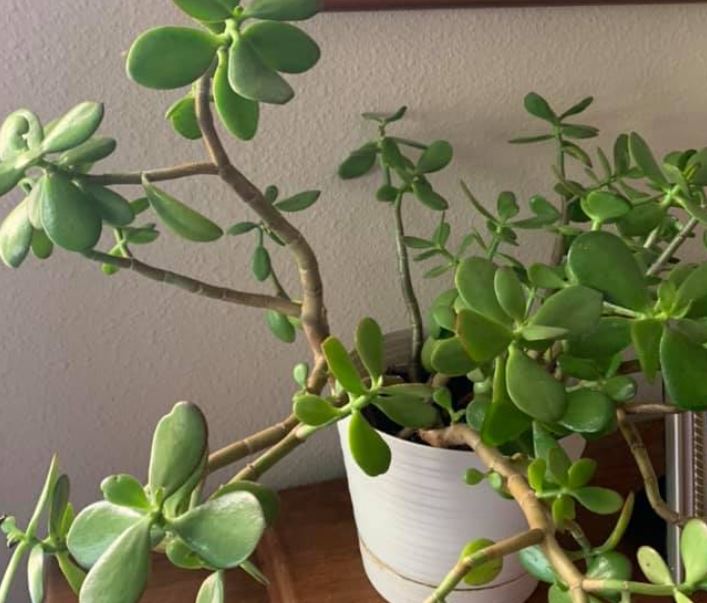
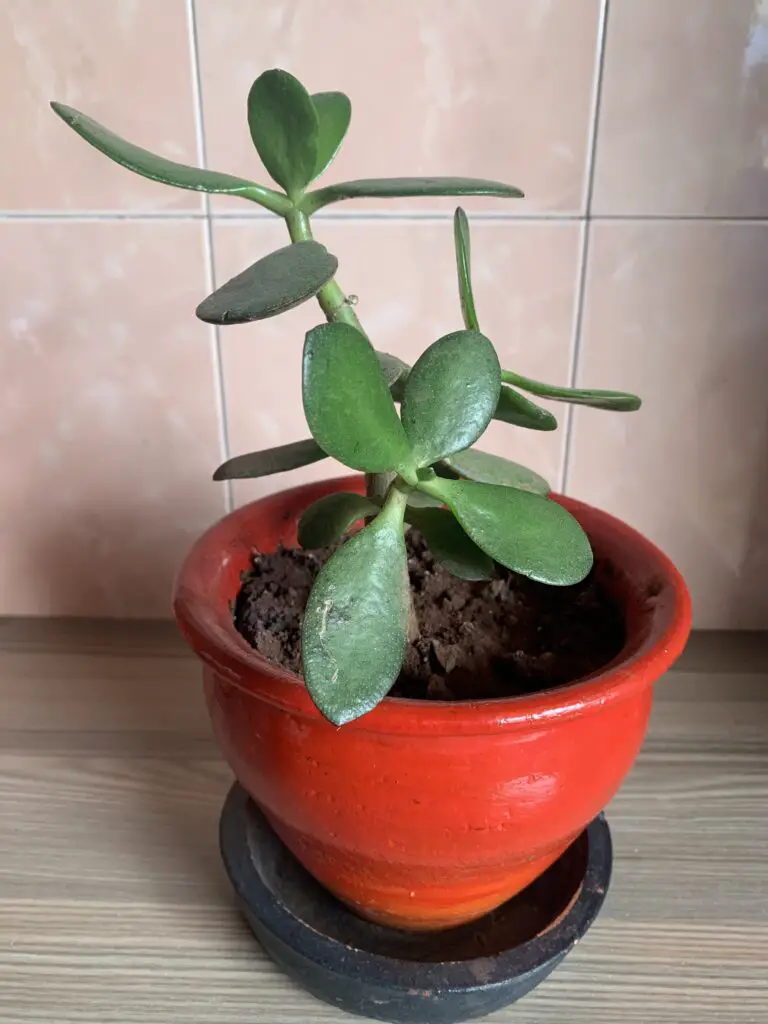
The Common Jade Plant, often called the money plant or lucky plant, is the most iconic jade variety in the USA. Its glossy, oval-shaped leaves and sturdy, woody stems give it a miniature tree-like appearance.
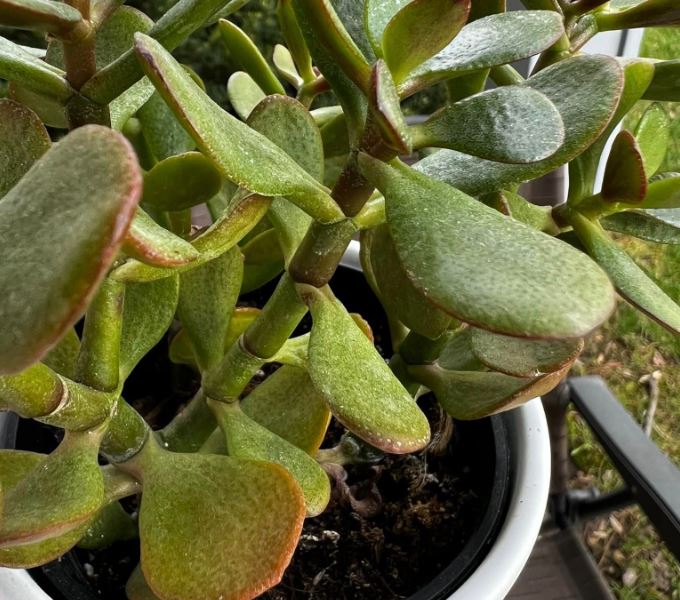
Native to South Africa’s Eastern Cape, it thrives in warm, dry climates but adapts well to indoor settings. In bright sunlight, the leaf edges turn a striking red, adding vibrancy to its lush green foliage. This slow-growing plant can reach 6 feet tall over decades, making it a long-term companion for growers.
Its small, star-shaped pink or white flowers bloom in late winter or spring under ideal conditions, though flowering is rare indoors.
- Scientific Name: Crassula ovata
- USDA Zone: 9–12
- Color Variation: Rich jade green leaves, red-tinged edges in bright light
- Sun Exposure: 4–6 hours of direct sunlight or bright indirect light
- Mature Size: Up to 6 ft tall, 3 ft wide
- Lifespan: 50–100 years
- Toxicity: Toxic to cats, dogs, and humans if ingested

Distribution: Widely available in nurseries, garden centers, and online retailers like Amazon and Etsy. In USDA Zones 9–12 (think of California, Arizona, Florida), it’s grown outdoors in succulent gardens or as a patio plant. In colder states like New York or Michigan, it’s a popular houseplant.
What Makes It Stand Out: Its longevity and symbolic association with prosperity make it a favorite gift plant. Its versatility suits beginners and experts alike, and its ability to be propagated from a single leaf adds to its appeal.
2. Hummel’s Sunset Jade (Crassula ovata ‘Hummel’s Sunset’)
Hummel’s Sunset is a dazzling cultivar named for its sunset-like leaf colors. Awarded by the Royal Horticultural Society, it features green leaves that develop vibrant yellow, orange, and red margins in full sun.
This compact variety is smaller than the common jade, making it ideal for small spaces, containers, or bonsai arrangements. Its slow growth and striking foliage make it a standout in American homes and gardens.
- Scientific Name: Crassula ovata ‘Hummel’s Sunset’
- USDA Zone: 9–11
- Color Variation: Green leaves with yellow, orange, and red edges
- Sun Exposure: Full sun for vibrant colors, tolerates bright indirect light
- Mature Size: 2–3 ft tall, 2 ft wide
- Lifespan: 50–70 years
- Toxicity: Toxic to pets and humans
Distribution: Popular in nurseries across California, Texas, and Florida. Available online through specialty succulent retailers like Planet Desert. Grown outdoors in warm climates or as a houseplant in colder regions.
What Makes It Stand Out: The multicolored foliage is its hallmark, transforming with light exposure. Its compact size and bonsai potential appeal to collectors seeking a vibrant, low-maintenance plant.
3. Gollum Jade (Crassula ovata ‘Gollum’)
Named after the “Lord of the Rings” character, Gollum jade is known for its quirky, tubular leaves that resemble suction cups. The leaf tips turn red in bright light, adding a playful contrast. This variety’s unique form makes it a favorite for bonsai enthusiasts and collectors in the USA. It grows slowly, forming a shrub-like structure over time.
- Scientific Name: Crassula ovata ‘Gollum’
- USDA Zone: 9–12
- Color Variation: Green tubular leaves with red tips
- Sun Exposure: 4–6 hours of direct sun or bright indirect light
- Mature Size: 3 ft tall, 2 ft wide
- Lifespan: 50–100 years
- Toxicity: Toxic to cats, dogs, and humans
Distribution: Found in garden centers nationwide and online succulent shops. Grown outdoors in warm states like California and Arizona or as a houseplant in colder climates.
What Makes It Stand Out: The tubular leaves and red tips give it a whimsical, alien-like appearance. Its slow growth and bonsai suitability make it a unique addition to any collection.
4. Hobbit Jade (Crassula ovata ‘Hobbit’)
Hobbit jade, another “Lord of the Rings” namesake, is similar to Gollum but with slightly shorter, curled leaves. Its pipe-like foliage develops red tips in bright light, creating a striking effect. This compact cultivar is perfect for small pots, bonsai projects, or as a desk plant. It rarely blooms, but when it does, expect small pink or white flowers in spring.
- Scientific Name: Crassula ovata ‘Hobbit’
- USDA Zone: 9–11
- Color Variation: Curled, tubular green leaves with red tips
- Sun Exposure: Full sun or bright indirect light
- Mature Size: 2–3 ft tall, 1–2 ft wide
- Lifespan: 50–70 years
- Toxicity: Toxic to pets and humans
Distribution: Widely available in nurseries and online retailers. Popular as a houseplant in states like New York and Illinois, or grown outdoors in Zones 9–11.
What Makes It Stand Out: Its curled leaves and compact size make it a charming, low-maintenance choice. Its playful form appeals to collectors and beginners alike.
5. Tricolor Jade (Crassula ovata ‘Tricolor’)
Tricolor jade is a variegated beauty with green leaves streaked with cream and pink. Its vibrant colors make it a decorative standout in American homes. It grows well in bright, indirect light, as too much direct sun can scorch the delicate variegated leaves. This variety is slower-growing than the common jade but equally resilient.
- Scientific Name: Crassula ovata ‘Tricolor’
- USDA Zone: 9–12
- Color Variation: Green leaves with cream and pink streaks
- Sun Exposure: Bright indirect light, tolerates some direct sun
- Mature Size: 2–4 ft tall, 2 ft wide
- Lifespan: 50–70 years
- Toxicity: Toxic to cats, dogs, and humans
Distribution: Available in nurseries and online platforms like Etsy. Grown indoors across the USA or outdoors in warm climates like Florida and Southern California.
What Makes It Stand Out: The cream and pink variegation adds a soft, colorful touch. Its compact growth suits small spaces, making it ideal for shelves or desks.
6. Silver Dollar Jade (Crassula arborescens)
Silver Dollar jade, also called silver jade, has round, coin-like leaves that resemble silver coins. Its blue-gray foliage develops red margins in bright light, creating a striking contrast. This variety is popular in the USA for its unique look and robust growth. It’s often grown as a houseplant or in outdoor succulent gardens in warm climates.
- Scientific Name: Crassula arborescens
- USDA Zone: 9–11
- Color Variation: Blue-gray leaves with red edges
- Sun Exposure: Full sun or bright indirect light
- Mature Size: 3–4 ft tall, 2–3 ft wide
- Lifespan: 50–100 years
- Toxicity: Toxic to pets and humans
Distribution: Common in nurseries in warm states like California and Arizona. Available online through succulent retailers. Grown indoors in colder regions.
What Makes It Stand Out: The coin-like leaves and blue-gray color make it a standout. Its sturdy growth and long lifespan appeal to collectors.
7. Mini Jade (Crassula ovata ‘Minima’)
Mini Jade is a dwarf cultivar with tightly packed, small leaves. Its compact size makes it perfect for small spaces like windowsills, desks, or terrariums. In bright light, the leaves develop red edges, adding charm. This variety is a favorite in the USA for its tidy growth and beginner-friendly care.
- Scientific Name: Crassula ovata ‘Minima’
- USDA Zone: 9–12
- Color Variation: Small, rounded green leaves, red edges in sun
- Sun Exposure: 4–6 hours of direct sun or bright indirect light
- Mature Size: 1–2 ft tall, 1 ft wide
- Lifespan: 50–70 years
- Toxicity: Toxic to cats, dogs, and humans
Distribution: Widely available in garden centers and online. Popular as a houseplant nationwide or grown outdoors in Zones 9–12.
What Makes It Stand Out: Its miniature size and dense foliage make it ideal for small spaces. Its ease of care appeals to beginners.
8. Blue Bird Jade (Crassula ovata ‘Blue Bird’)
Blue Bird jade has thick, blue-green leaves that develop red tips in full sun. Its sturdy growth and vibrant color make it a popular choice in the USA. It blooms with small pink or white flowers in spring under ideal conditions. This variety thrives in pots, making it versatile for indoor or outdoor settings.
- Scientific Name: Crassula ovata ‘Blue Bird’
- USDA Zone: 9–12
- Color Variation: Blue-green leaves with red tips
- Sun Exposure: Full sun or bright indirect light
- Mature Size: 2–3 ft tall, 2 ft wide
- Lifespan: 50–70 years
- Toxicity: Toxic to pets and humans
Distribution: Available in nurseries and online retailers. Grown outdoors in warm climates or as a houseplant in colder states.
What Makes It Stand Out: The blue-green foliage and red tips create a striking contrast. Its robust growth suits various settings.
9. Red Coral Jade (Crassula ovata ‘Red Coral’)
Red Coral jade is a vibrant cultivar with red and yellow leaves that intensify in full sun. Its bold colors make it a standout in American gardens and homes. It’s perfect for indoor settings with grow lights or outdoor succulent beds in warm climates.
- Scientific Name: Crassula ovata ‘Red Coral’
- USDA Zone: 9–11
- Color Variation: Bright red and yellow leaves in full sun
- Sun Exposure: Full sun, tolerates bright indirect light
- Mature Size: 3 ft tall, 2 ft wide
- Lifespan: 50–70 years
- Toxicity: Toxic to pets and humans
Distribution: Found in specialty nurseries and online succulent shops. Popular in warm states like California and Florida.
What Makes It Stand Out: The bright red and yellow foliage is eye-catching. Its adaptability makes it a favorite for colorful displays.
10. Botany Bay Jade (Crassula ovata ‘Botany Bay’)
Introduced in 2011, Botany Bay jade has a compact, bushy habit. Its light green-yellow leaves develop red tips in bright light, creating a soft glow. This variety is popular in the USA for its tidy growth and suitability for containers or bonsai.
- Scientific Name: Crassula ovata ‘Botany Bay’
- USDA Zone: 9–11
- Color Variation: Light green-yellow leaves with red tips
- Sun Exposure: Full sun or bright indirect light
- Mature Size: 2–3 ft tall, 2 ft wide
- Lifespan: 50–70 years
- Toxicity: Toxic to pets and humans
Distribution: Available in nurseries and online retailers. Grown indoors nationwide or outdoors in warm climates.
What Makes It Stand Out: Its light-colored foliage and compact form make it a versatile, attractive choice.
11. Fairy Jade (Crassula multicava)
Fairy jade is a fast-growing, mat-forming succulent with oval leaves and purple undersides. Its spreading habit makes it an excellent groundcover in warm climates or a trailing plant in containers. In the USA, it’s prized for its lush appearance and small purple flowers in spring.
- Scientific Name: Crassula multicava
- USDA Zone: 9–11
- Color Variation: Pale to medium green leaves, purple undersides
- Sun Exposure: Partial shade to full sun
- Mature Size: Up to 16 in tall, spreads widely
- Lifespan: 20–50 years
- Toxicity: Toxic to pets and humans
Distribution: Common in warm states like California and Florida. Available in nurseries and online.
What Makes It Stand Out: The purple leaf undersides and spreading growth make it unique for groundcovers or hanging baskets.
12. Moon Glow Jade (Crassula mesembryanthemoides)
Moon Glow jade has fuzzy, teardrop-shaped leaves that give it a soft, velvety texture. The fine hairs protect it from intense sun, making it adaptable to various light conditions. It’s a favorite in the USA for its unique look and low-maintenance care.
- Scientific Name: Crassula mesembryanthemoides
- USDA Zone: 9–11
- Color Variation: Fuzzy, teardrop-shaped green leaves
- Sun Exposure: Full sun to partial shade
- Mature Size: 16 in tall, 1 ft wide
- Lifespan: 20–50 years
- Toxicity: Toxic to pets and humans
Distribution: Available in specialty nurseries and online. Grown indoors or outdoors in warm climates.
What Makes It Stand Out: The fuzzy leaves and teardrop shape add a soft, distinctive texture.
13. Watch Chain Jade (Crassula muscosa)
Watch Chain jade, also called rattail jade, has tiny leaves that resemble a chain. Its upright stems form a compact shrub, making it ideal for rock gardens or small pots. In the USA, it’s popular for its unique texture and ease of care.
- Scientific Name: Crassula muscosa
- USDA Zone: 9–11
- Color Variation: Tiny green leaves, chain-like appearance
- Sun Exposure: Full sun or bright indirect light
- Mature Size: 12 in tall, 1 ft wide
- Lifespan: 20–50 years
- Toxicity: Toxic to pets and humans
Distribution: Found in nurseries and online succulent shops. Grown outdoors in warm climates or indoors elsewhere.
What Makes It Stand Out: The chain-like leaves create a distinctive, textured look.
14. Taylor’s Parches Jade (Crassula lactea)
Taylor’s Parches jade has a low, trailing growth habit with obovate leaves that turn orange-red in direct sun. It’s used in the USA as a groundcover or in containers for its bushy appearance. Its drought tolerance makes it low-maintenance.
- Scientific Name: Crassula lactea
- USDA Zone: 9–11
- Color Variation: Light to mid-green leaves, orange-red in sun
- Sun Exposure: Full sun or partial shade
- Mature Size: 12 in tall, 1–2 ft wide
- Lifespan: 20–50 years
- Toxicity: Toxic to pets and humans
Distribution: Common in warm climates like California and Arizona. Available online and in nurseries.
What Makes It Stand Out: The trailing habit and orange-red leaves add versatility and color.
15. Crosby’s Compact Jade (Crassula ovata ‘Crosby’s Compact’)
Crosby’s Compact is a dwarf variety with small, red leaves. Its miniature size makes it ideal for small pots, terrariums, or bonsai. In the USA, it’s loved for its tidy form and vibrant color.
- Scientific Name: Crassula ovata ‘Crosby’s Compact’
- USDA Zone: 9–12
- Color Variation: Small red leaves
- Sun Exposure: Full sun or bright indirect light
- Mature Size: 1–2 ft tall, 1 ft wide
- Lifespan: 50–70 years
- Toxicity: Toxic to pets and humans
Distribution: Available in nurseries and online. Popular as a houseplant nationwide.
What Makes It Stand Out: The small, red leaves and compact size are perfect for small spaces.
16. Variegata Jade (Crassula ovata ‘Variegata’)
Variegata jade has green and cream bicolor leaves, adding a soft, decorative touch. It’s a popular houseplant in the USA for its elegant appearance. Bright indirect light keeps its variegation vibrant.
- Scientific Name: Crassula ovata ‘Variegata’
- USDA Zone: 9–12
- Color Variation: Green and cream bicolor leaves
- Sun Exposure: Bright indirect light, some direct sun
- Mature Size: 2–3 ft tall, 2 ft wide
- Lifespan: 50–70 years
- Toxicity: Toxic to pets and humans
Distribution: Widely available in nurseries and online. Grown indoors or outdoors in warm climates.
What Makes It Stand Out: The green and cream variegation creates a sophisticated look.
17. California Red Tip Jade (Crassula ovata ‘California Red Tip’)
California Red Tip jade has bold purplish-red leaf edges in full sun. It’s a favorite in the USA for its vibrant color and sturdy growth. It thrives in containers or outdoor beds.
- Scientific Name: Crassula ovata ‘California Red Tip’
- USDA Zone: 9–11
- Color Variation: Green leaves with purplish-red edges
- Sun Exposure: Full sun for best color
- Mature Size: 2–3 ft tall, 2 ft wide
- Lifespan: 50–70 years
- Toxicity: Toxic to pets and humans
Distribution: Popular in California nurseries and online. Grown outdoors in warm climates.
What Makes It Stand Out: The purplish-red edges add bold contrast.
18. Bronze Beauty Jade (Crassula ovata ‘Bronze Beauty’)
Bronze Beauty has small, coppery-green leaves and a compact form. Its unique color and slow growth make it ideal for small spaces. It’s a favorite in the USA for its distinctive hue.
- Scientific Name: Crassula ovata ‘Bronze Beauty’
- USDA Zone: 9–12
- Color Variation: Coppery-green leaves
- Sun Exposure: Bright indirect light or full sun
- Mature Size: 1–2 ft tall, 1 ft wide
- Lifespan: 50–70 years
- Toxicity: Toxic to pets and humans
Distribution: Available in nurseries and online. Popular as a houseplant.
What Makes It Stand Out: The coppery leaves add a warm, unique tone.
19. ET’s Fingers Jade (Crassula ovata ‘ET’s Fingers’)
ET’s Fingers jade has tubular leaves resembling alien fingers. Its red tips glow in bright light, making it a quirky favorite in the USA. It’s great for bonsai or containers.
- Scientific Name: Crassula ovata ‘ET’s Fingers’
- USDA Zone: 9–12
- Color Variation: Tubular green leaves with red tips
- Sun Exposure: Full sun or bright indirect light
- Mature Size: 2–3 ft tall, 1–2 ft wide
- Lifespan: 50–70 years
- Toxicity: Toxic to pets and humans
Distribution: Found in specialty nurseries and online. Grown indoors or outdoors in warm climates.
What Makes It Stand Out: The alien-like leaves add a playful, unique element.
20. Ripple Jade (Crassula undulatifolia)
Ripple Jade has wavy, blue-green leaves with a bonsai-like form. Its architectural look makes it a standout in the USA for containers or rock gardens.
- Scientific Name: Crassula undulatifolia
- USDA Zone: 9–11
- Color Variation: Wavy blue-green leaves
- Sun Exposure: Full sun or partial shade
- Mature Size: 2–3 ft tall, 1–2 ft wide
- Lifespan: 20–50 years
- Toxicity: Toxic to pets and humans
Distribution: Available in nurseries and online. Popular in warm climates.
What Makes It Stand Out: The wavy leaves and bonsai form add elegance.
21. Bonsai Jade Tree (Crassula ovata ‘Bonsai’)
Bonsai Jade Tree is a dwarf variety ideal for bonsai enthusiasts. Its compact size and red-blushed leaves are popular in the USA.
- Scientific Name: Crassula ovata ‘Bonsai’
- USDA Zone: 9–12
- Color Variation: Green leaves with red blush
- Sun Exposure: Full sun or bright indirect light
- Mature Size: 1–2 ft tall, 1 ft wide
- Lifespan: 50–70 years
- Toxicity: Toxic to pets and humans
Distribution: Available in nurseries and online. Popular as a houseplant.
What Makes It Stand Out: Its bonsai suitability and compact size are ideal for enthusiasts.
22. Pink Jade (Crassula ovata ‘Pink’)
Pink Jade has soft pink leaf margins that intensify in full sun. It’s a favorite in the USA for its delicate color and sturdy growth.
- Scientific Name: Crassula ovata ‘Pink’
- USDA Zone: 9–12
- Color Variation: Green leaves with pink margins
- Sun Exposure: Full sun for best color
- Mature Size: 2–3 ft tall, 2 ft wide
- Lifespan: 50–70 years
- Toxicity: Toxic to pets and humans
Distribution: Available in nurseries and online. Grown indoors or outdoors in warm climates.
What Makes It Stand Out: The pink margins add a soft, feminine touch.
23. Lemon and Lime Jade (Crassula ovata ‘Lemon and Lime’)
Lemon and Lime jade has vibrant, variegated leaves with pink edges in bright light. It’s a cheerful addition to American homes.
- Scientific Name: Crassula ovata ‘Lemon and Lime’
- USDA Zone: 9–12
- Color Variation: Creamy yellow and green striped leaves, pink edges
- Sun Exposure: Bright indirect light or full sun
- Mature Size: 2–3 ft tall, 2 ft wide
- Lifespan: 50–70 years
- Toxicity: Toxic to pets and humans
Distribution: Available in nurseries and online. Popular as a houseplant.
What Makes It Stand Out: The yellow-green variegation and pink edges are vibrant.
24. Curly Green Ripple Jade (Crassula ovata ‘Curly Green Ripple’)
Curly Green Ripple jade has wavy leaves that add texture. Its red edges shine in full sun, making it a popular choice in the USA.
- Scientific Name: Crassula ovata ‘Curly Green Ripple’
- USDA Zone: 9–12
- Color Variation: Wavy green leaves, red edges in the sun
- Sun Exposure: Full sun or bright indirect light
- Mature Size: 2–3 ft tall, 1–2 ft wide
- Lifespan: 50–70 years
- Toxicity: Toxic to pets and humans
Distribution: Available in nurseries and online. Grown indoors or outdoors in warm climates.
What Makes It Stand Out: The wavy leaves add unique texture.
25. Obliqua Jade (Crassula ovata ‘Obliqua’)
Obliqua jade has pointed, oval leaves with purple edges in bright light. It’s a popular houseplant in the USA for its elegant look.
Scientific Name: Crassula ovata ‘Obliqua’
USDA Zone: 9–12
Color Variation: Oval leaves with pointed tips, purple edges in sun
Sun Exposure: Full sun or bright indirect light
Mature Size: 2–3 ft tall, 2 ft wide
Lifespan: 50–70 years
Toxicity: Toxic to pets and humans
Distribution: Available in nurseries and online. Grown indoors or outdoors in warm climates.
What Makes It Stand Out: The pointed leaves and purple edges add sophistication.
Distribution of Jade Plants in the USA
Jade plants are widely cultivated across the USA, primarily as houseplants due to their frost sensitivity. In USDA Zones 9–12 (California, Arizona, Florida, Texas), they thrive outdoors in succulent gardens, rock beds, or containers.
In colder states like New York, Pennsylvania, or Illinois, they’re grown indoors on south-facing windowsills or under grow lights. Major nurseries, such as Home Depot and Lowe’s, stock common varieties like Crassula ovata and Hummel’s Sunset.
Specialty succulent retailers like Planet Desert and online platforms like Etsy and Amazon offer rare cultivars like ET’s Fingers or Lemon and Lime. Urban gardening trends have boosted their popularity in cities like Los Angeles, Miami, and Phoenix, where they’re used in xeriscaping and patio displays.
What Makes Jade Plants Stand Out?
Jade plants are unique for their versatility, longevity, and aesthetic diversity. Their water-storing leaves make them drought-tolerant, ideal for low-maintenance gardening. Many varieties develop vibrant red, yellow, pink, or purple leaf margins in bright light, enhancing their visual appeal.
Their tree-like growth suits bonsai projects, while compact cultivars fit small spaces. In Feng Shui, jade plants symbolize wealth, prosperity, and good luck, making them popular gifts for new businesses or homes.
Their ability to propagate easily from a single leaf or cutting allows growers to share or expand their collection effortlessly. The wide range of shapes, sizes, and colors ensures there’s a jade plant for every taste and setting.
Detailed Care Guide for Jade Plants
To ensure your jade plants thrive, follow these detailed care tips:
Light
Jade plants need 4–6 hours of direct sunlight or bright indirect light daily. South or west-facing windows are ideal for indoor plants. Outdoors, place in full sun in Zones 9–12, but provide partial shade in extremely hot climates to prevent leaf scorch. Rotate pots weekly to ensure even growth, as jade plants lean toward light sources.
Water
Water sparingly, allowing the soil to dry out completely between waterings. Overwatering is the leading cause of jade plant failure, leading to root rot. In spring and summer, water every 2–3 weeks, reducing to once a month in fall and winter. Always check the top inch of soil for dryness before watering.
Soil
Use a well-draining cactus or succulent mix with added perlite, pumice, or sand. A 2:1 ratio of potting soil to drainage material works well. Ensure pots have drainage holes to prevent water accumulation.
Temperature and Humidity
Jade plants prefer daytime temperatures of 65–75°F and nighttime temperatures of 50–55°F. They tolerate low humidity, making them ideal for dry indoor environments. Protect from frost, as temperatures below 30°F can cause leaf drop or plant death. Bring outdoor plants indoors during winter in colder climates.
Fertilizer
Feed with a balanced 5-10-5 liquid fertilizer diluted to half strength every 6–8 weeks during spring and summer. Avoid fertilizing in fall and winter, when growth slows. Over-fertilizing can cause leggy growth or leaf burn.
Pruning
Prune to maintain shape, remove dead leaves, or encourage bushier growth. Use clean, sharp scissors to cut just above a leaf node. Pruning is best done in spring. Save healthy cuttings for propagation.
Pests and Diseases
Jade plants are susceptible to mealybugs, spider mites, and scale. Inspect regularly for white, cottony spots (mealybugs) or webbing (spider mites). Treat infestations with a cotton swab dipped in rubbing alcohol or neem oil. Root rot from overwatering is the most common disease; ensure proper drainage to prevent it.
Repotting
Repot every 2–3 years or when the plant becomes root-bound. Choose a pot 1–2 inches larger in diameter with drainage holes. Spring is the best time for repotting. Gently remove old soil and trim any damaged roots before replanting in fresh cactus mix.
Propagation Methods
Jade plants are easy to propagate, making them a favorite for sharing or expanding collections. Here are two primary methods:
Leaf Propagation
- Select a healthy, plump leaf from the plant.
- Gently twist the leaf off the stem, ensuring a clean break.
- Let the leaf callus over for 2–3 days in a dry, shaded spot.
- Place the leaf on top of well-draining soil, misting lightly every few days.
- Roots and a new plantlet will form within 4–6 weeks. Transplant once established.
Stem Cutting Propagation
- Cut a 3–4-inch healthy stem with clean scissors.
- Remove lower leaves and let the cutting callus for 2–3 days.
- Plant the cutting in well-draining soil, burying the cut end 1 inch deep.
- Water sparingly until roots form, typically in 3–4 weeks.
- Transplant to a larger pot once the cutting is established.
Both methods are highly successful, with leaf propagation being slower but ideal for creating multiple plants from a single parent.
Toxicity Concerns
Most jade plants in the Crassula genus, including Crassula ovata and its cultivars, are toxic to cats, dogs, and humans if ingested. Symptoms include nausea, vomiting, diarrhea, and lethargy. Skin contact with the sap may cause irritation or rashes in sensitive individuals.
Keep plants out of reach of pets and children, ideally on high shelves or in pet-free rooms. Note that Portulacaria afra, often called dwarf jade or elephant bush, is non-toxic and edible, but it’s frequently confused with Crassula ovata. Always verify the species before allowing consumption or handling by pets.
Cultural and Symbolic Significance
Jade plants hold deep cultural significance, particularly in Feng Shui, where they’re believed to attract wealth, prosperity, and positive energy. Often placed near entrances or in the “wealth corner” (southeast) of homes or offices, they’re thought to enhance financial success.
In the USA, jade plants are popular gifts for new homeowners, business owners, or during holidays like Chinese New Year. Their round, coin-like leaves symbolize abundance, while their long lifespan represents enduring prosperity.
This cultural appeal has boosted their popularity in urban areas like San Francisco and New York, where Feng Shui practices are embraced.
Growing Jade Plants in Different US Climates
Jade plants adapt to various climates, but care varies by region:
Warm Climates (USDA Zones 9–12)
In states like California, Arizona, Florida, and Texas, jade plants thrive outdoors year-round. Plant in well-draining soil in succulent gardens, rock beds, or containers. Provide full sun or partial shade in extreme heat. Water sparingly, as rainfall may suffice in some seasons.
Protect from rare frosts with frost cloth or by moving potted plants indoors.
Temperate Climates (USDA Zones 7–8)
In regions like parts of North Carolina or Georgia, jade plants can be grown outdoors in summer but require indoor protection in winter. Use containers for easy transport. Place in full sun during warm months and bring indoors before the first frost. Indoors, provide bright light and reduce watering.
Cold Climates (USDA Zones 3–6)
In states like New York, Michigan, or Minnesota, jade plants are primarily houseplants. Place in south-facing windows or under grow lights to mimic their native conditions. Maintain indoor temperatures above 50°F and avoid cold drafts. Water sparingly in winter due to slower growth.
Common Problems and Solutions
Jade plants are hardy but can face issues. Here are common problems and solutions:
- Leaf Drop: Caused by overwatering, underwatering, or sudden temperature changes. Check soil moisture and adjust watering. Ensure stable temperatures.
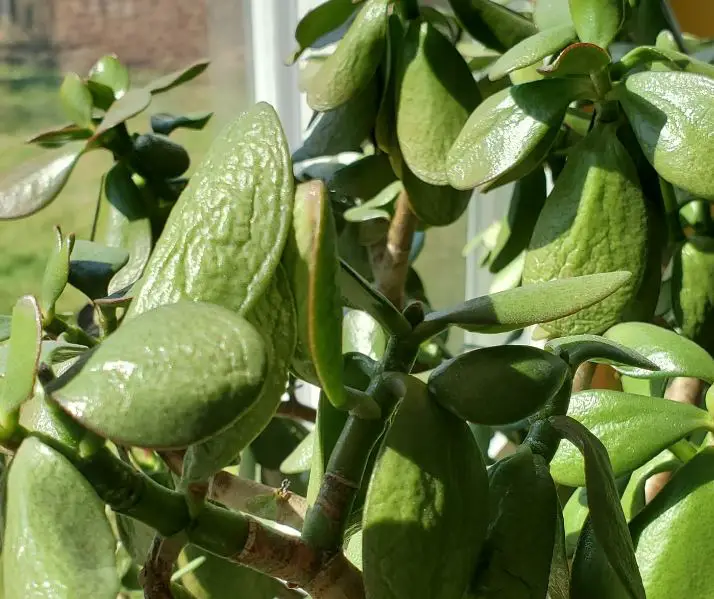
- Wrinkled Leaves: Indicates dehydration. Water thoroughly and adjust to a regular schedule.
- Leggy Growth: Results from insufficient light. Move to a brighter location or use grow lights.
- Yellowing Leaves: Often due to overwatering or poor drainage. Allow soil to dry out and ensure proper drainage.
- Pests: Mealybugs and spider mites are common. Wipe with alcohol or apply neem oil. Isolate affected plants to prevent spread.
Jade Plants in Landscaping and Interior Design
Jade plants are versatile in landscaping and interior design. Outdoors, they’re used in xeriscaping, rock gardens, or as accent plants in succulent beds. Their sculptural forms add structure to landscapes in warm climates.
Indoors, they’re placed on shelves, desks, or as centerpieces in minimalist or modern decor. Variegated or colorful varieties like Hummel’s Sunset or Tricolor add pops of color to neutral spaces. Bonsai jade varieties are popular in small apartments or offices for their compact, artistic appeal.
Conclusion
Jade plants are a timeless addition to American homes and gardens, offering beauty, longevity, and cultural significance. From the classic Crassula ovata to the vibrant Hummel’s Sunset and quirky Gollum jade, the 25 varieties covered here provide endless options for growers.
Their low-maintenance care, drought tolerance, and diverse appearances make them ideal for beginners and collectors alike. Whether grown indoors in cold climates or outdoors in warm regions, jade plants thrive with proper light, minimal water, and well-draining soil.
Their toxicity requires careful placement, but their charm and symbolic ties to prosperity make them worth the effort. Start your jade plant journey today and enjoy decades of lush, green beauty.
References
- The Spruce. (2025). How to Care for Jade Plants: Indoor Growing Guide. https://www.thespruce.com/grow-jade-plants-indoors-1902980
- Planet Desert. (2025). Types of Jade Plants ‘Care & Growing Guide’. https://planetdesert.com/blogs/news/types-of-jade-plants
- Wikipedia. (2004). Crassula ovata. https://en.wikipedia.org/wiki/Crassula_ovata
- Home and Garden Education Center. (2022). Jade Plants. https://homegarden.cahnr.uconn.edu/jade-plants/
- Wisconsin Horticulture. (2017). Jade Plant, Crassula ovata. https://hort.extension.wisc.edu/articles/jade-plant-crassula-ovata/
- The Old Farmer’s Almanac. (2024). Jade Plant Care Guide. https://www.almanac.com/plant/jade-plants
- University of Florida IFAS. (2023). Crassula argentea Jade Plant. https://edis.ifas.ufl.edu/publication/FP153
- Clemson Extension. (2015). Jade Plant. https://hgic.clemson.edu/factsheet/jade-plant/
- Livingetc. (2025). 10 Types of Jade Plants That Will Bring Good Vibes to Any Room. https://www.livingetc.com/ideas/jade-plant-varieties

Tim M Dave is a gardening expert with a passion for houseplants, particularly cacti and succulents. With a degree in plant biology from the University of California, Berkeley, he has vast experience in gardening. Over the years, he has cultivated a vast collection of desert plants and learned a great deal about how to grow and care for these unique companions.