Beginners Guide: How to Trim Your Cactus (Safely Without Killing It)
Cacti are the ultimate low-maintenance plants, thriving from the sun-scorched deserts of Arizona to the milder coastal climates of California. Yet even these tough survivors need occasional trimming to stay healthy, shapely, and safe.
I’ve spent years tending cacti in my own backyard, and I can tell you that a well-timed trim prevents overcrowding, removes dead tissue, and even encourages vibrant new growth. In this guide, I’ll walk you through every step of trimming a cactus—safely, efficiently, and with results that make your neighbors jealous.
Why Trim Your Cactus? The Benefits
Before we dive into the “how,” let’s address the “why.” Trimming isn’t just aesthetic; it’s essential plant care. Overgrown pads on your cactus can snap under their own weight, diseased sections can spread rot, and pups (baby cacti) can sap energy from the parent plant.
According to the University of Arizona Cooperative Extension, regular pruning reduces pest habitats and improves air circulation, cutting disease risk by up to 40 percent in dense specimens.
In my garden, I once ignored a leaning Opuntia for two seasons. A monsoon wind snapped a 3-foot pad, scarring the main stem. A simple trim earlier would have saved the plant. Trimming also lets you propagate new cacti for free, perfect for sharing with friends or expanding your collection.
When is the Best Time to Trim a Cactus?
Timing is everything. In most American climates, late winter to early spring (February through April) is ideal. Soil is still cool, growth hasn’t surged, and wounds heal before summer heat stresses the plant.
The Desert Botanical Garden in Phoenix recommends avoiding cuts during monsoon season (July–September in the Southwest) when fungal spores thrive in humidity.
For colder regions like USDA zones 5–7 (think Denver or Albuquerque outskirts), wait until after the last frost—typically mid-April. In frost-free zones 9–11 (Southern California, South Texas, Florida), you have a wider window, but still avoid peak summer to prevent sunburn on fresh cuts.
Pro Tip: Check your local USDA hardiness zone at planthardiness.ars.usda.gov. I use this site religiously before scheduling any pruning.
Safety First – Gear Up to Avoid Prickly Injuries
Cactus spines aren’t just annoying—they can embed, infect, and ruin your week. I learned this the hard way when a cholla spine went through my glove and into my thumb. Here’s your non-negotiable safety kit:
- Thick leather gloves (rose or welding gloves, not garden cloth)
- Long-sleeved shirt and pants (tuck pants into boots)
- Safety goggles (flying glochids are no joke)
- Tongs or a newspaper for gripping pads
- Rubbing alcohol to sterilize tools and treat minor punctures
- First-aid kit with tweezers and antibiotic ointment
Dispose of trimmings in a sealed bucket—never toss them where kids or pets roam.
Tools You’ll Need for a Clean, Professional Cut
Invest in quality tools; cheap ones splinter wood and invite infection.
| Tool | Purpose | Recommended Model |
| Felco #2 pruners | Small pads, stems <1 inch | Classic bypass |
| Loppers | Stems 1–2 inches | Corona AL 4110 |
| Pruning saw | Large arms >2 inches | Silky Zubat 270mm |
| Disinfectant | Prevent bacterial spread | 70% isopropyl alcohol |
| Sulfur powder | Seal large cuts | Bonide brand |
Sterilize blades between every cut. I keep a spray bottle of alcohol handy—it takes two seconds and saves seasons of regret.

Step-by-Step (Trimming Different Cactus Types)
Your approach for trimming a cactus may vary depending on the type. Let’s look at a few:
Prickly Pear (Opuntia spp.) – The Pad-by-Pad Approach
Prickly pears are the most common edible cacti in American gardens. They spread aggressively via pads.
Steps:
- Identify pads to remove: dead, damaged, overcrowded, or those growing toward walkways.
- Grip the pad with tongs or a folded newspaper.
- Cut at the narrow joint where the pad meets the parent, using pruners for small pads or a saw for thick ones. Angle the cut slightly downward to shed water.
- Leave a ¼-inch stub—don’t cut flush to avoid damaging the areole.
- Dust large cuts (>1 inch) with sulfur powder.
I once trimmed a 6-foot prickly pear down to 3 feet in one afternoon. The plant bounced back with 20 new pads the next spring.
Barrel Cactus (Ferocactus & Echinocactus) – Sculpting the Sphere
Barrels grow slowly but can topple if lopsided.
Steps:
- Remove only dead or leaning ribs—never more than 10% of the plant.
- Use a pruning saw for clean, straight cuts parallel to the rib.
- Avoid cutting into the woody core; stay in the fleshy outer layer.
- Seal cuts immediately.
In Las Vegas gardens, barrels often lean south. A single corrective cut can rebalance them for decades.
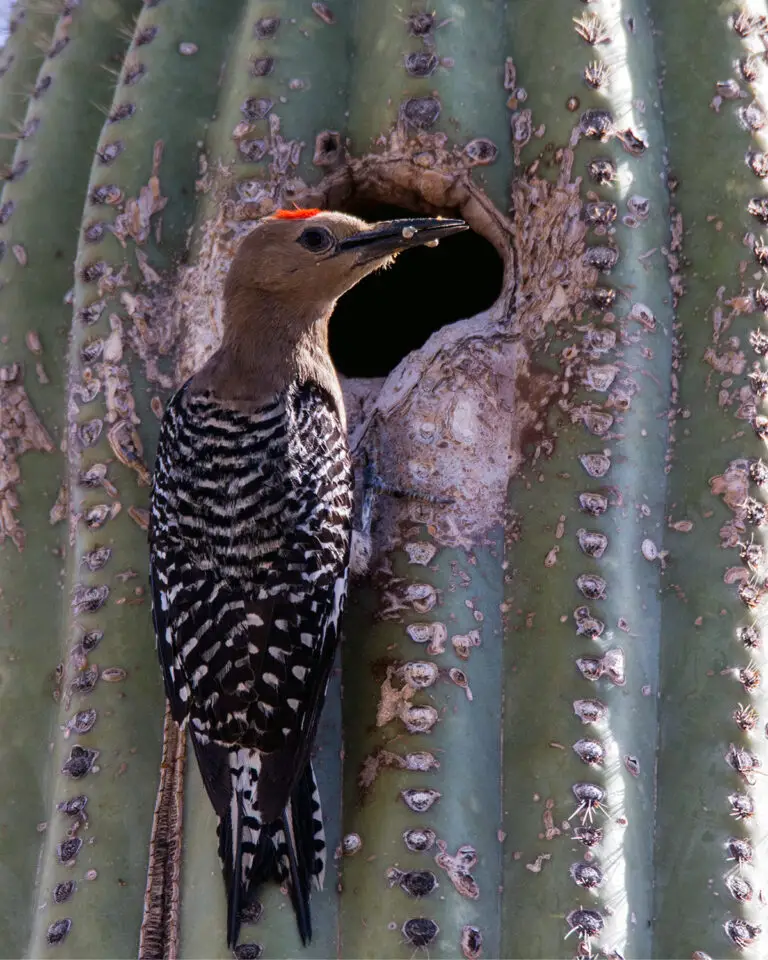
Saguaro (Carnegiea gigantea) – Handle with Extreme Care
Saguaros are protected in Arizona; permits are required for trimming on public or native land. On private property:
- Never remove arms unless they’re dead and pose a safety risk.
- Use a pole pruner or hire a certified arborist for heights over 6 feet.
- Cuts must be made by a licensed contractor in many municipalities.
I watched a neighbor lose a $5,000 fine for illegal saguaro trimming—don’t risk it.
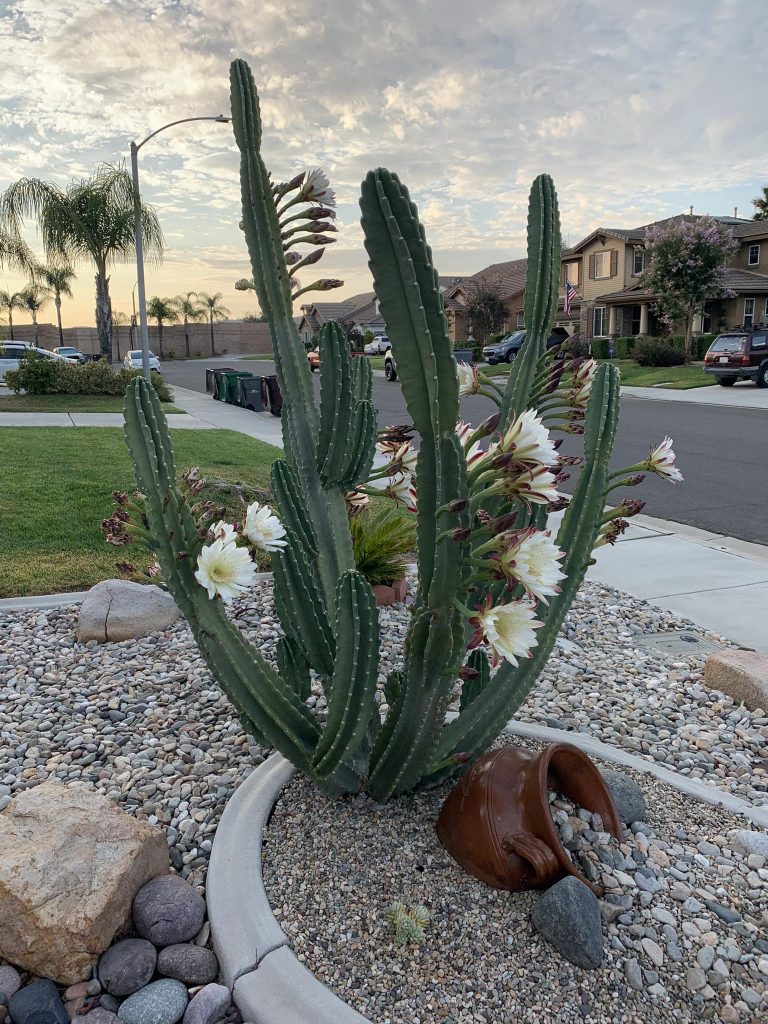
Columnar Cacti (Cereus, Stenocereus) – Topping Tall Boys
Totem pole and organ pipe cacti can reach 20 feet.
Steps:
- Cut only broken or diseased sections.
- Make cuts just above a healthy areole.
- Support the cutting with a rope to prevent tearing.
Aftercare – Helping Your Cactus Heal and Thrive
Fresh cuts are open wounds. They can easily allow water or infections into the cactus flesh. Here’s how to protect them:
- Keep dry for 1–2 weeks—no watering near the cut.
- Shade large specimens with 30% shade cloth for 7 days to prevent sunburn.
- Monitor for rot: black, mushy tissue means trouble. Cut back to healthy green flesh and dust with sulfur.
- Fertilize sparingly 4–6 weeks later with a 1-1-1 cactus formula (I use Schultz Cactus Plus).
In my experience, 95% of properly sealed cuts heal without issue.
Propagation (Turn Those Trimmings into Free Plants)
Why compost when you can multiply?
- Let pads or arms callus in shade for 1–2 weeks until the cut end is dry and hard.
- Plant in well-draining cactus mix, burying ⅓ of the pad vertically.
- Water sparingly after 3 weeks. Roots form in 4–8 weeks.
I’ve gifted over 50 propagated prickly pears this way—talk about garden karma.
Common Mistakes and How to Avoid Them
Even with the skill, gardeners still make mistakes that can cost them. Here are a few issues and how to address them.
| Mistake | Consequence | Fix |
| Cutting in summer | Sunburn, rot | Trim Feb–April |
| Flush cuts | Infection entry | Leave ¼-inch stub |
| No sterilization | Bacterial spread | Alcohol between cuts |
| Over-pruning | Stunted growth | Remove <20% live tissue |
Regional Tips for American Gardens
- Southwest (AZ, NM, NV): Focus on monsoon prep—trim before July.
- Texas Hill Country: Watch for freeze damage; prune blackened tissue in spring.
- California Coast: Humidity invites cochineal insects—trim infested pads immediately.
- Florida: High rainfall means extra drainage; elevate pots post-trim.
Eco-Friendly Disposal of Cactus Trimmings
After trimming your cactus, never dump the stem or pads in an open field or desert. They can root and become invasive. Here are the best options:
- Municipal green waste (check if spines are accepted)
- Compost after spine removal (wear chainmail gloves!)
- Burn in approved fire pit (where legal)
Frequently Asked Questions
Here are answers to frequently asked questions about trimming a cactus.
Q: Can I trim a cactus indoors?
A: Yes, but move it outside for cutting to contain mess. Use a tarp.
Q: My cactus is flowering—should I still trim?
A: Wait until blooms fade. Flowers grow from areoles you might remove.
Q: How often should I trim?
A: Every 2–3 years for most species; annually for fast-growing Opuntia.
Final Thoughts
Trimming a cactus isn’t rocket science, but it does reward patience and precision. Start small, observe your plant’s response, and soon you’ll sculpt desert masterpieces. I still get a thrill watching a freshly pruned barrel glow in the sunset—proof that even the prickliest plants appreciate a little TLC.
Now grab your gloves, check the calendar, and give your cactus the haircut it deserves. Your desert beauty will thank you.
References
- University of Arizona Cooperative Extension – Cactus Pruning Guidelines
https://extension.arizona.edu/sites/extension.arizona.edu/files/pubs/az1800-2019.pdf - Desert Botanical Garden – Saguaro Care and Maintenance
https://dbg.org/learn/care-for-saguaros/ - USDA Plant Hardiness Zone Map
https://planthardiness.ars.usda.gov - University of Florida IFAS Extension – Prickly Pear Cactus Production
https://edis.ifas.ufl.edu/publication/HS229 - Texas A&M AgriLife Extension – Barrel Cactus Culture
https://aggie-horticulture.tamu.edu/ornamental/a-reference-guide-to-plant-care/barrel-cactus/ - Lady Bird Johnson Wildflower Center – Native Plant Database: Opuntia
https://www.wildflower.org/plants/result.php?id_plant=OPHU

Tim M Dave is a gardening expert with a passion for houseplants, particularly cacti and succulents. With a degree in plant biology from the University of California, Berkeley, he has vast experience in gardening. Over the years, he has cultivated a vast collection of desert plants and learned a great deal about how to grow and care for these unique companions.