15 Small Trees with Non-Invasive Roots: Perfect for Compact Yards and Landscaping
Small trees with non-invasive roots can enhance your outdoor space without damaging your foundations, driveways, sidewalks, and even underground utilities. These compact trees feature a root system that remains shallow or contained.
Generally maturing under 30 feet in height, most of these trees bring seasonal interest through vibrant foliage, flowers, and fruits. Beyond aesthetics, they also support biodiversity by attracting pollinators and birds. Don’t forget that they offer targeted shade and improve air quality.
Let’s explore 15 exceptional small trees with non-invasive roots for a beautiful, low-maintenance yard.
1. Japanese Maple
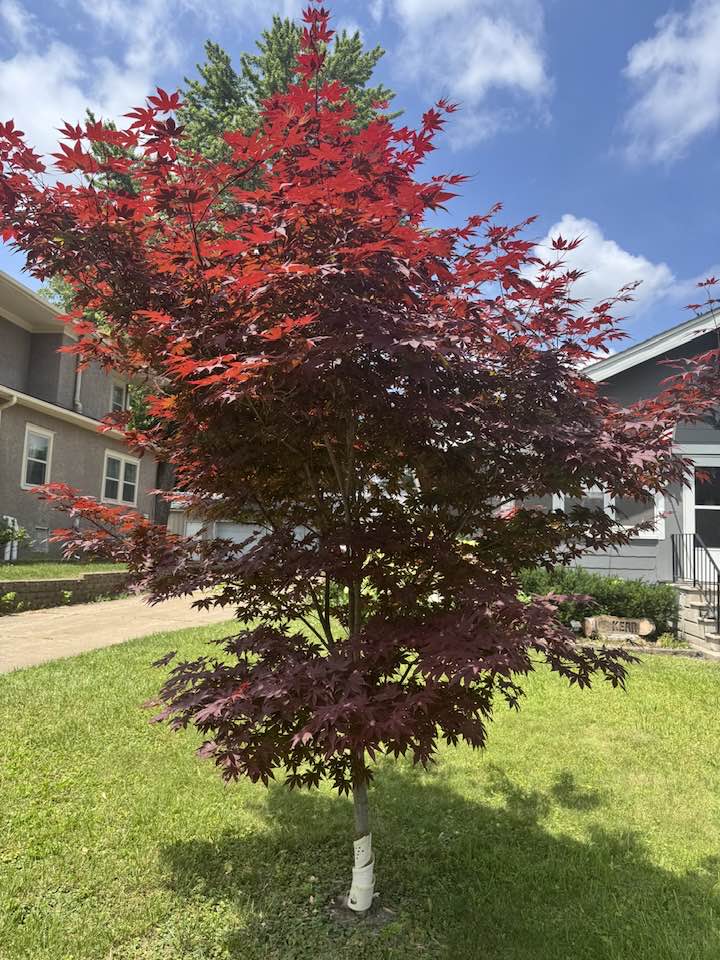
- Scientific Name: Acer palmatum
- USDA Zone: 5-8
- Color Variation: Light green leaves in spring turning deeper green in summer, with autumn hues of orange, red, and purple; some cultivars show red or purple throughout the season
- Sun Exposure: Full sun to partial shade; prefers protection from intense afternoon sun in warmer areas to avoid leaf scorch
- Mature Size: 15-25 feet tall and wide
- Lifespan: Up to 150 years
- Toxicity: Non-toxic to humans; mild gastrointestinal upset possible in pets if ingested in large amounts
The Japanese Maple is a stunning ornamental tree known for its delicate, lacy leaves and graceful branching. Its non-invasive roots make it perfect for small yards or near walkways. This tree thrives in well-drained soil and adds elegance with its seasonal color changes.
2. Amur Maple
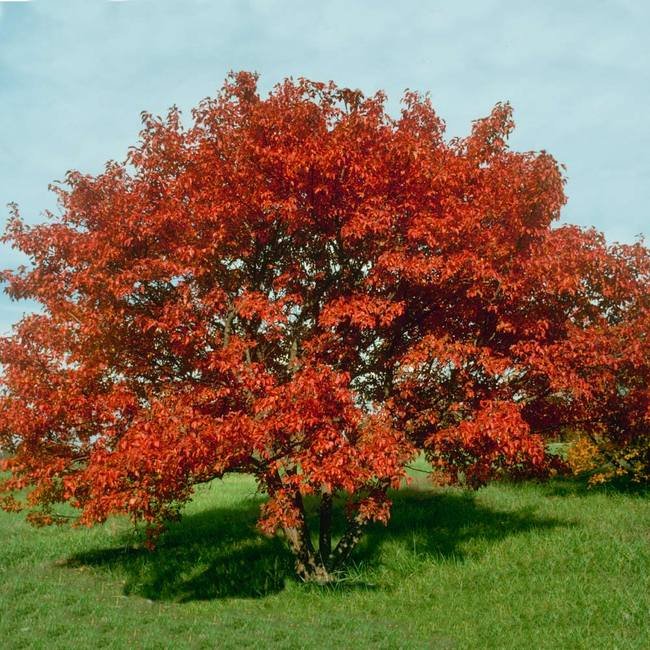
- Scientific Name: Acer ginnala (now often classified as Acer tataricum subsp. ginnala)
- USDA Zone: 3-8
- Color Variation: Green leaves turning fiery red or orange in fall; small yellowish flowers in spring
- Sun Exposure: Full sun for best fall color; tolerates partial shade
- Mature Size: 15-20 feet tall and wide
- Lifespan: 50-100 years
- Toxicity: Generally non-toxic, safe for humans and most pets
Amur Maple is a hardy, compact tree with a rounded shape, ideal for cold climates. Its non-invasive roots suit urban planting, and it provides excellent shade and vibrant autumn displays. This tree is drought-tolerant once established and attracts birds with its winged seeds.
3. Trident Maple
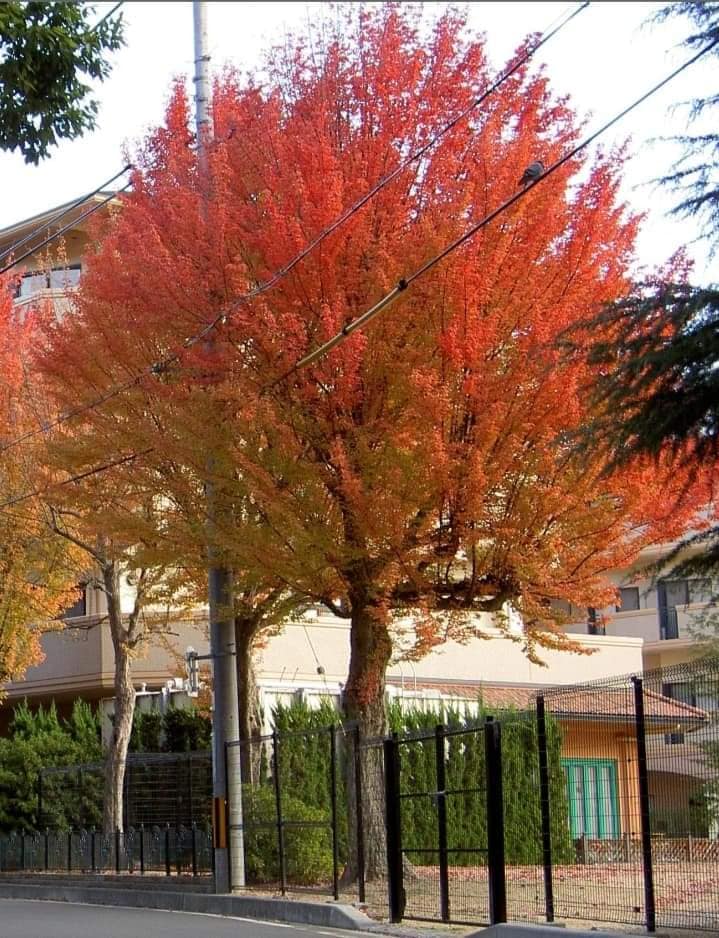
- Scientific Name: Acer buergerianum
- USDA Zone: 5-9
- Color Variation: Glossy green three-lobed leaves turning yellow, orange, and red in fall
- Sun Exposure: Full sun to partial shade
- Mature Size: 20-35 feet tall, 15-25 feet wide
- Lifespan: 50-100 years
- Toxicity: Non-toxic to humans and pets
Trident Maple features attractive exfoliating bark and a rounded form, making it a great choice for patios or streets. Its non-invasive roots and tolerance for various soils ensure easy maintenance. The tree’s fall colors are a highlight, and it works well in bonsai or as a specimen plant.
4. Eastern Redbud

- Scientific Name: Cercis canadensis
- USDA Zone: 4-9
- Color Variation: Pink to purple flowers in spring; heart-shaped green leaves turning yellow in fall
- Sun Exposure: Full sun to partial shade
- Mature Size: 20-30 feet tall, 25-35 feet wide
- Lifespan: 20-30 years (rarely longer)
- Toxicity: Contains saponins; toxic if ingested, causing mild stomach upset in humans and pets
Eastern Redbud bursts into spring with vivid flowers along bare branches, followed by attractive pods. Its non-invasive roots make it suitable for lawns or near homes. This native tree supports pollinators and offers multi-season interest with its unique shape and foliage.
5. Crape Myrtle

- Scientific Name: Lagerstroemia indica
- USDA Zone: 7-10
- Color Variation: Flowers in pink, white, red, or purple; green leaves turning orange-red in fall
- Sun Exposure: Full sun
- Mature Size: 15-25 feet tall, 6-15 feet wide
- Lifespan: 50-100 years
- Toxicity: Non-toxic to humans and pets
Crape Myrtle is prized for its long-lasting summer blooms and smooth, peeling bark. With non-invasive roots, it’s perfect for southern gardens or curbsides. This tree tolerates heat and drought, providing colorful accents and attracting butterflies.
6. Kousa Dogwood
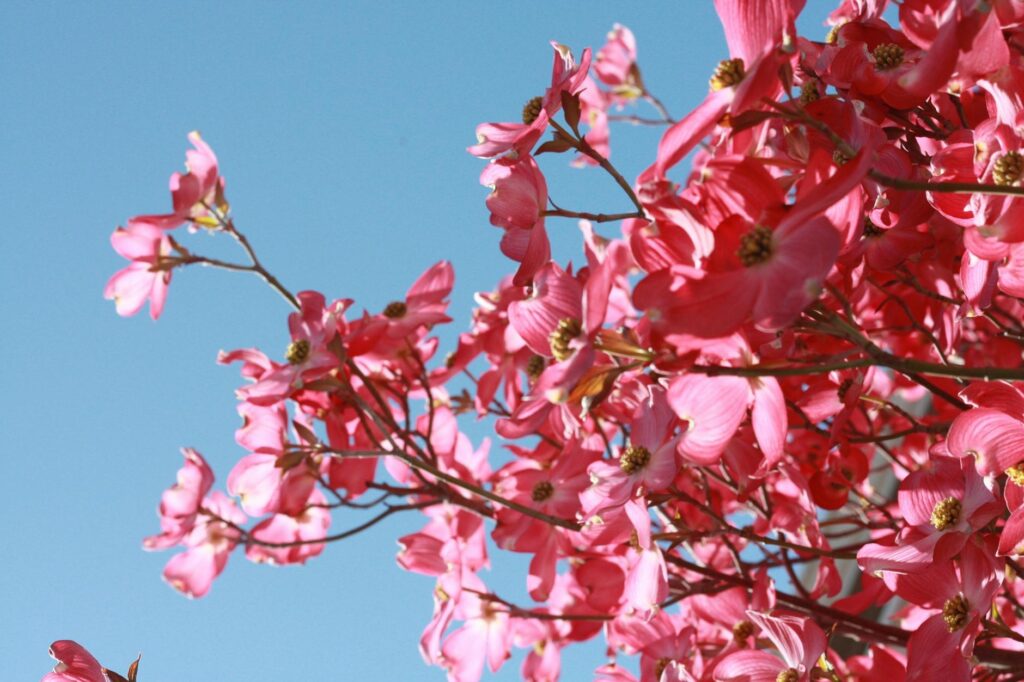
- Scientific Name: Cornus kousa
- USDA Zone: 5-8
- Color Variation: White to pink bracts in late spring; green leaves turning reddish-purple in fall; pinkish-red fruits
- Sun Exposure: Full sun to partial shade
- Mature Size: 15-30 feet tall and wide
- Lifespan: 50-75 years
- Toxicity: Fruits are edible for humans; non-toxic to pets, but overconsumption may cause upset
Kousa Dogwood offers star-shaped “flowers” (bracts) and edible berry-like fruits. Its non-invasive roots and disease resistance make it a reliable choice. The tree’s layered branching and exfoliating bark add winter appeal, ideal for woodland edges or yards.
7. Downy Serviceberry
- Scientific Name: Amelanchier arborea
- USDA Zone: 4-9
- Color Variation: White flowers in spring; green leaves turning red-orange in fall; purplish-black berries
- Sun Exposure: Full sun to partial shade
- Mature Size: 15-25 feet tall, 10-15 feet wide
- Lifespan: 50-100 years
- Toxicity: Non-toxic; berries are edible for humans and wildlife
Downy Serviceberry is a multi-stemmed tree with early spring blooms and tasty berries. Its non-invasive roots suit naturalized areas. This native plant attracts birds and provides excellent fall color, thriving in various soils.
8. American Hornbeam
- Scientific Name: Carpinus caroliniana
- USDA Zone: 3-9
- Color Variation: Green leaves turning yellow-orange in fall; catkin flowers
- Sun Exposure: Full sun to full shade
- Mature Size: 20-30 feet tall and wide
- Lifespan: 100-150 years
- Toxicity: Non-toxic to humans and pets
American Hornbeam, also called musclewood for its sinewy bark, is shade-tolerant with a rounded crown. Non-invasive roots make it great for understory planting. It offers subtle beauty and supports wildlife. This is one of my favorite trees for front yard gardens.
9. Adams Crabapple
- Scientific Name: Malus ‘Adams’
- USDA Zone: 4-8
- Color Variation: Pink flowers; green leaves with red tint turning orange in fall; persistent red fruits
- Sun Exposure: Full sun
- Mature Size: 15-20 feet tall and wide
- Lifespan: 30-50 years
- Toxicity: Fruits are toxic to pets if ingested in quantity; mild risk to humans
Adams Crabapple features abundant pink blooms and disease-resistant foliage. Featuring a rounded shape and non-invasive roots, this tree makes it perfect for limited spaces and compact yards. Its small fruits attract birds and other pollinators.
10. Fringetree
- Scientific Name: Chionanthus virginicus
- USDA Zone: 3-9
- Color Variation: Fragrant white fringe-like flowers; green leaves turning yellow in fall; blue fruits on females
- Sun Exposure: Full sun to partial shade
- Mature Size: 12-20 feet tall and wide
- Lifespan: 50-75 years
- Toxicity: Non-toxic to humans and pets
Fringetree dazzles with lacy spring flowers and attracts pollinators. Non-invasive roots allow planting near structures. This native tree offers subtle elegance and bird-friendly fruits.
11. Saucer Magnolia
- Scientific Name: Magnolia x soulangeana
- USDA Zone: 4-9
- Color Variation: Large pink-purple to white flowers; green leaves
- Sun Exposure: Full sun to partial shade
- Mature Size: 15-25 feet tall and wide
- Lifespan: 50-100 years
- Toxicity: Non-toxic, though flowers and buds are edible in some species
Saucer Magnolia impresses with massive cup-shaped blooms in early spring. Its non-invasive roots and multi-stemmed form suit small spaces. Protect it from late frosts for the best flowering.
12. Red Buckeye
- Scientific Name: Aesculus pavia
- USDA Zone: 4-8
- Color Variation: Red tubular flowers; green palmate leaves turning yellow in fall
- Sun Exposure: Full sun to partial shade
- Mature Size: 15-20 feet tall, 15-30 feet wide
- Lifespan: 50-100 years
- Toxicity: Seeds and leaves toxic if ingested, causing muscle weakness in humans and animals
Red Buckeye attracts hummingbirds with its upright flower spikes. Non-invasive roots make it safe for gardens near structures and underground utilities. This shrub-like tree adds tropical flair and prefers moist soil.
13. Chinese Pistache
- Scientific Name: Pistacia chinensis
- USDA Zone: 6-9
- Color Variation: Green leaves turning orange, yellow, and red in fall; small flowers
- Sun Exposure: Full sun
- Mature Size: 25-35 feet tall and wide
- Lifespan: 50-100 years
- Toxicity: Non-toxic to humans and pets
Chinese Pistache boasts brilliant fall colors and drought tolerance. Its non-invasive roots suit urban areas. This tree provides shade and is fire-resistant, ideal for dry climates.
14. Paperbark Maple
- Scientific Name: Acer griseum
- USDA Zone: 4-8
- Color Variation: Green trifoliate leaves turning orange-red in fall; cinnamon peeling bark
- Sun Exposure: Full sun to partial shade
- Mature Size: 20-30 feet tall, 15-25 feet wide
- Lifespan: 80-100 years
- Toxicity: Non-toxic to humans and pets
Paperbark Maple’s exfoliating bark provides year-round interest. Non-invasive roots and slow growth make it low-maintenance. It excels in shade and offers stunning autumn hues.
15. Cornelian Cherry Dogwood
- Scientific Name: Cornus mas
- USDA Zone: 4-8
- Color Variation: Yellow flowers in early spring; green leaves turning reddish in fall; red cherry-like fruits
- Sun Exposure: Full sun to partial shade
- Mature Size: 15-25 feet tall, 12-20 feet wide
- Lifespan: 50-100 years
- Toxicity: Fruits are edible for humans; non-toxic to pets
Cornelian Cherry Dogwood blooms early and produces tart, edible fruits. Its non-invasive roots and exfoliating bark add appeal. This versatile tree tolerates various conditions and supports wildlife.
Conclusion
Small trees with non-invasive roots allow you to enjoy the benefits of greenery without common issues like damage to the foundations or underground utilities. When choosing them, consider your local climate and soil when planting. With proper care, these trees will enhance your space for generations.

Tim M Dave is a gardening expert with a passion for houseplants, particularly cacti and succulents. With a degree in plant biology from the University of California, Berkeley, he has vast experience in gardening. Over the years, he has cultivated a vast collection of desert plants and learned a great deal about how to grow and care for these unique companions.