10 Beautiful Trees That Attract Birds to Your Yard
Birds bring life to any garden with their songs, colors, and activity. Trees that attract birds offer seeds, berries, or nectar, providing essential food sources. Their branches create safe nesting spots and shelter from predators.
Many of these trees also enhance your yard with stunning fall colors or evergreen foliage. By planting bird-friendly trees, you support local ecosystems, promote biodiversity, and enjoy nature’s beauty. Here are 10 trees that magically attract birds to your yard.
1. Eastern Redbud (Cercis canadensis)
Eastern redbud is a small, deciduous tree native to eastern North America. Its vibrant pink-purple flowers bloom in early spring, attracting bees and hummingbirds. The heart-shaped leaves turn yellow in fall, and small seed pods provide food for songbirds like finches. This tree’s compact size and spreading canopy make it ideal for small yards or as an understory tree in larger landscapes.
Features
- Scientific Name: Cercis canadensis
- USDA Hardiness Zones: 4–9
- Color Variation: Green heart-shaped leaves; pink-purple flowers; yellow fall foliage
- Sun Exposure: Full sun to partial shade
- Mature Size: 20–30 feet tall, 25–35 feet wide
- Lifespan: 50–75 years
Care Details
Plant in well-drained, loamy soil. Eastern redbud thrives in full sun but tolerates partial shade. Water regularly during the first two years to establish roots. Prune after flowering to maintain shape and remove dead branches. Monitor for canker disease and treat with fungicide if needed. Mulch to retain moisture and suppress weeds. Fertilize lightly in spring with a balanced fertilizer.
2. Crabapple (Malus spp.)
Crabapple trees are ornamental beauties that attract birds with their small, colorful apples. Native to temperate regions, they bloom with fragrant white, pink, or red flowers in spring, drawing pollinators and hummingbirds.
The fruits ripen in fall, feeding birds like robins and cedar waxwings. Their leaves turn yellow to red, adding autumn charm. Crabapples are perfect for small gardens or as focal points.
Features
- Scientific Name: Malus spp.
- USDA Hardiness Zones: 4–8
- Color Variation: Green leaves; white, pink, or red flowers; yellow to red fall foliage
- Sun Exposure: Full sun
- Mature Size: 15–25 feet tall, 10–25 feet wide
- Lifespan: 50–100 years
Care Details
Plant in well-drained, loamy soil. Crabapples need full sun for optimal flowering and fruiting. Water regularly during establishment. Prune in late winter to shape and improve air circulation. Watch for apple scab and treat with fungicide if necessary. Fertilize in spring with a balanced fertilizer. Remove fallen fruit to prevent pest attraction and maintain tidiness.
3. Serviceberry (Amelanchier spp.)
Serviceberry, also called Juneberry or shadbush, is a small tree or large shrub native to North America. Its white spring flowers attract pollinators, while its sweet, purple berries in summer draw birds like thrushes and cardinals.
The leaves turn vibrant red to purple in fall, adding seasonal beauty. Serviceberry’s multi-stemmed form suits small yards or naturalistic landscapes.
Features
- Scientific Name: Amelanchier spp.
- USDA Hardiness Zones: 4–9
- Color Variation: Green leaves; white flowers; red to purple fall foliage
- Sun Exposure: Full sun to partial shade
- Mature Size: 15–25 feet tall, 10–20 feet wide
- Lifespan: 50–100 years
Care Details
Plant in well-drained, slightly acidic soil. Serviceberry prefers full sun but tolerates partial shade. Water regularly to establish roots, then as needed. Prune in late winter to remove suckers and maintain shape. Monitor for powdery mildew and treat with fungicide if needed. Mulch to retain moisture. Fertilize lightly in spring with a balanced fertilizer.
4. American Holly (Ilex opaca)
American holly is an evergreen native to eastern North America. Its glossy, spiny leaves provide year-round cover, while its bright red berries in fall and winter attract birds like robins and bluebirds. Small white flowers bloom in spring, drawing pollinators. This tree’s conical shape and dense foliage make it ideal for privacy screens or specimen planting.
Features
- Scientific Name: Ilex opaca
- USDA Hardiness Zones: 5–9
- Color Variation: Evergreen, glossy dark green leaves; red berries
- Sun Exposure: Full sun to partial shade
- Mature Size: 15–40 feet tall, 10–20 feet wide
- Lifespan: 100–150 years
Care Details
Plant in well-drained, slightly acidic soil. American holly thrives in full sun but tolerates partial shade. Water regularly during the first few years. Prune in late winter to shape and remove dead branches. Watch for leaf miners and treat with insecticidal soap. Mulch to maintain soil acidity and moisture. Fertilize in spring with an acid-loving fertilizer. Ensure male and female trees for berry production.
5. Hawthorn (Crataegus spp.)
Hawthorn trees are small, deciduous trees native to temperate regions. Their white or pink spring flowers attract pollinators, while their red berries (haws) in fall feed birds like cedar waxwings and sparrows. The leaves turn red in autumn, and thorny branches provide safe nesting sites. Hawthorns are hardy and versatile, fitting well in small yards or as hedgerows.
Features
- Scientific Name: Crataegus spp.
- USDA Hardiness Zones: 4–8
- Color Variation: Green leaves; white or pink flowers; red fall foliage
- Sun Exposure: Full sun
- Mature Size: 15–30 feet tall, 15–25 feet wide
- Lifespan: 50–150 years
Care Details
Plant in well-drained, loamy soil. Hawthorns require full sun for best flowering and fruiting. Water regularly during establishment. Prune in late winter to shape and remove dead wood. Monitor for fire blight and treat with appropriate sprays. Fertilize in spring with a balanced fertilizer. Clear fallen berries to prevent mess and pest issues.
6. Red Mulberry (Morus rubra)
Red mulberry, native to eastern North America, is a fast-growing tree with a broad canopy. Its sweet, dark purple berries ripen in summer, attracting birds like robins, cardinals, and mockingbirds. The heart-shaped leaves turn yellow in fall, adding seasonal color. This tree’s fruit also supports wildlife and can be used for jams. It’s ideal for large yards or naturalistic settings.
Features
- Scientific Name: Morus rubra
- USDA Hardiness Zones: 4–9
- Color Variation: Green heart-shaped leaves; yellow fall foliage
- Sun Exposure: Full sun to partial shade
- Mature Size: 35–50 feet tall, 30–40 feet wide
- Lifespan: 75–125 years
Care Details
Plant in well-drained, fertile soil. Red mulberry prefers full sun but tolerates partial shade. Water regularly during the first two years. Prune in late winter to remove suckers and shape the canopy. Watch for powdery mildew and treat with fungicide if needed. Fertilize in spring with a balanced fertilizer. Clean up fallen fruit to prevent staining or pest attraction.
7. Black Cherry (Prunus serotina)
Black cherry is a large, deciduous tree native to North America. Its white spring flowers attract pollinators, while its dark purple cherries in summer draw birds like woodpeckers and thrushes. The glossy green leaves turn yellow to red in fall, creating a striking display. Black cherry’s tall stature and wildlife benefits make it perfect for large landscapes or woodland edges.
Features
- Scientific Name: Prunus serotina
- USDA Hardiness Zones: 3–9
- Color Variation: Green leaves; white flowers; yellow to red fall foliage
- Sun Exposure: Full sun to partial shade
- Mature Size: 50–80 feet tall, 30–50 feet wide
- Lifespan: 100–250 years
Care Details
Plant in well-drained, loamy soil. Black cherry prefers full sun but tolerates partial shade. Water regularly during establishment. Prune in late winter to remove dead branches and maintain structure. Monitor for black knot disease and remove affected branches. Fertilize sparingly in spring with a balanced fertilizer. Clear fallen cherries to reduce mess.
8. Flowering Dogwood (Cornus florida)
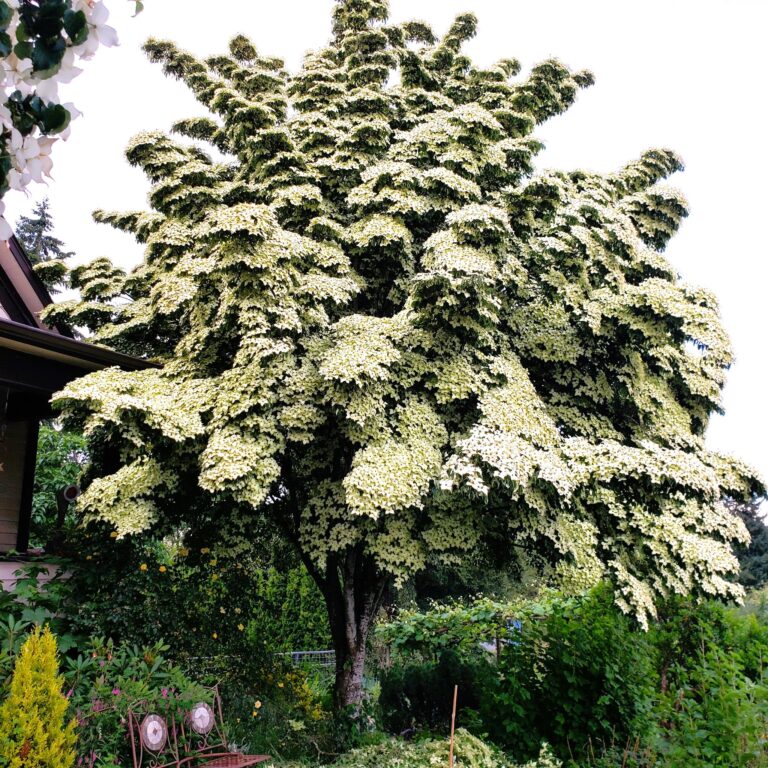
Flowering dogwood is a small, ornamental tree native to eastern North America. Its showy white or pink bracts bloom in spring, attracting pollinators, while its red berries in fall feed birds like bluebirds and cardinals. The leaves turn red to purple in autumn, adding vibrant color. Dogwood’s compact size and layered branches make it ideal for small yards or understory planting.
Features
- Scientific Name: Cornus florida
- USDA Hardiness Zones: 5–9
- Color Variation: Green leaves; white or pink bracts; red to purple fall foliage
- Sun Exposure: Partial shade to full sun
- Mature Size: 20–40 feet tall, 20–40 feet wide
- Lifespan: 80–125 years
Care Details
Plant in well-drained, slightly acidic soil. Dogwoods prefer partial shade in warmer climates but tolerate full sun in cooler areas. Keep soil moist but not waterlogged. Prune in late winter to maintain shape. Watch for powdery mildew and treat with fungicide if needed. Mulch to retain moisture and protect roots. Fertilize in spring with an acid-loving fertilizer.
9. American Persimmon (Diospyros virginiana)
American persimmon is a medium-sized tree native to eastern North America. Its small, yellow flowers bloom in spring, attracting bees, while its orange fruits ripen in fall, drawing birds like mockingbirds and robins. The glossy leaves turn orange to red in autumn, enhancing its appeal. Persimmons are low-maintenance and add ecological value to landscapes.
Features
- Scientific Name: Diospyros virginiana
- USDA Hardiness Zones: 4–10
- Color Variation: Green leaves; yellow flowers; orange to red fall foliage
- Sun Exposure: Full sun to partial shade
- Mature Size: 35–60 feet tall, 25–35 feet wide
- Lifespan: 60–150 years
Care Details
Plant in well-drained, loamy soil. Persimmons prefer full sun for best fruiting and color. Water regularly during dry spells. Prune in late winter to remove dead wood and shape the tree. Monitor for scale and treat with horticultural oil. Fertilize in spring with a balanced fertilizer. Harvest ripe fruits to reduce mess and attract fewer pests.
10. Eastern White Pine (Pinus strobus)
Eastern white pine is a tall, evergreen conifer native to eastern North America. Its soft, blue-green needles and large cones provide year-round cover and nesting sites for birds like chickadees and nuthatches. The seeds attract finches and other seed-eating birds. Its graceful form and fast growth make it ideal for windbreaks or large landscapes.
Features
- Scientific Name: Pinus strobus
- USDA Hardiness Zones: 3–8
- Color Variation: Evergreen, soft blue-green needles
- Sun Exposure: Full sun
- Mature Size: 50–80 feet tall, 20–40 feet wide
- Lifespan: 200–400 years
Care Details
Plant in well-drained, slightly acidic soil. Eastern white pine requires full sun for optimal growth. Water regularly during establishment, then as needed. Prune in early spring to remove dead branches. Watch for white pine weevil and treat with insecticidal soap if necessary. Fertilize sparingly in spring with an acid-loving fertilizer. Avoid planting in heavy clay soils to prevent root issues.
Tips for Attracting Birds with Trees
To maximize your yard’s appeal to birds, follow these tips:
- Choose native species: Native trees like redbud, serviceberry, and black cherry support local bird populations and ecosystems.
- Plant for diversity: Combine trees with berries, seeds, and nectar to attract a variety of birds year-round.
- Provide shelter: Evergreens like American holly and eastern white pine offer cover from predators and harsh weather.
- Maintain water sources: Add a birdbath or small water feature near trees to provide drinking and bathing spots.
- Avoid pesticides: Use organic pest control to protect birds from harmful chemicals. Remove invasive pests manually when possible.
- Prune thoughtfully: Prune in late winter to maintain tree health without disturbing nesting birds in spring and summer.
- Create layers: Plant trees of varying heights to mimic natural habitats, providing perches and nesting sites at different levels.
Ecological and Aesthetic Benefits
Bird-friendly trees do more than attract wildlife. They provide food and habitat, supporting biodiversity and healthy ecosystems. Their fruits and seeds feed birds, while their branches offer safe nesting spots. Some of these trees have sweet scents that elevate your landscape.
Many, like dogwood and crabapple, add vibrant fall colors or spring blooms. Evergreens like white pine provide year-round privacy and wind protection. These trees also shade your home, reducing energy costs, and their fallen leaves enrich the soil as they decompose.
Suggested For You:
10 Fragrant Trees with Sweet Scents to Elevate Your Landscape
15 Stunning Trees with White Flowers: Identification Features and Care Tips
15 Stunning Trees with Red Flowers: Identification, History and Care Tips
10 Small Flowering Trees for Your Front Yard: Perfect Picks for USA Homes
Understanding The Eastern Redbud Tree: History, Care Details and Common Problems
Conclusion
Planting trees that attract birds transforms your yard into a vibrant, wildlife-friendly oasis. From the berry-laden branches of serviceberry to the evergreen shelter of white pine, these 10 trees offer food, cover, and beauty. By selecting species suited to your climate, providing proper care, and creating a welcoming habitat, you’ll enjoy a symphony of birdsong and color.

Tim M Dave is a gardening expert with a passion for houseplants, particularly cacti and succulents. With a degree in plant biology from the University of California, Berkeley, he has vast experience in gardening. Over the years, he has cultivated a vast collection of desert plants and learned a great deal about how to grow and care for these unique companions.